#prose, #opinion, ¿Criando o malcriando?

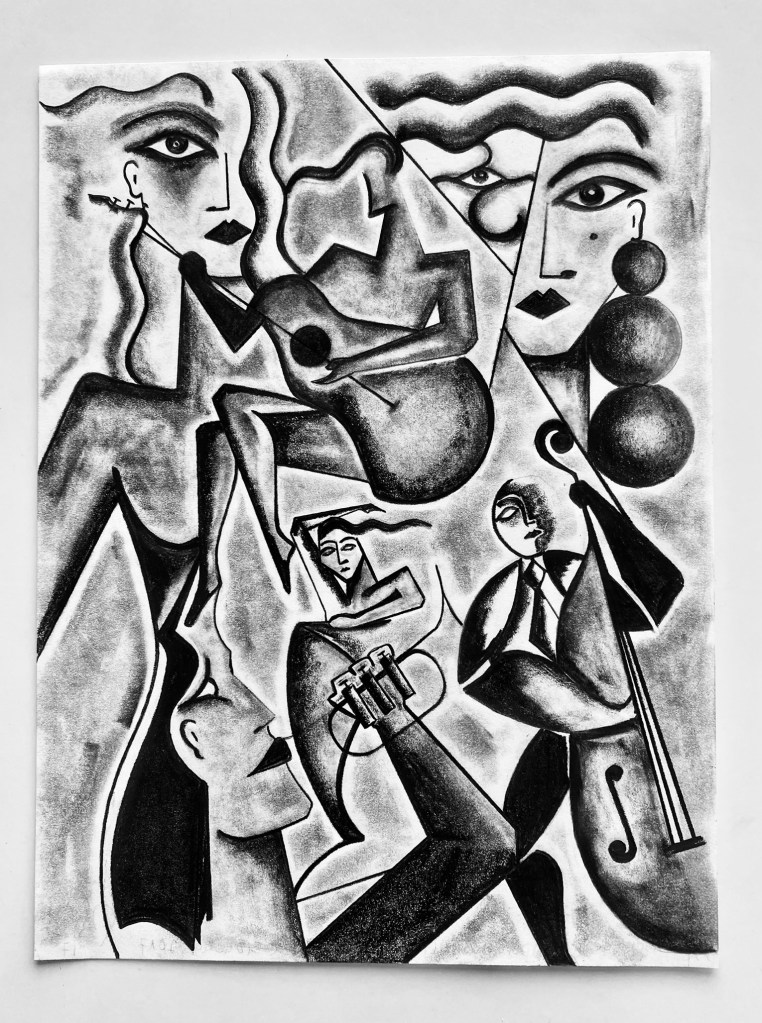
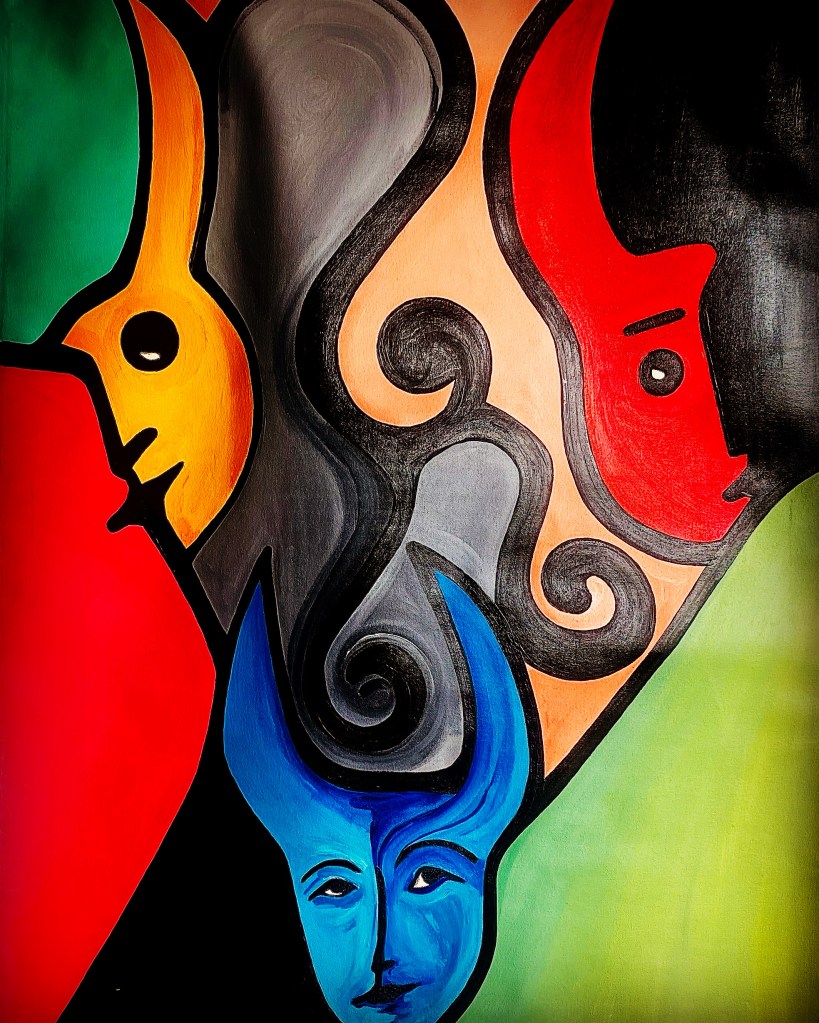
(«Diablillos» de/by Francisco Bravo Cabrera/Derechos Reservados/All Rights Reserved)

Asi que tenéis críos, venga, pues a vosotros os escribo…

Recuerdo que madre solo tenia que decirme «porque soy tu madre y punto» y se acababan todas mis preguntas y exigencias.

Tambien si me portaba indebidamente, mejor dicho, mal, y seguía jodiendo, me miraba y solo decía, «no me, no me! Que te, mira que te!» y ya, me echaba para atrás pues sabia que próximamente vendría el sopapo.

Y cuando madre estaba harta de oírme defenderme y argumentar sandeces ad nauseam con peros y más peros, me contestaba, «ni pero ni pera, ya!» y se acabó.

Pero muchos de vosotros a los críos les permitís todo. Este exceso, este permisivismo, no les viene bien, os advierto. Los críos, aunque no me creáis, quieren que vosotros, sus padres, los guieis, les pongáis limites, los eduquéis y los encaminéis. No debéis dejar que ellos decidan ni que hagan todo lo que les de la gana. ¿Que los padres tenéis la responsabilidad del comportamiento de vuestros críos? Claro que sí. Eso ha sido asi toda la vida y ahora vosotros, los supuestos padres modernos, no lo estais cumpliendo.

Además una de las razones por las cuales tenéis que controlar a vuestros críos es para que no molesten ni vuelvan locos a los demás. Especialmente en los lugares públicos, en las terrazas, en los bares, en las tiendas y en las aceras de la ciudad. En los restaurantes no debéis dejar que corran por entre las mesas como si estuviesen en un ludo parque. Vamos, no digo que los amarréis a la silla, pero si enseñadles que en un restaurante no se hace eso. Y si se aburren y se ponen majaderos es vuestra culpa. Dejad el tardeo y las cervecitas de más, pagad la cuenta, y llevadlos a un parque a que jueguen y gasten energía. ¿Ah, eso no os va? Pues para que tuvisteis hijos, ahora hay que joderse.

Otra cosa muy importante es que no les estais enseñando a ser futuros miembros de la sociedad. Pues para que sean buenos ciudadanos tenéis que enseñarles buenos modales, adquirir y valorar el buen gusto, saber saludar y despedirse, y tratar correctamente a los mayores, en fin, comportarse como seres civilizados y no como animalitos. Y lo inexorable, que sepan respetar. Tienen que respetar a los demás, a vosotros mismos, a la naturaleza y a los animales. Esa es la clave que conlleva a la paz y a la justicia y para que sean hombres y mujeres honrados y honorables. Asi gozaremos todos de un mundo mejor.

A los hijos no se les cría permitiéndoles malacrianzas y caprichos. Al contrario, tienen que aprender el valor de las cosas y los sacrificios de sus padres etcétera. Tienen que aprender a valorar los esfuerzos y asi serán solidarios y no arrogantes ni altaneros. Y por Dios no tratéis de convertirlos en pijos insoportables, esos que se tiran el pedo mas alto que el culo, porque los destinareis al fracaso y nadie los va ni a soportar ni a querer.

Queremos querer a vuestros hijos como queremos a los nuestros, y por eso os pedimos que los eduquéis. Esa es vuestra responsabilidad. Y si tenéis que darles una nalgada o una buena tunda, vale, nadie se ha muerto por eso. Pero ojo, no abuséis de ellos ni los maltratéis, pero si tenéis que cambiarle el comportamiento súbitamente, una buena nalgada lo logra.

Y no, no soy un pediatra ni psicólogo infantil, soy solo uno de esos a quienes vuestros chiquillos malcriados ha vuelto loco ya demasiadas veces. Hombre, mira que, mira que, que te, que te… 😊

GRACIAS
#poem, #prose, FEATURES Today Features Malc Wright

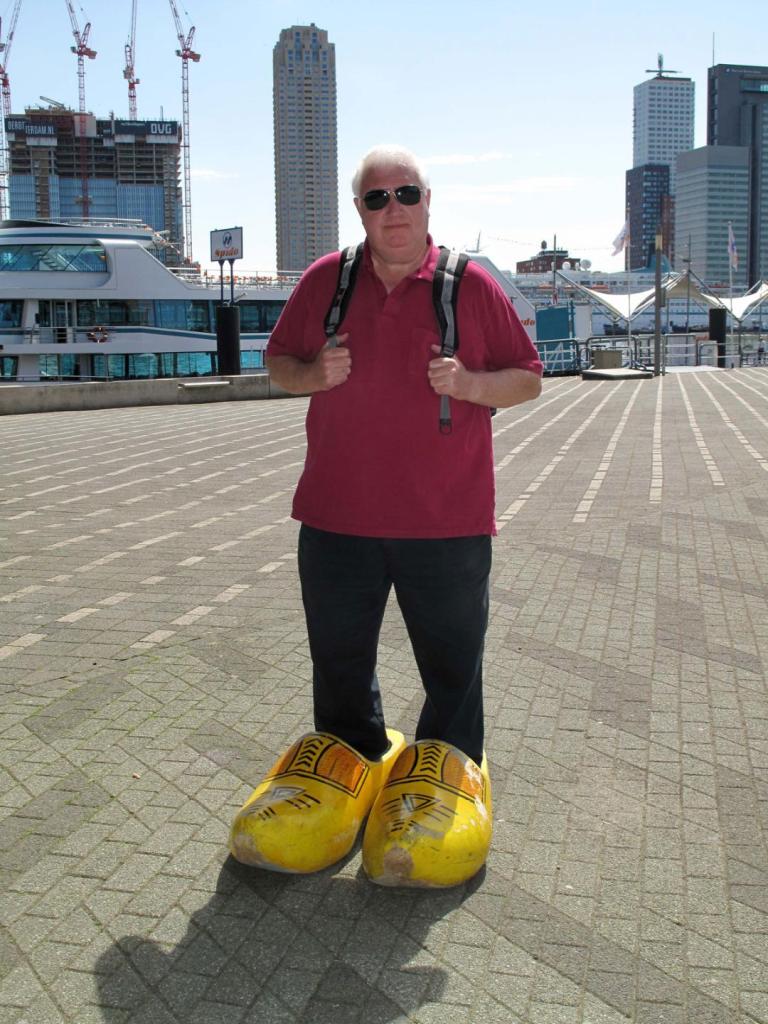
(Photo property of Malc Wright)

Ok, so you all know him as «Easymalc«. And we all have enjoyed his writings and learned a lot from the very thorough information he provides in his blog about the places he has travelled to. Well today is a very special day for FEATURES by VALENCIARTIST because our special, special guest is going to tell us a lot more about himself and his writings.

But before we delve into Malc’s interview and bio, I just want to remind you, yes you, the writer, the poet, the artist, the actor, the dancer etcetera, that you too can be on FEATURES by VALENCIARTIST. All you have to do is reply to this post with your email address so that I can send you the requisite information. Cheers.

+++++++++++++++++++++++++++++++++

These were the three questions asked:

1) Travelling is your passion, when did you realise you would write about places you’ve seen and visited?

2) What parts of the world intrigued you most and how did you define and describe them?

3) What advice would you proffer to others who would venture to also write about their travels?

I’m not sure that I deserve inclusion in Francesc’s list of notable artists, writers and poets, but in response to his request for willing participants, I added my name to the list primarily for anyone who knows me and would like to find out a bit more – and for those who have never heard of me, you can now find out why you haven’t.

In response to the first question, I started writing about walks I covered when I was young, fit and healthy. I added them to a scrap book which I think I’ve still got, but they’ve never really seen the light of day since. It was when the low-cost flights took off that I really got interested in writing about my travels. I made notes along the way with a view to writing travelogues as a sort of diary about the things I did and places I saw.

As we all know, when we’ve got the money we haven’t got the time, and when we’ve got the time we haven’t got the money, and so thinking ahead to when I retired, I kept my notes stashed away until it was time to start writing. That time came when I took early retirement in 2009. In 2012, I joined an online travel group called Virtual Tourist who offered tips to other would-be travellers, but when it was taken over and closed down by Trip Advisor, I decided to do my own thing and start blogging, and that’s when my writing really started. 

The second question may suggest that I’m a world-wide traveller, but financial restraints have confined me mainly to the UK and Europe, but if the opportunity had presented itself, I would have loved to have seen more of the world’s great natural spectacles. Seeing wild animals in their own environment in Kenya was one thing that I did manage to witness, and I’ve never been able to look at zoos in the same way since.

Travel broadens the mind in so many ways though and history is another one of my passions. Fortunately there’s no shortage of  places of historical interest here in the UK or Europe in general, and current affairs also interest me because today’s news is tomorrow’s history. Growing up in the second half of the 20th century has given me an appetite to find out why Europe was the catalyst for two world wars and what came after, and it was for that reason that I chose to visit a fair number of places associated with those events. Like anyone else, I have opinions about places that have been under the spotlight for all the wrong reasons, but I try to keep my articles on places like Northern Ireland for example as impartial as possible so that people can form their own opinions.

Not all my travels have been to trouble spots by any means, far from it. I love culture and beautiful scenery as much as anybody, but I don’t overlook the less obvious or my own backyard either. There’s something of interest everywhere if you know where to look.

The third and final question is an interesting one and I had to look at it twice. It’s not asking me to offer advice to other travellers, but to those who want to write about their experiences.

The first thing to say is that everyone should write in a way that suits them. I’m English, and I’ve been criticized for my English grammar by people who aren’t, but do I care? Of course not: Authors such as Robert Burns and R.D. Blackmore who wrote in the vernacular have got away with it, so why shouldn’t we?

Personally, I write different articles for different reasons. Some are an extension of my VT days when I offered practical advice, and some are personal accounts of my experience and more akin to a short story. I think a writer needs to focus on why he or she is writing the article in the first place. The length of it will obviously depend on the subject matter, but it’s not a good idea to ramble on for too long – like I probably am now, but it is a good idea to include humour where appropriate to stop your reader falling asleep.

That last comment now leads me to write a short bio of myself, which it has to be said, may be the most boring part of all. I was born and bred in a working class area of Bristol in England and was lucky to be brought up in a loving, but relatively poor household.

As far as education was concerned, I wasn’t bright enough to go to university, as in those days you needed to pass ‘A’ Levels to even be considered. I did manage to pass the tests needed to become an apprentice printer though, and after 5 years of training, qualified as a journeyman. I spent my whole working life in the printing trade but not in the same place, although always in the West Country. We’ve lived in cities, towns, villages, countryside and on the coast during the process.

I’ve only ever been married once – and still am. We have one grown-up daughter called Nadine, but my wife Kay is shy when it comes to having her picture in my blogs, but trust me when I say that she’s still an attractive lady. You won’t see me featured too often either – but for reasons that you’ll understand when you look at the picture below (which was taken in Rotterdam in 2012)

I’d like to thank Francesc for giving me the opportunity to let people know a little more about me and just hope that I’ve still got a few followers left after this. 😊

+++

Malc, I certainly do appreciate and greatly value your participation. I am sure there will be so many blogger friends out there that will enjoy it. Cheers my friend.

#poem, #prose, FEATURES Today Features Malc Wright

(Photo property of Malc Wright)

Ok, so you all know him as «Easymalc«. And we all have enjoyed his writings and learned a lot from the very thorough information he provides in his blog about the places he has travelled to. Well today is a very special day for FEATURES by VALENCIARTIST because our special, special guest is going to tell us a lot more about himself and his writings.

But before we delve into Malc’s interview and bio, I just want to remind you, yes you, the writer, the poet, the artist, the actor, the dancer etcetera, that you too can be on FEATURES by VALENCIARTIST. All you have to do is reply to this post with your email address so that I can send you the requisite information. Cheers.

+++++++++++++++++++++++++++++++++

These were the three questions asked:

1) Travelling is your passion, when did you realise you would write about places you’ve seen and visited?

2) What parts of the world intrigued you most and how did you define and describe them?

3) What advice would you proffer to others who would venture to also write about their travels?

I’m not sure that I deserve inclusion in Francesc’s list of notable artists, writers and poets, but in response to his request for willing participants, I added my name to the list primarily for anyone who knows me and would like to find out a bit more – and for those who have never heard of me, you can now find out why you haven’t.

In response to the first question, I started writing about walks I covered when I was young, fit and healthy. I added them to a scrap book which I think I’ve still got, but they’ve never really seen the light of day since. It was when the low-cost flights took off that I really got interested in writing about my travels. I made notes along the way with a view to writing travelogues as a sort of diary about the things I did and places I saw.

As we all know, when we’ve got the money we haven’t got the time, and when we’ve got the time we haven’t got the money, and so thinking ahead to when I retired, I kept my notes stashed away until it was time to start writing. That time came when I took early retirement in 2009. In 2012, I joined an online travel group called Virtual Tourist who offered tips to other would-be travellers, but when it was taken over and closed down by Trip Advisor, I decided to do my own thing and start blogging, and that’s when my writing really started. 

The second question may suggest that I’m a world-wide traveller, but financial restraints have confined me mainly to the UK and Europe, but if the opportunity had presented itself, I would have loved to have seen more of the world’s great natural spectacles. Seeing wild animals in their own environment in Kenya was one thing that I did manage to witness, and I’ve never been able to look at zoos in the same way since.

Travel broadens the mind in so many ways though and history is another one of my passions. Fortunately there’s no shortage of  places of historical interest here in the UK or Europe in general, and current affairs also interest me because today’s news is tomorrow’s history. Growing up in the second half of the 20th century has given me an appetite to find out why Europe was the catalyst for two world wars and what came after, and it was for that reason that I chose to visit a fair number of places associated with those events. Like anyone else, I have opinions about places that have been under the spotlight for all the wrong reasons, but I try to keep my articles on places like Northern Ireland for example as impartial as possible so that people can form their own opinions.

Not all my travels have been to trouble spots by any means, far from it. I love culture and beautiful scenery as much as anybody, but I don’t overlook the less obvious or my own backyard either. There’s something of interest everywhere if you know where to look.

The third and final question is an interesting one and I had to look at it twice. It’s not asking me to offer advice to other travellers, but to those who want to write about their experiences.

The first thing to say is that everyone should write in a way that suits them. I’m English, and I’ve been criticized for my English grammar by people who aren’t, but do I care? Of course not: Authors such as Robert Burns and R.D. Blackmore who wrote in the vernacular have got away with it, so why shouldn’t we?

Personally, I write different articles for different reasons. Some are an extension of my VT days when I offered practical advice, and some are personal accounts of my experience and more akin to a short story. I think a writer needs to focus on why he or she is writing the article in the first place. The length of it will obviously depend on the subject matter, but it’s not a good idea to ramble on for too long – like I probably am now, but it is a good idea to include humour where appropriate to stop your reader falling asleep.

That last comment now leads me to write a short bio of myself, which it has to be said, may be the most boring part of all. I was born and bred in a working class area of Bristol in England and was lucky to be brought up in a loving, but relatively poor household.

As far as education was concerned, I wasn’t bright enough to go to university, as in those days you needed to pass ‘A’ Levels to even be considered. I did manage to pass the tests needed to become an apprentice printer though, and after 5 years of training, qualified as a journeyman. I spent my whole working life in the printing trade but not in the same place, although always in the West Country. We’ve lived in cities, towns, villages, countryside and on the coast during the process.

I’ve only ever been married once – and still am. We have one grown-up daughter called Nadine, but my wife Kay is shy when it comes to having her picture in my blogs, but trust me when I say that she’s still an attractive lady. You won’t see me featured too often either – but for reasons that you’ll understand when you look at the picture below (which was taken in Rotterdam in 2012)

I’d like to thank Francesc for giving me the opportunity to let people know a little more about me and just hope that I’ve still got a few followers left after this. 😊

+++

Malc, I certainly do appreciate and greatly value your participation. I am sure there will be so many blogger friends out there that will enjoy it. Cheers my friend.

#poem, #prose, FEATURES Today Features Malc Wright

(Photo property of Malc Wright)

Ok, so you all know him as «Easymalc«. And we all have enjoyed his writings and learned a lot from the very thorough information he provides in his blog about the places he has travelled to. Well today is a very special day for FEATURES by VALENCIARTIST because our special, special guest is going to tell us a lot more about himself and his writings.

But before we delve into Malc’s interview and bio, I just want to remind you, yes you, the writer, the poet, the artist, the actor, the dancer etcetera, that you too can be on FEATURES by VALENCIARTIST. All you have to do is reply to this post with your email address so that I can send you the requisite information. Cheers.

+++++++++++++++++++++++++++++++++

These were the three questions asked:

1) Travelling is your passion, when did you realise you would write about places you’ve seen and visited?

2) What parts of the world intrigued you most and how did you define and describe them?

3) What advice would you proffer to others who would venture to also write about their travels?

I’m not sure that I deserve inclusion in Francesc’s list of notable artists, writers and poets, but in response to his request for willing participants, I added my name to the list primarily for anyone who knows me and would like to find out a bit more – and for those who have never heard of me, you can now find out why you haven’t.

In response to the first question, I started writing about walks I covered when I was young, fit and healthy. I added them to a scrap book which I think I’ve still got, but they’ve never really seen the light of day since. It was when the low-cost flights took off that I really got interested in writing about my travels. I made notes along the way with a view to writing travelogues as a sort of diary about the things I did and places I saw.

As we all know, when we’ve got the money we haven’t got the time, and when we’ve got the time we haven’t got the money, and so thinking ahead to when I retired, I kept my notes stashed away until it was time to start writing. That time came when I took early retirement in 2009. In 2012, I joined an online travel group called Virtual Tourist who offered tips to other would-be travellers, but when it was taken over and closed down by Trip Advisor, I decided to do my own thing and start blogging, and that’s when my writing really started. 

The second question may suggest that I’m a world-wide traveller, but financial restraints have confined me mainly to the UK and Europe, but if the opportunity had presented itself, I would have loved to have seen more of the world’s great natural spectacles. Seeing wild animals in their own environment in Kenya was one thing that I did manage to witness, and I’ve never been able to look at zoos in the same way since.

Travel broadens the mind in so many ways though and history is another one of my passions. Fortunately there’s no shortage of  places of historical interest here in the UK or Europe in general, and current affairs also interest me because today’s news is tomorrow’s history. Growing up in the second half of the 20th century has given me an appetite to find out why Europe was the catalyst for two world wars and what came after, and it was for that reason that I chose to visit a fair number of places associated with those events. Like anyone else, I have opinions about places that have been under the spotlight for all the wrong reasons, but I try to keep my articles on places like Northern Ireland for example as impartial as possible so that people can form their own opinions.

Not all my travels have been to trouble spots by any means, far from it. I love culture and beautiful scenery as much as anybody, but I don’t overlook the less obvious or my own backyard either. There’s something of interest everywhere if you know where to look.

The third and final question is an interesting one and I had to look at it twice. It’s not asking me to offer advice to other travellers, but to those who want to write about their experiences.

The first thing to say is that everyone should write in a way that suits them. I’m English, and I’ve been criticized for my English grammar by people who aren’t, but do I care? Of course not: Authors such as Robert Burns and R.D. Blackmore who wrote in the vernacular have got away with it, so why shouldn’t we?

Personally, I write different articles for different reasons. Some are an extension of my VT days when I offered practical advice, and some are personal accounts of my experience and more akin to a short story. I think a writer needs to focus on why he or she is writing the article in the first place. The length of it will obviously depend on the subject matter, but it’s not a good idea to ramble on for too long – like I probably am now, but it is a good idea to include humour where appropriate to stop your reader falling asleep.

That last comment now leads me to write a short bio of myself, which it has to be said, may be the most boring part of all. I was born and bred in a working class area of Bristol in England and was lucky to be brought up in a loving, but relatively poor household.

As far as education was concerned, I wasn’t bright enough to go to university, as in those days you needed to pass ‘A’ Levels to even be considered. I did manage to pass the tests needed to become an apprentice printer though, and after 5 years of training, qualified as a journeyman. I spent my whole working life in the printing trade but not in the same place, although always in the West Country. We’ve lived in cities, towns, villages, countryside and on the coast during the process.

I’ve only ever been married once – and still am. We have one grown-up daughter called Nadine, but my wife Kay is shy when it comes to having her picture in my blogs, but trust me when I say that she’s still an attractive lady. You won’t see me featured too often either – but for reasons that you’ll understand when you look at the picture below (which was taken in Rotterdam in 2012)

I’d like to thank Francesc for giving me the opportunity to let people know a little more about me and just hope that I’ve still got a few followers left after this. 😊

+++

Malc, I certainly do appreciate and greatly value your participation. I am sure there will be so many blogger friends out there that will enjoy it. Cheers my friend.

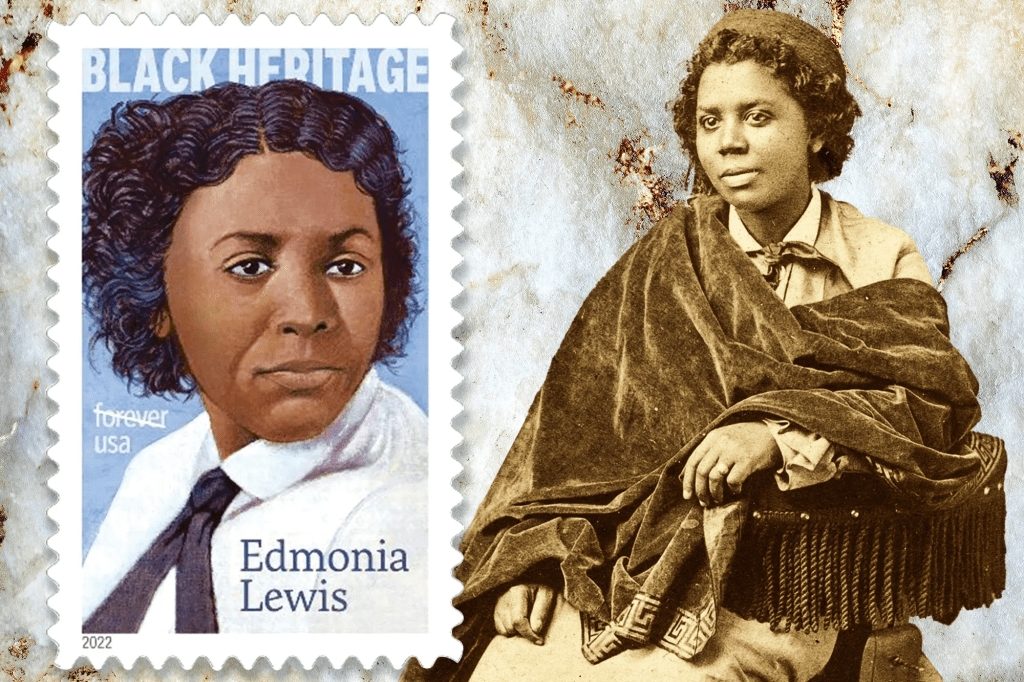
#art, Do You Know Edmonia Lewis?

(The New York Post)

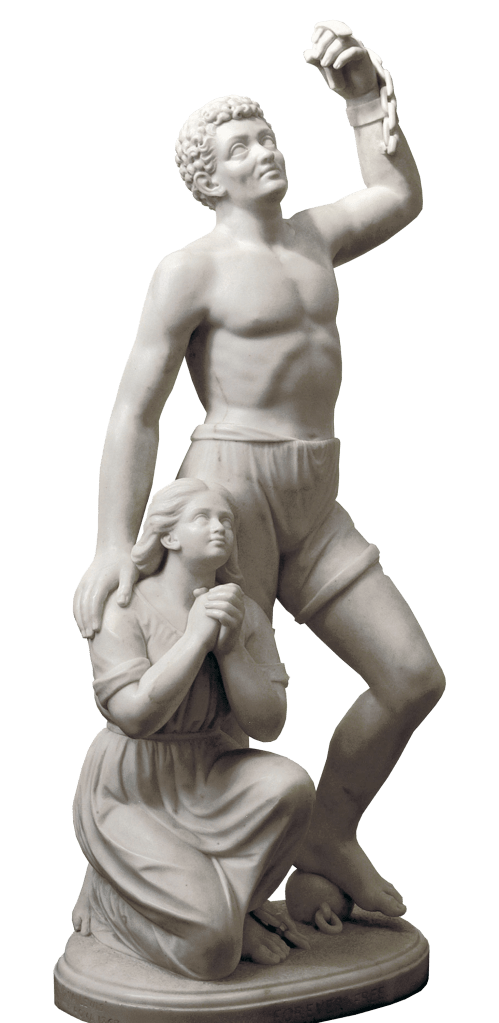
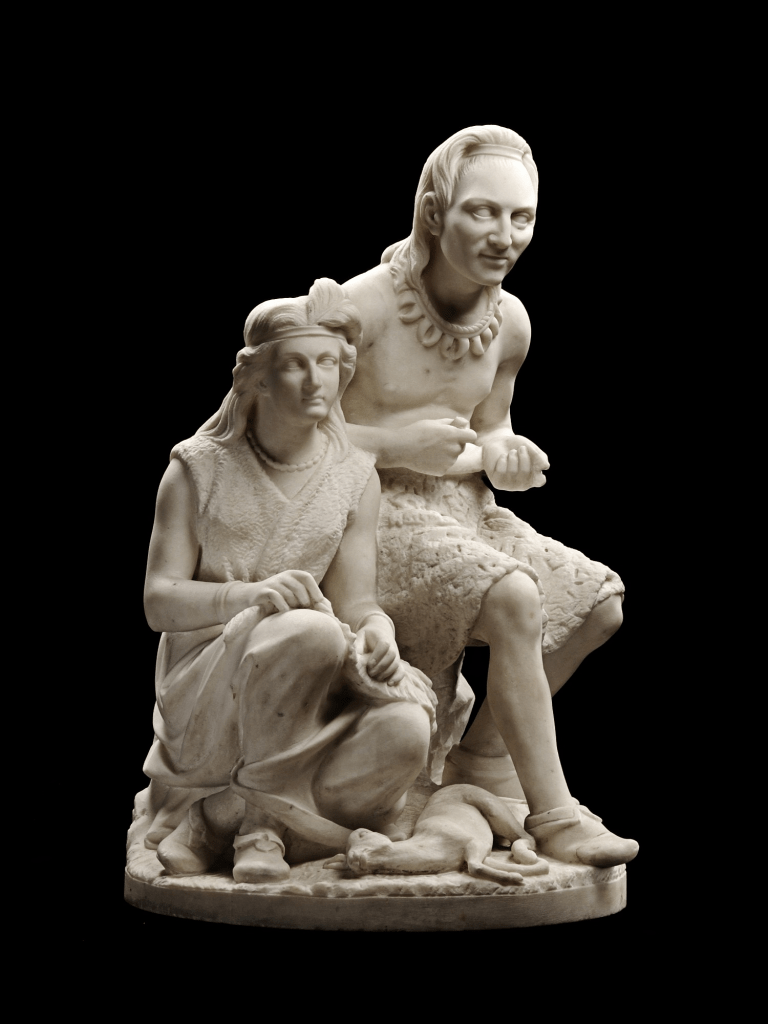
Well if you don’t know who she was or anything about her art, don’t feel bad as she is…among many others…one of the ignored and forgotten greats. And in any event, I am here to tell you about her so that you do not think that the only…or best…American (born in the US) Black artist was Basquiat or that the only…or best…female artist was Frida Kahlo. Granted, both Basquiat and Kahlo made a name for themselves. Basquiat as the enfant terrible of the 1980’s and Kahlo as the «queen of merchandising!» but as artists they were mediocre, at best.

Ms. Lewis was the real thing. She was born in New York in 1844. She was a sculptor and lived and worked most of her life in Rome, Italy. And she was the first Native American/African artist to achieve international recognition in the sculptural arts. Quite an accomplishment I would say, no? And you did not even hear of her. Well, it is not your fault, it is the fault of educators of Art History that are biased and only talk about the «artists» they think are good and important. Well, most of the time they are neither.

Edmonia’s sculptural style was neo-classic. She started during the time of the US Civil War and became recognised, albeit slightly, in the art world of the times. In 2002 she was included in the list of the 100 most recognised African-Americans, (which only includes those of the US not black people of the entire American continent). Lewis’s father was Afro-Haitian and her mother was a weaver from the Mississauga Ojibwe tribe of North American Indians.

Her first exhibition was in 1864. It was successful and together with a few more successes she eventually found her way to Italy where she joined with other ex-patriot sculptors and settled in Rome where she opened her own studio. In Italy she found a refreshing freedom from racism and the liberty to create as she willed.

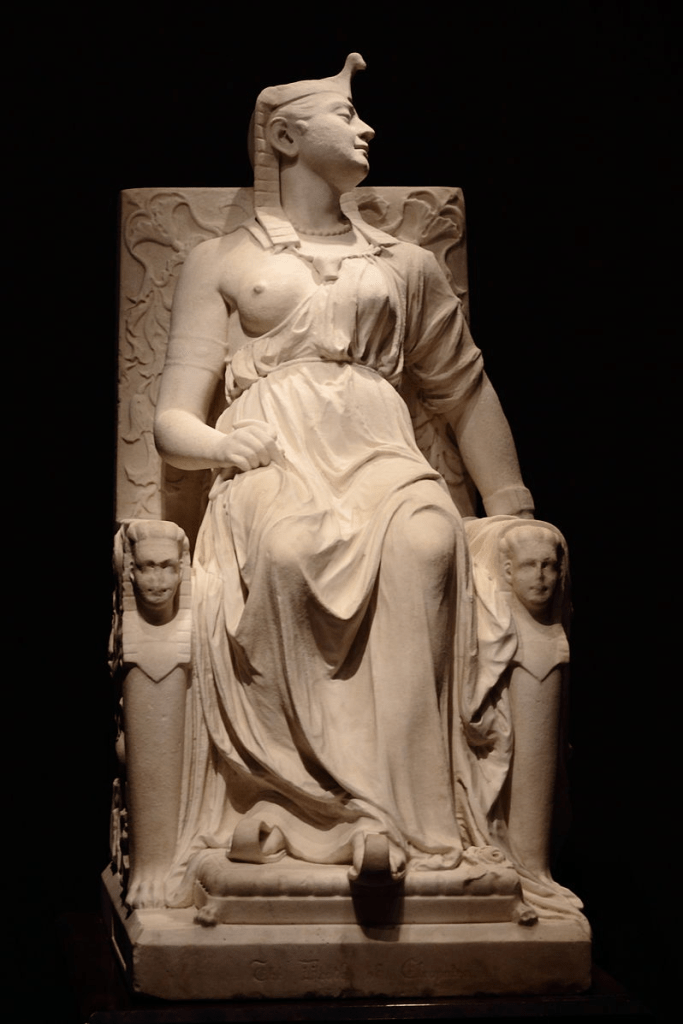
In 1876 she participated in the «Centennial Exposition of 1876» in Philadelphia. She exhibited a monumental sculpture that weighed approximately 1400 kg, titled «The Death of Cleopatra«, based on Shakespeare’s Antony and Cleopatra Antonio and Cleopatra.

Ms. Edmonia Lewis died in London in 1907 at the age of 63 years. I truly encourage you to look further into the life and the work of this incredibly good artist, and that you spread the word about her and about all the others that are forgotten or ignored. It is time to re-arrange some of the museums of this world, take out some of the rubbish they are exhibiting and replace it with the quality work of valuable artists that are left out.

«There is nothing as beautiful as the freedom of the forest: catching a fish when you are hungry, cutting the branches of a tree to make a fire to roast it, and eating it outdoors, is the greatest of all luxuries. I wouldn’t stay a week locked up in the cities, if it weren’t for my passion for art.» (Edmonia Lewis/translated from the original Spanish which was published in the newspaper El País of Spain)

«No hay nada tan hermoso como el bosque libre: coger un pez cuando tienes hambre, cortar las ramas de un árbol, hacer un fuego para asarlo, y comerlo al aire libre, es el mayor de todos los lujos. No me quedaría una semana encerrada en las ciudades, si no fuera por mi pasión por el arte» (periódico El País/España)

(«Forever Free»/1876/Image taken from the public domain and whose rights remain with its author)
(«Forever Free»/1867/Image taken from the public domain and whose rights remain with its author)
(«Old Arrow Maker»/1866/Image Smithsonian)

CHEERS

#art, El atelier de los artistas – The Artist in His Studio

(Photo by unknown photographer)

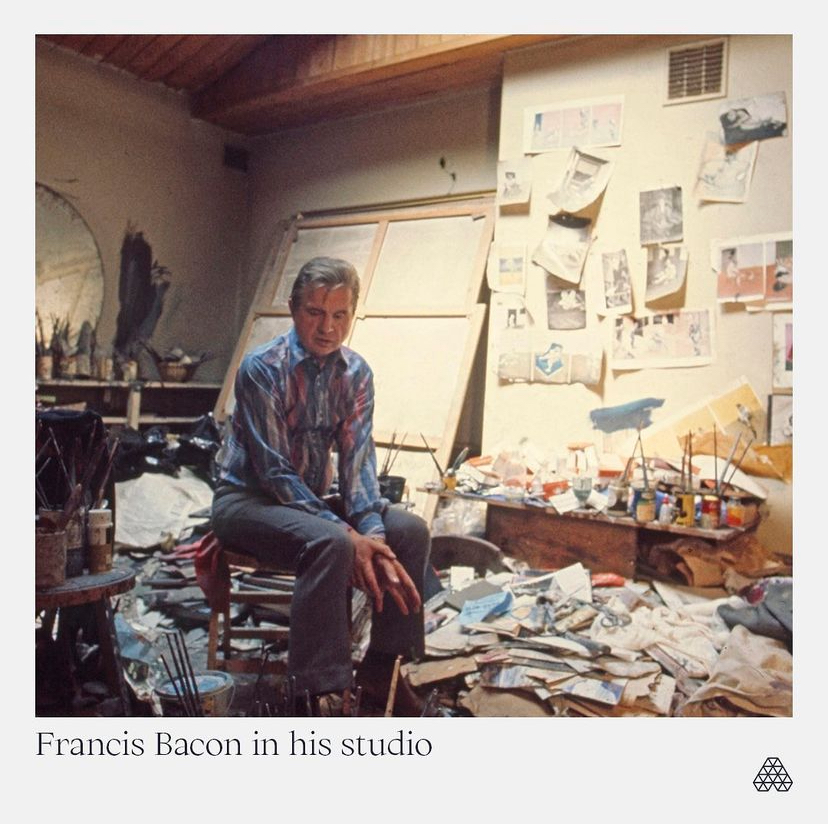
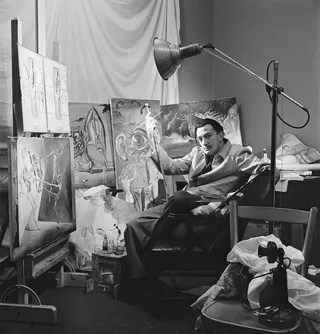
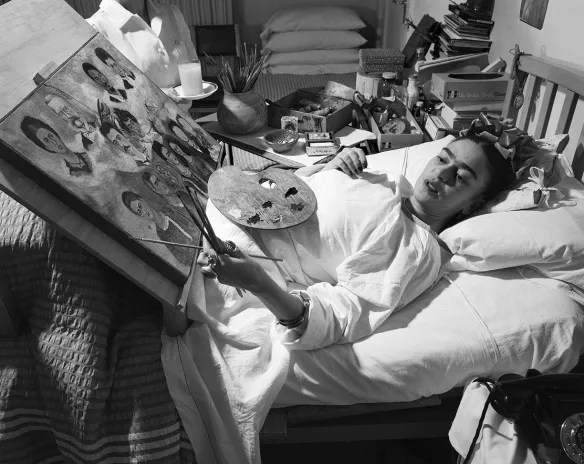
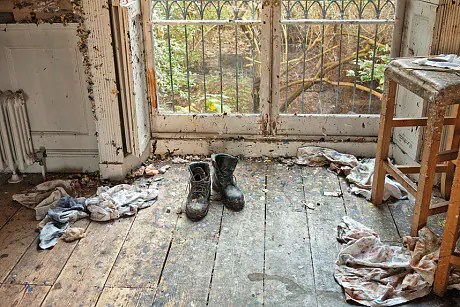
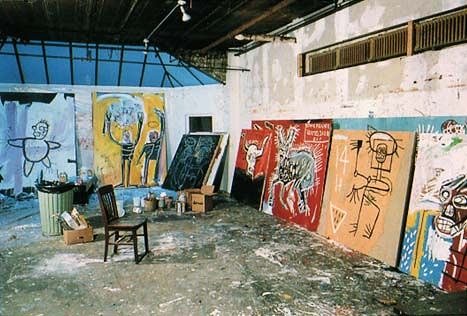
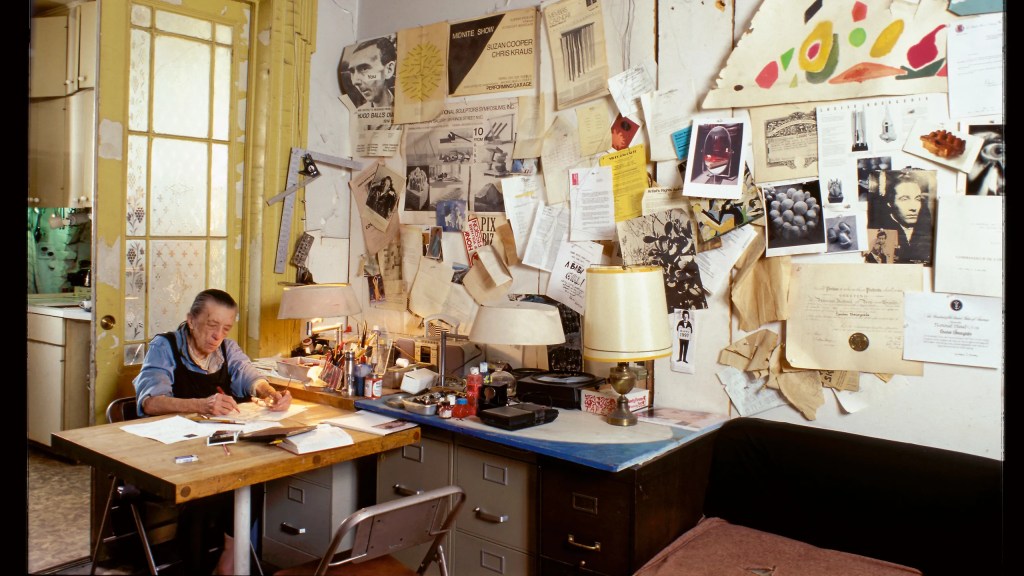
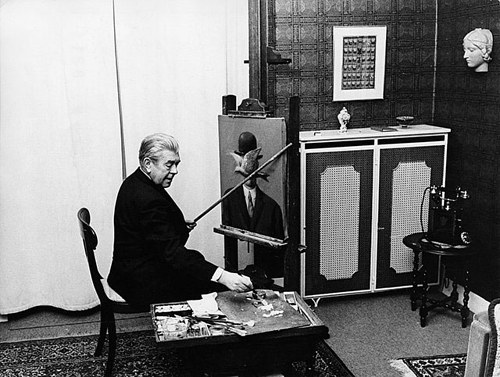
El atelier es el sanctum sanctorum de los artistas, o de muchos artistas, diría yo. Hay tantas variedades como artistas. Algunos mantienen sus estudios limpios y bien organizados. Otros son un chiquero, desordenados, sucios, totalmente una locura. Algunos artistas alquilan estudios lejos de sus hogares, algunos pintan en casa en un área o habitación separada utilizada como estudio. Pero ha habido otros que han pintado en el salón de su casa, sobre una alfombra cara y vestidos con chaqueta de esmoquin, diciéndole al mundo que la pintura pertenece al lienzo y no al suelo. ¿Puedes adivinar quién era ese artista*?

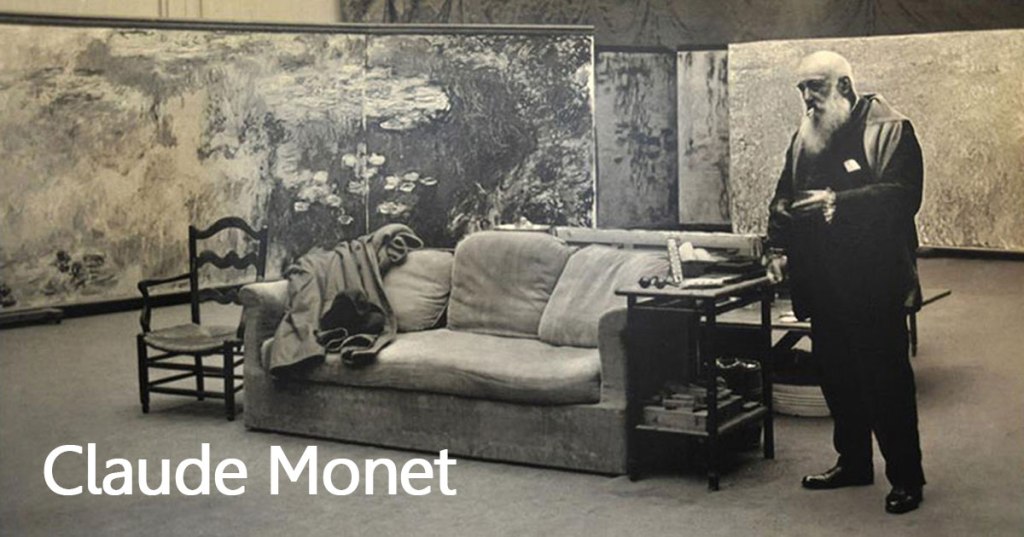
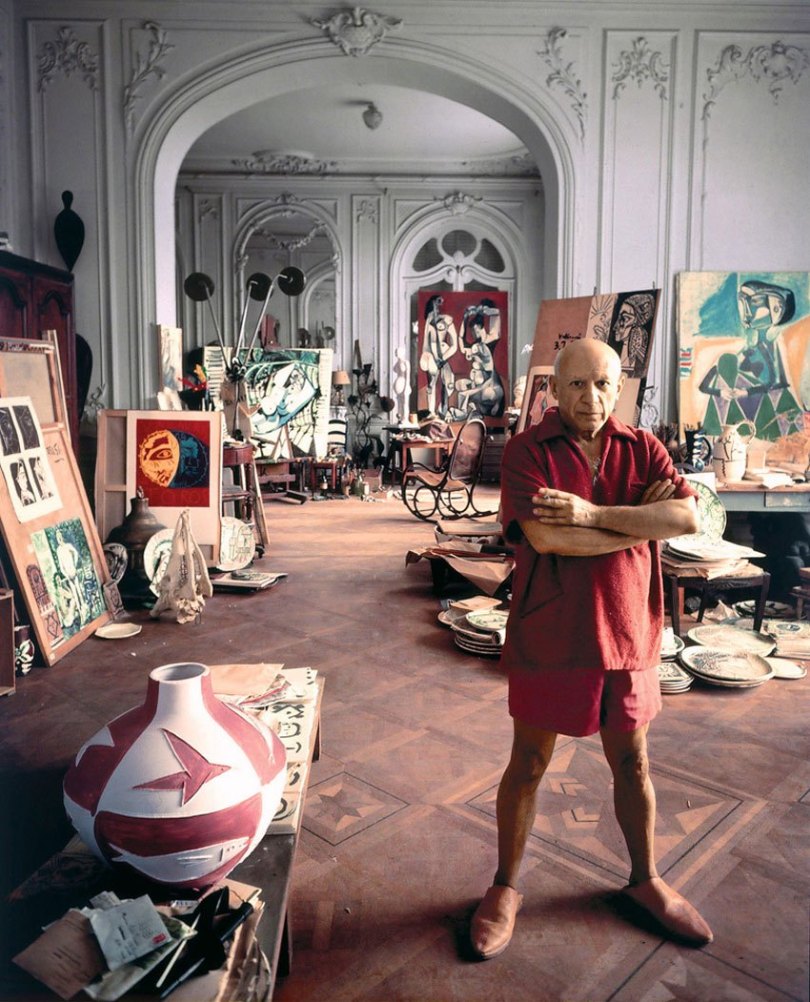
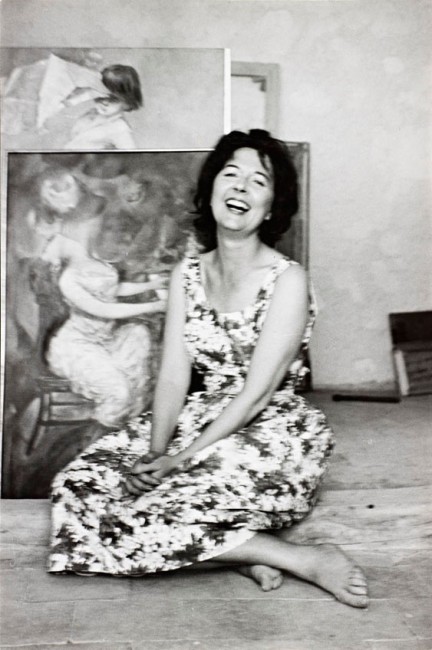
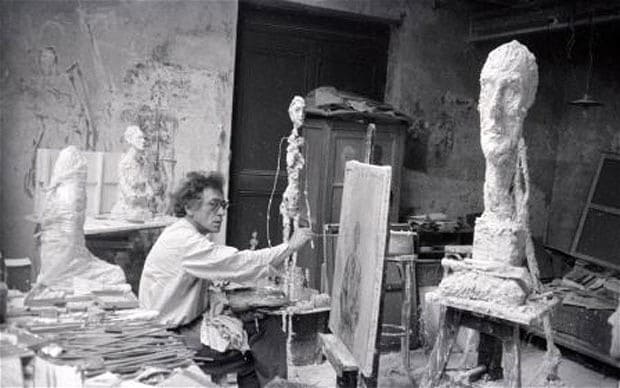
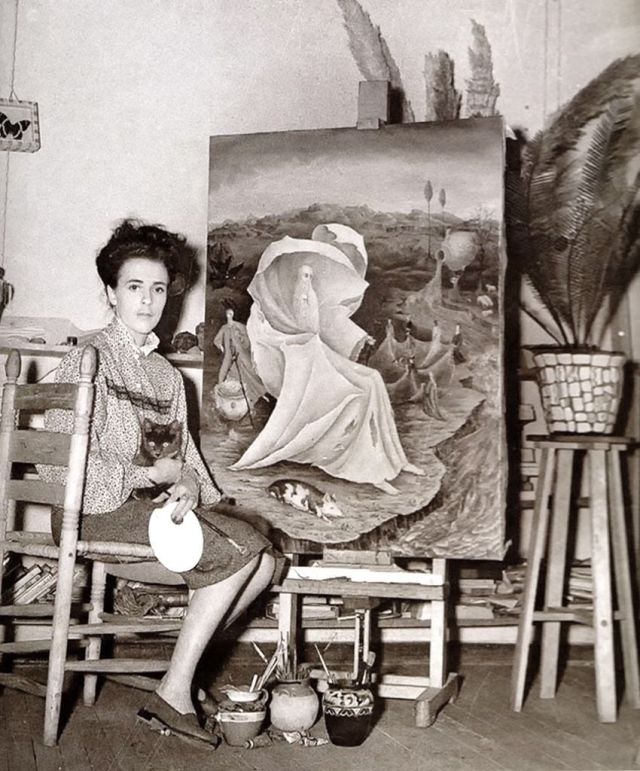
Bueno, hagamos un breve recorrido por los ateliers de algunos de los artistas más famosos en la Historia del Arte y veamos el entorno en el que se encontraban cuando creaban.

+++++++++++++++++++++++

The studio is the holy of holies for many artists. There are as many varieties as there are artists. Some studios are clean and well organised. Others are a pig-pen, messy, dirty, totally in disarray. Some artists rent studios away from their homes, some paint in the home in a separate area or room used as a studio. But there have been others who have painted in their home’s salon, on an expensive rug and dressed in smoking jacket and telling the world that he does not create stains, because paint belongs on the canvas and not on the floor. Can you guess who that artist* was?

Well, let’s take a short tour through the studios of some of the most famous artists in Art History and see the environment they were in when they created.

  1. Dalí; 2) Frida Kahlo; 3)Lucien Freud; 4)Monet; 5) Picasso
  1. Basquiat; Dorothea Tanning; Giacometti; Leonora Carrington; Louise Bourgeoise

+ Rene Magritte

(Photo by unknown photographer and taken from the public domain all rights retained by its proper author)

GRACIAS – CHEERS

#art, How do You Define Art? (Translation of article published today in Masticadores)

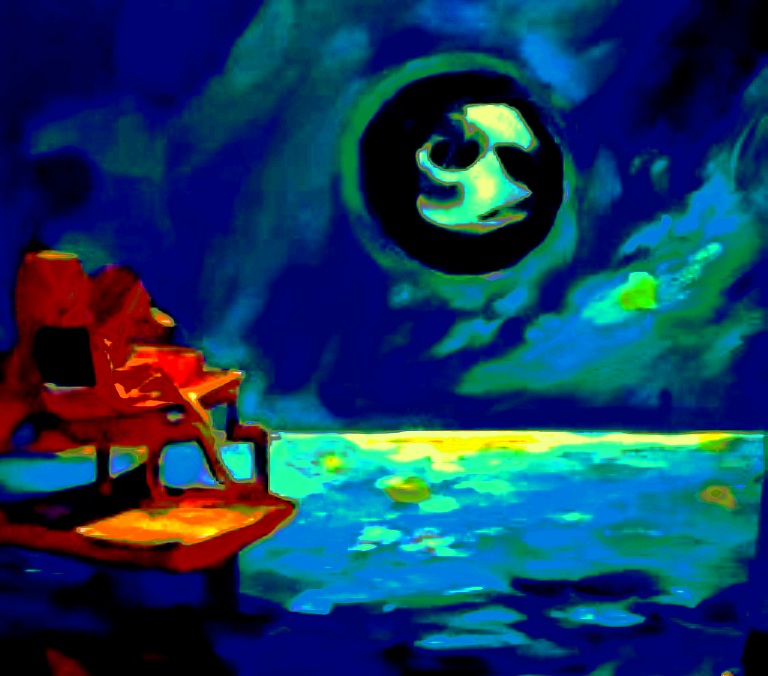
(«The Painter on the High Seas»/by Francisco Bravo Cabrera/All Rights Reserved)

Art is an international language, and that is something that no one doubts or disputes. Painters, sculptors, musicians, poets, and all those involved in the «fine arts» use what we call «art» to express the philosophy that motivates them, their creativity, and the talent they have developed through effort. I say effort…read as hard work…because that is the only way to develop talent.

The artist who seeks communion with the spiritual clings to his time, his place, and his moment in history. Not only to the history of art, but especially he has to cling to the history that is being made moment by moment. It is the only way to make the work vibrate with true energy and convey its message. The artist’s message to the observer, and here I speak specifically of the painter, sometimes comes through the colours or through the shapes and figures… if he is a figurative artist… that he has captured on the canvas.

I am not an artist attached to a particular style or school. In fact, although I live the spirituality of my contemporaneity, I do not create installations, video art, or performances, which seem to…unfortunately…define today’s art. I do not like them and I do not work any of those three «things!. I am a lone wolf that has separated from that pack and follows his own path in figurative and abstract art. But for me art will remain within the realms of painting and sculpting. The wider definition of «the arts» encompasses the rest of the fine arts..

My college training was, like that of almost everyone in the 1980s, classical. You have to know the basics, color theory, the rules of composition, in short, all the rules that…academically…define art. When I finished my bachelor’s degree in fine arts, I decided to forget everything I was taught and start creating. I did it my way, and still do, through my unique style, surreal-expressionism. I also work on abstraction since the idea of the abstract intrigues me and the style allows me to have a different dialogue with the public. Moreover, this way I stick it to those critics who seek to interpret my work and perhaps pigeonhole me into a style.

But even though my works are surreal-expressionist, many of them have an intrinsic and inexorable rhythm, difficult to define and even more to ignore. These are based on the principles that define Jazz music, in other words, classic North American music. I call these paintings «JaZzArT».

In conclusion, I would say that drawing is the most accurate and boldest way to express artistic creativity. Throughout art history, I have admired many artists who were also great draftsmen and who have left us phenomenal drawings. Artists like M. C. Escher, Egon Schiele, Picasso, Dürer, Michelangelo, Leonardo da Vinci, and many more. Matisse said that a drawing was a painting with fewer elements, perhaps because they don’t have paint. But, forgive me Henri, you’re wrong, or your statement is incomplete, it’s because drawing doesn’t follow the same path as a painting. Drawing uses the magic of the black line, which although it also works in paintings, in drawing ot stands out as an overwhelming force that gives it spirit

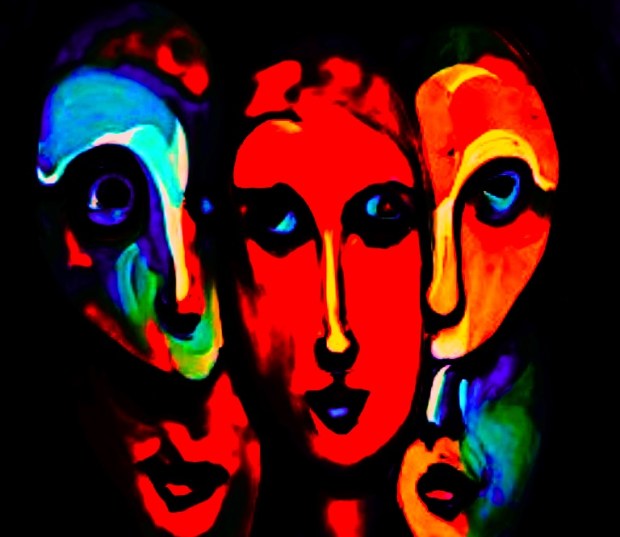
(JaZzArT by Francisco Bravo Cabrera/All Rights Reserved)

GREETINGS.