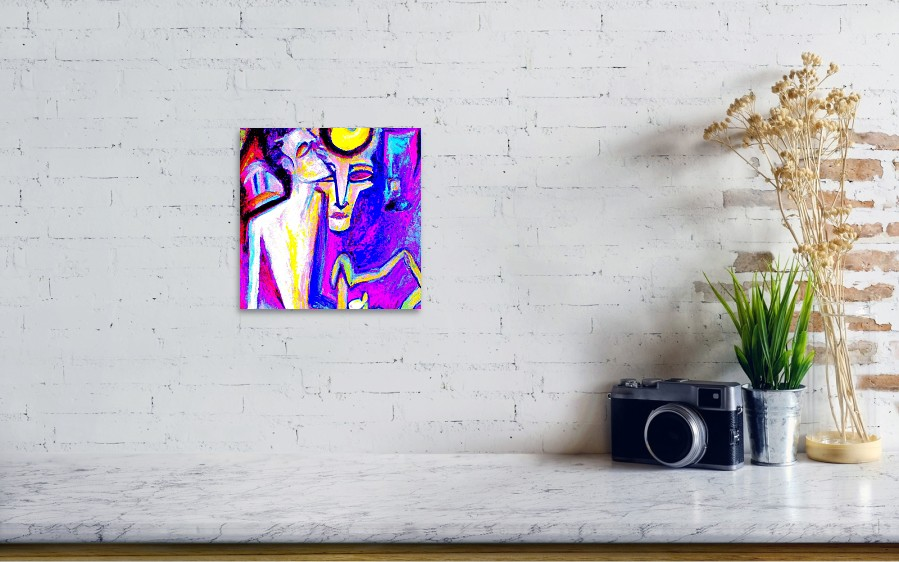
#opinion, The Inmates Escaped…

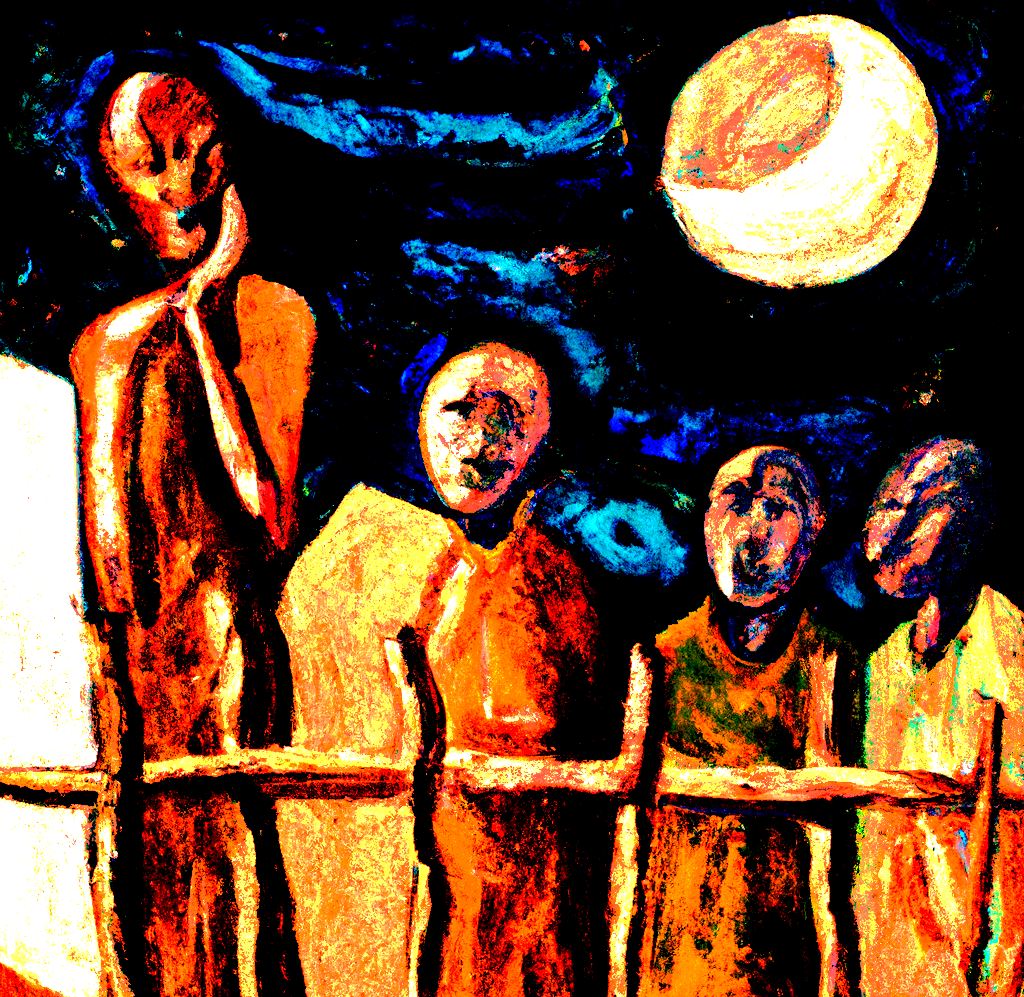
(«Demented» an original Art Digital by Francisco Bravo Cabrera/All Rights Reserved)

Madness has taken over the world…more or less…and is derailing our culture and our lives. Why do I think…and say…that? Well, I’ll start by explaining that these days are dark days indeed. We are in the age of mindlessness and stupidity. We have regressed further back than the dark Middle Ages.

Why? Because now everything offends, everything irritates sensibilities, everything threatens to knock us off our balance and catapult us into the void. Society has succumbed to the aid of «Big Brother».

Brother man! Now you don’t have to think that much! What for! Big Brother does that for you and more so, he takes good care of you. For your own good you can no longer watch videos that were on YouTube that dealt with unreal topics and lies such as «conspiracy theories», (although many turned out to be true). For your benefit the internet has shrunk so that you won’t be faced with misleading lies that might misguide you. Big Brother has even placed black screens and disclosures on news items that might hurt your sensibilities or shock you…

But they haven’t sheltered you or your children from the bad examples that they portray on most programmes, series, movies and music. No, that’s ok, it’s for the kids enjoyment! They haven’t protected you from the gratuitous violence of videogames that lead to laziness, lack of productivity and improper behaviour…

The freedom that the Western World gained during the age of the «hippies» (think of the 60’s) has been stolen from us. No! Wait! Not stolen, good grief! We gave it away without a fight! They got us drunk of mobile phones and all sorts of other gadgets that we just gave it all away in exchange for having «information» in the palm of our hands. Information for what? We’re just as stupid as we were before smart phones…

But during those glorious years we wanted to be free of the «establishment», of the government, of the generals, of the police, of the bureaucrats and whatever the fuck engendered them! Now we are sheep, we are well-behaved little idiots repeating their phrases and aspiring to be «politically correct»…

Good grief! Listen mate, I don’t want to offend anybody, but have we lost our ability to defend ourselves? Have we lost our sense of humor or our common sense? Hehehe… common sense is the least common of all the senses, do not you know that? Once you lose your common sense it is practically impossible to get it back, even after multiple sessions of head shrinking…

Folks, we are in a room with no exit, like Sartre wrote in (“Huis clos” – “No Exit”). Inside float all manner of stupidities and we are there taking them all in, even through osmosis. We are so dumbed down we do not even realise that the doors are not really locked, but since we have become accustomed to obedience, we do not even try to escape…

Yes, the loonies have escaped the looney bin, they’ve flown the cuckoo’s nest and the head shrinkers and assistants are too busy with a finger up their nose while they vape and play videogames online…
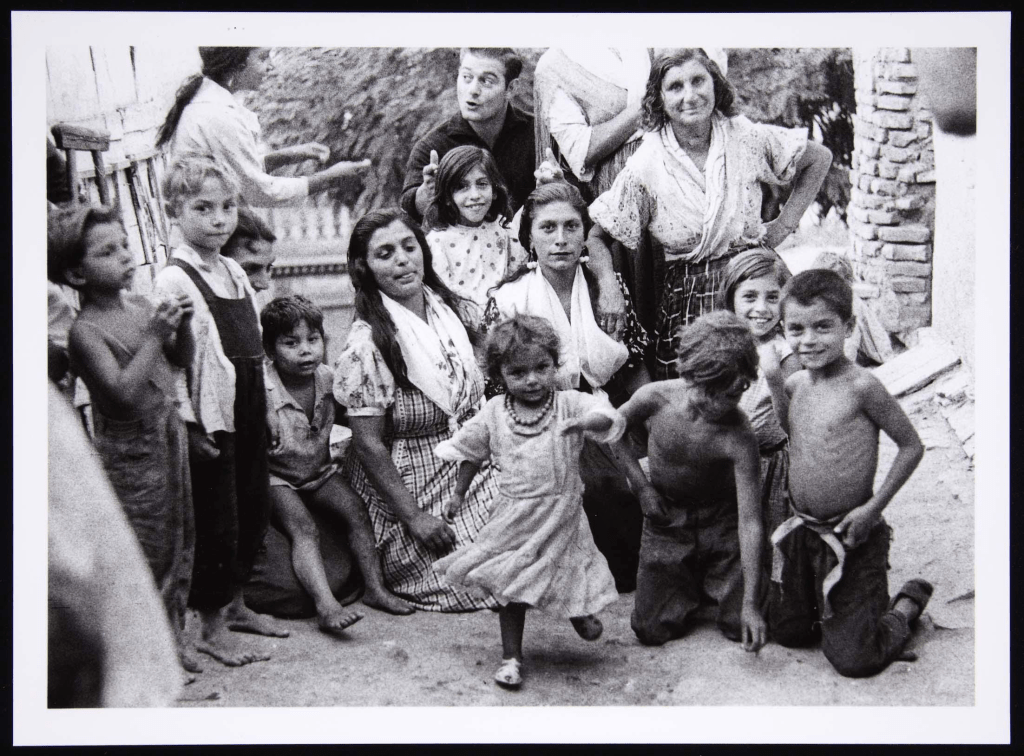
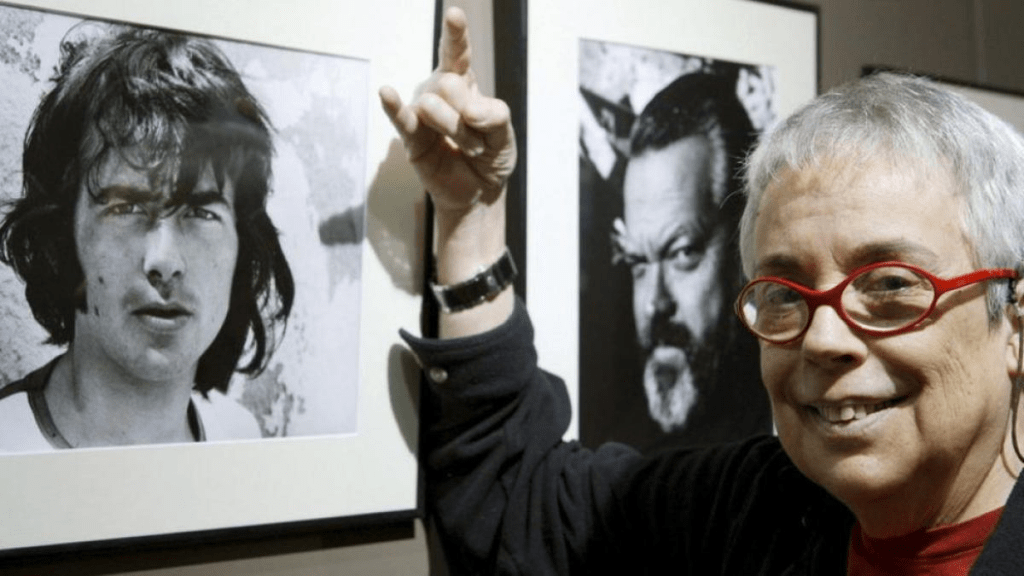
#art, Mujeres artistas, la serie 2024 «Colita»

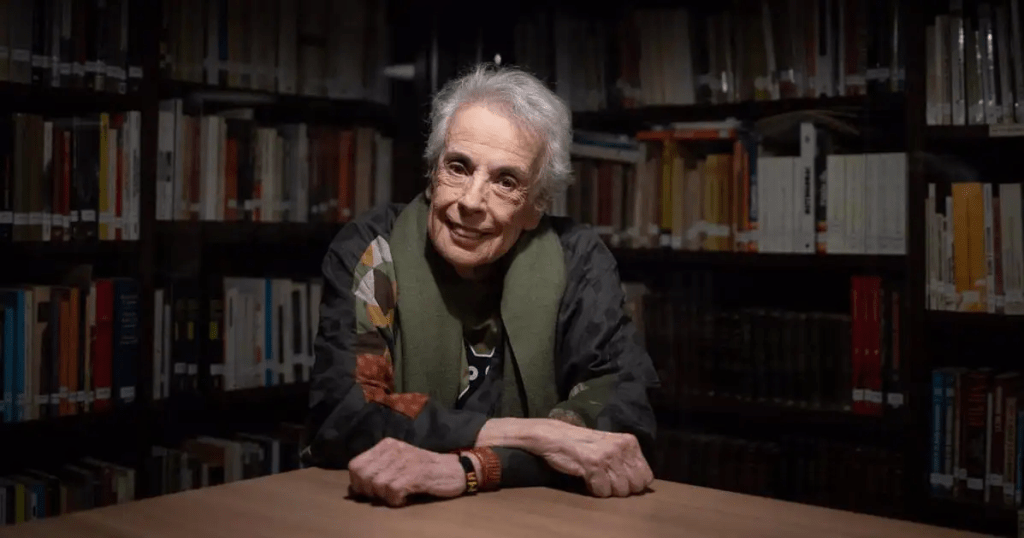
(Foto/Photo ABC)

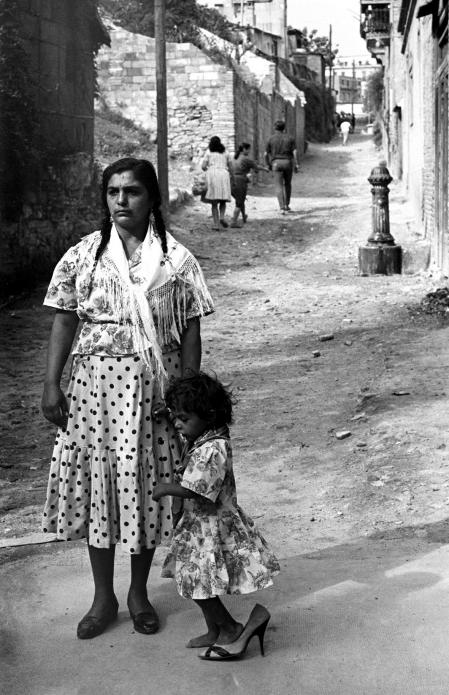
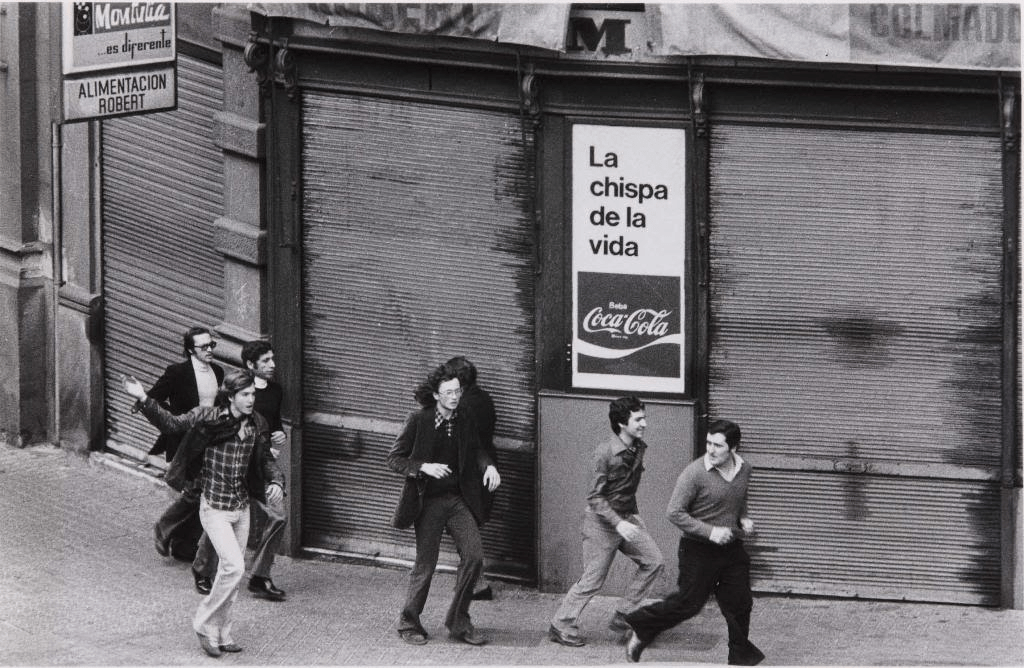
Acabamos de perder a «Colita», (Isabel Steva Hernández) murió el 31 de diciembre (2023)… Nació en Barcelona en 1940… A los 17 años se fue a Francia y estudió en la Sorbonne pero regreso a Catalunya e hizo amistad con varios y reconocidos fotógrafos como Xavier Miserachs. Con Miserachs trabajó un año de laboratorista y estilista (1961)… En 1962 hizo amistad con la bailaora de flamenco Carmen Amaya cuando ella trabajaba en el archivo de la peli «Los Tarantos» de Francesc Rovira Beleta… Se trasladó a Madrid donde hizo las fotografías de promoción de Antonio Gades y La Chunga… Colaboro con Caballero Bonald, en el libro «Luces y sombras del flamenco» (1975)… Colaboró con la Escuela de Barcelona… Su primera exposición fue una colectiva de artistas titulada Evocación del modernismo en 1965… Su especialidad fue el retrato y la denominaron la fotógrafa de la Guache divine barcelonesa, un grupo de intelectuales y artistas de izquierda… Realizó portadas de discos de los artistas de la Nova Cançó, especialmente de Joan Manuel Serrat… Su trabajo atravesó mas de cuatro décadas, mas de 40 exposiciones y 30 libros de fotografía… sus trabajos posterior al franquismo fueron realizados en Barcelona donde se dedicó a fotografiar su ciudad y dando testimonio de los cambios culturales y sociales de Catalunya.

Falleció en Barcelona a los 83 años…

(Foto La Vanguardia)

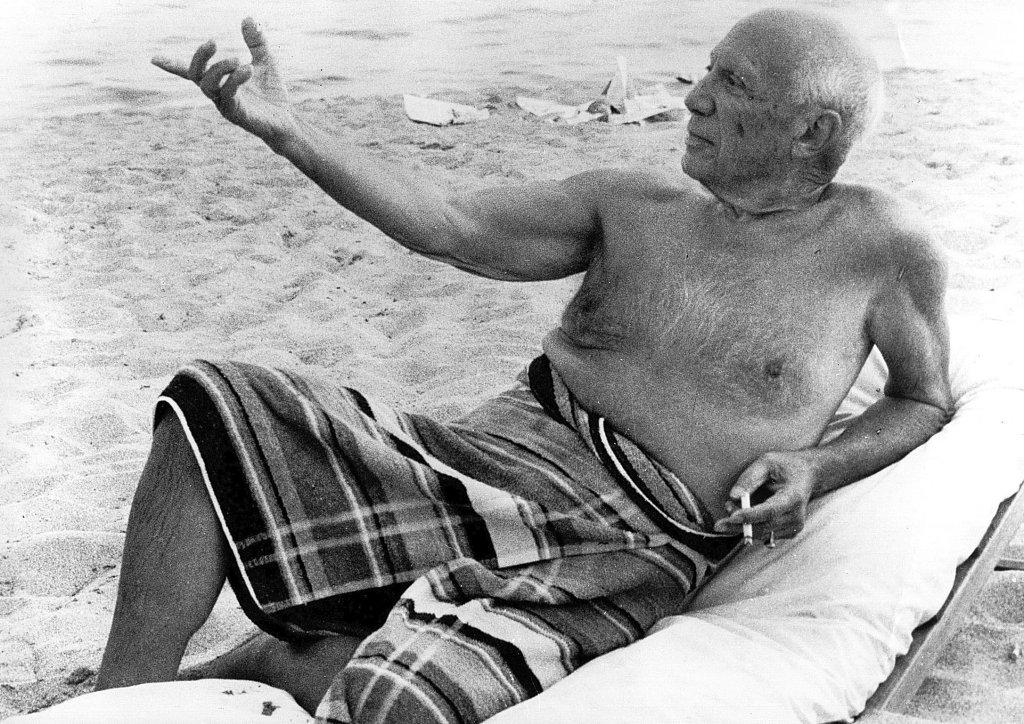
#art, Artists Series pg.7: «Picasso the Genius»

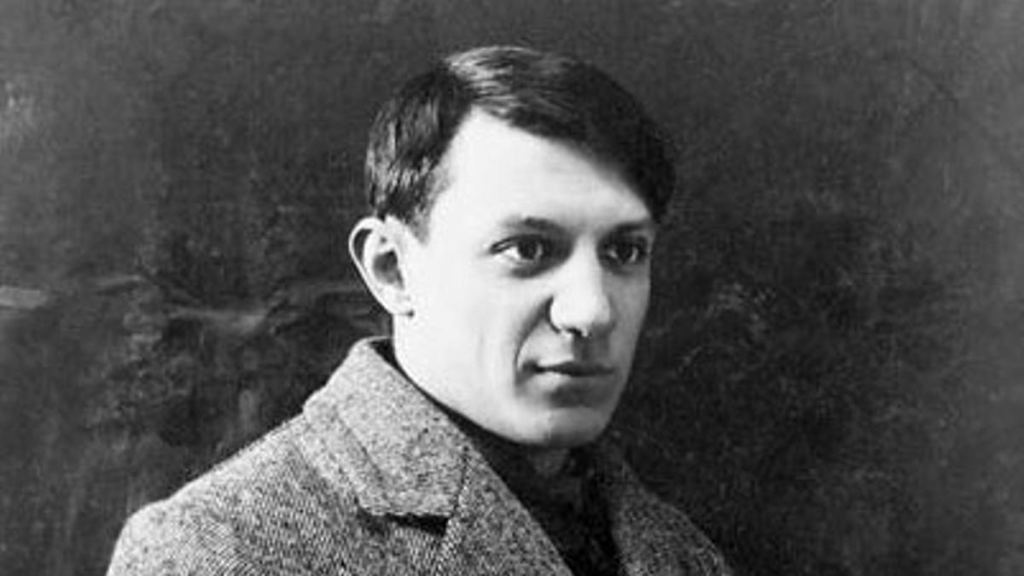
(Photo El Mundo)

Picasso was one of the first, if not «the» first artist to make of himself and his life part of his work. He was not afraid of publicity of any sort, and as he got older he got bolder and bolder. He had pics of him in the bathtub, on the beach and even standing with his dogs in underwear at his front door published. He was the image that would capture hearts and minds alongside his paintings. He started this trend that Dalí took to the extremes about twenty years or so later…

But, how did he become the «genius» of art of the 20th Century? With superb planning skills, tremendous talent (for sure) and with a little help from his friends. Of course we must factor in the amount of good luck that he enjoyed all his life. First he was never a «starving artist» eking an existence in the lower depths of Paris at the turn of the 20th Century. He immediately gained an income and a dealer. He also managed to surround himself with influential people in the arts and in the intellectual circles of the time. He became the darling of the American millionaire art collector Gertrude Stein and he married into the aristocracy. Secondly, he quite clearly planned every step he took in art.

He is remembered for his «Blue Period», for cubism and for the collage. But in effect he went through many «periods». From the blue to the rose to the black (African), and those three overlap a lot, to the more extravagant ones like neo-classicist, cubist, surrealist, war year paintings, the Françoise period, the Dora Maar period and ultimately to the end of life. He claimed to never seek a style, that God, the ultimate creator, never focused on a style. He created a lizard and a snow leopard, a rose and a scorpion. Picasso saw himself as such a creator…

So, as you have noticed I am not filling these posts with «facts» that you can research on Wikipedia or other books. After all there are many books about Picasso out there. Some are very, very good, others are rubbish. What I am trying to do is to give you some perspective as well as my understanding and appreciation of the man and of his art.

One of the paintings that made Pablo Picasso a household name was «Guernica». It is thought that he painted it after succumbing to a maddening impulse after hearing about the bombing of that city by the German Luftwaffe, in support of Franco’s troops during the Spanish Civil War (1936-1939). Well, it was not exactly like that. The title alludes to that historical event, but not the painting, not really.

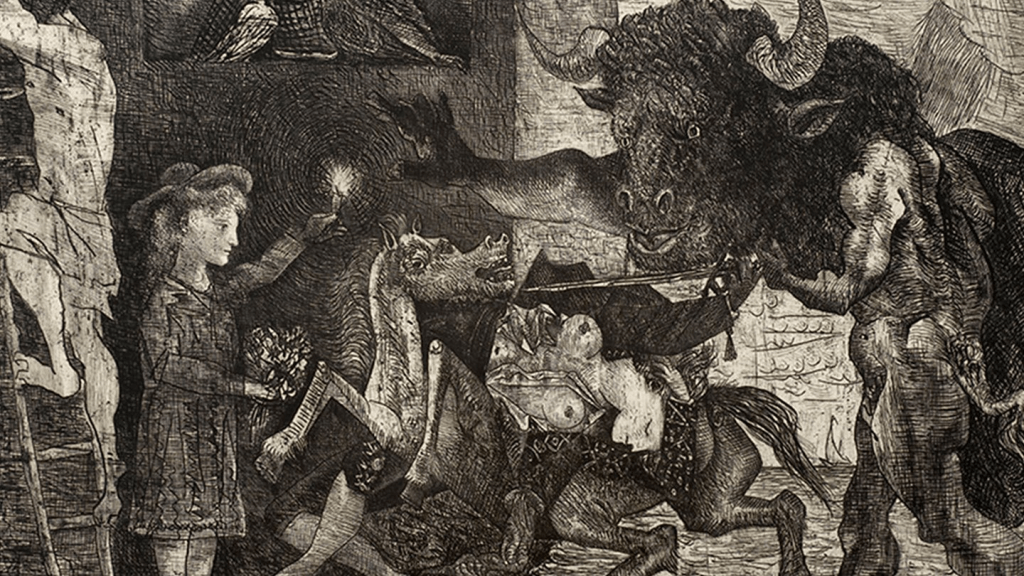
Picasso was commissioned to paint it by Max Aub, the Director of Fine Arts at the petition of the government of the Spanish Second Republic. It was to be exhibited at the International Exposition of 1937 in Paris. The aim was to attract good public attention to the republican cause during the Spanish Civil War. The painting itself is based upon the «Minotauromaquia» an etching and engraving that he had done in 1935.

(Photo Fundación Juan March)

All I can say, in conclusion, is that Picasso is my favourite, no doubt about it, a pillar for my art development, education and inspiration, and a philosophical source that enlightens me. But I will leave you with a view of some of the things he did towards the end of his life that will leave you scratching your head and thinking, «is this the work of the genius of the 20th Century?»

(2021)
(2022)

CHEERS…

Artists Series page 6: «I am Picasso»

(Photo El Diario)

Well, he arrived in Paris with a few other Spaniards and he knew he would conquer this city, the mecca of all artists, the most important capital wherein to become an internationally recognised artist, and rich… He used to sign Pablo Ruiz Picasso, then Pablo R. Picasso, but in 1901, he started signing his work «Picasso». He was becoming Picasso… 

Now let us not get carried away with the legend(s) about Picasso. He was a very well trained and educated artist who had a rather comfortable existence in Spain. He was trained, not only by his father but by the greatest art academy of Spain, the Royal Academy of San Fernando in Madrid. And he was an unusually lucky young man. In 1895, his father landed a job at the Escuela de Bellas Artes de Barcelona (Barcelona School of Fine Arts) and Picasso was admitted as a student there as well. He studied two years at the Academy gaining knowledge of the classical style of painting, in other words, academicism. So you can see that he did not lack schooling or training…

Another «legend» (although it is a fact) is that, at the age of 14 years, he was able to ace the entrance examinations to the Escuela de la Lonja and complete all the assignments in a single day. But what where these assignments? They were renditions in academism, something Picasso had been well trained in doing, so it was not such a difficult task for the lad at all. He had the advantage of having been prepared for it. And who knows how many other art students had done…and are doing…the same thing…

One more legend (the last one I’ll refer to) is that his father, after recognising the extraordinary work of his child…a painting of pigeons that Pablo had finished for him…laid his brushes in front of him and swore never to paint again. I don’t know if that ever happened or if it happened that way or that his father simply did not need to paint any more, after all he had a cushy job at a prestigious academy and that might have been all he was after. Who knows…

In 1900 he travels to Paris. One of his paintings had been selected to the 1900 Paris Exposition. This was a very important world’s fair… In Paris he stayed with the Catalan artist Isidre Nonell, who, along with the works of Toulouse-Lautrec, influenced his early works greatly. He also met his first merchant, Pere Mañach who offered him 150 francos per month for a all the paintings he could do in one year and was also introduced to Berthe Weill, a well-known gallerist. All in all, he was in Paris less than three months and he had already set himself up quite well.

By 1912, settled in Paris, Picasso managed to surround himself with the cream of the intellectuality and artistry. His friends were the poet André BretonGuillaume Apollinaire, the writer, as well as Alfred Jarry; y Gertrude Stein. Gertrude Stein practically adopted him and continuously invited him to her gatherings where everybody who was anybody in the art circles of Paris attended. She also commissioned a portrait from him which has become one of his most famous portraits…

IN PART THREE WE WILL DELVE INTO THE «PERIODS», THE «WOMEN» AND «DEATH».

(2022)

CHEERS…

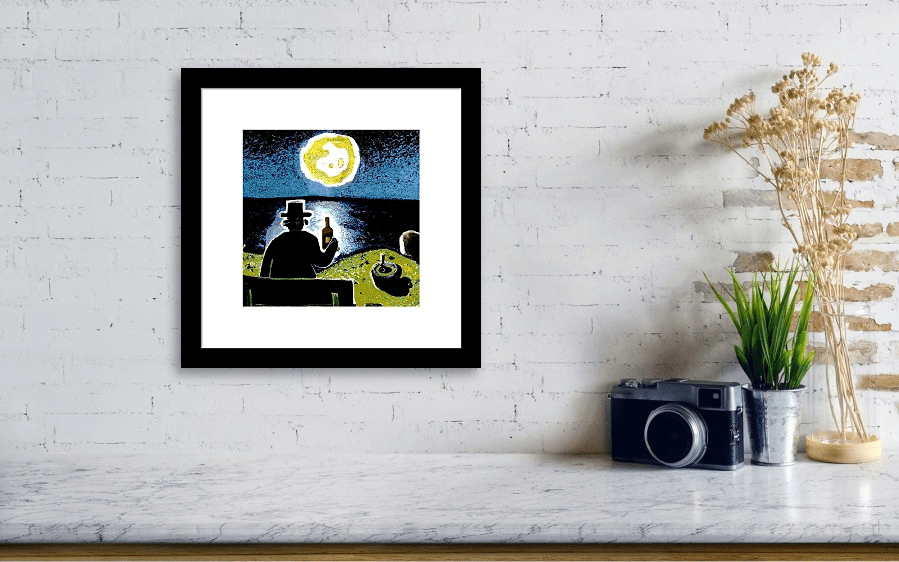
#art, «By The Sea» Is a Fine Art Print

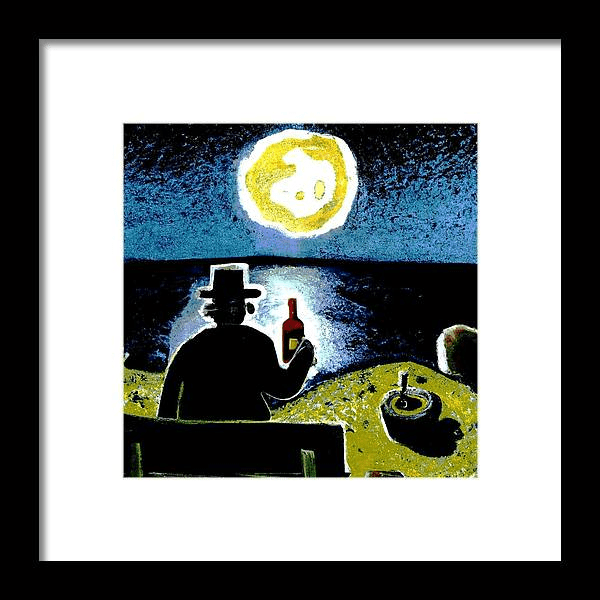
(Image property of FBC/OCS Valencia/All Rights Reserved)

«By The Sea«, that you see here, is in its framed print form (there are other forms to choose from) and it is now available at Fine Art America through my gallery. This is the only company that I have trusted with my images to create fine art prints of high quality. Fine Art America handles the entire transaction and ships quickly. Check out my gallery often as I change the images frequently to keep things exclusive and fresh.

(Image featured property of FBC/OCS Valencia/All Rights Reserved)

FOLLOW US ON OUR SOCIAL MEDIA

Web/Gallery: http://www.fbcart.wixsite.com/jazzart
YouTube: https://www.YouTube.com/@FranciscoBravoCabrera
Instagram: @Francisco_Bravo_Cabrera
Twitter (X): @euskadi_bakero
Artist Representative: “By Guloshka”
Instagram: @Guloshka
E-Mail: guloshka404@gmail.com

Artists Series Page 5: Pablo Picasso, pt.1

(Photo La Razón)

From Málaga to A Coruña and from there to Barcelona… From the prestigious Real Academia de Bellas Artes de San Fernando (Madrid), to Els Quatre Gats and from Barcelona to Paris… From a start at the «bateau lavoir» in Montmartre (1900) to the end at Mougins in 1973…

In a «nutshell» this was Pablo Picasso’s life. The child prodigy who grew up to be the «genius» of the 20th Century, the inventor of the collage, cubism and who opened the door to many of the art vanguards of the 20th Century was a card-carrying communist (but I won’t hold that against him), a womaniser, a…supposed…abuser and an infatigable artist who towards the end of his life decided to cannibalise most of art history…

Welcome to part one of this mini-series on my main and most important reference (as an artist), Pablo Ruiz Picasso. He was born in 1881 in Málaga, a small, provincial city in Andalucía, Spain. He died in a castle in southern France 91 years later. He lived life with abundance. He painted voraciously. His passion for life extended to many things including bullfighting, wine, women and clowning around. He must have had quite a unique sense of humour.

They say he was a child prodigy, but I don’t really think so. It’s hard to judge him against other children as we’ve no samples to view. But I can say that his father…who was an artist and an art professor…trained him well and taught him all he knew. So the young Pablo had a huge advantage over other children who might have also aspired to be the «genius» of art that Pablo ultimately became.

Here are some of his early works…

(«El picador amarillo»/1891/Photo My Modern Met)
(«La primera comunión»/1896/Photo My Modern Met)
(«Ciencia y caridad»/1897/Photo My Modern Met)

Although the last two show signs of knowledge, ability and technique, the first one doesn’t strike me as being the work of a child prodigy. Actually none of them do. With the training Pablo received, the coaching and the supervision of his father, it is no surprising he painted so well as a youth.

Part two coming very soon!

(2022)

CHEERS…

Artist Series, Page 3: Kandinsky pt. 3 (Finale)

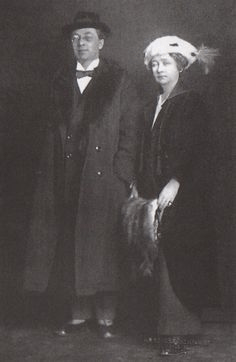
(Kandinsky and Gabriele Münter, the phtographer and painter/Photo Pinterest)

Welcome to the final episode (pt.3) of Kandinsky. The reason why I stretched Kandinsky out so much is because he is one of the most important artists in art history. Not only because of his development of abstract art (yes, we all know that Hilma af Klint* and Anna Cassel and Georgiana Houghton painted some abstracts before him), but because he was an art philospher and theoriser as well. And he might not have the title of the inventor of abstract art any more, but he certainly was the one who brought it to the vanguard and made it popular. Af Klint did nothing with her work, whereas Kandinsky created a movement in art that is still quite vigorous and healthy to this day.

* Let’s take a look at the work of Hilma af Klint and you tell me if it qualifies as an art form to defy and dethrone Kandinsky…

(2022)

«The impulse towards abstraction finds its joy in inorganic beauty, in that which is governed by abstract laws and necessities.» Wilhelm Worringer (1881-1965) German art theorist and historian.

Kandinsky’s justification of abstract art, as well as his move towards abstraction, is justified in Worringer’s book «Abstraction and Empathy: Essay in the Psychology of Style» (1908). Kandinsky, as well as Worringer, thought that artists must create from their own reality and that conjures a certain abstract impulse being that European artists exist in a non-materialist world (except for communists). He was also interested in Theosophy, the belief in a hidden, but essential reality, that lies behind appearances. This opens the way to rationalise and to develop abstract art.

In 1911 Kandinsky published his book «Concerning the Spiritual in Art«. This is a must for all art students and self-taught artists. Kansdinsky really puts all the previous notions of art upside down. This book truly describes the foundations of the abstract art movement in their theoretical form. He talks about a coming spiritual age and the participation of art within it. His main argument is that colour should be the basis of the new art form and the spirituality of each colour and how they are received by the soul. Kandinsky does not bother to expound on the previously accepted colour theories but instead of the soul’s response to the colours used.

Kndinsky painted (between 1926 and 1933) 159 oil on canvas paintings and 300 watercolours. The Nazis, of course, declared his paintings to be decadent and degenerate art and many of his paintings were lost. In 1939 he became a nationalised French citizen.

(2022)

Of course there is much, much more to Kandinsky, but the rest I am sure you will enjoy researching on your own. The most important thing to take away from this series is that art history is very important to all artists, especially students, and that art has a philosophical, theoretical aspect to it which is very important. Kandinsky proves both as he was a phenomenal visual artist as well as a phenomenal writer, philosopher (of art) and theoriser. That is why he is my second pillar fo art (my first being Picasso).

Here is a post from the past you might find interesting concerning the good and the bad in abstract art

CHEERS…

#poem, Good Morning King Balthasar…

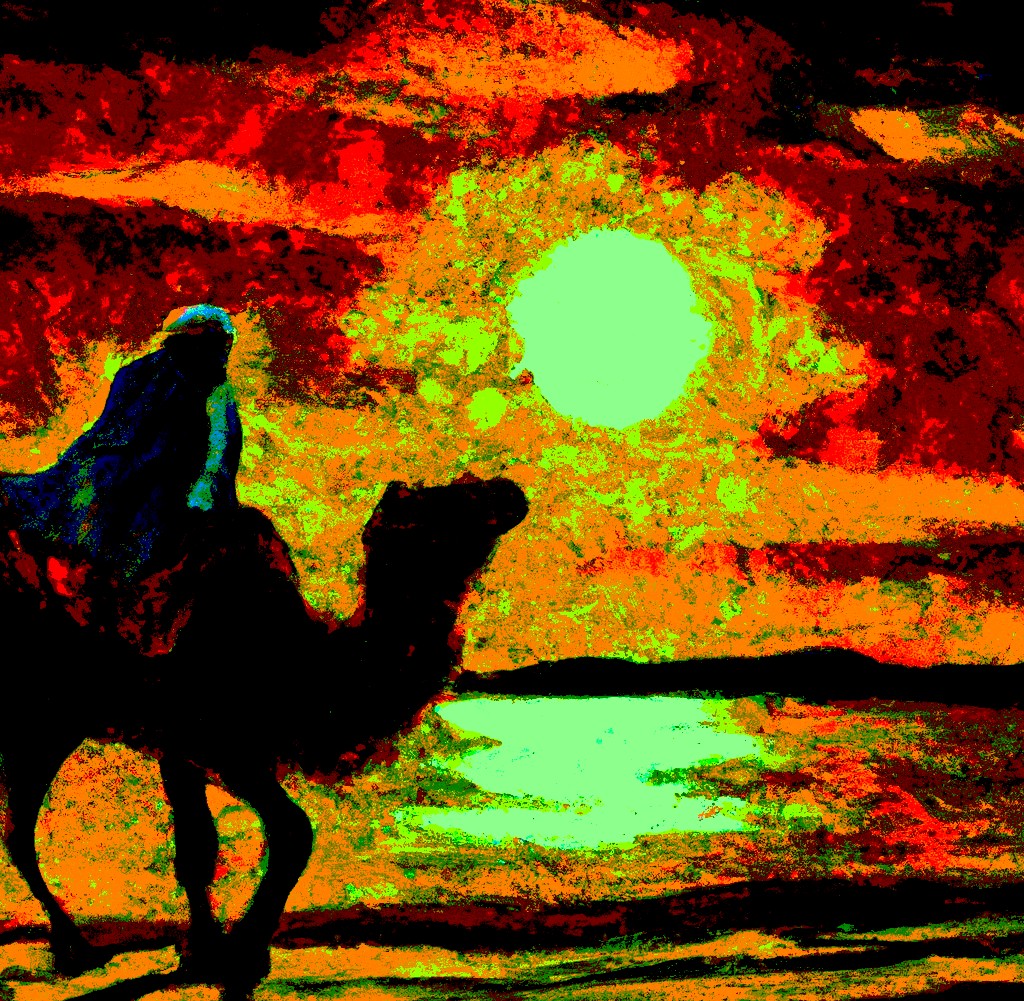
(Art Digital by Francisco Bravo Cabrera/All Rights Reserved)

Good morning King Balthasar,

I know that you’re far by now,

but I look under my tree and I see

you left, no doubt,

a bag of chocolate cookies,

and a box with a green ribbon

that I should delight in opening

for I know I’ve been forgiven.

I know you know I’ve been naughty,

I’ve been bad, no euphemisms,

but you really understood

that to forgive is your mission.

Thank you so much, oh Black King

of the most magical lands  

for arriving in your camel

with your White friends

close at hand,

to delight all of us children

on this morning, oh so grand!

C.2024, Francisco Bravo Cabrera, 05 JAN 2024, Valencia, Spain

NOTA BENE

In Spain, as in other European countries, our Christmas traditions are quite different than those of the US. One main difference is that here the children write letters to the Three Wise (Magic) Kings asking for their presents. Their gifts they will…hopefully…receive on the morning of the 6th of January. This is the Catholic Feast of the Epiphany. The Three Kings are Melchior, Gaspar and Balthasar. Balthasar is the Black King and he has always been my favourite. In Spain we have a big parade called The King’s Day Parade and actors portraying the Three Kings arrive into town in many ways. Some do it the traditional way, on camels, others arrive by boat or by helicopter and even by limousine!

#art, «The Muse» Is a Fine Art Print…

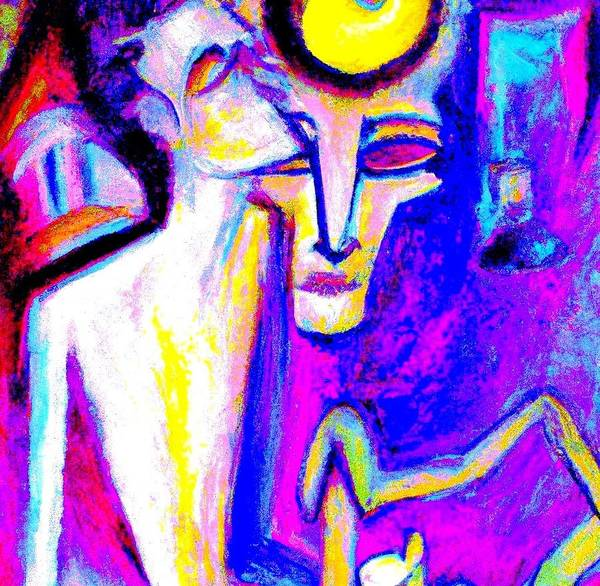
(Image property of FBC/OCS Valencia/All Rights Reserved)

Fine art prints are high quality reproductions of original works. My work is only made into fine art prints by Fine Art America. There are many ways to make fine art prints, the one you see above is «The Muse» as an art print, but there are other types as well, check them out. And also check out my gallery at Fine Art America where I have selected several of my work to be made available, quite affordably. Fine Art America handles the entire transaction and they ship quickly to you.

(Image featured is property of FBC/OCS Valencia/All Rights Reserved)

CHEERS…