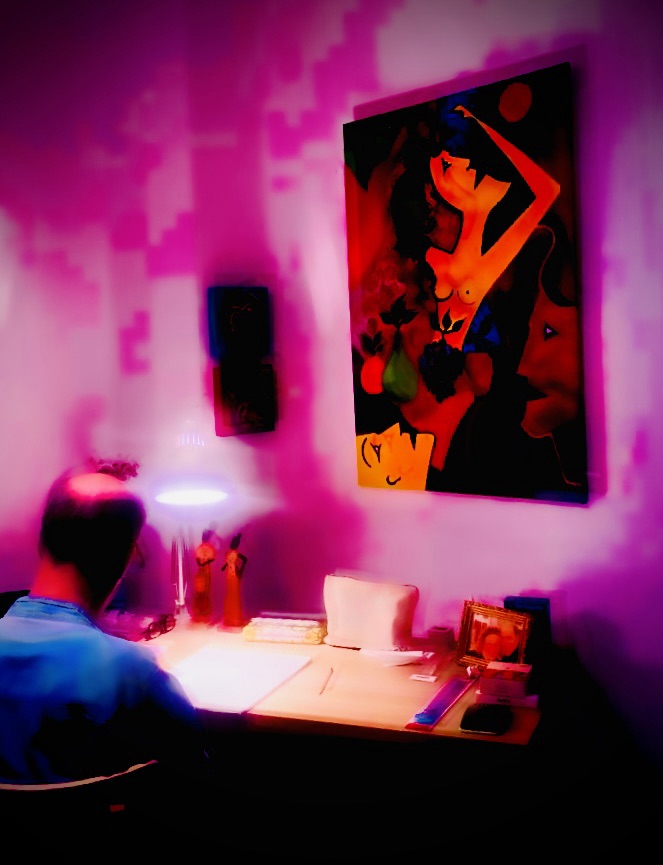
Aquí vivimos arte, sueños, creatividad y mucho más…
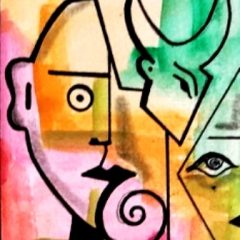
Faith saved us from the savages that we were, losing faith makes us savages again
Aquí vivimos arte, sueños, creatividad y mucho más…
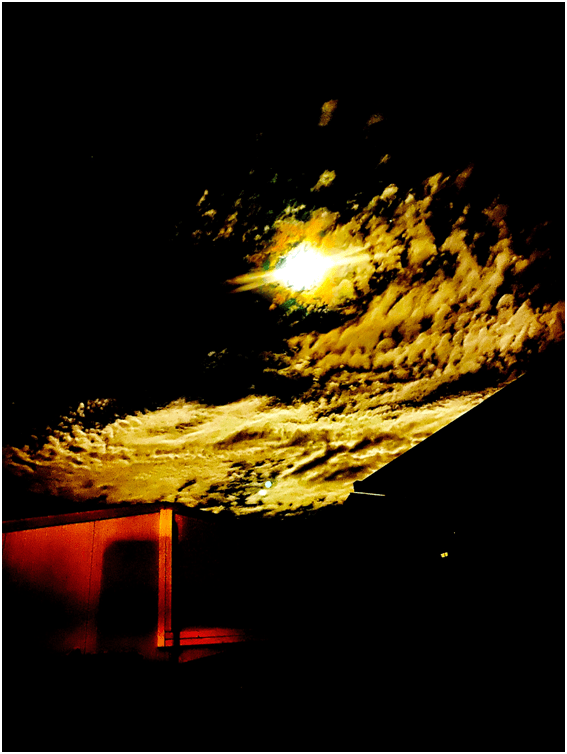
La tierra pende en medio del vacío y en el fondo del mar yacen los muertos esperando despertar y despertaran cuando tiemble la tierra y las aguas se dispersen y los cielos se abran,
y las nubes, llenas de agua, se sonreirán furtivamente, imitando sonrisas esqueléticas, pero las nubes son de algodón del Nilo y se nutren de azúcar morena,
y nosotros, si, nosotros los peces de los abisales, ignoramos que hay luces en el cielo y vivimos en el fondo como esponjas que absorben y sueltan y que no retienen sabiduría.
Francisco Bravo Cabrera, 17 de enero de 2024, Valencia, España
+++
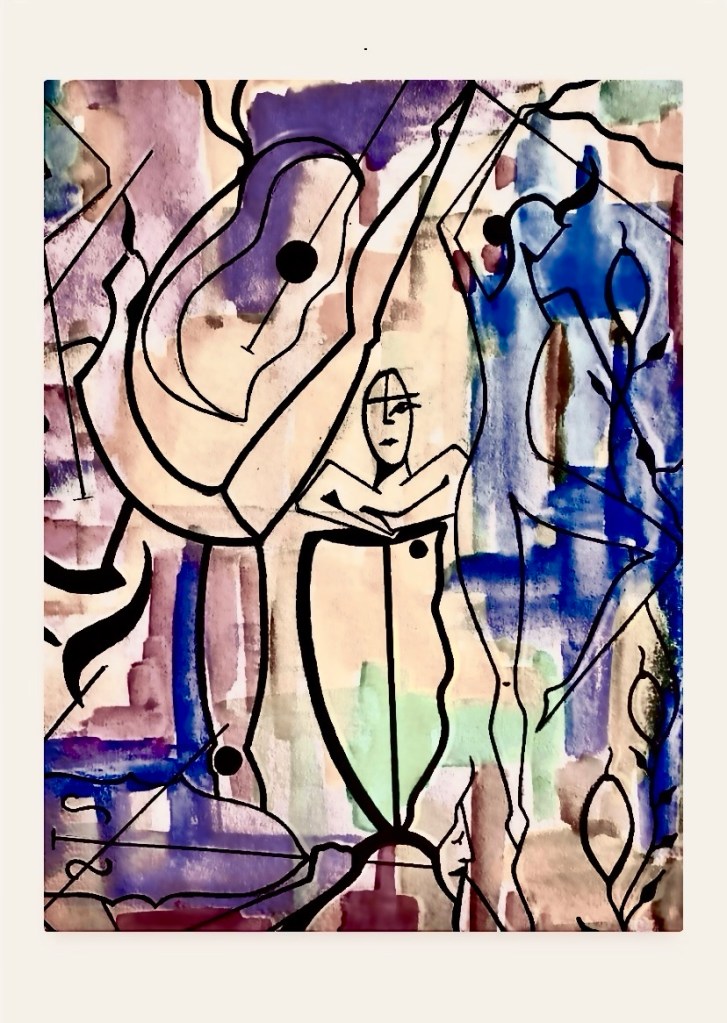
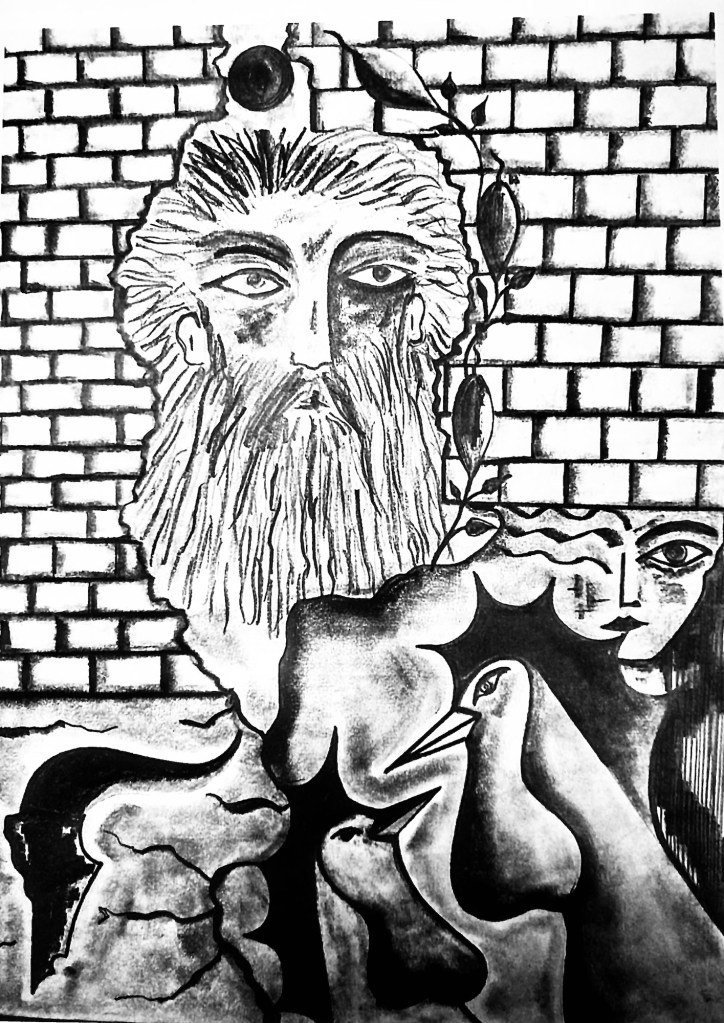
El Euro-Ku es una forma poética que desarrollé en febrero de 2022 porque quería hacer un Haiku y no me salía porque no soy japonés, ni llevo en mi ADN la experiencia de un japonés ni su cultura. Pero como admiro la poesía japonesa (Haiku) quise buscar una manera de traerla a mi mundo, mi mundo europeo y me salió el Euro-Ku. Se hace con tres estrofas, pero sin contar silabas y escrito de forma lineal donde pueda el lector seguirle el hilo perfectamente bien sin metáforas ni ensoñaciones que flotan por los aires. Además en autor tiene que añadirle una ilustración que tenga que ver con el poema y de su autoría. Pruébalo…
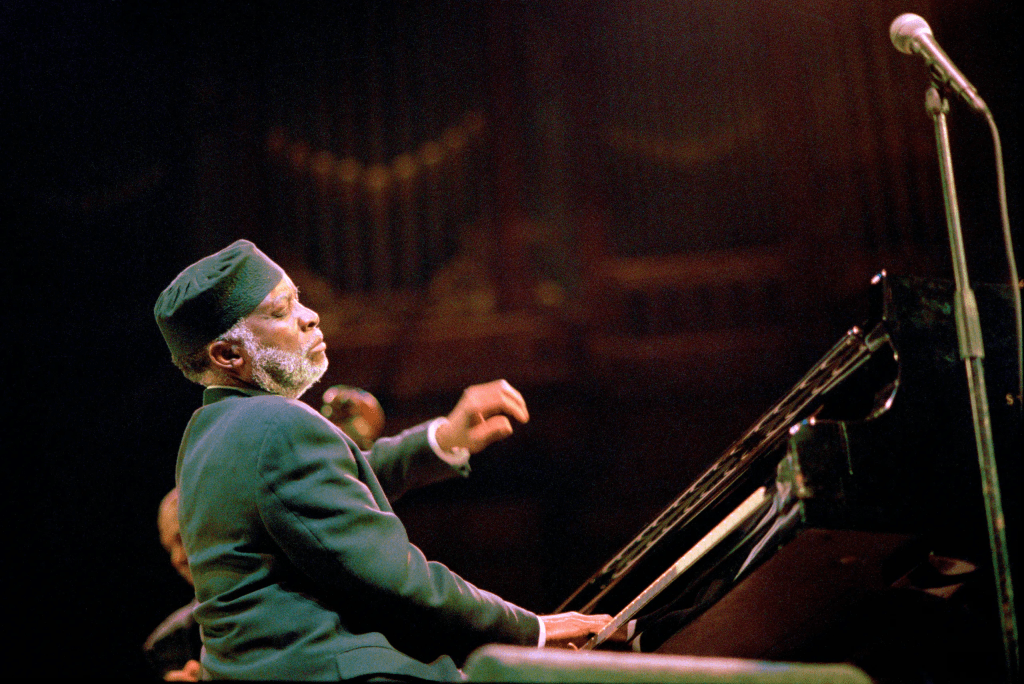
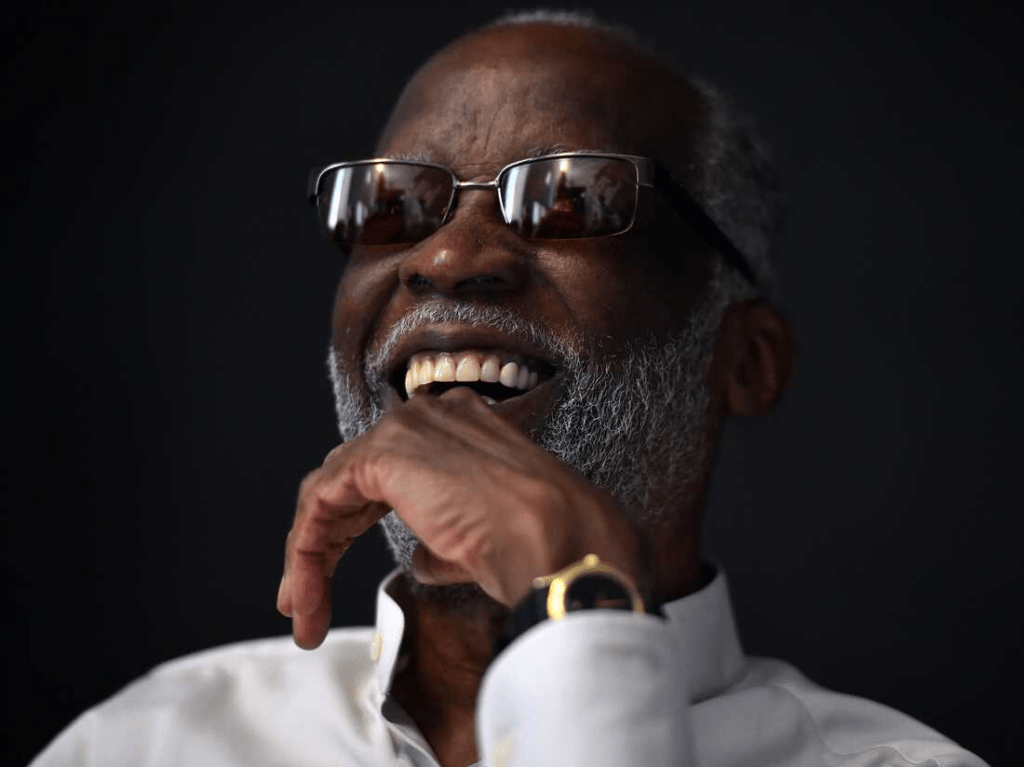
Fue una de las influencias de Miles Davis… su música, minimalista, deja sonar los espacios y las pausas… Nació en 1930 con el nombre de Frederick Russell Jones en la ciudad de Pittsburgh, EEUU… Maestro del Jazz y del «Cool»… Le dejaba mucho espacio a la sección rítmica de sus trios y le gustaba la música rítmica y percusiva… Desde los once años tocó profesionalmente bajo el nombre de «Freddie»… Sus referentes eran Duke Ellington, Nat King Cole, Art Tatum y Count Basie… en 1952 el Ahmad Jamal Trio grabó «Ahmad’s Blues» y una versión de «Pavanne«. Estos temas fueron la base de «So What» de Miles Davis y de «Impressions» de John Coltrane… Le dieron el premio (1994) de American Jazz Master Fellowship por la National Endowment for the Arts en EEUU… Murió en 2023 en Massachusetts, EEUU… Para mi, uno de los grandes del Jazz, un pianista prodigioso y un compositor fenomenal y quiero que lo conozcas, si es que no lo conocías…
+++
He was one of the influences on Miles Davis… his music, minimalist, allows spaces and pauses to resonate… He was born in 1930 with the name Frederick Russell Jones in the city of Pittsburgh, USA… Master of Jazz and «Cool»… He left a lot of room for the rhythmic section of his trios and liked rhythmic and percussive music… From the age of eleven, he played professionally under the name «Freddie»… His influences were Duke Ellington, Nat King Cole, Art Tatum, and Count Basie… in 1952 the Ahmad Jamal Trio recorded «Ahmad’s Blues» and a version of «Pavanne«. These themes formed the basis for «So What» by Miles Davis and «Impressions» by John Coltrane… He was awarded the American Jazz Master Fellowship by the National Endowment for the Arts in the US in 1994… He died in 2023 in Massachusetts, USA… For me, one of the greats of Jazz, a prodigious pianist, and a phenomenal composer, and I want you to know about him if you didn’t already…
GRACIAS – CHEERS
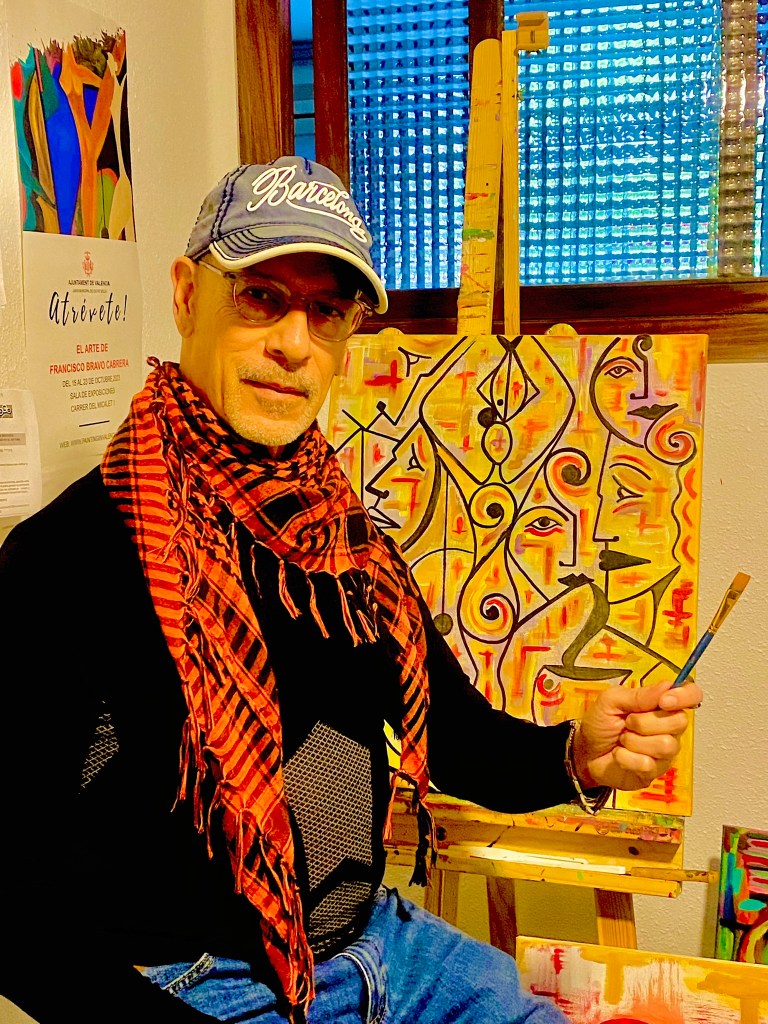
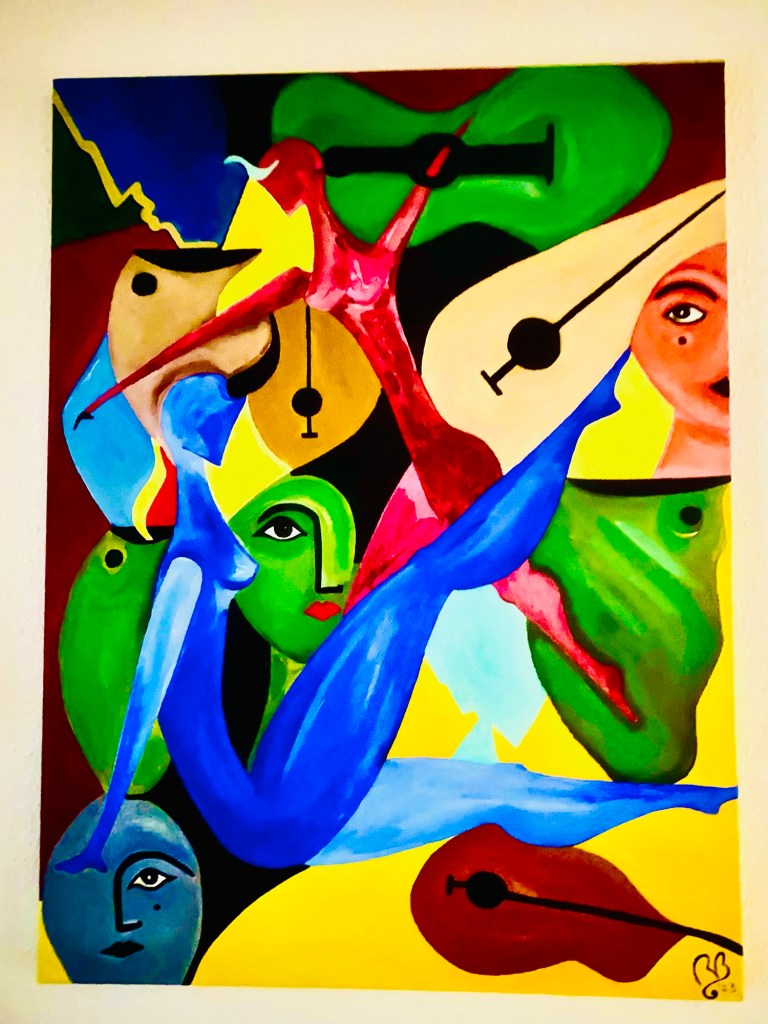
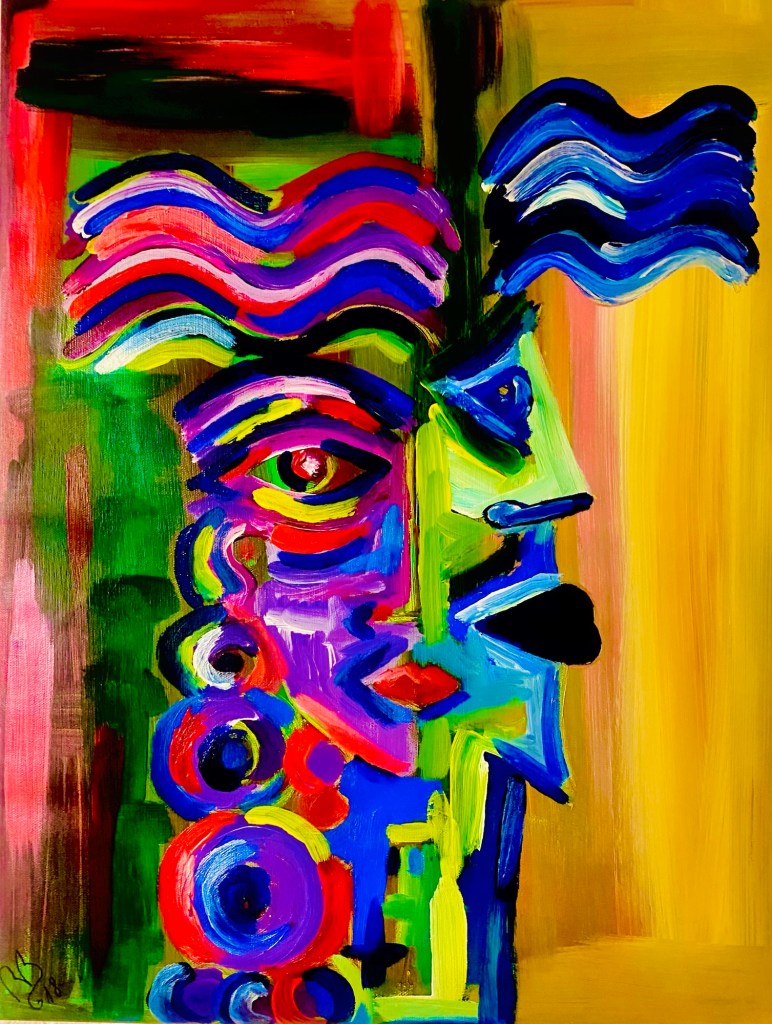
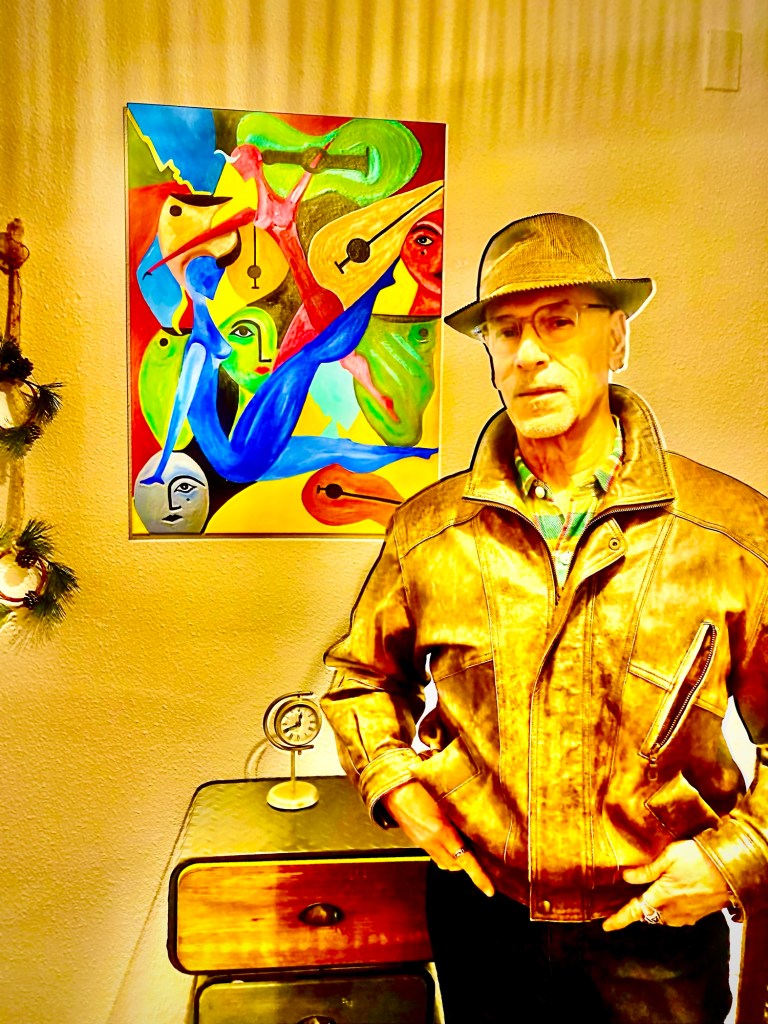
Os presento dos piezas, que ya están felizmente en las colecciones de dos coleccionistas, uno de Estados Unidos y otro de Europa, pero que ejemplifican mi estilo y como lo fui ideando y desarrollando desde el principio del milenio. Yo me formé en el Siglo XX, pero la gran parte de mi obra es del Siglo XXI, un siglo sin rumbo artístico definido y con tendencias más bien orientadas hacia el arte conceptual, lamentablemente. Pero el artista figurativo (o abstracto) que sabe dibujar y pintar, no pasará jamás de moda pues el arte es arte y no se debe a las tendencias…
+++
I present to you two pieces, which are already happily in the collections of two collectors, one from the United States and the other from Europe. They exemplify my style and how I was shaping and developing it since the beginning of the millennium. I was trained in the 20th century, but the majority of my work is from the 21st century, a century without a defined artistic direction and with tendencies more oriented towards conceptual art, unfortunately. But the figurative (or abstract) artist who knows how to draw and paint will never go out of style, as art is art and is not subjected to trends…
La Violinista
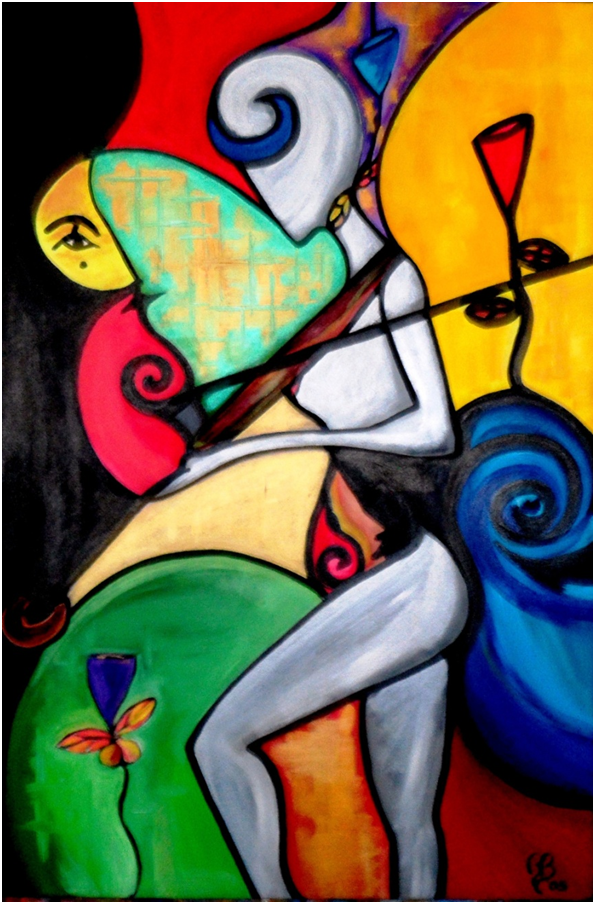
“La Violinista” es un ejemplo claro de mi estilo, el «Surreal-Expresionismo». La violinista representa a la mujer música y a todas las que lo son. No tiene rostro ni nombre. Aun así, irradia estilo y gracia, así como una feminidad clara y bien definida. La Violinista está en movimiento, caminando entre aquellos que la observan y que pueden tanto entender su trabajo como verse perplejos por él. Nadie es indiferente a ella mientras se mueve. La pintura, fiel al expresionismo y al surrealismo, tiene un fondo abstracto donde tres flores florecen, crecen y forman un triángulo agudo dentro de la composición.
+++
“La Violinista” is a prime example of my style, “Surreal-Expressionism”. The violinist as the every-woman-musician. She is faceless and nameless. Yet she exudes style and grace as well as a clear, and well defined, femininity. The Violinist is in motion, walking among those that look upon her and either understand her work or are perplexed by it. No one is indifferent to her as she moves. The painting, true to Surreal-Expressionism, has an abstract background where three flowers bloom and grow and form an acute triangle within the composition.
+++
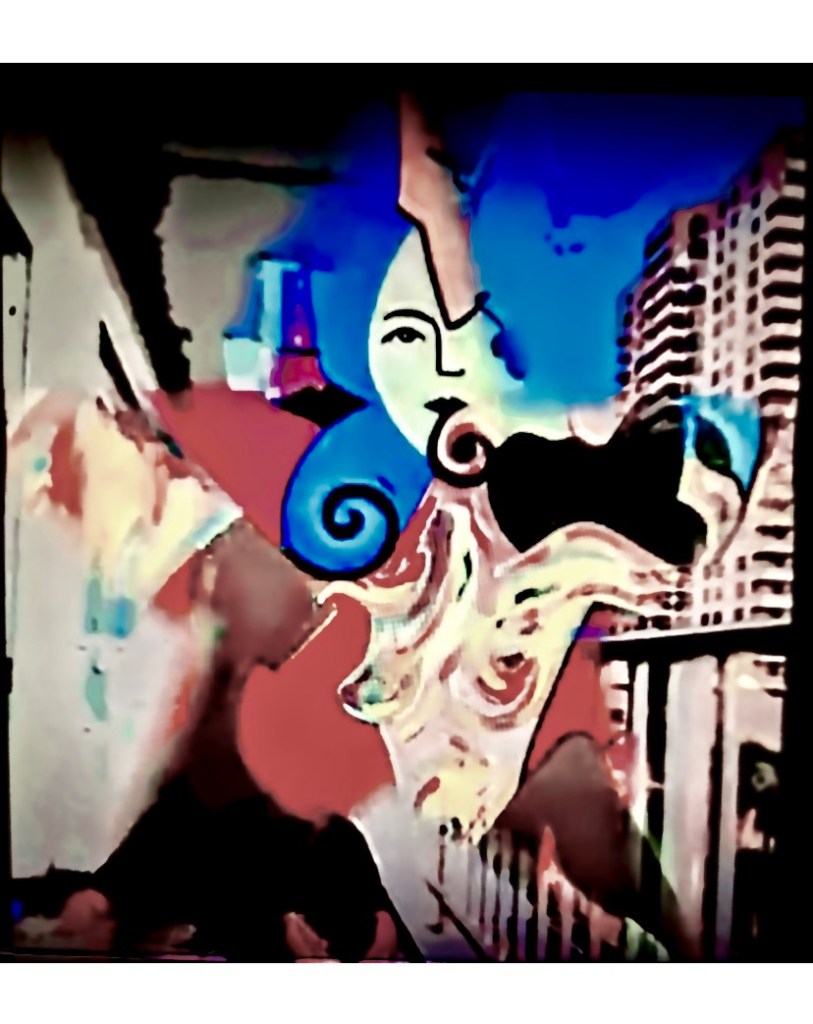
Moño Azul
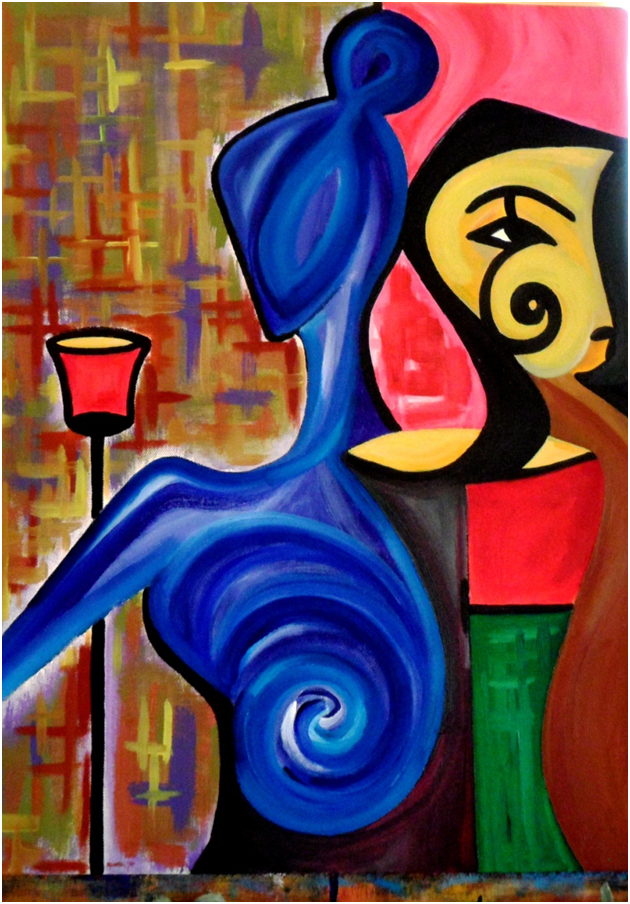
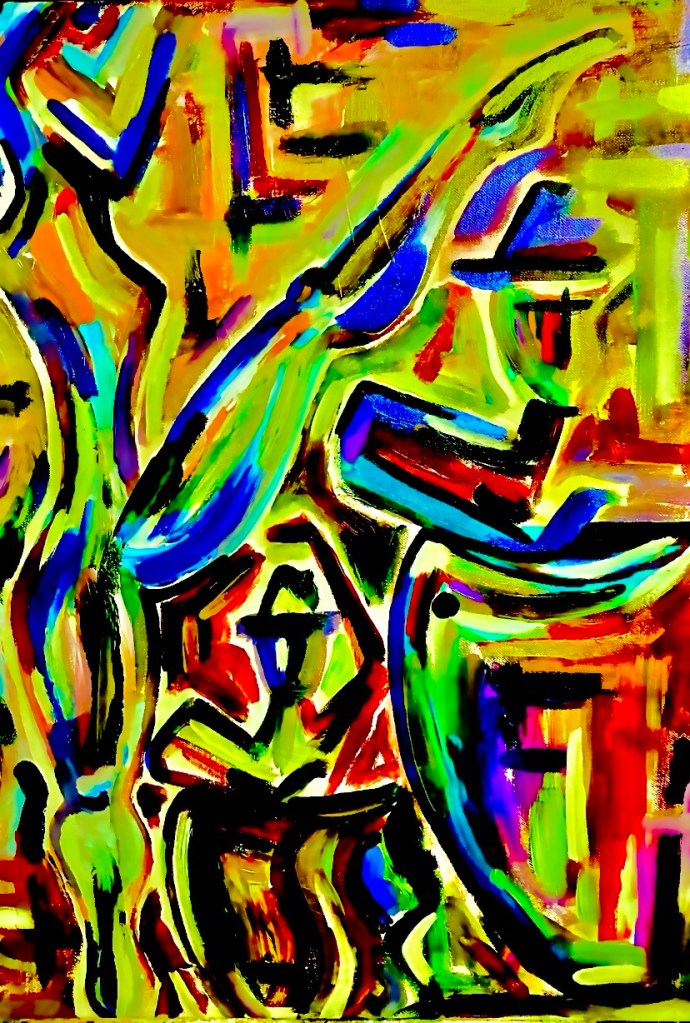
Un ejemplo temprano de mi Surreal-Expresionismo que se adhiere precisamente a los preceptos de JaZzArt. Todavía estaba investigando ambos en ese momento (2007), cuando pinté «Moño Azul». Está pintada con acrílicos sobre lienzo. El fondo es abstracto y lleno de color. La parte principal de la composición es la silueta azul de una mujer cuyo cabello está recogido en un moño. Ella está mirando hacia el lado derecho hacia una flor de a lo egipcio y muy estilizada. A la izquierda, de la parte principal de la composición, se ve el aspecto más surrealista del cuadro donde parece que un rostro se cierne sobre un tambor de mano, simbolizando la creación musical que se eleva cuan el humo negro del tambor.
+++
An example of early Surreal-Expressionism which keeps up precisely with the precepts of JaZzArt. I was still researching both at the time, (2007), when «Moño Azul» («Blue Bun») was painted. It is done with acrylics on canvas. The background is abstract and filled with colour. The principal part of the composition is the blue silhouette of a woman whose hair is combed into a bun. She is looking to the right side towards a very stylised, Egyptian-style flower. To the left of the main part of the composition one sees the more surreal aspect of the painting where a face seems to hover above a hand-drum, symbolising the creation of music which rises, like black smoke from the drum.
+++
GRACIAS – CHEERS
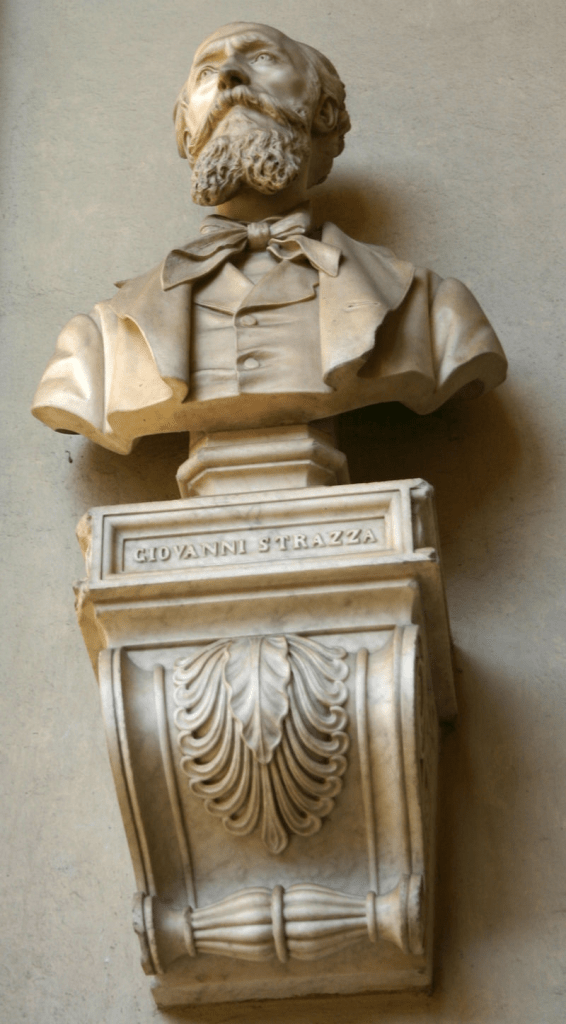
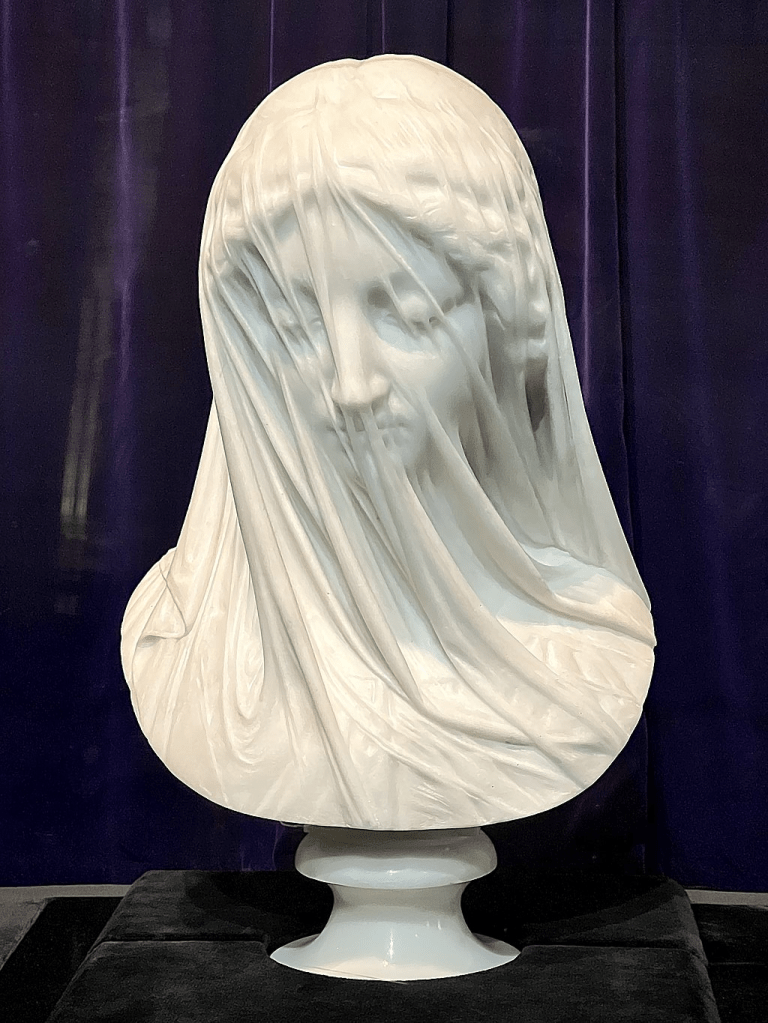
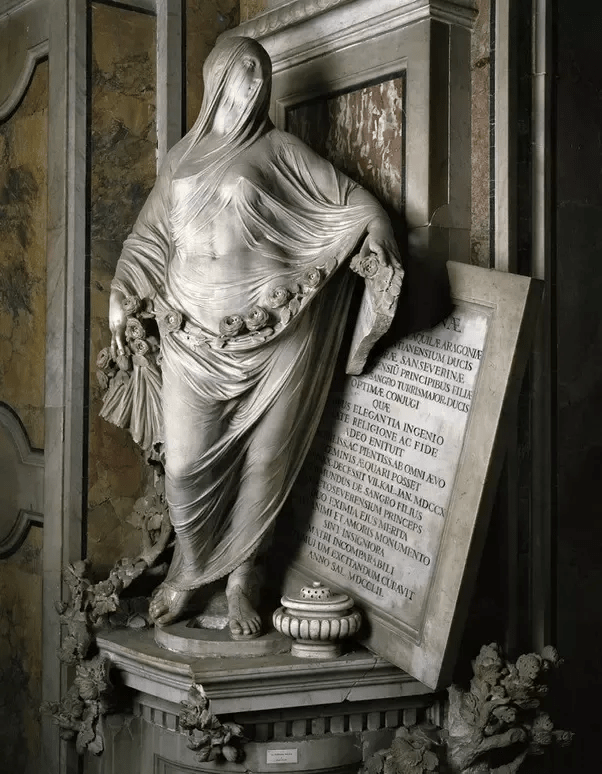
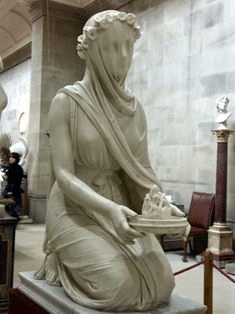
Escultor milanés nacido en 1818… Fue discípulo de Pietro Tenerani (que a su vez fue discípulo de Antonio Canova) y se formó en Roma… Su estilo es académico y neo-clasicista con algo de romanticismo tardío… Fue profesor de escultura y además jurista de la Exhibición Universal en Viena de 1873. Murió en Milán en 1875… Vais a ver que extraordinaria es su obra y os urjo a que profundicéis mas sobre este escultor y los otros aquí nombrados…
+++
Milanese sculptor born in 1818… He was a disciple of Pietro Tenerani, (who in turn was a disciple of Antonio Canova), and trained in Rome… His style is academic and neoclassical with some late romanticism… He was a professor of sculpture and also a jurist for the Universal Exhibition in Vienna of 1873. He died in Milan in 1875… You will see how extraordinary his work is, and I urge you to delve further into this sculptor and the others mentioned here…
GRACIAS – CHEERS

Un consejo que muchos deben seguir al pie de la letra…
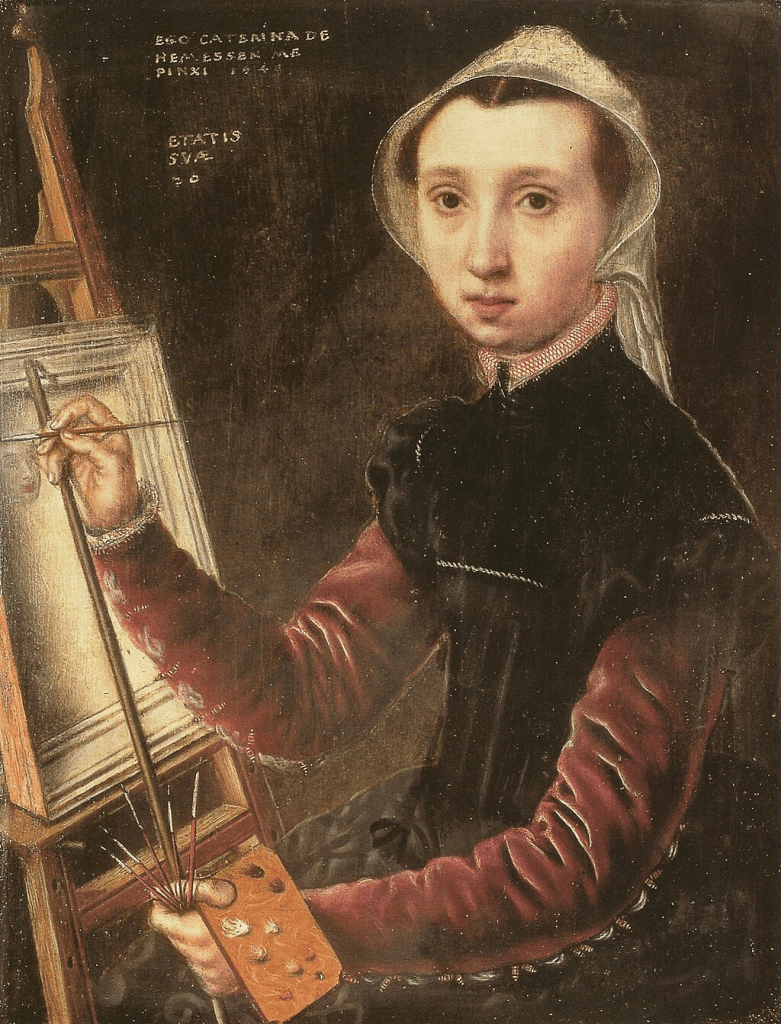
Nació en Amberes en 1527/28… Su autorretrato de 1548 posiblemente sea el primer autorretrato femenino de la historia del arte… Catharina, por supuesto, se destacaba haciendo retratos… Se formó como pintora bajo la tutela de su padre, pero después que se caso en 1554 parece que abandonó la pintura… Murió en España (Valladolid) en algún momento después del 1578… Se conocen muy pocas obras de esta pintora que hizo historia y que hay que conocerla…
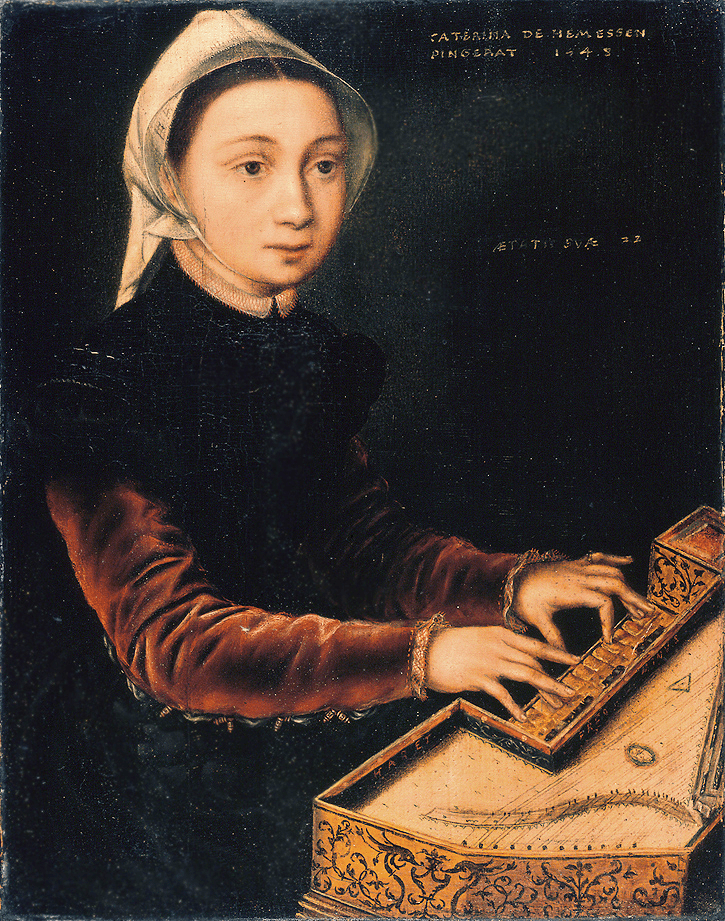
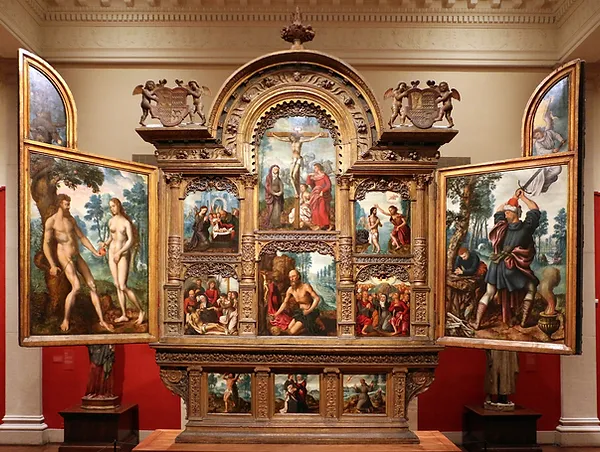
GRACIAS…
La pintora italiana, la monja, Sor Plautilla Nelli, fue una gran innovadora pues fue la primera mujer artista en hacerse un autorretrato y lo hizo delante del caballete, cosa que ningún artista había hecho pero que muchos hicieron después. Dicen que fue autodidacta pero eso es imposible, se aprende de alguien o de algo, no de la nada. Rompió esquemas, sin duda alguna y vosotros lo habéis reconocido en el articulo… Mi interés es divulgar, informar, entretener y también recalcar un poco sobre la necesidad de darle cabida…verdadera…a las mujeres artistas que han existido y que deben tener su merecido puesto en la historia del arte y en los museos. Creo que la historia…en general…hay que re-escribirla y hacerla mas objetiva y mas veraz pues hay mucha propaganda y muchas mentiras y en la historia del arte muchos y muchas ausentes… Os agradezco la participación pues así debe ser, esta es una trinchera para discutir y para transmitir ideas de forma compartida y llevar el conocimiento del arte a más y más lugares…
+++
The Italian painter, the nun, Sister Plautilla Nelli, was a great innovator as she was the first female artist to create a self-portrait, and she did so in front of the easel, something no artist had done but many did afterwards. They say she was self-taught, but that’s impossible; you learn from someone or something, not from nothing. She definitely broke the mold, and you have recognized it in the article… My interest is to disseminate, inform, entertain, and also emphasize the need to truly give space to the women artists who have existed and who deserve their rightful place in art history and in museums. I believe that history in general needs to be rewritten to make it more objective and truthful, as there is a lot of propaganda and many lies, and in art history, many are absent. I appreciate your participation because that’s how it should be; this is a trench to discuss and transmit ideas in a shared way and to spread art knowledge to more and more places…
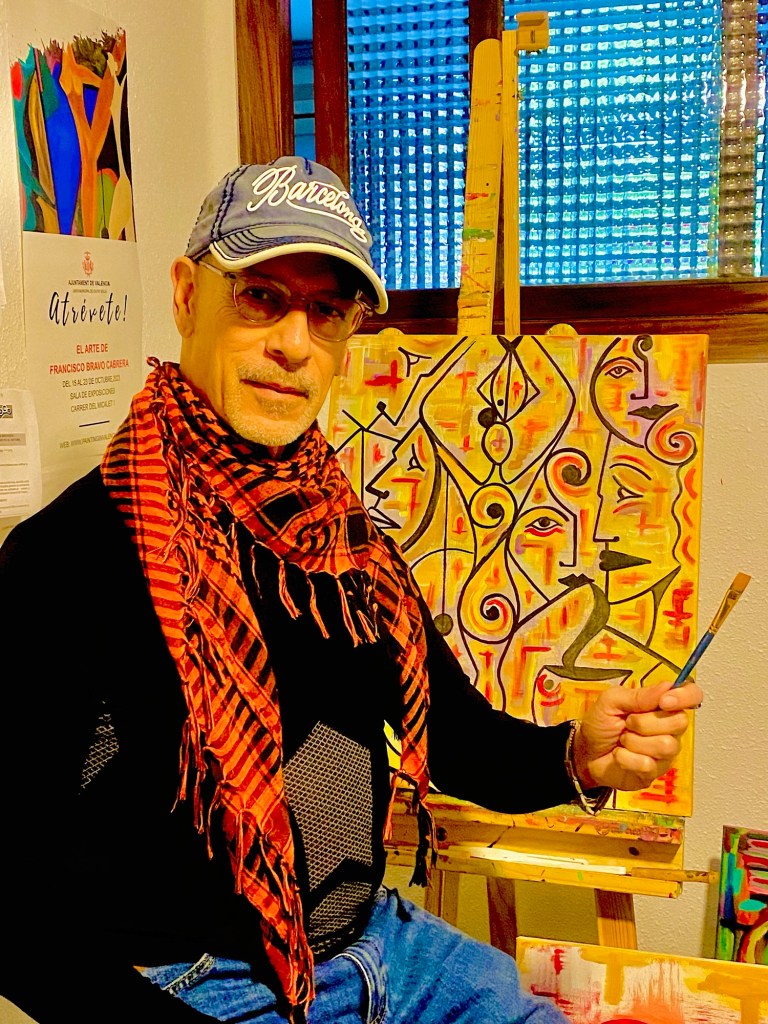
Art is art… art does not have to represent “reality” art is what the rest of the things are not… Art stands against logic and reason and breaks the molds of established reality…
CHEERS
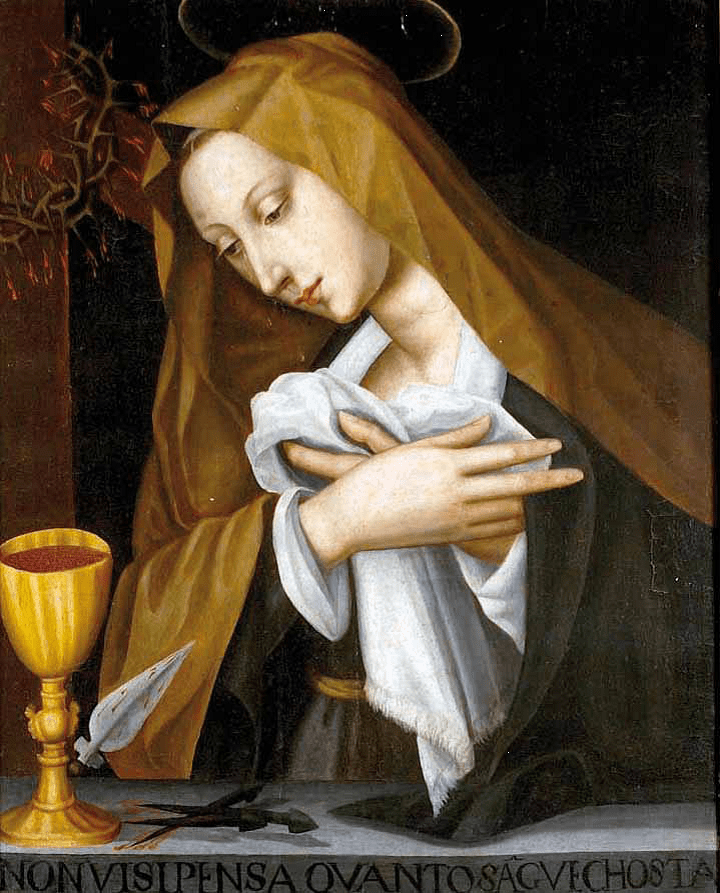
Plautilla Nelli was a Dominican nun and a self-taught artist, possibly the first woman artist of Florence. She entered the convent at the age of 14 and immediately began teaching herself how to draw and paint. She was greatly influenced by the Dominican preacher Savonarola who encouraged women to paint, thus the convent becoming a huge art studio for many of the sisters.
Sister Plautilla had success selling her paintings, which she did in large scale as well as in miniature. She had many buyers, including women. She also served as professor to other nuns and many of the sisters of the convent of Saint Catherine of Sienna became her students and disciples.
Her style was devotional and religious in nature, classic and mannerist as dictated by Savonarola. She inherited the drawings/sketches of Fray Bartolomeo and she was one of the few women included in Vasari’s «Life of the Most Excellent Painters, Sculptors and Architects».
Nelli is an important…woman…artist in Art History and should be studied. I would urge you to look further into the life and the work of this extraordinary woman. Sister Plautilla was born and died in Florence, (1524-1588).
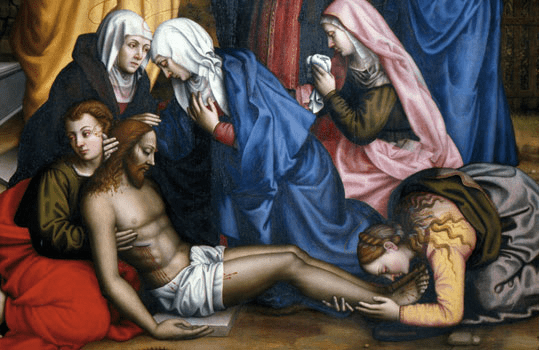
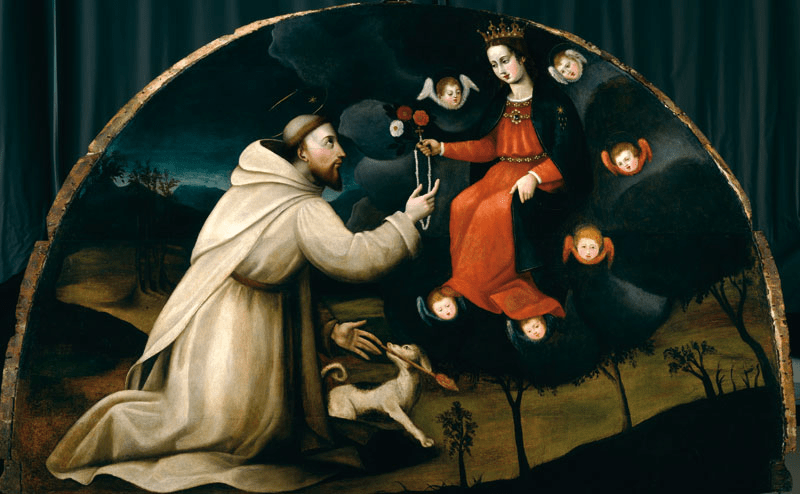
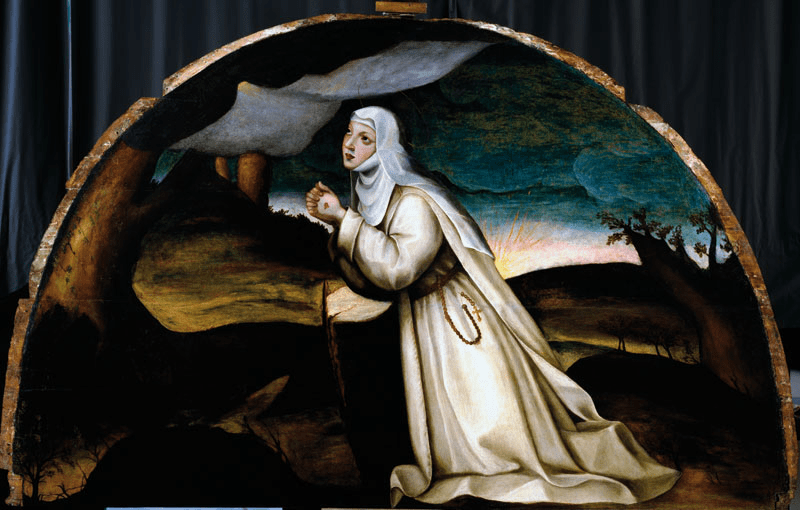
CHEERS

 JaZzArt en València