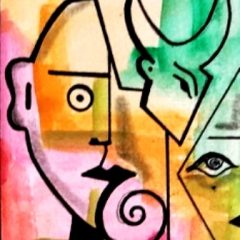
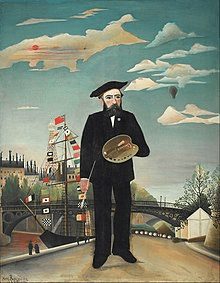
#art, «I Hear You Want to Be an Artist?

(Henri Rousseau)

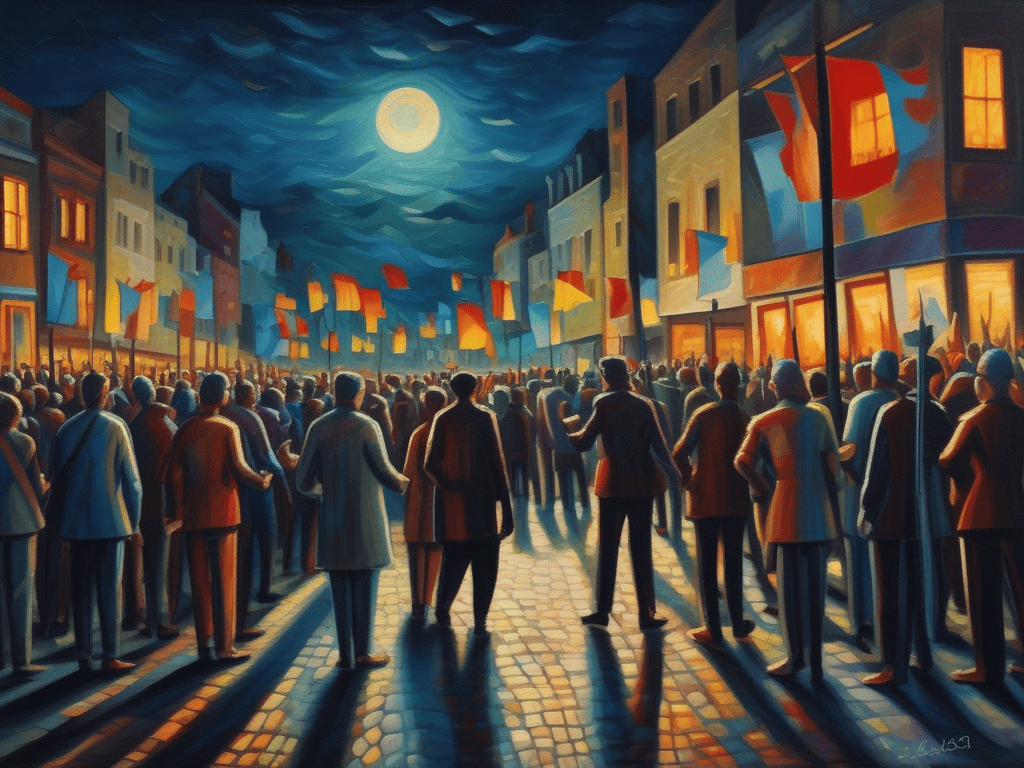
If it is true and you want to be an artist, I would suggest that you become educated in the techniques, art history and the colour theory. Art is not a pastime, although we do pass the time painting. To be a serious, professional artist requires formal education. Yes, I know that now many are saying that we are all artists, that there are no rules in art, that we don’t need to learn anything, but all I can say to that is bullocks!

Art is an academic subject. Art is a profession. Art has rules (definitely!). Art has a language and if you want to be an artist you must learn it. And one of the most important subjects that you cannot ignore at all is Art History.

So, since I am not your teacher, I will only give you a brief introduction at some of the things you should know if you want to paint. The theory of colour.

The PRIMARY COLOURS are: Red, green, and blue

The SECONDARY COLOURS are: Yellow, cian, and magenta

The TERCIARY COLOURS are: Orange, lime (yellow/green), violet, fucsia, and blue cian.

Hope it helps. Go to an academy if the uni is not your thing. Learn from videos, books, other artists. Read about Art History. Actually any book you see about art, buy it, borrow it, nick it, and read it! And after you have learned all there is to know about ART, you can then, ignore the rules and CREATE. 😊

CHEERS

#poem, #prosa, #opinion, «La croqueta»

(de una cuenta de Instagram)

Esto me lo encontré en una cuenta de Instagram y me pareció interesante la analogia…

Pero bueno a mi me han hecho feliz las croquetas toda la vida asi que no dudo que también harán feliz al mundo entero. Yo supongo que si nosotros, los españoles, comenzaremos a enviarles nuestras croquetas al resto del mundo, el mundo seria auténticamente un mundo mejor.

Bueno os dire que el dia de la croqueta es el 16 de enero.

Que hacer la croqueta es rodar sobre uno mismo.

Si te dicen croqueta es porque te aman.

Se dice C R O Q U E T A y no c o c r e t a.

La palabra croqueta proviene del francés, croquette y significa crujiente.

Una croqueta es «un bocado de bechamel, debidamente frito. Su sabor viene dado por un picadillo de diversos ingredientes —carnes, verduras, nueces, frutas…— y para poder freírla es necesario darle un rebozado adecuado en huevo y apanadura» (según lo describió alguien).

En japonés croqueta es korokke.

Las croquetas llegaron a la peninsula ibérica a finales del siglo XIX.

En España, anualmente comemos 3.700 millones de croquetas. (las que yo me como son gran parte de esta cifra).

El inventor de la croqueta fue Louis Bechamel, cocinero del rey Luis XIV de Francia, también creador del delicioso relleno actual de las croquetas, la bechamel.

Las provincias que más consumen croquetas son: Ciudad Real, le sigue Tarragona, Toledo, Alicante y Castellón. Pero ahora que yo vivo en Valencia, pronto figurará en la lista.

Bueno y aquí os dejo porque ya llegaron las croquetas así que me piro. Venga, a comer croquetas se ha dicho!

Que vivan las croquetas, la paella valenciana y el bacalao a la vizcaína! Y arriba Pamplona!

#poem, #prose, #art, FEATURES by VALENCIARTIST Wants You!

(Art Digital by Francisco Bravo Cabrera/All Rights Reserved)

FEATURES by VALENCIARTIST is cordially inviting you, yes you, to be one of our protagonists in this ongoing series. If you are a writer, poet, artist, or in any way engaged in the fine arts, you are welcome and we would love to have you participate. This is a way of getting to know our friends and creative folk that populate our blogging world and beyond.

But you might be asking yourself, «but how?» I will tell you. All you have to do is reply with your email address and we will email to you the requirements and info. Easy, right?

So, do you like the idea? We would love to hear from you.

CHEERS

#art, I Ask You, I Would Like to Know…

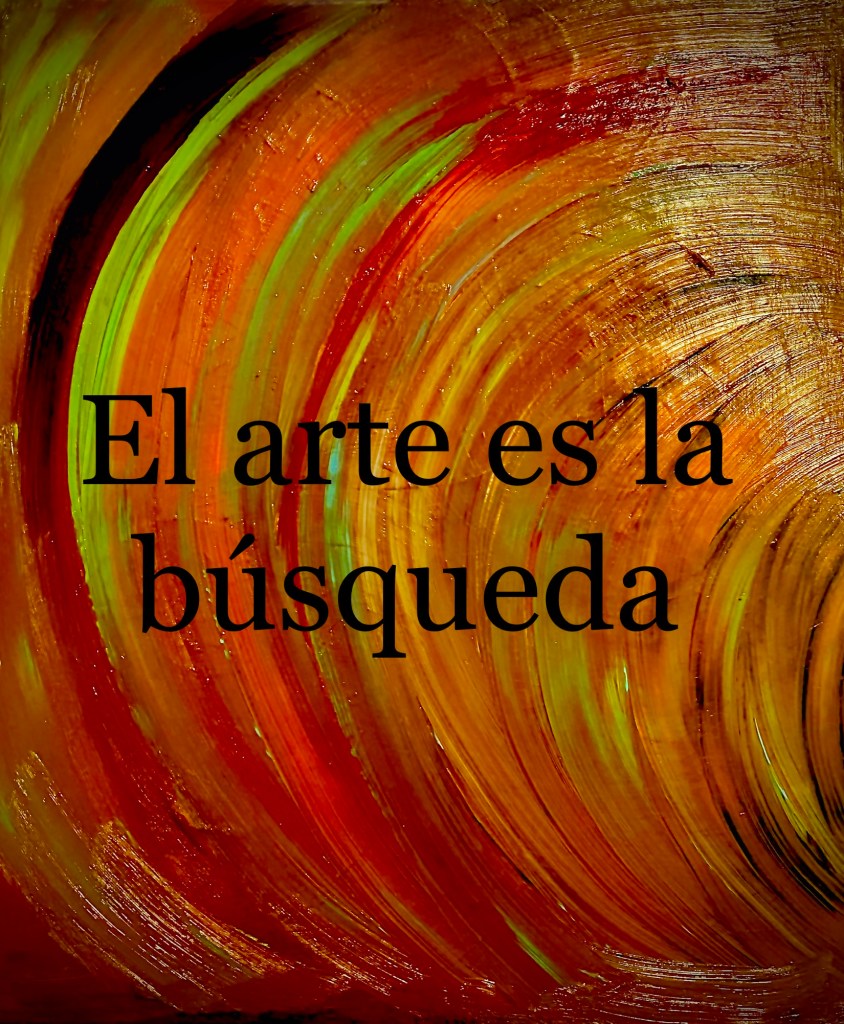
(«Art is the Search»/by Francisco Bravo Cabrera/All Rights Reserved/Derechos Reservados)

Ok, so I have always said that art is the search, and I think I have mentioned quite a few times that I search and find. You must always find something in art. I would like to know if you agree with me. Is art the search for you? And if it is, what are you searching for?

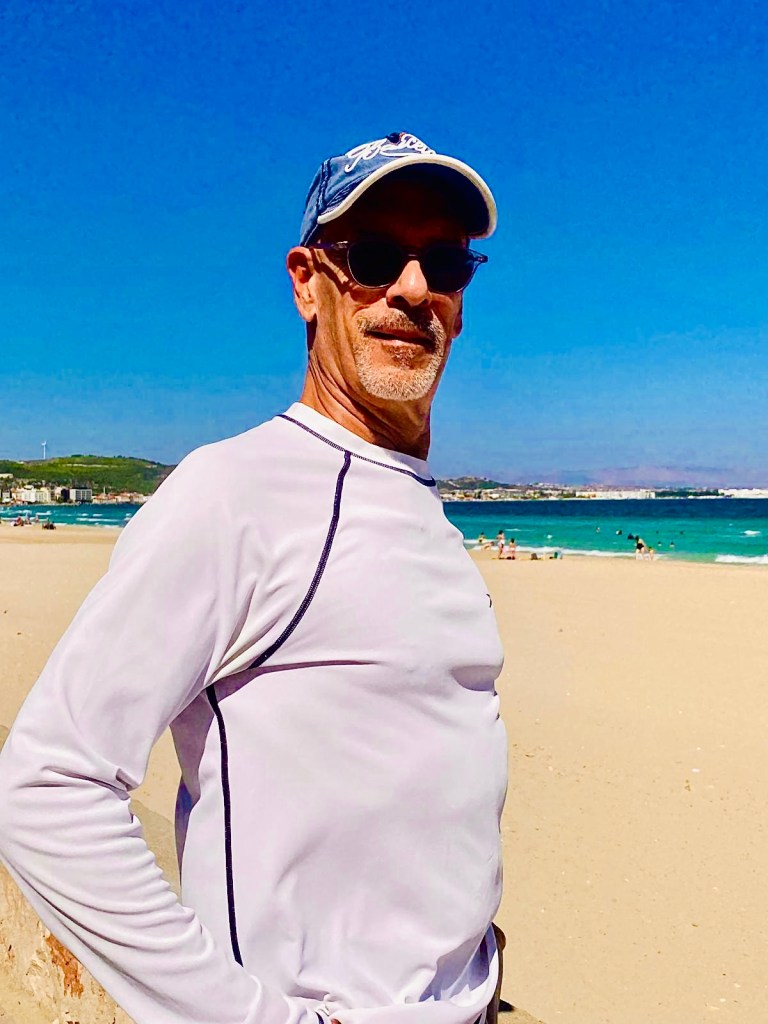
(Francisco/Bodo/representado por un actor)

I search for spirituality, in life and in art…

CHEERS

#art, A Summer Place

(Photo Francisco Bravo Cabrera/All Rights Reserved)

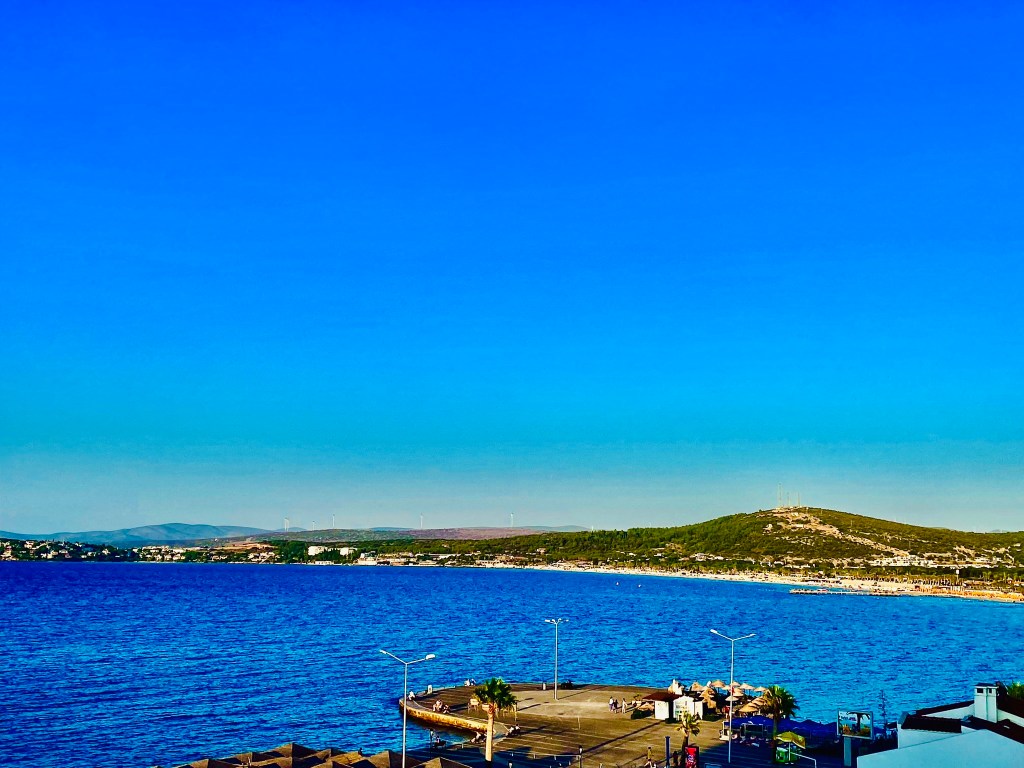
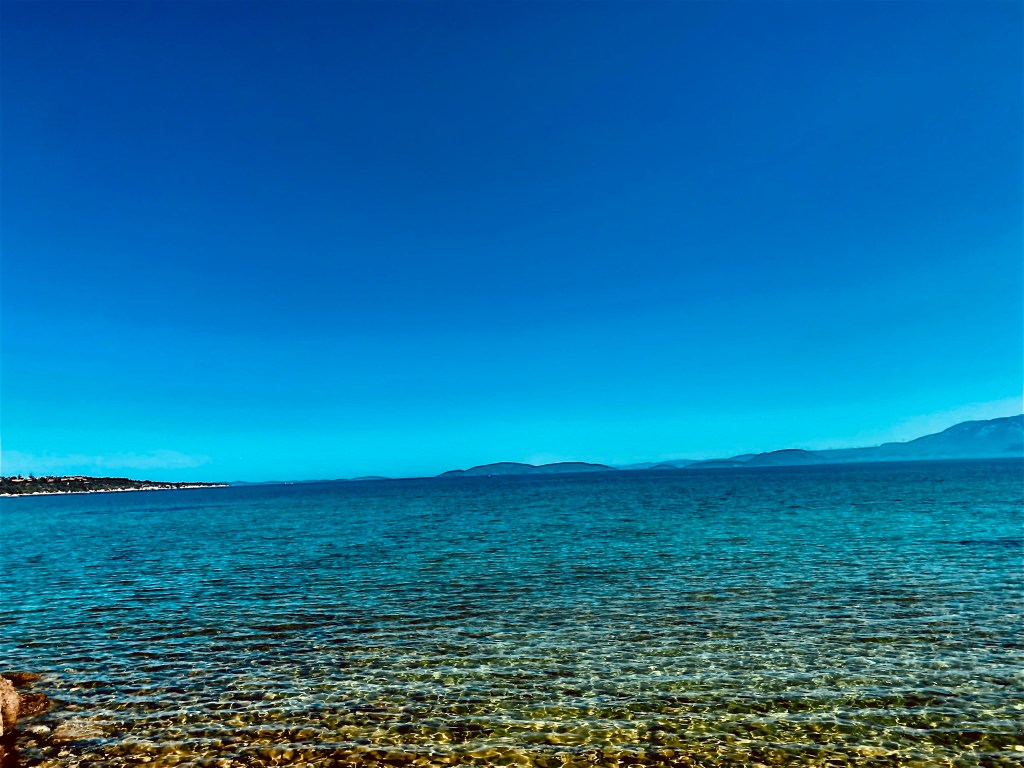
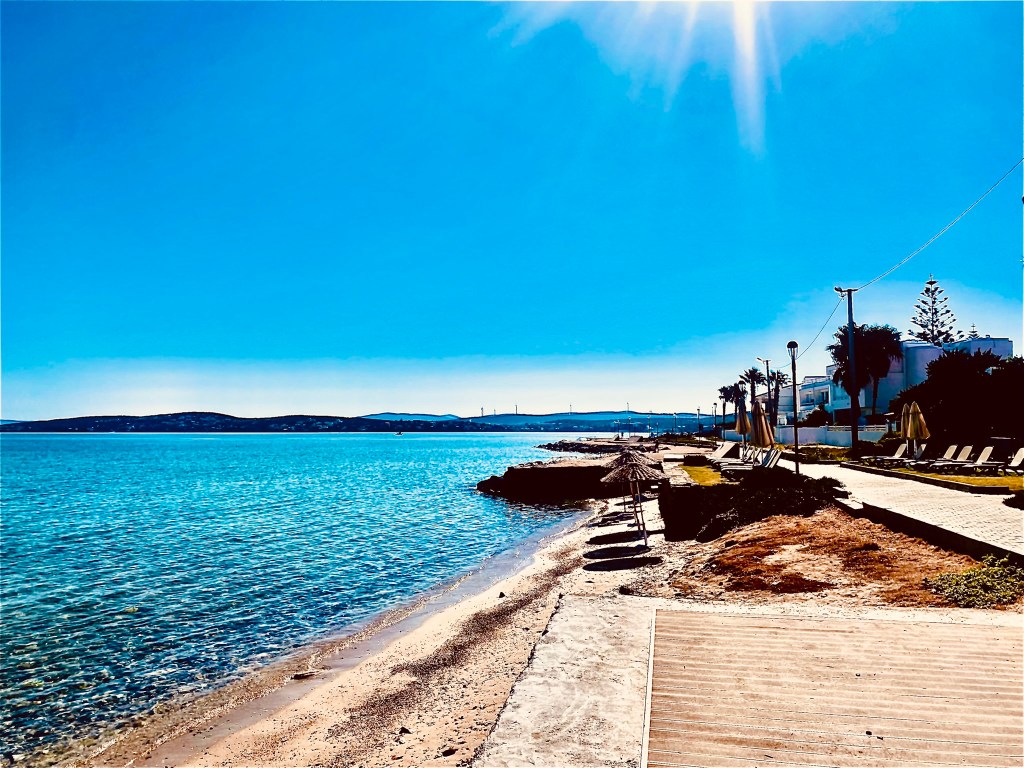
Summertime! Time to reunite with my little friends that live a little a little far from my wintertime place and studio…

Here in my summertime existence I feel invigorated by the Aegean breeze and the sun, the beach and sailing, lots of sailing…

But all those «distractions» do not really keep me away from writing, painting and blogging, although I might not be as productive as in my winter mode…

So please bear with me.

CHEERS

#art, What is colour?

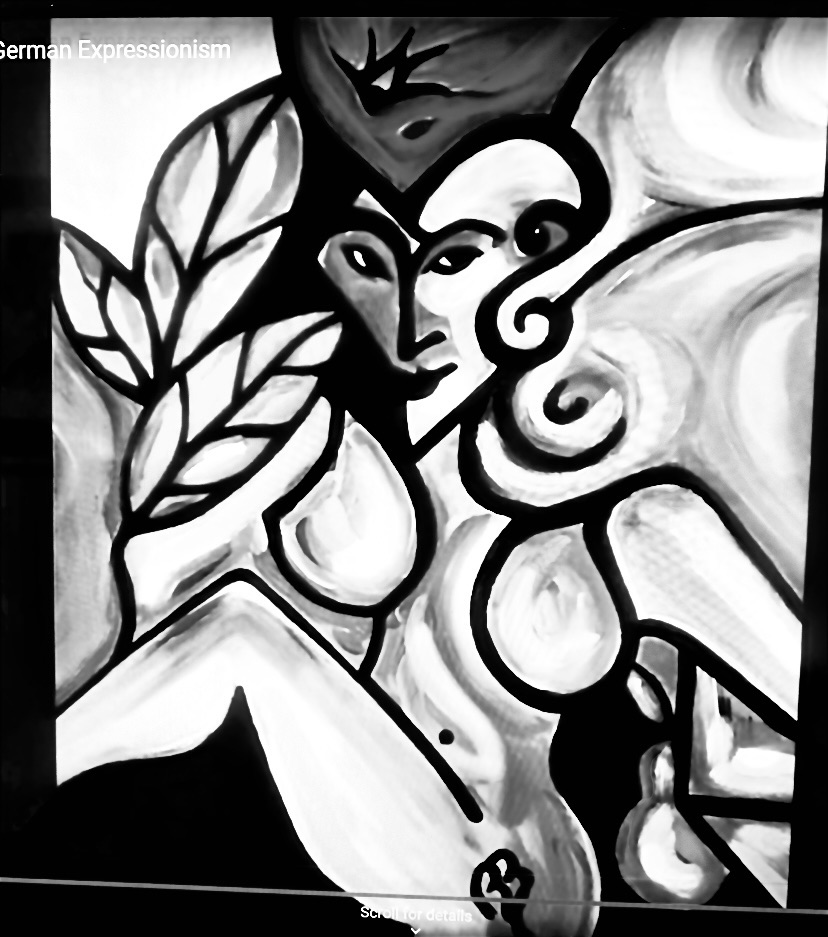
(Artwork properly of Francisco Bravo Cabrera/All Rights Reserved)

Is a painting less than if it does not have color?

Do we all see the same colours?

What does colour do to a work of art?

Some paintings are composed of nothing but colour. These are abstract and need to rely on the power of colour. Kandinsky saw colours as sounds and separated them and identified them. That was how he began his abstract work. What do you think of abstract art?

What do colours say to you?

A favourite colour?

(Artwork property of Francisco Bravo Cabrera/All Rights Reserved)

Which image transmits more to you?

CHEERS

#art, ¿Conoces a Max Klinger? – Do You Know Max Klinger?

(Leipziger Zeitung)

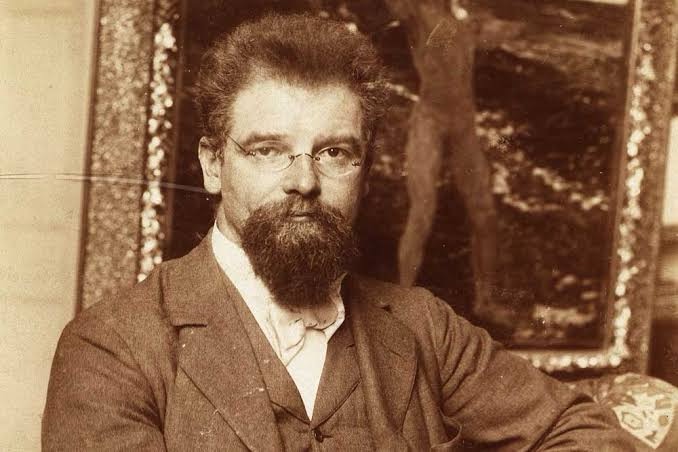
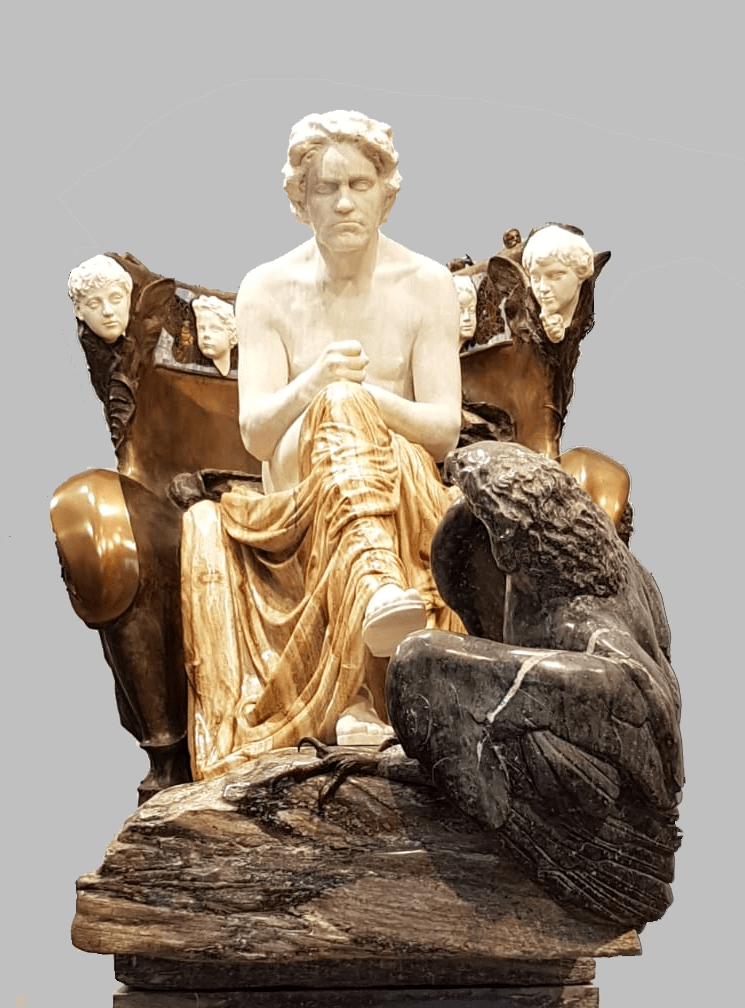
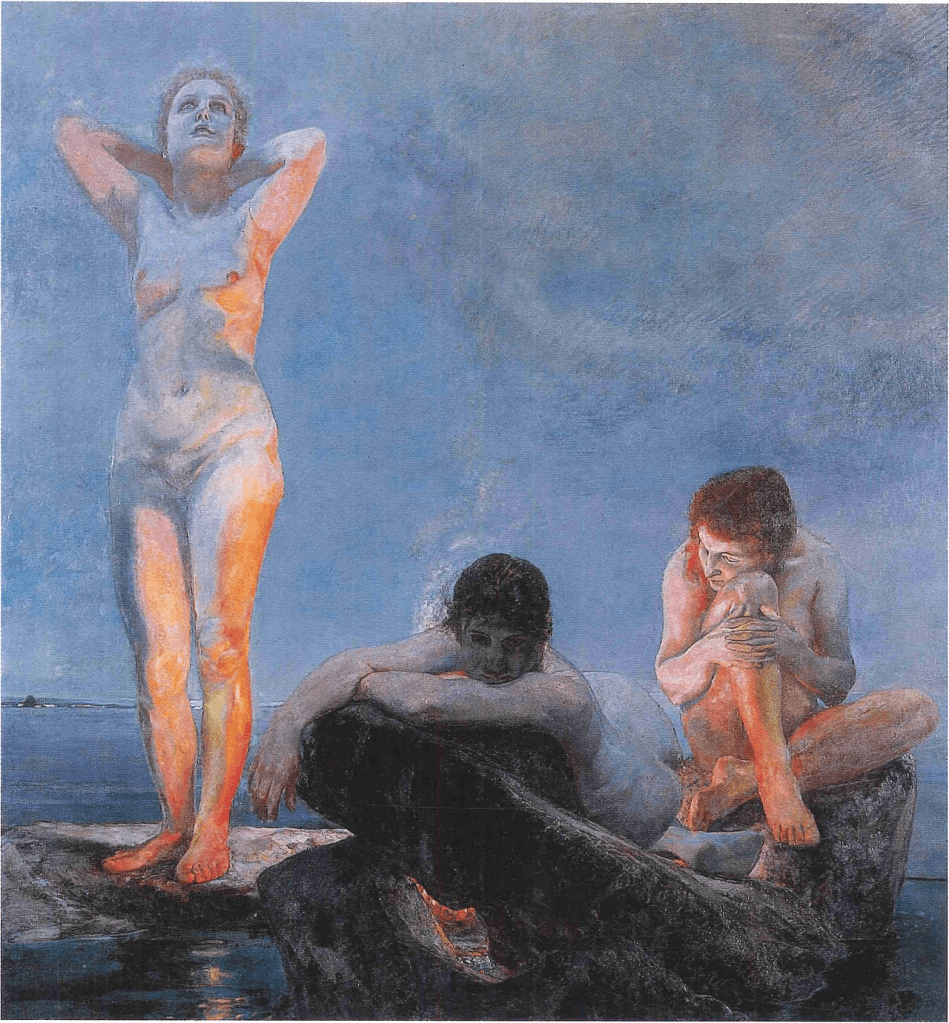
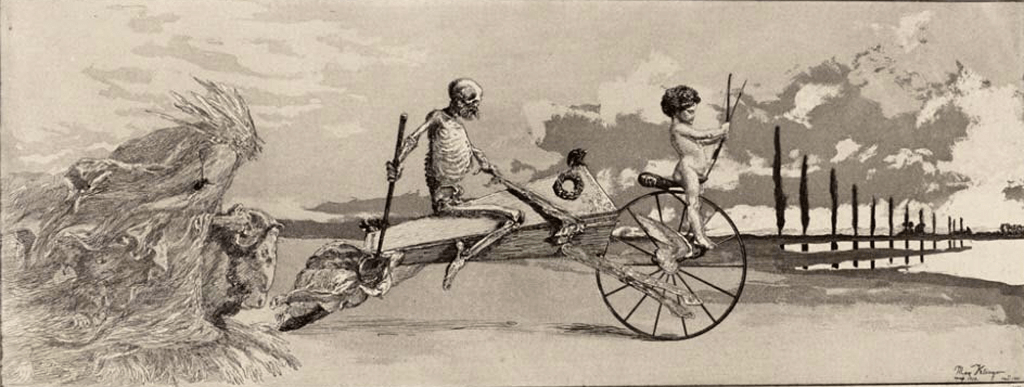
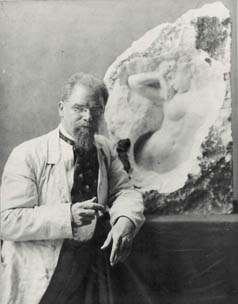
El pintor, escultor y artista grafico alemán Max Klinger se maravillaba con los grabados de Goya, Rembrandt, Durero y otros. Nació en Leipzig un18 de febrero de 1857 y estudio arte en la Academia de Bellas Artes de Berlin. Y por si no lo sabias, Klinger fue también un destacado pianista. Desarrolló una amistad de veinte años con el compositor Johannes Brahms, al cual le dedicó una serie de grabados…y una escultura…titulados Las fantasias de Brahms. En 1894. Brahms se reciprocó dedicándole su Vier ernste Gesänge (Cuatro canciones serias, Opus 121) en 1896. Gran amante de la música y admirador de los grandes compositores, le hizo estatuas a Beethoven y a Liszt. Tambien hizo el pedestal del monumento a Richard Wagner en Leipzig (1911). El pintor italiano Giorgio de Chirico lo cita como el artista que logró enlazar el movimiento simbolista del S. XIX con el movimiento metafísico que comenzaba. Klinger fue además referencia para otros como Max Ernst y los surrealistas, Munch, Paul Klee, Oskar Kokoschka, el propio Chirico y muchos más. Max Klinger murió relativamente joven en Alemania (1920).

+++

The German painter, sculptor, and graphic artist Max Klinger was fascinated by the prints of Goya, Rembrandt, Durer, and others. He was born in Leipzig on February 18, 1857 and studied art at the Academy of Fine Arts in Berlin. And in case you didn’t know, Klinger was also a prominent pianist. He developed a twenty-year friendship with the composer Johannes Brahms, to whom he dedicated a series of prints… and a sculpture… entitled «Brahms’ Fantasies.» In 1894, Brahms reciprocated by dedicating his «Vier ernste Gesange» (Four Serious Songs, Opus 121) to Klinger in 1896. A great lover of music and admirer of the great composers, he made statues of Beethoven and Liszt. He also created the plinth for the Richard Wagner Memorial in Leipzig (1911). The Italian painter Giorgio de Chirico cites him as the artist who successfully linked the Symbolist movement of the 19th century with the burgeoning Metaphysical movement. Klinger also served as a reference for others such as Max Ernst and the surrealists, Munch, Paul Klee, Oskar Kokoschka, Chirico himself, and many more. Max Klinger died relatively young in Germany (1920).

(Max Klinger/Von Hans Bug selbst fotografiert/commons.wikimedia.org)
(Museum der bildenden Künste, Leipzig/Dominio Público/Public Domain)
(Dominio Público/Public Domain)

#art, #travel, Three Andalusian Beauties – Tres bellezas de Andalucía…

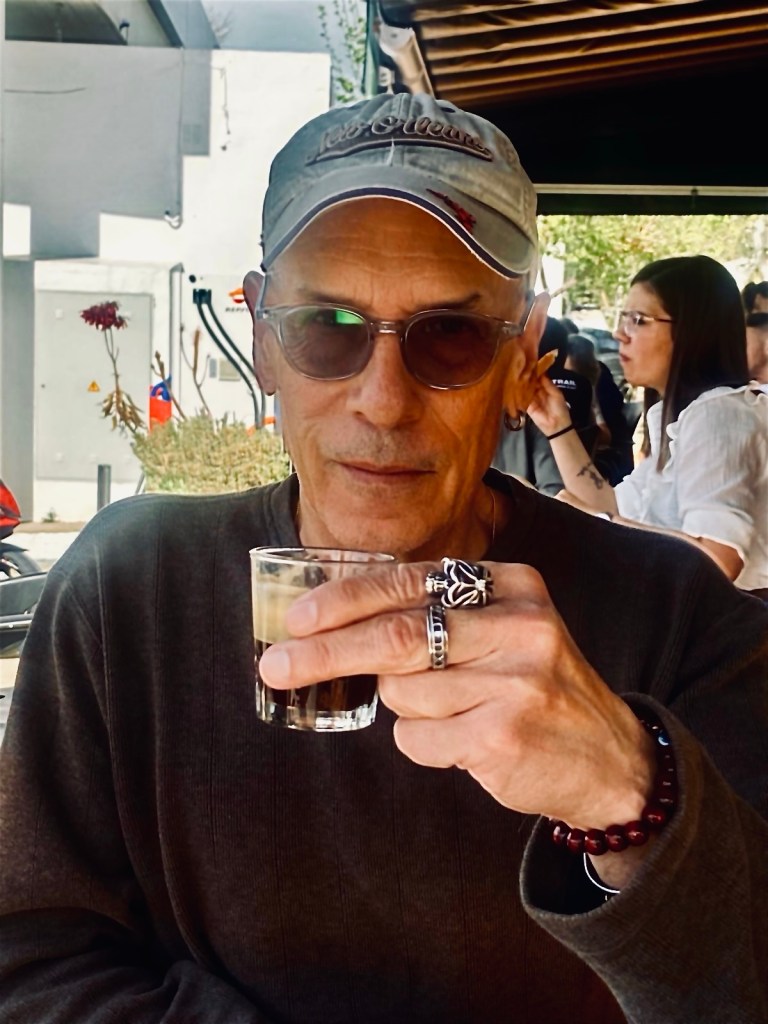
(Bodo Vespaciano/actor portrayal)

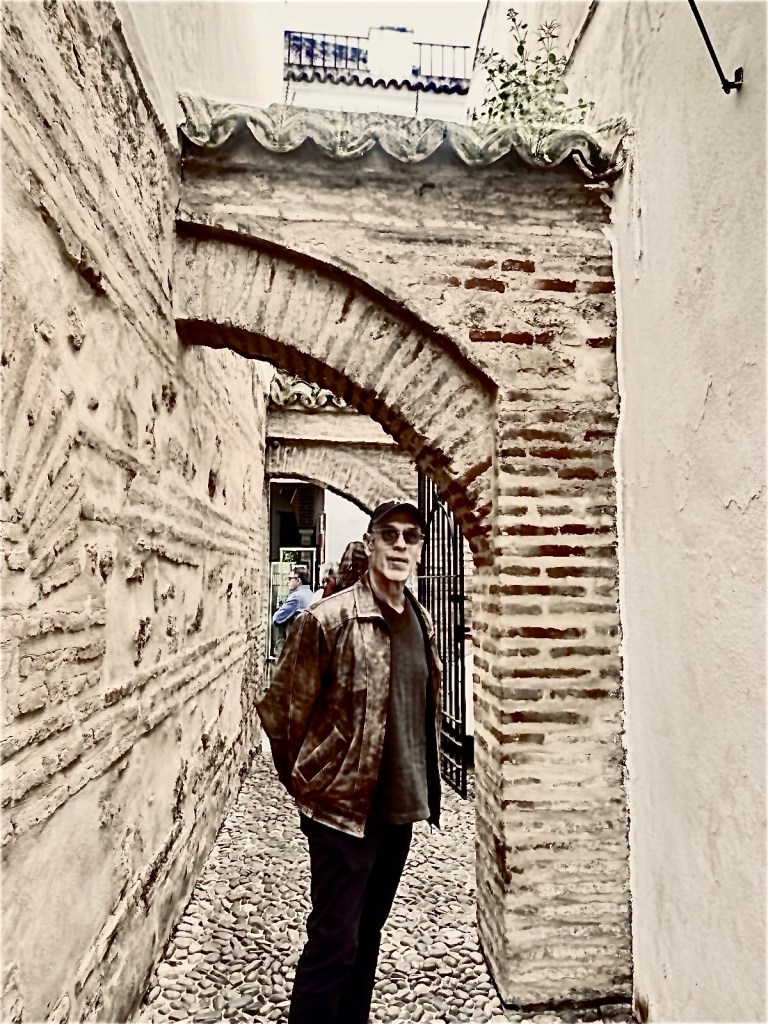
Have you ever visited Andalucía? Well here are three cities which you might consider visiting. They are very close to each other.

+++

¿Alguna vez has visitado Andalucía? Bueno, aquí te muestro tres ciudades que podrías considerar visitar. Están muy cerca una de la otra.

(2024)

GRACIAS – CHEERS

#art, ¿Conoces a Max Klinger? – Do You Know Max Klinger?

)De/By Nicola Perscheid/Dominio público/Public Domain/Wikimedia Commons)

El pintor, escultor y artista grafico alemán Max Klinger se maravillaba con los grabados de Goya, Rembrandt, Durero y otros. Nació en Leipzig un18 de febrero de 1857 y estudio arte en la Academia de Bellas Artes de Berlin. Y por si no lo sabias, Klinger fue también un destacado pianista. Desarrolló una amistad de veinte años con el compositor Johannes Brahms, al cual le dedicó una serie de grabados…y una escultura…titulados Las fantasias de Brahms. En 1894. Brahms se reciprocó dedicándole su Vier ernste Gesänge (Cuatro canciones serias, Opus 121) en 1896. Gran amante de la música y admirador de los grandes compositores, le hizo estatuas a Beethoven y a Liszt. Tambien hizo el pedestal del monumento a Richard Wagner en Leipzig (1911). El pintor italiano Giorgio de Chirico lo cita como el artista que logró enlazar el movimiento simbolista del S. XIX con el movimiento metafísico que comenzaba. Klinger fue además referencia para otros como Max Ernst y los surrealistas, Munch, Paul Klee, Oskar Kokoschka, el propio Chirico y muchos más. Max Klinger murió relativamente joven en Alemania (1920).

+++

The German painter, sculptor, and graphic artist Max Klinger was fascinated by the prints of Goya, Rembrandt, Durer, and others. He was born in Leipzig on February 18, 1857 and studied art at the Academy of Fine Arts in Berlin. And in case you didn’t know, Klinger was also a prominent pianist. He developed a twenty-year friendship with the composer Johannes Brahms, to whom he dedicated a series of prints… and a sculpture… entitled «Brahms’ Fantasies.» In 1894, Brahms reciprocated by dedicating his «Vier ernste Gesange» (Four Serious Songs, Opus 121) to Klinger in 1896. A great lover of music and admirer of the great composers, he made statues of Beethoven and Liszt. He also created the plinth for the Richard Wagner Memorial in Leipzig (1911). The Italian painter Giorgio de Chirico cites him as the artist who successfully linked the Symbolist movement of the 19th century with the burgeoning Metaphysical movement. Klinger also served as a reference for others such as Max Ernst and the surrealists, Munch, Paul Klee, Oskar Kokoschka, Chirico himself, and many more. Max Klinger died relatively young in Germany (1920).

(Max Klinger/Von Hans Bug selbst fotografiert/commons.wikimedia.org)
(Museum der bildenden Künste, Leipzig/Dominio Público/Public Domain)
(Dominio Público/Public Domain)

#art, #travel, Three Andalusian Beauties – Tres bellezas de Andalucía…

(Bodo Vespaciano/actor portrayal)

Have you ever visited Andalucía? Well here are three cities which you might consider visiting. They are very close to each other.

+++

¿Alguna vez has visitado Andalucía? Bueno, aquí te muestro tres ciudades que podrías considerar visitar. Están muy cerca una de la otra.

(2024)

GRACIAS – CHEERS