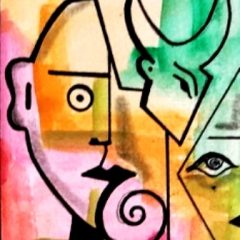
#art, Eileen Gray, Arquitecta/Architect – Serie de mujeres artistas – Women Artists Series

(Architectural Digest México y Latinoamérica)

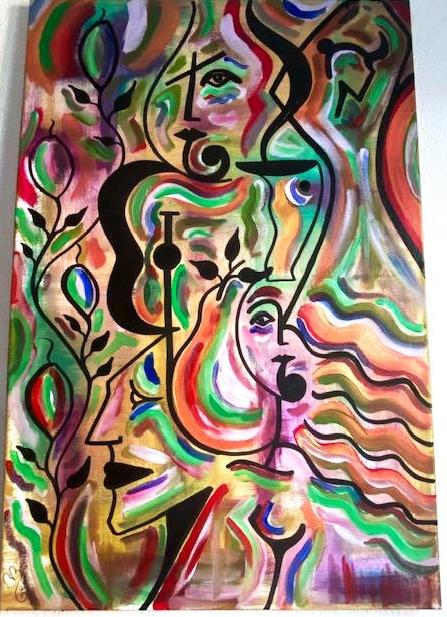
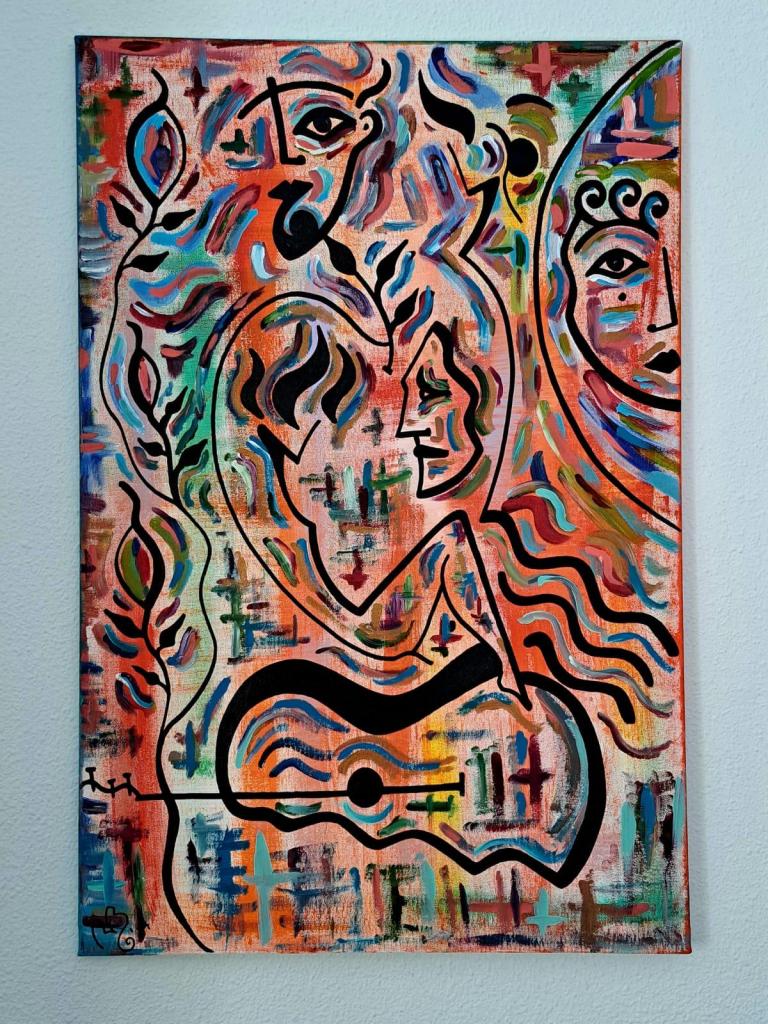
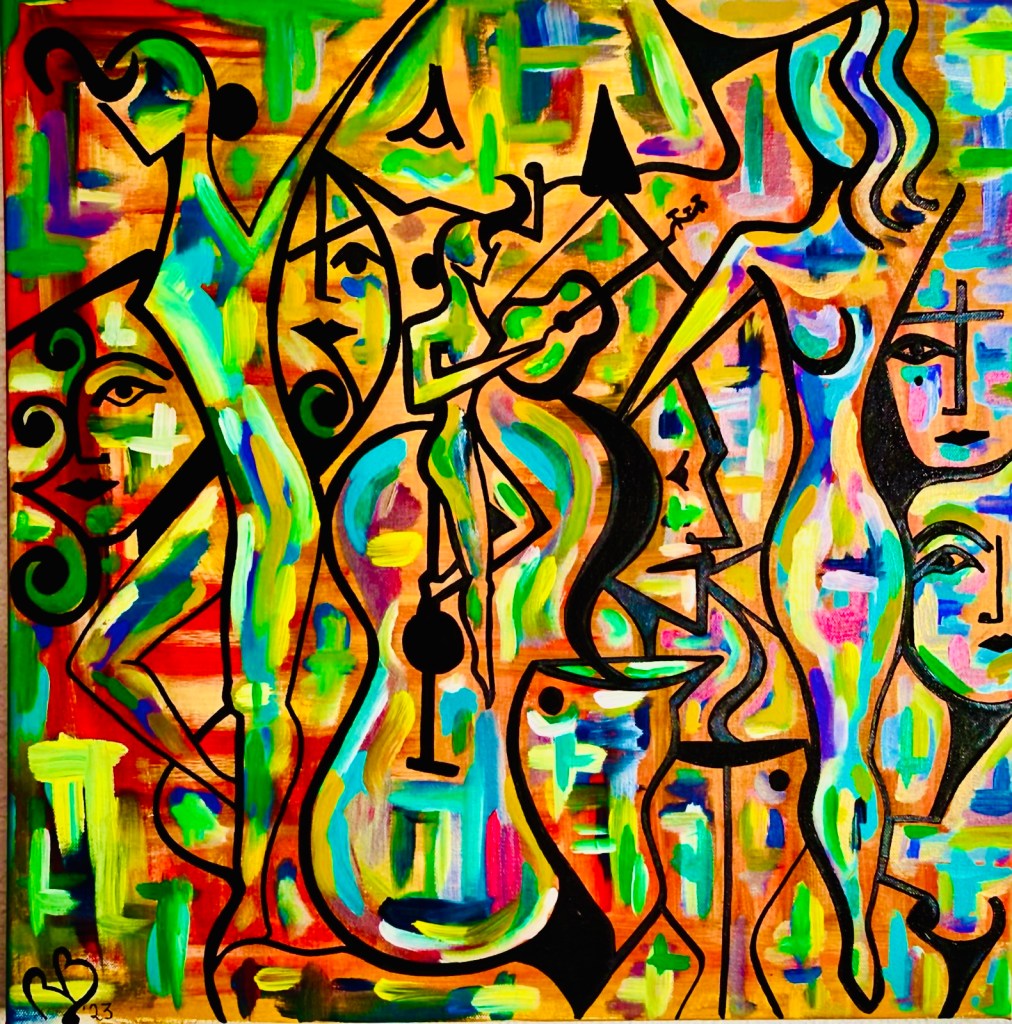
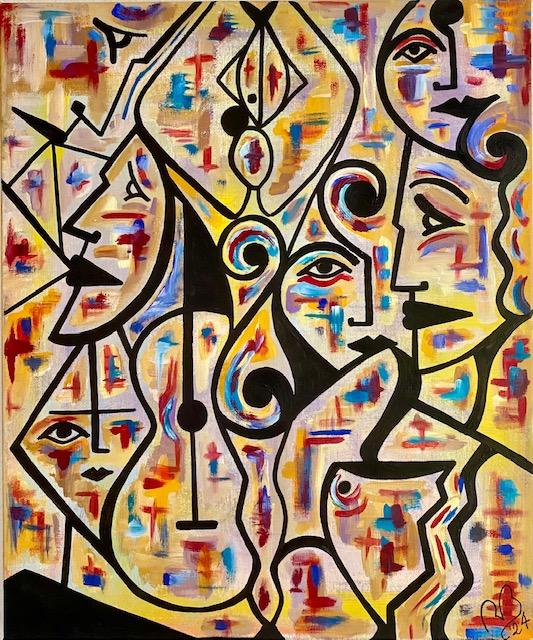
Eileen Gray fue viajera y aventurera. Viajó desde su Irlanda natal a Londres, Dresde, París , Africa y Estados Unidos… Estudió arte y dibujo en Londres (Slade School of Fine Arts/1901) y luego continuó su búsqueda en París… Es reconocida como la primera mujer en hacer un gran impacto en el diseño industrial… Eileen nació en 1878 en Enniscorthy, Irlanda… Después de una gran gira por EEUU, donde viajó en tren desde Nueva York a California, estalló la Primera Guerra Mundial. Eileen condujo una ambulancia durante la guerra… En 1913 tuvo su primera exposición en el Salon des Artistes Décorateurs… Finalmente vino su gran reconocimiento en 1922, ganándose fama en el diseño y abrió su tienda de decoración, la galería Jéan Désert, donde mostró sus alfombras y diseños de mobiliario… En 1926 comenzó a construir su casa E1027 Menton, (Alpes Maritimos) cerca de Castellar, Francia. La terminó en 1934 y pasó mucho de su tiempo en el sur de Francia… Gray murió a los 98 años, en 1976 en París y está enterrada en el cementerio de Père Lachaise.

+++++

Eileen Gray was a traveller and adventurer. She travelled from her native Ireland to London, Dresden, Paris, Africa, and the United States… She studied art and drawing in London (Slade School of Fine Arts/1901) and then continued her quest in Paris… She is recognized as the first woman to make a major impact on industrial design… Eileen was born in 1878 in Enniscorthy, Ireland… After a major tour of the US, where she travelled by train from New York to California, the First World War broke out. Eileen drove an ambulance during the war… In 1913, she had her first exhibition at the Salon des Artistes Décorateurs… Finally, her great recognition came in 1922, earning fame in design and opening her decoration shop, the Jéan Désert gallery, where she displayed her carpets and furniture designs… In 1926, she began to build her house E1027 in Menton, (Alpes-Maritimes) near Castellar, France. She finished it in 1934 and spent much of her time in the south of France… Gray died at the age of 98 in 1976 in Paris and is buried in the Père Lachaise cemetery.

(Arquitectura y Diseño)

GRACIAS – CHEERS

#opinion, Dear Diary, page 12

(NBC News)

The right to protest is contingent upon acquiring the appropriate permission and that the protest be and remain always peaceful. This is not what we are seeing take place in the unis in the US. Violent clashes with the police forfeit their protests and make me think that these are not real «students» raising their voices and exercising their right to express themselves. I wonder whose money is behind these «spontaneous» protests in US universities. And I also wonder why the universities should put up with such activities. After all, aren’t these places for the acquisition of knowledge? Are they not houses of higher learning? When do these «students» actually study? Camping out as a sign of protest seems like an incredible way to waste valuable time. And no, US President Biden will not change his position on assistance to Israel because Israel, although these «students» don’t want to see it, is the victim. Israel was attacked, brutally and mercilessly and it’s citizens, as well as those of other countries are still being held by the terrorist group Hamas. Why are there no protests against those cruel and uncivilised actions? So, in conclusion, I do not buy it. These «protestors» are having us on big time. And it is about time that the press call them what they are, agitators and agents provocateurs.

(Are these really students?/Photo NBC News)

C H E E R S

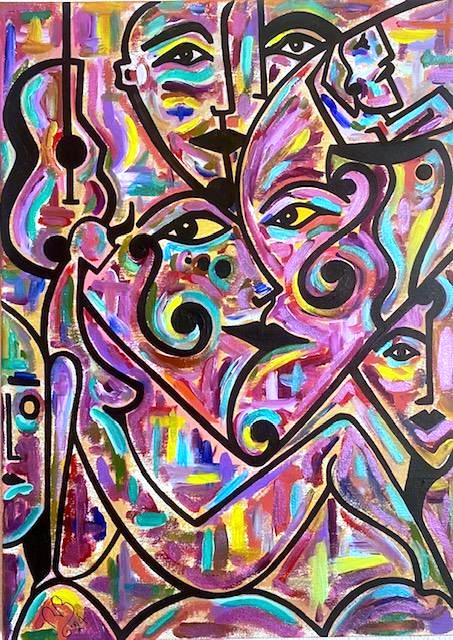
#art, La luz y el color del mundo – Light And the Colour of the World

(«Sonistus» de/by Francisco Bravo Cabrera/Derechos Reservados/All Rights Reserved)

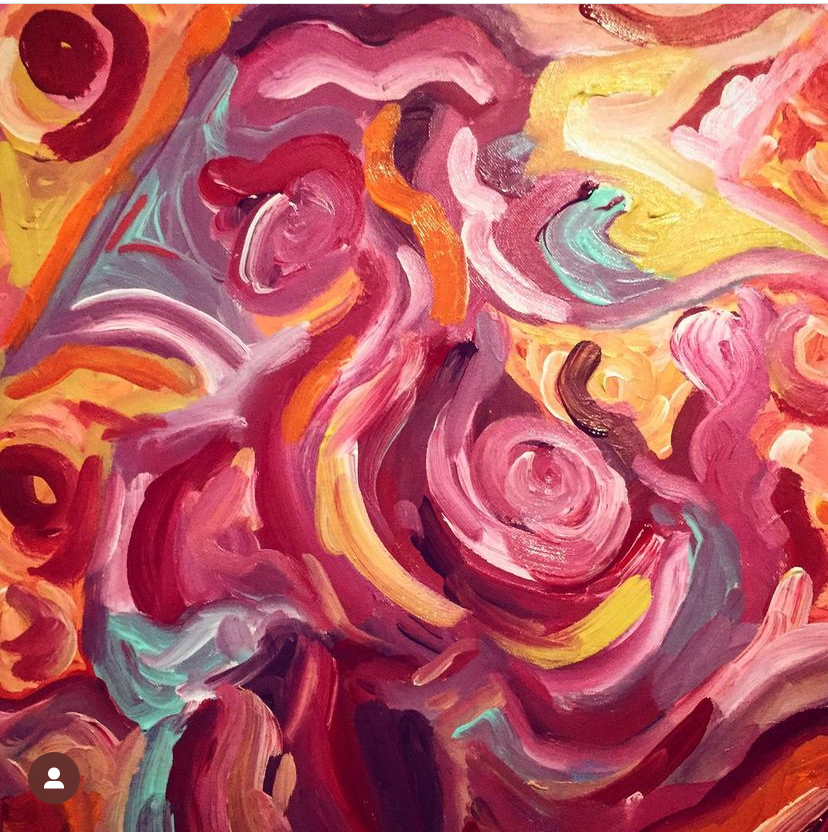
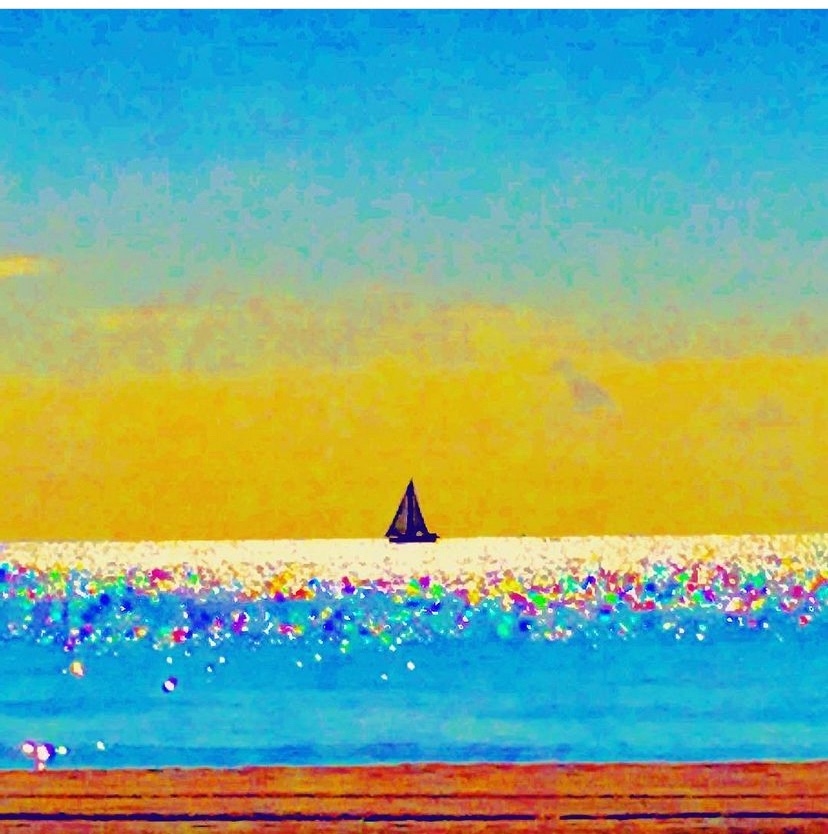
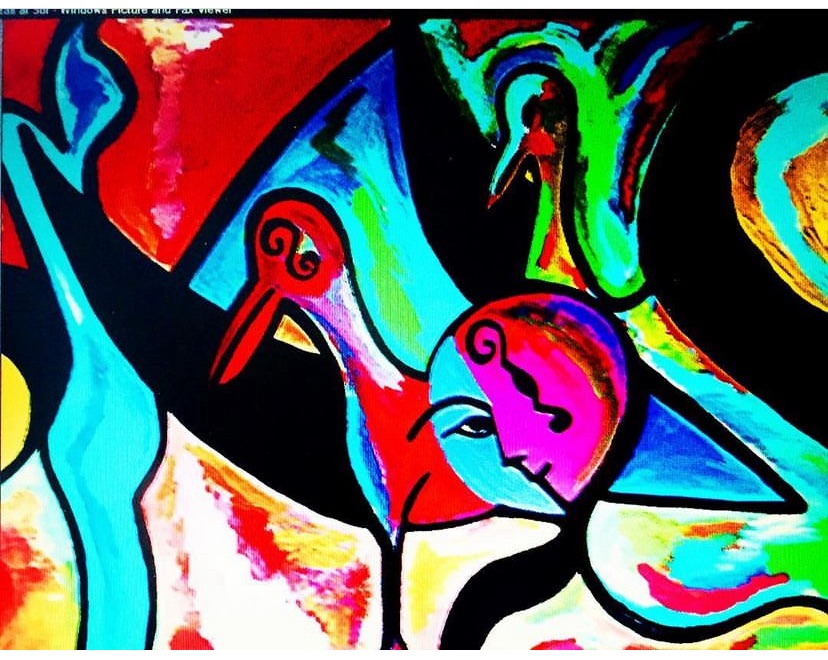
«Sonistus» pertenece a una serie de pinturas que exploran el impacto de la luz, la luz del dia, según la captan los ojos nuestros, los del observador. Vemos colores por donde quiera que miremos, eso es algo particular y general en nuestra vida y de nuestra humanidad. No todos los seres vivos que deambulan por Mater Terram ven los colores que los rodean, y no digo solo los colores de las cosas, sino los colores que solos van de cosa en cosa y nuestros ojos humanos los perciben aunque no nos demos cuenta. Esa luz, ese impacto es lo que he tratado de reproducir en esta serie de cuadros. Las manchas de colores se animan unas a las otras, se unen, se separan, se juntan y se dispersan sin lógica y sin sentido, aparentemente, pero todo esta bien calculado bajo el sol pues la Tierra, la naturaleza y nosotros mismos somos fruto de la creación, no de la aleatoriedad.

+++++

«Sonistus» belongs to a series of paintings that explore the impact of light, daylight, as captured by our eyes, the eyes of the observers. We see colours everywhere we look, something that is particular and general in our lives and our human condition. Not all living beings wandering through Mater Terram see the colours that surround them, and I don’t just mean the colours of things, but the colours that move from one thing to another under the light. Our human eyes perceive them even if we don’t realize it. That light, that impact, is what I have tried to reproduce in this series of paintings. The splashes of colours animate each other, come together, separate, join, and disperse without logic and without apparent meaning, but everything is well calculated under the sun because the Earth, nature, and ourselves are the result of creation, not randomness.

GRACIAS – CHEERS
#art, #philosophy, Un cuadro es filosofía – A Painting is Philosophy…

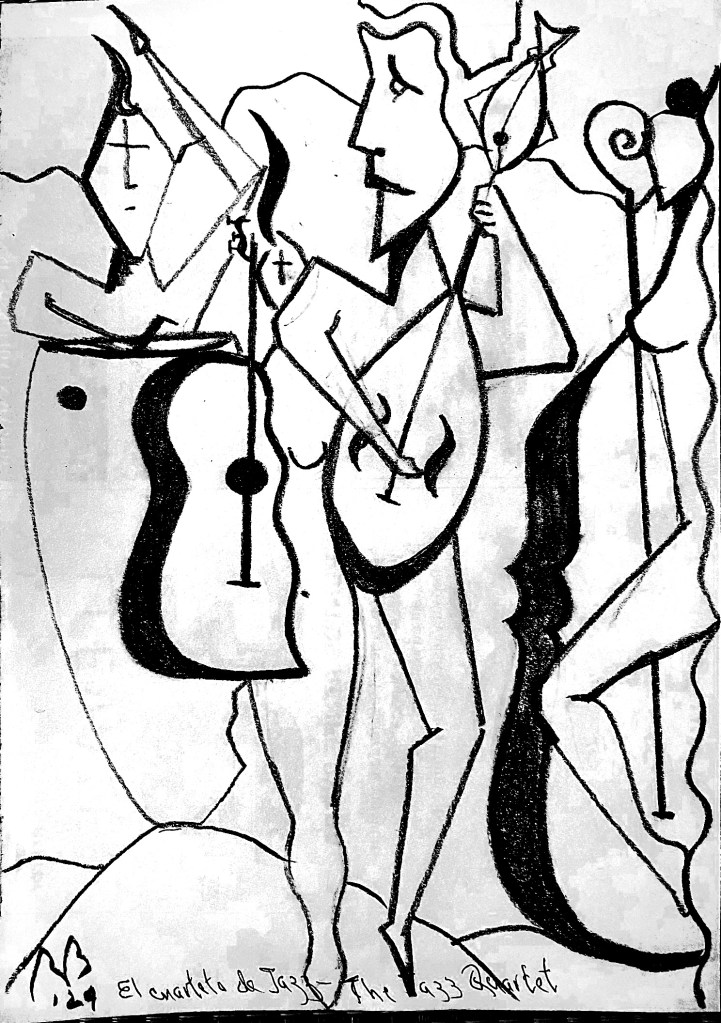
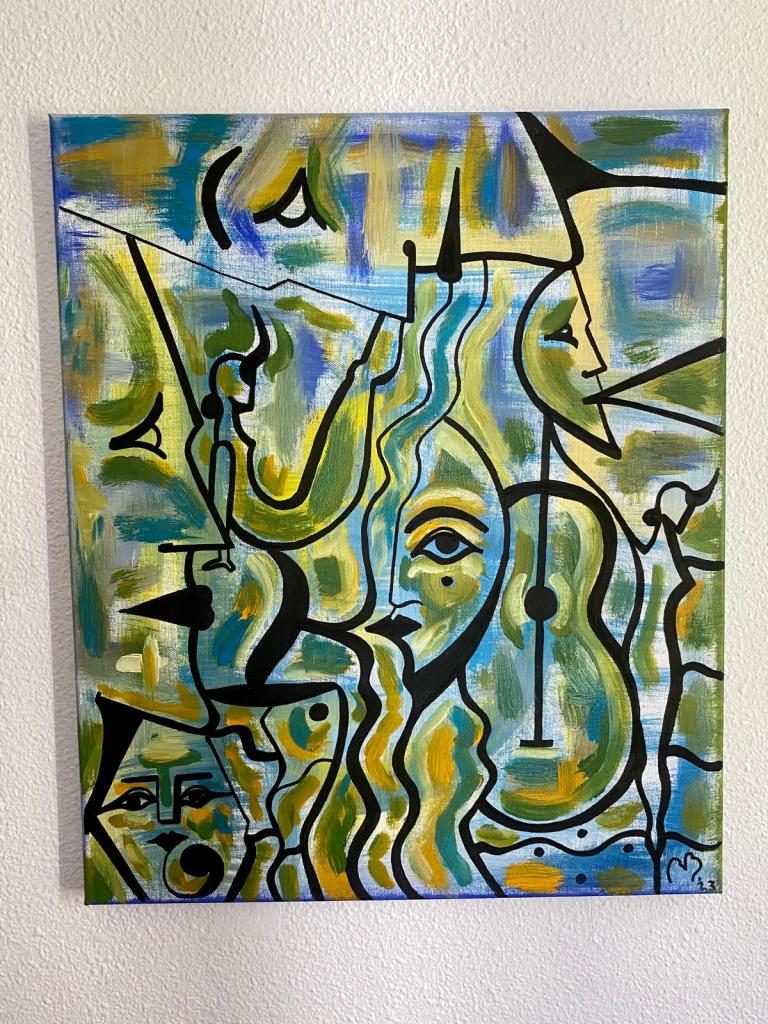
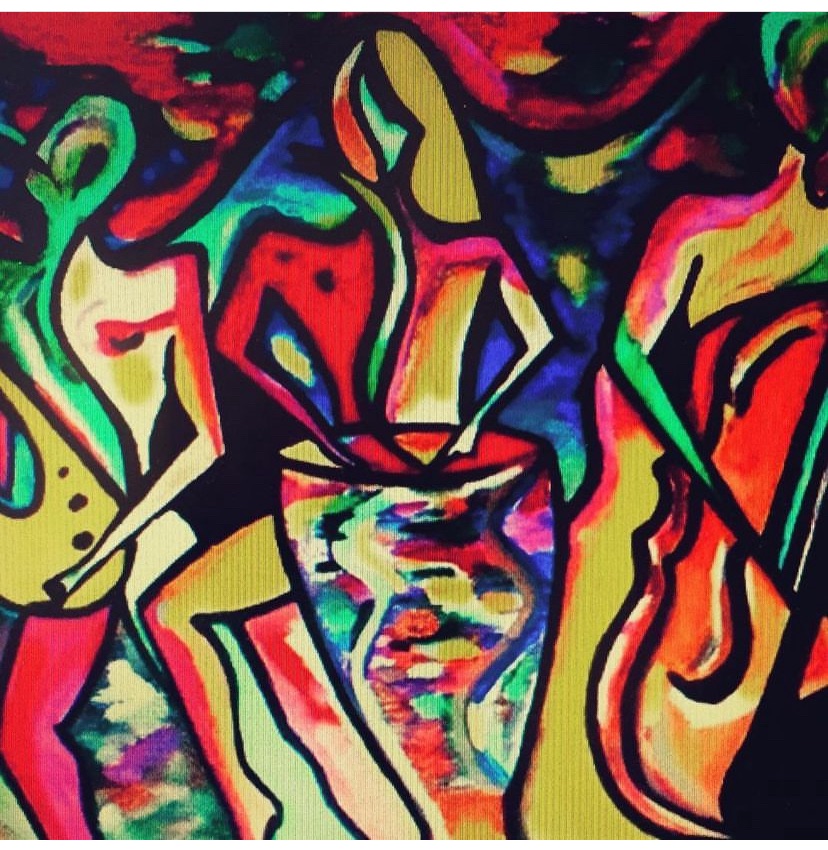
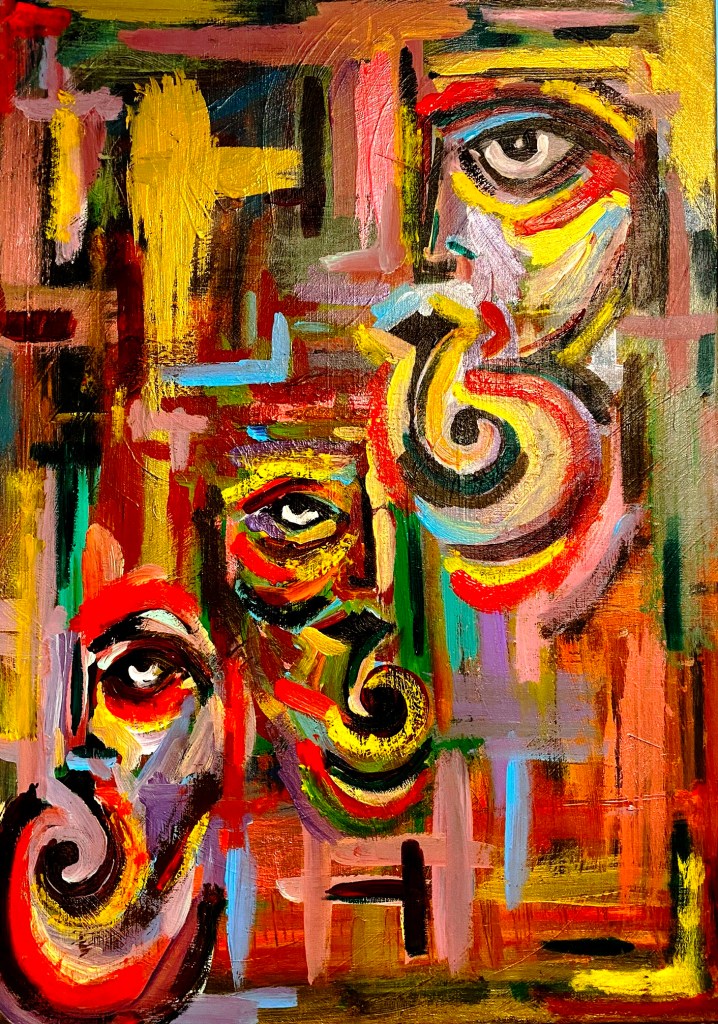
(«The Jazz Quartet» de/by Francisco Bravo Cabrera/Derechos Reservados/All Rights Reserved)

No estoy seguro pero supongo que por ahí deambulen algunos que piensan que la vida se parece a un cuarteto de Jazz. Al menos me planteo eso como una posibilidad y quizá los que lo piensen tengan razón. Todos sabemos que la vida tiene su ritmo, se habla siempre del «ritmo de la vida», bueno pues esa es la primera coincidencia entre la vida y el cuarteto pues uno de los integrantes del cuarteto, el percusionista, va marcando el ritmo de las piezas que tocan. Además del compás, esta la melodía, o sea lo que en la vida seria el pasar del tiempo, el va y ven de las estaciones, de los días, los meses, los años. El cuarteto está compuesto por cuatro seres completamente distintos. Pueden ser cuatro hombres, cuatro mujeres o combinados de cualquier otra manera, como lo somos en la vida. En la vida todos somos únicos y por mucho que nos podamos parecer unos a otros, somos diferentes de los demás. Finalmente diría que el cuarteto cumple con una función que es hacer música, para ella sus integrantes se han preparado, han elegido las piezas a tocar, han estudiado, ensayado y luego las han presentado ante el público. Igual nosotros vamos poco a poco aprendiendo, estudiando, preparándonos y cuando nos toque, nos presentamos ante los demás y somos vida. Pero este cuarteto que os veis no es un cuarteto, es una ilusión, una idea, un cuadro. Entonces ¿Se parecerá mejor a cuadro la vida y no a un cuarteto de Jazz?

+ + + + + + + + +

I’m not sure but I suppose there are some who think that life is like a jazz quartet. At least I consider that as a possibility and perhaps those who think that are right. We all know that life has its rhythm, we always talk about the «rhythm of life», well that’s the first coincidence between life and the quartet because one of the members of the quartet, the percussionist, sets the rhythm of the pieces they play. In addition to the rhythm, there is the melody, which is what in life would be the passage of time, the coming and going of the seasons, days, months, years. The quartet is composed of four completely different beings. They can be four men, four women, or combined in any other way, as we are in life. In life, we are all unique and no matter how much we may resemble each other, we are different from others. Finally, I would say that the quartet fulfils a function, which is to make music, for which its members have prepared, chosen the pieces to play, studied, rehearsed, and then presented them to the public. Similarly, we gradually learn, study, prepare, and when it is our turn, we present ourselves to others for we are life. But this quartet that you see is not a quartet, it is an illusion, an idea, it is just a picture. So, could life resemble a picture better than a jazz quartet?

GRACIAS – CHEERS
#art, La luz y el color – Light and Colour…

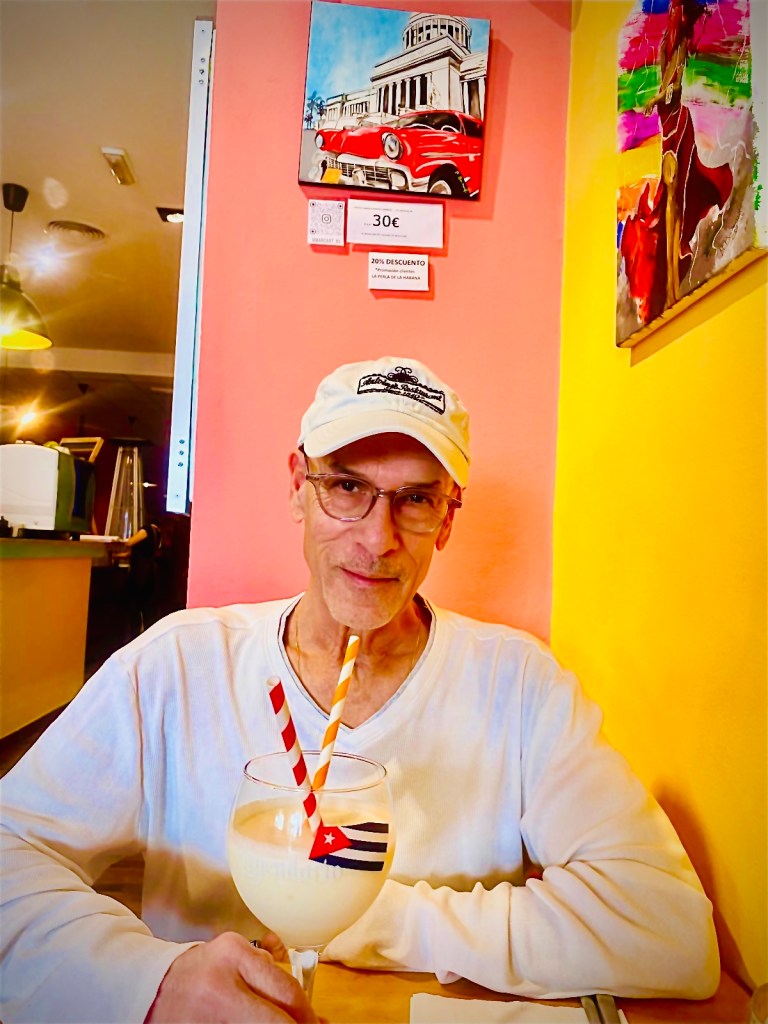
(Francisco Bravo Cabrera/Representado por un actor/Actor portrayal)

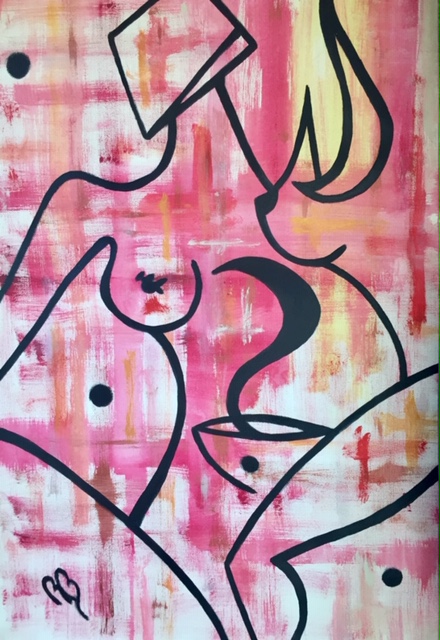
Ver colores es un don divino pues Dios creo la luz y gracias a ella podemos recoger esas vibraciones mágicas e interpretarlas y convertirlas en colores. Los colores en el mundo, en nuestro medio ambiente, no son cosas estáticas, son energía y se mueven según la luz y como la luz, a través del dia va cambiando, asi también los colores. El trabajo del pintor figurativo, como dijo Antonio López, es pintar lo que ve, lo que lo rodea, entonces tiene que pintar la luz. Pero, ¿Como lo hago? Creo que es una pregunta que se han hecho muchos pintores a través de la historia y muchos han encontrado soluciones maravillosas, innovadoras, en fin, geniales. Para mi, como siempre digo que el arte es la búsqueda, ese planteamiento se convirtió en una fuente nueva y diferente de acercarme al lienzo, a la paleta, a la creación de un cuadro. No os voy a describir el procedimiento que adopte para esta serie, sino os dejo con los cuadros para que vosotros seáis los que los interpreten y encuentren la luz dentro y fuera de las composiciones…

+++++

To see colours is a divine gift since God created light, and thanks to it, we can collect those magical vibrations, interpret them, and turn them into colours in our brains. Colours in the world, in our environment, are not static things, they are energy and they move according to light, and like light, they change throughout the day. The work of the figurative painter, as Antonio López said, is to paint what he sees, what surrounds him, so he has to paint the light. But, how do I do it? I think it is a question that many painters have asked themselves throughout history and many of them have found wonderful, innovative, and brilliant solutions. For me, as I always say that art is the search, this question became a new and different way for me to approach the canvas, the palette, and the creative process involved in painting. I will not describe the procedure I adopted for this series, I will leave you with the paintings so that you can interpret them and find the light within and outside the compositions…

GRACIAS – CHEERS
#art, Como vemos la luz y los colores – How We See Light and Colours…

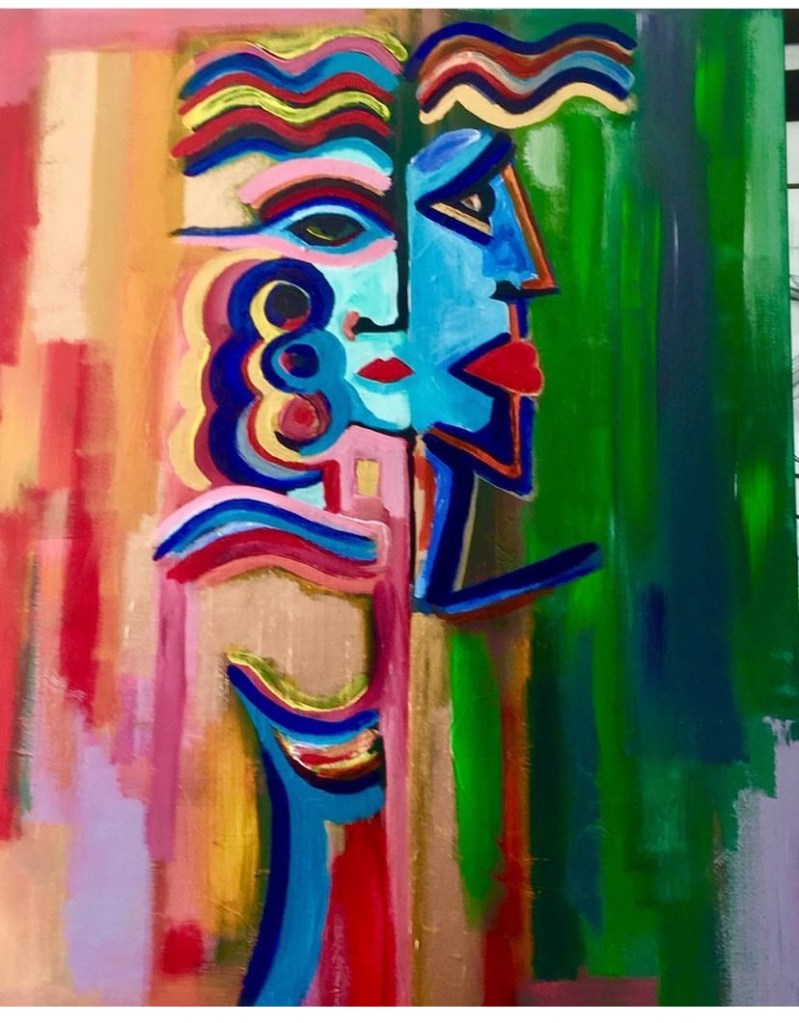
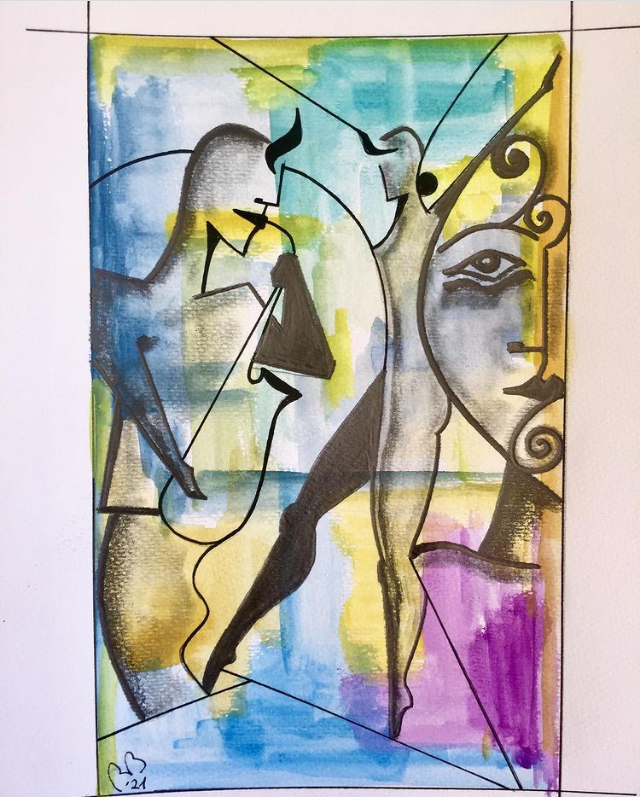
(«Tres Caras»/detalle/detail/de/by Francisco Bravo Cabrera/Derechos Reservados/All Rights Reserved)

La luz, procede del sol y de Dios que nos la ha dado… La luz nos es útil y gracias a ella podemos ver los colores que nos rodean. Y yo me pregunto, ¿Artísticamente, en un cuadro, como voy a representar esas vibraciones que vuelan, posan, arrancan y luego descansan, y que están por doquier y que mis ojos recogen y mi consciencia las transforma en colores? La respuesta es arte y por eso siempre digo que el arte es la búsqueda. Bueno, no se si he encontrado la «solución» pero al menos he hallado una que me place. Regando manchas de colores por el lienzo, interceptando y convergiendo con la composición, he logrado darle respuesta mi pregunta. Claro está, es solo uno de los muchos caminos que hubiera podido coger, pero al menos es algo y con algo se puede hacer mucho. ¿Qué os pensáis?

+ + + + + + +

The light comes from the sun and from God who has given it to us… Light is useful to us, and thanks to it, we can see the colours that surround us. And I wonder, artistically, in a painting, how am I going to represent those vibrations that fly, pose, start, and then rest, and that are everywhere and that my eyes pick up and my consciousness transforms into colours? The answer is art, and that’s why I always say that art is the search. Well, I don’t know if I have found the «solution,» but at least I have found one that pleases me. By spreading splashes of colours on the canvas, intercepting and converging with the composition, I have managed to answer my question. Of course, it is only one of the many paths I could have taken, but at least it is something, and with something, much can be done. What do you think?

GRACIAS – CHEERS
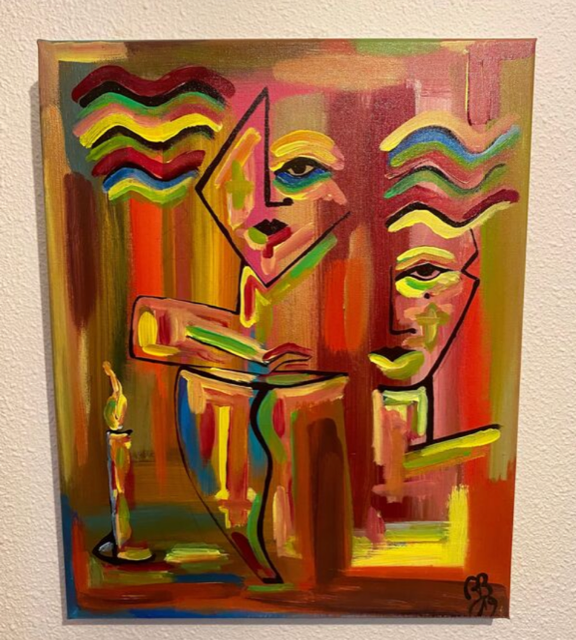
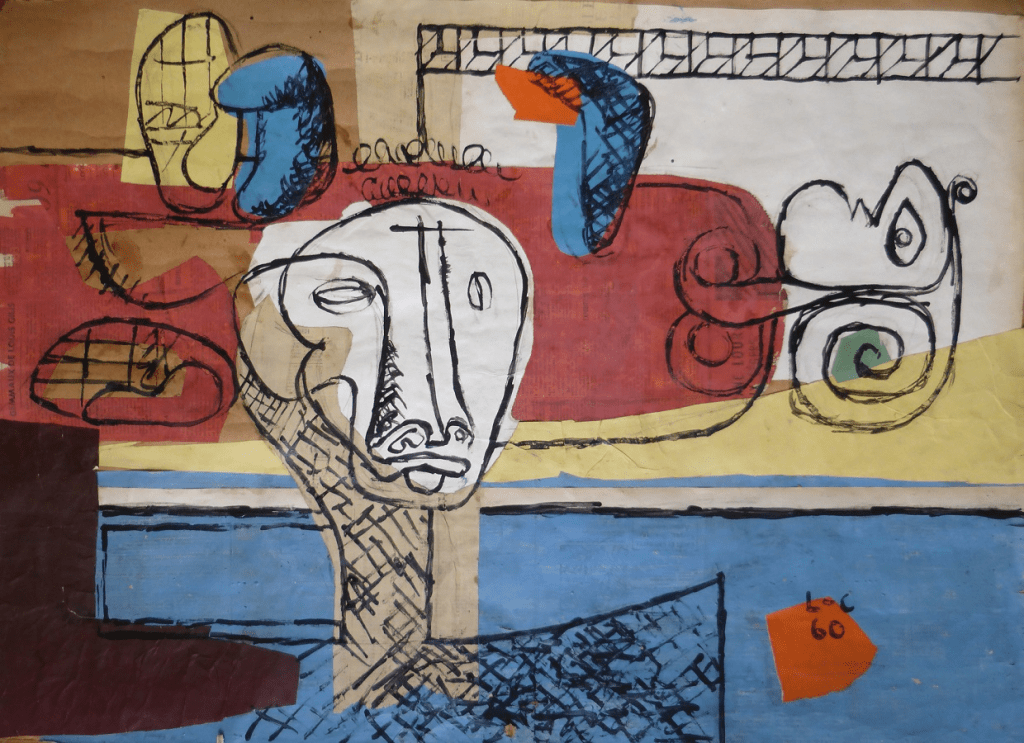
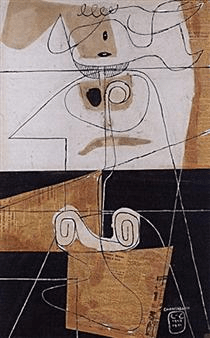
#art, Le Corbusier

(Forbes España)

El nombre de pila de este arquitecto suizo, nacido en 1887, era Charles-Édouard Jeanneret-Gris, pero es conocido como Le Corbusier… Esta lumbrera del arte fue arquitecto, teórico de la arquitectura, urbanista, pintor, escultor y literato. Junto a otros grandes como Frank Lloyd Wright y Miles van der Rohe, es considerado exponente de la arquitectura moderna y realmente uno de los arquitectos más influyentes del siglo 20. Sus escritos se hicieron famosos por las polémicas que levantaban y porque aportaban ideas innovadoras. Su libro «Hacia una arquitectura» de 1923, fue un libro muy influyente y trascendental para la historiografía y la cultura arquitectónica.​.. Murió en 1965 en Francia.

Es importante destacar que en 2016 parte de la obra arquitectónica de Le Corbusier, considerada contribución excepcional al movimiento moderno, se hizo parte del Patrimonio de la Humanidad en la categoría de bien cultural (n.º. ref. 1321rev), en siete países: Alemania, Argentina, Bélgica, Francia, India, Japón y Suiza. Implica la protección de 17 sitios individuales.

+++++

The birth name of this Swiss architect, born in 1887, was Charles-Édouard Jeanneret-Gris, but he is known as Le Corbusier. This bright mind in the arts was an architect, architectural theorist, urban planner, painter, sculptor, and writer. Alongside other greats like Frank Lloyd Wright and Ludwig Mies van der Rohe, he is considered a proponent of modern architecture and truly one of the most influential architects of the 20th century. His writings became famous for the controversies they stirred and for introducing innovative ideas. His book «Towards a New Architecture» from 1923 was highly influential and pivotal for architectural historiography and culture. He passed away in France in 1965.

It is important to highlight that in 2016, part of Le Corbusier’s architectural work, considered an outstanding contribution to the modern movement, became part of the World Heritage, Patrimony of Humanity, in the cultural category (ref. No. 1321rev), in seven countries: Germany, Argentina, Belgium, France, India, Japan, and Switzerland. This entails the protection of 17 individual sites.

+++++++

Casa Curutchet, La Plata, Argentina (1949-53).

(De Danielsantiago9128 – Trabajo propio, CC BY-SA 3.0, https://commons.wikimedia.org/w/index.php?curid=21730918)

Pinturas experimentales – Experimental paintings

(Arquitectura y Diseño)

Dibujos y pinturas – Drawings and paintings

(WikiArt)

GRACIAS – CHEERS
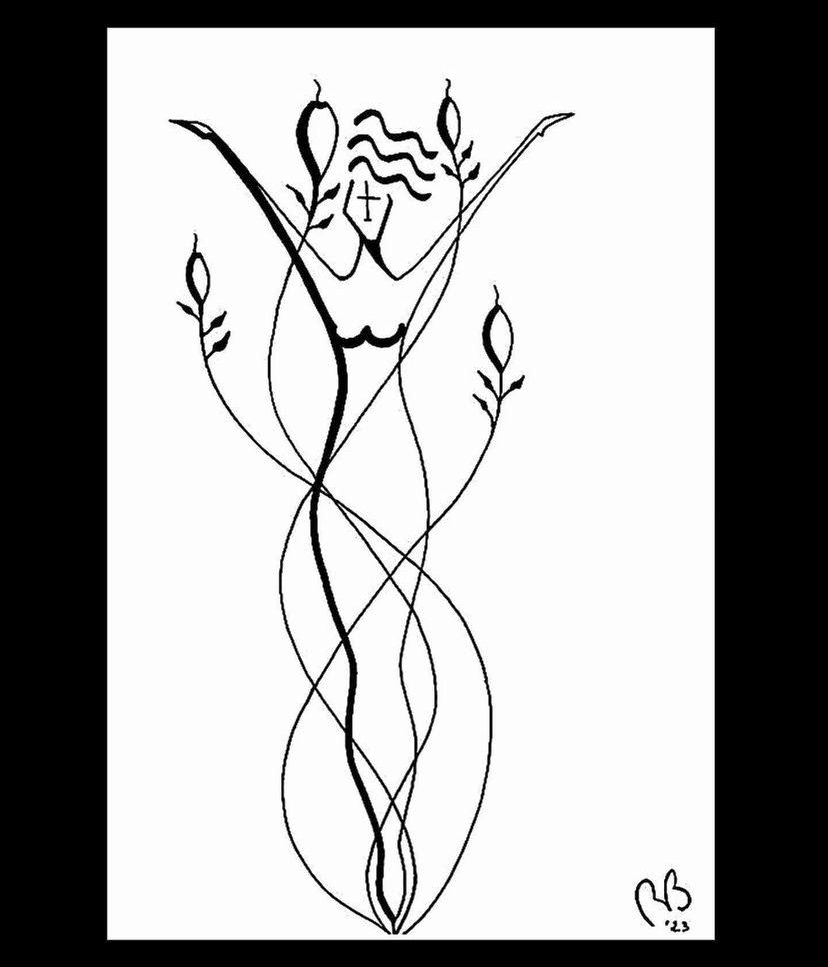
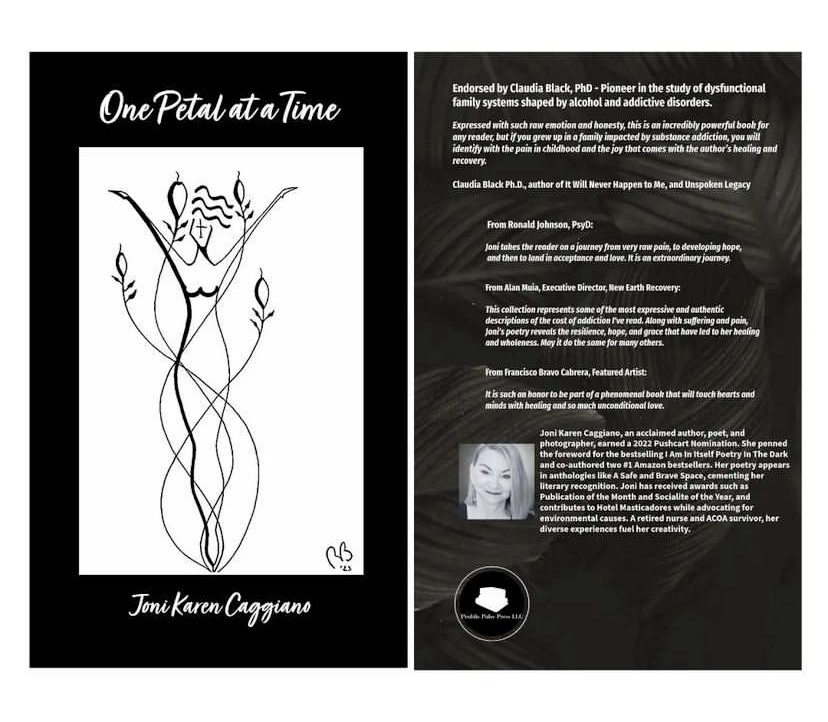
#art, #poem, «One Petal at a Time»

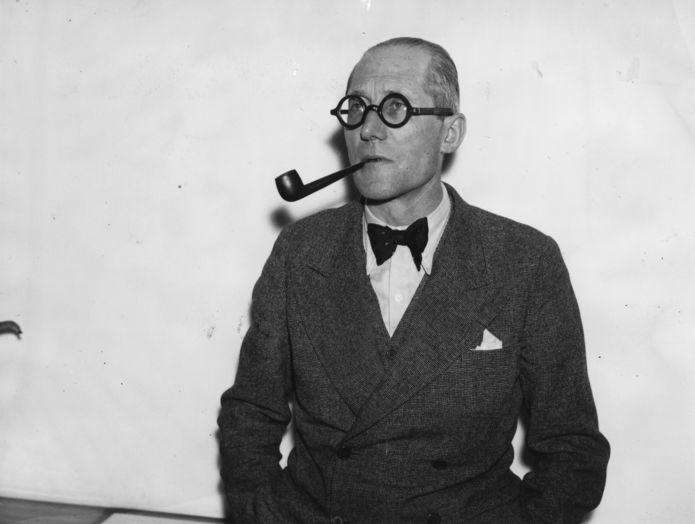
(Cover art by Francisco Bravo Cabrera/All Rights Reserved)

This is truly a phenomenal collection of powerful poems from the heart and soul of a beautiful person, Joni Karen Caggiano. «One Petal at a Time» is available through Amazon… Enjoy the video…

(2024)

CHEERS

#art, La luz y el color del mundo – Light And the Colour of the World

(«Sonistus» de/by Francisco Bravo Cabrera/Derechos Reservados/All Rights Reserved)

«Sonistus» pertenece a una serie de pinturas que exploran el impacto de la luz, la luz del dia, según la captan los ojos nuestros, los del observador. Vemos colores por donde quiera que miremos, eso es algo particular y general en nuestra vida y de nuestra humanidad. No todos los seres vivos que deambulan por Mater Terram ven los colores que los rodean, y no digo solo los colores de las cosas, sino los colores que solos van de cosa en cosa y nuestros ojos humanos los perciben aunque no nos demos cuenta. Esa luz, ese impacto es lo que he tratado de reproducir en esta serie de cuadros. Las manchas de colores se animan unas a las otras, se unen, se separan, se juntan y se dispersan sin lógica y sin sentido, aparentemente, pero todo esta bien calculado bajo el sol pues la Tierra, la naturaleza y nosotros mismos somos fruto de la creación, no de la aleatoriedad.

+++++

«Sonistus» belongs to a series of paintings that explore the impact of light, daylight, as captured by our eyes, the eyes of the observers. We see colours everywhere we look, something that is particular and general in our lives and our human condition. Not all living beings wandering through Mater Terram see the colours that surround them, and I don’t just mean the colours of things, but the colours that move from one thing to another under the light. Our human eyes perceive them even if we don’t realize it. That light, that impact, is what I have tried to reproduce in this series of paintings. The splashes of colours animate each other, come together, separate, join, and disperse without logic and without apparent meaning, but everything is well calculated under the sun because the Earth, nature, and ourselves are the result of creation, not randomness.

GRACIAS – CHEERS
#art, Bodo, Colour My World!

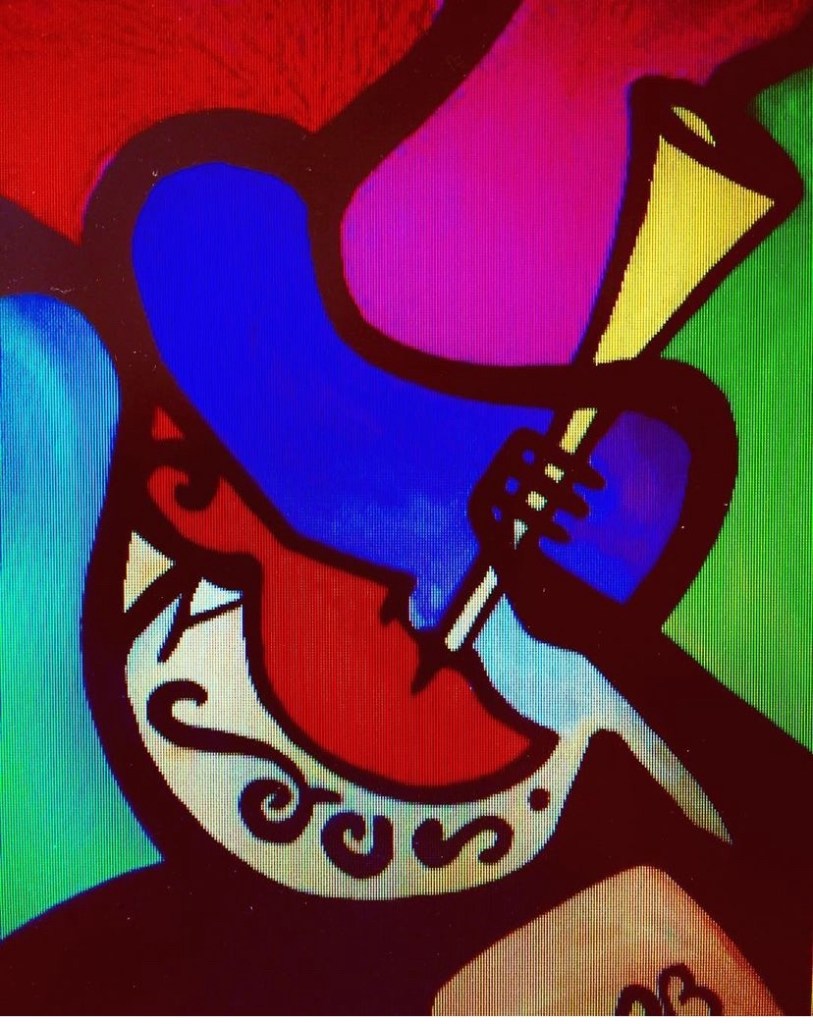
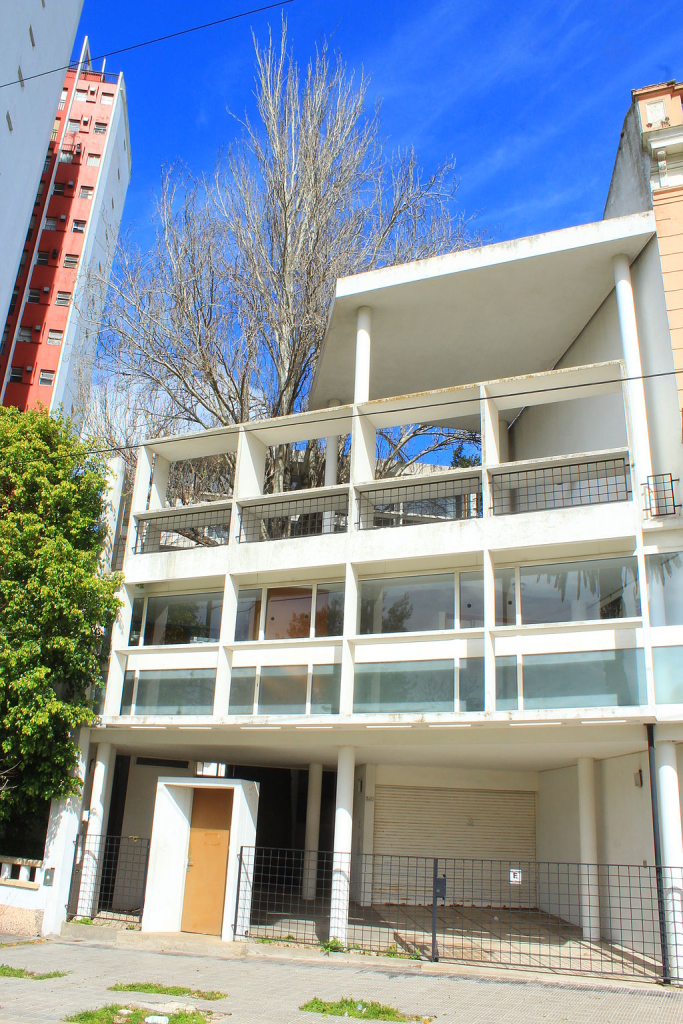
(“The Trumpeter” by Francisco Bravo Cabrera/All Rights Reserved)

Colour by itself can be a work of art as it communicates, conveys emotions and fills up a canvas creating a beautiful composition… but we’ll make it figurative by adding more…

Gracias – Cheers