#history, #opinion, Colón era judío y valenciano – Columbus was Jewish and Spanish (Valencian)

(7Tele Valencia)

Venga, yo que siempre lo sospechaba y lo decía por ahi, aunque pensaran que era un chalado… Pero ahora, debido a un estudio del ADN de los huesos enterrados en la catedral de Sevilla, se ha llegado a descubrir que el gran descubridor de América era judío sefardí y valenciano… ¿Que te parece?

A mi maravilloso… Siempre he admirado mucho al gran admiral por su inteligencia, espiritualidad, astucia y afán por ampliar y engrandecer un poco más el mundo en que vivimos. Y les recuerdo a aquellos que aun piensan que Colón era genovés, o turco, que el ADN no miente…

La historia va siempre dando pasos…a veces pequeños a veces enormes…hacia adelante, pero el curso de la historia no lo cambia nadie. Por eso sigue siendo muy importante otorgarle a este gran hombre la fama, la distinción y el crédito que se merece por haber descubierto un continente del cual no teníamos ni idea…

Que habían gente en América cuando llegó Colón, eso lo sabemos, pero a esa gente ya se les había acabado su historia y estaban al umbral de participar en una historia nueva. Y si hubieron masacres o no, bueno, sí, las habrían, pero nadie hoy en día es culpable ni responsable de ellas. Esos…los conquistadores…eran hombres de su época e hicieron lo que tenían que hacer, como lo hicieron los ingleses y los colonos norteamericanos más tarde. Nuestros descubridores y exploradores llevaron al nuevo mundo la fe, la lengua, la cultura y el desarrollo y eso no se puede negar. Y que los indios tenían su lengua etcétera, de acuerdo, pero no les iba a valer en un mundo que ya no era el mismo.

+++

Okay, I always suspected it and said it here and there, even though they thought I was crazy… But now, due to a study of the DNA from the bones buried in the cathedral of Seville, it has been discovered that the great discoverer of America was a Sephardic Jew from Valencia… What do you think of that?

I think it wonderful… I have always admired the great admiral for his intelligence, spirituality, cunning, and desire to expand and enhance the world we live in a little more. And I remind those who still think that Columbus was from Genoa, or Turkish, that DNA doesn’t lie…

History always takes steps…sometimes small, sometimes enormous…forward, but the course of history cannot be changed by anyone. That’s why it remains very important to give this great man the fame, distinction, and credit he deserves for having discovered a continent of which we had no idea…

We know there were people in America when Columbus arrived, but those people had already run out of their history and were on the threshold of participating in a new story. And if there were massacres or not, well, yes, there were, but nobody today is guilty or responsible for them. Those…the conquerors…were men of their time and did what they had to do, just as the English and the American colonists did later. Our discoverers and explorers brought faith, language, culture, and development to the New World, and that cannot be denied. And yes, the Indians had their language etc., true, but it was not going to be of any use in a world that was no longer, and would never be the same.

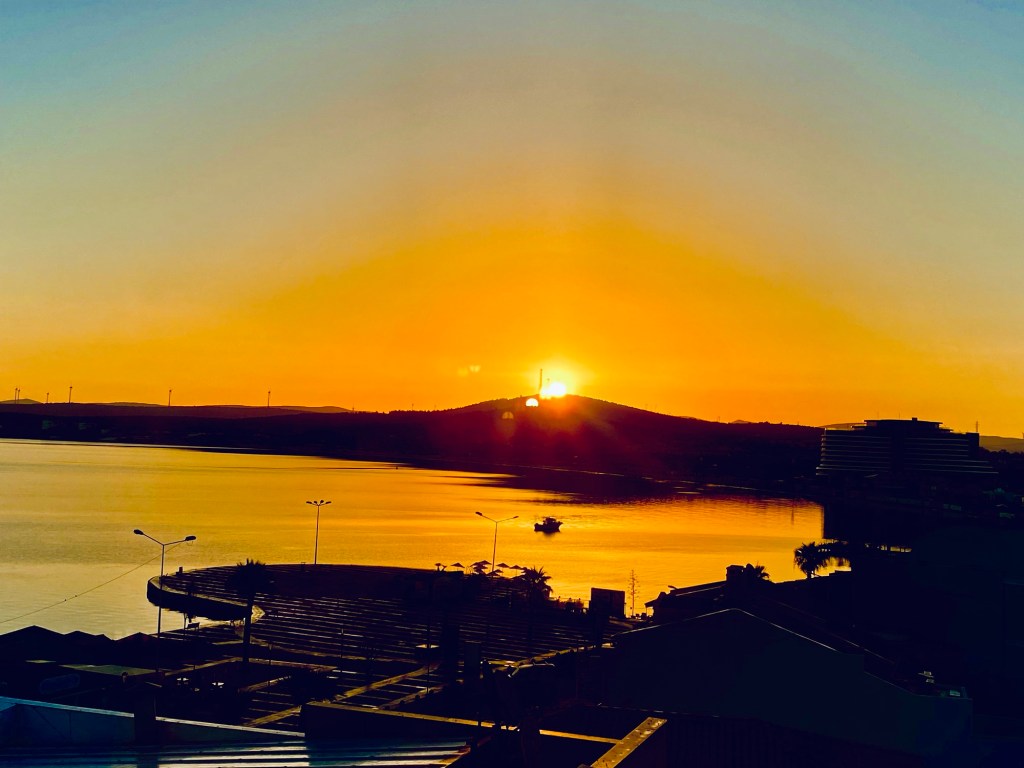
Bon dia – Good Morning

(Foto de FBC/OCS Valencia/Derechos Reservados)

La mejor manera de recibir el sol que se asoma tranquilamente sobre nuestro día es con una sonrisa.

+++

The best way to greet the sun that slides over our darkened skies, peacefully and unchanging is with a smile.

#poem, «Sabiduría» (Euro-Ku)

(«Sabiduría» de Francisco Bravo Cabrera/Derechos Reservados)

Buscando migas de sabiduría,
sacudiendo la prudencia,

convirtiendo la energía
en luces tan brillantes
que oscurecen al mismo sol,

me detengo a sacudirme
el polvo de oro que había
manoseado…

C.2024, Francisco Bravo Cabrera/13 de octubre de 2024/Valencia, España

+++++

¿Sabes que es el «Euro-Ku»? Pues te lo voy a decir… Como sabrás la poesía tradicional e histórica japonesa (una de ellas) es el «Haiku», y aunque en nuestro mundo occidental están a la orden del día, yo no creo que le hacen mucha honra al verdadero espíritu del Haiku. Como no somos japoneses ni hemos tenido las mismas experiencias no habiéndonos criados allí ni habiendo vivido en esas islas, no tenemos el ADN de esa cultura dentro y por eso no me parece que podemos utilizar un genero tan intimo como el Haiku y darle el espíritu que se merece.

Por eso he desarrollado el «Euro-Ku». Este estilo poético, que ya existe desde 2022, se inspira en el Haiku, pero lo trae a la cultura nuestra. Los tres versos ya no tienen conteo silábico y se unen uno con el otro, no salen flotando al espacio como los hacen los japoneses y además lleva una ilustración, hecha por la mano del autor, o una fotografía, también original e inedita. Creo que así si se puede honrar la forma japonesa del Haiku pero según nuestras experiencias, cultura e historia. Por supuesto esto es solo mi opinión…

GRACIAS

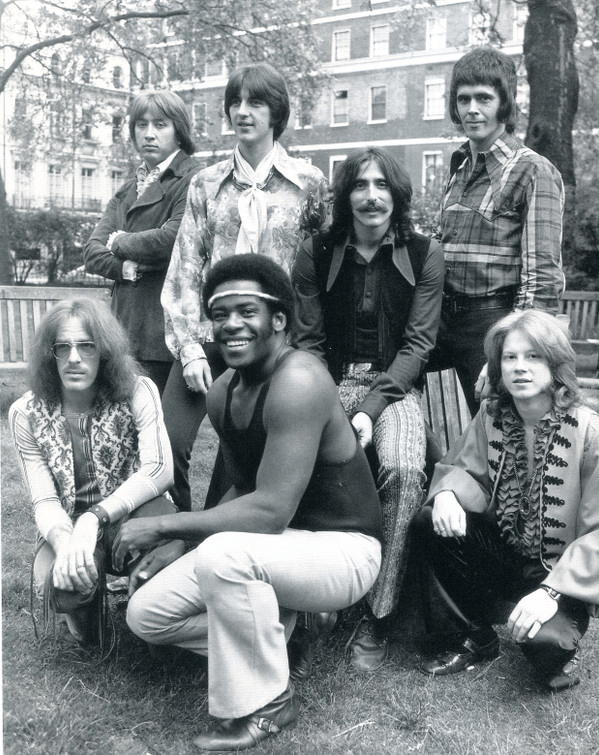
#music, GREAT AMERICAN BANDS Part 6: Three Dog Night

(The New York Times)

This was one of my favourite bands back in High School. They came out with hit after hit. The first one I remember was «One«, but, here are all the hits from this 1967 band from California:

«An Old Fashioned Love Song» – Negron
«Black and White» – Hutton
«Celebrate» – Hutton (Verse 1), Negron (Verse 2), Wells (Verse 3), who sings melody through the end refrain
«Easy to Be Hard» – Negron
«Eli’s Coming» – Wells
«Joy to the World» – Negron
«Let Me Serenade You» – Wells
«Liar» – Hutton
«Mama Told Me (Not to Come)» – Wells
«Never Been to Spain» – Wells
«One» – Negron
«One Man Band» – Hutton sings melody with Negron on harmony on verses, then Negron takes the lead through the end refrain
«Out in the Country» – Group vocal in unison
«Pieces of April» – Negron
«Play Something Sweet (Brickyard Blues)» – Wells
«Shambala» – Wells
«Sure As I’m Sittin’ Here» – Wells
«The Family of Man» – Hutton (Verse 1), Negron (Verse 2), Wells (Verse 3)
«The Show Must Go On» – Negron
«Til the World Ends» – Negron
«Try a Little Tenderness» – Wells
«Your Song» – Hutton

Three Dog Night was formed by their three top singers, Chuck Negron, Cory Wells, and Danny Hutton. They added Jimmy Greenspoon (keyboards), Joe Schermie (bass), Michael Allsup (guitar), and Floyd Sneed (drums). Together they had 21 Billboard Top 40 hits between 1969 and 1975, and three of them hit number one.

(Rantlos)

A hell of an American band. And folks, they are still around…

CHEERS

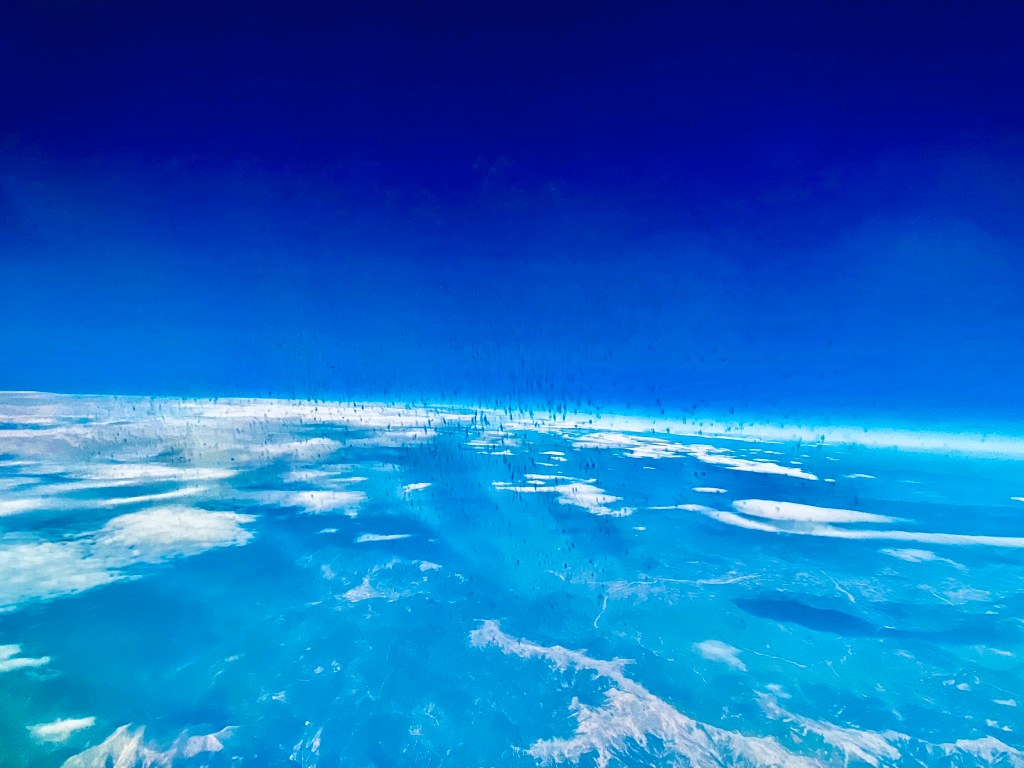
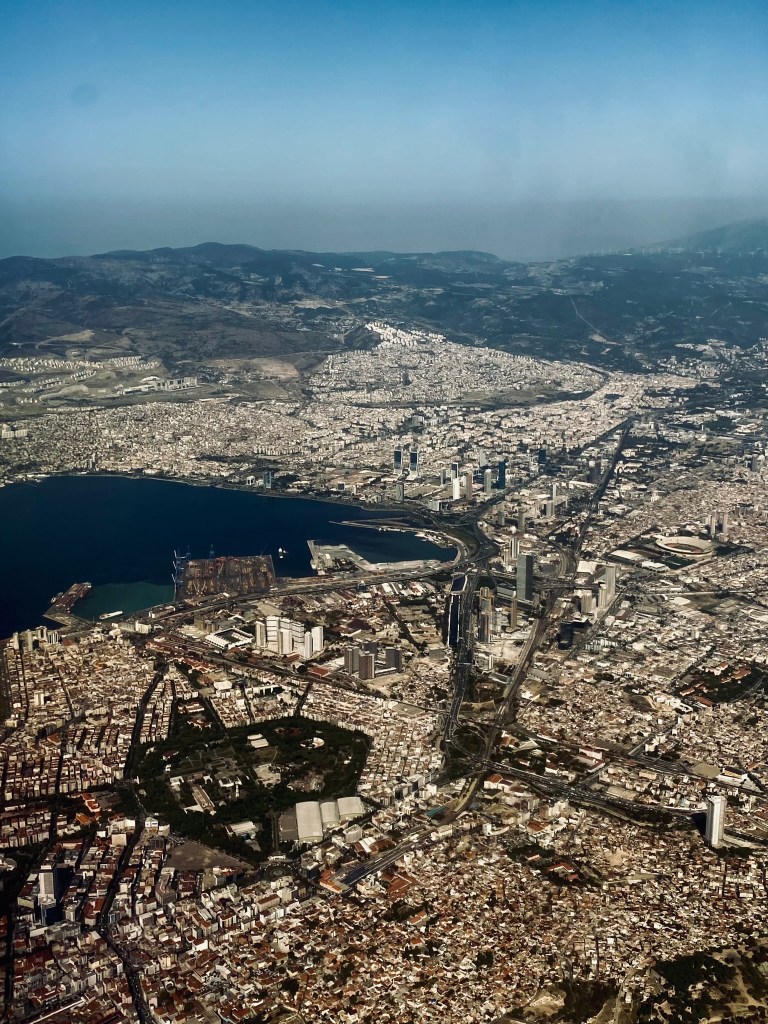
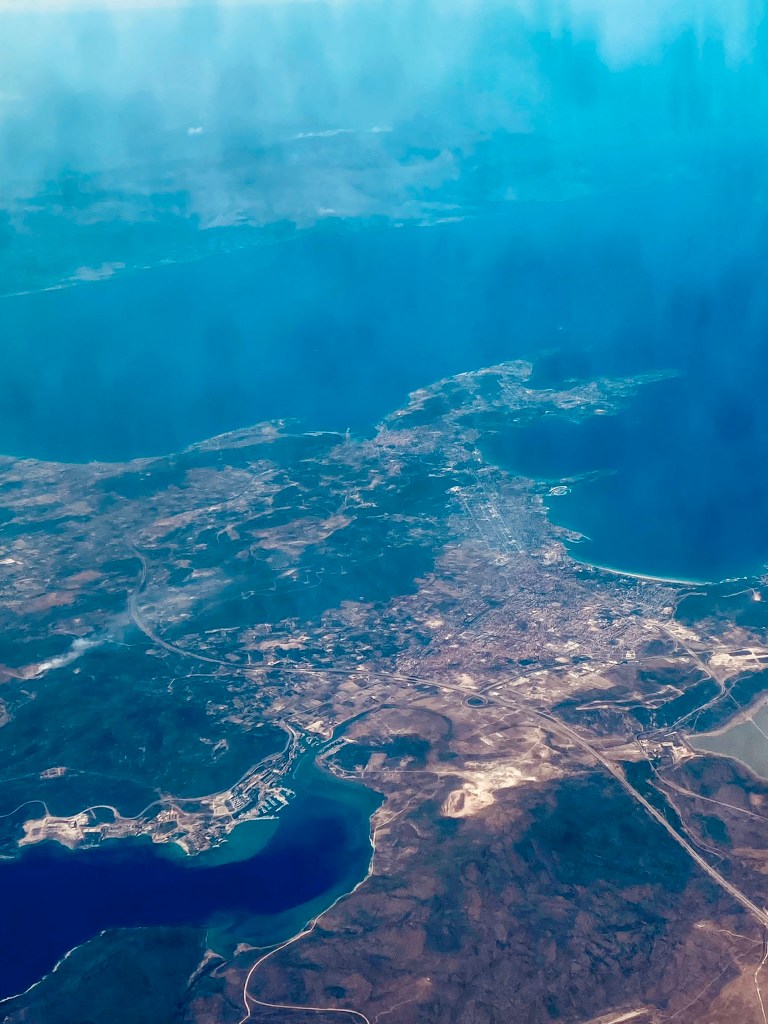
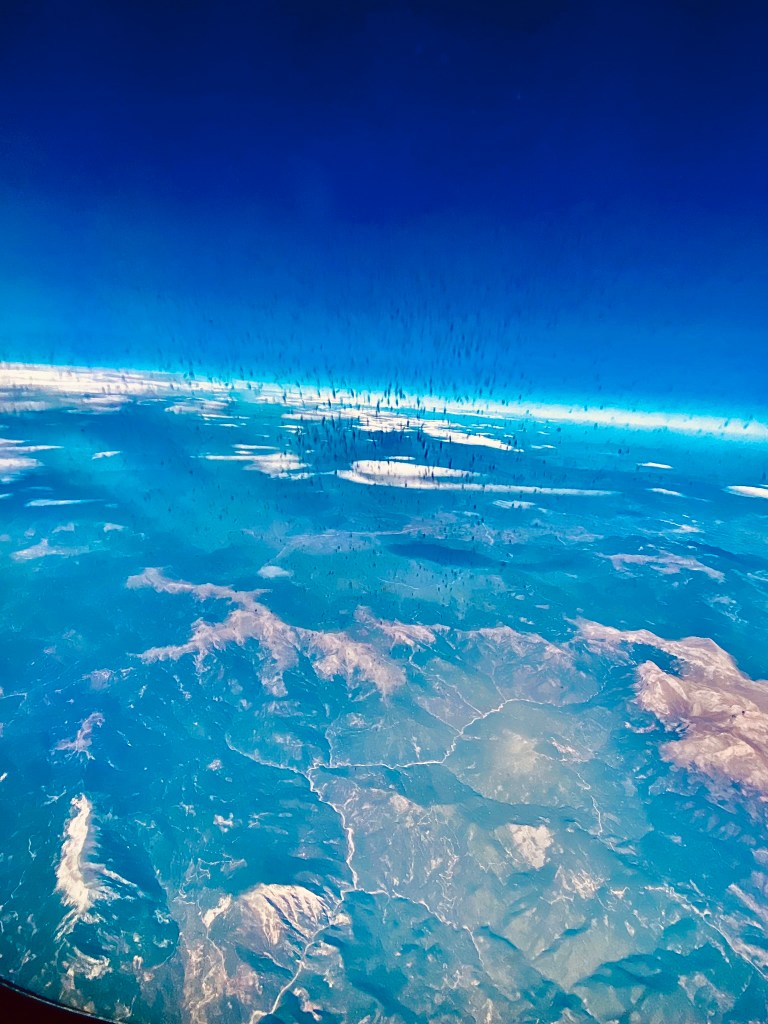
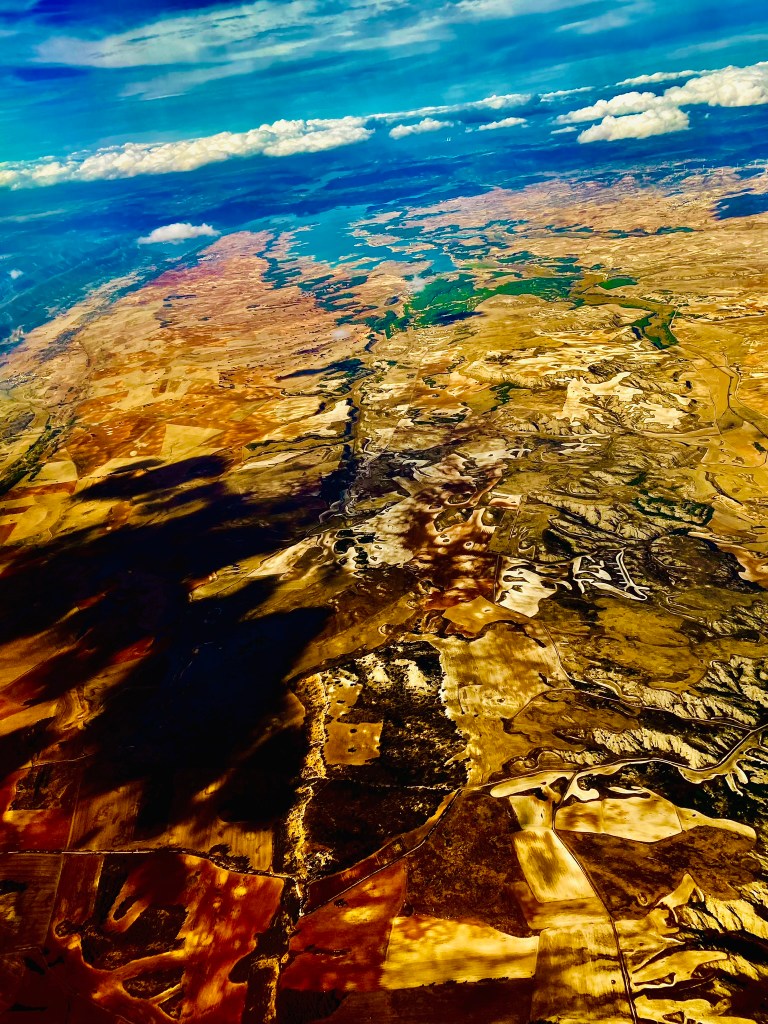
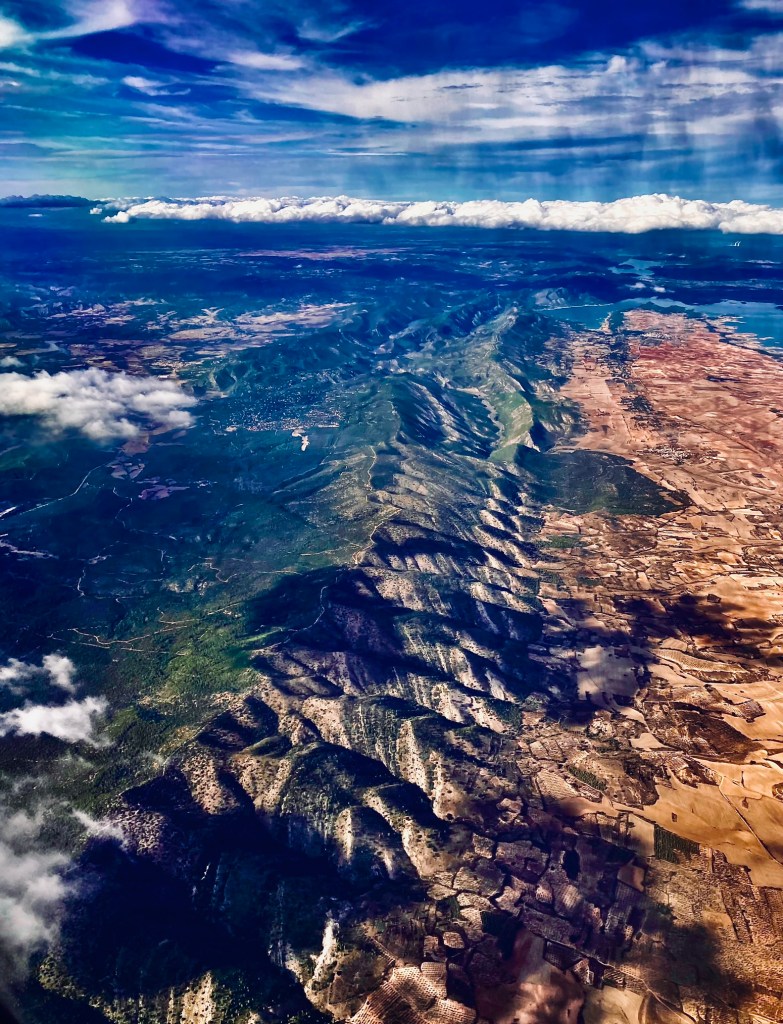
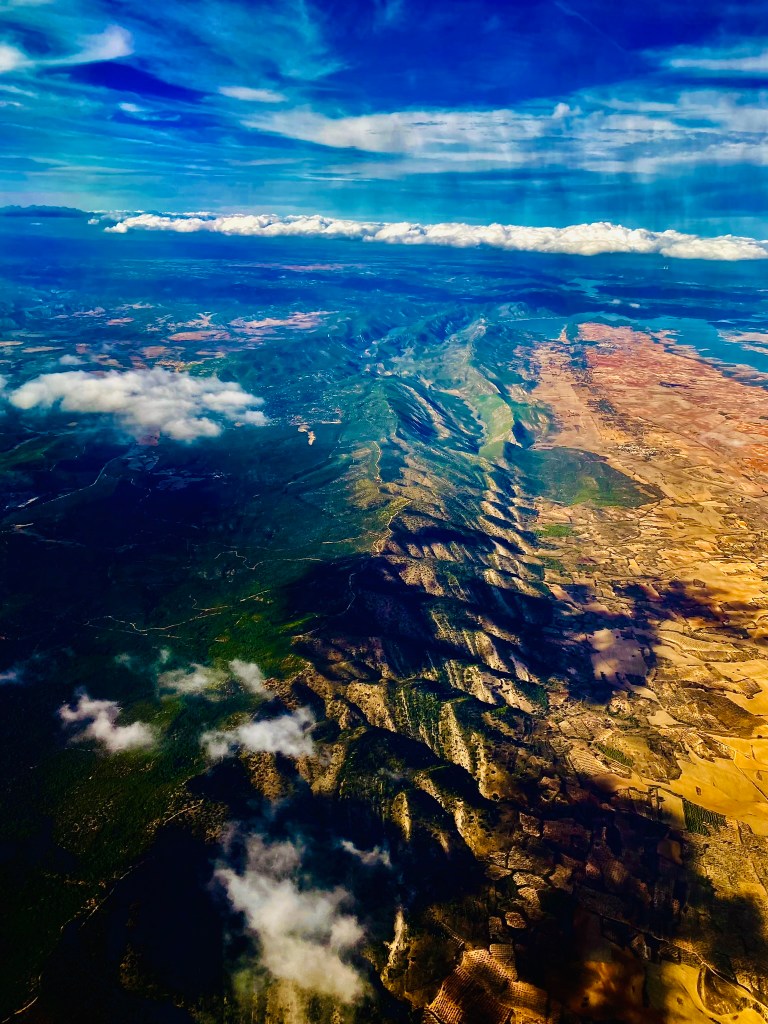
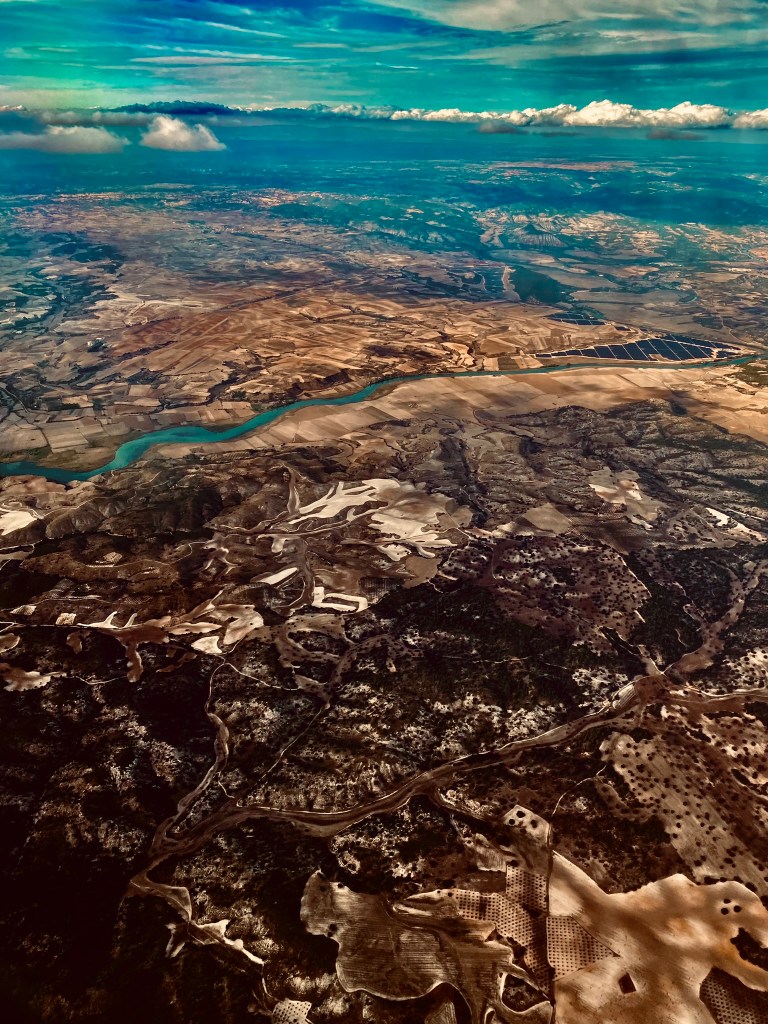
#art, #photo, From High Above Europe…

(Photo by and property of FBC/OCS Valencia/All Rights Reserved)

Well I flew from the Aegean Coast of Turkey in Asia across the entire continent of Europe until I reached the Iberian peninsula. Here is what I saw from Asia to Europe…

#art, Isabel Muñoz, fotógrafa española y Göbeklitepe

(Europa Press)

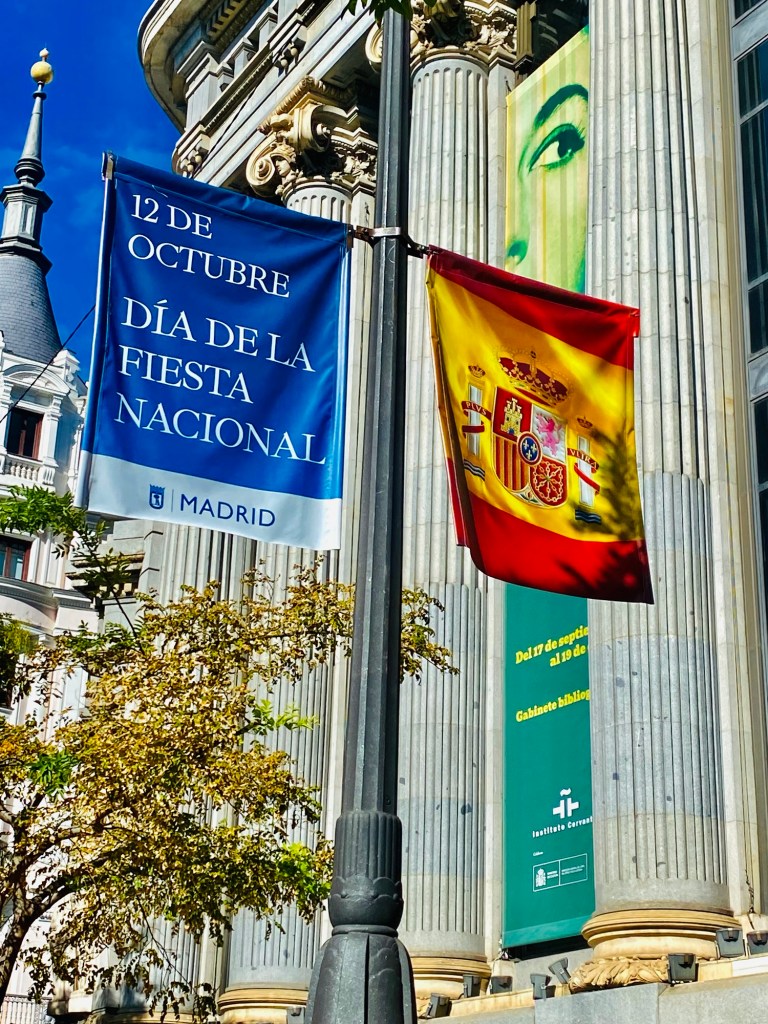
Uniendo a España con Turquía con esta exposición de fotos próxima a estrenarse en Madrid… Esta exposición, organizada con el apoyo del ministerio de cultura y turismo de Turquía y la embajada turca en Madrid, abre sus puertas hoy, 12 de octubre (día de nuestra fiesta nacional) en el Museo Nacional de Antropología de Madrid.

Como ya sabréis, Göbeklitepe, es un sitio arqueológico en Turquía donde se han descubierto cosas extrañísimas y que ponen de revés la historia…aceptada por los «expertos»…de la humanidad. Las cosas que se han descubierto en ese sitio, llamado el ombligo del mundo, datan de miles de años antes de las grandes pirámides de Egipto, o sea son las ruinas de la civilización mas antigua hasta ahora descubiertas. Digamos que hay que echar hacia atrás el almanaque al año trece mil antes de Cristo…

(Foto AA)

La fotógrafa quiso buscar similitudes entre la cultura española y la turca alegando que la tauromaquia era una de ellas. En Göbeklitepe se ven talladas unas figuras que parecen un chaman y un toro, aludiendo a que posiblemente hubieron corridas de toros y ella piensa que pudieron existir en Turquía hace 5 mil años.

Bueno, yo digo que las piedras talladas de Göbeklitepe no mienten, al contrario nos esclarecen cosas y nos desmienten otras, especialmente las cosas…mentiras…que nos han metido en la cabeza los «expertos», pero en esos tiempos en esa zona no habían turcos, ni eso era Turquía. Los turcos eran de lugares de Asia mucho más al norte y al este de esta zona. No fue hasta 1923 que llegó a existir el país que ahora se llama Turquía pues antes era parte del Imperio Otomano.

Pero igual, dejando a un lado las exigencias de la verdad y centrándonos en la obra de Isabel, nos damos cuenta que es fascinante pues llego a decir que si Picasso estuviese vivo flipa con Göbeklitepe y no lo dudo…

La exposición debe ser una autentica maravilla y la podréis ver hasta el próximo enero (2025). No te la pierdas.

Personalmente no creo que tenga nada que ver con Turquía, ni con su cultura (que me fascina), y que mejor hay que acreditar a esos que construyeron semejante lugar…

GRACIAS

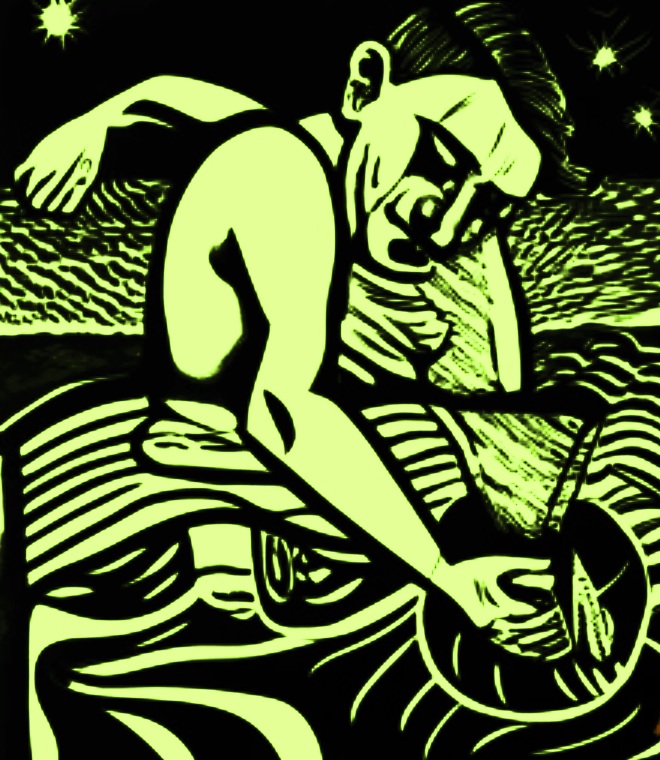
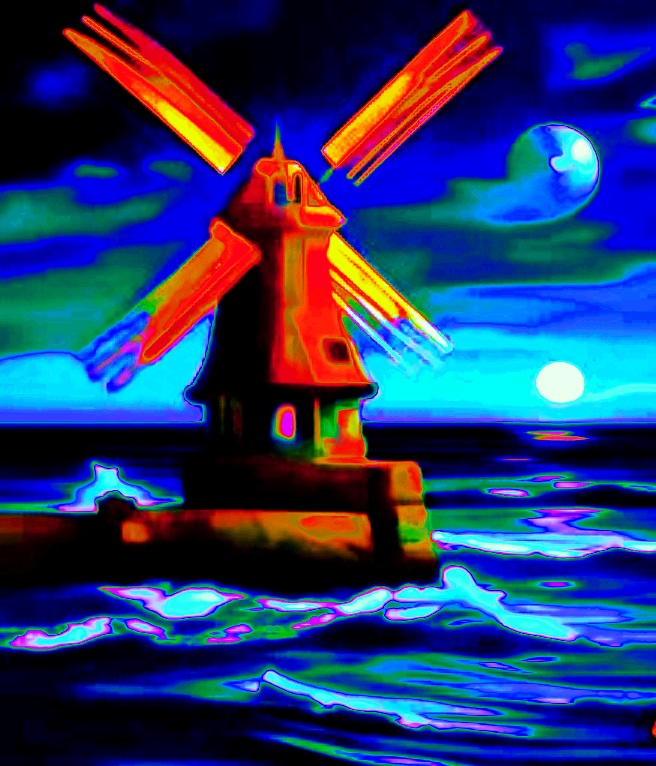
#poem, «Thoughts in a Windmill»

(«Windmill»/Art Digital by Francisco Bravo Cabrera/All Rights Reserved)

In my clenched fist I hid the crumbles of my knowledge,
as I begged for prudence, mercy and peace.
Then I saw that more knowledge I had gained.
Knowledge to compete with that of the brilliant and powerful,
though I had nothing of their richness.
But gold compared to knowledge
is little more than a handful of sand,
and though gold glimmers it lacks light
which it can only reflect.
The light of knowledge is eternal.
Thus it is quite everything
I’ve gained…

Carrying a double edged sword I searched for words…
Sword to penetrate the darkness of the soul…
Damask steel to shatter bones and marrows…
Permanent incision in the heart…
Bodies are transparent…
Nakedness bewilders thoughtful minds
and perturbs gentle, kind intentions…
We are seen as we cannot see…
We are known beyond all our knowledge…

How can I become immortal?
How can I transcend millennia?
Is my knowledge to be buried with my bones?
Is the wisdom I’ve been given one day
blow as does the dust of city streets?

How difficult is life when filled with questions,
questions that will never be replied.
Life is just a thought without intention,
and intentions come from deep within the soul.
And knowledge opens wide the path eternal,
but knowledge is a gift
not given all…

(Poem inspired by the Book of Wisdom, Psalm 89, Hebrews 4, and S. Mark 10)

C. 2024 – R.F. BRAVO – 13 OCT 2024 – VALENCIA, ESPAÑA

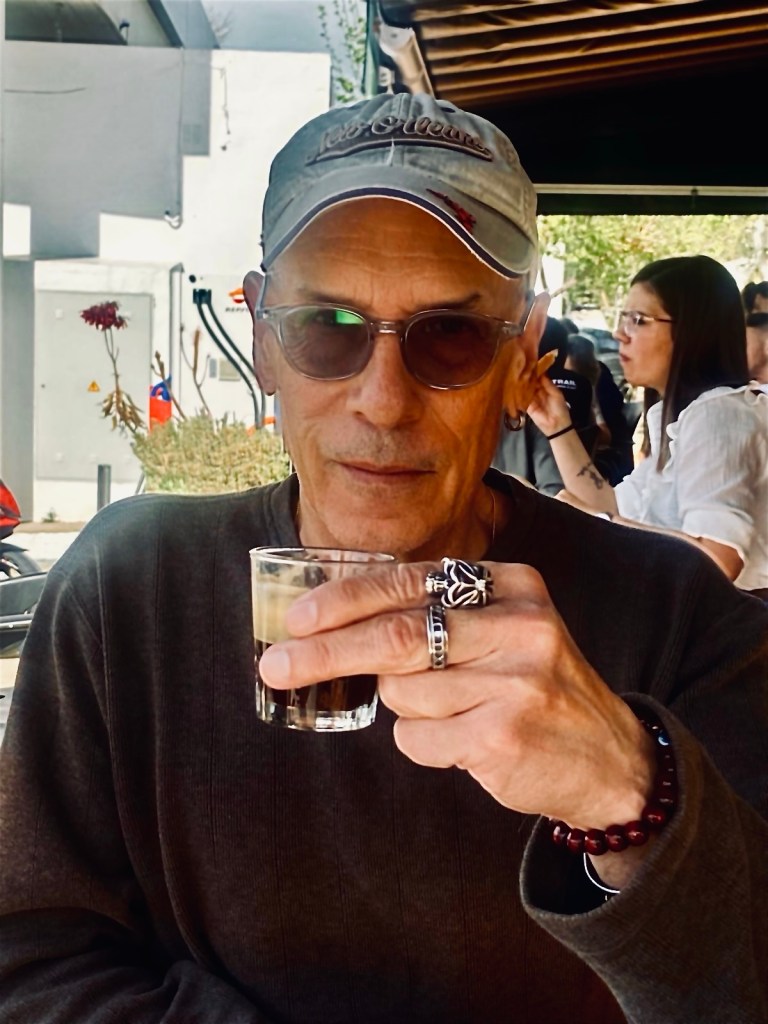
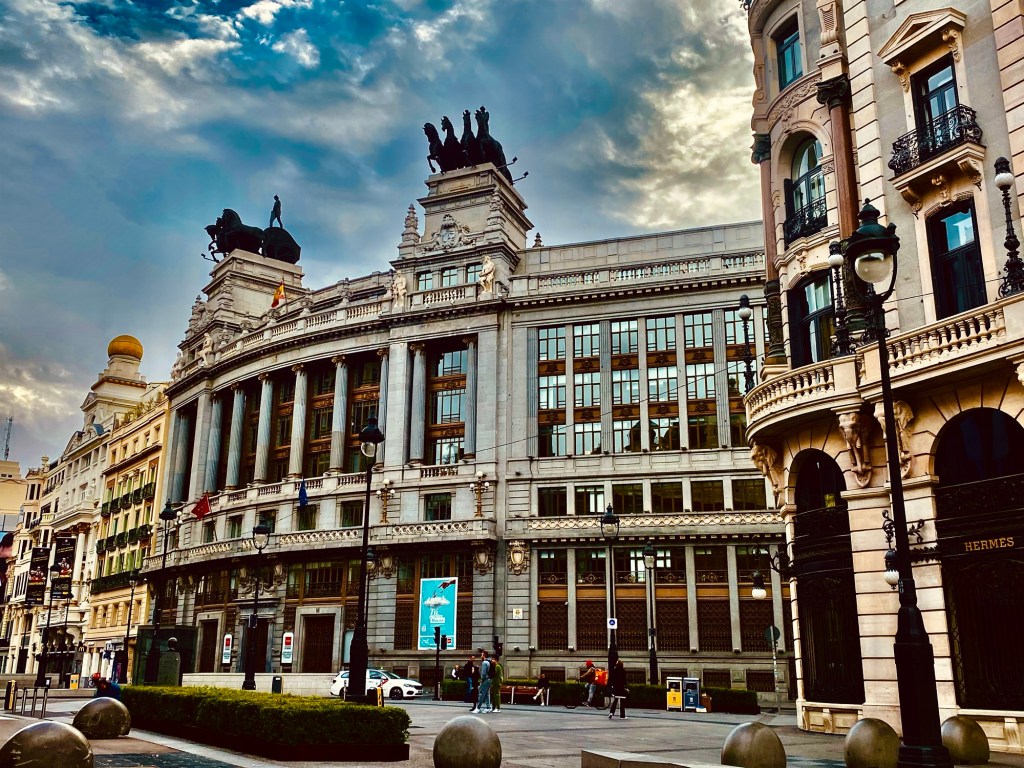
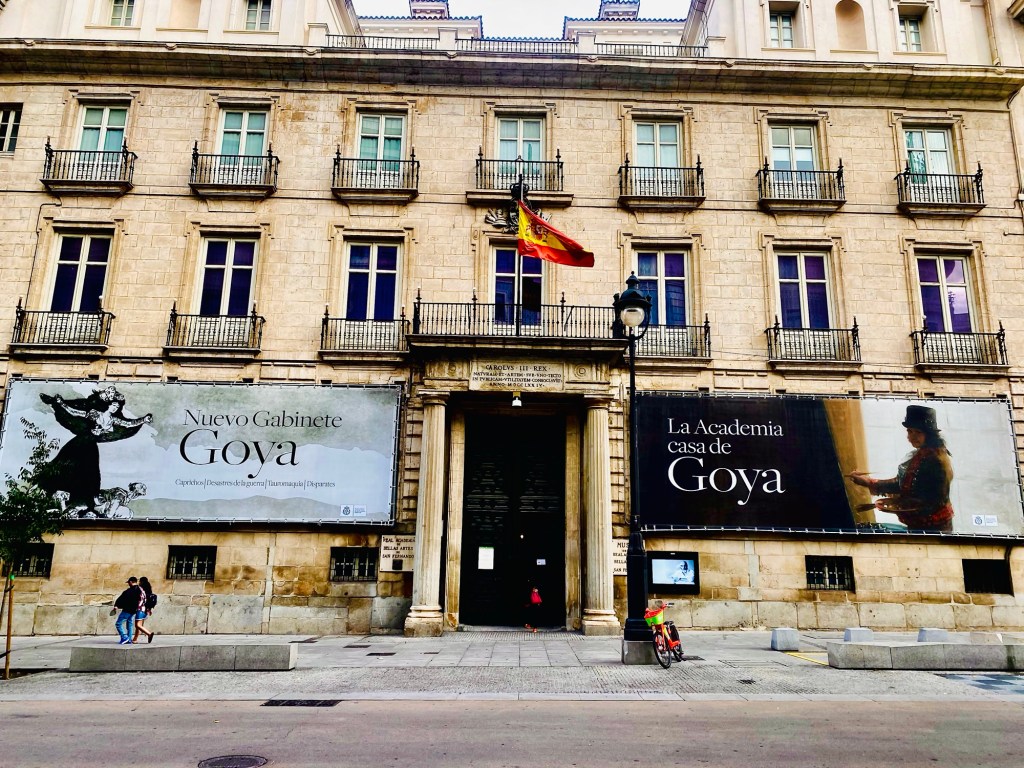
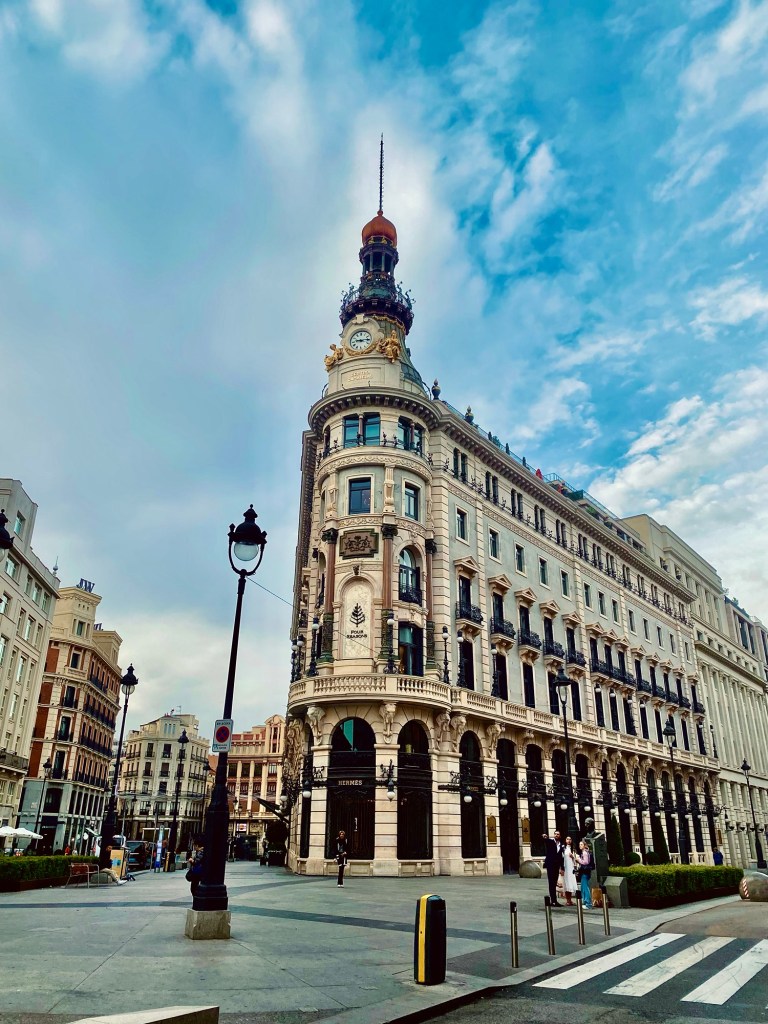
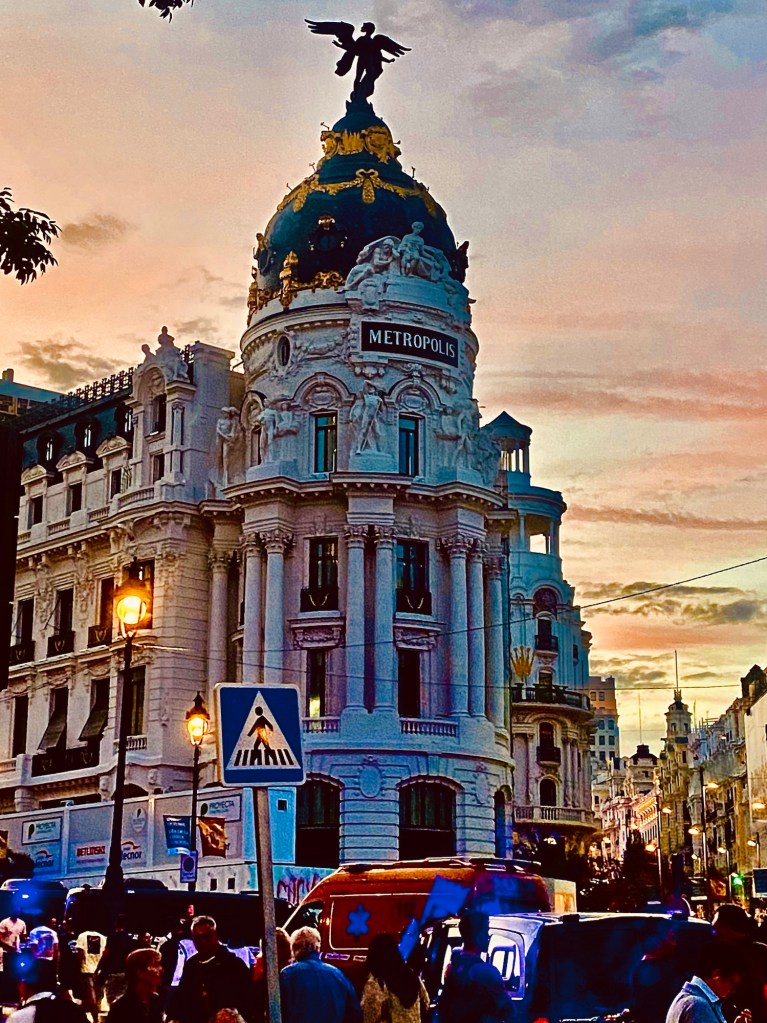
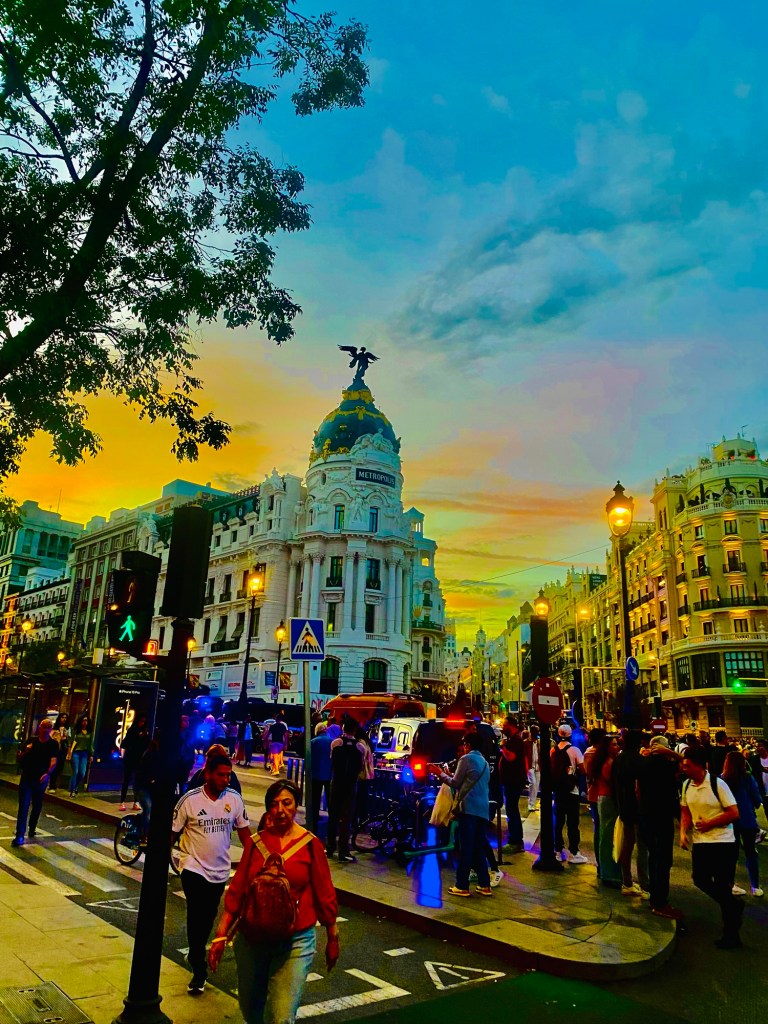
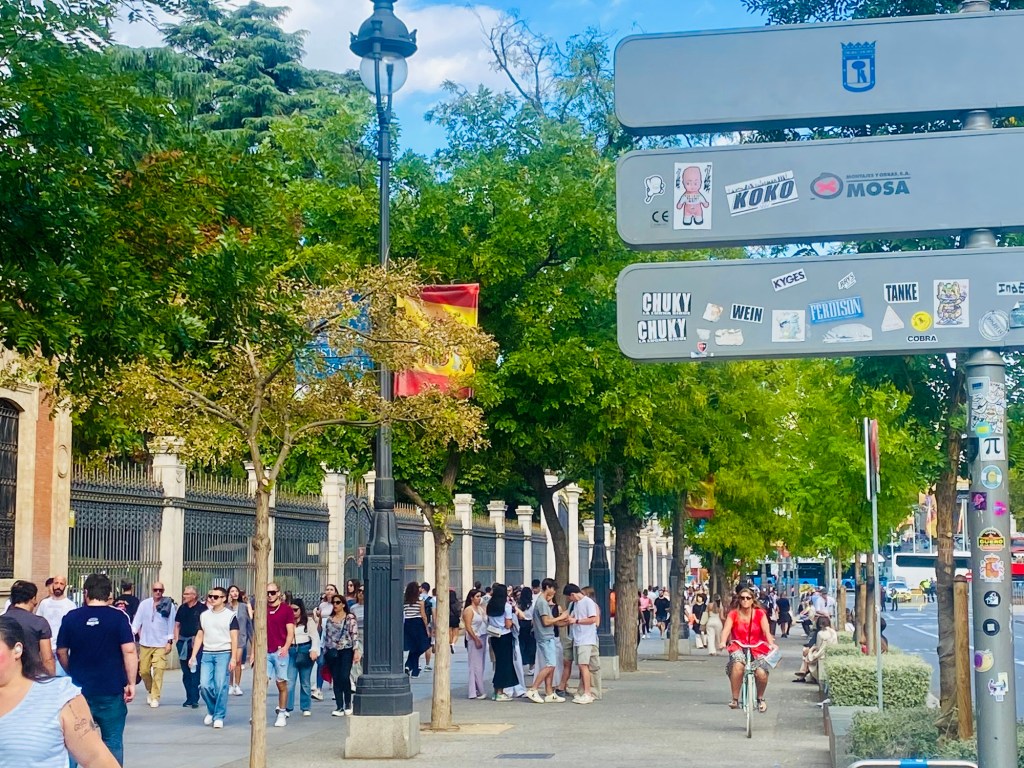
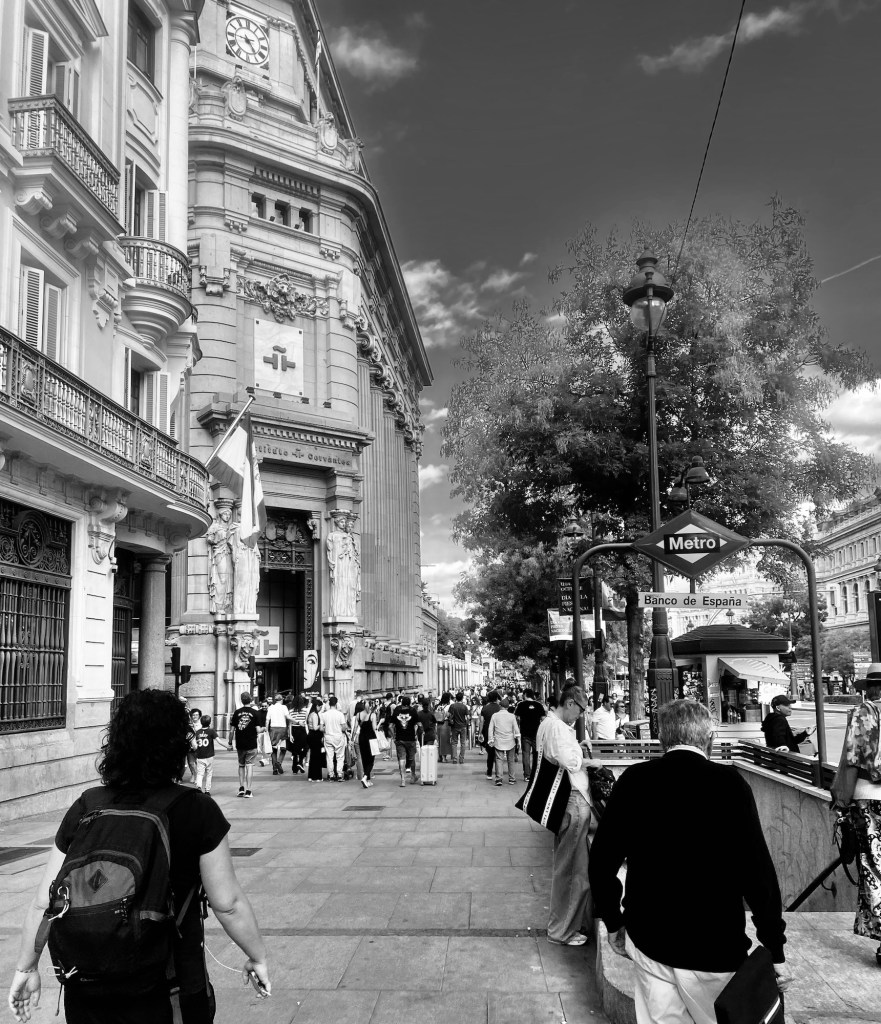
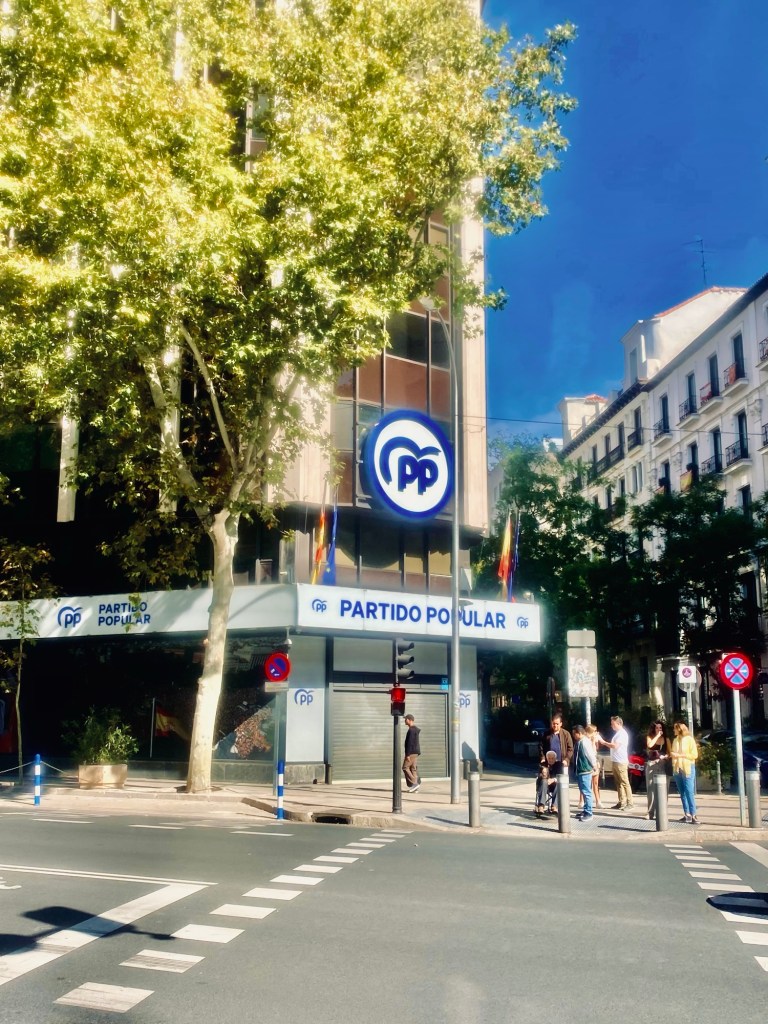
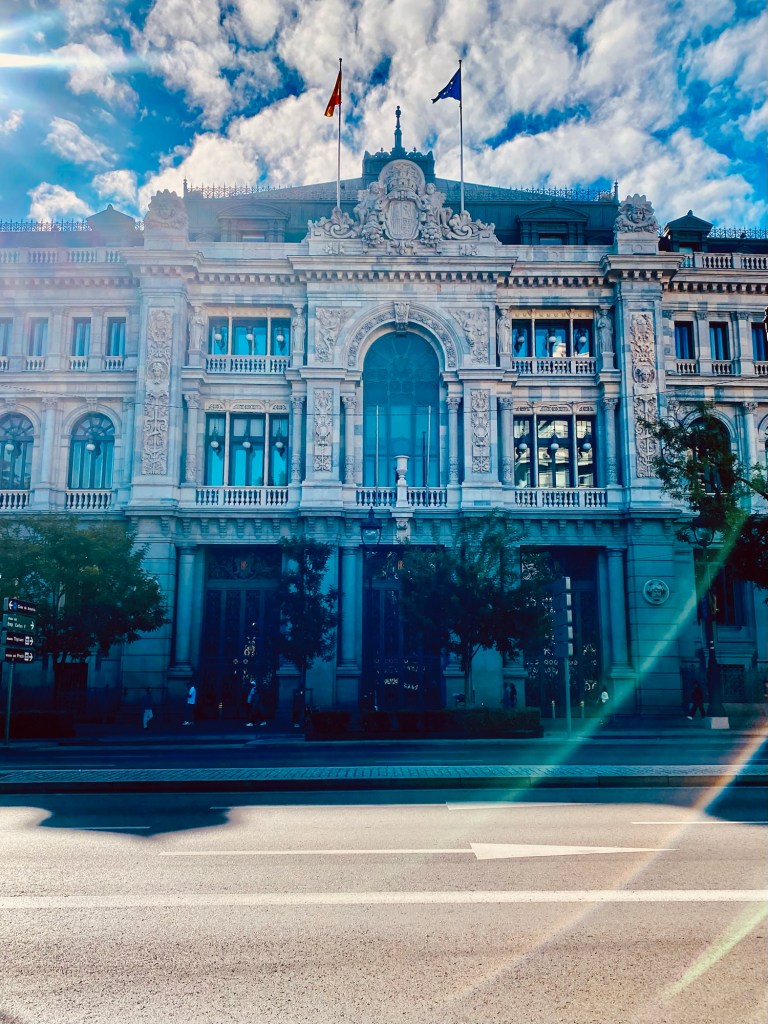
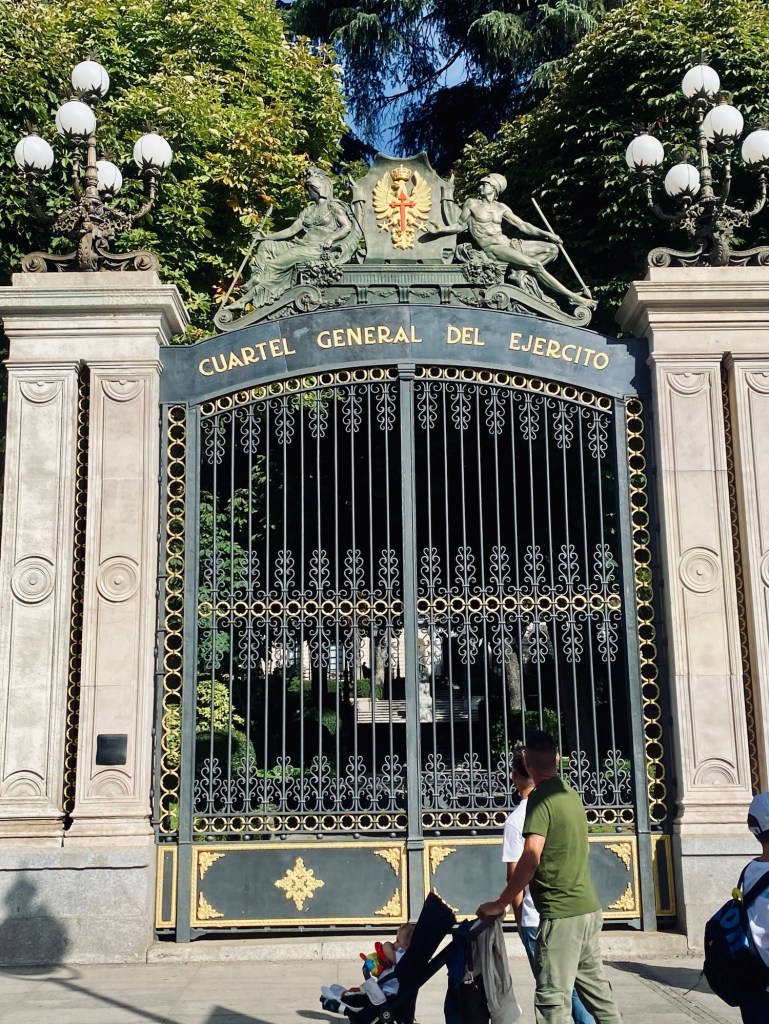
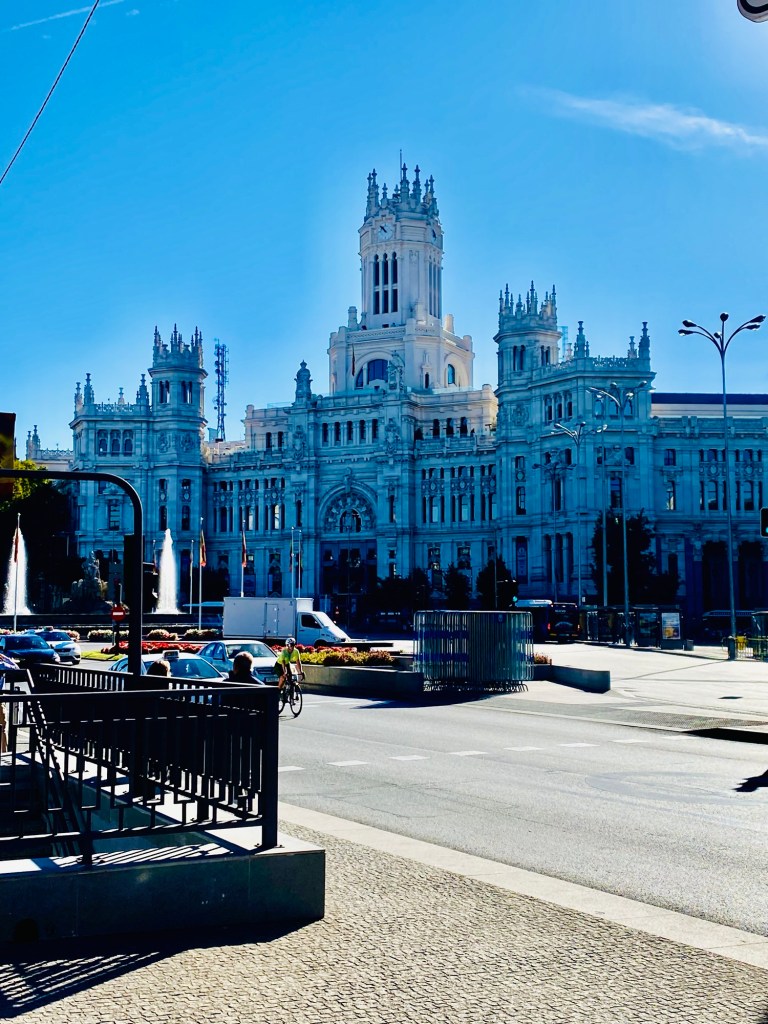
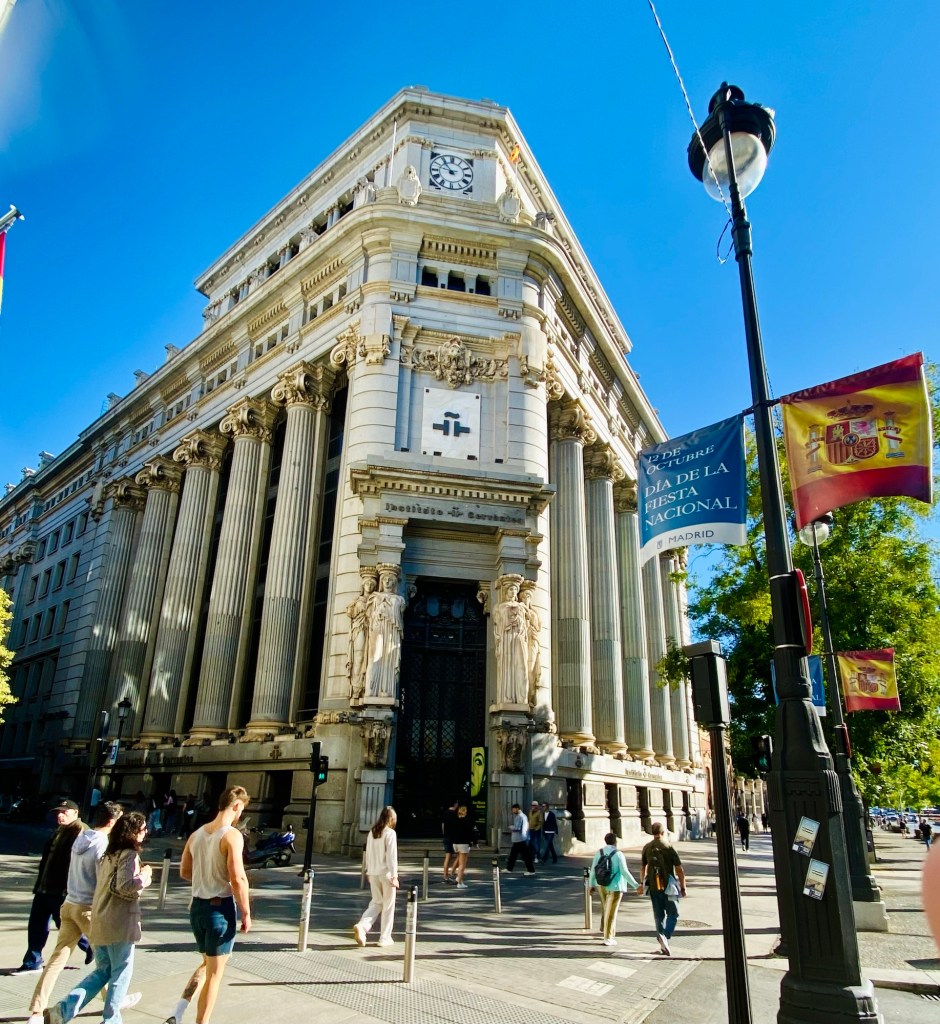
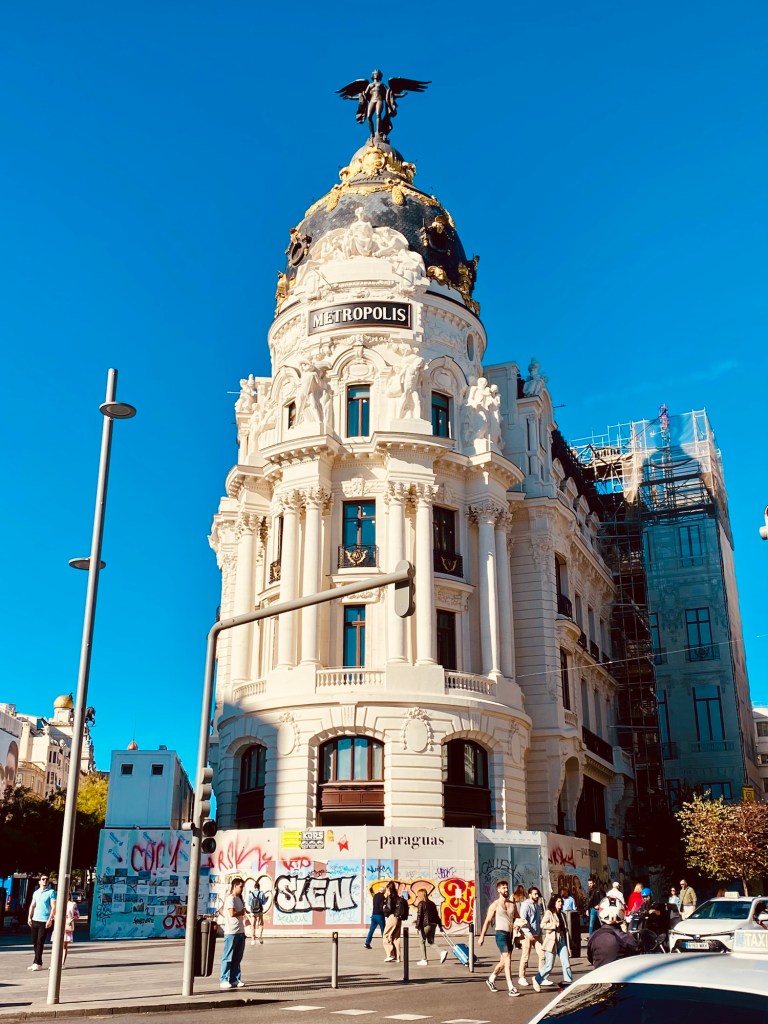
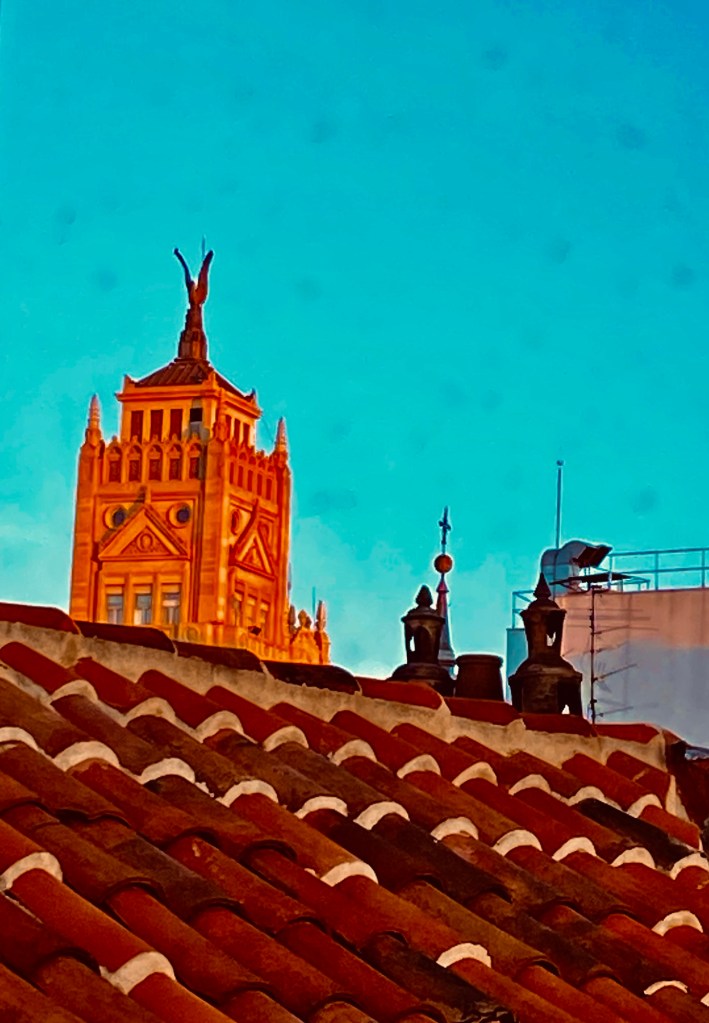
Buenos días Madrid!

(Francisco representado por un actor)

¡Que maravilla de ciudad!

GRACIAS

#art, ¿Conoces al artista argentino Julo Le Parc?

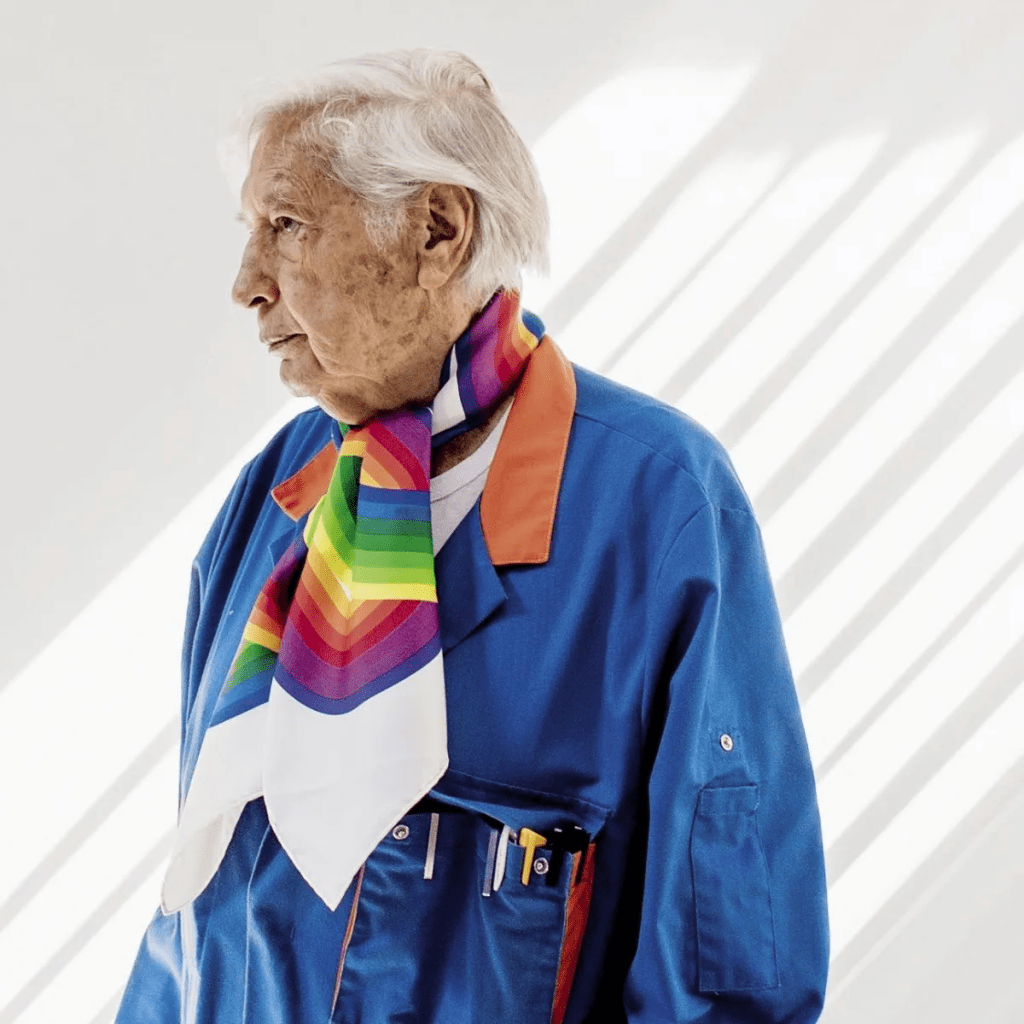
(Julio Le Parc/foto Marión Art Gallery)

Comenzare por decirte que el artista, pintor y escultor, tiene 96 años de edad y nació en Palmira, Mendoza, Argentina. Ingresó, en 1943, a la Escuela Nacional de Bellas Artes Prilidiano Pueyrredón, pero sus estudios duraron solo un año… Le Parc se especializa en «op-art» y en «arte-cinético»… Ahora se que me vas a preguntar que son esas cosas, y te lo voy a decir…

El op-art es arte óptico que hace ilusiones ópticas y el arte-cinético es arte que hace alusión al movimiento, o sea, la pieza parece estar moviéndose de alguna manera… Bueno, ahora que sabes que clase de arte hace Le Parc, te pondré algunas muestras y me dirás si te va o no…

(foto Arquitectura de Calle)
(Foto Galería RGR)
(Foto Revista de arte)

GRACIAS