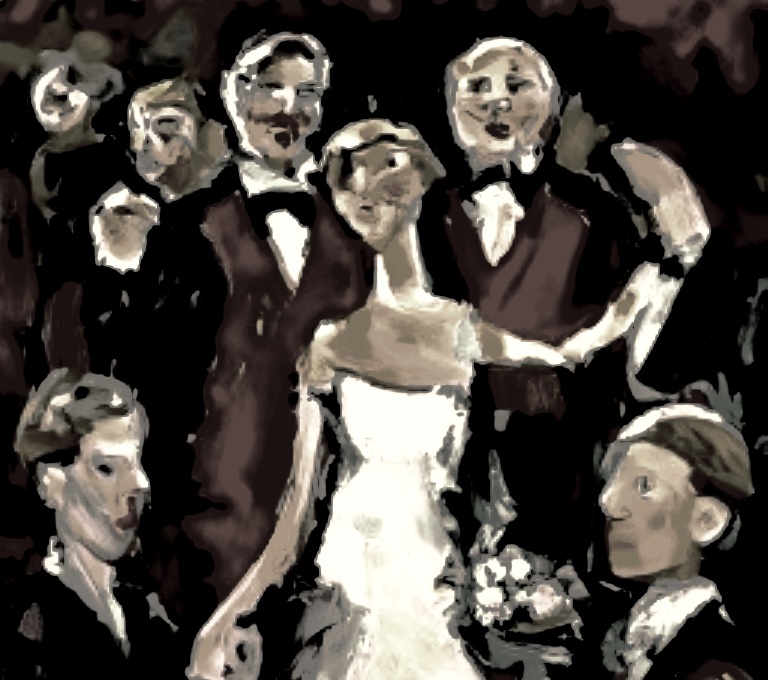
(«Wedding Picture»/Francisco Bravo Cabrera/All Rights Reserved)
THE PHOTO OF THE WEDDING DAY
In between a picture of you, and one of great grandma, on top of the piano that nobody plays, framed in silver now quite tarnished is the photo of our wedding day.
Seventy years have passed and our loved ones still smiling, as they look at us through time. The old ones have all long passed away but on that day they danced and sang, vibrant and happy. And the ones who then were young, handsome and beautiful, time has led them through life’s paths, some have suffered, some we’ve lost, yet some, thankfully, are still near us and together we’re here growing old.
Such is life, such is destiny, so pass the years, towards eternity…
Today, thinking we are seventy years younger, we joke, we laugh, we toast the good old days. We dream with our feet as we dance cheek to cheek, a few more drinks and we’ve lessened the stress of all the years we’ve lived, ninety years old and we still exist.
So as I look at the piano that holds that dear picture, I thank the good Lord for the blessings we’ve had. I live thankful and knowing we’re blessed, and lean back in my chair, perhaps one more highball perhaps one more prayer.
C.2024, Francisco Bravo Cabrera, Izmir, Turkey, 21 AUG 2024
(Bodo Vespaciano/Actor portrayal/All Rights Reserved/Representado por un actor/Derechos Reservados)
¿Qué es arte? ¿Como podemos saber si algo es obra de arte o no? ¿Como definimos a un artista? Bueno… Estas son preguntas que se hacen por la calle, en los bares, quizá en los vernissages o a la medianoche mientras te terminas una botella de Dyc y te fumas una cajetilla de Gitanes. Si me lo preguntáis os diría que no lo sé, venga ni puta idea. Solo os diría que para mi el arte es la búsqueda, y la manera de encontrar algo que se pueda reproducir…con buen gusto…coleccionar, vender, y que transmita un mensaje… ¿Y vosotros, gente maja, que decís?
Observad el siguiente vídeo y me decís si eso es arte, ¿Vale?
+++
What is art? How can we know if something is a work of art or not? How do we define an artist? Well… These are questions that are asked on the street, in bars, perhaps at vernissages, or at midnight while finishing a bottle of Bushmills and smoking a pack of Marlboro. If you ask me, I’d say I don’t know, not a fecking clue. I would only say that for me, art is the quest, and the way towards finding something that can be reproduced… with good taste… collected, sold, and that transmits a message… And you, lovely people, what do you say?
The following video refers to the post on the Viennese Actionists. Do you think this is art?
+++++
(Another sample of censorship, but you can still watch if you follow the link)
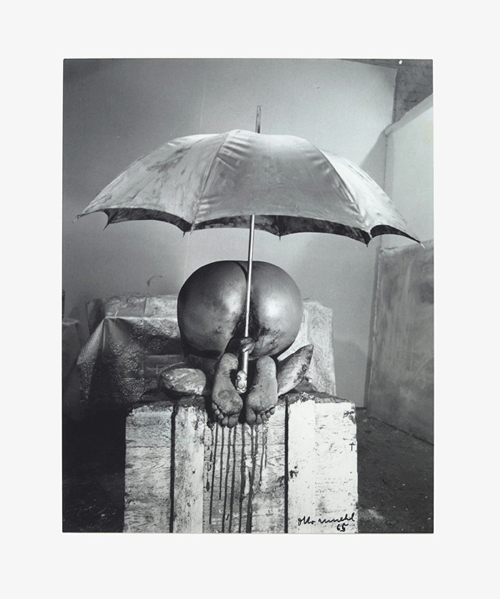
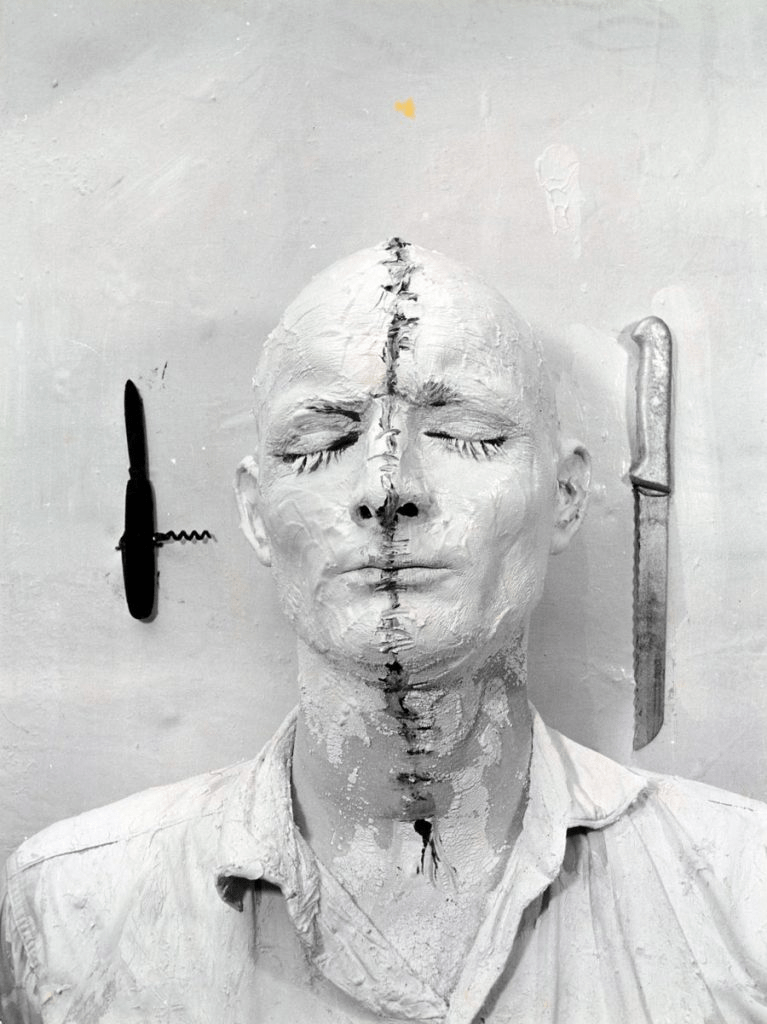
Venga, lo primero que te diré, para que te enteres y no te vayas a ilusionar mucho, es que ya este movimiento artístico no existe. Que se sepa nadie le ha seguido los pasos a Günter Brus, Otto Mühl, Hermann Nitsch, y Rudolf Schwarzkogler, los padres del movimiento. Los accionistas vieneses surgieron a fines de la década de los años 60 y principios de los 70. Estos, mas o menos, estaban en la misma onda que Fluxus, Action Painting, Happenings y Body Art. Posiblemente ascendieron de los antiguos dadaístas también, quién sabe… Los accionistas trabajaban independiente de los demás movimientos artísticos. Rechazaban el arte estático y el tradicionalismo y lo que buscaban era realizar acciones delante de la gente, preferiblemente mucha gente y en entornos controlados… El «arte» que generaban era grotesco, violento e ilegal. Sacrificaban animales, conducían orgías, actos sexuales sangrientos, mutilaciones genitales y violaciones. Todo para desafiar la moral del pueblo. Muchos de los accionistas cumplieron condenas por sus transgresiones y delitos. Y por supuesto no podían ser «artistas» si no cometían actos blasfemos, como todos los supuestos ateos que enseguida les gusta hacer algo «religioso»… Para mi, igual que los del Fluxus, los accionistas no eran artistas, quizá estaban desequilibrados, o se escaparon del manicomio, y, por supuesto, aparentemente no eran más que degenerados y delincuentes sin talento alguno.
+++
Alright, the first thing I’ll tell you, so you know and don’t get too excited, is that this artistic movement no longer exists. As far as anyone knows, no one has followed in the footsteps of Günter Brus, Otto Mühl, Hermann Nitsch, and Rudolf Schwarzkogler, the fathers of the movement. The Viennese Actionists emerged at the end of the 1960s and beginning of the 1970s. They were more or less in the same vein as Fluxus, Action Painting, Happenings, and Body Art. They possibly descended from the old Dadaists as well, who knows… The Actionists worked independently from other artistic movements. They rejected static art and traditionalism, and what they sought was to perform actions in front of people, preferably a lot of people and in controlled environments… The «art» they produced was grotesque, violent, and illegal. They sacrificed animals, conducted orgies, engaged in bloody sexual acts, did genital mutilations, and committed rapes. All done, according to their mantras, to challenge the moral standards of society. Many of the Actionists served sentences for their transgressions and crimes. And of course, they couldn’t be «artists» if they didn’t commit blasphemous acts as well. We already know how these «aetheists» love to include something religious in their repertoire… To me, like those of Fluxus, the Actionists were not artists. Perhaps they were mentally unbalanced people, or completely insane and, of course, mere talentless criminals.
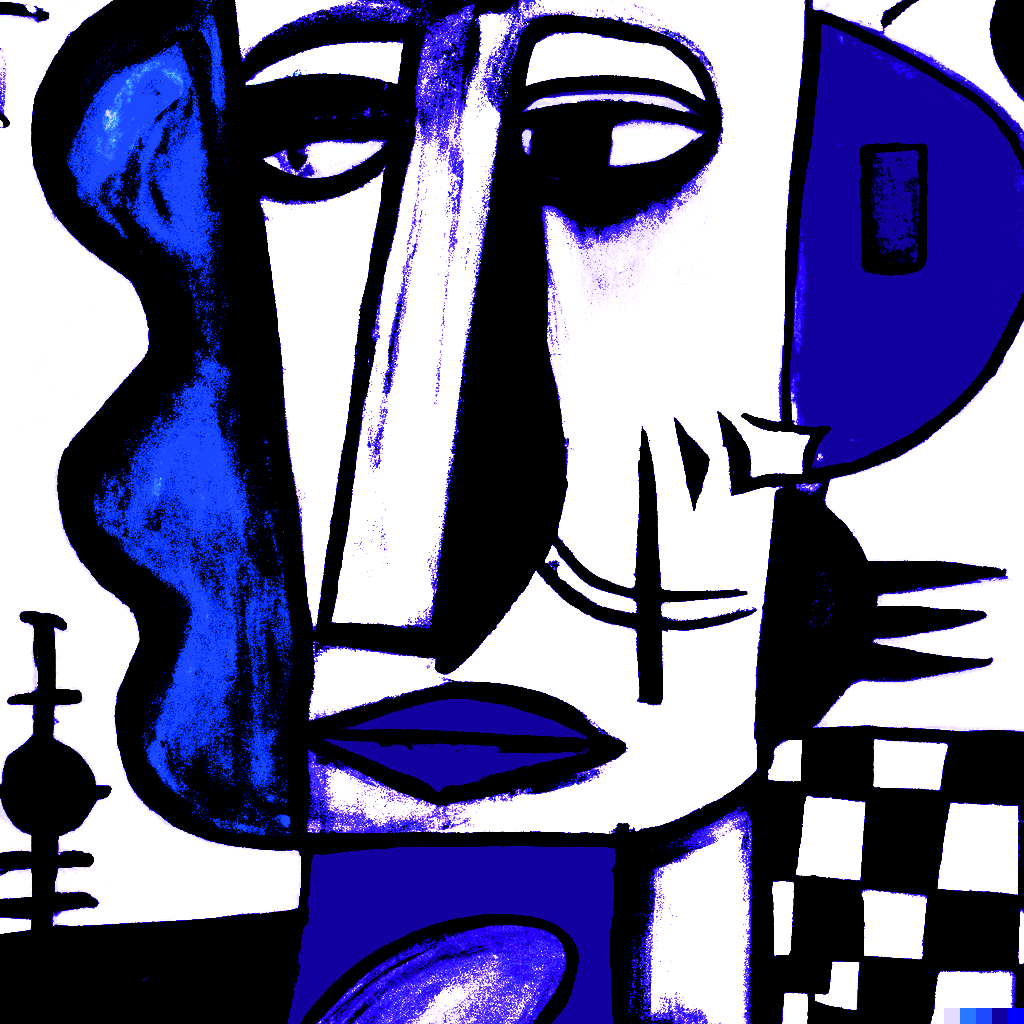
(«Louis Blau»/Francisco Bravo Cabrera/Derechos Reservados/All Rights Reserved)
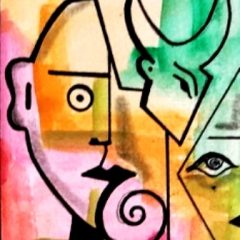
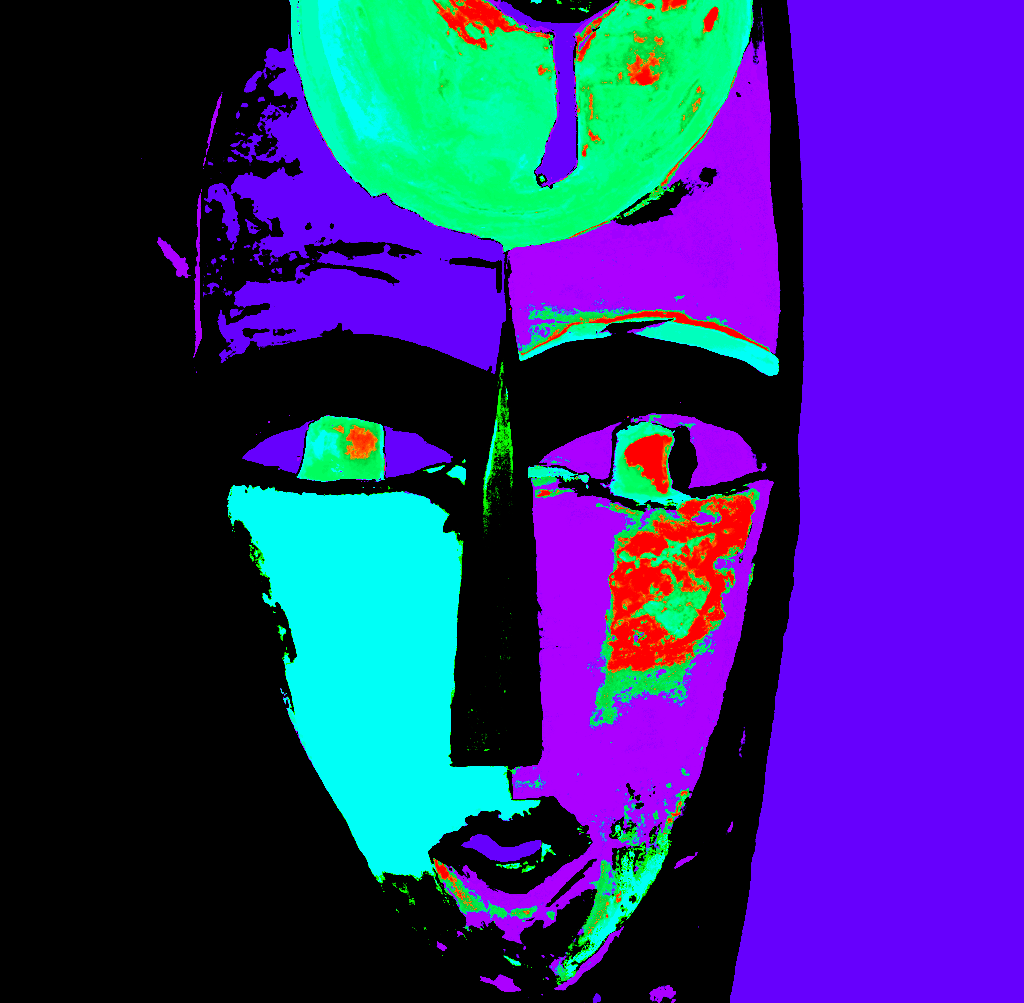
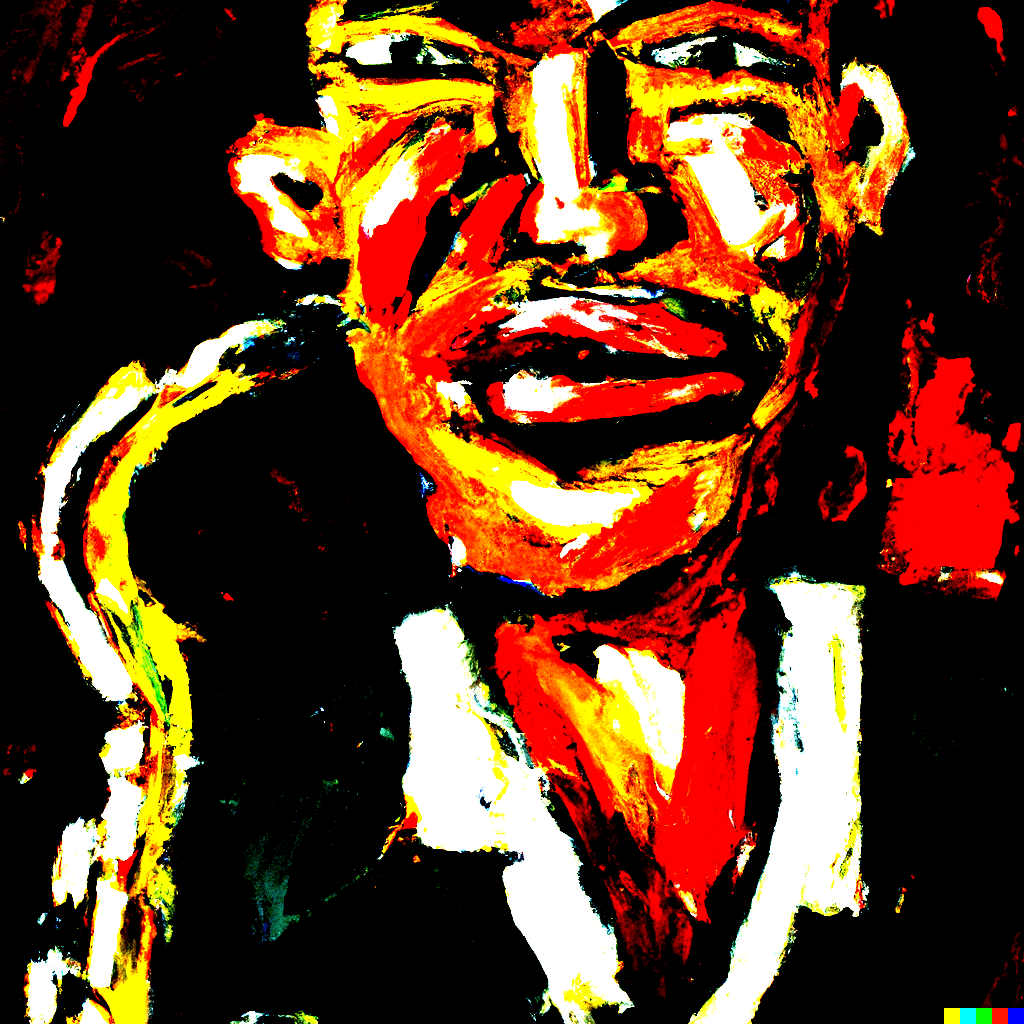
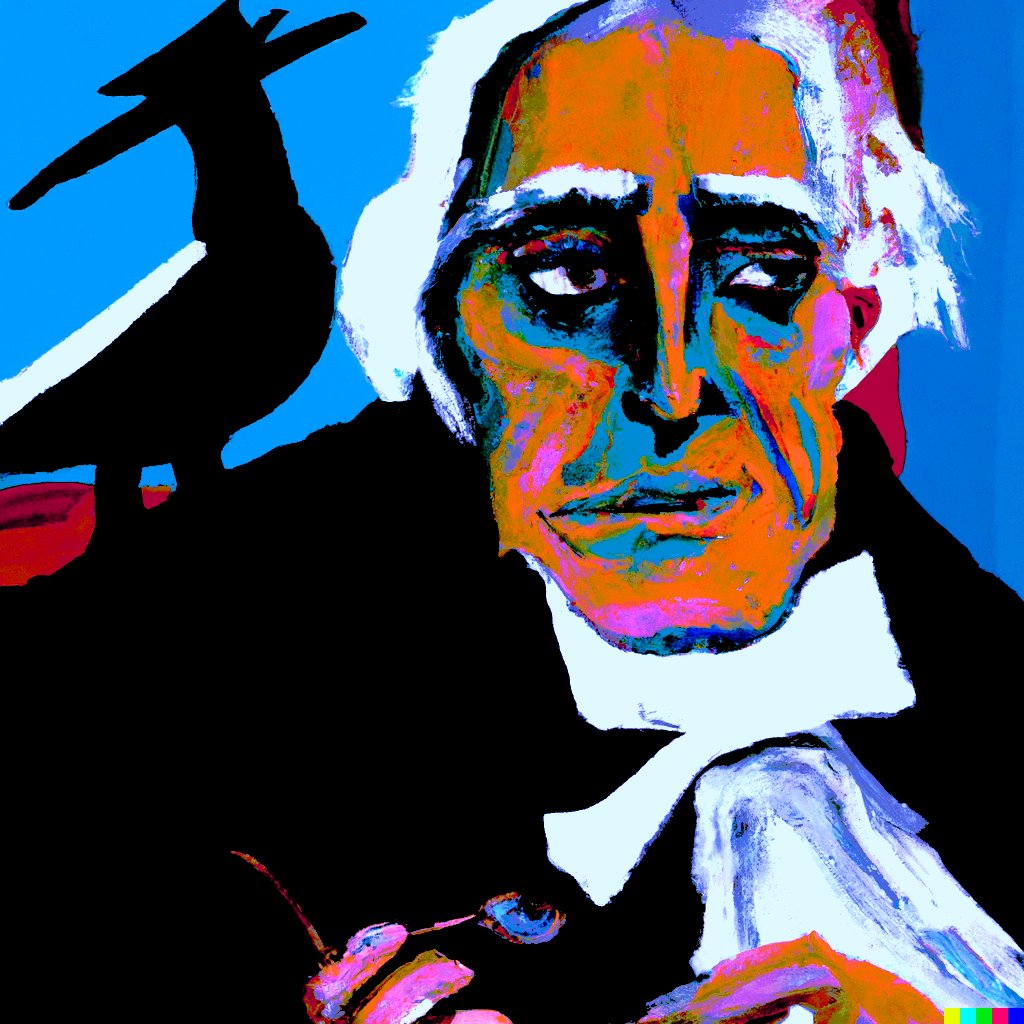
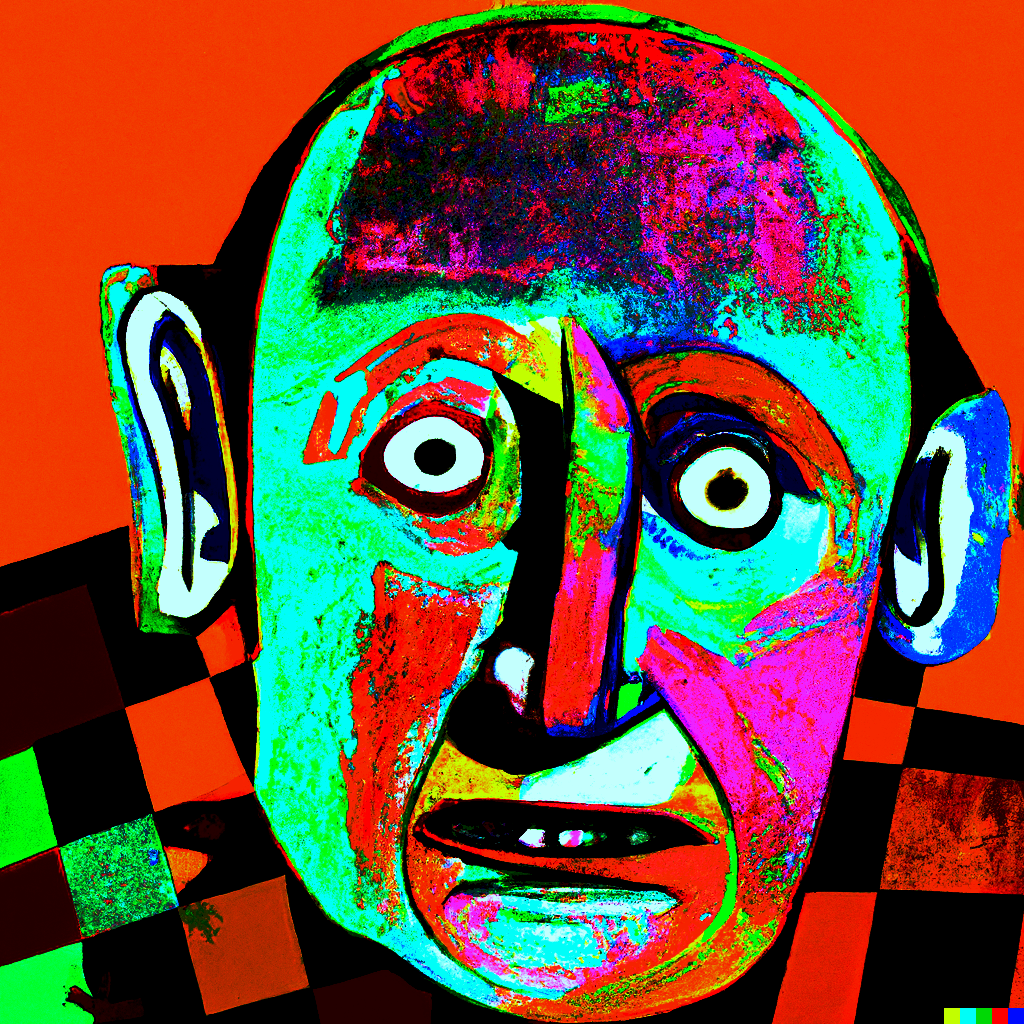
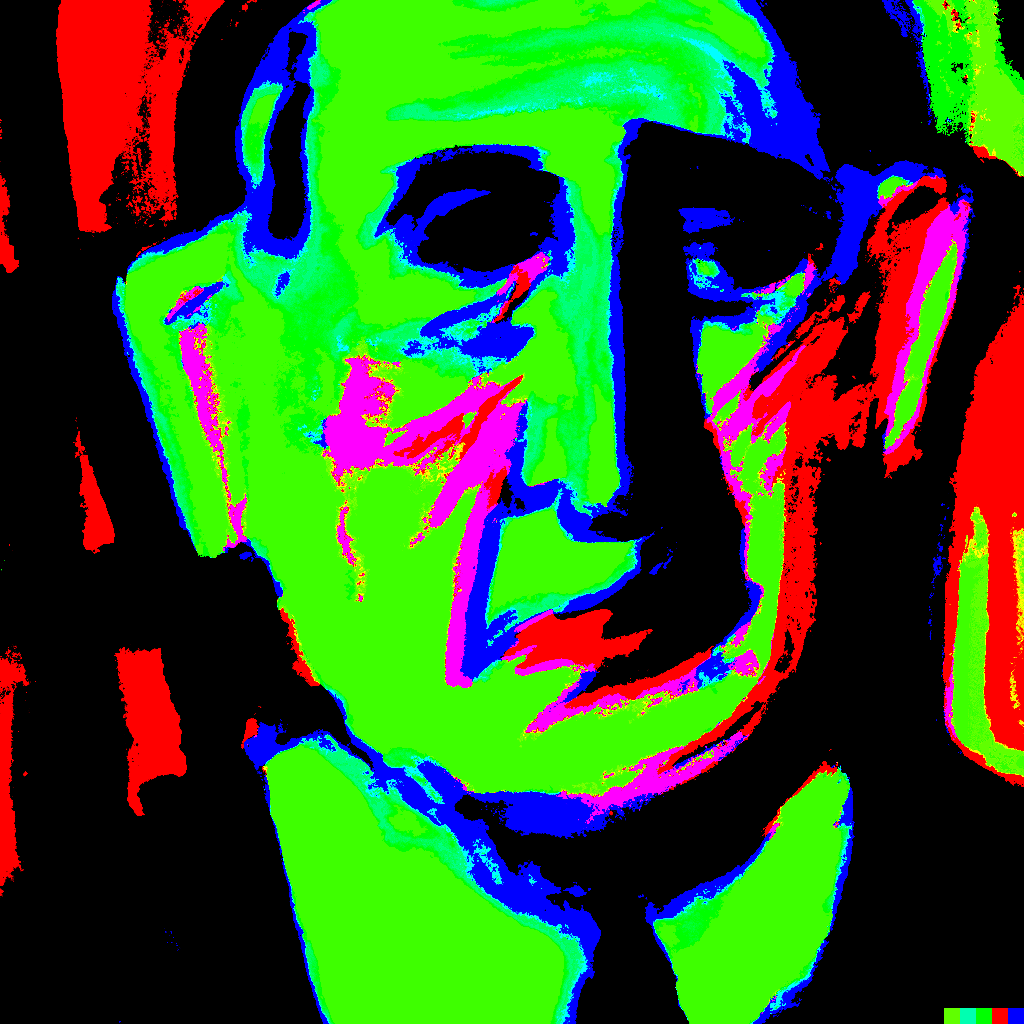
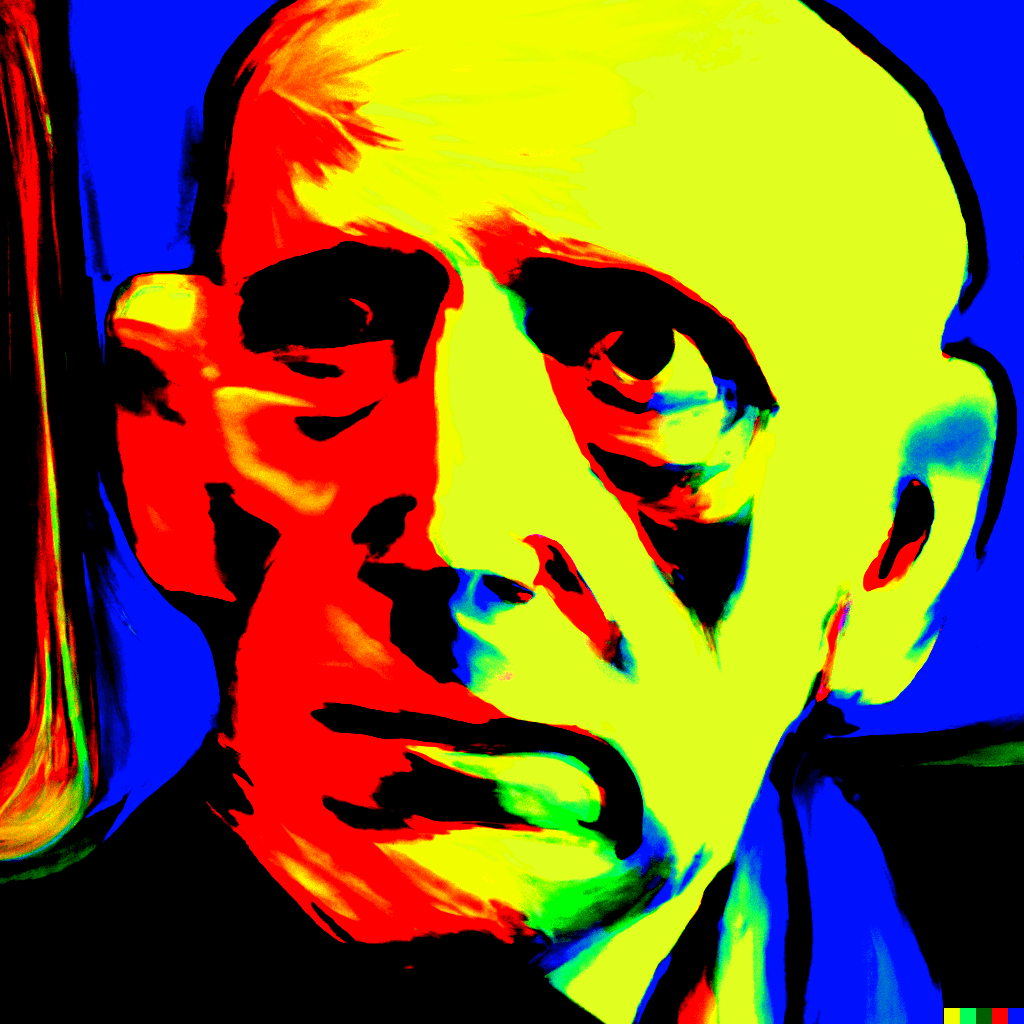
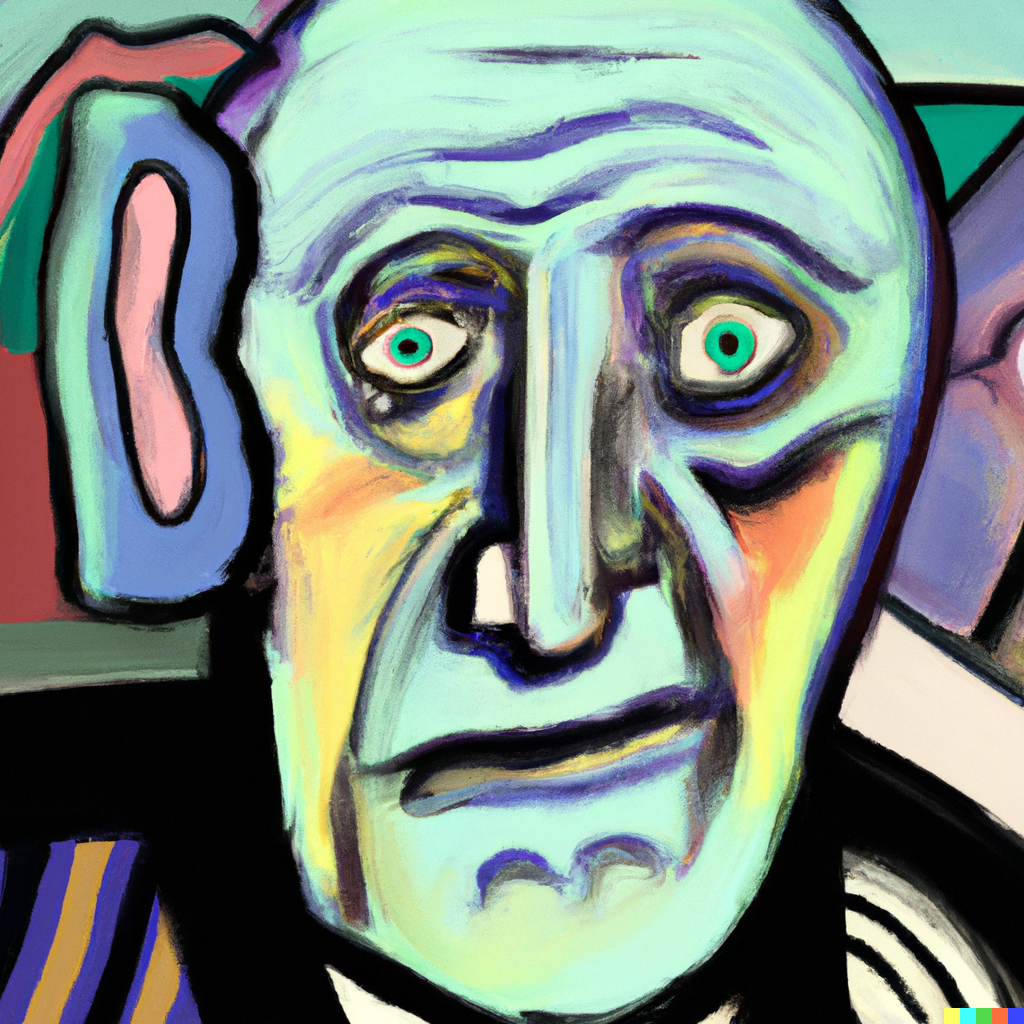
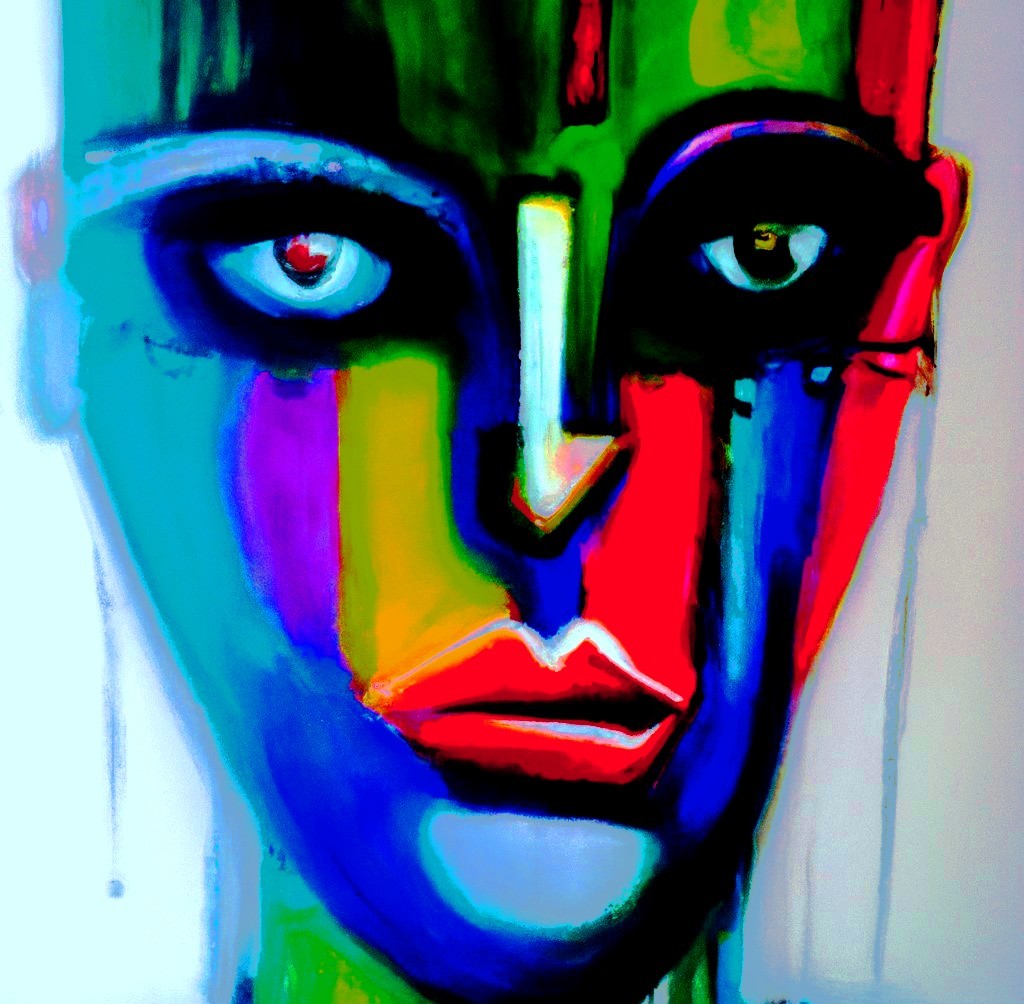
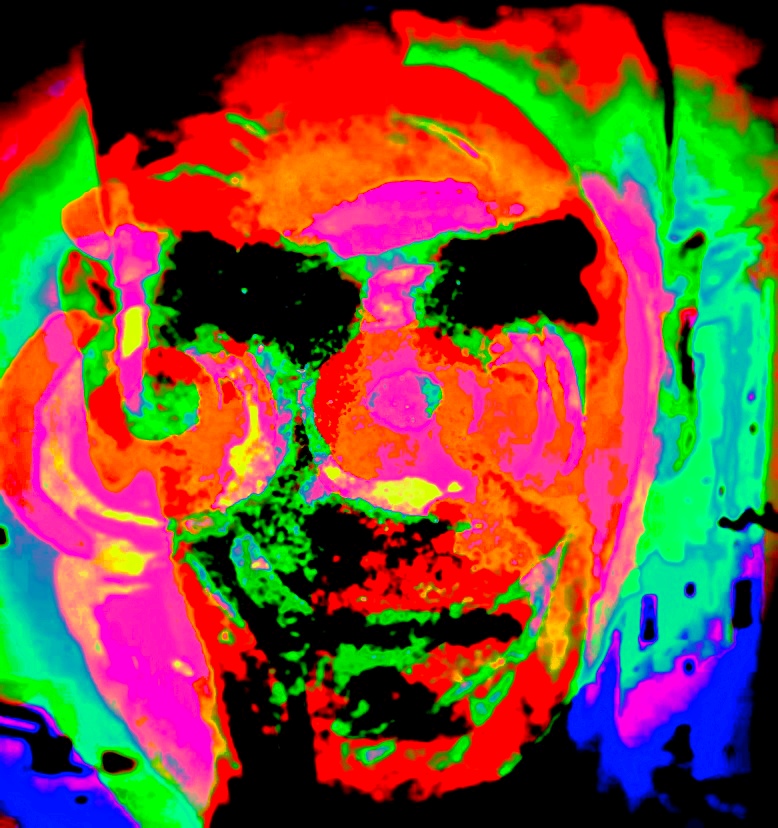
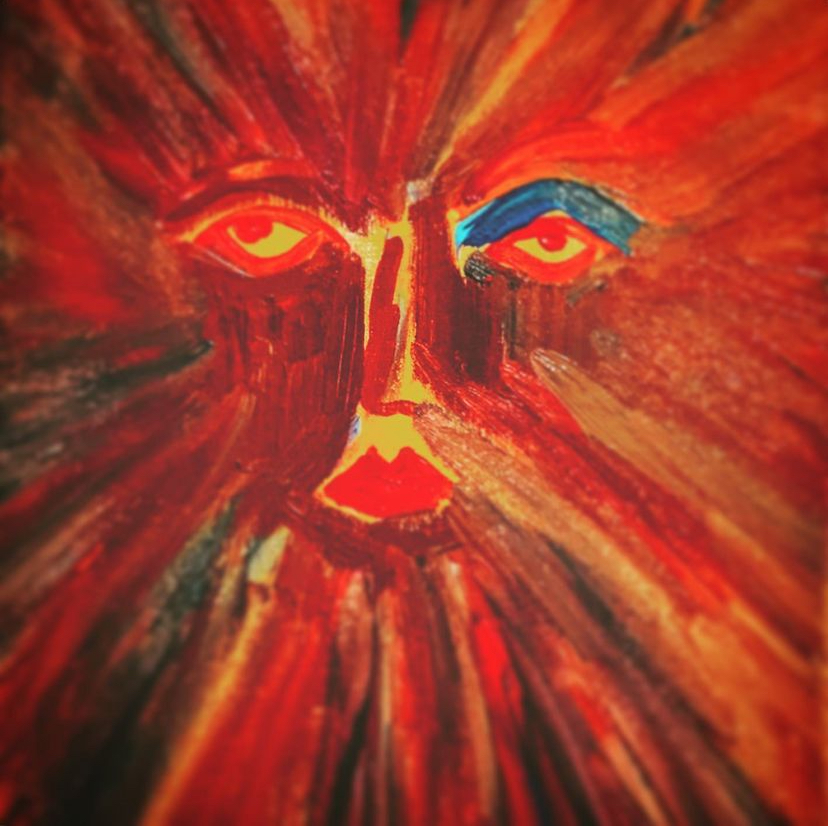
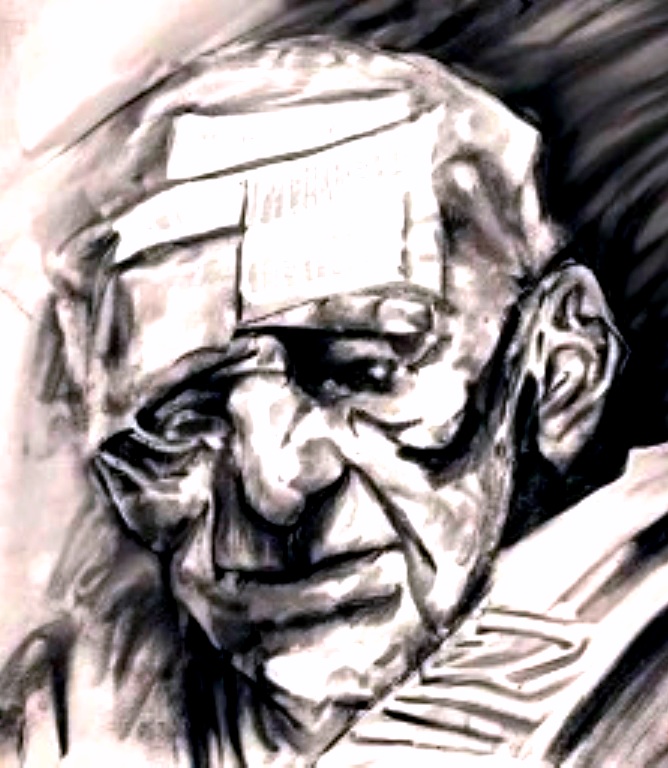
De todas las formas que existen en el mundo la cara es la que con mayor facilidad identifica nuestro cerebro. Esto es debido a que desde que abrimos los ojos por primera vez lo primero que vemos es la cara de nuestra madre. Nos fijamos mucho más en los ojos, porque se mueven, que en la nariz o en las orejas, que no. Más adelante, cuando hayamos crecido un poquitín y comenzamos a pintar…o garabatear…una de las cosas que más nos gusta pintar es a nuestra familia. ¿Y como la pintamos? Usualmente con caras grandes donde brillan ojos también muy grandes, quizá pintemos grande también el pelo de nuestra madre, si lo tiene largo y siempre los brazos largos y energéticos, las piernas muy cortas y los pies, si es que los pintamos, pequeñitos. ¿Por qué? Porque el cerebro infantil no capta esas partes del cuerpo y no les da importancia. Se fija en los brazos porque se mueven mucho más que las piernas y claro, la cara sigue siendo lo principal. Por eso me gusta pintar caras porque se que a todos nos atraen los ojos que nos miran. Además, ¿No es cierto que vemos caras por doquier? Venga, pues aquí están…
+++
From all the shapes that exist in the world, the face is the one that most easily identifiable by our brain. This is because from the moment we first open our eyes, the first thing we see is our mother’s face. We focus much more on the eyes, because they move, than on the nose or the ears, which do not. Later, when we have grown a bit and we start to paint…or scribble…one of the things we most like to paint is our family. And how do we paint them? Usually with big faces where the eyes also shine, large and brightly, maybe we paint our mother’s hair big as well, if it is long, and always with long and energetic arms, very short legs, and the feet, if we paint them at all, tiny. Why? Because the child’s brain does not perceive those parts of the body and does not give them importance. It focuses on the arms because they move much more than the legs, and of course, the face remains the main focus. That’s why I like to paint faces, because I know that we are all drawn to the eyes that look at us. Besides, is it not true that we see faces everywhere? Come on, well here they are…
+++++
(Obras originales de Francisco Bravo Cabrera/Derechos Reservados/Original artworks by Francisco Bravo Cabrera/All Rights Reserved)
I aquií una jeta más, la de un cuñado…
+++++++
And one more face, from a dear and distant cousin…
(«Buddy»/Francisco Bravo Cabrera/Derechos Reservados/All Rights Reserved)
(«Wedding Picture»/Francisco Bravo Cabrera/All Rights Reserved)
THE PHOTO OF THE WEDDING DAY
In between a picture of you, and one of great grandma, on top of the piano that nobody plays, framed in silver now quite tarnished is the photo of our wedding day.
Seventy years have passed and our loved ones still smiling, as they look at us through time. The old ones have all long passed away but on that day they danced and sang, vibrant and happy. And the ones who then were young, handsome and beautiful, time has led them through life’s paths, some have suffered, some we’ve lost, yet some, thankfully, are still near us and together we’re here growing old.
Such is life, such is destiny, so pass the years, towards eternity…
Today, thinking we are seventy years younger, we joke, we laugh, we toast the good old days. We dream with our feet as we dance cheek to cheek, a few more drinks and we’ve lessened the stress of all the years we’ve lived, ninety years old and we still exist.
So as I look at the piano that holds that dear picture, I thank the good Lord for the blessings we’ve had. I live thankful and knowing we’re blessed, and lean back in my chair, perhaps one more highball perhaps one more prayer.
C.2024, Francisco Bravo Cabrera, Izmir, Turkey, 21 AUG 2024
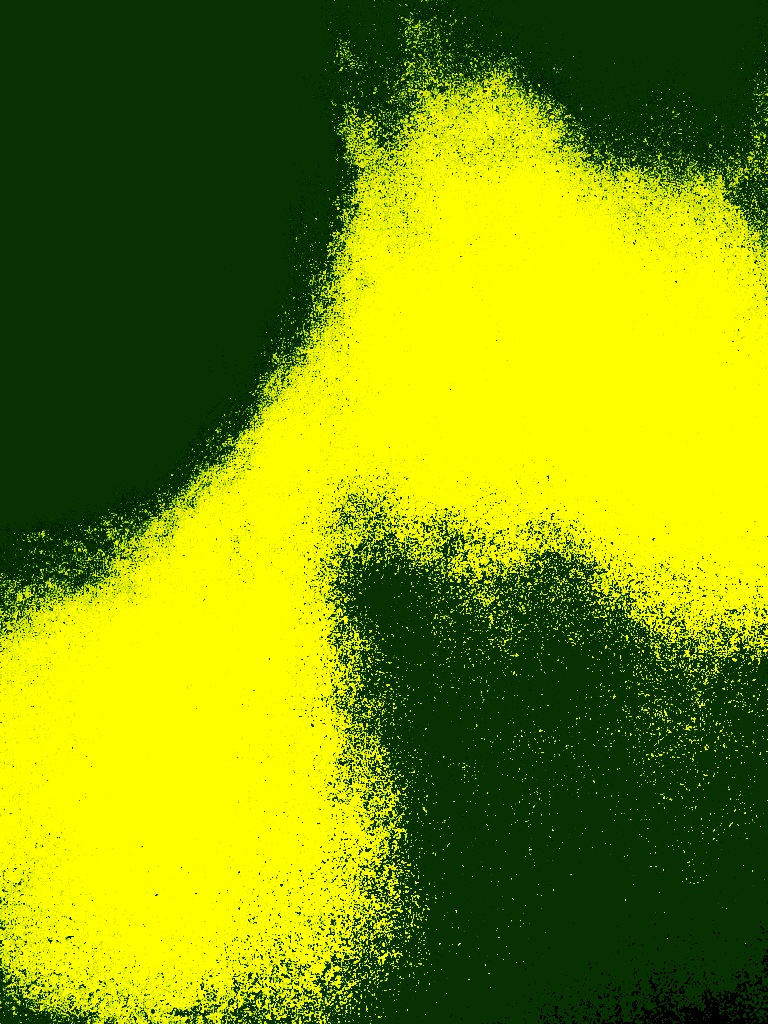
(«YelloAbstrak»/Francisco Bravo Cabrera/Derechos Reservados/All Rights Reserved)
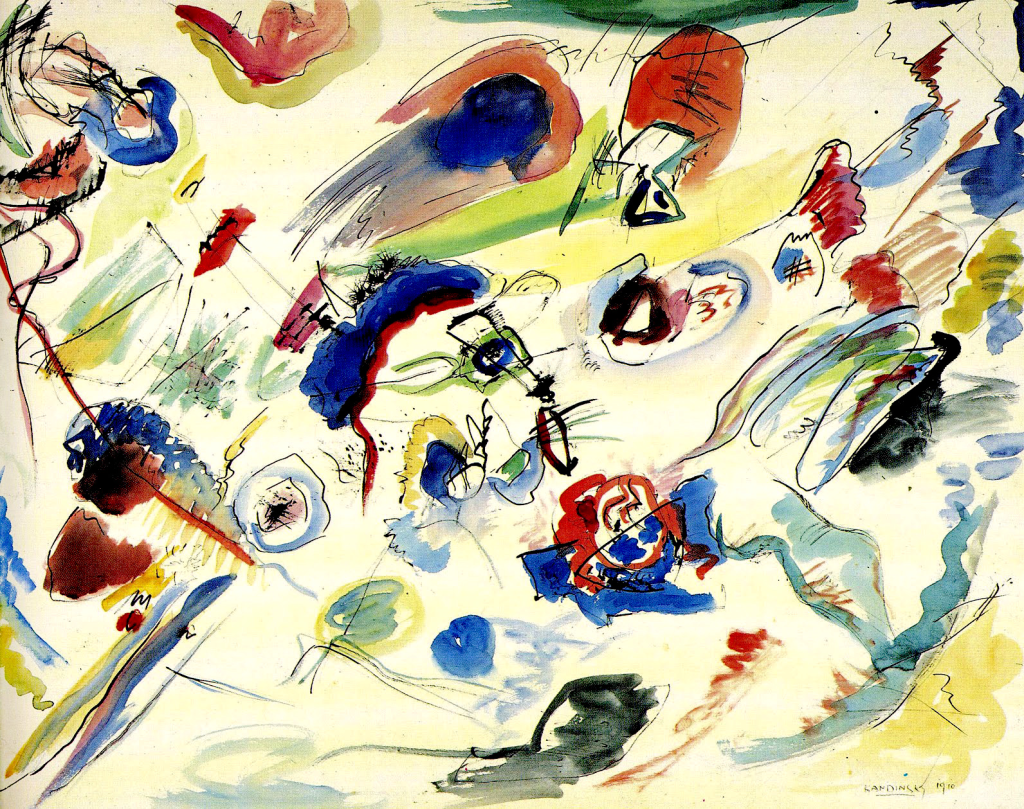
La abstracción es una de las vanguardias artísticas del Siglo XX. Segun la historia del arte Vassily Kandinsky había inventado el arte abstracto con su acuarela abstracta de 1910…
+++
Abstractart is one of the art vanguards of the XXth Century. According to art history, Vassily Kandinsky invented it when he created his 1910 watercolour…
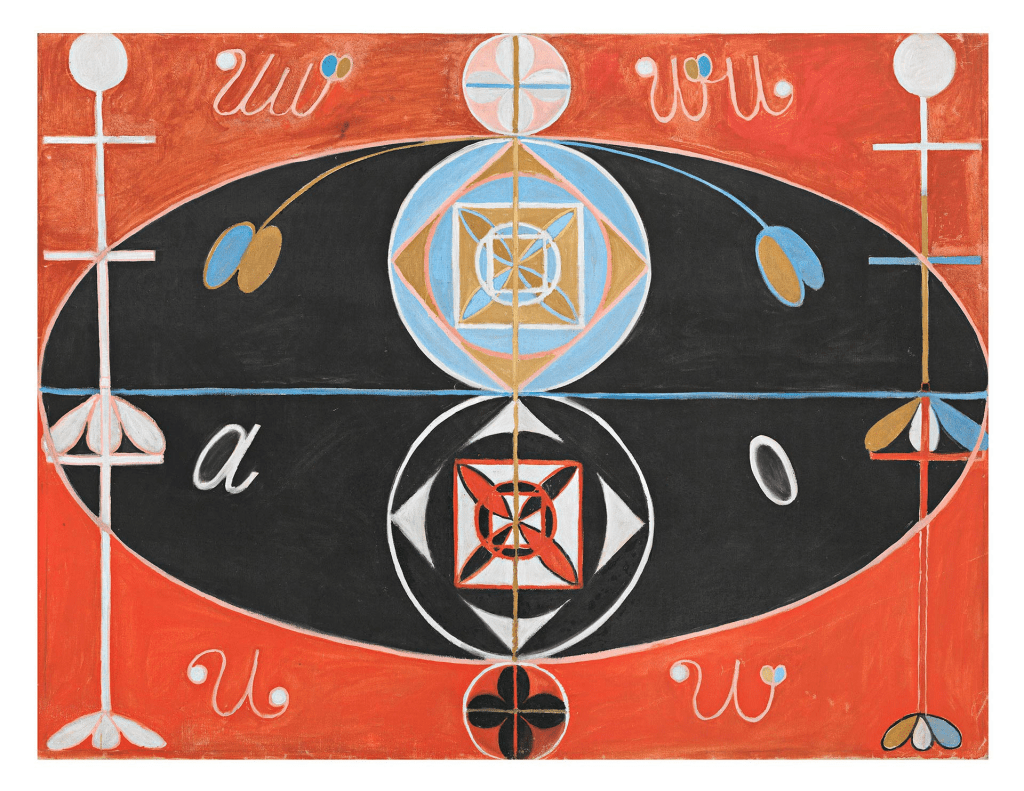
Ahora algunos dicen que no fue asi que la pintora…una mujer…Hilma af Klint fue la primera en pintar un cuadro abstracto, digamos, uno como este…
+++++
Now some say that it was not like that, that Hilma af Klint…a woman painter…had already been making abstract paintings, like this one:
(Abstraccion de Hilma af Klint/Abstract by Hilma af Klint)
Para estar claro, en el arte hay muchos diferentes estilos, muchas escuelas y muchas vanguardias, pero básicamente hay dos tipos de arte, el arte figurativo y el arte abstracto. ¿Como sabemos cual es cual? Yo te lo voy a decir y es simple. Si un cuadro, una pintura o un dibujo contiene elementos que fácilmente se identifican con cosas/personas de la vida real, el cuadro es figurativo, no importa lo distorsionado que estén las figuras ni lo surreal, ni lo cubista, ni expresionista que puedan ser. Si no tiene nada, ningún elemento de la vida real y esta compuesto por formas geométricas o por colores etcétera, el cuadro es abstracto. Simple, ¿No? Venga, no os vayáis a confundir porque por ahí, en algunos catálogos, ponen a Picasso como un artista abstracto y el tío jamás pinto una sola abstracción en su larga vida.
+++++++
To be clear, in art there are many different styles, many schools, and many vanguards, but basically there are only two types of art, figurative art and abstract art. How do we know which is which? I’m going to tell you, and it’s simple. If a painting or a drawing contains elements that are easily identified with things/human forms from real life the painting is figurative, no matter how distorted the figures may be, or how surreal, cubist, or expressionist they may be. If it has nothing, no element of real life, and is composed of geometric shapes or colours, etc., the painting is abstract. Simple, right? Come on, don’t get confusedbecause some catalogues even place Picasso as an «abstract artist» and he never painted an abstract in his long, and very fruitful, life.
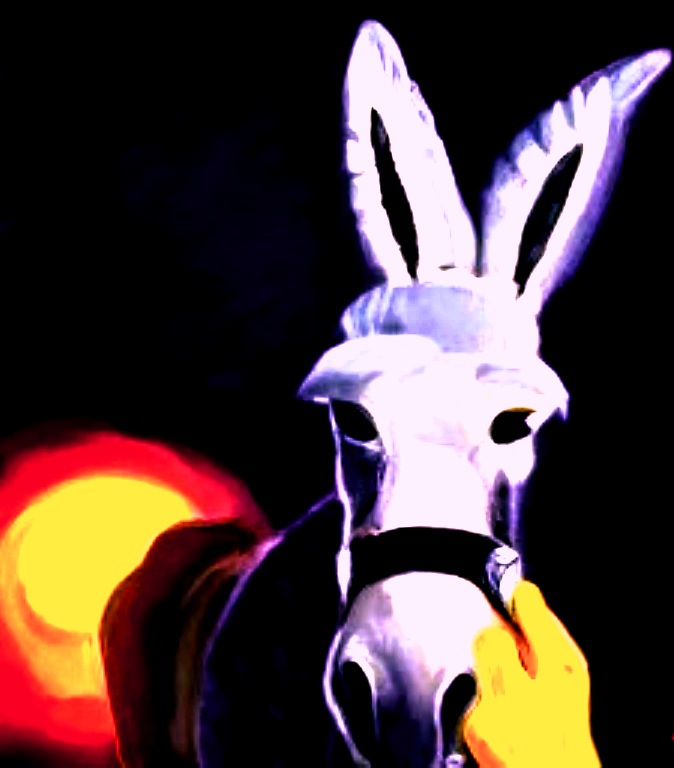
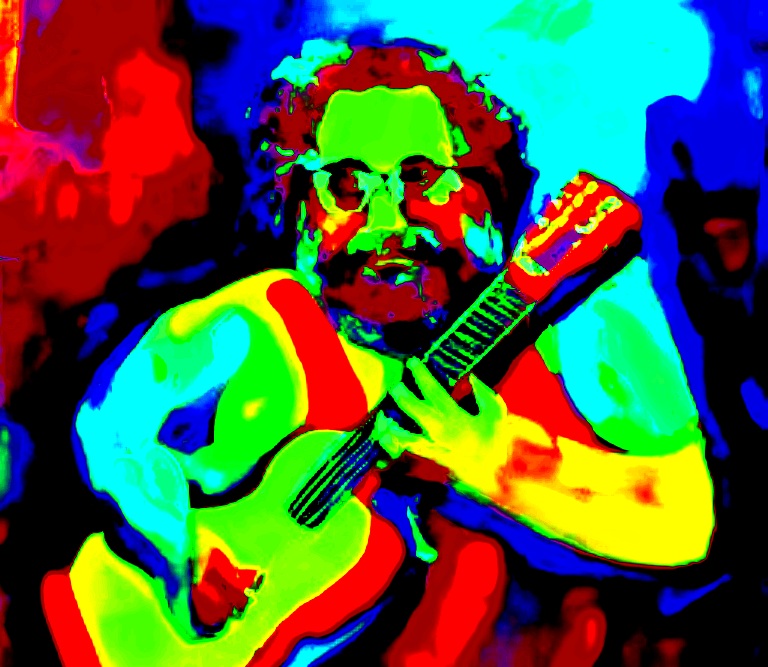
(«Jerry»/Francisco Bravo Cabrera/All Rights Reserved)
It’s pretty easy to talk about great American bands as there are and there have always been so many of them. From the old Dixieland jazz bands to the gospel ensembles to the big bands of the 1940’s to the rock and roll and blues bands of the 50’s, rock bands in the 60’s, 70’s, 80’s and 90/s to whatever they have now. Marching bands, brass bands, acapella groups, jazz trios, symphony orchestras, quintets, string quartets, boy bands, girl bands, you name it, America has it and good. No doubt. But my thing here is rock, so I will concentrate on my first choice, The Grateful Dead.
The Grateful Dead are and have always been my favourite American band. Not to say that I haven’t others that I am crazy about, like Chicago, The Eagles, The Dooby Brothers, The Doors and others, but they will get their edition in this series. But there is something different about the Grateful Dead. For one, they were one of the biggest grossing bands and throughout their long history they only had one top 40 hit, «A Touch of Grey» (1987). This was also their only single and, if you remember, their only video on MTV. You do know about MTV? No? The channel that played music videos? If you don’t you really need to go back and research a bit of popular history.
The band was formed in San Francisco in 1965. The original members were: Jerry Garcia (lead guitar and vocals), Bob Weir (rhythm guitar and vocals), Ron «Pigpen» McKernan (keyboards, harmonica, and vocals), Phil Lesh (bass guitar and vocals), and Bill Kreutzmann. They had previously been known as the Warlocks.
What I totally loved about The Grateful Dead was that they were a band that you had to experience in concert. They played every type of music. Definitely not your typical early 60’s rock band. The guys knew how to play music and they did it all, from gospel, bluegrass, folk, country, world, reggae, and psychedelia. Wow! Impressive? Yes, but that is what I would expect musicians to be able to do. And my favourite thing about their shows is that they improvised continually. They were not interested in fitting in to radio-play formats, or the top of the pops.
Then how the hell did they make any money? How did they get so famous? Well, if you don’t know, I will tell you. They played their arses off across the country and in Europe as well. That and the fact that they encouraged recordings (free) of their concerts. Then when their existence was passed along by enough mouths to ears, they sold millions of albums. You know, the lp’s, remember? Yeah, that was during the days when you had to dial numbers on a phone…
The band also has a dark side, so they say. By 1990 they had lost three keyboardists… And in 1995 their main dude, Jerry Garcia, died… There is a lot to this band, a lot of history, a lot of members, a lot of great songs, but you can look up all that stuff, I mean Wikipedia es readily available. My part is to be a catalyst for your searches, for your knowledge-gaining activities, dig? So I leave you with one of my fave Grateful Dead tunes, from a live performance, of course…
(«YelloAbstrak»/Francisco Bravo Cabrera/Derechos Reservados/All Rights Reserved)
La abstracción es una de las vanguardias artísticas del Siglo XX. Segun la historia del arte Vassily Kandinsky había inventado el arte abstracto con su acuarela abstracta de 1910…
+++
Abstractart is one of the art vanguards of the XXth Century. According to art history, Vassily Kandinsky invented it when he created his 1910 watercolour…
Ahora algunos dicen que no fue asi que la pintora…una mujer…Hilma af Klint fue la primera en pintar un cuadro abstracto, digamos, uno como este…
+++++
Now some say that it was not like that, that Hilma af Klint…a woman painter…had already been making abstract paintings, like this one:
(Abstraccion de Hilma af Klint/Abstract by Hilma af Klint)
Para estar claro, en el arte hay muchos diferentes estilos, muchas escuelas y muchas vanguardias, pero básicamente hay dos tipos de arte, el arte figurativo y el arte abstracto. ¿Como sabemos cual es cual? Yo te lo voy a decir y es simple. Si un cuadro, una pintura o un dibujo contiene elementos que fácilmente se identifican con cosas/personas de la vida real, el cuadro es figurativo, no importa lo distorsionado que estén las figuras ni lo surreal, ni lo cubista, ni expresionista que puedan ser. Si no tiene nada, ningún elemento de la vida real y esta compuesto por formas geométricas o por colores etcétera, el cuadro es abstracto. Simple, ¿No? Venga, no os vayáis a confundir porque por ahí, en algunos catálogos, ponen a Picasso como un artista abstracto y el tío jamás pinto una sola abstracción en su larga vida.
+++++++
To be clear, in art there are many different styles, many schools, and many vanguards, but basically there are only two types of art, figurative art and abstract art. How do we know which is which? I’m going to tell you, and it’s simple. If a painting or a drawing contains elements that are easily identified with things/human forms from real life the painting is figurative, no matter how distorted the figures may be, or how surreal, cubist, or expressionist they may be. If it has nothing, no element of real life, and is composed of geometric shapes or colours, etc., the painting is abstract. Simple, right? Come on, don’t get confusedbecause some catalogues even place Picasso as an «abstract artist» and he never painted an abstract in his long, and very fruitful, life.

 JaZzArt en València