/egon-schiele-5bd8a96a46e0fb00510a25e9.jpg)
Ya os he ofrecido un vídeo acerca de la obra de Egon Schiele, (ver el vídeo) uno de mis favoritos de los expresionistas alemanes, aunque era austriaco. Hoy quiero presentaros esta obra que he visto en el Museo Nacional Thyssen-Bornemisza de Madrid que muestra una forma diferente que uso Schiele para expresar su creatividad y su filosofía en el arte.
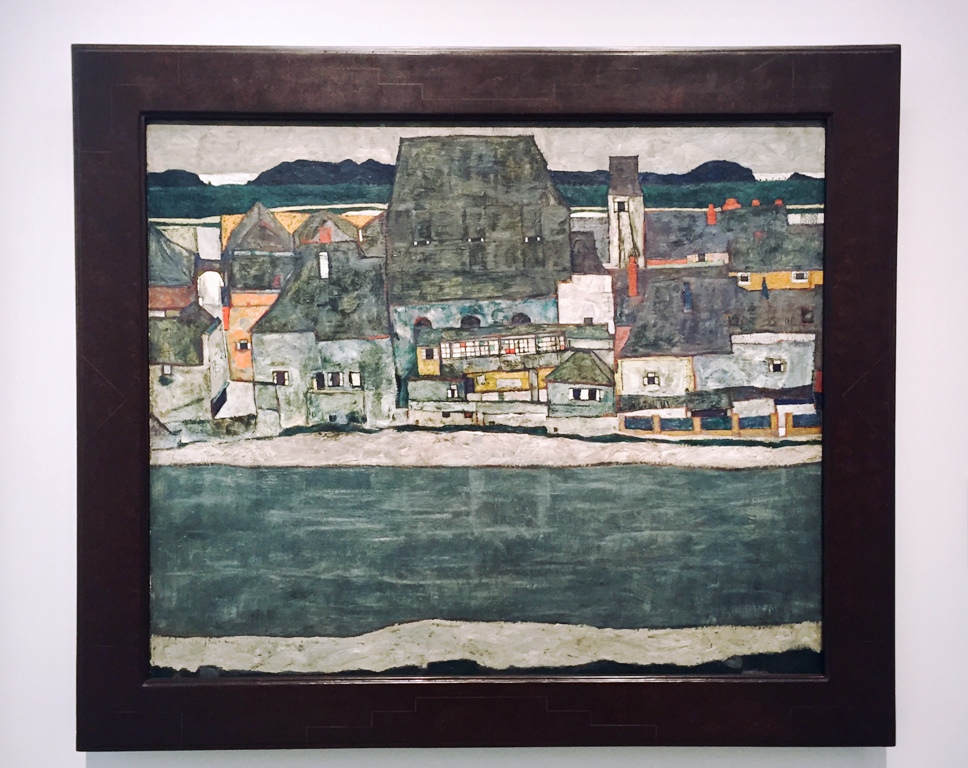
I have already offered you all a video on Egon Schiele, one of my favourites of the German Expressionists, although he was Austrian. But today I want to bring you one of his works that I saw at the Museo Nacional Thyssen-Bornemisza de Madrid that will show you a different type of work, a different way in which he expressed his creativity and his philosophy in art.
__________________________________________________________________________________
Egon Schiele: 1890-1918, pintor expresionista. En 1906 se matriculó en la Academia de Bellas Artes de Viena y en 1907, a los17 años de edad, buscó a Gustav Klimt, (ver el vídeo), que se interesó en Schiele y le compró sus dibujos. Schiele expuso su obra en exposiciones colectivas en Praga, Budapest, Colonia y Munich de 1910 a 1912, también fundó el Neukunstgrupped (Grupo nuevo de arte) donde participó otro gran expresionista austriaco, Oskar Kokoschka. Schiele murió durante la pandemia de la influenza de 1918.
Egon Schiele: 1890-1918, expressionist painter. In 1906 he enrolled in the Vienna Fine Arts Academy. In 1907, at the age of seventeen he looked for Gustav Klimt, (see the video), who became interested in his work and bought Schiele’s drawings. From 1910 to 1912, Schiele exhibited his work in Prague, Budapest, Cologne and Munich and founded the group Neukunstgrupped (New Art Group) where Oskar Kokoschka also participated. Schiele died during the pandemic of 1918 of influenza.

 JaZzArt en València