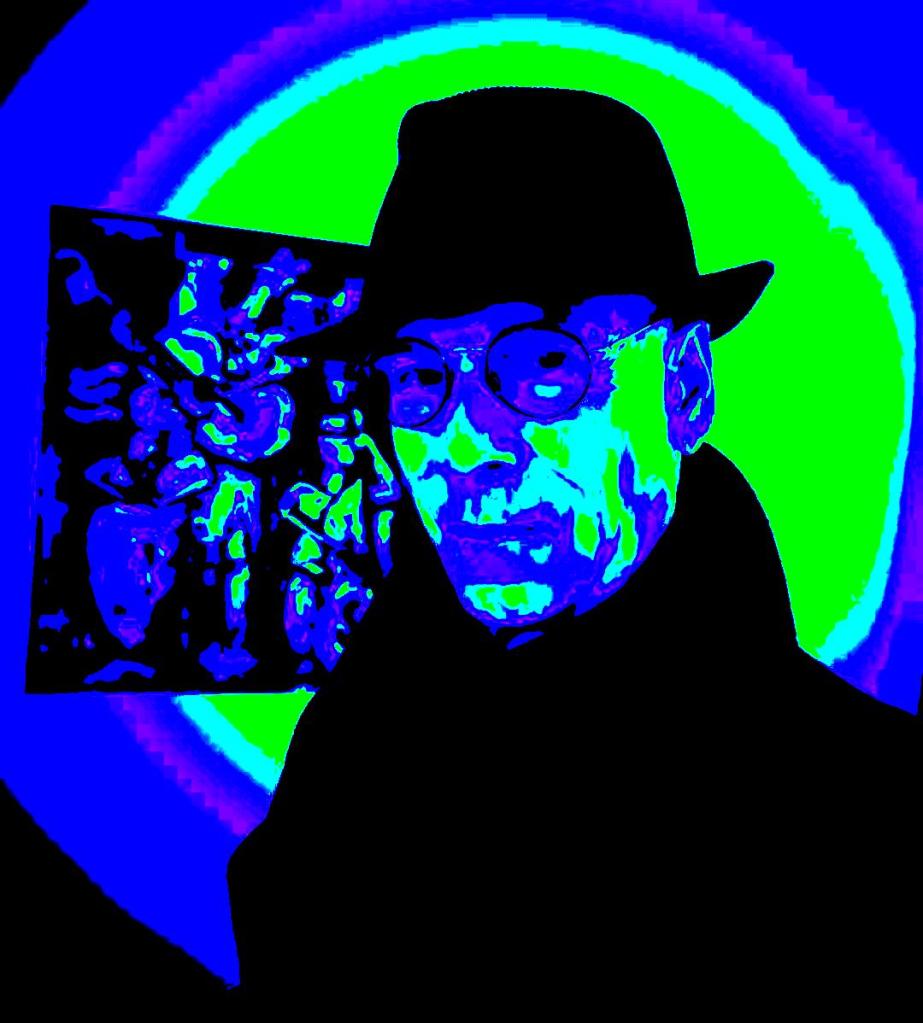
(Bodo Vespaciano/Actor portrayal/All Rights Reserved)
Although we are in town and in studio, we will be away from the blog due to obligations concerning exhibitions at Omnia Caelum Studios Valencia. But we will not leave VALENCIARTIST devoid of posts…
And… all ARTISTS, WRITERS, POETS, MUSICIANS, DANCERS, etc. who wish to participate in the new series of interviews on FEATURES by VALENCIARTIST, please respond to this post with your email address and we will send you the information.
All the best to everybody and we will be back soon!
+++
Estaremos en el estudio y en nuestra València, pero alejados del blog debido a las tantas obligaciones relacionadas con las exposiciones de Omnia Caelum Studios Valencia. ¡Pero no dejaremos a VALENCIARTIST sin publicaciones diarias!
Y… todos vosotros ARTISTAS, ESCRITORES, POETAS, MÚSICOS, BAILARINES etcétera, que deseéis participar en la nueva serie de entrevistas que se publicará en FEATURES by VALENCIARTIST, por favor mandadnos, como respuesta a este post, vuestro correo electrónico y os enviaremos la información.
¡Os deseamos lo mejor a todos y volveremos pronto!
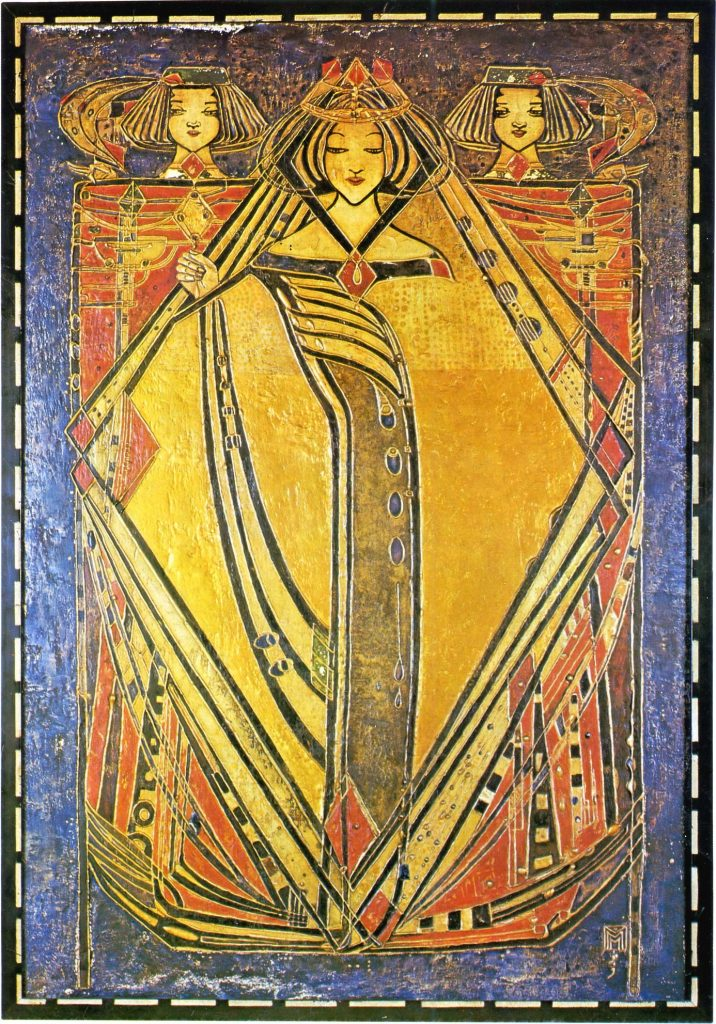
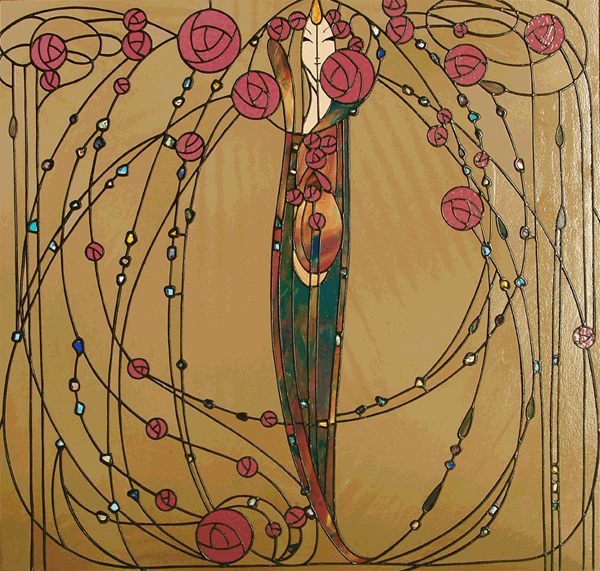
I must confess I knew nothing about Margaret McDonald. No one ever spoke of her in Art History class… But I am glad to have discovered her and happy to bring her to your attention as well. She belonged to the School of Glasgow and was a modernist and a symbolist painter. Although the group was a small one, composed of her husband, her sister and another artist, they were greatly influential and became the epicentre of Modern Style, what is called Art Nouveau in France. She was born in Tipton, UK in 1864 or 1865 and she died in 1933 in London. She studied art at the Glasgow School of Arts after her family moved there.
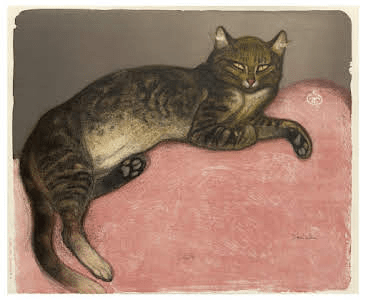
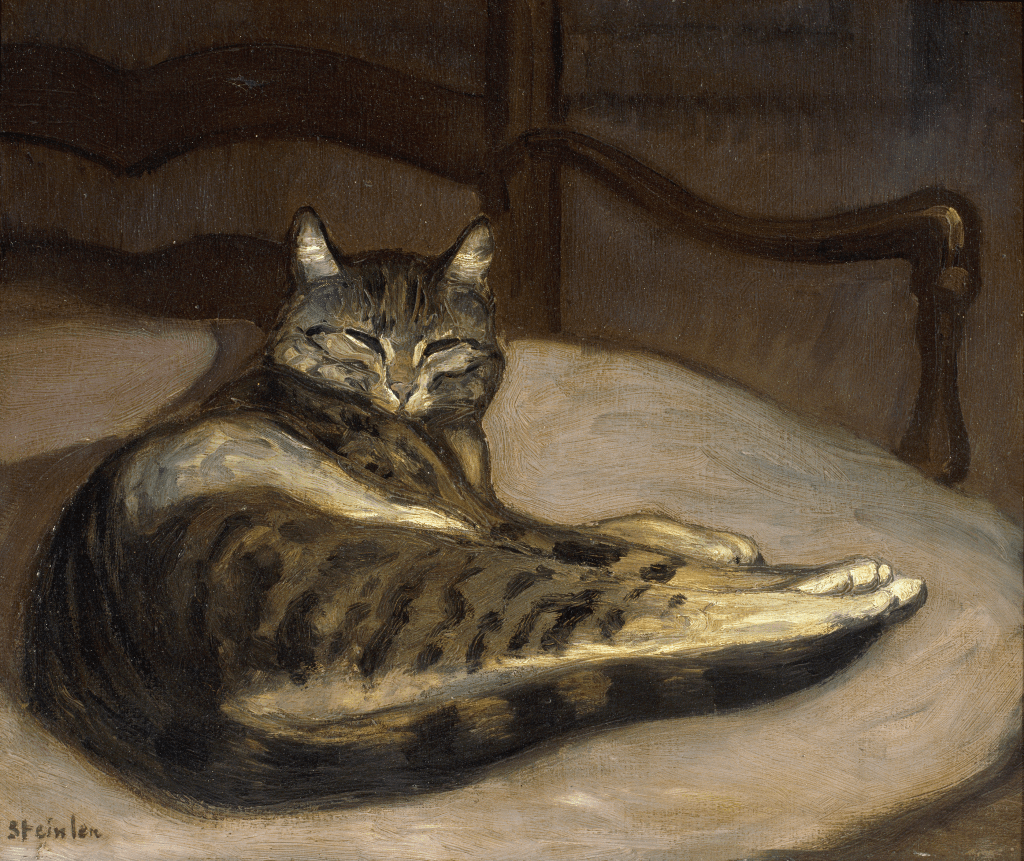
El primero de estos grandes artistas que les gustaba mucho pintar gatos es Théophile Alexandre Steinlen, conocido por sus carteles del París de la Belle Époque… Nació en Suiza (1859 Lausanne) y fue pintor, litógrafo y diseñador… Steinlen, pintor modernista, murió a los 64 años en París…
+ + +
The first of these great artists who loved to paint cats is Théophile Alexandre Steinlen, known for his posters of the Paris of the Belle Époque… He was born in Switzerland (1859 Lausanne) and was a painter, lithographer, and designer… Steinlen, a modernist painter, died at the age of 64 in Paris…
(Cat on Cushion/1909)
(Chat sur un fauteuil/1900/02)
+ + + + +
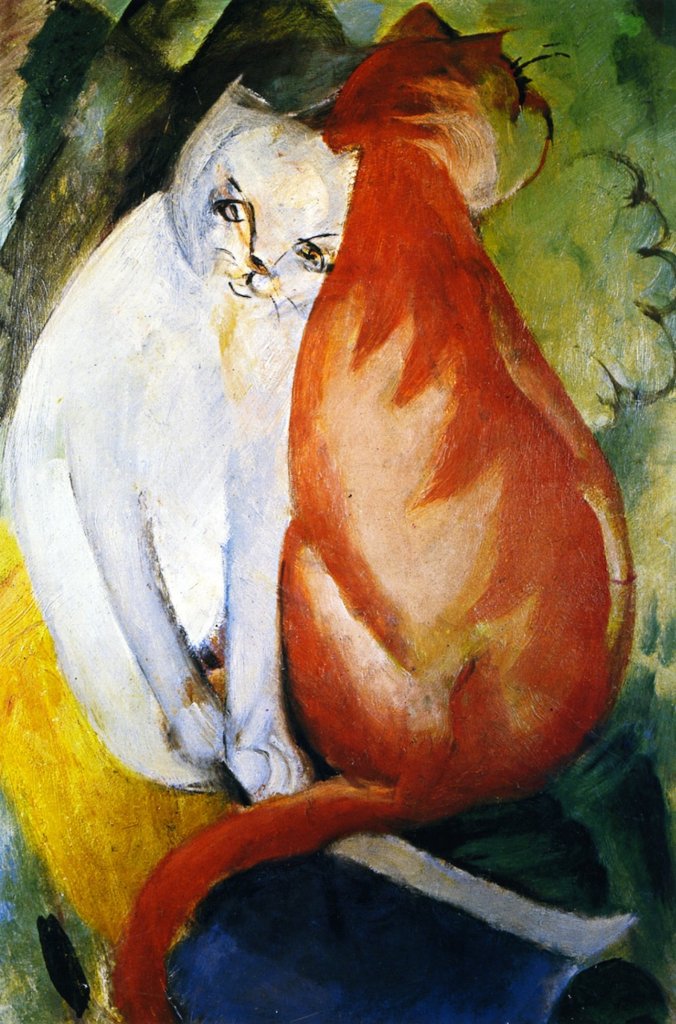
Nuestro segundo maestro, que le gustaba pintar gatos, es Franz Marc, nacido en Alemania (1880 Múnich). Marc era un expresionista alemán que se le conoce por sus retratos de animales. Le gustaba mucho usar colores primarios, con mucha brillantez, llenos de fuerza y emoción… Marc fue atravesando estilos, desde el impresionismo, pasando por el cubismo, futurismo y expresionismo, hasta llegar a la abstracción. Veneraba de forma mística al mundo de los animales y detestaba a los humanos, pensando que no eran merecedores de un retrato suyo. Marc se incorporo al ejercito durante la primera guerra mundial y murió en batalla en 1916.
+ + +
Our second master, who loved painting cats, is Franz Marc (1880 Munich). Marc was a German expressionist known for his animal portraits. He loved using primary colours, bright and full of strength reflecting emotion… Marc tried many styles, from impressionism, cubism, futurism and expressionism, to end in abstraction. He revered the world of animals in a mystical way and detested humans, thinking they did not merit him painting their portrait.Marc volunteered to fight WWI and died in battle in 1916.
(Kater auf gelbem Kissen/1912)
(Gatos/1912)
+ + + + +
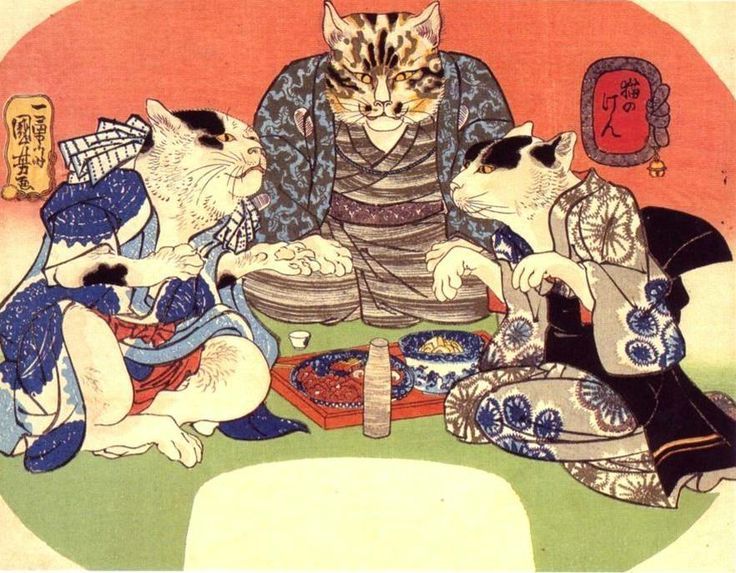
El tercer artista amante de los gatos es Utagawa Kuniyoshi. Nació en Edo (antiguo nombre de Tokio) en 1798. Fue maestro de la técnica del ukiyo-e en la impresión xilográfica. Comenzó a estudiar arte a la edad de doce años y murió en 1861.
+ + +
The third cat-loving artist is Utagawa Kuniyoshi. He was born in Edo (the former name of Tokyo) in 1798. He was a master of the ukiyo-e technique in woodblock printing. Kuniyoshi began studying art at the age of twelve and passed away in 1861.
(«Pink Drummer»/Francisco Bravo Cabrera/Derechos Reservados/All Rights Reserved)
¿Conoces realmente lo que es el expresionismo cuando se refiere a la pintura? Bueno, yo te lo voy a explicar. Sencillamente es la manera que el pintor escoge para representar la composición, o la idea de una composición, que va poner sobre la tela. No es lo que está viendo el pintor, o sea el modelo, o lo que recuerda haber visto, no, lo que pinta es la impresión que le causo y como lo ha visto por dentro. Así expresa la forma y la pinta bien sea usando la figuración o la abstracción. Claro, el expresionismo nació en Alemania con los famosos expresionistas alemanes, i.e. Otto Dix et al. Luego se extendió a Austria y ahí están los expresionistas austriacos, entre ellos Oscar Kokoschka, uno de mis preferidos. El expresionismo, vanguardia del Siglo XX, surgió también en el cine, en el teatro y en la danza. Rápidamente el expresionismo se extendió por toda Europa y por América, el gran continente y aún es una de las formas interesantes que un artista puede utilizar para plasmar una idea, una forma, o una abstracción sobre un lienzo.
+++
Do you really know what expressionism in painting is? Well, I’m going to explain it to you. Simply put, it is the way the painter chooses to represent the composition, or the idea of a composition, that he is going to put on the canvas. It is not what the painter is seeing, meaning the model, or what he remembers having seen; no, what he paints is the impression that it caused him and how he hast seen it from within. This is how the painter expresses form and colour, whether using figuration or abstraction. Of course, expressionism was born in Germany with the famous German expressionists, i.e., Otto Dix et al. It then spread to Austria, where the Austrian expressionists are found, including Oscar Kokoschka, one of my favourites. Expressionism, as one of the vanguards of the 20th century, became popular also in cinema, theatre, and dance. Quickly, expressionism spread throughout Europe and throughout the great American continent. And it is still one of the very interesting forms that an artist can use to convey an idea, a shape, or an abstraction onto a canvas.
+++++
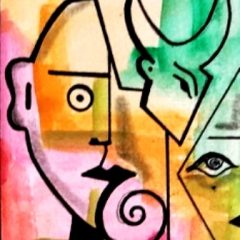
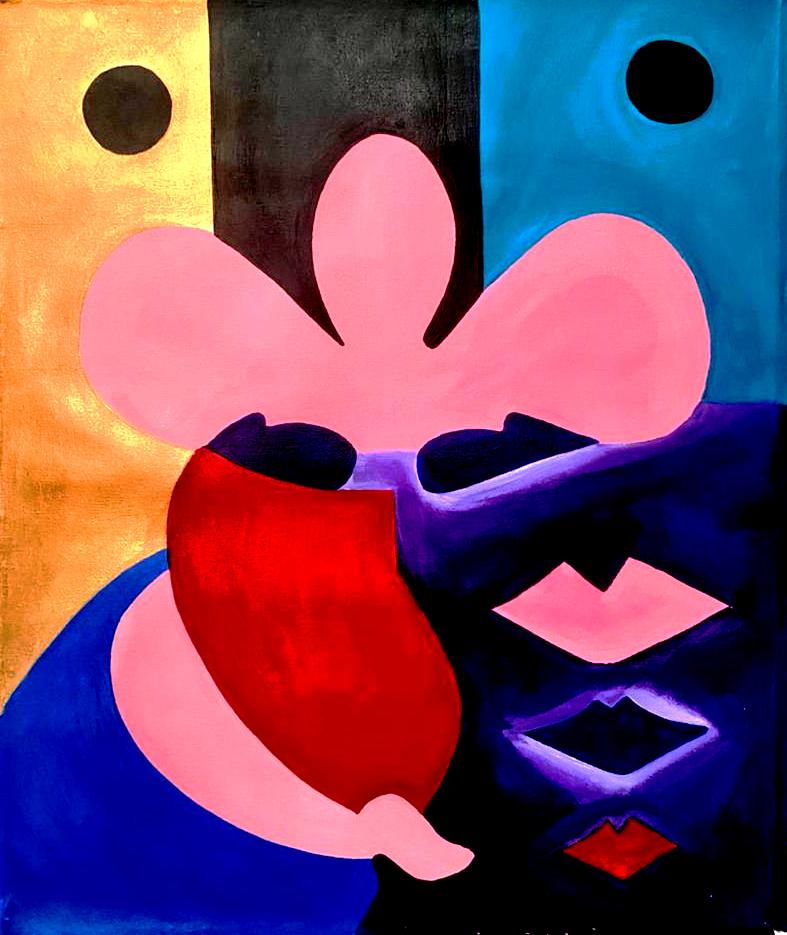
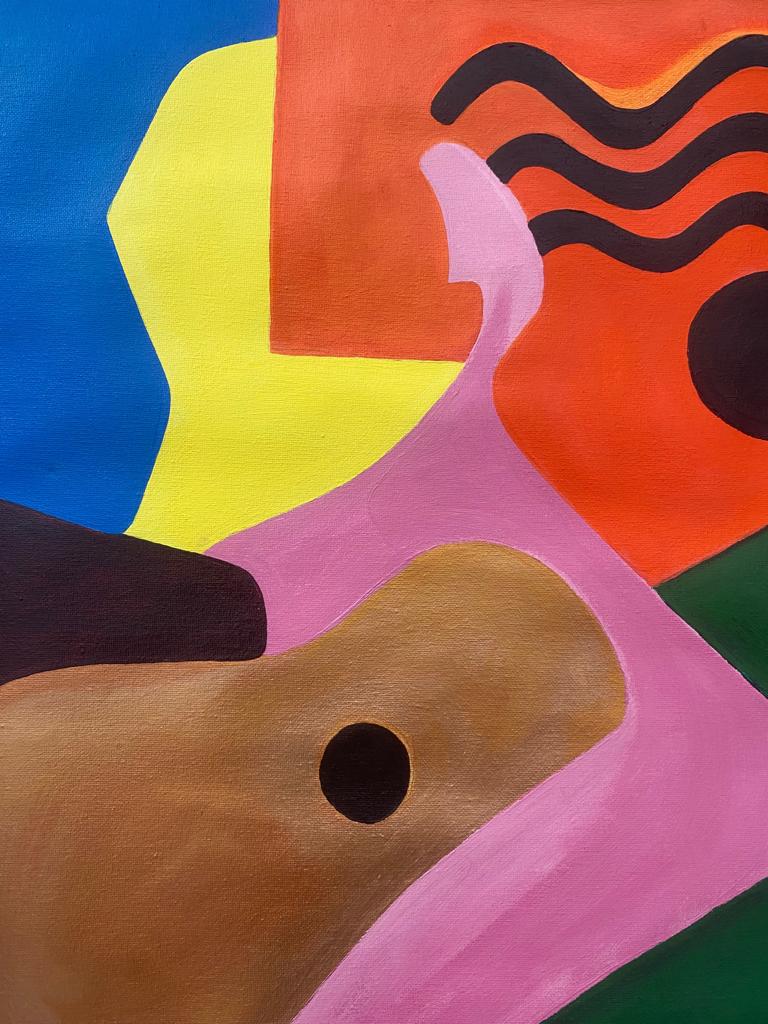
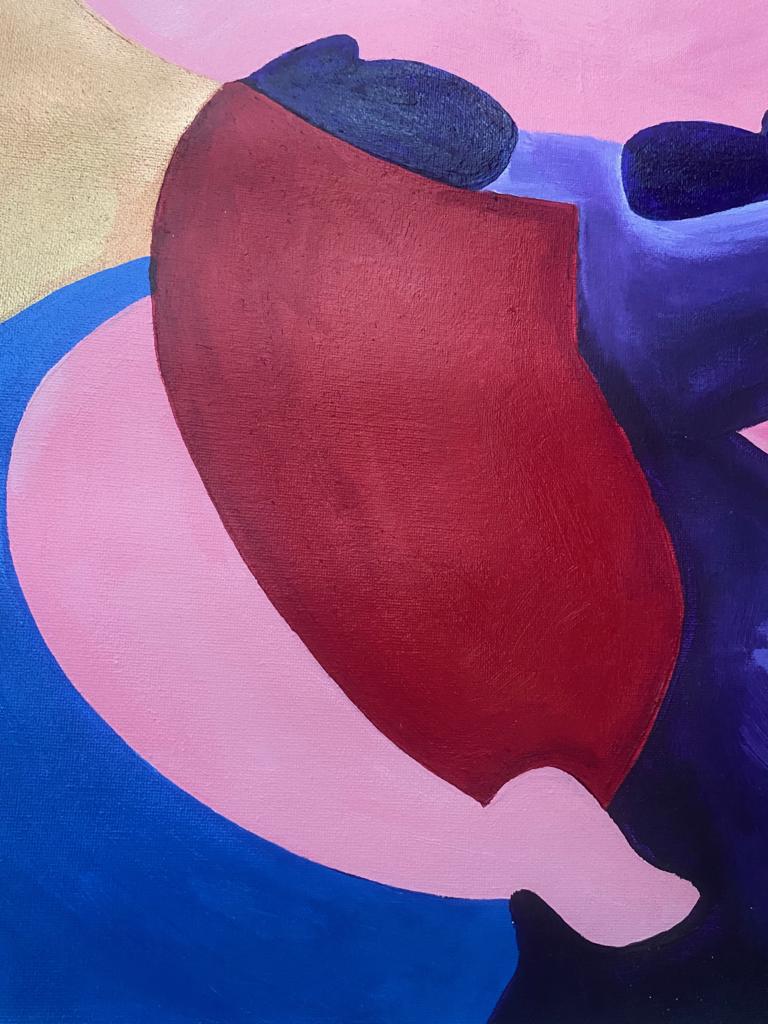
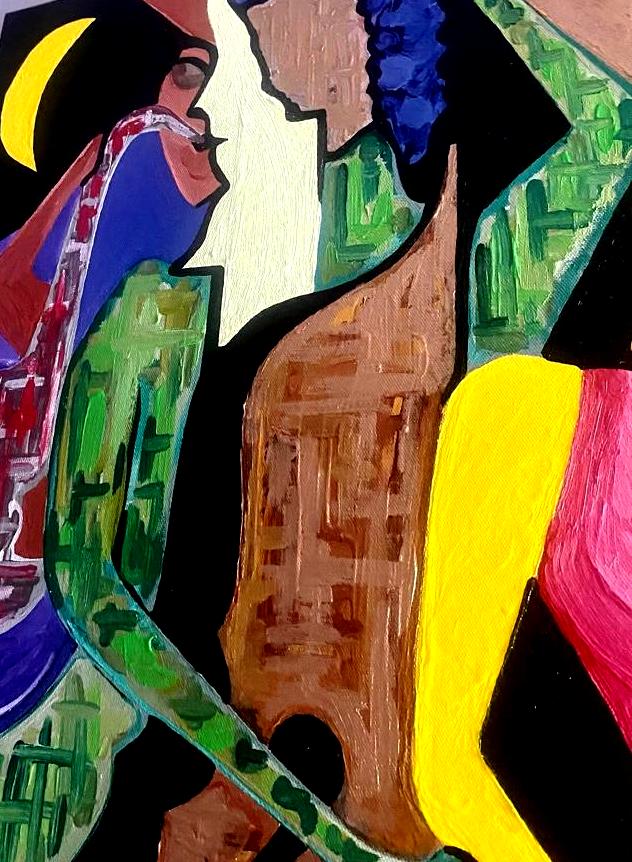
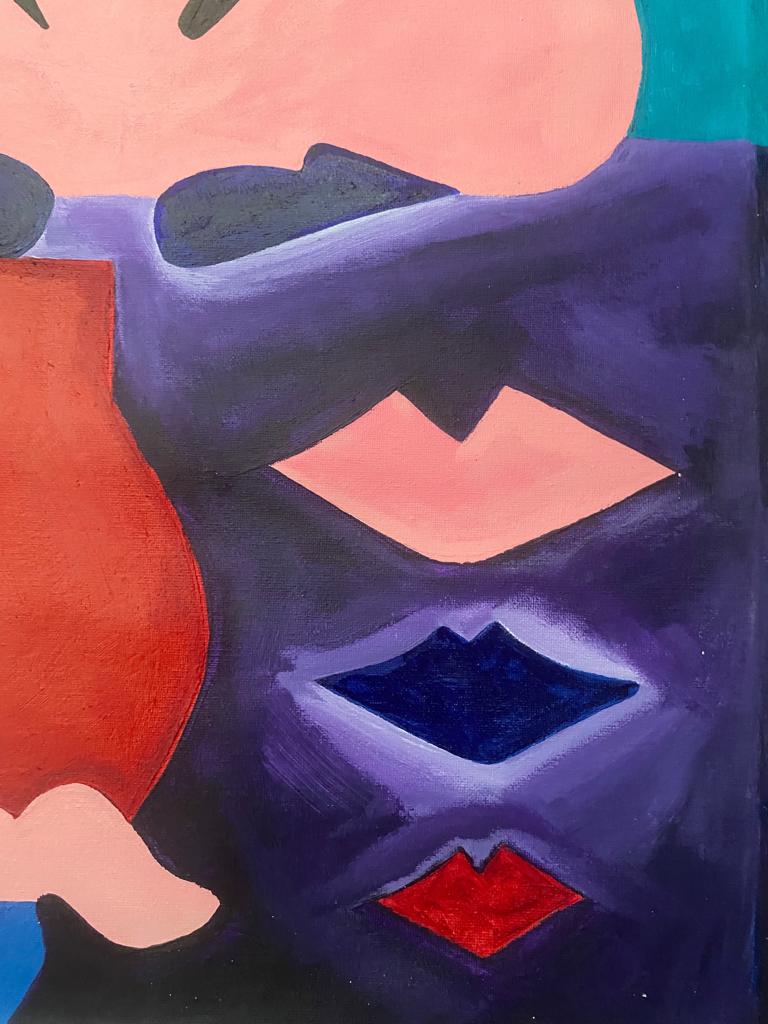
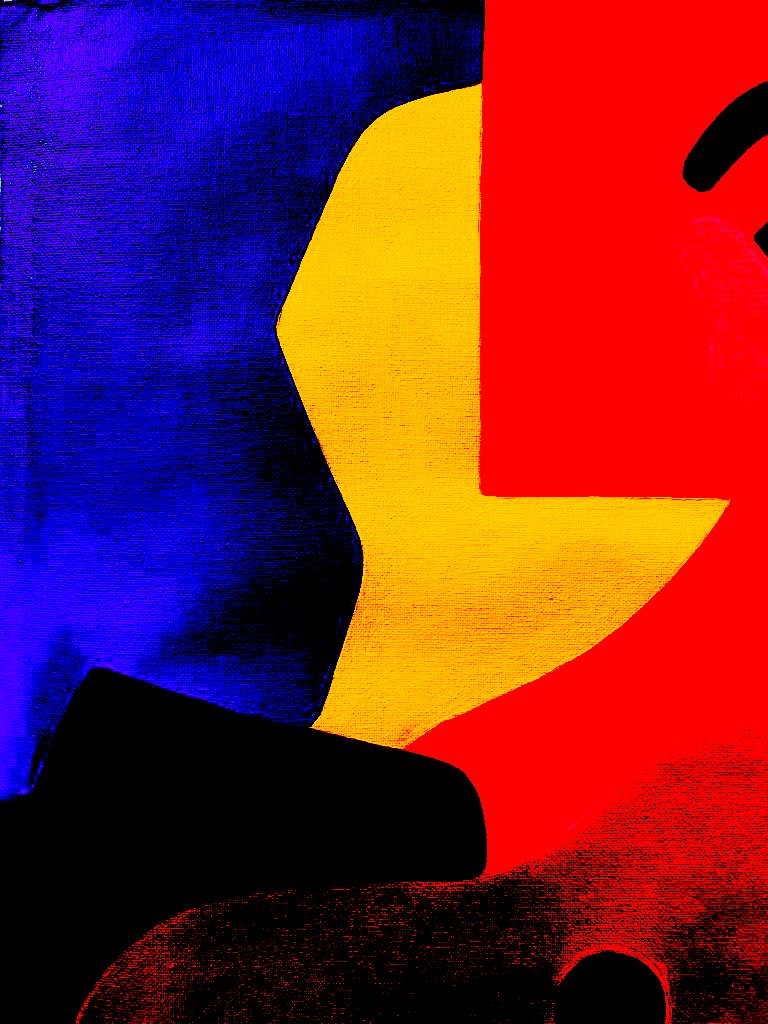
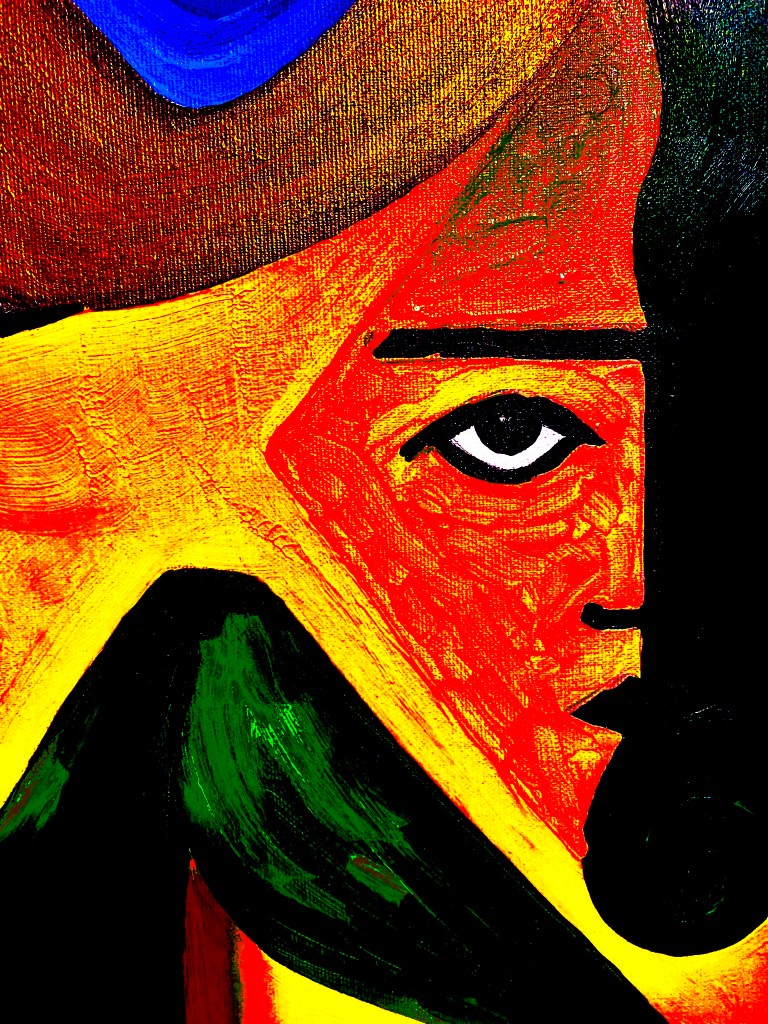
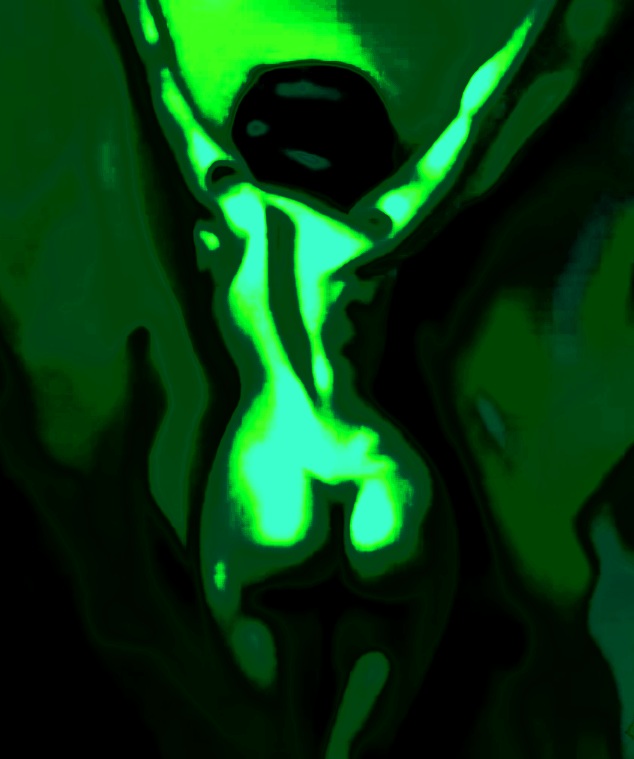
Yo he trabajado mucho el expresionismo en mis pinturas. Me gusta la idea y la libertad que me da para representar sin los limites que impone el «realismo» en las pinturas. Aqui os muestro algunas obras expresionistas y fragmentos y detalles de otras. Estas obras son de los principios del Siglo XXI…
+++++++
I have worked a lot with expressionism in my paintings. I like the idea and the freedom it gives me to represent without the limits imposed by «realism» in paintings. Here I show you some expressionist works along with fragments and details of others. These works are from the early 21st century…
Screenshot(Obras originales de Francisco Bravo Cabrera/Derechos Reservados/Original works by Francisco Bravo Cabrera/All Rights Reserved)
(Bodo Vespaciano/Actor portrayal/All Rights Reserved)
Although we are in town and in studio, we will be away from the blog due to obligations concerning exhibitions at Omnia Caelum Studios Valencia. But we will not leave VALENCIARTIST devoid of posts…
And… all ARTISTS, WRITERS, POETS, MUSICIANS, DANCERS, etc. who wish to participate in the new series of interviews on FEATURES by VALENCIARTIST, please respond to this post with your email address and we will send you the information.
All the best to everybody and we will be back soon!
+++
Estaremos en el estudio y en nuestra València, pero alejados del blog debido a las tantas obligaciones relacionadas con las exposiciones de Omnia Caelum Studios Valencia. ¡Pero no dejaremos a VALENCIARTIST sin publicaciones diarias!
Y… todos vosotros ARTISTAS, ESCRITORES, POETAS, MÚSICOS, BAILARINES etcétera, que deseéis participar en la nueva serie de entrevistas que se publicará en FEATURES by VALENCIARTIST, por favor mandadnos, como respuesta a este post, vuestro correo electrónico y os enviaremos la información.
¡Os deseamos lo mejor a todos y volveremos pronto!
(Bodo Vespaciano/Actor portrayal/All Rights Reserved)
Although we are in town and in studio, we will be away from the blog due to obligations concerning exhibitions at Omnia Caelum Studios Valencia. But we will not leave VALENCIARTIST devoid of posts…
And… all ARTISTS, WRITERS, POETS, MUSICIANS, DANCERS, etc. who wish to participate in the new series of interviews on FEATURES by VALENCIARTIST, please respond to this post with your email address and we will send you the information.
All the best to everybody and we will be back soon!
+++
Estaremos en el estudio y en nuestra València, pero alejados del blog debido a las tantas obligaciones relacionadas con las exposiciones de Omnia Caelum Studios Valencia. ¡Pero no dejaremos a VALENCIARTIST sin publicaciones diarias!
Y… todos vosotros ARTISTAS, ESCRITORES, POETAS, MÚSICOS, BAILARINES etcétera, que deseéis participar en la nueva serie de entrevistas que se publicará en FEATURES by VALENCIARTIST, por favor mandadnos, como respuesta a este post, vuestro correo electrónico y os enviaremos la información.
¡Os deseamos lo mejor a todos y volveremos pronto!
(«Culo»/Francisco Bravo Cabrera/Derechos Reservados/«Arse»/All Rights Reserved)
Bailar sin mover el culo es como comer sin mover los dientes…
La dinámica del baile se nutre de nuestros pensamientos más íntimos y de nuestros sueños…
El cuerpo determina el limite de nuestros movimientos porque la cabeza sigue girando, vacilando y creando nuevos pensamientos…
Bailar es entrar en otra dimension, pasear por el multiverso, conversar con los estímulos más básicos, pero relegados a la oscuridad hasta que los pies se empiezan a mover y el culo a girar,
¡Venga, que estamos bailando!
Pero bailando sobre las tenues tablas que cubren el estercolero. La corrupción ha llevado a tantos al cubo de basura de la historia y lo estamos viendo, o sea estamos viviendo esa historia en estos momentos. Parece mentira que todavía podamos bailar, pero nos hace falta hacerlo para ver si no salen más de allí dentro los culpables y los traidores.
(Bodo Vespaciano/Actor portrayal/All Rights Reserved)
Although we are in town and in studio, we will be away from the blog due to obligations concerning exhibitions at Omnia Caelum Studios Valencia. But we will not leave VALENCIARTIST devoid of posts…
And… all ARTISTS, WRITERS, POETS, MUSICIANS, DANCERS, etc. who wish to participate in the new series of interviews on FEATURES by VALENCIARTIST, please respond to this post with your email address and we will send you the information.
All the best to everybody and we will be back soon!
+++
Estaremos en el estudio y en nuestra València, pero alejados del blog debido a las tantas obligaciones relacionadas con las exposiciones de Omnia Caelum Studios Valencia. ¡Pero no dejaremos a VALENCIARTIST sin publicaciones diarias!
Y… todos vosotros ARTISTAS, ESCRITORES, POETAS, MÚSICOS, BAILARINES etcétera, que deseéis participar en la nueva serie de entrevistas que se publicará en FEATURES by VALENCIARTIST, por favor mandadnos, como respuesta a este post, vuestro correo electrónico y os enviaremos la información.
¡Os deseamos lo mejor a todos y volveremos pronto!
Brilliant are the bright black notes that fill the pentagram with the thrill of the allegretto and the fluid melody of the adagio, the andante, the largo,
and suspenseful is the beat of the snare, the cymbal or the tympany, and the double beats of the conga drum, the bongos or the tambourine,
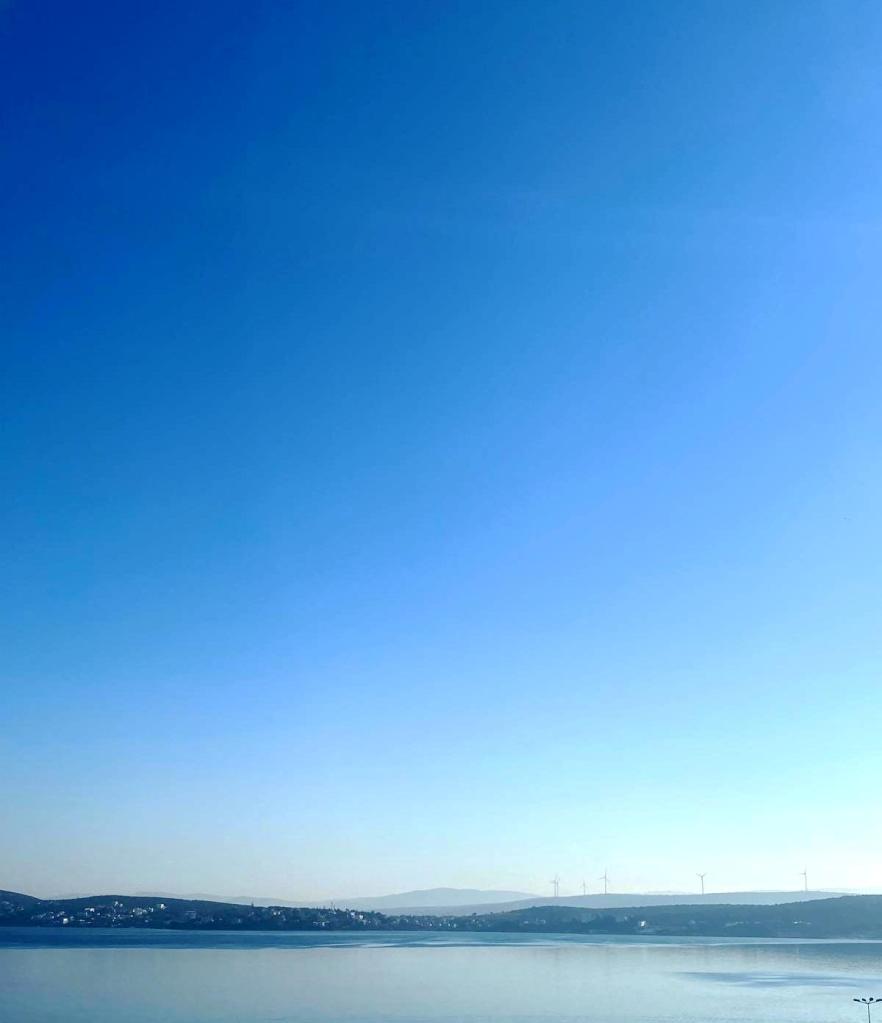
but blessed is the silence that awakes me each morning when I rise to greet the sea…
C.2024, Francisco Bravo Cabrera – 28 OCT 2024 – Valencia, Spain
NOTA BENE
Although I think you probably know what an Euro-Ku is, in case you don’t, I will tell you…
I invented the Euro-Ku in February 2022 to be able to fulfil my desires to write a Haiku. But when I realised what a Haiku is, I understood that being a Westerner, I had not the culture or the history of the great Japanese poets who specialise in Haiku. So, I decided to honour the style by manipulating it and the result was what I called the Euro-Ku, being that I, as a European, is writing it. I know that my good friend and fellow poet, Joni Caggiano, has written in the style, but being an American, her poems are Ameri-Ku. Both are the same as both are expressions of Westerners on something invented by Easterners…
The Euro-Ku (and Ameri-Ku as well) is composed of three verses, stanzas, paragraphs, however you want to classify them. But the idea has to be clearly, and logically, transferred from one verse to the next without floating off into space. Keep the poem concise, like a conversation. And there is no limits as to how many syllables you can use. The verses can be as long or as short as you need to make them to get your message across. The only other requirement is that there be an un-edited illustration of your creation as well, or for which you have the rights of publication.
So, you do these simple things and you have written an Euro- or Ameri-Ku…






 JaZzArt en València