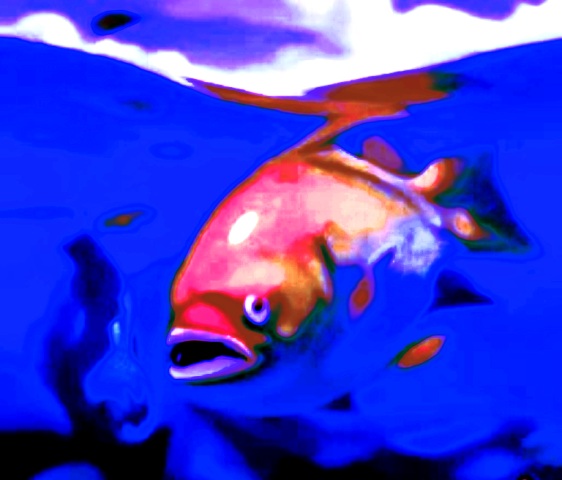
(«Peix»/Francisco Bravo Cabrera/Derechos Reservados/All Rights Reserved)
Llega la temporada de grandes cambios en Omnia Caelum Studios Valencia y por eso no vamos a estar, como de costumbre, en el blog, pero si estaremos al tanto y seguiremos publicando, aunque tendremos que re-ciclar algunas entradas, pero os prometemos que serán las más interesantes. Hasta pronto…
+++
The season of great changes is arriving at Omnia Caelum Studios Valencia, and that’s why we won’t be as present on the blog as usual. However, we will stay informed of your posts and continue publishing, although we will have to recycle some posts, but we promise they will be the most interesting ones. See you soon…
+++++
Arriva la stagione dei grandi cambiamenti in Omnia Caelum Studios Valencia e per questo non saremo, come al solito, sul blog, ma saremo attenti e continueremo a pubblicare, anche se dovremo riciclare alcuni post, ma vi promettiamo che saranno i più interessanti. A presto…
+++++++
Chegou a temporada de grandes mudanças na Omnia Caelum Studios em Valencia e por isso não estaremos, como de costume, no blog, mas estaremos atentos e continuaremos publicando, embora tenhamos que reciclar algumas postagens, prometemos que serão as mais interessantes. Até breve…
+++++++++
La saison des grands changements arrive chez Omnia Caelum Studios à Valence, et c’est pourquoi nous ne serons pas, comme d’habitude, sur le blog, mais nous resterons à l’écoute et continuerons à publier, même si nous devrons recycler certains articles, mais nous vous promettons qu’ils seront les plus intéressants. À bientôt…
Welcome back to our series on art history. We continue with some painters of the Spanish Renaissance. And we hope that this will provoke you to seek more, research more and investigate. Art history is very important to both artists, who need to know it and know it well, and to art collectors or lovers of art who will appreciate the art they love so much more. We would like to feature the Renaissance art of other European countries, if there are many likes to videos like this one. So if you promise to give us a like, we promise to continue with the series. Stay in touch.
Marlene Dumas nació en Ciudad del Cabo en 1953 y ahora vive en Holanda (bueno ahora se llama Países Bajos)… Su cuadro «Miss January» (1997) se ha vendido en la casa de subastas Christie’s por la friolera de $13,6 millones de dólares… la venta del pasado 14 de mayo de «Miss January» bate el record y es ahora el cuadro, de una artista femenina (viva), que ha logrado el mayor precio en subasta. El record que supero fue el del cuadro de Jenny Saville, «Propped» que se vendió por $12,4 millones de dólares en Sotheby’s… Para que conozcas a Marlene Dumas, te dire que recibió su licenciatura en artes visuales en 1975 de la Universidad de la Ciudad del Cabo… En 1995 representó a Holanda en la bienal de Venecia y en 1996 la Tate Gallery exhibió sus obras… Su obra tiende a dirigirse a la representación del cuerpo humano, por dentro y por fuera. Muchas veces pinta a sus sujetos o al comienzo o ya cerca del fin y usa la figura humana para hacer criticas de ideas contemporáneas sobre la identidad racial, sexual y social.
+++
Marlene Dumas was born in Cape Town in 1953 and now lives in the Netherlands… Her painting «Miss January» (1997) was sold at Christie’s for a staggering $13.6 million… the sale on May 14 of «Miss January» broke the record and is now the painting by a living female artist that has achieved the highest price at auction. The record she surpassed was that of Jenny Saville’s painting, «Propped,» which sold for $12.4 million at Sotheby’s… To get to know Marlene Dumas, I should tell you that she received her bachelor’s degree in visual arts in 1975 from the University of Cape Town… In 1995, she represented the Netherlands at the Venice Biennale, and in 1996 the Tate Gallery exhibited her works… Her work tends to focus on the representation of the human body, from the inside out. She often paints her subjects either at the beginning or near the end, using the human figure to critique contemporary ideas on racial, sexual, and social identity.
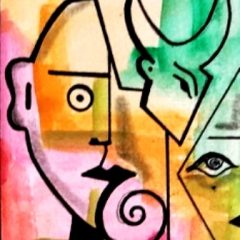
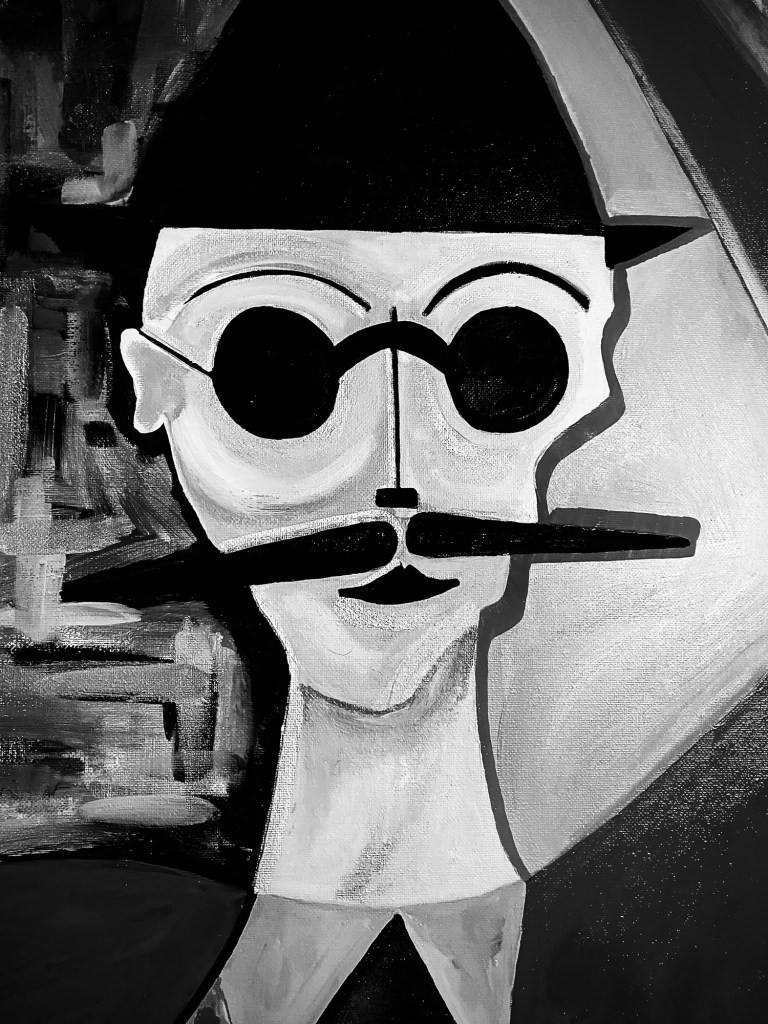
(“Pino”/detail/Francisco Bravo Cabrera/All Rights Reserved)
It seems to me that when artists are asked to speak about art they usually go into their artist «character» and begin to talk about art as something almost esoteric, or religious. It would almost seem as if they are making the artists as being the new priests of the creative world. I don’t buy it.
Sometimes art lovers, non-artists, also begin to define art as something that is beyond the means and the reach of «ordinary» folk. I have heard people say that artists are born like that, with that «gift» or «ability» with statements such as «Van Gogh had so much talent». Good grief! Is being an artist now a genetic condition? Is talent a genetic trait? As far as I know Mendel did not name it as one.
Art is nothing like that at all, in my opinion. Artists are as ordinary as anybody else. Art is a profession, and a craft, like being a plumber or a neurosurgeon. One likes art, one is inclined, (is that the «gift»?), one first gets into it in High School. Then one enrols in college and takes art courses. Finally one majors in Fine Arts and graduates from University. Then one begins a professional life as an artist with one goal in mind, to make as much money as possible.
That is all there is to art. Actually the great Renaissance masters never thought of themselves as artists. They considered themselves as skilled craftsmen. And when a client came to their studios, they would show them samples of their craft. Usually they were small portraits, as portraits were the paintings commonly commissioned from them. Then they would negotiate a price and offer different plans like the good plan, the most expensive one being that the master artist paints the entire portrait. A second option would be that the portrait is partially painted by the master and the rest by the other artists operating in the studio. And the cheapest option would be a portrait painted entirely by the studio assistants. That is how the «art world» functioned in the old days.
But believe me, no one is born with a gift for art, or for the piano or for the ballet stage. One trains, rehearses, and one practices tirelessly. One realises that practice makes perfect so one practices all day, every day. The more one works the more one develops talent. And that is another issue that is greatly misunderstood by many. No one is born with talent. I cannot stress that enough. Talent is something that is developed, like muscles. One trains, one gets stronger and the body begins to show muscle development. The same thing with artistic talent. The more you paint the better you get. The more you play the tuba the better you get. In other words, the more talent you develop.
So, as an artist, I am asked all the time about the process of art and my reply is always, more or less, the same. Art is a profession. Not everyone is an artist, and not every one can make art of the same quality. Let us say that we all have the potential, but not all have the will, the drive or the desire to be an artist. And no, your five year old who just drew a «beautiful» picture of your family that you proudly hang in the refrigerator, they are not an artist. They might want to be, some day. I mean would you say just because that same five year old built a lego structure that they are an engineer?
And please do not misunderstand. I am not saying that every artist must go the academic route and graduate from uni. An artist can train at a private academy, or at any type of school. Or they can train themselves through books, videos (nowadays videos are the new books and there are many), or with other artists. But remember, no one teaches themselves, we all learn from someone or some thing. So if you have the inclination, go for it!
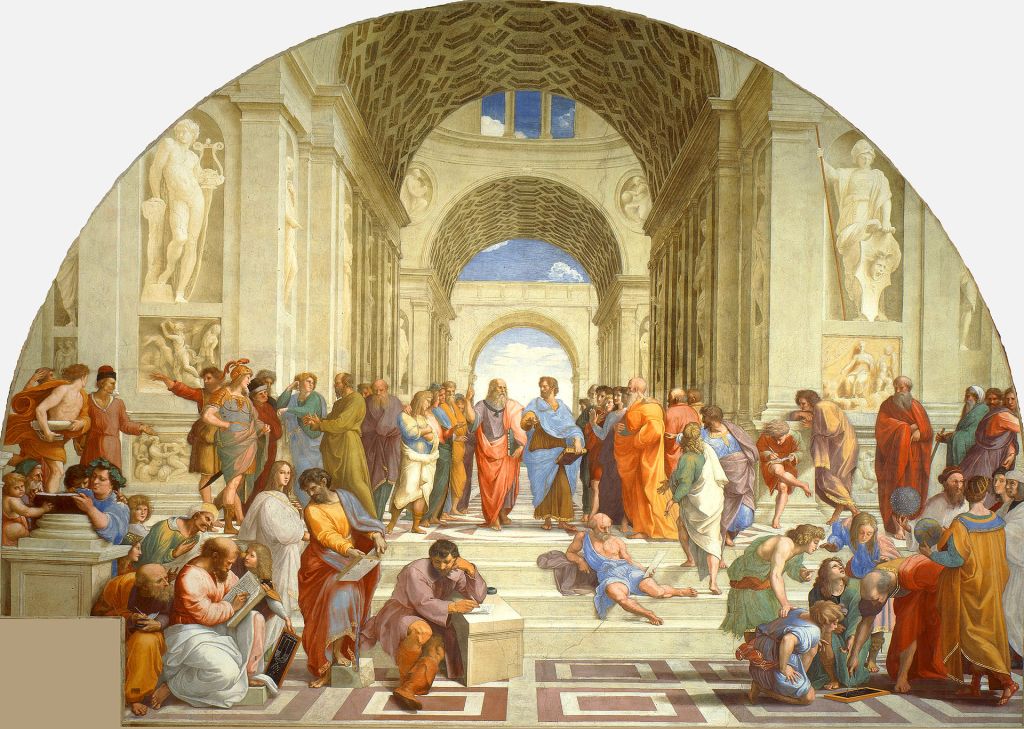
From the QUATTROCENTO we now enter the CINQUECENTO, or the High Renaissance. Now, remember that we are concentrating totally in Italy. There were other things going on in Europe which we will look at shortly.



 JaZzArt en València