¿No te hace pensar en los políticos?
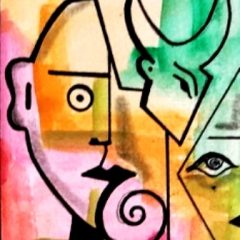
Faith saved us from the savages that we were, losing faith makes us savages again
¿No te hace pensar en los políticos?
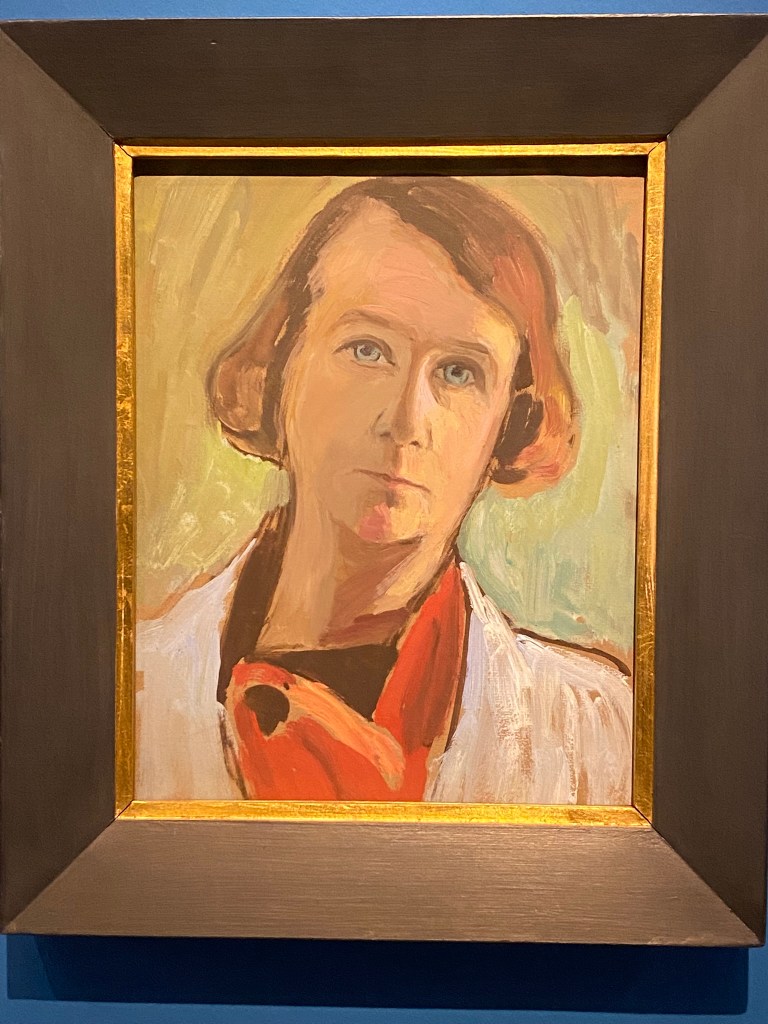
Tengo que decir que me encanta esta pintora expresionista. Cuando me enteré que el Museo Nacional Thyssen-Bornemisza (Madrid) estaba presentando una exposición de ella para allá fui yo. Estas son las fotos de las obras que más me impresionaron. Próximamente preparare un vídeo de la artista y su obra. Pero ahora os dejo esta información muy importante acerca de su obra, su vida y su vision de artista… Nació en Berlin en 1877… Viajó mucho por EEUU, especialmente para juntarse con parientes que tenía en Texas y durante su viaje hizo muchas fotografías… Fue una de las creadoras del movimiento artístico expresionista muniqués Der Blaue Reiter («El jinete azul»)… En 1901 se unió a la escuela de arte progresiva «Phalanx» donde conoció a Wassily Kandinsky… Se fue a Estocolmo durante la primera guerra mundial, luego compró una casa en Murnau donde comenzó a pintar abstractos (pero a su manera, no a la de Kandinsky)… Durante la segunda guerra mundial los Nazis no le permitieron pintar. Ella logró esconder muchas obras de ella y de Kandinsky, salvándolas de la destruccion… Gabriele murió a los 85 años en Murnau (1962).
+++
I have to say that I love this expressionist painter. When I found out that the Thyssen-Bornemisza National Museum (Madrid) was presenting an exhibition of her work, I went there right away. These are the photos of the works that impressed me the most. Soon I will prepare a video about the artist and her work. But for now, here is some very important information about her work, her life, and her artistic vision… She was born in Berlin in 1877… She traveled extensively through the U.S., especially to meet relatives she had in Texas, and during her travels, she took many photographs… She was one of the creators of the Munich expressionist art movement Der Blaue Reiter («The Blue Rider»)… In 1901, she joined the progressive art school «Phalanx,» where she met Wassily Kandinsky… She moved to Stockholm during World War I and later bought a house in Murnau, where she began painting abstract works (but in her own way, not Kandinsky’s)… During World War II, the Nazis did not allow her to paint. She managed to hide many of her works and Kandinsky’s, saving them from destruction… Gabriele died at the age of 85 in Murnau (1962).
+++++
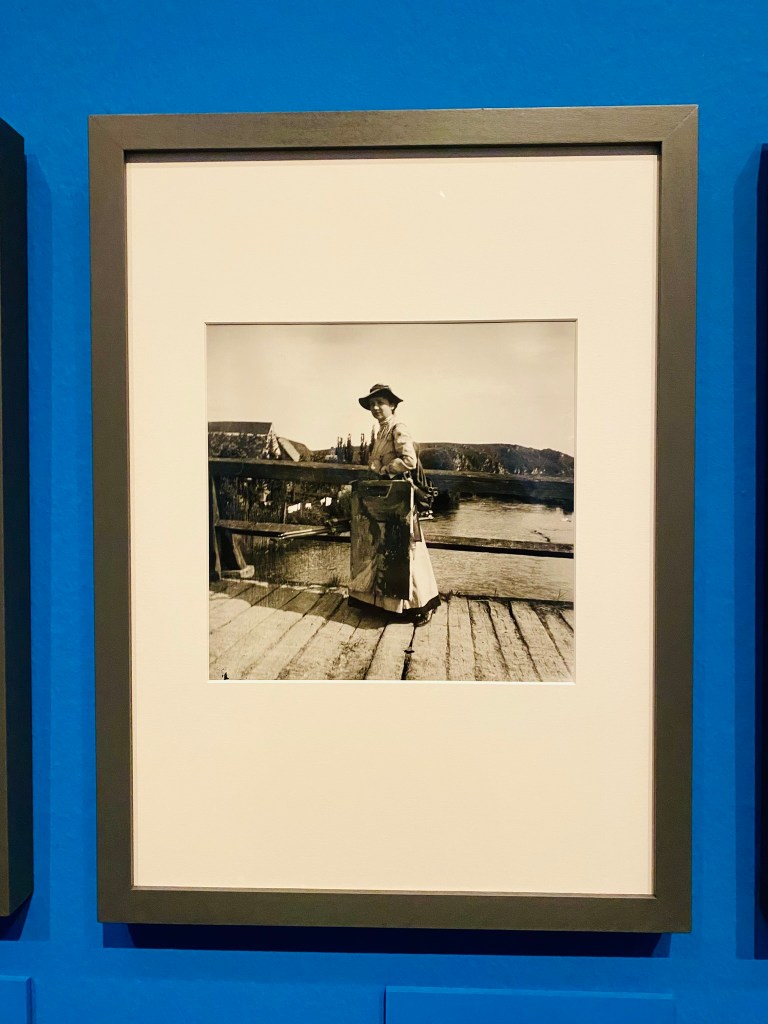
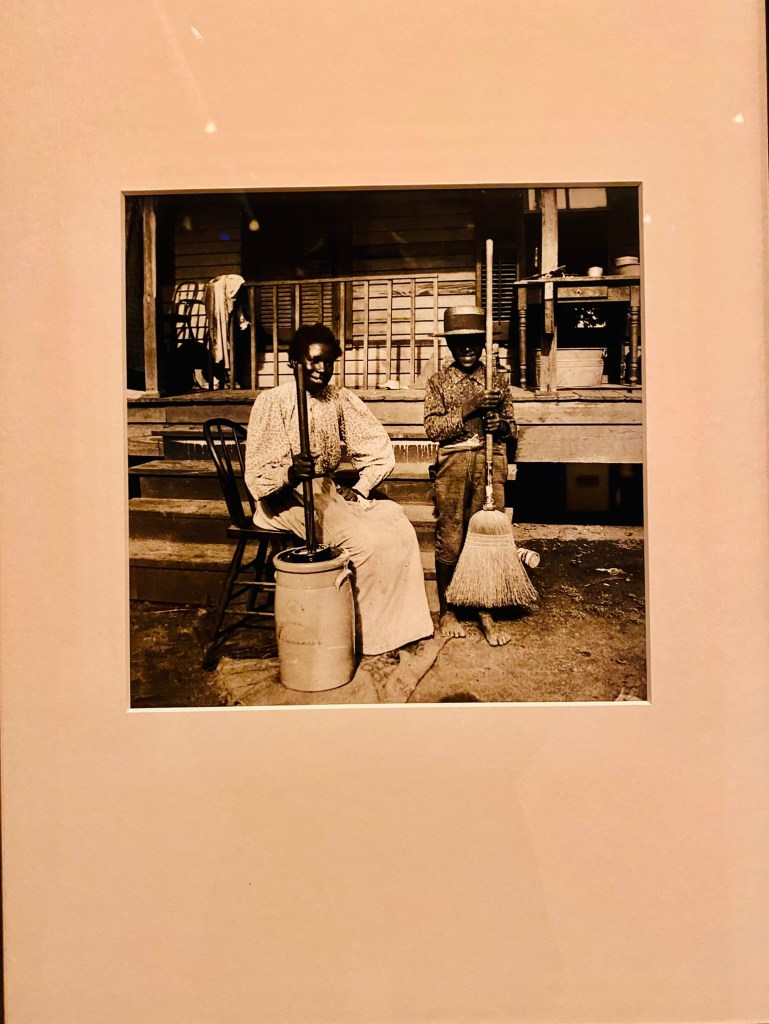
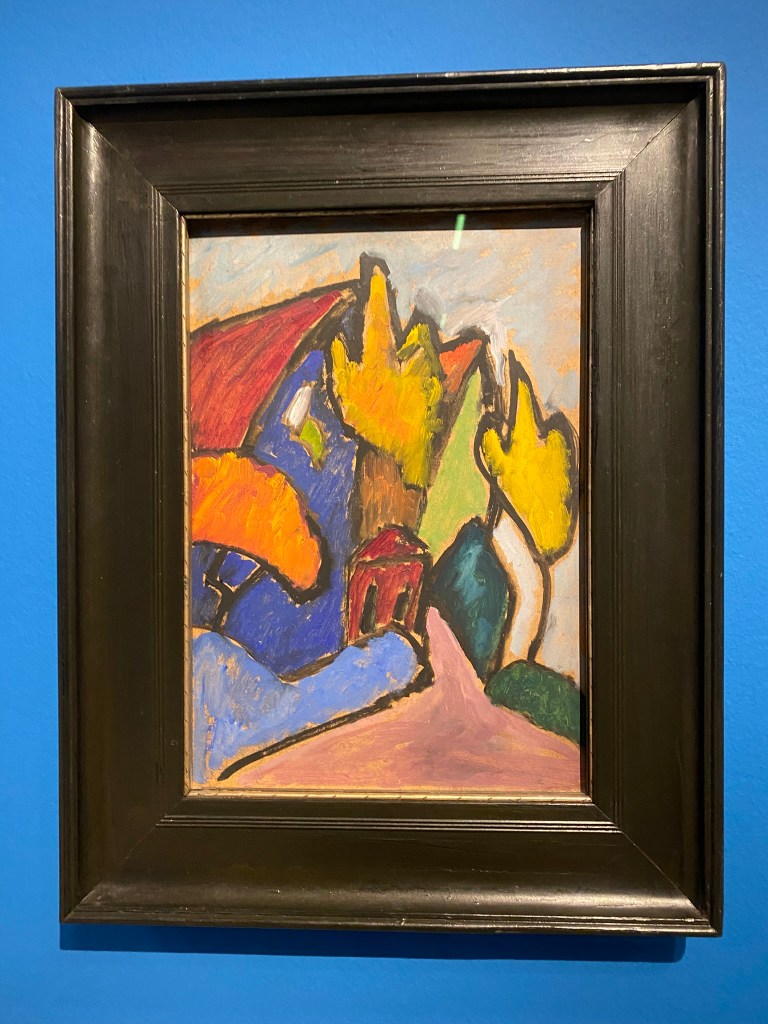
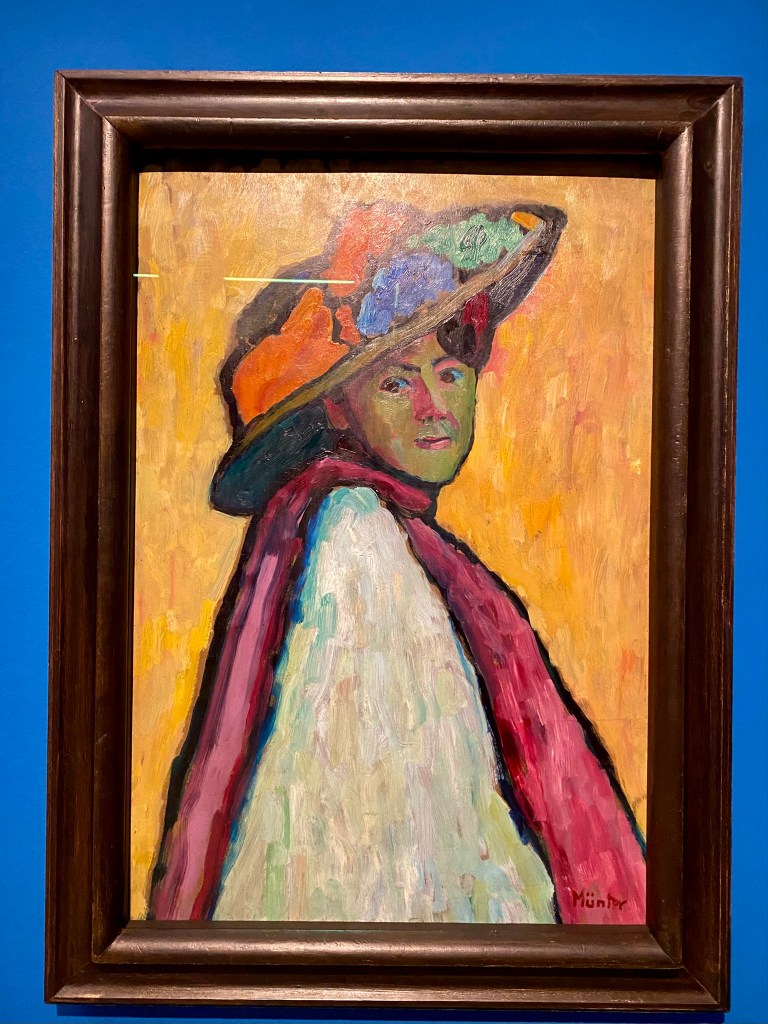
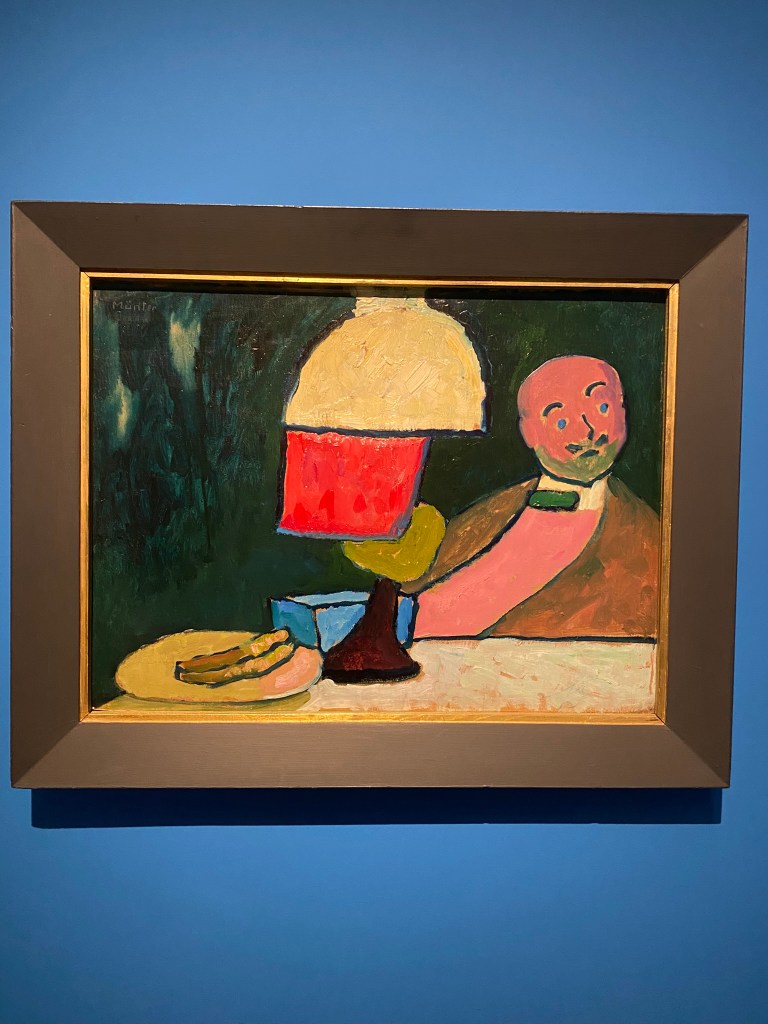
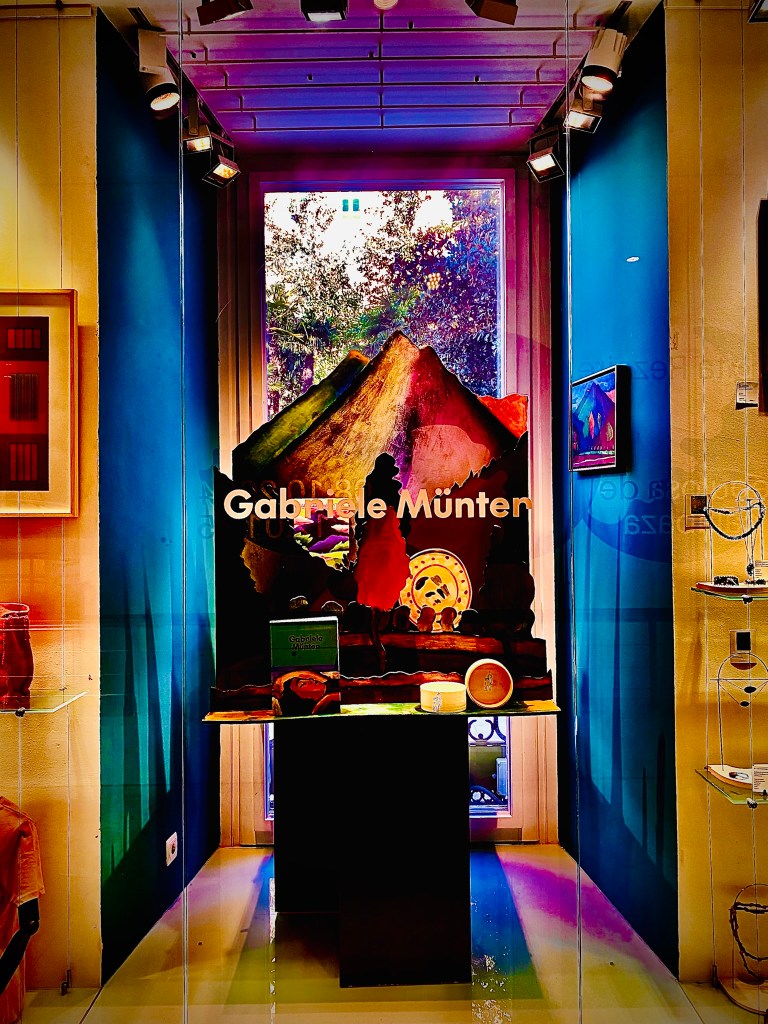
La exposición en el Museo Nacional Thyssen-Bornemisza (Madrid) cierra el 09 de febrero de 2025.
+++++++
The exhibition at the Museo Nacional Thyssen-Bornemisza in Madrid closes on the 9th of February 2025.
GRACIAS – CHEERS
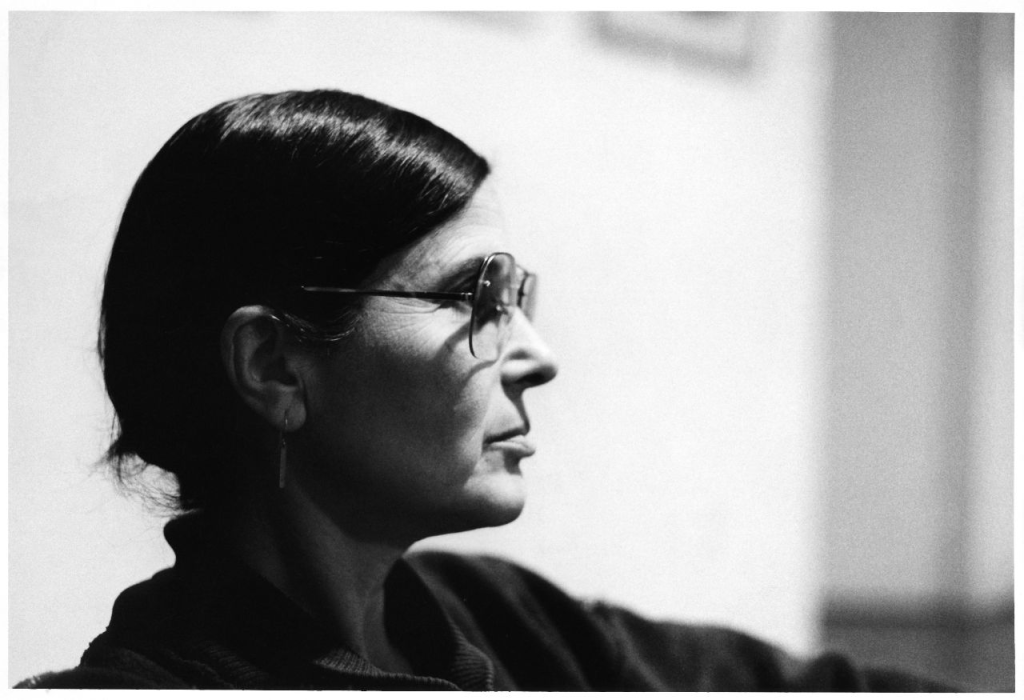
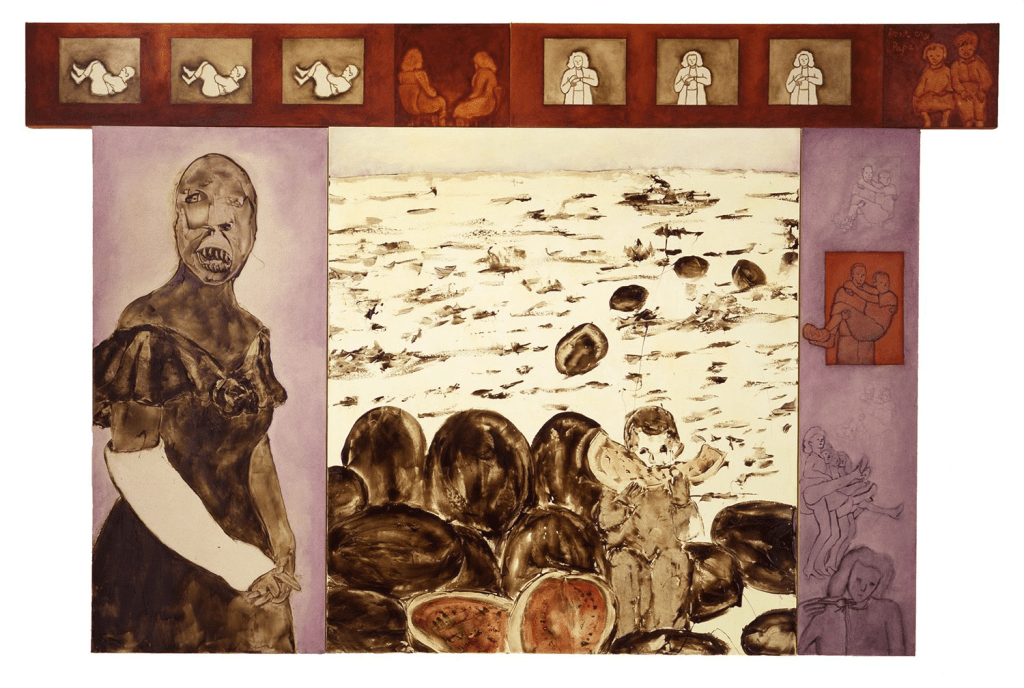
She died a few days ago… She was born on November 11, 1929, in the Bronx, (New York). Her name is Ida Applebroog, daughter of Orthodox Jewish parents, she studied graphic design in Manhattan, stating that she did it because she needed to earn money… She was a feminist, a painter, designer, illustrator of children’s books, and a prolific writer… After moving, with her husband and four children, to Chicago, she enrolled in The School of the Art Institute of Chicago and devoted herself to making jewellery and costume jewellery for the family to sell at art fairs in the city… In 1968, the family moved to California and she began attending art classes at the California Institute of the Arts, which is when her painting style began to develop. Her first exhibition (mixed) was in 1972 at the Long Beach Museum of Art (California)…
It was in 1974, and after relocating back to New York, when she changed her name and became «Ida Applebroog,» (her paternal last name was Applebaum). There she fully developed her style, which consisted of creating figurative artwork resembling comic strips to convey her ideas about feminism, social justice, and domestic violence. In 1977, she wrote a series of books that she self-published and distributed by mail. She also joined «Heresies,» a feminist magazine that addressed topics of art and politics.
Then in 1981, she presented «Applebroog: Silent Stagings«, her first exhibition at the Ronald Feldman Fine Arts in New York, where she continued to exhibit for over twenty years. The theme of this artist has always been to demonstrate the dynamics of «power,» let’s say, of men over women, parents over children, healthcare professionals over patients, and the government over the people…
In 2020, Applebroog’s work was included in a group exhibition at the Perez Art Museum in Miami, Florida, in a presentation titled «My Body, My Rules.» The exhibition showcased the works of women artists such as Louise Bourgeois, Carolee Schneemann, Cindy Sherman, Lorna Simpson, Ana Mendieta, Wanguechi Mutu, Mickalene Thomas, and Francesca Woodman. We will feature all of these artists on this blog.
Ida Applebroog passed away at the age of 93 in Manhattan.
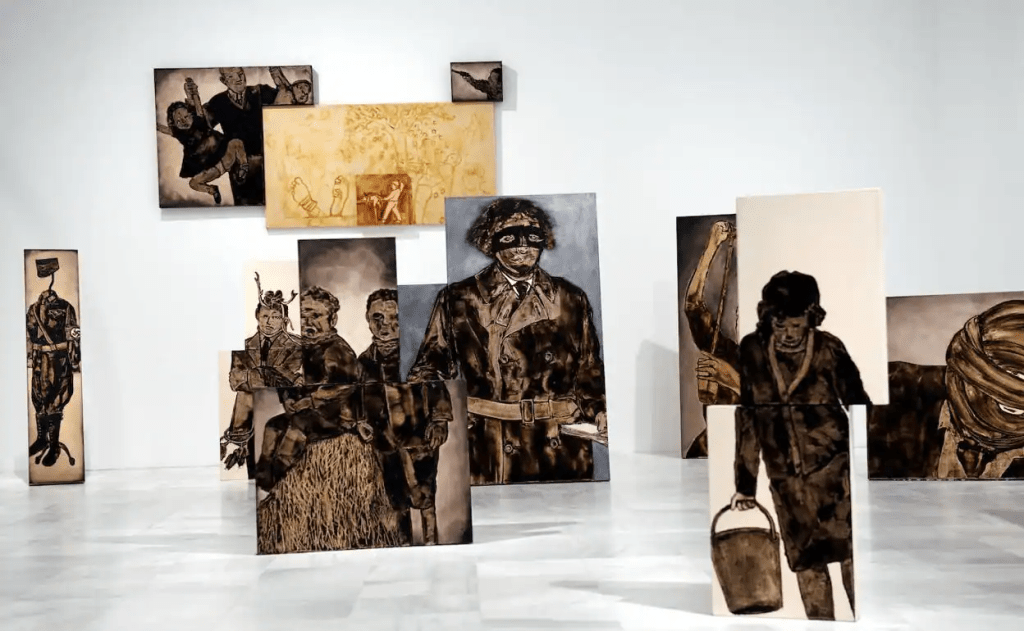
CHEERS
GRACIAS
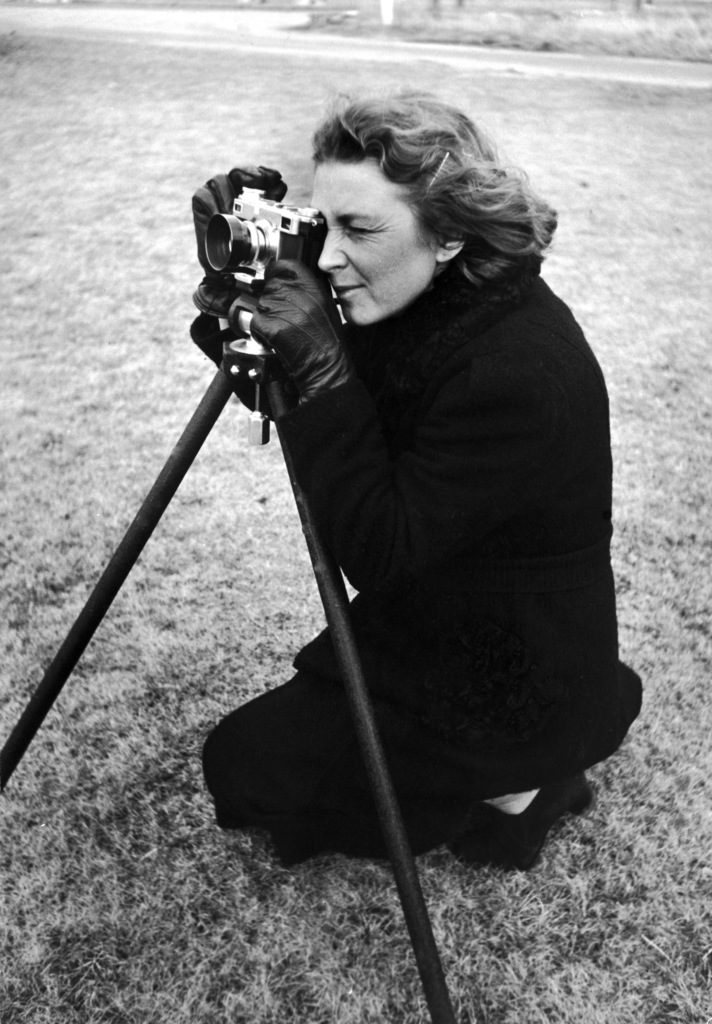
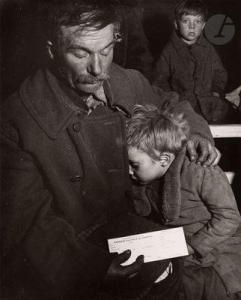
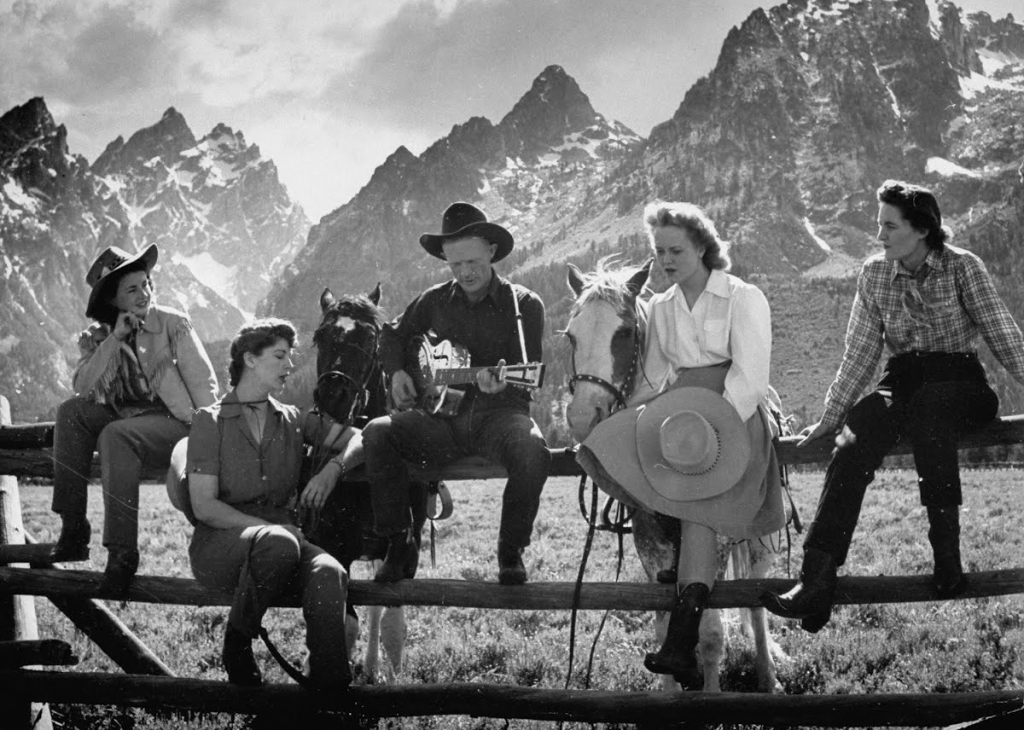
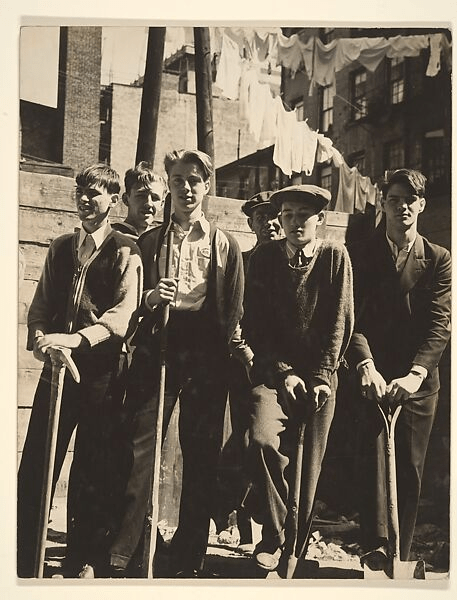
Venga, aquí dándoos a conocer más mujeres artistas, en este caso un fotógrafa, que no es que hayan quedado ignoradas por la historia de la fotografía o del arte, pero es que no se les ha dado el mismo reconocimiento que a los fotógrafos… Hansel (o Johanna) Mieth, fue una fotógrafa alemana que trabajó para la revista norteamericana Life, revista que se hizo famosa por sus fotógrafos y fotografías… A Mieth se le conoce por sus retratos de gente común y corriente, el proletariado norteamericano, durante las décadas de los años 1930 y 1940… En 1930, durante la gran depresión financiera, Hansel Mieth y su pareja, el fotógrafo Otto Hagel (1909-1973), comenzaron a documentar las pésimas condiciones laborales de los obreros migrantes que faenaban en las granjas de EEUU. Hicieron una crónica fotográfica de las malísimas condiciones y del sufrimiento de estas personas. En San Francisco, Sacramento, y en areas rurales documentaron las huelgas y a los campamentos donde estaban obligados a vivir los obreros sin techo durante esas décadas. Así comenzó Mieth a vender sus fotos a varias revistas norteamericanas… En 1937 Hansel Mieth se unió al colectivo de la revista Life, (siendo ella la segunda mujer fotógrafa en ser contratada por dicha revista), se casó con Otto Hagel y ambos se trasladaron a Nueva York… Mieth, que había nacido en Berglen, Alemania en 1909, murió en Santa Rosa, California en 1988…
+++
Ok, so let me introduce you to more female artists, in this case a photographer, who, although they haven’t been totally ignored by the history of photography or art, they haven’t received the same recognition as male photographers… Hansel (or Johanna) Mieth, was a German photographer who worked for the North American magazine Life, a magazine that became famous for its photographers and photographs… Mieth is known for her portraits of ordinary people, the North American proletariat, during the 1930s and 1940s… In 1930, during the Great Depression, Hansel Mieth and her partner, the photographer Otto Hagel (1909-1973), began documenting the terrible working conditions of migrant workers toiling on US farms. They created a photographic chronicle of the terrible conditions and suffering of these people. In San Francisco, Sacramento, and in rural areas, they documented strikes and the camps where homeless workers were forced to live during those decades. This is how Mieth began selling her photos to various North American magazines… In 1937, Hansel Mieth joined the staff of Life magazine (being the second female photographer to be hired by the magazine), married Otto Hagel, and both moved to New York… Mieth, who was born in Berglen, Germany in 1909, died in Santa Rosa, California in 1988…
GRACIAS – CHEERS
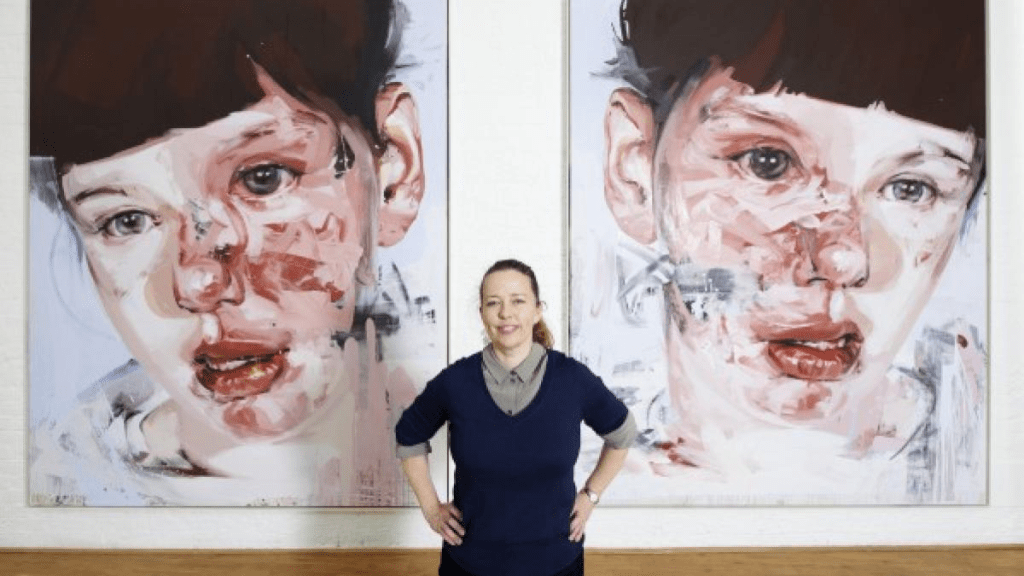
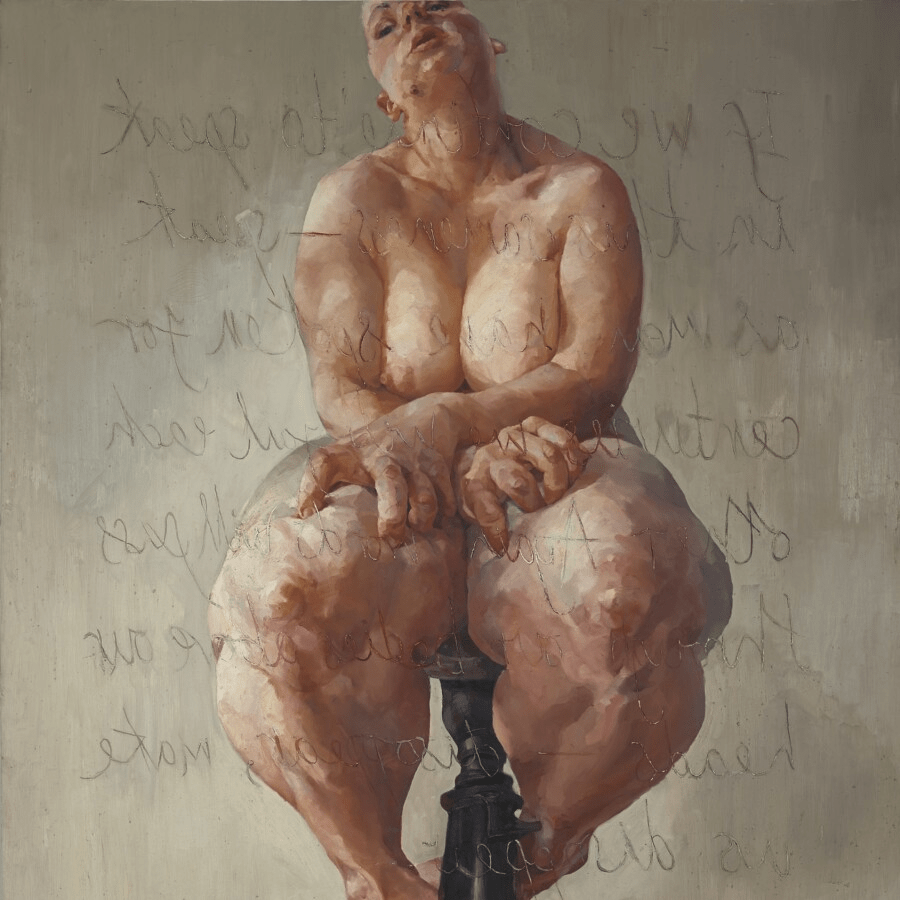
Una obra de esta artista llegó a ser la obra más cara de la historia en 2018. Fue «Propped» (de 1992) y se vendió (en subasta) por 10 millones de euros. Pero no importa, es una mujer y los hombres ganan más pues en la lista de los que mas valen están solo hombres. Algunos de estos son Jeff Koons, Damien Hirst y Banksy, artistas de los cuales no quiero ni acordarme porque uno es un empresario, el otro es un artista con poca imaginación y gusto y el tercero es un «activista» contra sistema que vive muy bien gracias al sistema. La obra de Jenny Saville si la considero arte, buena y verdadera, además de única, original, y muy bien hecha. Saville es una artista consagrada y muy bien preparada. No es una grafitera ni una a la que se le hubiera ocurrido meter un tiburón en un tanque de formol, ni tampoco hace un conejito de acero inoxidable (o de que se yo…), como el de los payasos en los cumpleaños de los críos.
+
This artist had the highest selling work by a woman artist in 2018 when her 1992 painting «Propped» sold at auction for 10 million euros. But it did not matter, male artists sell much higher and she was obscured by artists the likes of Jeff Koons, Damien Hirst and Banksy. These are «artists» which I prefer not to even think about. One is more of a business man than anything else, the other has very little imagination and taste and the third one is an «activist» against the «establishment» which has made him very, very rich. Jenny Saville is a real artist, trained and hard working. She is unique, original and well committed to her art. She is no graffiti activist or one who puts a shark in a tank of formaldehyde or one whose workers have created a bunny made of stainless steel (or whatever).
Jenny Saville nació en Cambridge, Reino Unido en 1970 y forma parte de los Young British Artists.
+
Jenny Saville was born in Cambridge, United Kingdon in 1970. She is a member of the Young British Artists.
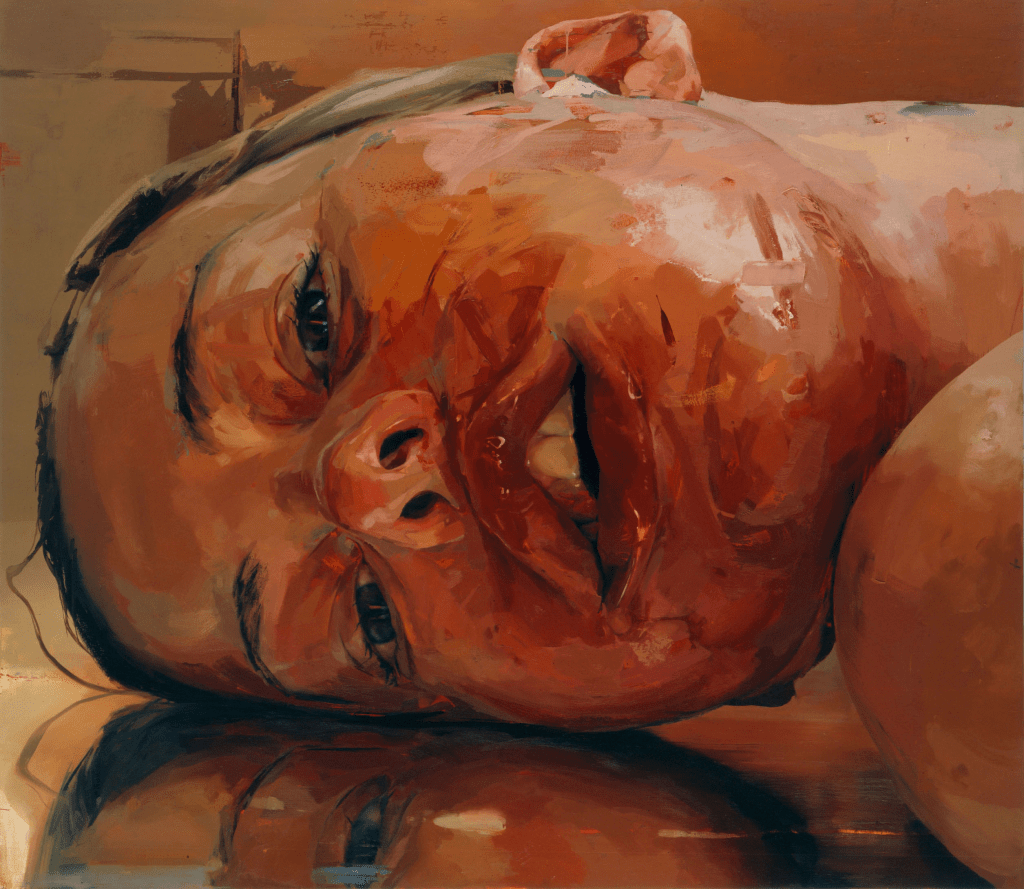
Es una artista que hay que conocer porque es joven, todavía esta trabajando y lográndose un lugar en la historia del arte.
+
This is an artist we must all come to know. She is young and working and achieving for herself a place in Art History.
OMNIA CAELUM STUDIOS VALENCIA PRESENTA LA SERIE DE MUJERES ARTISTAS/ OMNIA CAELUM STUDIOS VALENCIA PRESENTS WOMEN ARTISTS SERIES
Aquí os dejo un corto vídeo de dos de mis artistas favoritas, Dorothea Tanning y Louise Bourgeois…
+++
Here I leave you with a short video about two of my favourite artists: Dorothea Tanning and Louise Bourgeois…
Gracias…
Cheers…

(Francisco Bravo Cabrera, escuchando la Sonata no. 9 de Beethoven) Bueno, quizá mejor te diría El arte y la vida o El artista y la vida, algo así …
EL ARTE Y EL ARTISTA by Francisco Bravo
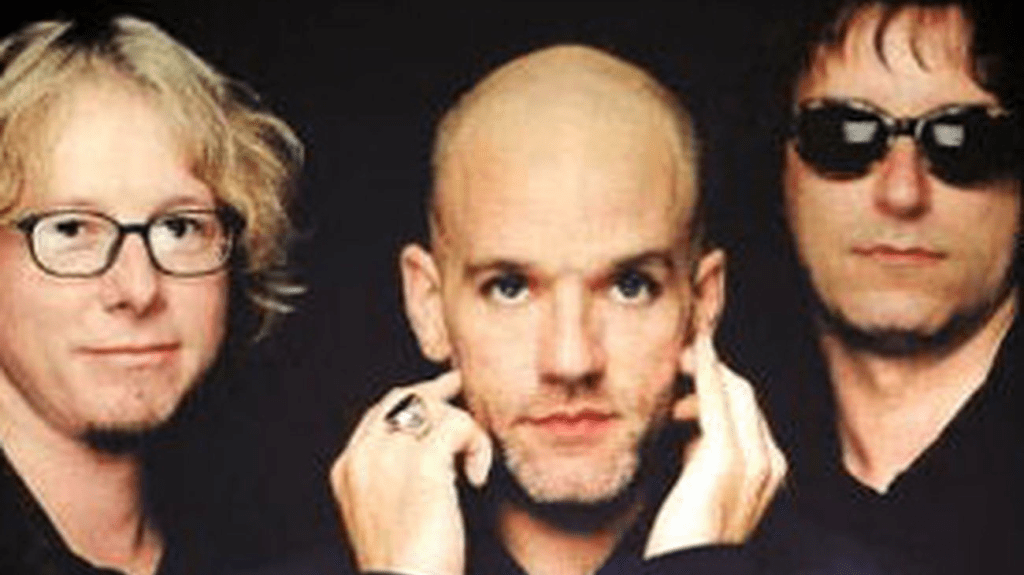
This was a hit-maker band from the 1990’s, and although I was not so much into their music, at first, later I did realise how good they were…
R.E.M. was formed in Georgia (Athens) in 1980 by Bill Berry (drums), Peter Buck (guitar), Mike Mills (bass) and vocalist Michael Stipe. They were all students at the University of Georgia.
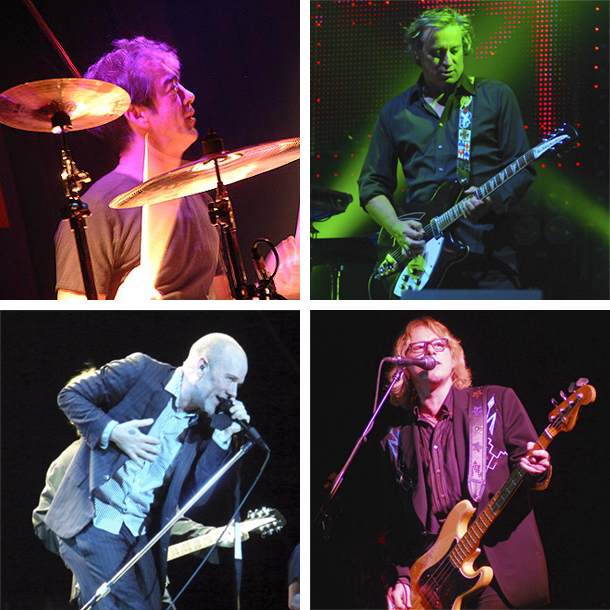
The above photo shows, from the left and from top to bottom: Bill Berry, Peter Buck, Michael Stipe y Mike Mills…
The band was seen as a pioneer of the «alternative» rock genre that was beginning to develop. The lads separated, amicably, in 2011. Each member wanted time to pursue their own solo projects. By then R.E.M. had sold more than 90 million albums worldwide and had become one of the highest selling musical acts in the world.
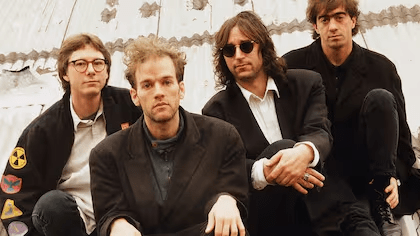
Their first hit single was «Radio-Free Europe» in 1981. But by far my favourite was the 1992 Automatic For The People. From the album Out of Time (1991) came their super hit «Losing My Religion.»
I think you will enjoy this phenomenal American band…
And, since the top 20 is about finished, I leave it up to you. Your suggestions for Chapter 20 will guide me to who will fill the final spot. So, I would really appreciate your ideas and suggestions…
CHEERS
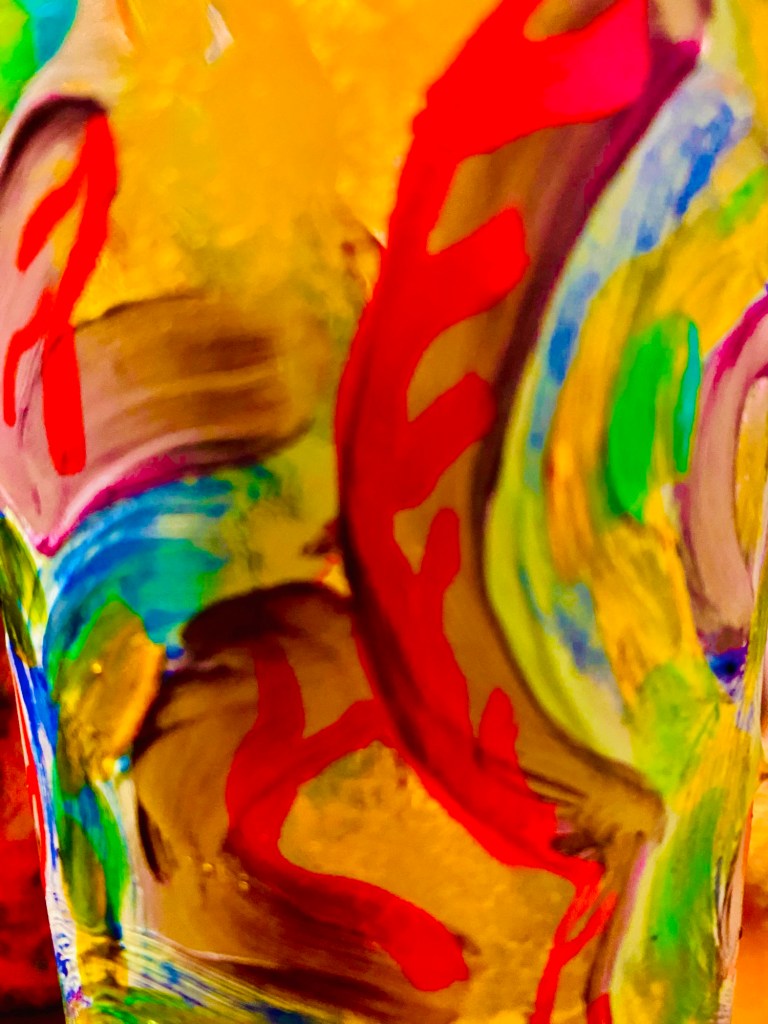
Abstract art must not contain anything that is recognisable as belonging to our natural world…
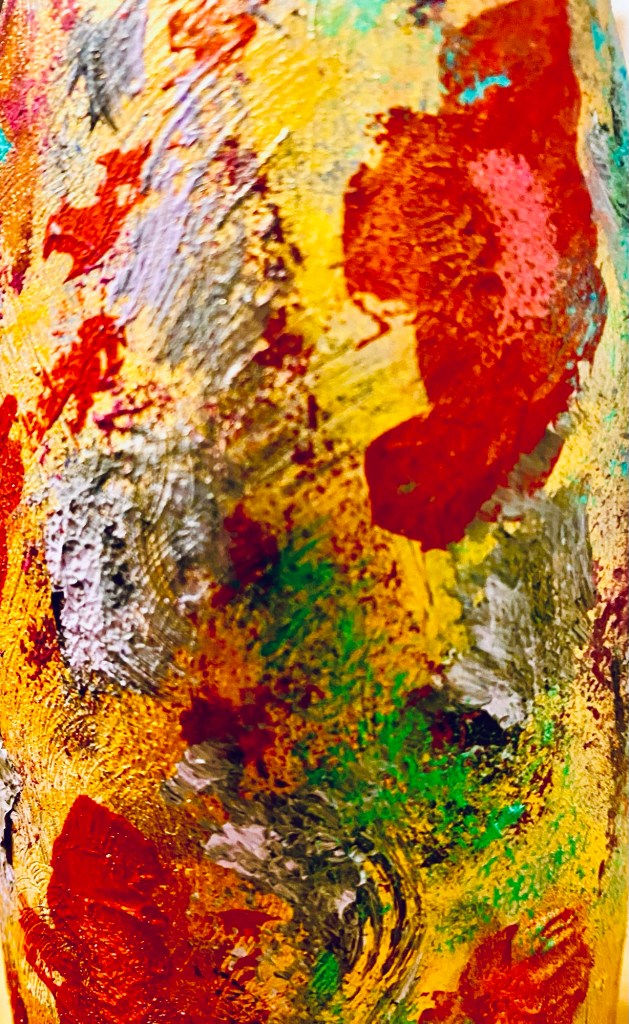
Abstract Painting No. 1 and No. 2 by artist GAB of the art brigade of Omnia Caelum Studios València.
IG: @Guloshka
CHEERS
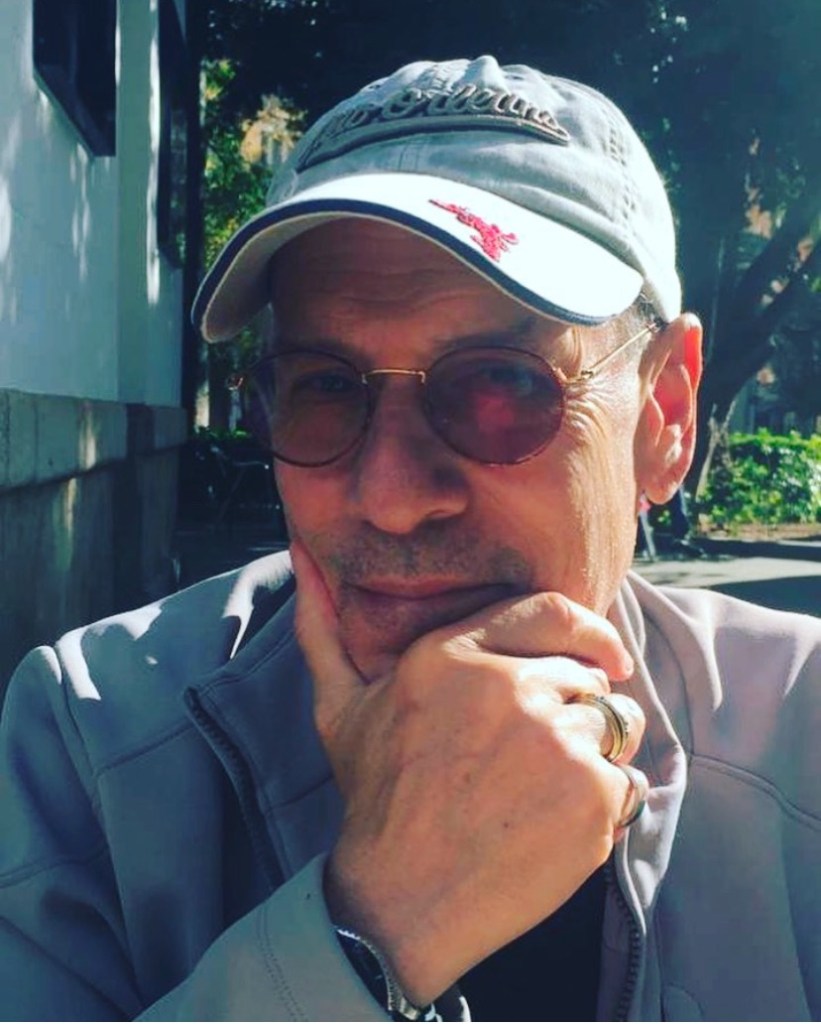
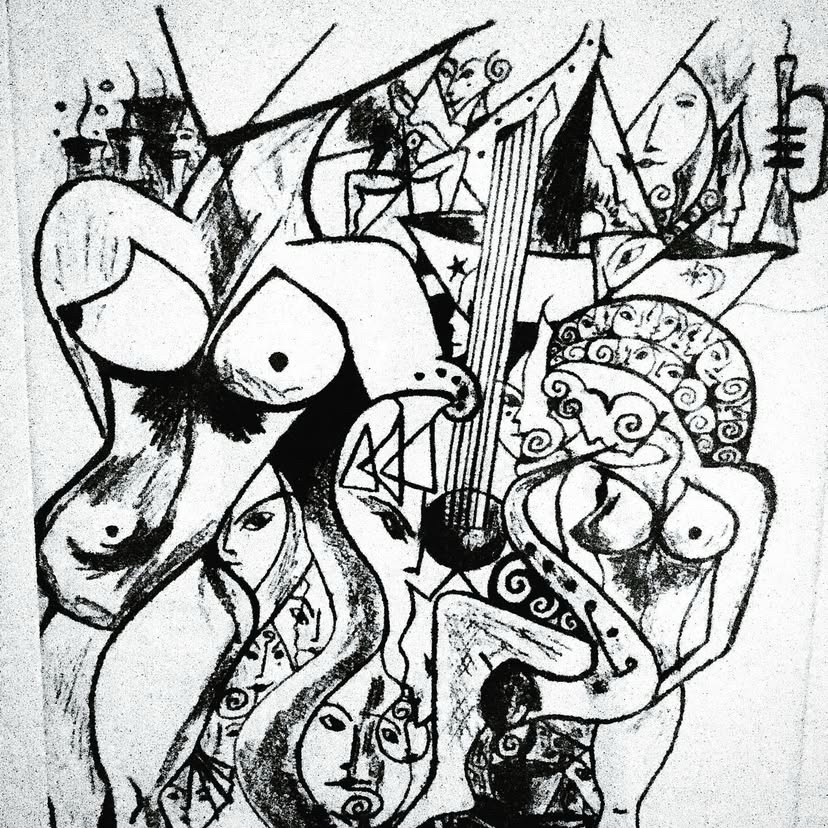
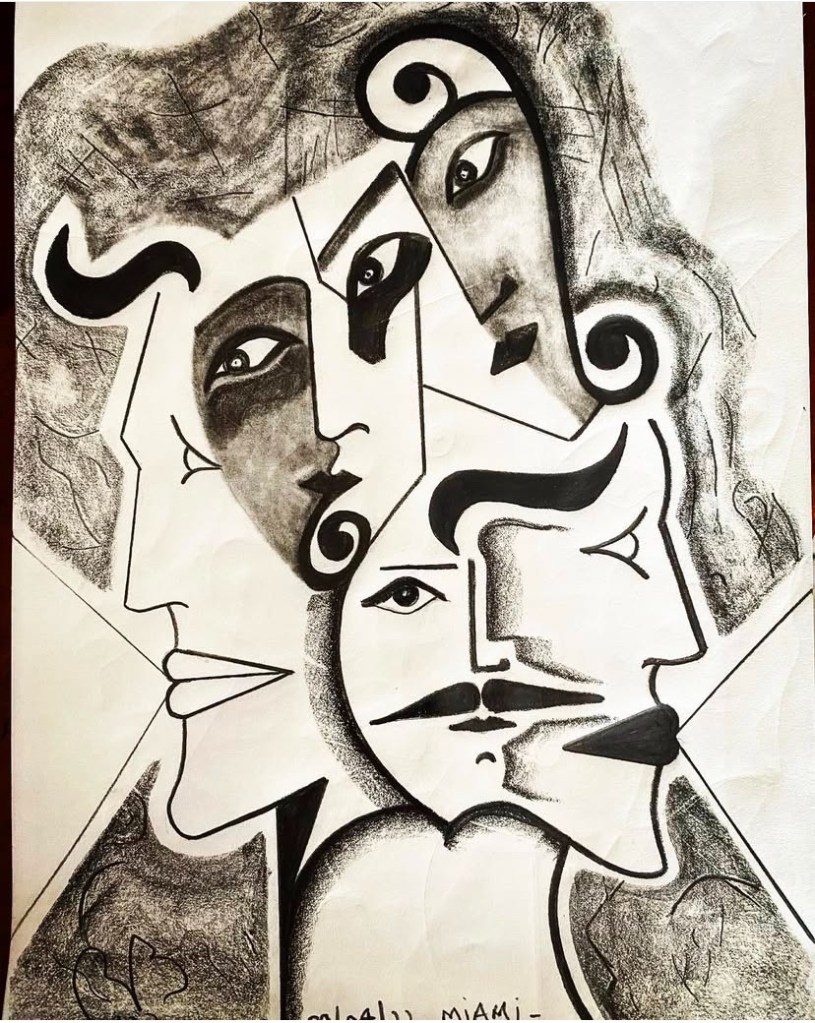
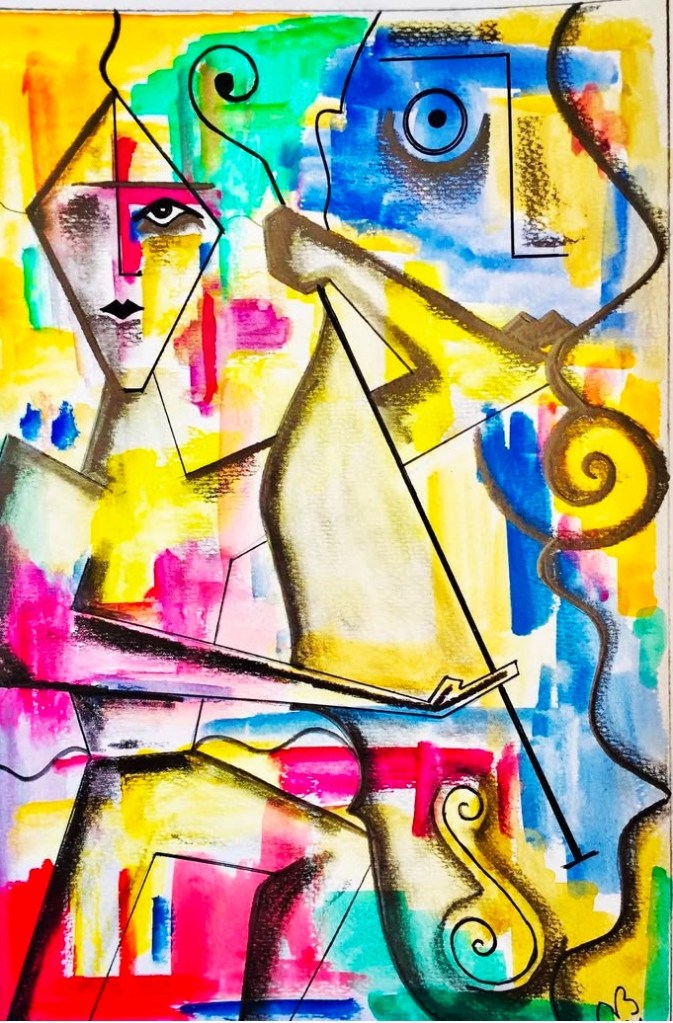
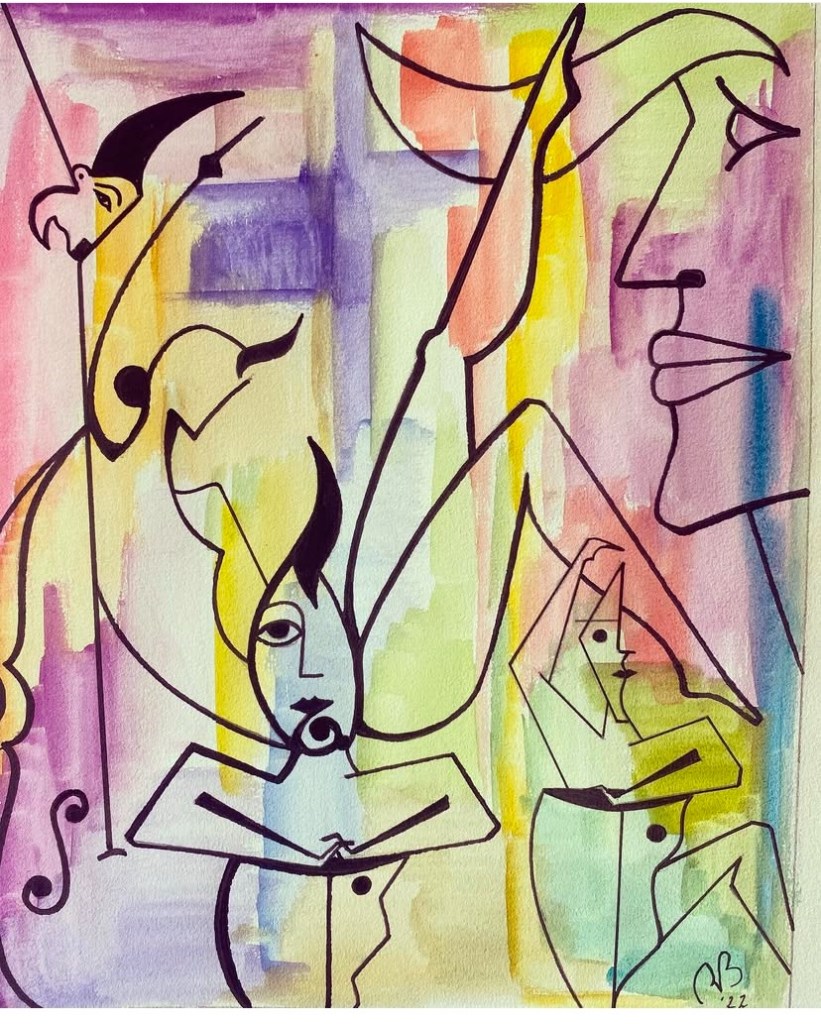
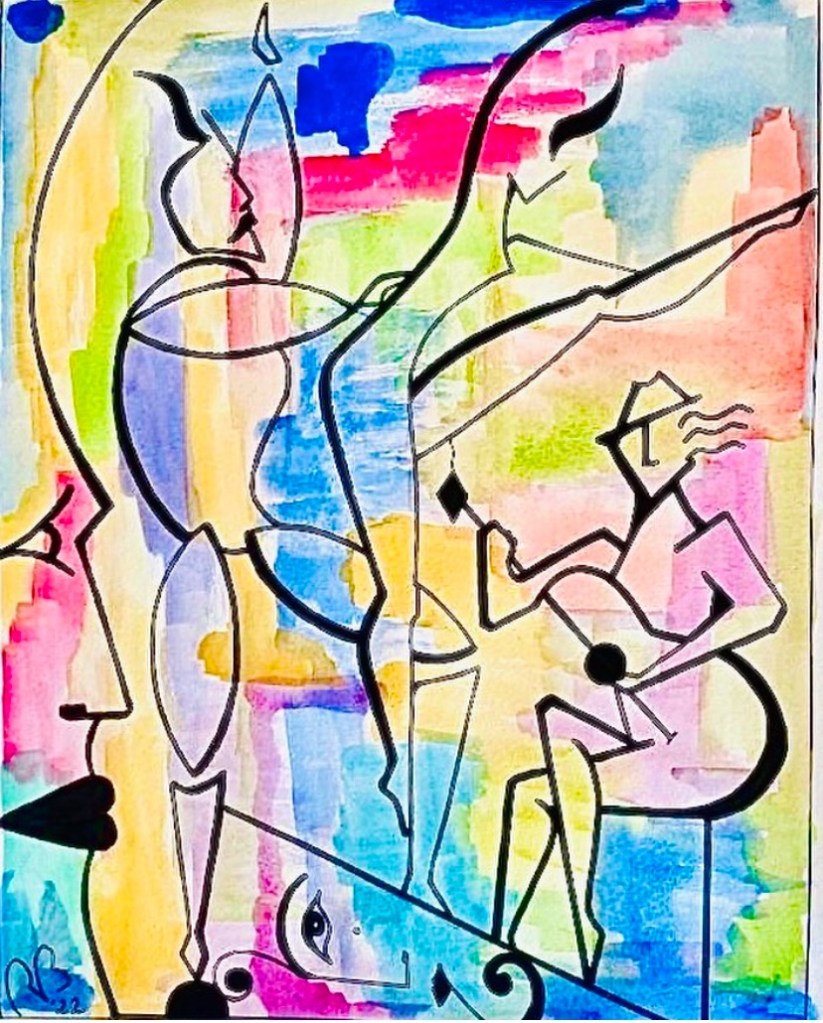
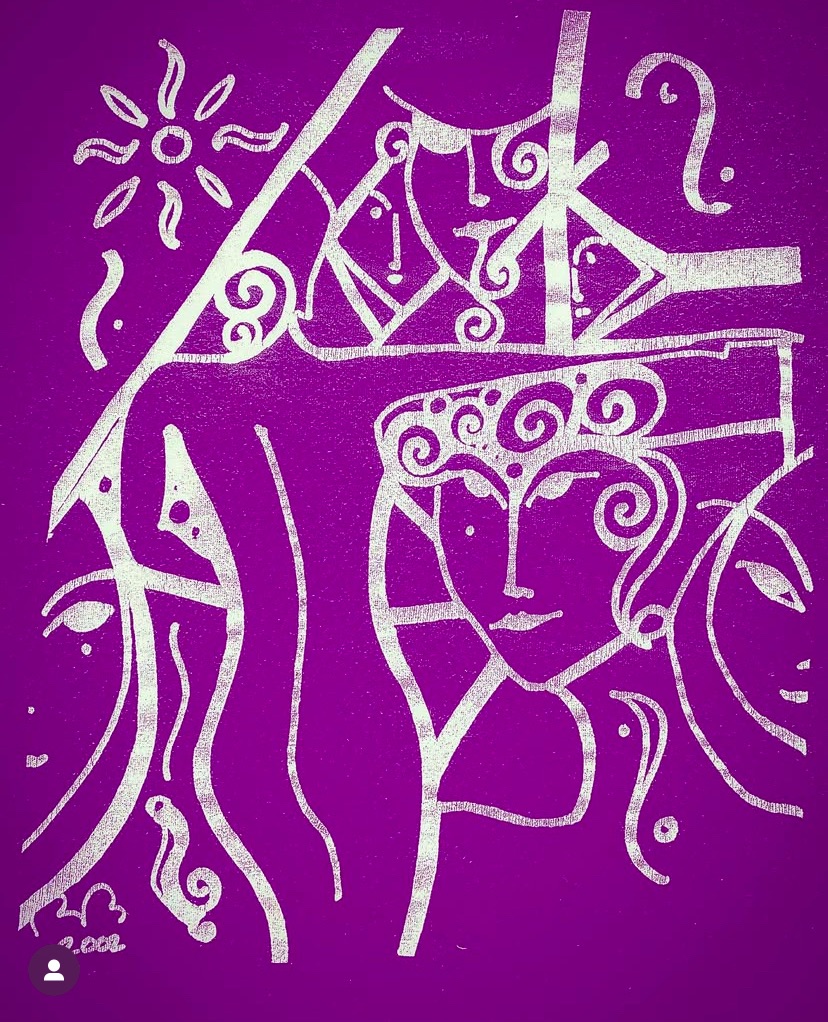
Cuando rondan por el lienzo o por la cartulina las líneas, las curvas y los ángulos se juntan para formar las cosas que nos imaginamos. Así es el arte…
+++
When lines, curves and angles roam through canvases or papers they join forces to become the things we imagine. Such is art…
GRACIAS – CHEERS
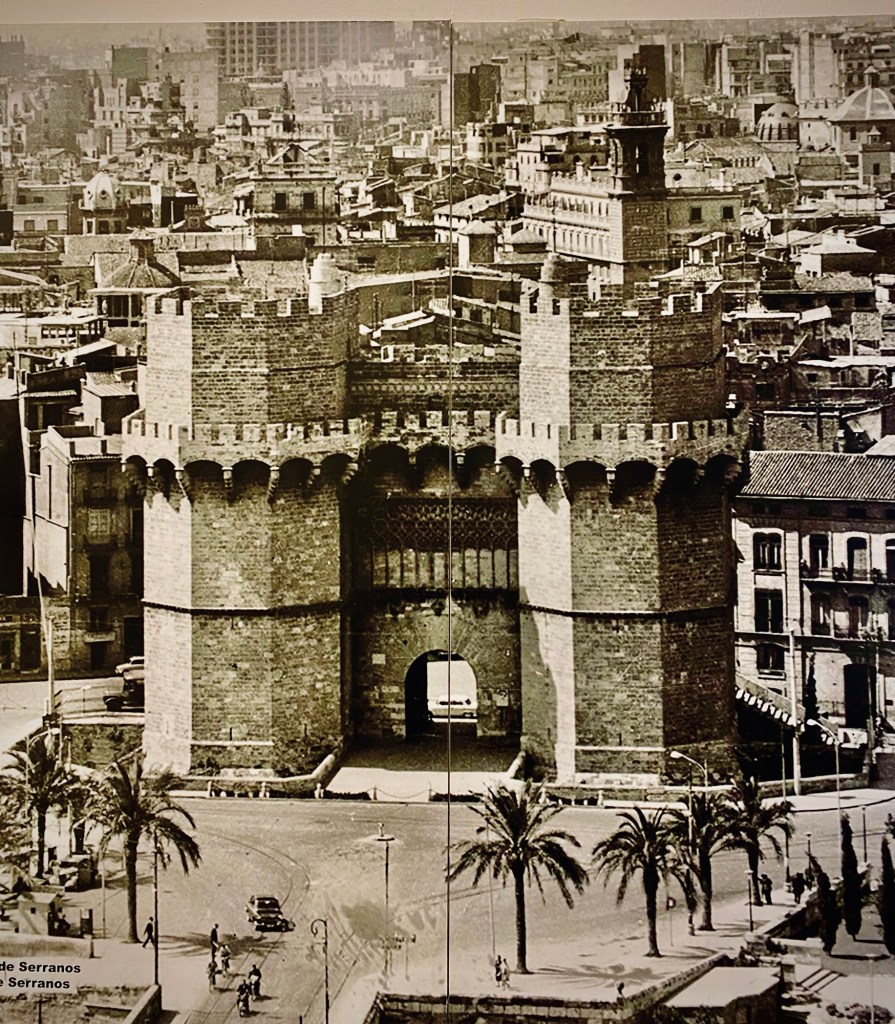
Així era València fa 50 anys…
+++
Así era València hace 50 años…
Gràcies – Gracias

 JaZzArt en València