#art, Drink to me Señor Picasso…

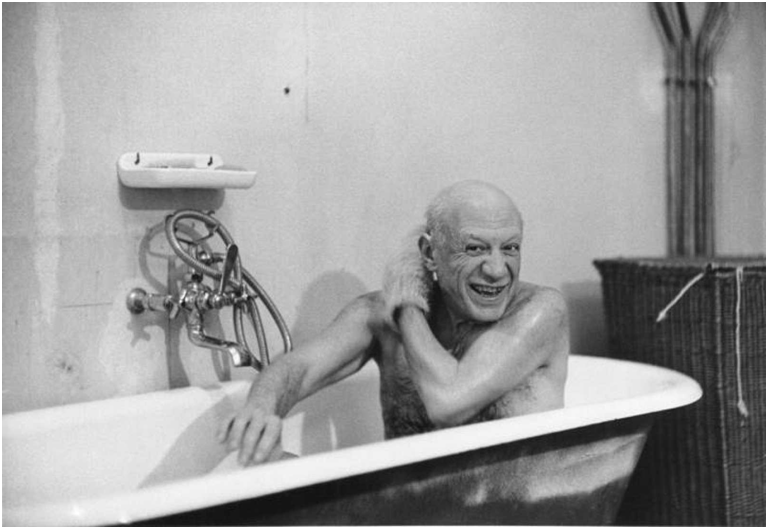
(Photo RTVE.es/Pablo Picasso bathing/08 FEB 1956/Private Collection © David Douglas Duncan 2011)

In Macca’s song, “Picasso’s Last Words” it says that the grand old painter died at three o’clock in the morning and that his last words were “Drink to me, drink to my health, you know I can’t drink anymore.” This song, recorded in Nigeria in 1973, was included in Macca’s best album (my opinion), Band on the Run.

This April marks the fiftieth anniversary of the death of Picasso and of the song. Good grief, time does fly! Picasso continues to be a major reference to art. His paintings still sell for millions of euros or dollars* and the influence that he exerted on the art world is still palpable, alive, well felt. And although we can say that Picasso was a man of the XIXth Century who conquered the XXth, his philosophy, aesthetics and artistry have seeped easily and clearly into the XXIst Century.
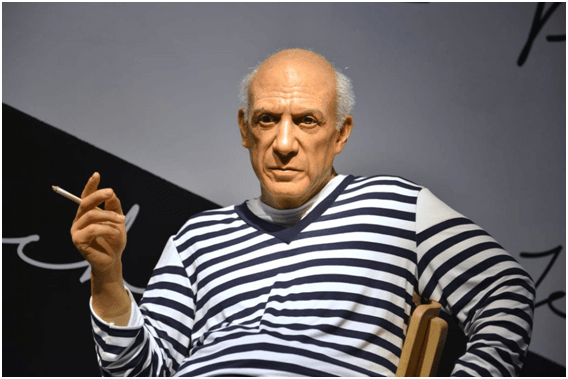
(Photo The New Barcelona Post)

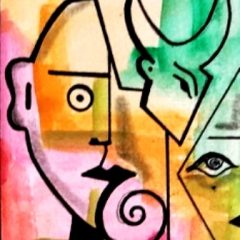
There is no other artist in art history that has as many museums with his name and dedicated to his art. There are six, some I have visited, there is the Picasso museum in Barcelona, Madrid, Malaga, Paris, Antibes and the Kunstmuseum of Munster and a new one coming to Aix-en-provence. Picasso said once that if they gave him a museum he would fill it. He has filled six, and soon a seventh.

Frankly I am not surprised as I knew that Picasso was a very hard working artist. We don’t really know, to be exact, the amount of work he produced. And if we include his ceramics and sculptures, his book illustrations, theatre designs, ballet designs, et al, we would reach incredible numbers. Books, (oh books!), say that he created 13,500 paintings and designs, 100,000 engravings or lithographs, 34,000 illustrations for books, 300 sculptures or ceramics, but there may be more, or less…
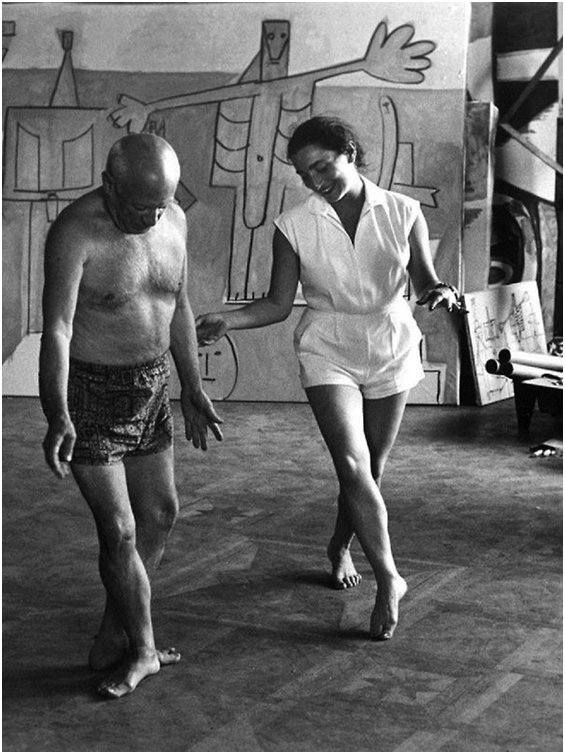
(Photo by David Douglas Duncan/1957/Pinterest)

Now, when the art world began to go in different directions, say around the time of Pollock’s Action Painting and other vanguards, Picasso was introduced to all of them but he rejected them all. He became an “outsider” and was left behind as a major player in the new emerging art world. So he re-created himself as the “buffoon.” He appeared several times on the cover of TIME and LOOK magazines, sometimes with flowers in his ears, disguised as a bullfighter or even in his underwear. He became a media sensation, showing his body at the age of seventy five.
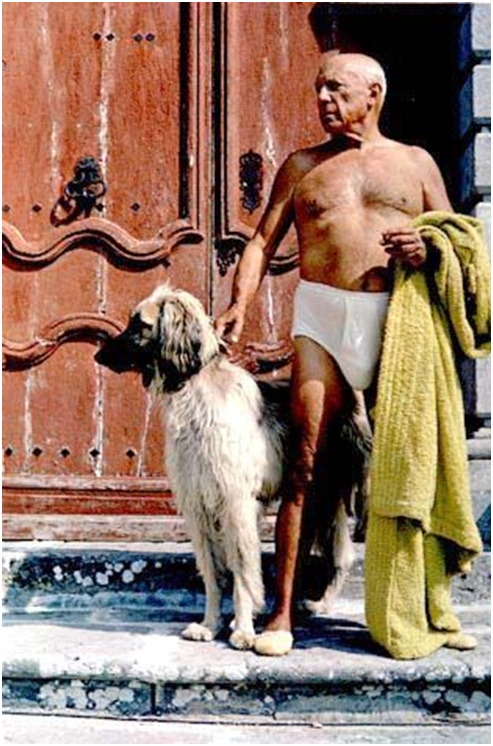
(Photo by David Douglas Duncan/Pinterest)

I think that no matter how they tried, no one could contain the grand old master. Only death could and would hold him back. A death he had seen, accepted and painted. With that in mind it is no wonder he closed his “final curtain” with this most precise and nostalgic phrase: “Drink to me, drink to my health, you know I can’t drink anymore.” And I truly thank Paul McCartney for turning it into a great song.

CHEERS

#art, #poetry, FEATURES by VALENCIARTIST: Flavio Almerighi

(Flavio Almerighi/FOTO de F. Almerighi)

Hoy nos honra la presencia de un poeta italiano fenomenal, Flavio Almerighi. Su participación en WP demuestra su dominio de los idiomas castellano e italiano y su gran sensibilidad artística hacia la poesía.

FLAVIO HABLANDO CLARO

VALENCIARTIST: Eres poeta, ¿Piensas que poetas, escritores, artistas, y otros involucrados en las bellas artes deben dar públicamente sus opiniones sobre la política y sobre el comportamiento de los que suelen ocupar puestos gubernamentales?

FLAVIO: El escritor, pero sobre todo el poeta, es ese tipo de artista que tiene una vida «otra» y la convierte en obra de arte. Luego están los escultores, los pintores, los grandes fotógrafos, los cineastas, los artistas multimedia, los artistas callejeros, los músicos: cada uno con su propia manera de expresarse y su capacidad de «saber darse» al contexto humano. No me gusta llamarlo «público» porque es algo confuso e impersonal. Estoy firmemente convencido de que el artista tiene el derecho/deber a través de sus propias opiniones y su propio arte de expresarse públicamente y oponerse a quienes no se ocupan seriamente de los asuntos públicos. García Lorca, Neruda y otros fueron asesinados o limitados en su libertad personal o exiliados precisamente por haberse opuesto, por haber representado una voz incómoda que los poderosos quieren silenciar.

VALENCIARTIST: ¿Cómo ves el progreso de las artes? ¿Piensas que la literatura y la poesía están al nivel de los tiempos y que pueden sobrevivir esta era de grandes adelantos en la tecnología como la Inteligencia Artificial (IA)?

FLAVIO: Estoy firmemente convencido de que las artes, para demostrar su valía y no ser mera artesanía, deben desafiar a los siglos sin miedo a ellos. Pensemos en los griegos, los egipcios o las grandes catedrales. El arte en este mundo desechable adquiere un papel importante e identificativo. La adopción del progreso tecnológico y/o de la inteligencia artificial sería fatal. La inteligencia artificial puede elaborar una excelente lista de compras, pero nunca podrá hacer poesía. Recuerdo el único viaje a España que hice hace unos quince años, cuando entre otros lugares visité la basílica de Toledo. En el interior de este templo no sólo se encuentra oro, sino también una espléndida sacristía donde se guardan, entre otras, quince obras de El Greco. El Greco rechazó principios clasicistas como la medida y la proporción. Creía que la gracia era el objetivo principal del arte, no creo que la inteligencia artificial pueda concebir la creatividad como consecuencia del espíritu porque no tiene alma, es solo industria. La literatura y la poesía están al día con los tiempos, pero no se limiten a lo convencional.

VALENCIARTIST: Si tuvieras que hacer un top 3 de grandes artistas (de todos los géneros) a quien incluirías y por qué?

FLAVIO: El primer artista que quiero mencionar es Pasquale Panella, poeta y letrista, figura única en el panorama musical italiano: el cantautor Lucio Battisti debe a sus letras su segunda juventud musical. Es un magnífico actor. El segundo artista que quiero mencionar es un pintor veneciano del Renacimiento italiano Giorgio Barbarella más conocido como Giorgione. Su cuadro La Tempestad me parece único y fascinante, me detengo durante horas mirándolo y cada vez revela un detalle nuevo y magnífico. El último pero no menos importante que quiero recordar es a Homero, el legendario autor de la Ilíada y la Odisea, todo Occidente le debe algo a estos poemas, leí la Odisea en 1976, no por obligación escolar, y me acerqué a la escritura gracias a ella.

+++

Ha sido un gran placer hablar así con este compañero poeta. Flavio Almerighi nació en la bellísima ciudad de Faenza, en el norte de Italia en 1959. Estos son los libros que ha escrito, obra de este autor:

Sus colecciones de poesía: Allegro Improvviso (Ibiskos 1999), Vie di Fuga (Aletti, 2002), Amori al tempo del Nasdaq (Aletti 2003), Coscienze di mulini a vento (Gabrieli 2007), Durante il dopocristo (Tempo al Libro 2008), Qui è Lontano (Tempo al Libro, 2010), Voce dei miei occhi (Fermenti, 2011) Procellaria (Fermenti, 2013), Caleranno i Vandali (Samuele, 2016), Storm Petrel (edición bilingüe de Procellaria, Xenos Books Los Angeles 2017), Cerentari (antología agotada Tempo al Libro 2017), Isole (Ensemble 2018), Ignoti (e book gratis Collana Lotta di Classico editada por Massimo Sannelli 2018), Lettere (Macabor, 2021), Risorgive (Macabor, 2022).

Puedes seguir a Flavio a través de su blog Almerighi.

GRACIAS

#music, Great British Bands, Ch. 1: T-Rex

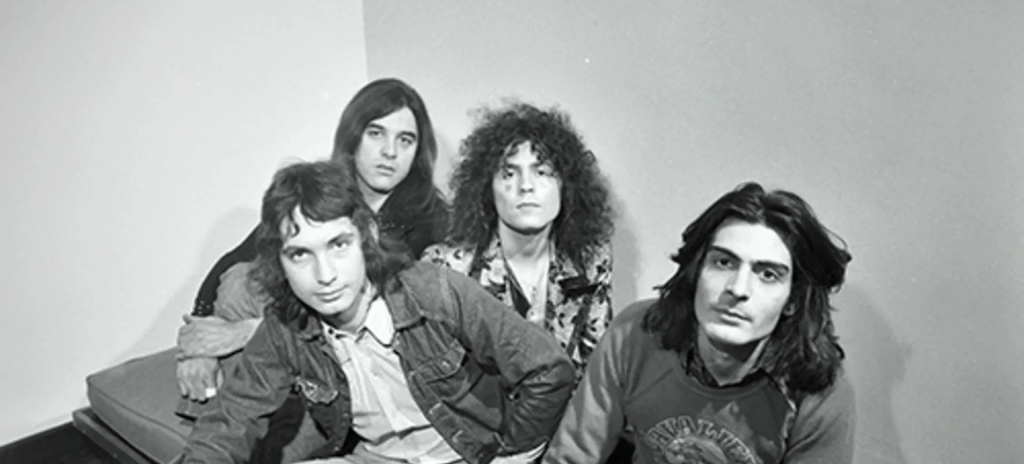
(Image: Rock and Roll Hall of Fame)

Ok, so we are at it again here at VALENCIARTIST. Another «Top 20» of the best, or most memorable, or whatever, British bands. For me they were the first bands I ever heard and they taught me a lot (including the language). I can say that I learned how to speak English with the Beatles…

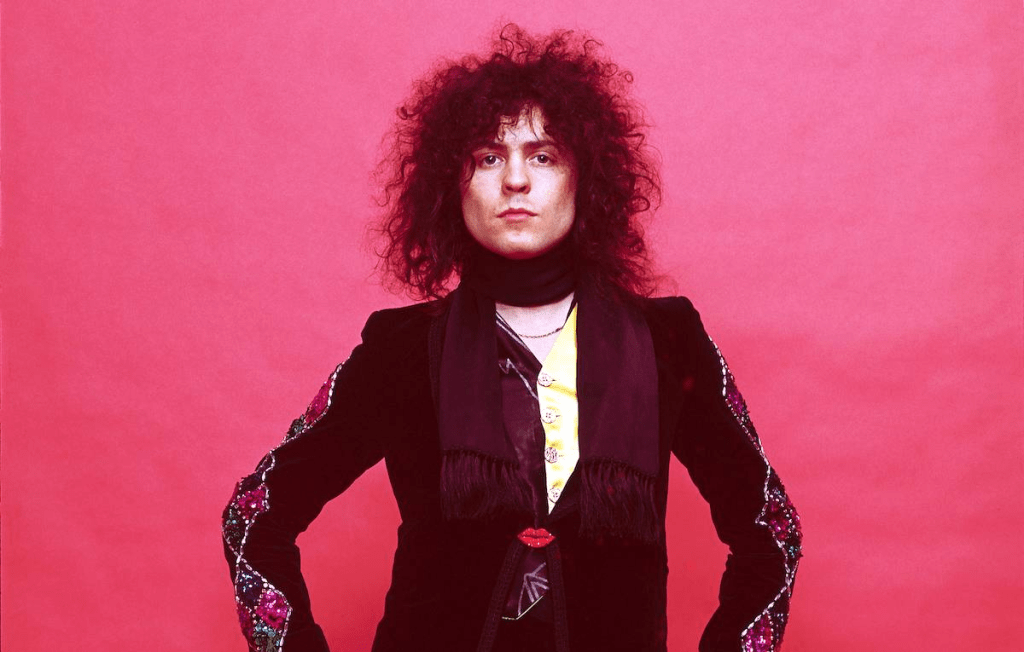
So here is number one (not the number one band, that will be the number 20) and it is one that I really got into back in the day, T-Rex. This «Glam-Rock» band was formed by Marc Bolan in London in 1967. Although their first albums were mostly folkish, that all changed in 1970 with the album Electric Warrior which won the group instant fame in the UK, something unheard of since The Beatles. T. Rex became the first glam rock band in the history of rock and their singles such as: «Hot Love«, «Get It On«, «Telegram Sam» and «Metal Guru» all reached number one on the UK Singles Chart.

Then in 1977 tragedy struck. Marc Bolan perished in an auto accident and the band disintegrated. But their influence on other groups has persisted to this day.

(Marc Bolan/photo Rolling Stone)

What do you think?

And I will take your suggestions for the top five (meaning numbers 16 through 20).

CHEERS

#art, #poetry, FEATURES by VALENCIARTIST: Flavio Almerighi

(Flavio Almerighi/FOTO de F. Almerighi)

Hoy nos honra la presencia de un poeta italiano fenomenal, Flavio Almerighi. Su participación en WP demuestra su dominio de los idiomas castellano e italiano y su gran sensibilidad artística hacia la poesía.

FLAVIO HABLANDO CLARO

VALENCIARTIST: Eres poeta, ¿Piensas que poetas, escritores, artistas, y otros involucrados en las bellas artes deben dar públicamente sus opiniones sobre la política y sobre el comportamiento de los que suelen ocupar puestos gubernamentales?

FLAVIO: El escritor, pero sobre todo el poeta, es ese tipo de artista que tiene una vida «otra» y la convierte en obra de arte. Luego están los escultores, los pintores, los grandes fotógrafos, los cineastas, los artistas multimedia, los artistas callejeros, los músicos: cada uno con su propia manera de expresarse y su capacidad de «saber darse» al contexto humano. No me gusta llamarlo «público» porque es algo confuso e impersonal. Estoy firmemente convencido de que el artista tiene el derecho/deber a través de sus propias opiniones y su propio arte de expresarse públicamente y oponerse a quienes no se ocupan seriamente de los asuntos públicos. García Lorca, Neruda y otros fueron asesinados o limitados en su libertad personal o exiliados precisamente por haberse opuesto, por haber representado una voz incómoda que los poderosos quieren silenciar.

VALENCIARTIST: ¿Cómo ves el progreso de las artes? ¿Piensas que la literatura y la poesía están al nivel de los tiempos y que pueden sobrevivir esta era de grandes adelantos en la tecnología como la Inteligencia Artificial (IA)?

FLAVIO: Estoy firmemente convencido de que las artes, para demostrar su valía y no ser mera artesanía, deben desafiar a los siglos sin miedo a ellos. Pensemos en los griegos, los egipcios o las grandes catedrales. El arte en este mundo desechable adquiere un papel importante e identificativo. La adopción del progreso tecnológico y/o de la inteligencia artificial sería fatal. La inteligencia artificial puede elaborar una excelente lista de compras, pero nunca podrá hacer poesía. Recuerdo el único viaje a España que hice hace unos quince años, cuando entre otros lugares visité la basílica de Toledo. En el interior de este templo no sólo se encuentra oro, sino también una espléndida sacristía donde se guardan, entre otras, quince obras de El Greco. El Greco rechazó principios clasicistas como la medida y la proporción. Creía que la gracia era el objetivo principal del arte, no creo que la inteligencia artificial pueda concebir la creatividad como consecuencia del espíritu porque no tiene alma, es solo industria. La literatura y la poesía están al día con los tiempos, pero no se limiten a lo convencional.

VALENCIARTIST: Si tuvieras que hacer un top 3 de grandes artistas (de todos los géneros) a quien incluirías y por qué?

FLAVIO: El primer artista que quiero mencionar es Pasquale Panella, poeta y letrista, figura única en el panorama musical italiano: el cantautor Lucio Battisti debe a sus letras su segunda juventud musical. Es un magnífico actor. El segundo artista que quiero mencionar es un pintor veneciano del Renacimiento italiano Giorgio Barbarella más conocido como Giorgione. Su cuadro La Tempestad me parece único y fascinante, me detengo durante horas mirándolo y cada vez revela un detalle nuevo y magnífico. El último pero no menos importante que quiero recordar es a Homero, el legendario autor de la Ilíada y la Odisea, todo Occidente le debe algo a estos poemas, leí la Odisea en 1976, no por obligación escolar, y me acerqué a la escritura gracias a ella.

+++

Ha sido un gran placer hablar así con este compañero poeta. Flavio Almerighi nació en la bellísima ciudad de Faenza, en el norte de Italia en 1959. Estos son los libros que ha escrito, obra de este autor:

Sus colecciones de poesía: Allegro Improvviso (Ibiskos 1999), Vie di Fuga (Aletti, 2002), Amori al tempo del Nasdaq (Aletti 2003), Coscienze di mulini a vento (Gabrieli 2007), Durante il dopocristo (Tempo al Libro 2008), Qui è Lontano (Tempo al Libro, 2010), Voce dei miei occhi (Fermenti, 2011) Procellaria (Fermenti, 2013), Caleranno i Vandali (Samuele, 2016), Storm Petrel (edición bilingüe de Procellaria, Xenos Books Los Angeles 2017), Cerentari (antología agotada Tempo al Libro 2017), Isole (Ensemble 2018), Ignoti (e book gratis Collana Lotta di Classico editada por Massimo Sannelli 2018), Lettere (Macabor, 2021), Risorgive (Macabor, 2022).

Puedes seguir a Flavio a través de su blog Almerighi.

GRACIAS

#music, Great British Bands, Ch. 1: T-Rex

(Image: Rock and Roll Hall of Fame)

Ok, so we are at it again here at VALENCIARTIST. Another «Top 20» of the best, or most memorable, or whatever, British bands. For me they were the first bands I ever heard and they taught me a lot (including the language). I can say that I learned how to speak English with the Beatles…

So here is number one (not the number one band, that will be the number 20) and it is one that I really got into back in the day, T-Rex. This «Glam-Rock» band was formed by Marc Bolan in London in 1967. Although their first albums were mostly folkish, that all changed in 1970 with the album Electric Warrior which won the group instant fame in the UK, something unheard of since The Beatles. T. Rex became the first glam rock band in the history of rock and their singles such as: «Hot Love«, «Get It On«, «Telegram Sam» and «Metal Guru» all reached number one on the UK Singles Chart.

Then in 1977 tragedy struck. Marc Bolan perished in an auto accident and the band disintegrated. But their influence on other groups has persisted to this day.

(Marc Bolan/photo Rolling Stone)

What do you think?

And I will take your suggestions for the top five (meaning numbers 16 through 20).

CHEERS

Buenos días

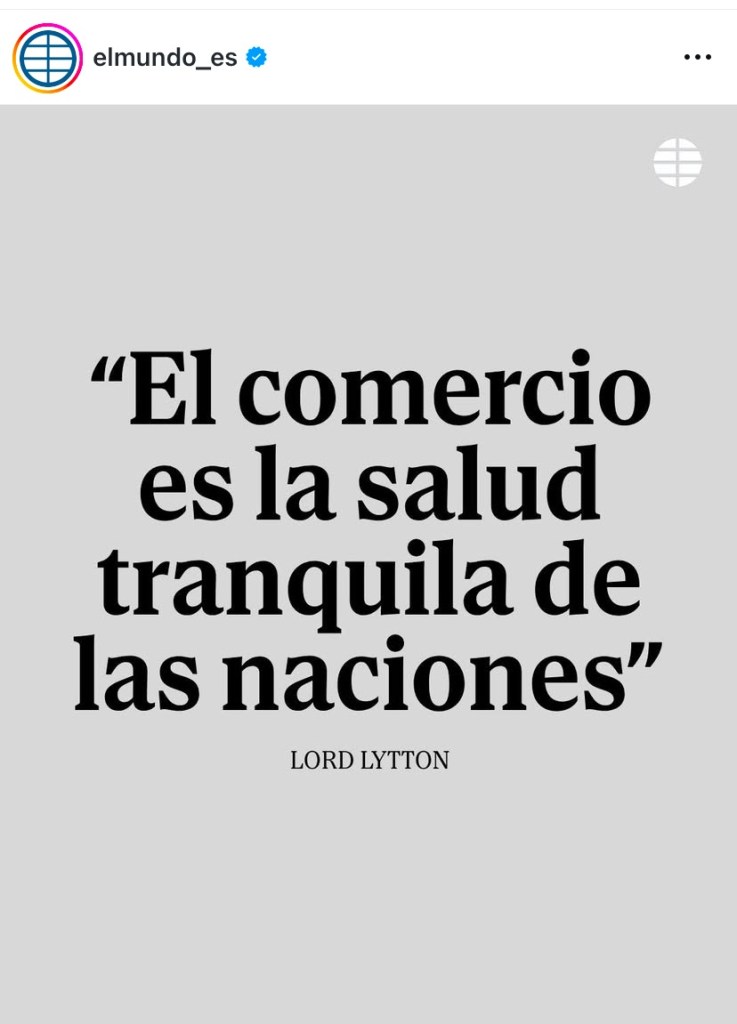
Sin comercio no hay ni progreso, ni igualdad, ni paz… la única manera de lograr prosperidad y Libertad es a través del comercio libre y capitalista.

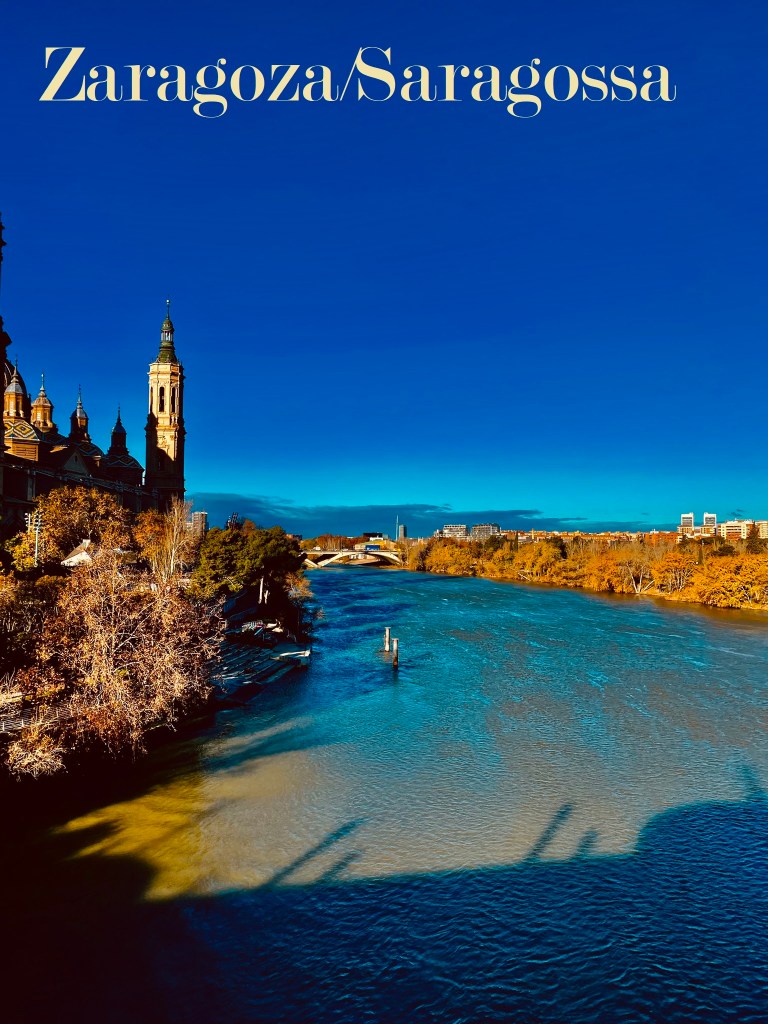
#travel, How about Zaragoza…

(Photo by and property of Francisco Bravo Cabrera/All Rights Reserved)

Cannot say enough about this beautiful city and this phenomenal river that runs through it, the great Ebro…

(please do not forget to like, comment and share)

CHEERS