(Image property of Francisco Bravo Cabrera/All Rights Reserved)
«Hypertoro» as a metal print available now through my gallery at Fine Art America. And there are many more versions available as well as options. Fine Art America creates high quality prints and handles the entire transaction shipping to you promptly once the order is prepared. This is a phenomenal way to own original art at a fraction of the cost.
(Image photo by and property of Francisco Bravo Cabrera/All Rights Reserved)
I have been wondering about The Mandela Effect, and my research confirms that it is a very real psychological phenomenon, but probably not real in the sense of being proof of alternate universes.
The term was coined by Fiona Broome after she discovered that many people (herself included) remembered Nelson Mandela dying in prison in the 1980s, even though he actually passed away in 2013. Since then, people have found countless examples of false collective memories like:
• The Monopoly Man – Does he have a monocle?
• “Febreze”- Is it spelled with one “e” in the middle, or two?
• Is it “Luke, I am your father”?
* Does the Fruit of the Loom logo actually have a cornucopia?
(What do you remember?
+++
Psychologists (good grief experts!) say it is because memory is reconstructive, and that every time we recall something, we “rebuild” it. And often we do it based upon influences, associations, expectations, or cultural reinforcement. «Experts» conclude that if a false version…of something like the death of Nelson Mandela…spreads widely enough, it can feel real to a group of people.
They (good grief experts!) have already a set of replies that will logically take the magic and the illusion from all of us. They say it is confabulation, in other words, the brain is filling in the gaps of memory. They also tell us that the brain remembers what fits rather than the exact details. Finally they say that we remember what others say they remember therefore strengthening the «false memory.»
In other words, to experts we are too stupid to remember what we say we are remembering and we forget what really happened. Does that make sense? No! Of course, experts, as usual, are making up bullshit as they go and always trying to tell us that we are just imagining things. Especially things like Bigfoot, aliens, the Mandela Effect and the Multiverse hypothesis.
But the Mandela Effect can be our most important and real indication of the fact that the universe is not limited to us and that there are many universes and timelines out there. The Mandela effect, in effect, is time itself slipping in and out of parallel universes across the multiverse. I just do not understand why «experts» always contradict a good story!
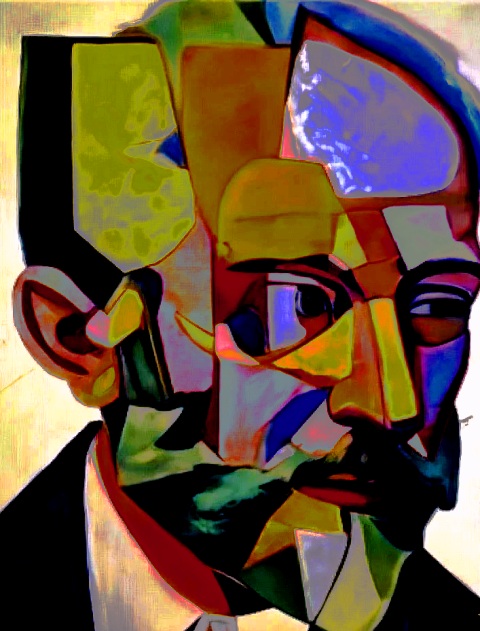
(«Retrato cubista»/Francisco Bravo Cabrera/All Rights Reserved)
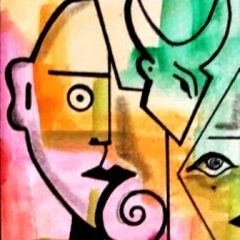
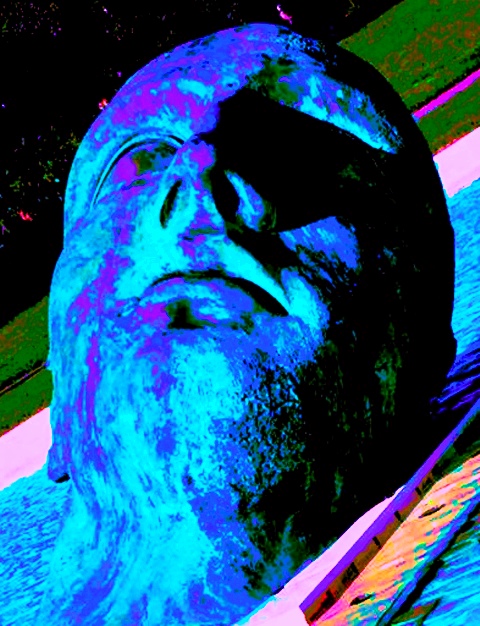
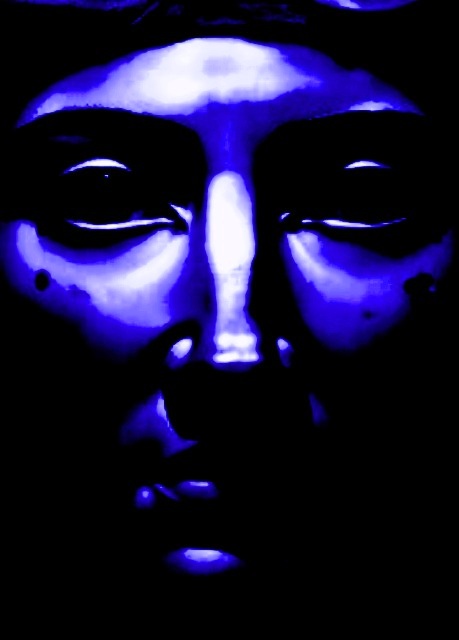
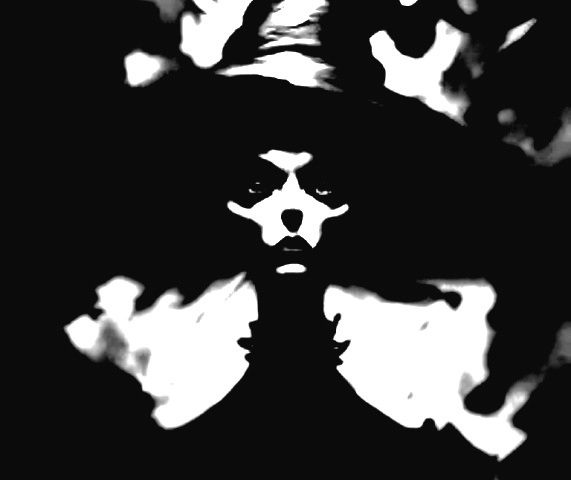
Portraits… why? What is in a portrait? At first there were no portraits. Then the portraits done mostly of religious figures.
Then came the 15th-century and the Renaissance in Europe and portraits became very popular. The reasons: A growing emphasis on the individual, advancements in oil painting technology, and increased wealth. Of course this is what allowed them the privilege of having their portrait done and what they were going to do with it, which was displaying it as a symbol of status and power. Before this, portraits were largely limited to ancient cultures, and in the late Middle Ages, they began to appear as more realistic depictions of specific individuals rather than general religious figures.
Here are a few of the portraits I have done throughout this 2025. They are not religious figures, kings or noble folk. They are a thought, an idea, a search for what a portrait really is. Is it a mirror? Is it a mask? Is it a psychological reflection of the subject? I don’t know…
(FBC/All Rights Reserved)(FBC/All Rights Reserved)(FBC/All Rights Reserved)(FBC/All Rights Reserved)(All original artwork by Francisco Bravo Cabrera/All Rights Reserved)
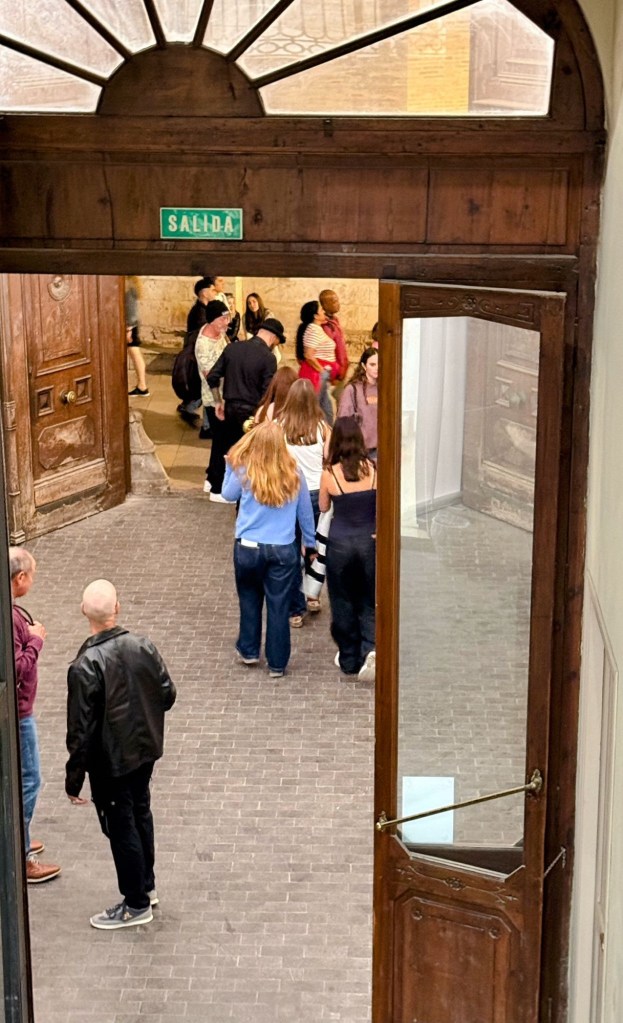
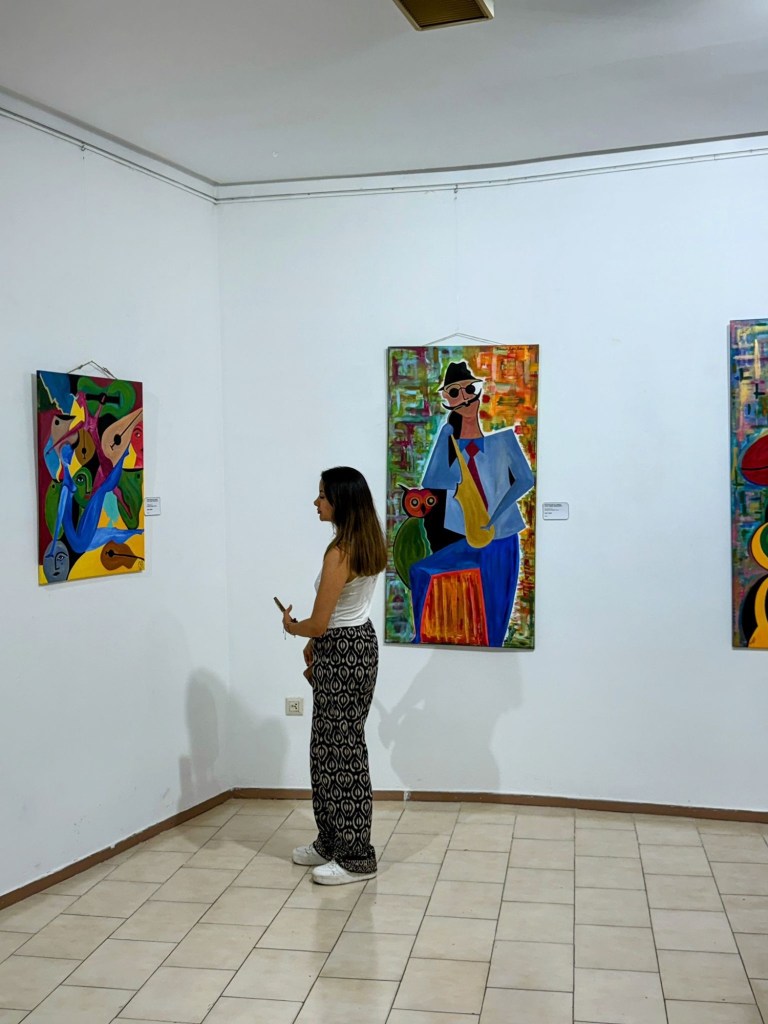
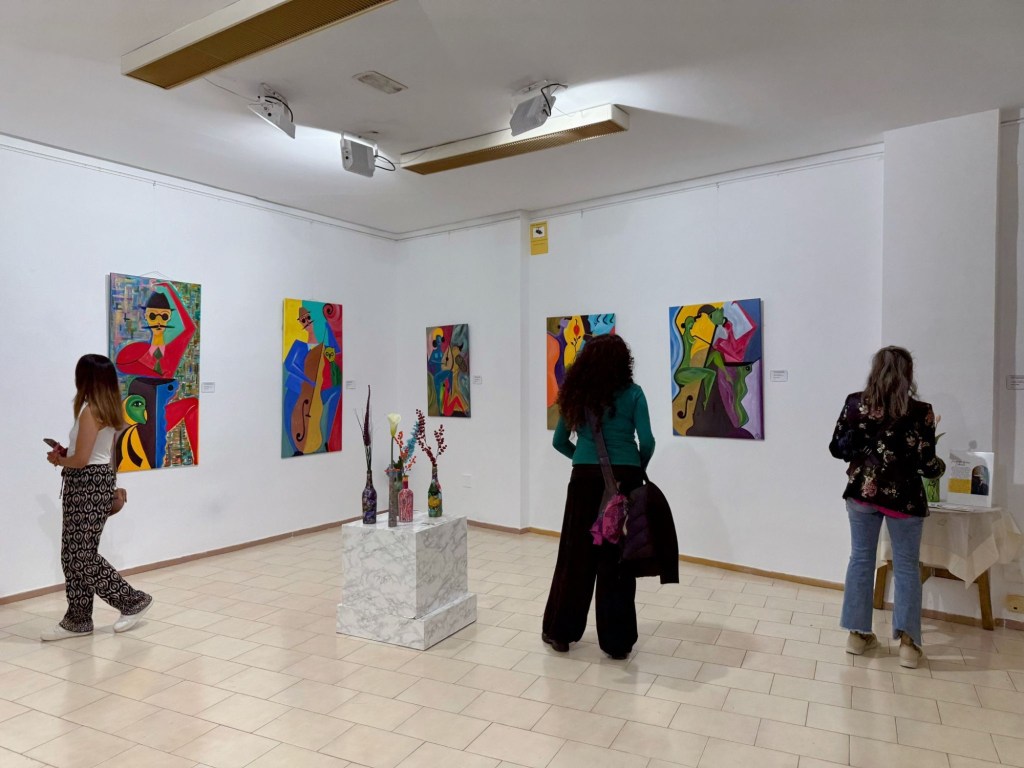
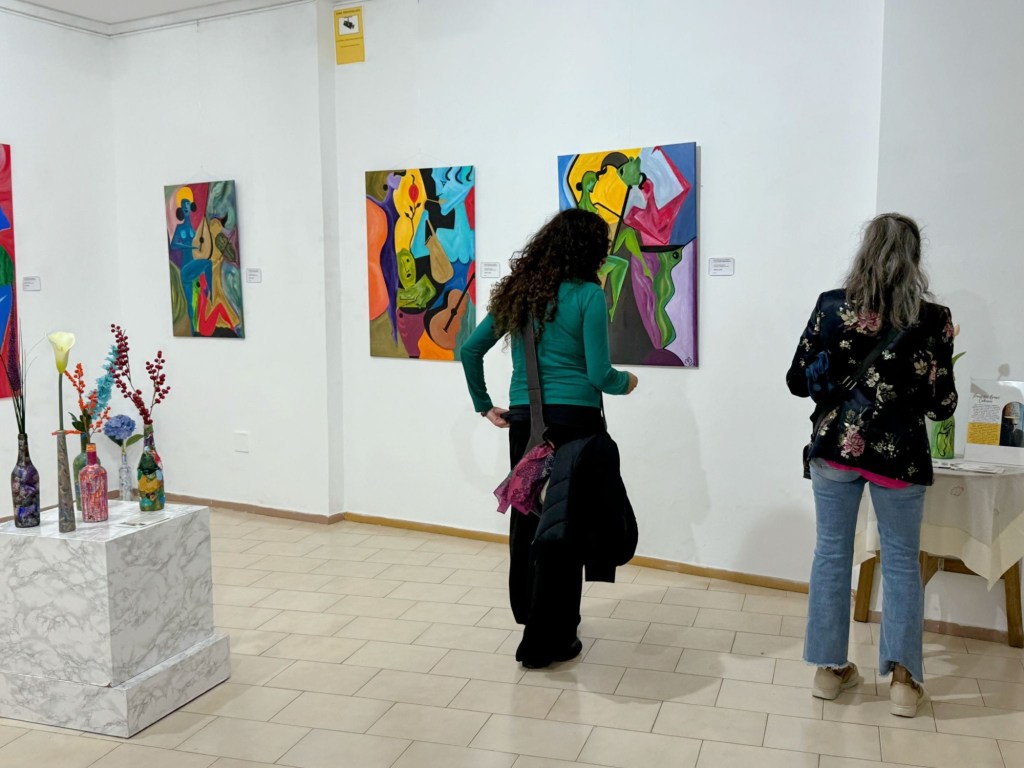
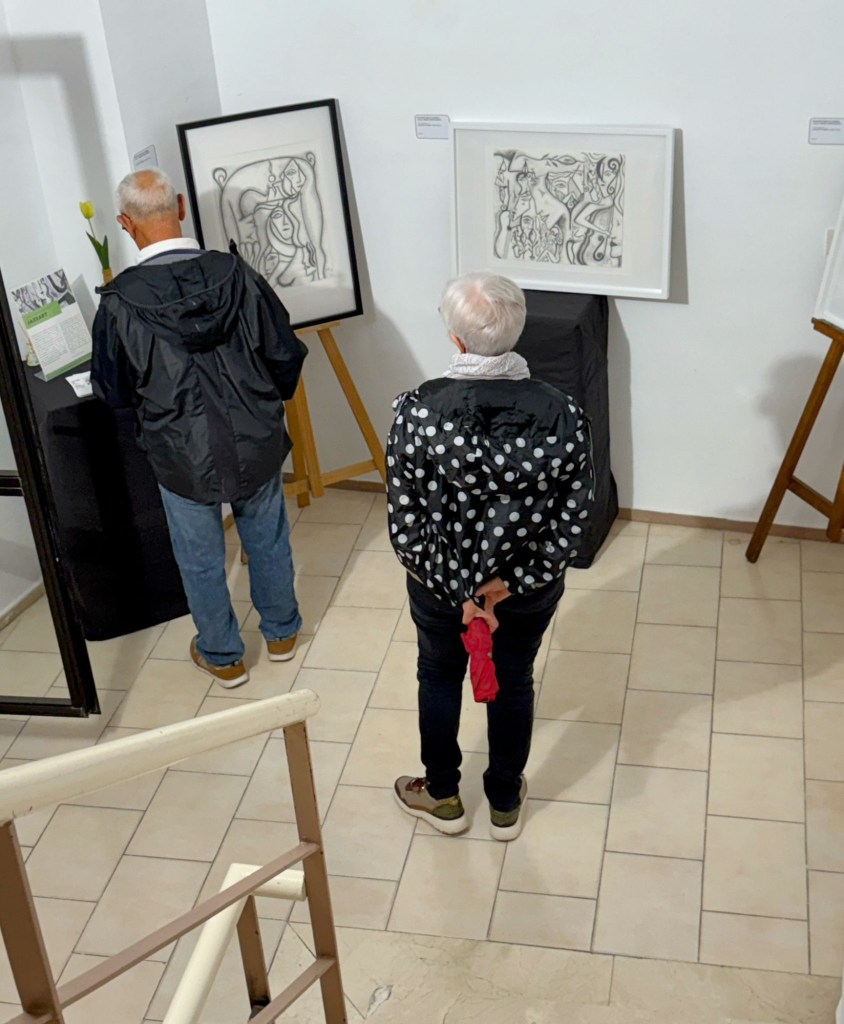
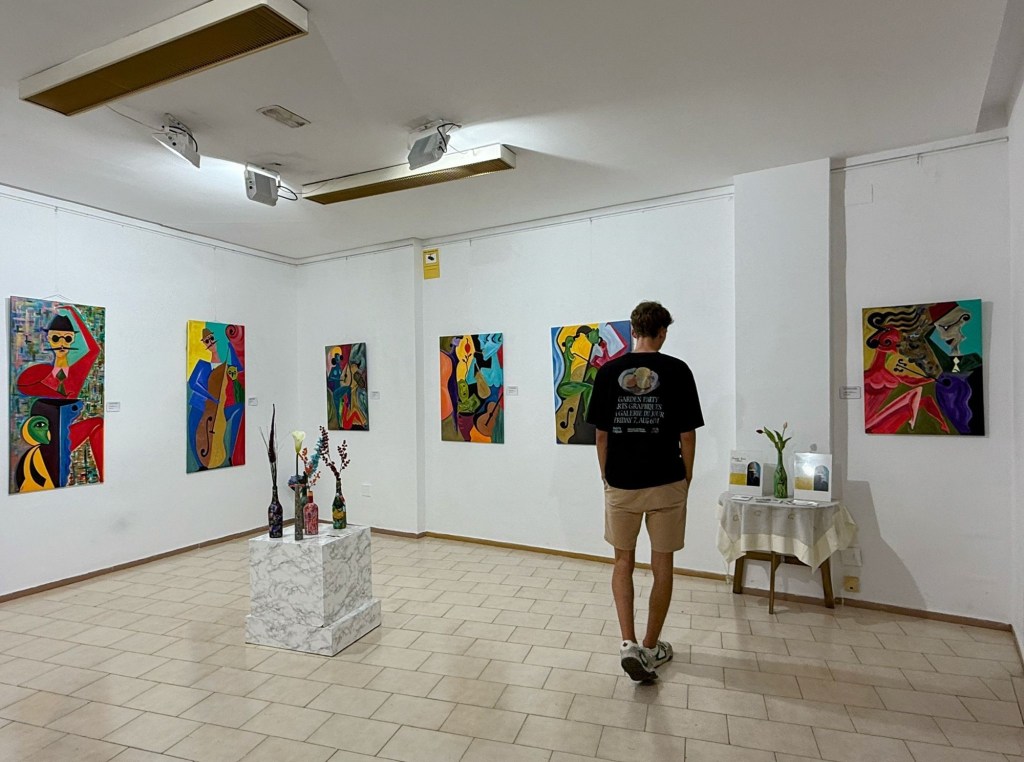
(Foto/photo: GAB/Derechos Reservados/All Rights Reserved)
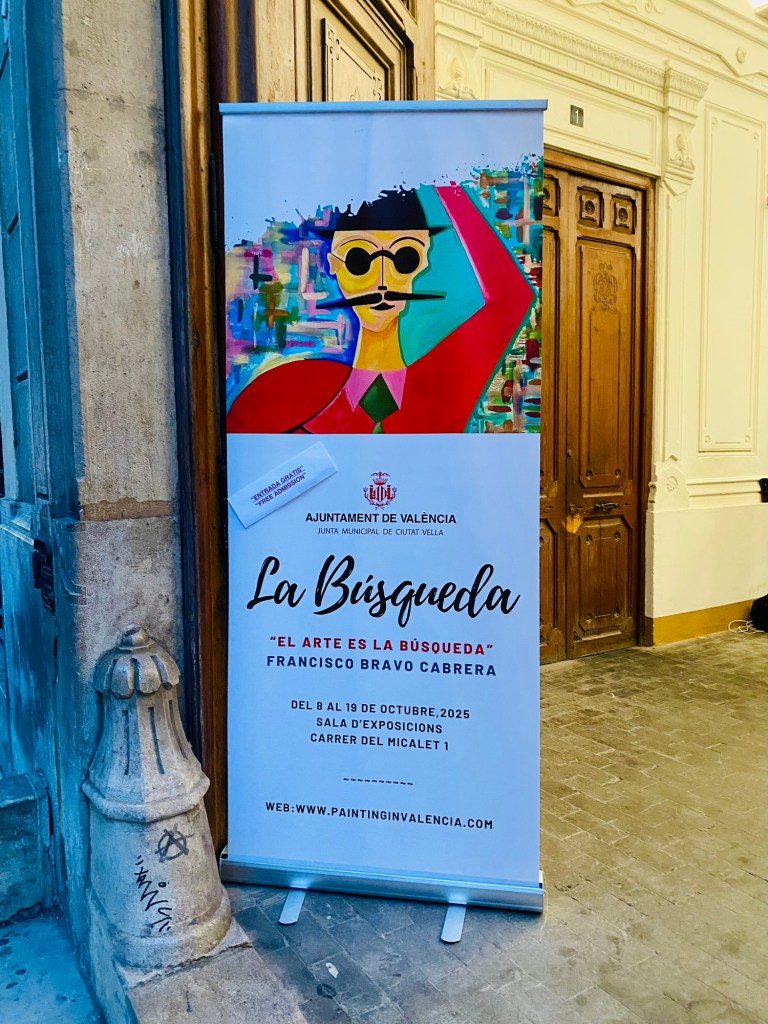
Perdonad si no llego a leer vuestros posts/artículos pues estamos en plena faena atendiéndolos a los menesteres de la exposición que va viento en popa hasta el domingo que viene.
+++
Please forgive if we cannot read your posts/articles or comment. We are quite engaged as the exhibit is now in full swing and will be until next Sunday.
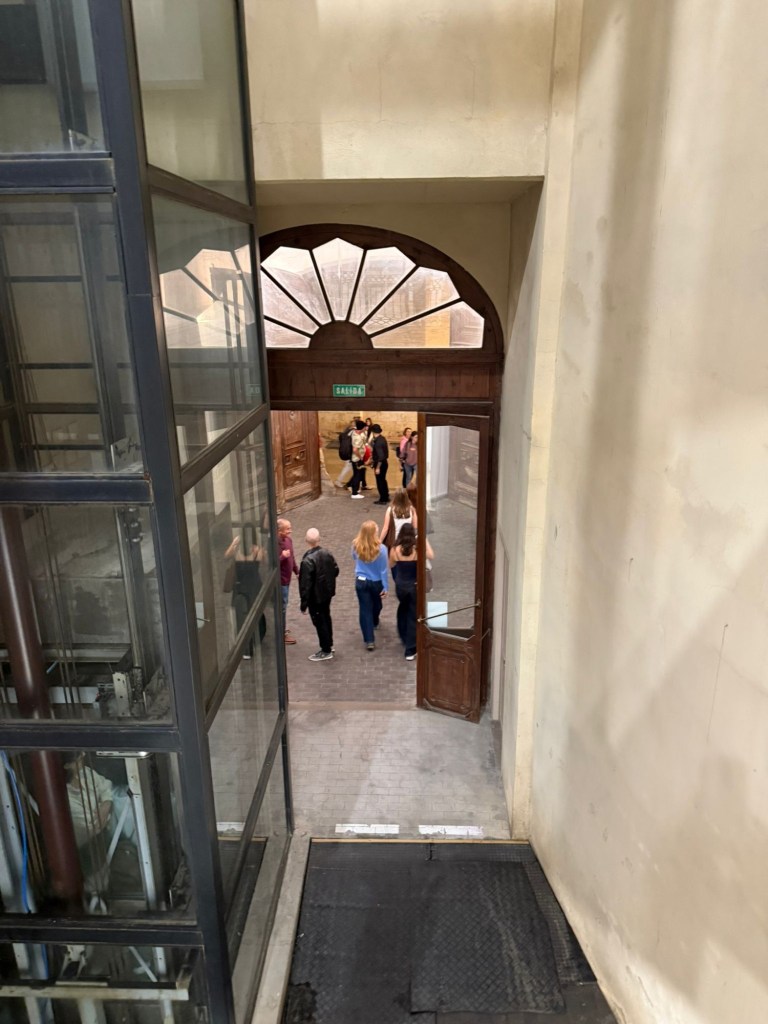
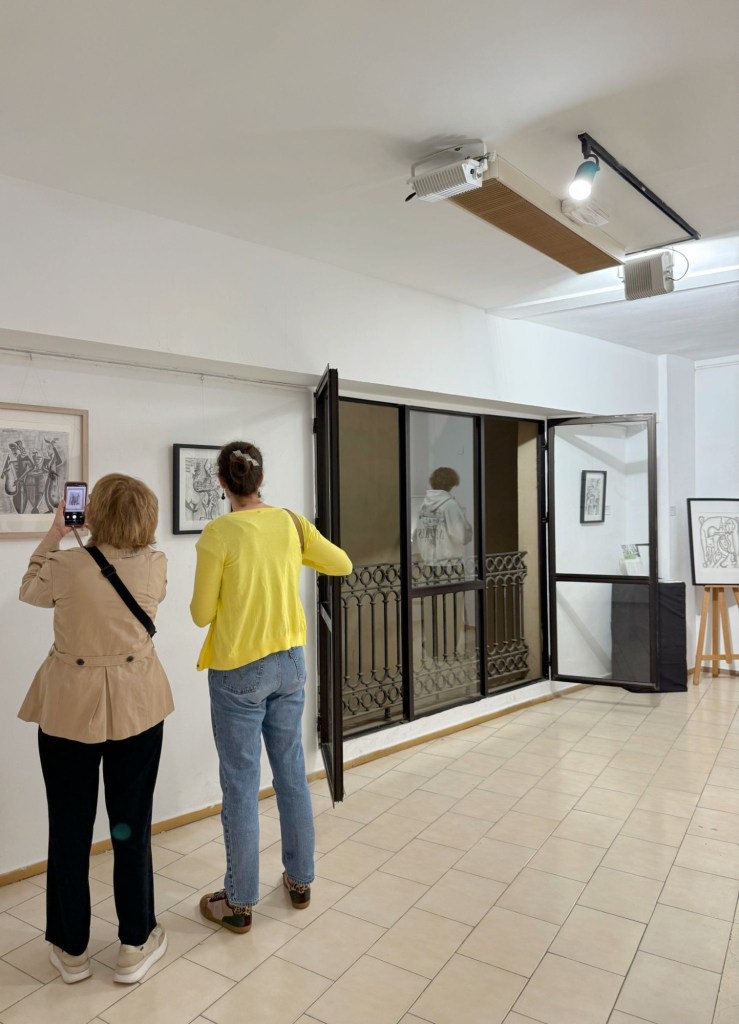
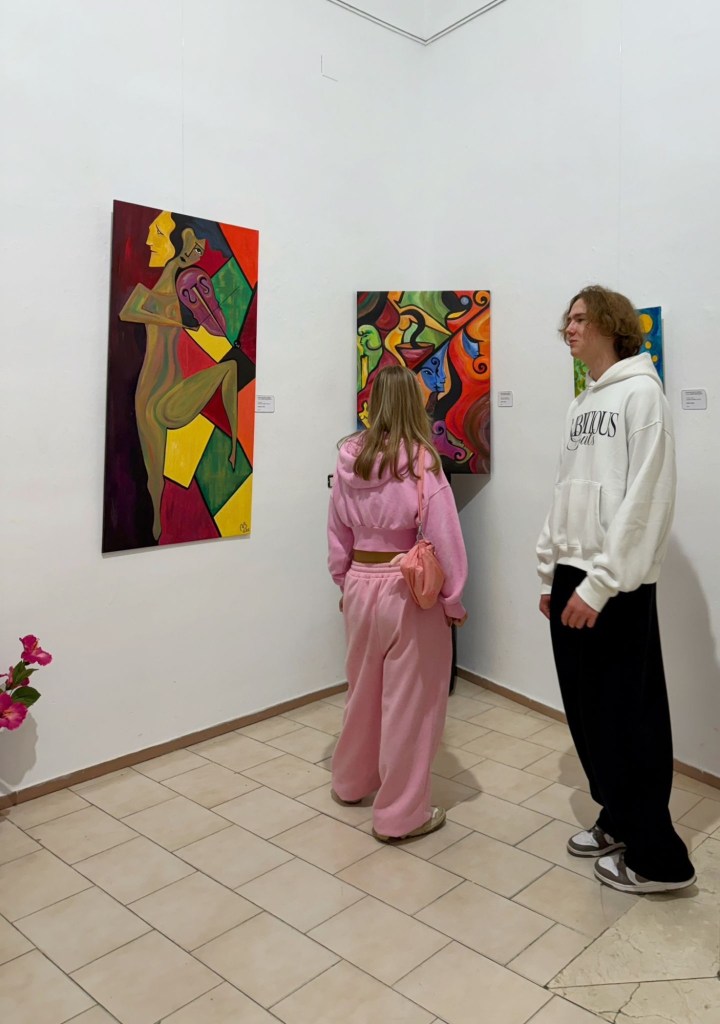
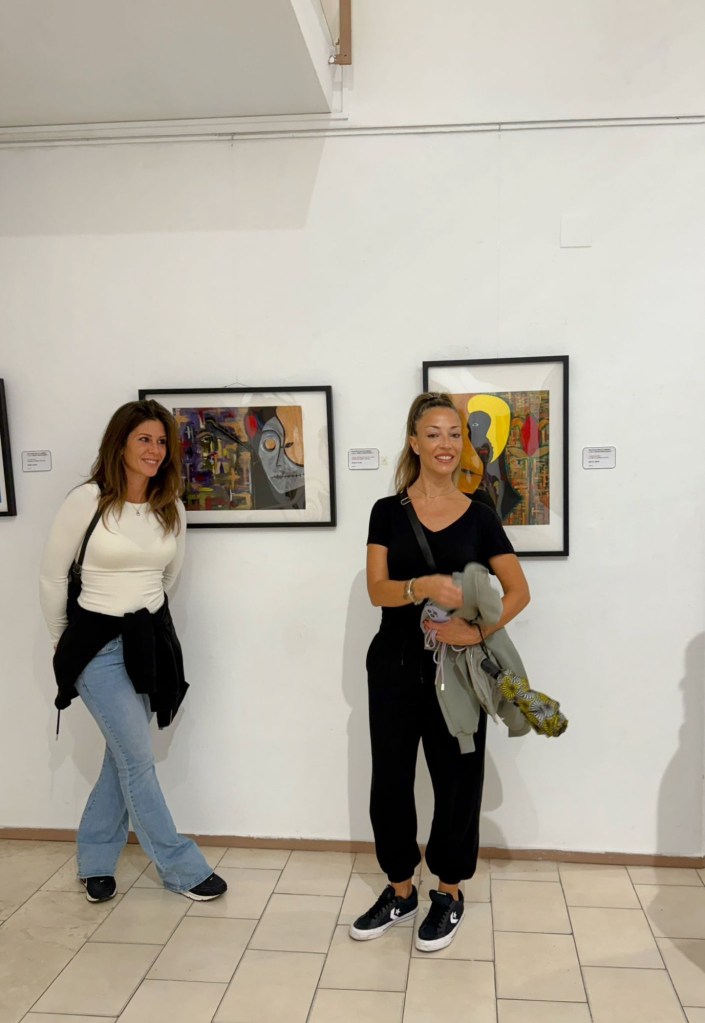
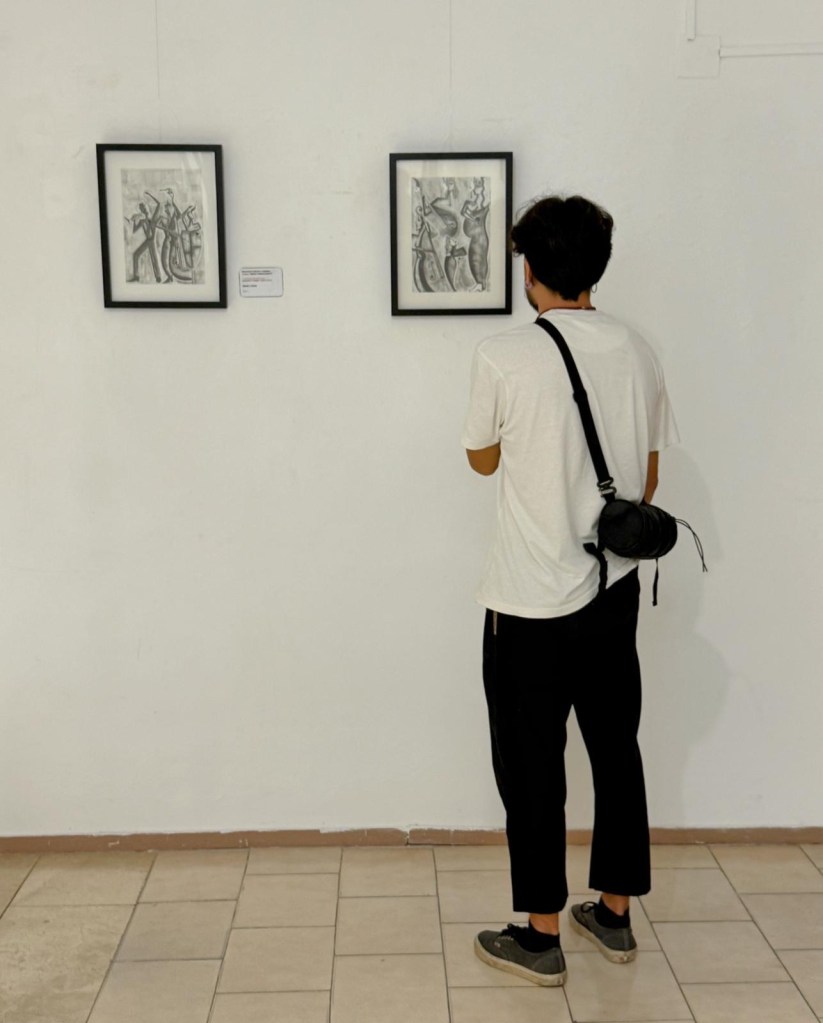
(All Rights Reserved)(All Rights Reserved)(All Rights Reserved)(All Rights Reserved)(All Rights Reserved)(All Rights Reserved)(All Rights Reserved)Photos by staff/Omia Caelum Studios València)
Abrimos las puertas a las 17 horas y fue todo un éxito. Felizmente vimos a más de 300 personas pasar por la exposición… seguimos hasta el 19 de octubre.
(«Tchaikovsky»/Francisco Bravo Cabrera/All Rights Reserved)
“The Concerto of the Return” (Based on Tchaikovsky’s Violin Concerto Opus 35 and while listening to it)
First Movement: Allegro moderato or “The Awakening”
The violin rises like a spark from the evening’s fire, while the bow, scratching through the strings, awakens as sunlight dances on last night’s snow. A melody, that rips through tender skin, dares to absorb the lingering odours of bodies that danced between sorrow and splendour, absorbing the silence of a self-imposed exile, and the hush of the autumn air over the stillness of Lake Geneva. Each note, each phrase, ascends as warriors do, or as those who yearn for absolution but do not implore it finding a forgiving chord, D major.
Second Movement: Canzonetta or “The Remembering”
But our thoughts often reach far down to the minor keys and our voices tremble with the lies we’ve exploited. The orchestra of the Tower of Babel, with her choir of many voices, pauses and listens… Not an instrument is heard, just the sound of many voices, who sing of love undone and bleeding on a letter never sent… The Tower of Babel weeps, as does her choir of many voices, who hum and imitate the sound of leaves pushed and pulled by autumn’s winds, and then silence as divine grace begins to mend our broken hearts
Third Movement: The Finale or “The Rebirth”
From the marrow joy resurfaces as something fierce and irrepressible, the essence of being alive. The bow cuts through melancholic chords like a Cossack’s blade, as the orchestra dreams with their feet as they dance. Defiance! Our bones are mended and we can dance! Love, lust, fear, passion, and desire, grow as does the thunder of a wild applause, and whirl in the ecstasy of the release, as the final chord marks a new beginning. There is no end, just a winding road to reach the place where one can learn that a if a song is born of sorrow, then from silence we are born. So let us lift our glasses and toast to life!
C.2025, Francisco Bravo Cabrera – 04 OCT 2025 – Valencia, España
+++
NOTA BENE
Tchaikovsky’s Violin Concerto in D major, Op. 35 (1878) is a phenomenal concerto, and one of the most popular and loved in the violin repertoire. It is known for its brilliance, lyricism, and emotional intensity. The concerto consists of three movements:
Allegro moderato – Opens with an orchestral introduction that leads to a virtuosic violin entrance. The movement blends Romantic lyricism with technical prowess. The first movement is full of warmth and sweeping melodic lines.
Canzonetta: Andante – The second movement is tender, and melancholic. This interlude in G minor, is a rather intimate dialogue between the soloist and orchestra. It has a wistful, song-like quality.
Finale: Allegro vivacissimo – The finale, as it should be, is fiery. Consisting of a folk-inspired dance, it bursts forthe with energy and rhythmic vitality. It concludes the concerto in a superb manner displaying brilliance and joy.
Tchaikovsky, (Piotr Ilich Chaikovski, 1840-1893), was born in Vótkinsk, Rusia and was a composer of the Romantic Period. He was actually the first, of the many Russian composers, to make an international impression. His repertoire includes: The ballets Swan Lake and The Nutcracker, the 1812 Overture, his First Piano Concerto, Violin Concerto (Opus 35), the Romeo and Juliet Overture-Fantasy, several symphonies, and the opera Eugene Onegin.
He composed the Violin Concerto in 1878, shortly after completing his Fourth Symphony and the opera Eugene Onegin. This period followed a major emotional and psychological crisis which was his disastrous marriage to Antonina Milyukova in 1877. The marriage lasted only a few weeks and left him deeply shaken.
To recover, Tchaikovsky retreated to Clarens, on Lake Geneva (Switzerland). While there he stayed with his student, and close friend, Yosif Kotek. In that most beautiful part of the world, and with renewed creativity, and emotional healing, he wrote the Violin Concerto in just a few weeks.
Interestingly, violinist Leopold Auer, for whom the work was originally intended, rejected it as “unplayable.” The concerto was not premiered until 1881, and performed by violinist Adolf Brodsky in Vienna to mixed critical reception at first, though it later became a cornerstone of the violin repertoire.