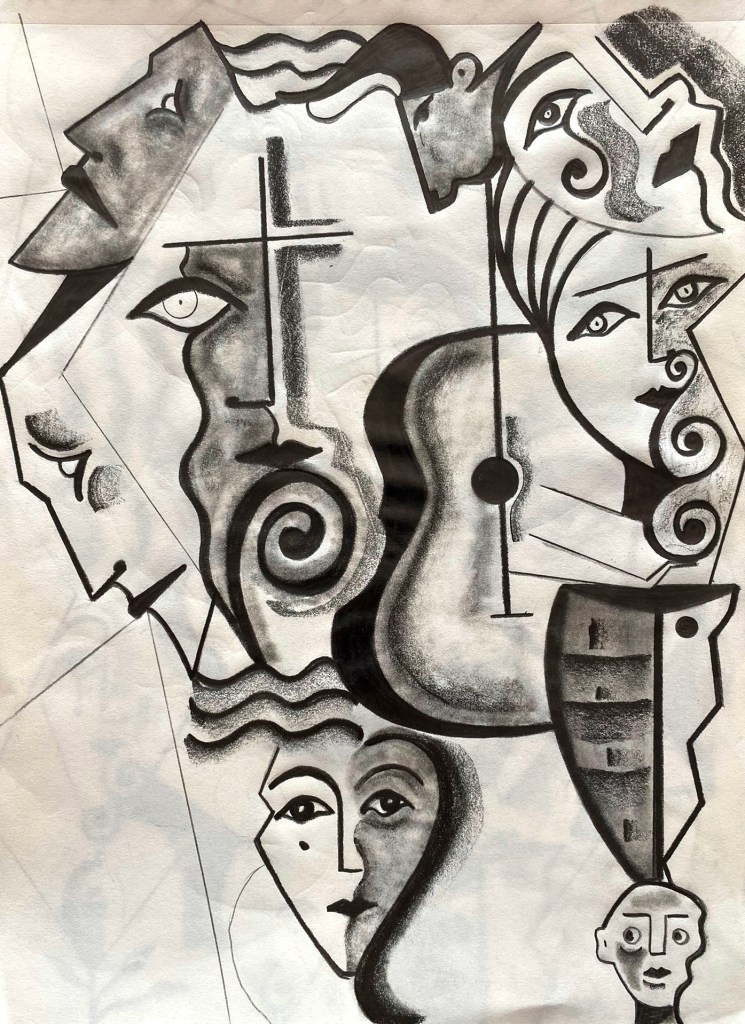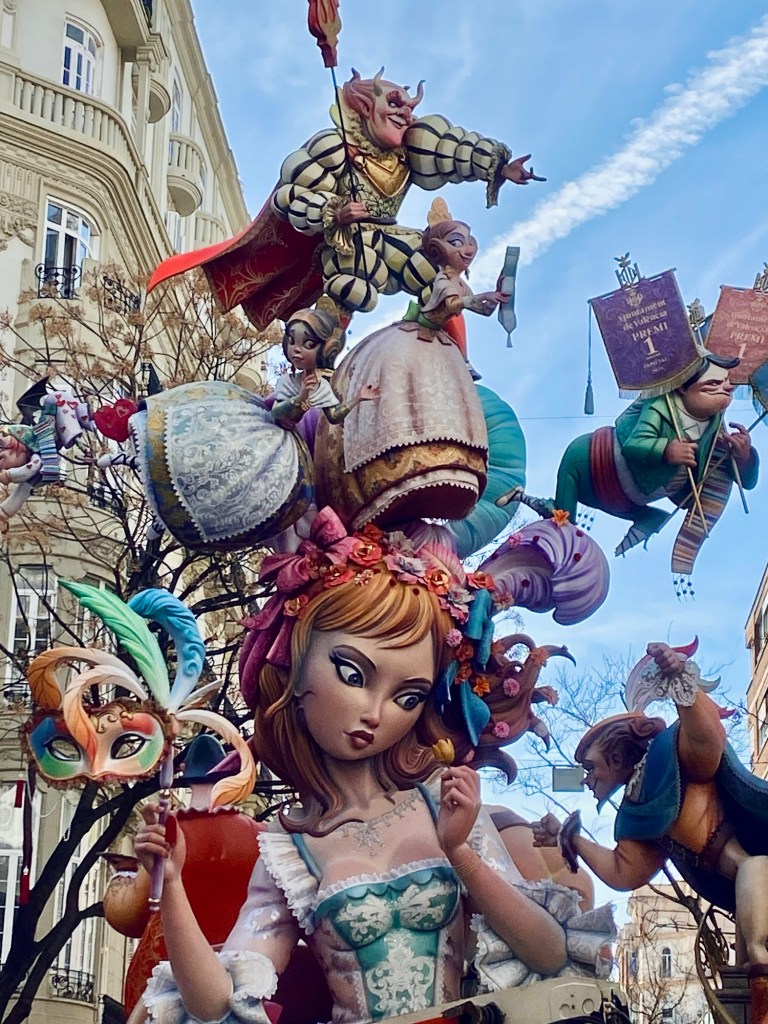
#poem, «Footsteps On The Sand»

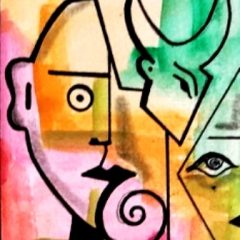
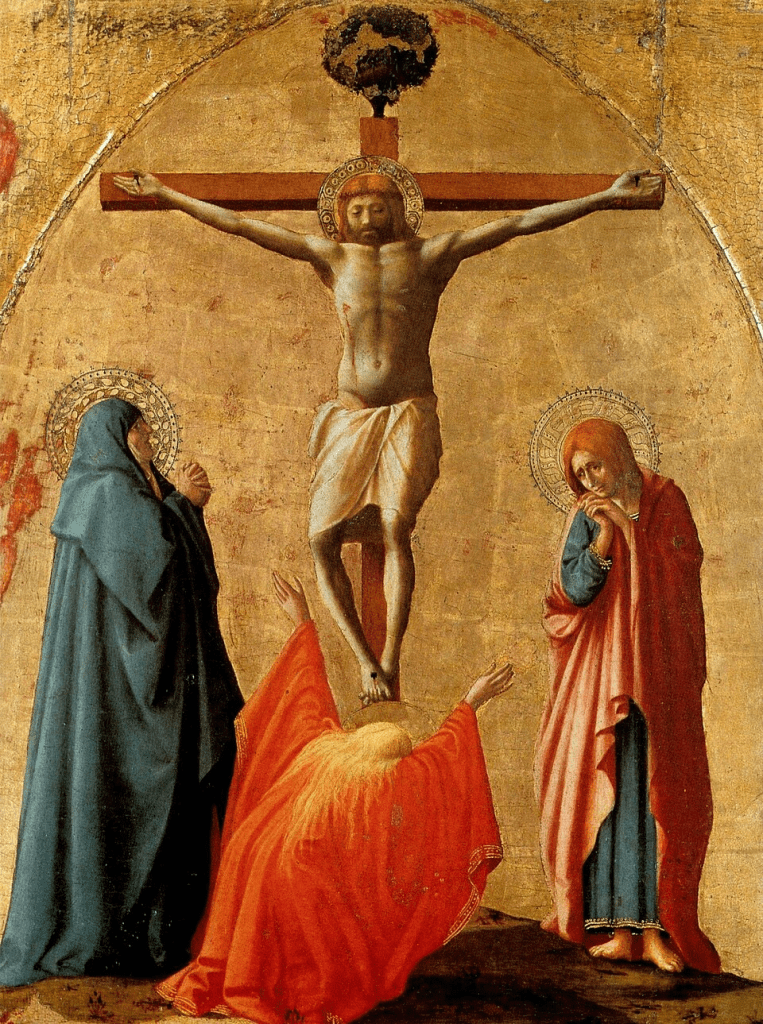
(«Desert»/Francisco Bravo Cabrera/All Rights Reserved)

FOOTSTEPS ON THE SAND

From the bottom
of the deepest ocean,
a tenor’s voice defeats the orchestra,
survives the pressure and currents of the deep
and rises to a sandy beach and walks along the sand.

Faith has its own groove rhythmic,
free from church, free from bells.
I’m a lover of God
as you can tell.

I hear the tides,
they’re singing.
I hear the water,
each tiny wave
trying to follow,
learning the words
humming along.

It’s not a miracle, it’s life…
From the depths you rise,
to the heavens you’ll soar,
Relax,
if you’re afraid to fly,
you can climb a staircase to the stars.
It’s time to nurture your soul…

The day whispers his secrets to the night as she approaches.
The night whispers her secrets to the morning.
The sun is rising,
The light dividing night from day is moving east,
but a line never begins where one had ended,
the snake its tail to bite pretended…

A sigh is heard from high above the clouds,
the mountains hold their breath
and strain their ears to listen,
and He lets it be,
and His voice is louder than thunder.

And as the peace of a quiet dream
turns into one loud primal scream,
the Earth exhales,
the Universe can breathe.
The footsteps on the beach
were left
by me.

Hola mis amigos! Necesito vuestros votos en Spillwords!

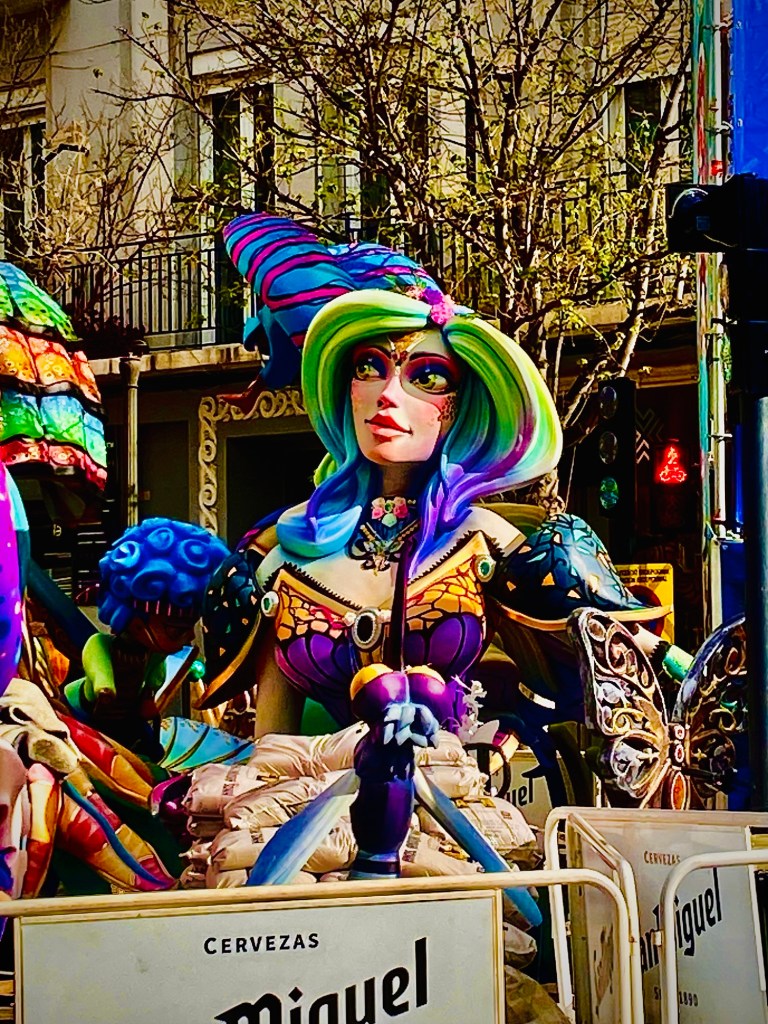
(«Con carlotas»/Francisco Bravo Cabrera/Derechos Reservados/All Rights Reserved)

Mi poema «Surfeando con carlotas» ha sido nominado en Spillwords Press para el premio de mejor poema internacional y necesito vuestros votos para ganar. Os agradezco grandemente el apoyo.

VOTAR AQUI

MUCHAS GRACIAS

#art, Drawings in JaZzArT…

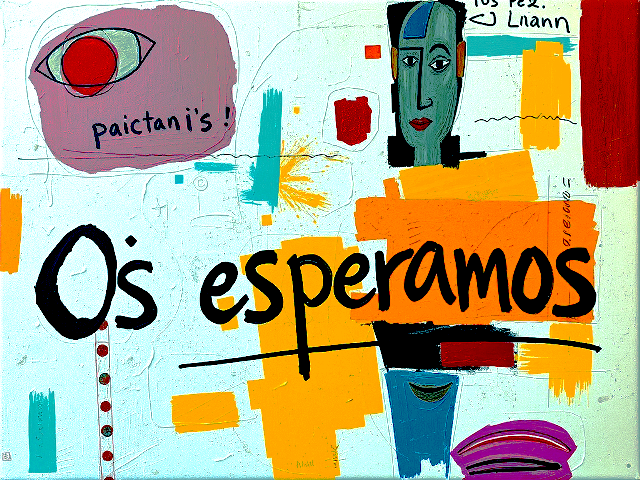
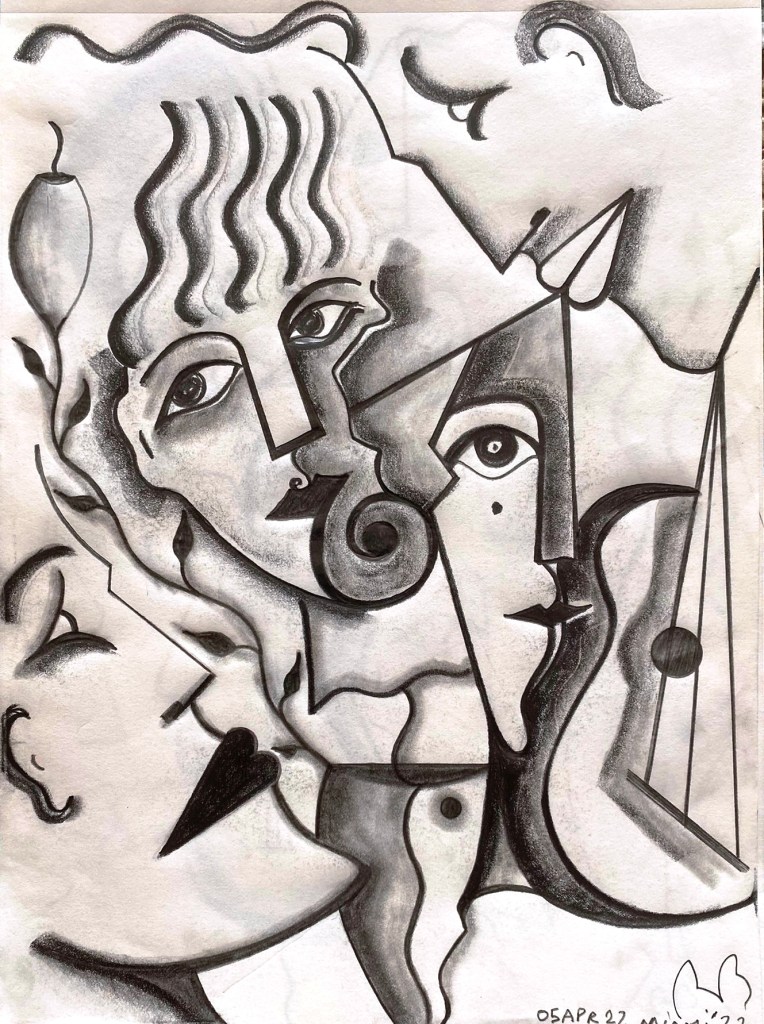
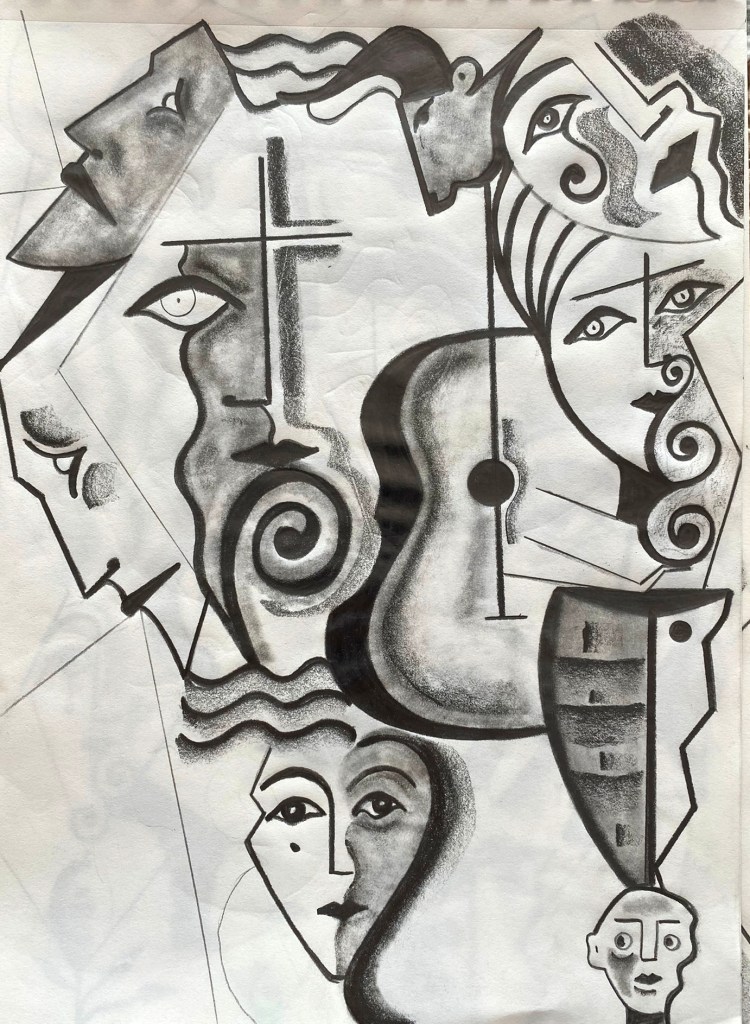
(FBC/OCS Valencia/All Rights Reserved)

I call my drawings, and many of my paintings, «JaZzArT» because they dance…

Jazz music follows three basic «rules» which are: Improvisation, the player (soloist) as composer and swing. I try to do the same within my artwork. But how do I accomplish it? I’ll tell you…

First, I start by imagining the composition, in other words, visualising it vividly in full detail as I listen to some jazzy tunes; I begin to sketch to the music, following the rhythm and the nuances of the melody; I allow the sketch to «climb up to the canvas» in colours that resemble the chords and the harmonies that I am listening to; then I improvise instead of simply copying the sketch and I let my «soloist» (usually one of the figures within the composition) to lead me on, to tell me the colour, to compose a bit; then I balance the colour wheel within the composition so that it can dance…

Here are some examples of JaZzArT drawings…

CHEERS

#art, Francisco Bravo Cabrera

Francisco Bravo Cabrera, a.k.a. Bodo Vespaciano

What can I say about myself? Well… I am a graduate of Florida International University (located in Miami, Florida). I have been engaged in the art world since 1998 when I began painting and selling watercolours which I titled simply “Jazz-Art”, mainly because of my love of Jazz music and because of the themes of the compositions. I created his studio, Omnia Caelum Studios in Miami where I lived at the time. Presently I live and paint and write in València, Spain.

My first professional gallery exhibition was in 2003 at the PG Gallery in Istanbul, Turkey. Following the success of this show, I returned to Miami and began exhibiting in galleries there and in Sarasota and Bradenton, Florida, as well. In Miami, I was named “Artist of the Month” several times during my participation in Miami’s “Cultural Fridays” programme.

I have exhibited in Sarasota and Bradenton, Florida; Manhattan and Brooklyn, New York; Zaragoza, Barcelona, Valencia, Palma de Mallorca, and Sevilla, Spain, Belfast in Ireland, and again in Turkey, this time in Izmir. Apart from galleries my paintings hang in many private collections throughout Europe, the United States, Taiwan and Turkey.

My unique style for painting is surreal-expressionism, but I do not not limit myself to just one style or approach. Most of my paintings are on musical themes and I use instruments as well as bodies to represent players and dancers which exist in the world of jazz and fantasy I am creating. I use colours boldly to express feelings and emotions, and many times I paint an abstract background to my figurative paintings. However, being that I believe that art is the “search” I continuously experiment and investigate new and different approaches to be able to create paintings that truly communicate and transmit the message that I wish to share.

Besides my figurative work, I have developed a way to approach abstract art thinking it something spiritual, and almost mystical. Another very important aspect of my work is drawings, (illustration), which I do using various types of graphite and ink. These I do in series titled “JaZzArt”. The series is separated into phases. And although most are in black and white, some I have drawn with ink upon a colourful abstract background of watercolour. So, are these paintings? Or drawings? You tell me…

My present work seeks to expand the use of colour, as well as to explore other styles. This would allow me the use of more symbols and abstract forms. I am looking to continuously delve deeper and deeper into expressionism. My “search” is to discover the true essence of this historical/vanguard art movement and to try to more clearly and effectively reach out and communicate with its audience. And of course to continue drawing JaZzArt because for me the black line is the clearest and most visual manner with which to bring forth the spirituality…and communicative power…of art.

My upcoming projects continue to be here in my hometown, València, Spain. But I also do a lot of work and sell much on Internet. Next year I will be back…October 2025…at the museum Sala d’Exposicions de Ciutat Vella (València) where, in 2023, I was so successful with my premiere Valencia exhibition «Atrévete» («Be Bold»).

(Hey! Good news! You can actually help this channel out. How? Give this video a Like, a Comment and a Share and Subscribe. That’s all and it is FREE!!!)

CHEERS

#art, Arte valenciano: Ignacio Pinazo Camarlench – Valencian Art

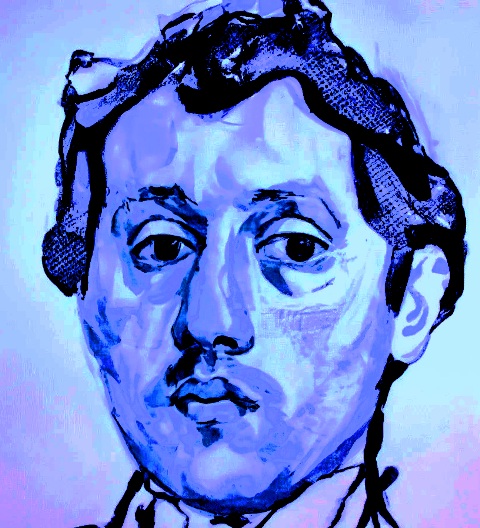
(By Didier Descouens – Own work, Public Domain, https://commons.wikimedia.org/w/index.php?curid=128624735 – Dominio Público)

Uno de los nuestros y de los grandes… Ignacio Pinazo Camarlench nació en Valencia en 1849 y murió en 1916. Surge de familia humilde y comenzó sus estudios en la Academia de Bellas Artes de San Carlos de Valencia en 1864 y se ganaba la vida de sombrerero. Luego en 1871 logró su primera exposición en la Exposición Nacional de Bellas Artes. Sus primeras obras no fueron totalmente de genero, aunque si academistas, pero Camarlench siempre fue buscando algo diferente y se nota. Pasó hacia el impresionismo en 1874 siguiendo los pasos de Sorolla y de otros pintores españoles como Francisco Domingo Marqués… Ignacio fue profesor de Bellas Artes en la Escuela de Valencia y en 1896 fue nombrado como académico en la Escuela de Bellas Artes de San Carlos de Valencia… Fue un gran retratista, ganador de la medalla de la exposición nacional (1897). Uno de sus retratos famosos fue el de su majestad Don Alfonso XIII. Fue nombrado académico de la Real Academia de Bellas Artes de San Fernando de Valencia (1912)… Aunque se le conoce como un impresionista, su obra tiene mucho mas ya que él incorpora aspectos del naturalismo y también mucha psicología y emoción en su obra. Si uno se fija bien verá que en los espacios negativos de muchos de sus lienzos hay también mucha arte abstracta… El Museo del Prado tiene muchas obras de este gran pintor valenciano.

+++

One of our own (Valencian) and one of the greats… Ignacio Pinazo Camarlench was born in Valencia in 1849 and died in 1916. He came from a humble family and began his studies at the Academy of Fine Arts of San Carlos in Valencia in 1864 while making a living as a hat maker. In 1871, he achieved his first exhibition at the National Exhibition of Fine Arts. His early works were not strictly of the popular genre at the time, though they were academic. But Camarlench was always searching for something different, and it showed. He moved towards Impressionism in 1874, following in the footsteps of Sorolla and other Spanish painters like Francisco Domingo Marqués… Ignacio was a professor of Fine Arts at the Valencia School and in 1896, he was appointed as an academic at the School of Fine Arts of San Carlos in Valencia… He was a great portraitist, winning the gold medal at the national exhibition (1897). One of his famous portraits was that of His Majesty King Alfonso XIII. He was named an academic at the Royal Academy of Fine Arts of San Fernando in Valencia (1912)… Although he is known as an Impressionist, his work encompasses much more as he incorporates aspects of naturalism as well as a great deal of psychological aspects and emotion into his work. If one looks closely, they will see that in the negative spaces of many of his canvases, there is also a great deal of abstract art… The Prado Museum houses many works by this great Valencian painter.

Este pintor no tiene desperdicio y os urjo a que busquéis mas sobre Ignacio Pinazo Camarlech.

+

This painter is phenomenal and I truly urge you to look further into the work of Ignacio Pinazo Camerlech, I know you will be delighted at what you will find.

GRACIAS – CHEERS

#art, Proto Jazz-Art at Omnia Caelum Studios Valencia

(Jazz-Art by Francisco Bravo Cabrera/All Rights Reserved)

JaZzArT is a concept I developed…slowly…towards the end of 2016 while working in South Florida. The idea was for me to use the thought/methodology that goes into making jazz music to paint, draw and create works of visual art. But how does one do that? Music is art but it is quite different from painting or drawing. But there is still a way…

I use improvisation, rhythm and creating as the protagonist wills it so, to create my drawings. And it all started in black and white. Improvisation is not the same as intuitiveness. Improvs are planned and rehearsed. Rhythm is a force of nature that leads us with every breath we take and every beat of our hearts. And letting the player compose as he plays, wow! That is making art!

ENJOY!

(Did you know that by giving this video a Like, a Share and a Comment you can help this channel? Please help out, thank you!)

CHEERS

#non-fiction, «The Blue Beetle»

(«Escarabajo Azul No.2» by Francisco Bravo Cabrera/All Rights Reserved)

There are things in one’s life that are not forgotten, although they may eventually become confused with dreams. And there are dreams that most certainly will turn into memories. Such is the human condition, magical. Are we not complex, yet subtle beings? Sometimes pure of heart, some times purely corrupt. And although we may think of ourselves as the most beautiful things on Earth, we have so often become the most horrifying. However, we are searchers, inquisitive souls who never tire of seeking the connection between the profane and the sacred.

What I’m going to tell you is a memory, but it could be nothing more than a dream, or a fantasy that came true one day. I don’t know. What I do know is that it’s engraved in my mind. I’ve lived it. It is something real, something that was made manifest in my life. It’s part of me, belongs to me. And if it is a memory, aren’t we all a collection of memories? I think we are, so I’ll tell you one of mine.

This happened in Guatemala City.

I was in snug in the arms of Morpheus in those early hours of Wednesday, February 4, 1976, when precisely at 03:01 in the morning, a violent tremor woke me up and threw me from the bed to the floor. At the same time, a noise, devouring the atmosphere of my room…it seemed like a bombing…made everything shake and knock down everything that was on the walls and furniture. Even I ended up on the floor. I tried to get up several times but with the shaking it was impossible. I looked towards the window and saw the street lamp moving like a reed, then suddenly it went out. Instantly, it seemed like every light on Earth went out and finally the earth stopped trembling. The tremor lasted but thirty-three seconds, yet it was an eternity.

At first, I thought that the British had attacked Guatemala because in those days Guatemalan President Kjell Eugenio Laugerud Garcia had proclaimed that Belize belonged to Guatemala and had even included Belize in the official map of the Republic of Guatemala. I thought the bombing was payback, but no bombing, it was a 7.5 magnitude (Richter Scale) earthquake that affected the entire country.

But well, let’s get back to what was happening in my room. I got dressed in a snap. My clothes I always leave ready next to the bed with money and passport in the pockets, just in case. I made a beeline towards the front door. I saw that my few neighbours had done the same thing and now they were all shivering in the gardens. Fear? Cold? I don’t know but it was a cold February night. There were no lights in the entire national territory and for a moment I stopped to admire the millions of stars that in such an orderly fashion vibrated and shone in the sky while we on earth were stumbling through chaos, disorder, and horror. Surreal I thought.

There, in the garden that served as our parking lot, we all gathered to give thanks to God for keeping us safe and sound. No one understood what had happened. I had never felt an earthquake in my life, not even during the whole year I had already spent in Central America. This was a new experience for everyone, since all of us who lived in that neighbourhood were foreigners. But standing there, looking at each other, we knew that the terrifying effects of the earthquake had not fully sunk in yet. We were still surprised and confused, with a lingering question in our minds, will it quake again?

Now that you know what happened, a flashback…

I arrived in Guatemala City on an Aviateca Airlines flight from New Orleans on the first of February. At La Aurora airport, a co-worker picked me up to take me to my home in the neighbourhood of Vista Hermosa No. 2, which was about four kilometres outside the capital city. (I don’t mention the work I went to do in Central America because it has nothing to do with this story).

We tried to leave the capital, but since it was rush hour, the traffic wasn’t moving. I suggested to my companion that we stop at one of the downtown restaurants, grab a bite to eat, and give the traffic a chance to clear up. Besides, Guatemala in those years was full of old cars that emitted so much black smoke, the pollution they caused was unbearable. It made your eyes sting and even left a bad smell on your clothes. My companion agreed, so we parked and walked a few metres to a restaurant in the center, if I remember correctly, it was called «Il Focolare.»

We went straight to the bar and ordered two Gallo beers, the most popular in Guatemala at the time, and perhaps still so today. The only other customer in the bar was a well-dressed gentleman, also refreshing himself with a «gallito». The guy listens to us speaking English (my companion was Israeli and didn’t speak Spanish) and turns around and introduces himself.

«You have arrived in Guatemala at a bad, but a very bad time.»

I thought he was already a bit cocky, but I was intrigued by that comment he pulled out of thin air.

«How does you know we just arrived in Guatemala?»

«I see things and know things that others do not see or know.»

Well to each his own, but I wasn’t in the mood for a drunk so I told my friend that we’d better go sit at a table and have our beers in peace. But my companion, who had much more experience than me, signalled for me to sit and calm down. Okay, I did. I sat down and started to drink my cold and delicious beer. And the guy started to talk…

«Listen, I am an obstetrician, I deliver babies, do you understand? And this morning they brought to the clinic to an indigenous woman from Chichicastenango about to give birth. When I delivered the baby, I was horrified! The child was a monster, and the nurse, also horrified, blurted out a «How ugly!» from the depths of her soul. Then the new-born opened his mouth, full of teeth and filth, and replied, «Uglier is what will happen to Guatemala in three days,» and died.»

The doctor turned towards the bar, finished his beer in one gulp, ordered another, and got lost in his thoughts, leaving us in peace to drink ours and digest the absurdity he had just told us. Afterwards, we left; the streets were already free of traffic and we got home in no time. But what the doctor said kept spinning in my head…

The next morning I set out to explore the surroundings of my community. I walked along the road that leads to the main part of the capital taking the opposite direction, towards the mountain. After about two hundred meters, I saw a small detour where there was a little trail that went uphill, suitable for hiking, and I climbed up to the top of the hill. To the left, there was a path that continued to climb even higher, towards the mountains, and I headed in that direction. Suddenly, I heard a thunder and instantly, like if it had materialised out of thin air, there was a car, a blue Volkswagen Beetle, tumbling sideways downhill on the same road.

Quickly I jumped into the thicket just as the car rolled past. Then, right there, right in front of me, it did one last somersault and came to a stop with all four wheels on the ground. I could not even see dust or a scratch on it. No visible damage. I remained silent and observing. First, one must assess the situation, then take the necessary action. I saw the driver’s door open and out steps a tall, gorgeous blonde and she looked directly at me. She smiled at me and dropped an envelope on the ground. Then she got back in, started the car, and drove off like a bat out of hell, leaving behind a huge cloud of dust that, when it cleared, I noticed the car had disappeared.

«Where to, though? The path was too narrow for a car, even a VW Beetle. Well, there was nothing else I could do but pick up the envelope. It was an A4-sized manila envelope, unsealed. I open it up and inside there was a note: «Guatemala, your greatest enemy is the land you are on. Two days left.»

(Bodo/Francisco in Guatemala/Photo by JPD/All rights Reserved)

Conclusion

I’m a practical man, yes, I believe in God, the Virgin, and the saints, but not in oracles or fortune tellers. And at that time I didn’t believe in the supernatural or paranormal phenomena. But now I’m not so sure. After what I experienced that year in Guatemala, I think it’s possible that those things can exist and that, like so many other mysteries that surround us, they are part of our reality. After all, we humans don’t know where we come from or where we’re going. Everything we’ve been taught can be thought of as nonsense. They are stories invented by either priests or scientists, two groups where charlatans abound. We don’t know the truth. But I believe that someday we will come to know it, not here in this plane of existence, but in the next. We will be able to see ourselves as God sees us. And this is not a religious faith-based conclusion, it is simply my opinion.

In any case, the prophecies of those days in Guatemala did come true. The monster baby said on day 1 what Guatemala would suffer in three days. The note from the woman in the blue beetle said that Guatemala had two days left, and that was on the second of February. In the early hours of the fourth, that is the third day, the earth shook in Guatemala. The strength of the earthquake was such that it changed the country’s topography. Tens of thousands of people died during those devastating 30-something seconds that the earthquake lasted. The ground rose up against Guatemala, and it was an ugly, sad, and very unfortunate thing.

(Sierra Madre Mountains, Guatemala/Photography by Francisco Bravo Cabrera/All Rights Reserved)

CHEERS

#poem, «L’esmorzaret»

(Photo by El gringo photo on Pexels.com)

A las diez y media voy al bar de la esquina,
donde la dueña me conoce y estima,
me pone en la mesa el almuerzo:
Pimentones, olivas,
all i pebre, pa amb tomàquet,
y dos cocas divinas…
¡Venga! Esmorzar es un lujo, todos lo dirían,
y me siento feliz disfrutándolo todo
con una cerveza bien fría.

Como era verano me senté en la terraza,
pues el sol de Valencia sí arrasa,
y lo vi en la otra mesa, periódico en mano,
y delante de un vaso de agua.
Lo miré y sonreí y le dije al anciano,
“Lo invito a un café valenciano,
a un cortado del tiempo o a un tallat
si desea, o a un bombón,
pida lo que usted quiera,
también a un croissant
o pan con mantequilla,
o un pinchito e tortilla.”

Pasaron las horas y tres carajillos,
hablando de tiempos pasados,
de mujeres que tanto quisimos,
de las otras que no nos amaron,
del deporte, política, religión y la mítica luz de la luna,
la luna de Valencia,
si, por favor,
como ella ninguna.
Nos cagamos en diez,
aplaudimos a dos,
hasta que ya al fin la dueña nos dijo,
“Mirad el reloj que la hora ha llegao de cerrar,
a otra parte salaos, a otro bar a charlar.”

Nos despedimos al son de las tres de la tarde,
y al anciano jamás volví a ver,
hasta que un día yo almorzando
y leyendo el periódico en sus páginas su foto encontré.
Había muerto el anciano,
y era millonario y para mí menuda sorpresa,
pues dejó por escrito que a mí me dejaba
su fortuna, su casa, y su herencia.

La moraleja aquí es esta:
Esmorzar es un lujo,
y ocasión para compartir,
tu pan con tomate,
tu pincho e tortilla,
y tus cocas,
con quien no las pueda comprar,
pues que sabes tu
si el que tienes delante
es mendigo ambulante o un anciano buscando
una miga e cariño,
una sonrisa gentil,
conversar un poquito,
hablar de vivir…

Así que si ves a uno cerca,
convídalo a un rato,
y pide que pongan, bien frías y en la mesa,
olivas, cortezas y
un par de cervezas.

(Comenzado el 09 SEP 2023 y terminado el 22 de mayo 2024, Francisco Bravo Cabrera, Valencia, España)

NOTA BENE

L’esmorzar es el almuerzo en valenciano y se come usualmente entre las 1030 horas y las 1200. El all i pebre es ajo y pimienta, una salsa muy popular, el pa amb tomàquet es nuestro tradicional pan con tomate con el cual suelen desayunar miles de valencianos todos los días. Las cocas son panes planos y redondos cubiertos con ingredientes frescos, como un pizza, digamos. El tallat es nuestro café cortado.