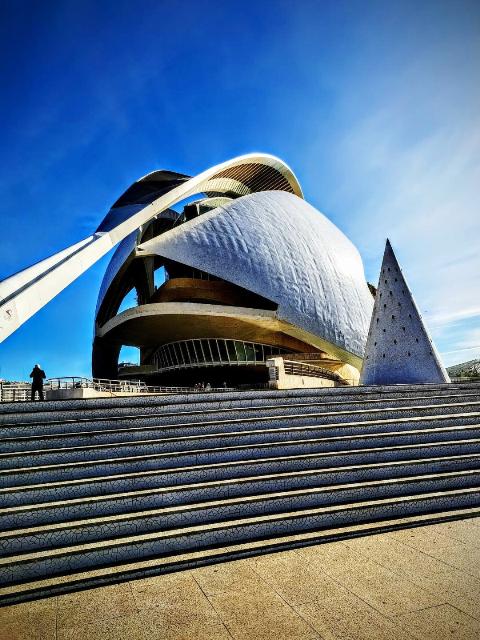
“Some people want to understand and decipher everything about nature, but for me, I prefer to leave it an absolute mystery.”
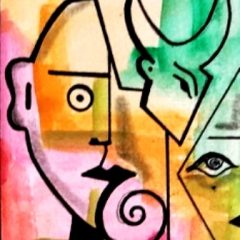
Faith saved us from the savages that we were, losing faith makes us savages again
“Some people want to understand and decipher everything about nature, but for me, I prefer to leave it an absolute mystery.”
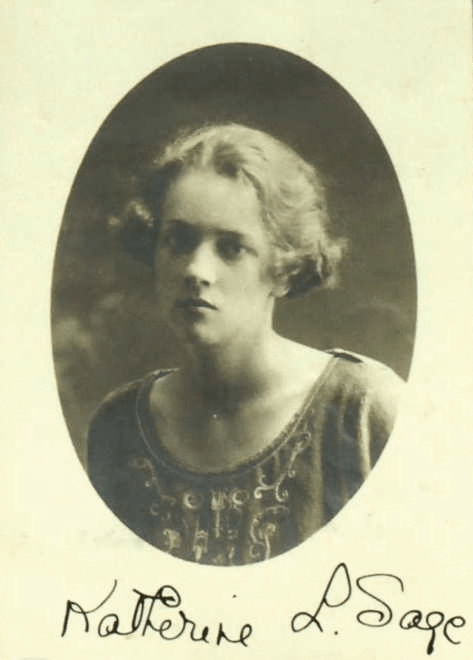
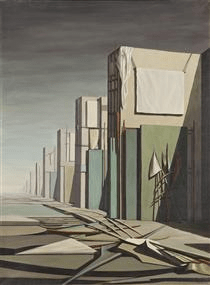
Of course, for the Surrealists it was easy to forget a woman since they were all macho, macho men… So, here is what I have found out about Kay Sage, one that was never taught to me at uni either…
Kay Sage, Albany, New York, (1898–1963), North American Surrealist painter and poet. She is known for her haunting, architectural dreamscapes. Sage studied art in Rome in the 1920s, later moving to Paris where she became associated with the Surrealist movement. In 1940, she married fellow Surrealist Yves Tanguy, and the couple relocated to the United States during World War II.
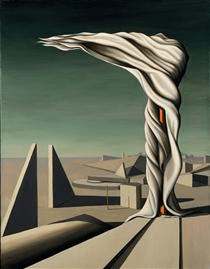
Sage’s mature works are characterized by vast, desolate landscapes filled with scaffold-like structures, draped forms, and monumental architectural elements that convey themes of isolation, waiting, and melancholy. Unlike the biomorphic imagery of many Surrealists, her style leaned toward the geometric and architectural.
After Tanguy’s sudden death in 1955, Sage’s work became even darker, marked by a profound sense of grief and emptiness. Struggling with depression and declining eyesight, she took her own life in 1963.
Since, of course, she was usually overshadowed by her male contemporaries, she is now recognized as one of the most important women of Surrealism.
+++

CHEERS
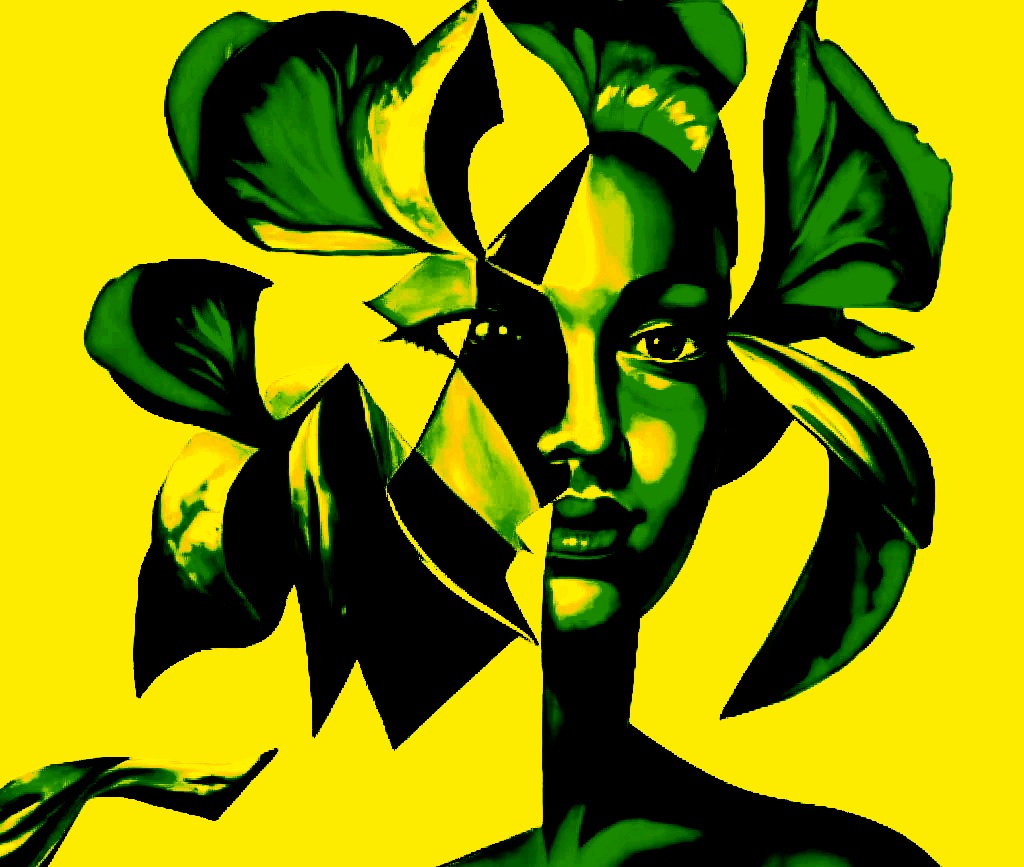
SO WHAT IS THIS ALL ABOUT, DEAR DIARY, THAT I HAVE BEEN HEARING? CAN IT BE TRUE…
Well, I have been hearing a lot about the so-called simulation hypothesis—the idea that our reality might be an advanced computer simulation—has been taken seriously by many important people like philosophers, e.g. Nick Bostrom* and even technologists like Elon Musk.
Well, they say that if a civilization lasts long enough and develops advanced computer power, they will be able to simulate entire universes. Hmm… And that they will do many simulations, so many that at one point they would totally outnumber the «base reality.»
But… where’s the bloody proof? I mean, dear diary, I love to imagine these things and philosophise about them, but are they truly real? Physics does have some weird hints like quantization at Planck scales, limits to information, the strangeness of quantum mechanics), but nothing conclusive and certainly nothing that a non-geek can understand.
Then there is also so much talk (even in good films) about the multiverse. Dear fecking diary, is that real? I mean it is just as phenomenal as the simulation hypothesis, but completely different and I think I can subscribe to something like this. And the multiverse has been «proven» by physicists and cosmologists. I mean the quantum multiverse where it is known and proven that particles can exist in multiple states and in multiple places simultaneously. Why cannot we?
And dear diary, you know that I do not believe in limitations and I do not believe that we have to prove something in a laboratory. It is great if we can, but I don’t believe we (I) need that to believe that something is real or not. So even thought the multiverse is something not empirically verified, I think it is real.
Dear diary, another popular topic that interests me a lot is the Mandela Effect, but I think I will leave that for another day…
CHEERS
“Life is always beautiful, but there are days when it is absolutely phenomenal.” (Francisco Abraço Cabrera)

Otto Dix: German Expressionist Artist
Wilhelm Heinrich Otto Dix (1891–1969) Born in Gera, skilled as a painter and printmaker, is an artist closely associated with the Expressionist and later New Objectivity (Neue Sachlichkeit) movements. His paintings depict the raw reality of war, social decay, and the fragility of human existence in the 20th century.
He studied at the Dresden Academy of Fine Arts. He started out by experimenting with Expressionism and Dada, and was influenced by artist George Grosz, among others. His service as a soldier during World War I deeply marked him and became the central theme of much of his later work.
His experiences fighting the war inspired paintings that depicted the brutality and devastation caused by war and is clearly seen in his etching «Der Krieg» from 1924… To highlight the moral collapse and inequalities of the post-war society he painted portraits of veteran, prostitutes and the urban poor. His work, which blended the emotional intensity of expressionism and the classical technique of the old masters, created an unsettling realism.
During the Third Reich, his work was labelled “degenerate art”. He was dismissed from his teaching position and forbidden from exhibiting.. After World War II, Dix was honoured, and recognized as one of the foremost German painters of the 20th century, remembered especially for his uncompromising examination of war and its aftermath. His work will stand, as he will as an artist, for their avant-garde intensity and technique. And this combination has ensured his enduring place in modern European art.
+++
CHEERS

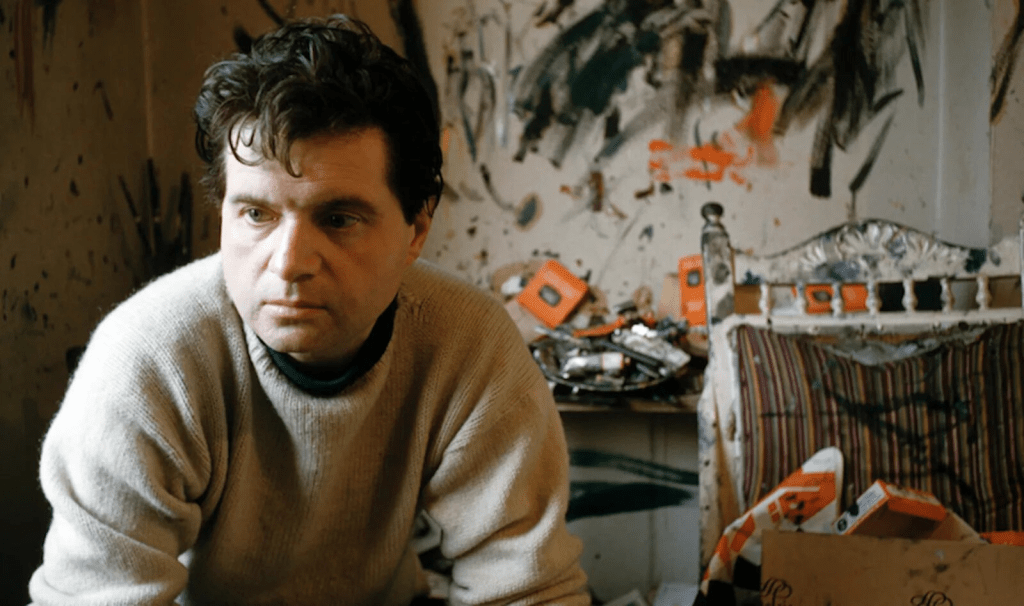
This video, as part of the «Art History in One Minute (videos)» I had already posted, but I would not want you to miss getting to know this phenomenal artist, Francis Bacon.
CHEERS
I know I have posted this video before but I would not want you to miss the work of this phenomenal artist (designer and cartoonist)…
CHEERS

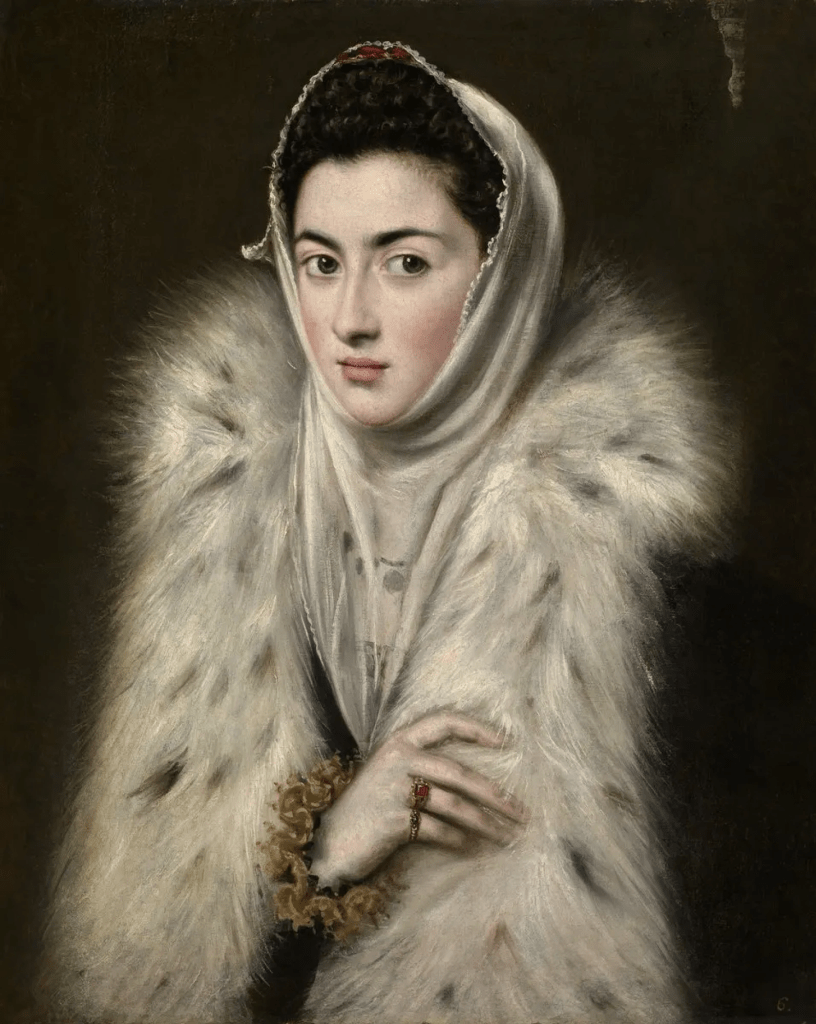
This great master and portrait painter hailed from Valencia, born in Benifairó de los Valles c. 1531… Alonso was a court painter for King Phillip II… Since he grew up in Portugal and his art education began in Lisbon, he was there under the protection of King John III… His daughter, Isabel Sánchez Coello, who studied under him, also became an important artist and portrait painter… He was a great admirer of Titian and quite as detailed as Velázquez. He painted portraits for the royal family and innovated with Mannerist styles and as well Romanist styles… Coello died in Madrid in 1588.
+++
Este gran maestro y retratista nació en Valencia, en Benifairó de los Valles alrededor de 1531… Alonso fue pintor de camara del rey Felipe II… Dado que creció en Portugal y su educación artística comenzó en Lisboa, estuvo allí bajo la protección del rey Juan III… Su hija, Isabel Sánchez Coello, quien estudió con él, también se convirtió en una artista y retratista importante… Coello fue gran admirador de Tiziano y tan detallado en su obra como Velázquez. Pintó retratos para la familia real e innovó con estilos manieristas y también estilos romanistas… Coello falleció en Madrid en 1588.
+++++


CHEERS – GRACIAS

«Let the Sun Shine In» (canvas version) available only through my gallery at Fine Art America. Fine Art America reproduces and offers my images as high quality prints, which is an affordable way to own original art, and they handle the entire transaction and ship promptly once the order is ready.
CHEERS

 JaZzArt en València