#art, Talking About Art, chapter 3: Fernande Olivier

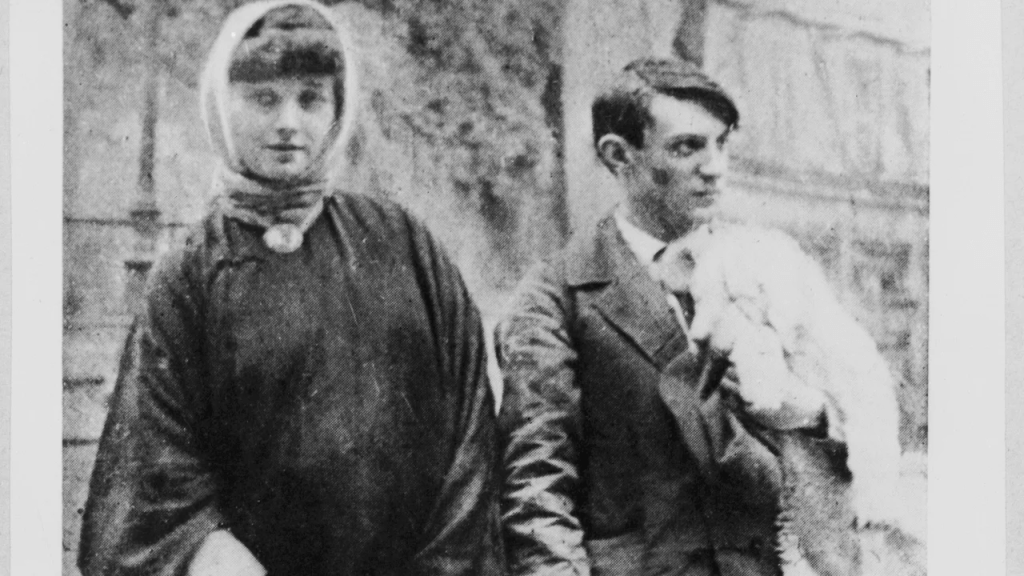
(Fernande and Picasso/Photo Picasso Museum Paris/unknown author)

CHAPTER 3
Fernande Olivier

I would consider Fernande Olivier to be the first woman, or first real relationship in Picasso’s life. He met her in Paris while living at the now famous Bateau Lavoir in Montmartre. This apartment building was baptised with the name Bateau Lavoir by Picasso and his cronies in 1904. They thought that its wooden structure made it look like the laundry boats moored on the River Seine. The name stuck with all the other artists, poets and members of the bohemian crowd prevalent in those years, mostly composed of young artists, very idealists and equally as poor.
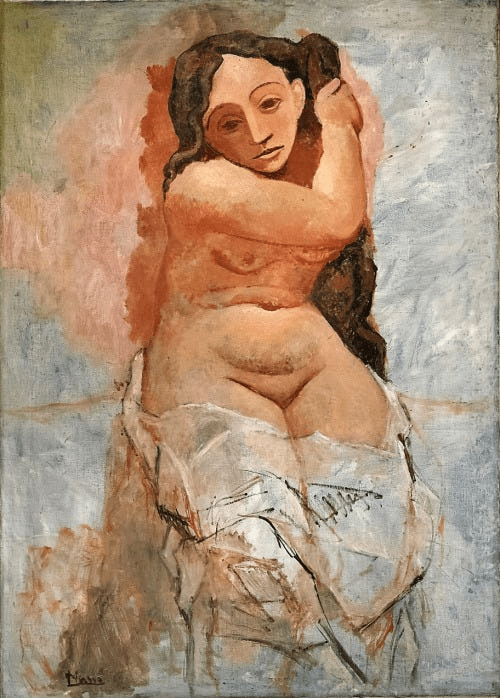
(«Woman»/1906)

In any event, Fernande, besides being Picasso’s first Parisian romance, was a model who also aspired to be an artist herself. She was born in Paris in 1881 and she did write her memoirs about her life with Picasso. The couple took up residence at the Bateau Lavoir in 1905. Their relationship lasted approximately seven years and it was not an easy-going relationship at all. Both of them were of the jealous type and given to bursts of violence.

(Head of a Woman/Metropolitan Museum of Art/1909)

One could say that she was the muse that inspired some of his phenomenal early works, including the sculpture, Head of a Woman (1909). It might have been Fernande who catapulted him into his rose period. And she might have also been one of the prostitutes painted in his seminal work Las Señoritas de Aviñón. All in all, she was the model for over fifty paintings from those early years in Paris.

(Las señoritas de Aviñón/1907)

Yet, Picasso was moving on. By 1911, after having become a successful artist, Picasso began to consider her a reminder of harder times and lost interest in her. He left her and in 1912 found a new woman, a new muse, lover, obsession, whom he called ma jolie and whose name was Eva Guel. Eva was born in 1885, and probably, like Fernande, also in Paris. Eva was quite the opposite of Fernande. She was a petite woman of fine chiselled features and of mild temperament. However, the relationship was not to last as ma jolie succumbed to either cancer or tuberculosis and died in 1915. She was his inspiration, one could suppose, for the cubist period where in some of his work he wrote “ma jolie”.
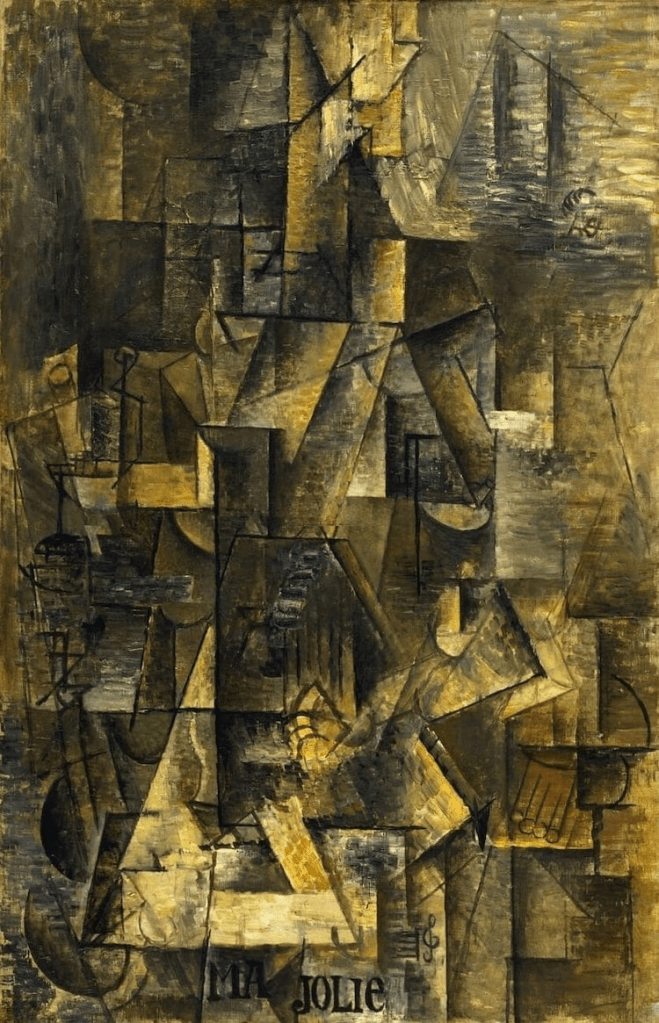
(«Ma Jolie»/1911)

Picasso was very distraught by the death of Eva. He even said to Gertrude Stein that his life was hell. Yet, although ma jolie, the love of his life, his petite Eva, was sick and dying, Picasso was already shopping around for a replacement. By autumn of 1915 he had already met, and had a romantic interlude with, Gabrielle Lapeyre, and with several other young, beautiful women, including with Emilienne Pâquerette, the most sought after model of the time. This all happened between 1915 and 1917.

Even though I have stated that Fernande Olivier was Picasso’s first romance, to speak of, there had been others in Paris before Fernande. However, they were short-lived affairs mostly and really, with perhaps one exception that I will explain, had little to do with influencing the art of the great master.

The exception, in my opinion was Germaine Gargallo, née Laure Antoine, who later became Germaine Pichot, born in Paris in 1880. She had been the girlfriend of Carles Casagemas, Catalan artist and poet, good friend of Pablo Picasso, who committed suicide in France in 1901. Immediately following the death of Casagemas Germaina starts an affair with Picasso. In his painting Los dos saltimbanquis the two figures might just well be either him and Germaine or Germaine and Casagemas. That is the sum total, in my opinion, of Germaine’s influence in the emerging art of Picasso.

(Los dos saltimbanquis/1901)

Other women did form part of his life between 1900 and 1904, mostly art models. There was a model named Madeleine in early 1904 who might have become pregnant with Picasso’s child but who aborted. She could have been the model for a 1904 gouache on pulp board painting titled Woman with a Helmet of Hair, which is now in the Art Institute of Chicago.

(«Woman With a Helmet of Hair»/The Art Institute of Chicago/1904)

The next chapter will deal with a very important woman in Picasso’s life, Olga Kochlova. She would be his first wife and the woman who guided him into the realm of the rich and powerful, something that would turn his world around.

CHEERS
#art, Talking About Art, chapter 3: Fernande Olivier

(Fernande and Picasso/Photo Picasso Museum Paris/unknown author)

CHAPTER 3
Fernande Olivier

I would consider Fernande Olivier to be the first woman, or first real relationship in Picasso’s life. He met her in Paris while living at the now famous Bateau Lavoir in Montmartre. This apartment building was baptised with the name Bateau Lavoir by Picasso and his cronies in 1904. They thought that its wooden structure made it look like the laundry boats moored on the River Seine. The name stuck with all the other artists, poets and members of the bohemian crowd prevalent in those years, mostly composed of young artists, very idealists and equally as poor.

(«Woman»/1906)

In any event, Fernande, besides being Picasso’s first Parisian romance, was a model who also aspired to be an artist herself. She was born in Paris in 1881 and she did write her memoirs about her life with Picasso. The couple took up residence at the Bateau Lavoir in 1905. Their relationship lasted approximately seven years and it was not an easy-going relationship at all. Both of them were of the jealous type and given to bursts of violence.

(Head of a Woman/Metropolitan Museum of Art/1909)

One could say that she was the muse that inspired some of his phenomenal early works, including the sculpture, Head of a Woman (1909). It might have been Fernande who catapulted him into his rose period. And she might have also been one of the prostitutes painted in his seminal work Las Señoritas de Aviñón. All in all, she was the model for over fifty paintings from those early years in Paris.

(Las señoritas de Aviñón/1907)

Yet, Picasso was moving on. By 1911, after having become a successful artist, Picasso began to consider her a reminder of harder times and lost interest in her. He left her and in 1912 found a new woman, a new muse, lover, obsession, whom he called ma jolie and whose name was Eva Guel. Eva was born in 1885, and probably, like Fernande, also in Paris. Eva was quite the opposite of Fernande. She was a petite woman of fine chiselled features and of mild temperament. However, the relationship was not to last as ma jolie succumbed to either cancer or tuberculosis and died in 1915. She was his inspiration, one could suppose, for the cubist period where in some of his work he wrote “ma jolie”.

(«Ma Jolie»/1911)

Picasso was very distraught by the death of Eva. He even said to Gertrude Stein that his life was hell. Yet, although ma jolie, the love of his life, his petite Eva, was sick and dying, Picasso was already shopping around for a replacement. By autumn of 1915 he had already met, and had a romantic interlude with, Gabrielle Lapeyre, and with several other young, beautiful women, including with Emilienne Pâquerette, the most sought after model of the time. This all happened between 1915 and 1917.

Even though I have stated that Fernande Olivier was Picasso’s first romance, to speak of, there had been others in Paris before Fernande. However, they were short-lived affairs mostly and really, with perhaps one exception that I will explain, had little to do with influencing the art of the great master.

The exception, in my opinion was Germaine Gargallo, née Laure Antoine, who later became Germaine Pichot, born in Paris in 1880. She had been the girlfriend of Carles Casagemas, Catalan artist and poet, good friend of Pablo Picasso, who committed suicide in France in 1901. Immediately following the death of Casagemas Germaina starts an affair with Picasso. In his painting Los dos saltimbanquis the two figures might just well be either him and Germaine or Germaine and Casagemas. That is the sum total, in my opinion, of Germaine’s influence in the emerging art of Picasso.

(Los dos saltimbanquis/1901)

Other women did form part of his life between 1900 and 1904, mostly art models. There was a model named Madeleine in early 1904 who might have become pregnant with Picasso’s child but who aborted. She could have been the model for a 1904 gouache on pulp board painting titled Woman with a Helmet of Hair, which is now in the Art Institute of Chicago.

(«Woman With a Helmet of Hair»/The Art Institute of Chicago/1904)

The next chapter will deal with a very important woman in Picasso’s life, Olga Kochlova. She would be his first wife and the woman who guided him into the realm of the rich and powerful, something that would turn his world around.

CHEERS
#art, Expressionist Max Beckmann

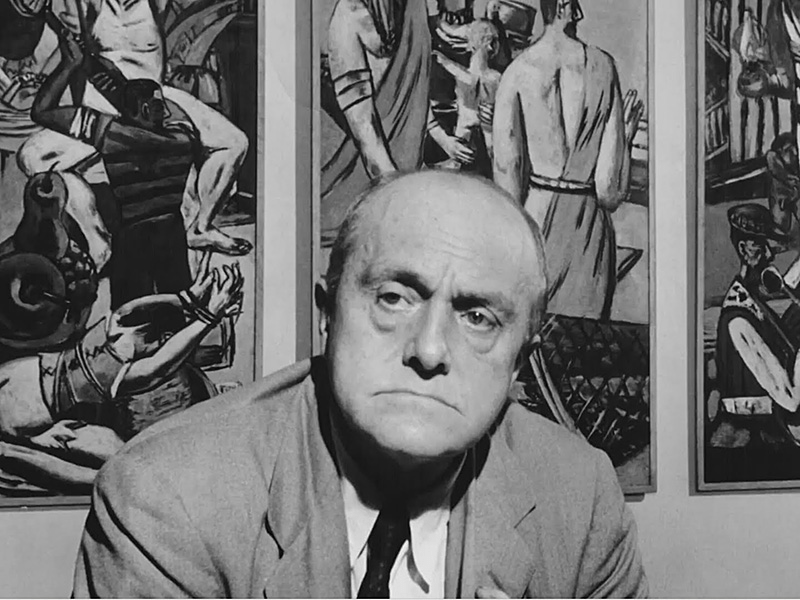
(Photo by unknown author/Auckland Art Gallery)

Uno de mis expresionistas preferido es el alemán Max Beckmann. Aunque el tio tenga cara de mala leche, creo que hubiera sido una experiencia agradable sentarme a tomarme un vino con el y hablar del expresionismo. Nació en Leipzig, en Sajonia en 1884 y fue uno de esos pintores que terminó refugiándose en Nueva York de los horrores que estaban causando los Nazis en Europa… Beckmann comenzó sus estudios de dibujo y pintura en 1900 en la Academia de Artes Weimar. En 1904 se establece con su mujer, la artista Minna Tube y su hijo Peter, en Berlin. Su primera exposición fue en Berlin en 1911 con cuadros aún influenciados por el impresionismo… Beckmann se incorporo al ejercito alemán durante la primera guerra mundial y sirvió de enfermero hasta que le dieron de baja tras sufrir una crisis nerviosa… Tras sus experiencias en el ejercito surgieron sus primeros cuadros expresionistas… Tras la llegada de los Nazis, que consideraron sus pinturas como arte degenerado, Beckmann se traslada a Amsterdam (1937). Pero sabemos que a esa ciudad llegaron los Nazis también y Beckmann se traslada a America en 1947. Lamentablemente, yendo camino al Museo Metropolitano para ver una exposición de su obra, muere de un ataque al corazón (1950)… Hay mucho que decir de este gran pintor expresionista y os urjo a que busquéis, acordaos que el arte es la búsqueda. Ahora os dejo con algunos de sus cuadros.

+++

One of my favorite expressionists is the German Max Beckmann. Although he may have a grumpy face, I believe it would have been an enjoyable experience to sit down with him, have a glass of wine, and talk about expressionism. He was born in Leipzig, in Saxony, in 1884 and was one of those painters who ended up seeking refuge in New York from the horrors the Nazis were causing in Europe… Beckmann began his studies in drawing and painting in 1900 at the Weimar Academy of Arts. In 1904, he settled in Berlin with his wife, the artist Minna Tube, and their son Peter. His first exhibition was in Berlin in 1911 with paintings still influenced by Impressionism… Beckmann joined the German army during World War I and served as a nurse until he was discharged after suffering a nervous breakdown… After his experiences in the army, his first expressionist paintings emerged… Following the arrival of the Nazis, who considered his works as degenerate art, Beckmann moved to Amsterdam (1937). But we know that the Nazis also arrived in that city, and Beckmann moved to America in 1947. Unfortunately, on his way to the Metropolitan Museum to see an exhibition of his work, he died of a heart attack (1950)… There is much to say about this great expressionist painter, and I urge you to seek out his work; remember that art is about the search. Now I leave you with some of his paintings.

+++++

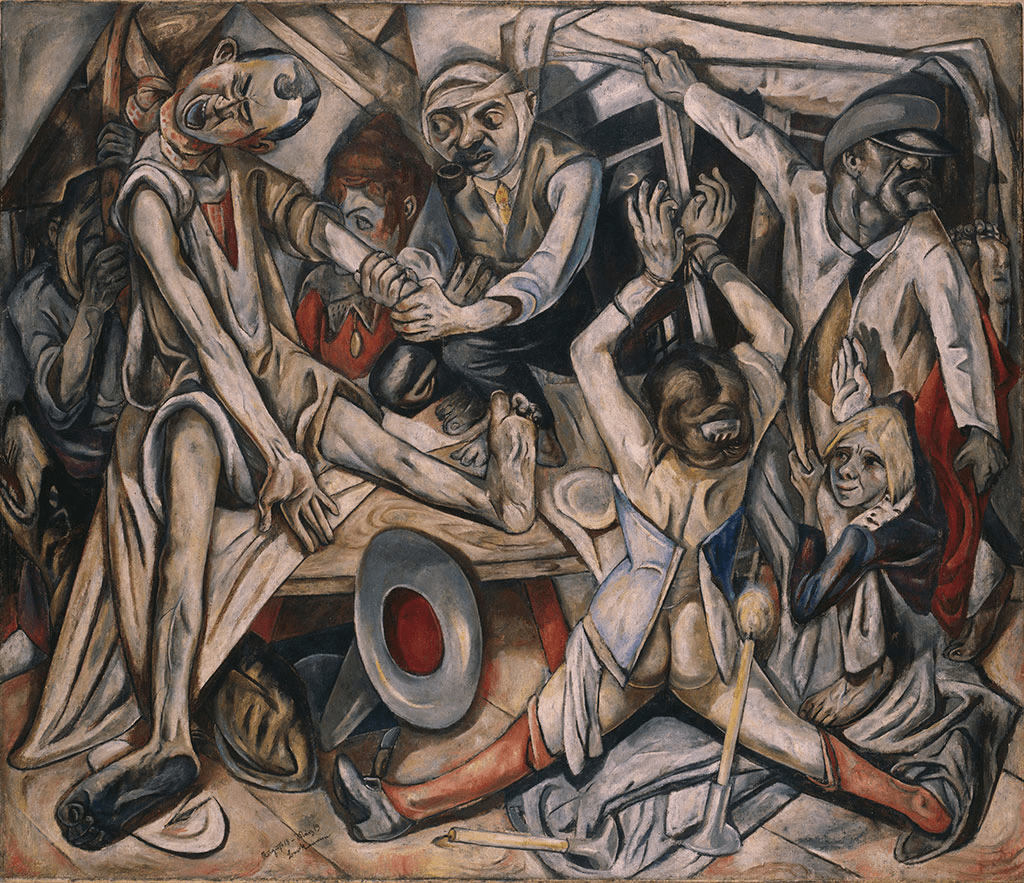
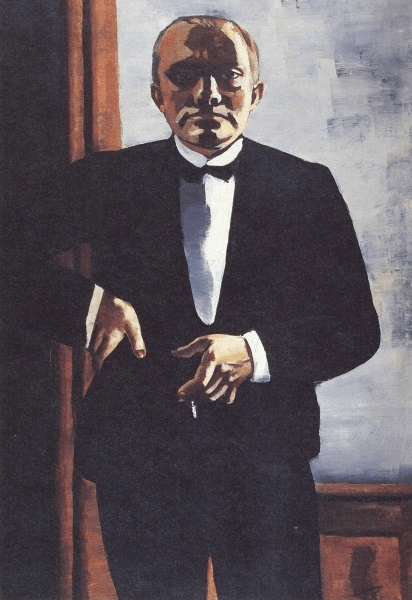
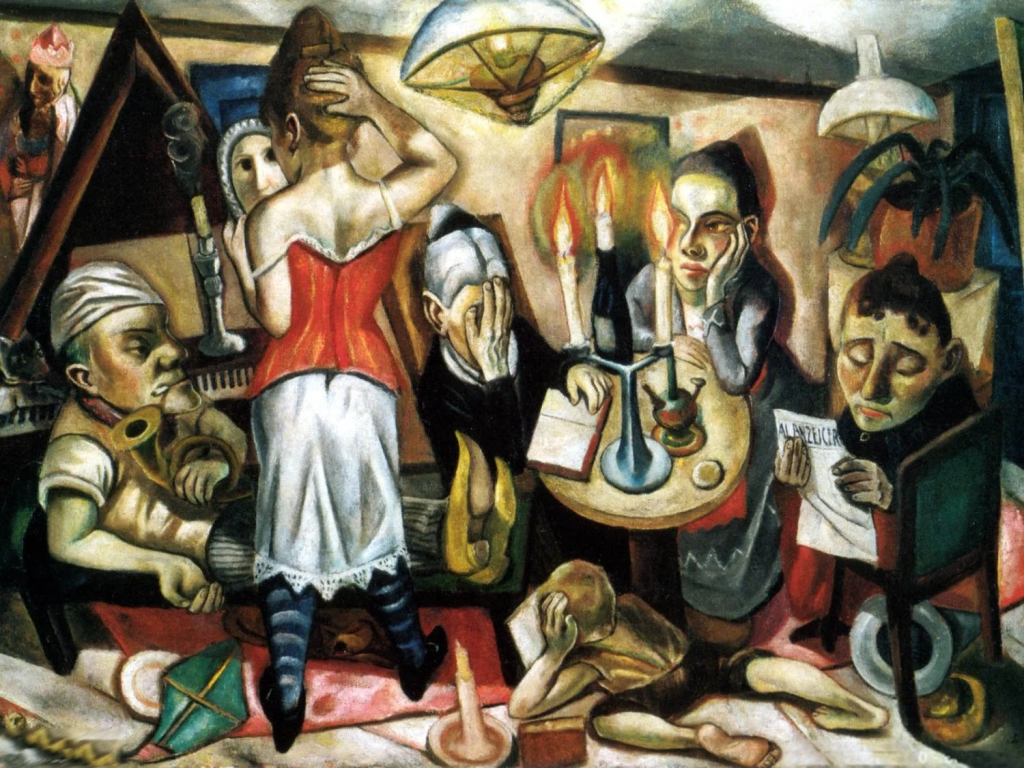
(de autor desconocido y del dominio público/1911/By unknown author and in the public domain)
(Family Picture 1920/Dominio Público/Public Domain)

GRACIAS – CHEERS

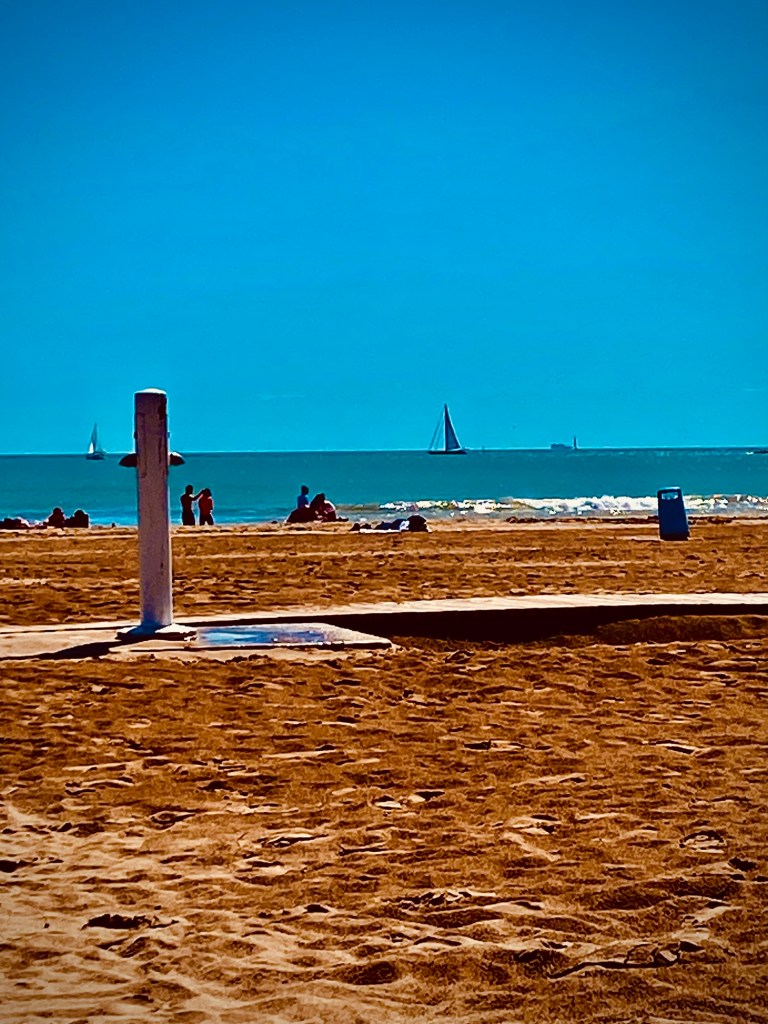
Ha llegado la primavera/verano a España…

(Foto de FBC/OCS Valencia/Derechos Reservados)

Esta es una de nuestras playas valencianas, la Malva-Rosa…

(Video de FBC/OCS Valencia/Derechos Reservados)

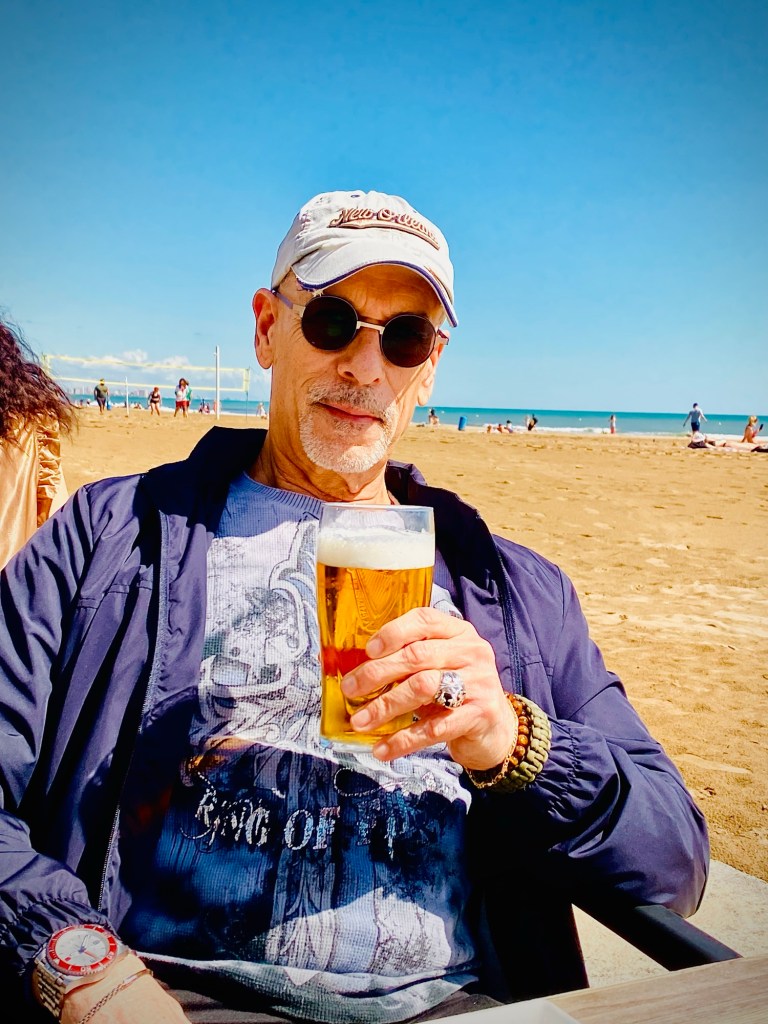
Os deseo un domingo feliz…

(Foto de GAB/FBC representado por un actor/Derechos Reservados)

GRACIAS

Bon dia

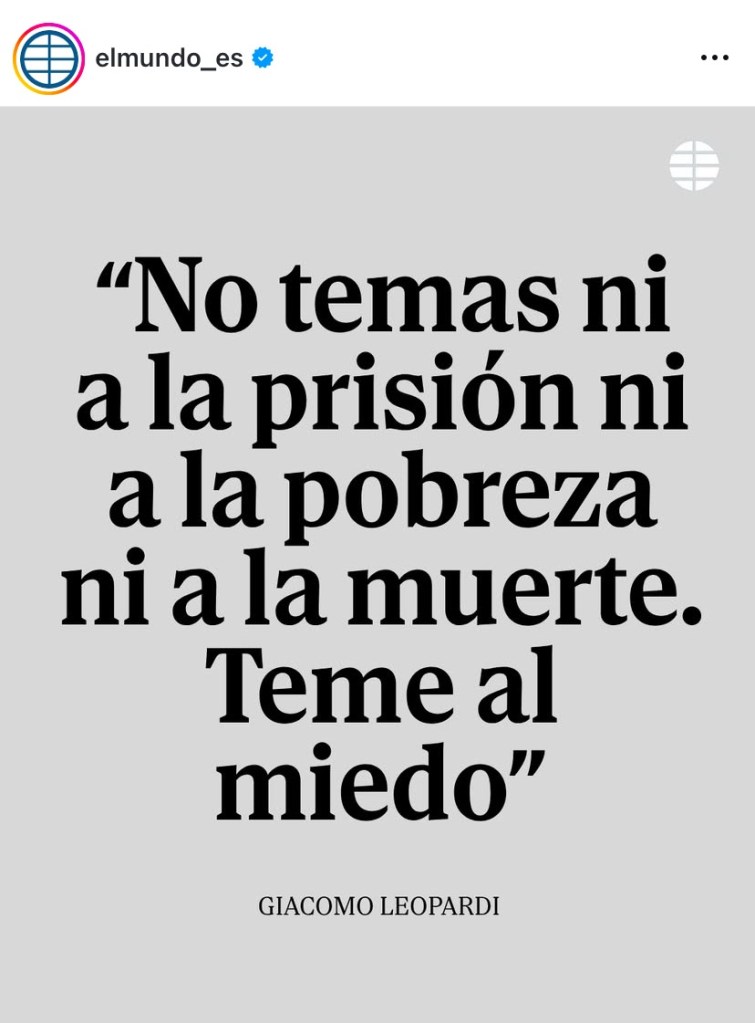
A lo único que hay que temerle es a tener miedo…

#art, El hombre que se robo la Mona Lisa – The Man Who Stole the Mona Lisa

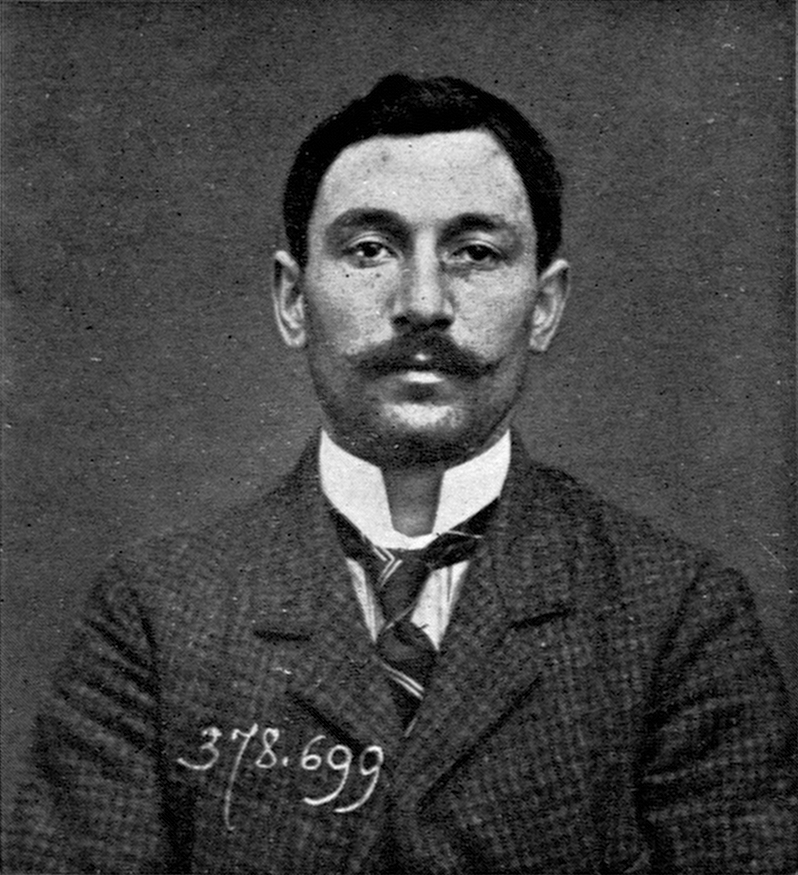
(Foto policial de Periggia/Autor desconocido/Dominio público,/Peruggia’s mugshot/Unknown author/Public Domain)

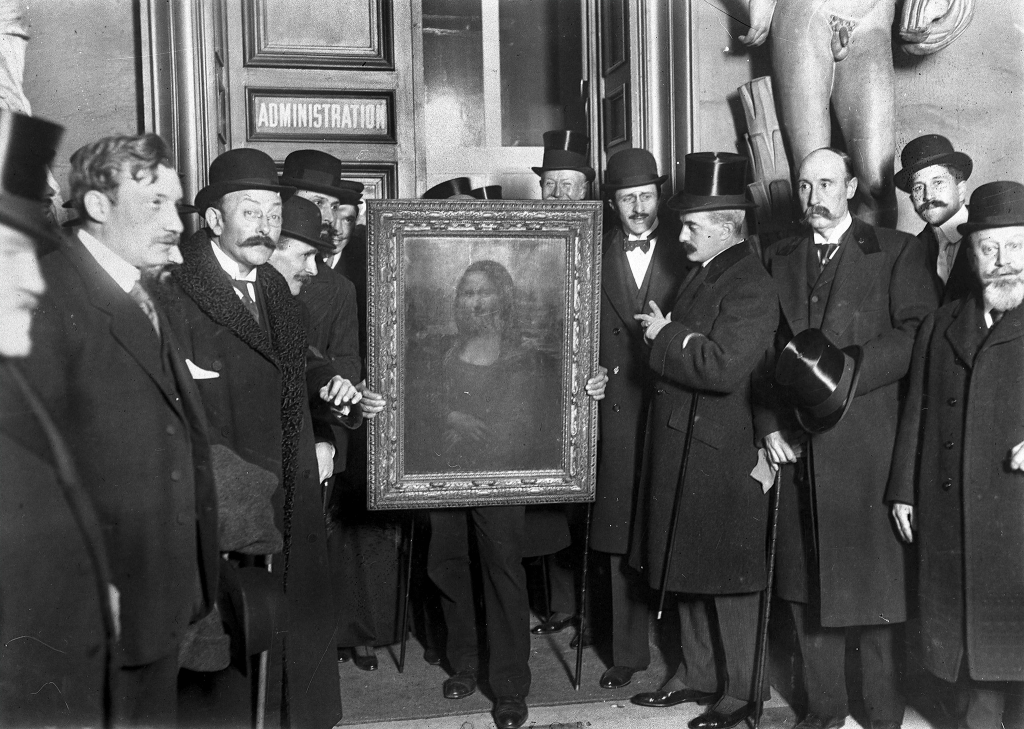
Bueno, he oído decir que Vicenzo Peruggia fue un artista. Otras fuentes dicen que era un decorador. Realmente no lo sé porque no se encuentra mucha información de este sujeto. Sin embargo, si sabemos que fue empleado en el Museo del Louvre limpiando y restaurando marcos. Nació en Dumenza, Italia, en 1881 y es famoso (o infame) por robar la Mona Lisa del Louvre en 1911.

A Peruggia lo cogieron dos años después y declaro a la policía que simplemente entró por la entrada de empleados vistiendo una bata blanca, que era la que solían usar los empleados del Louvre y que nadie se entero de su presencia dentro del museo. Fue a eso de las 07:00 horas y el museo estaba casi vacío, ya que era un lunes, el día en que el museo permanecía cerrado. Simplemente tomó la pintura de la pared, quitó el marco, cubrió la pintura (pintada en madera) con la bata, la metió debajo del brazo y se fue por donde mismo habia entrado.

La pintura fue descubierta solo porque un estudiante de bellas artes vino a hacer estudios de la Mona Lisa, a partir del original, y la encontró desaparecida. Como se puede ver, la pintura, aunque importante, no era una obra de arte muy famosa antes del robo. Después del robo todo cambia para el retrato. Se llevó a cabo una investigación e incluso se sospechó de Picasso en el robo. Durante la investigación, la pintura comenzó a hacerse muy famosa. Se escribieron canciones, se hicieron sketches para cómicos y numerosos chistes. La gente incluso acudía en masa al museo para ver el espacio vacío en la pared donde había estado colgada la pintura, aunque antes no muchos habían le habían prestado atención.

Peruggia llevó la pintura en tren a Florencia, donde la mantuvo en su apartamento. Luego contactó a un propietario de galería, Alfredo Geri, de quien esperaba una recompensa por devolver la pintura a su patria. Sin embargo, cuando la pintura que mostró a Geri fue autenticada por el director de la Galería Uffizi, Giovanni Poggi, se llamó a la policía y Peruggia fue arrestado.

Después de que la pintura fuera «rescatada», se llevó de gira por toda Italia y se devolvió al Louvre en 1913. Esta notoriedad hizo de la Mona Lisa la pintura más famosa del mundo. Peruggia afirmó que era un patriota italiano y que estaba trayendo la pintura de regreso a donde pertenecía. Sospechaba que Napoleón la había robado durante sus múltiples saqueos de obras de arte en Italia. Pero si hubiera estudiado historia del arte, habría sabido que la pintura fue un regalo de Leonardo al rey Francisco I cuando el pintor se trasladó a Francia, cientos de años antes del nacimiento de Napoleón.

Estoy convencido de que esa es la fuente de la fama del retrato de Mona Lisa, ya que la pintura en realidad no es un retrato tan fino, quizá hasta de segunda, y definitivamente no es el mejor que Leonardo jamás haya hecho. Al menos esa es mi opinión.

Peruggia murió en París en 1925 de un ataque al corazón el día de su cumpleaños, siendo el 8 de octubre. Había luchado en la Primera Guerra Mundial en el ejército italiano y había sido prisionero de guerra, capturado y encarcelado dos años por los austrohúngaros.

+++

(El regreso de la Mona Lisa/autor desconocido/Dominio Público/Return of the Mona Lisa/Unknown author/Public Domain)

+++++

Well I have heard it say that Vicenzo Peruggia was an artist. Other sources say he was a decorator. I really do not know because not much information is found now. However, he was employed at the Louvre Museum cleaning and refurbishing frames. He was born in in Dumenza, Italy in 1881 and he is famous (or infamous) for stealing the Mona Lisa from the Louvre in 1911.

Peruggia was caught two years later and stated to the police that he simply entered through the employees entrance wearing a white smock, that Louvre employees usually wore. It was around 0700 hours and the museum was almost empty, being that it was a Monday the day the museum stayed closed. He simply took the painting off the wall, removed the frame, covered the painting (painted on wood) with the smock, tucked it under his arm and walked away.

The painting was discovered only because a painter came to paint the Mona Lisa from the original and discovered it missing. As you can see, the painting, although important, was not a very famous art work at the time before the theft. After the theft it is a different story. In any event an investigation followed and even Picasso was suspected of the theft. Even during the investigation the painting was beginning to become very famous. There were songs written, comedy sketches made and numerous jokes. People were even flocking to the museum to see the empty space on the wall where the painting (which not many had previously paid attention to before) had hung.

Peruggia took the painting, by train, to Florence where he kept the painting in his apartment. Then he contacted a gallery owner, Alfredo Geri, from whom he expected a reward for returning the painting to its homeland. However, when the painting he showed Geri was authenticated by the director of the Uffizi Gallery, Giovanni Poggi, the police were called and Peruggia was arrested.

After the painting had been «rescued» it was taken on tour all over Italy and returned to the Louvre in 1913. This notoriety made the Mona Lisa the most famous painting in the world. Peruggia claimed that he was an Italian patriot and was bringing the painting back to where it belonged. He suspected Napoleon had stolen it during his many sacks of artworks in Italy. But had he studied art history he would have known that the painting was a gift from Leonardo to King Francis I when the painter moved to France hundreds of years before the birth of Napoleon.

I am convinced that is the source of fame as the painting is not really such a fine portrait and definitely not the best one Leonardo ever made. At least that is my opinion.

Peruggia died in Paris in 1925 of a heart attack on his birthday, October 8. He had fought in WWI on the Italian army and had been a prisoner of war for two years, captured by the Austro-Hungarians.

GRACIASCHEERS

DEACON 11: Spies, Knowledge and War

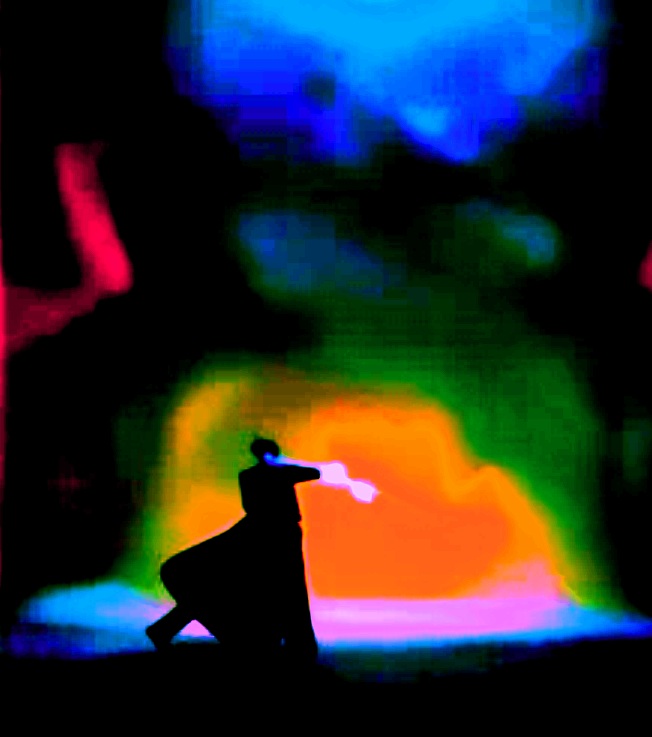
(Original Art Digital painting by Francisco Bravo Cabrera/All Rights Reserved)

DEACON 11
Knowledge and Intelligence

I did not quite know what to expect when I found out the topic of this talk, but I was certainly surprised when he finished…

“Sun Tzu said in The Art of War that war was very important to the State for it is a matter of life and death and the State’s possible ruin. And that it should never be taken lightly or neglected. Are we engaged in such a war as spiritual beings? I do not know. You tell me.

“The great Chinese general, Sun Tzu, went on to say that what generals and leaders need to defeat the enemy, and to win the war, is knowledge of what the enemy is doing. Of course this is only one of the things needed, but it is the one I will focus on today. What I am talking about is what is called Intelligence in military terms. And it is of vital importance in a war. Sun Tzu also stressed that this knowledge is not gained through any supernatural means, that it must be gained from men, by men, in other words, from spies on the ground.

“A wise leader will develop and nurture local spies who know the terrain, the customs and the idiosyncrasy of the people there. And as well spies within the structure of the enemy’s forces, these are the inward spies. The leader, or general must also have converted spies. These are the spies of the enemy which have been captured and flipped, turned into double agents. Finally there are the so-called doomed spies. These spies the leader allows to be captured by the enemy in a planned act and they will then act like the had flipped and inform false information to the enemy. When this spy ring is functioning perfectly and smoothly, the general, or leader will surely have all or most of the information he may need to win the battle and the war.

So, it is all about knowledge. And in the case of strategising a winning strategy, be it in a war or in business or in your personal life, knowledge is power. And knowledge must be gained, it does not simply appear magically. As a matter of fact, in order to use spies successfully to your gain, you must be well aware of the difference between fact and fantasy and also the gap that exists between honesty and falsehood, or double-dealing. One must possess intuitive perception to a high degree not to be tricked by one’s own spies.

But reference knowledge, the prophet Hosea said, “My people are destroyed from lack of knowledge…” (Hosea 4:6). And this is God speaking through the prophet. God rejected the priesthood of the Israelites because they failed to keep up the knowledge that God had given them. Knowing is understanding and through understanding one learns the truth. Jesus said the truth shall set us free, (St. John 8:32).

And we are in a spiritual battle. The enemy wants to influence your mind to make you do certain things, i.e. to have an effect on your actions. That is why it is important to have foreknowledge. And in truth, do not be surprised to find that your greatest enemy is yourself. As Chief Yellow Hawk of the Sioux Nation said: “…I seek strength not to be superior to my brothers, but to be able to fight my greatest enemy, myself. Make me ever ready to come to you, with clean hands and straight eyes, so when life fades as a fading sunset, my spirit may come to you without shame.” Seek the strength from God, but also from your own intelligence and resources, e.g. your spies.

So, as you now may be more able and willing to see, war, in any of its manifestations, is very important, not only to the state, but to you.

Francisco Bravo Cabrera – 04 APR 2025 – Valencia, España

CHEERS

Bon dia

Hartémoslo a ver si mejora la cosa…