#photography, Martine Franck in Women Artists Series – Martine Franck en Serie de mujeres artistas

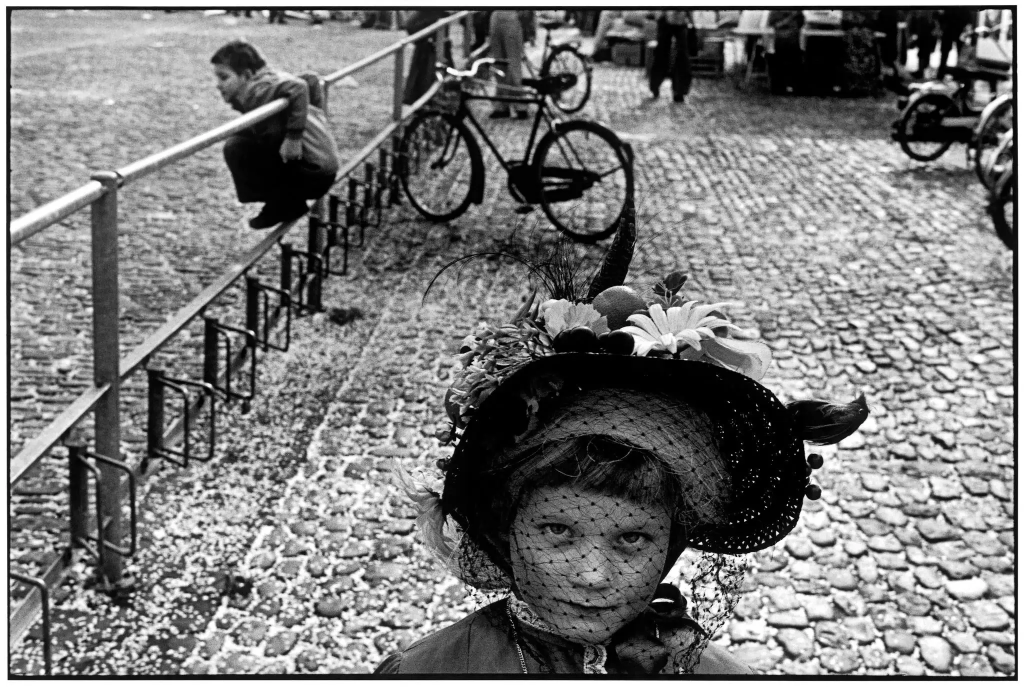
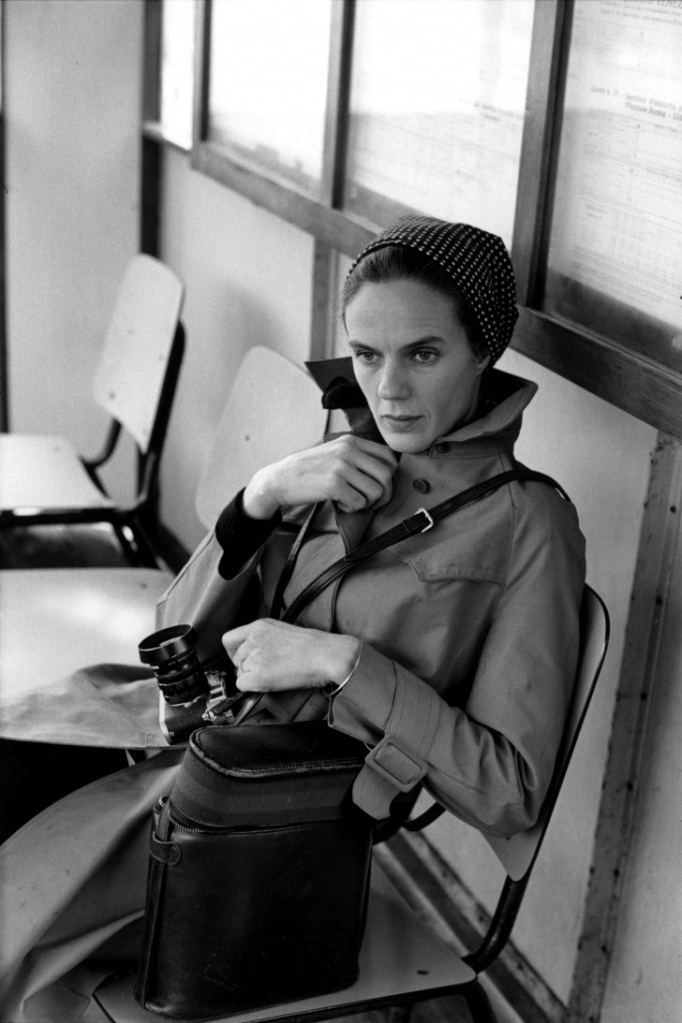
Martine Franck photographiée par Henri Cartier-Bresson, Italie, 1972 © Fondation Henri Cartier-Bresson / Magnum Photos)

Martine was born in Antwerp in 1938, fotógrafa belga que perteneció a la Agencia Magnum… Estudio Historia de Arte en la Universidad Complutense de Madrid (1956-1958)… Fue asistente en sus primeros trabajos en China y en Japón y en 1965 se hizo independiente y desde 1983 formó parte de la Agencia Magnum… En 1970 se casó con Henri Cartier Bresson, siendo su última esposa… Se han publicado nueve libros de las fotografías de Martine. Además en 2005 fue elevada a Chevalier de la Légion d’Honneur francesa… En 2010 le diagnosticaron leucemia, pero aún así siguió trabajando haciendo su última exposición en 2011 en la Maison Européenne de la Photographie… Era defensora del feminismo y nunca quiso ser sombra de su famoso marido… Martine Franck murió en París en 2012.

+++

Martine was born in Antwerp in 1938, a Belgian photographer who belonged to the Magnum Agency… She studied Art History at the Complutense University of Madrid (1956-1958)… She was an assistant photorapher in her early works in China and Japan. In 1965 she became independent, becoming a member of Magnum Agency in 1983… In 1970, she married Henri Cartier-Bresson, being his last wife… Nine books of Martine’s photographs have been published. Additionally, in 2005, she was elevated to Chevalier of the French Légion d’Honneur… In 2010, she was diagnosed with leukemia, but continued working, holding her last exhibition in 2011 at the Maison Européenne de la Photographie… She was a defender of feminism and never wished to be in the shadow of her famous husband… Martine Franck passed away in Paris in 2012.
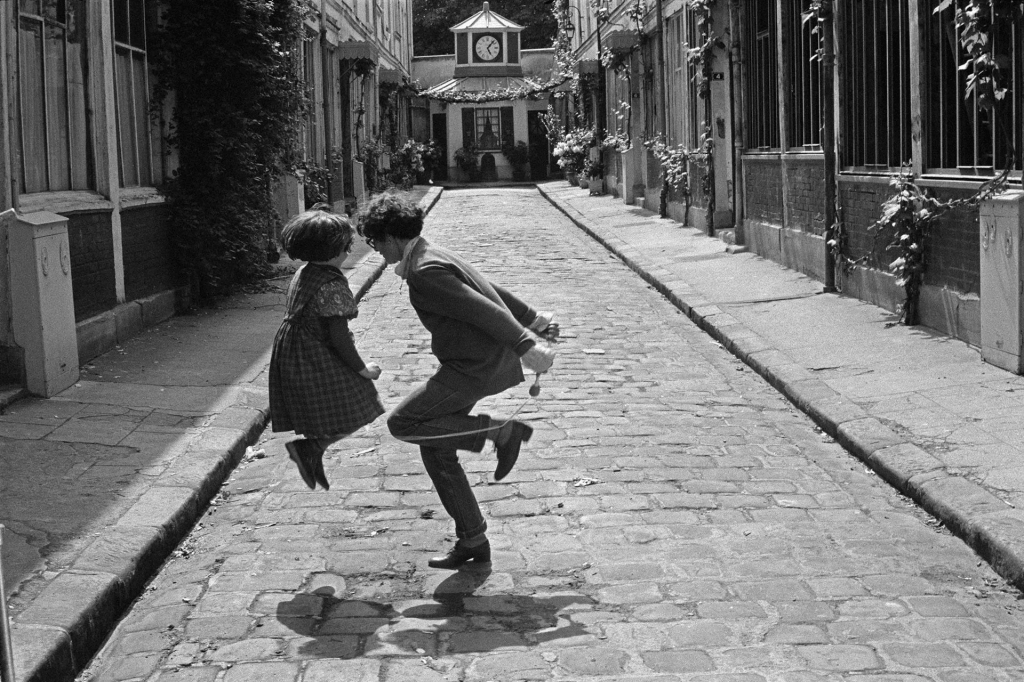
(Las imágenes usadas son de orígenes desconocidos y usadas solo para educar, enriquecer la cultura y añadir al conocimiento de las artes – Images used are from unknown origins and used solely for educational purposes to enhance knowledge and culture of the arts)

GRACIAS – CHEERS
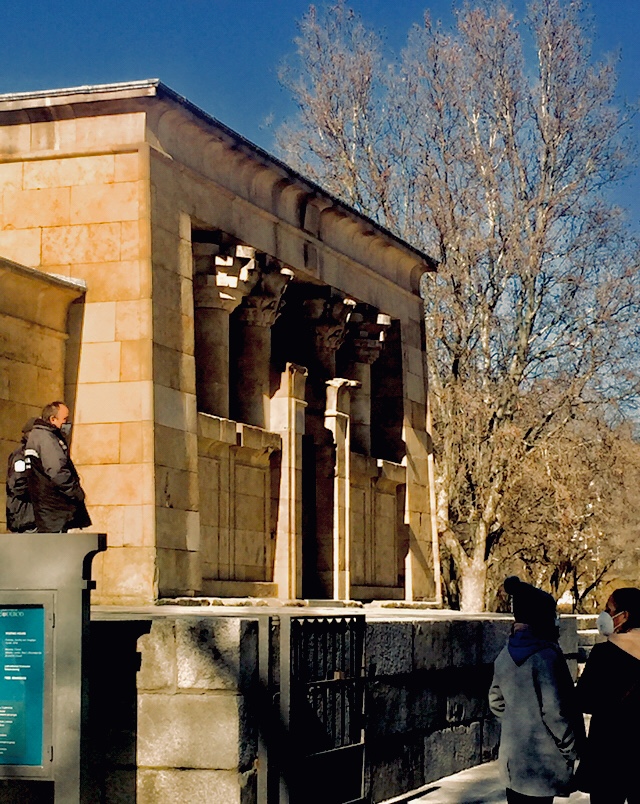
Poem: «T E M P L E S» (An Euro-Ku)

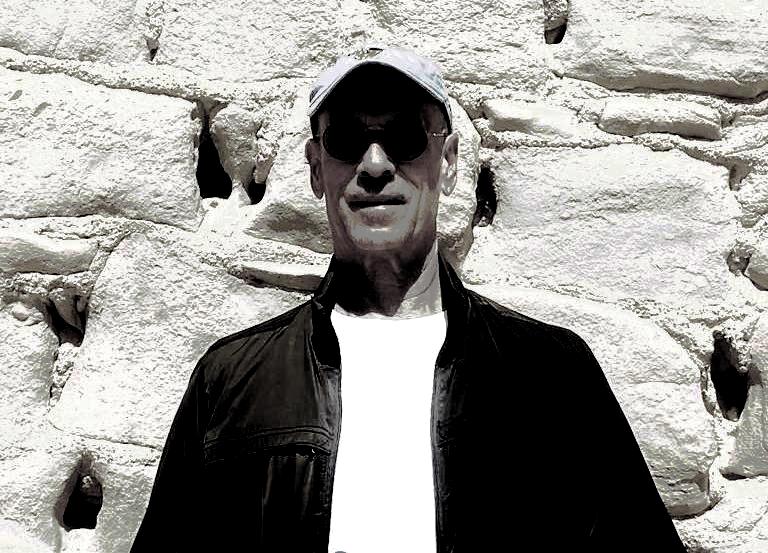
(photo property of FBC, Omnia Caelum Studios Valencia, All Rights Reserved)

My skin absorbs the dust of frozen centuries,

the dust remains like footprints in the sand,

and I stand frozen like a marbled drop of yellow rain.

“TEMPLES” is a poem in what I have termed the Euro-Ku.  This style borrows the name and part of the idea that gave form to the traditional Japanese Haiku.  However, I have changed most of the rules that govern the composition of that well known form. In the Euro-Ku the verses…they are still only three…do not have to have the same syllable count as in the Haiku.  Being as I am not Japanese nor have I had the honour of living their history or knowing first hand their culture, I cannot possibly presume to be able to write a Japanese Haiku as would a Japanese poet. The syllabic count works with the Japanese language but I do not believe it to be appropriate to Western languages. The three verses should flow into each other in a coherent and obvious fashion and should be written in the contemporary vernacular, as if one were writing the lyrics of a pop song.  The meaning and the message should be intended for the proletariat; clearly understood by all.  It should not be hidden within confusing and archaic…researched…words.

C.2022, Francisco Bravo Cabrera, 22/02/2022, Valencia, Spain

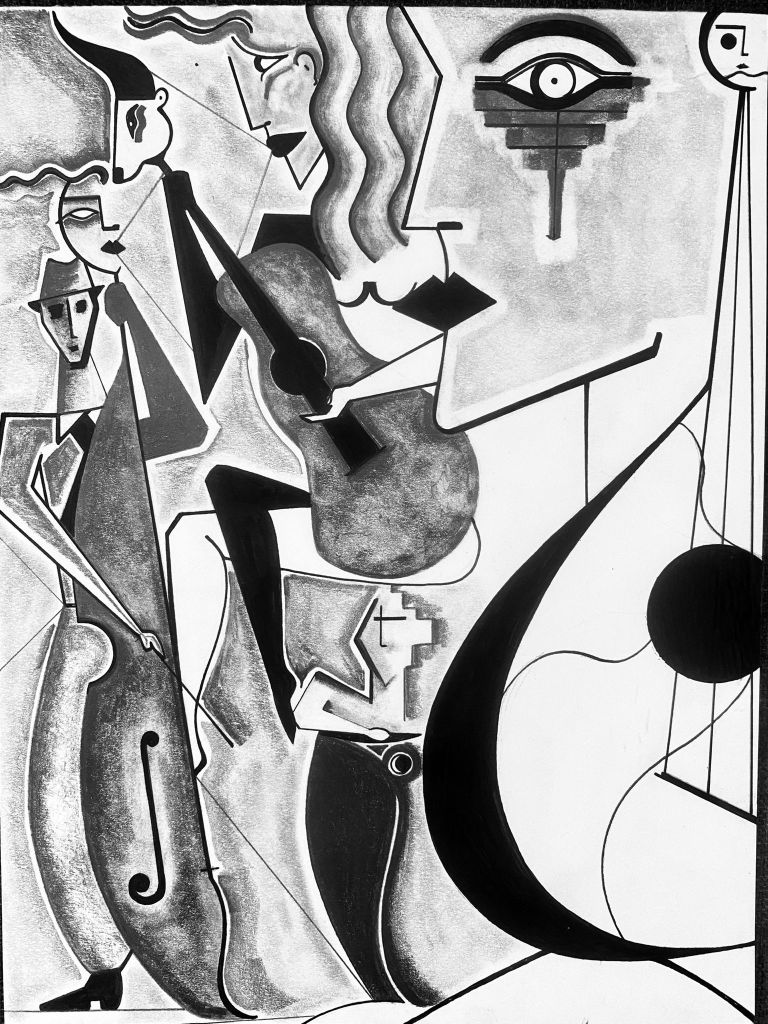
#art, El dibujo y los otros mundos – Drawing and The Other Worlds… Bodo V.

(Bodo Vespaciano a.k.a. Francisco Bravo Cabrera)

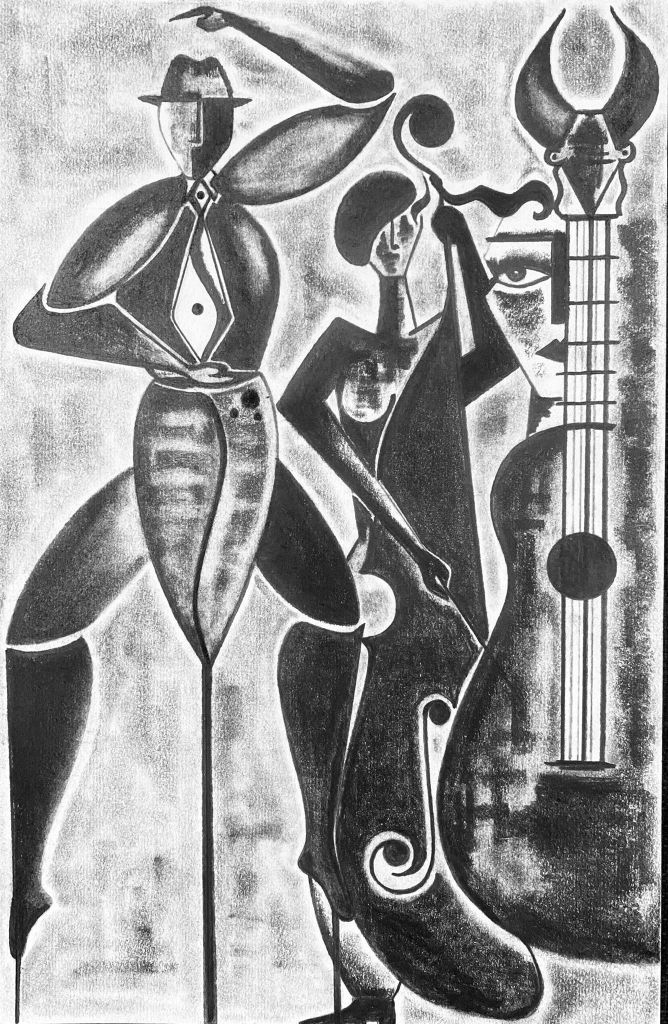
Otros mundos, si, hay muchos, como hay muchos universos y como vivimos muchas vidas simultaneas, continuas y a veces de cabeza… Pero cuando uno se dedica a dibujar, como lo hago yo, uno busca la manera de adentrarse en otros tiempos, otros universos paralelos, que no se ven pero que ahí están y aquí está lo que he visto cuando viajo por esos mundos…

+++

Other worlds, yes, there are many, just as there are many universes. And we live many lives, simultaneous, continuous, and sometimes upside-down… But when one is dedicated to drawing, as I am, one seeks a way to delve into other time lines, or other parallel universes that are not visible but are there, and here is what I have seen when I travel through those worlds…

GRACIAS – CHEERS

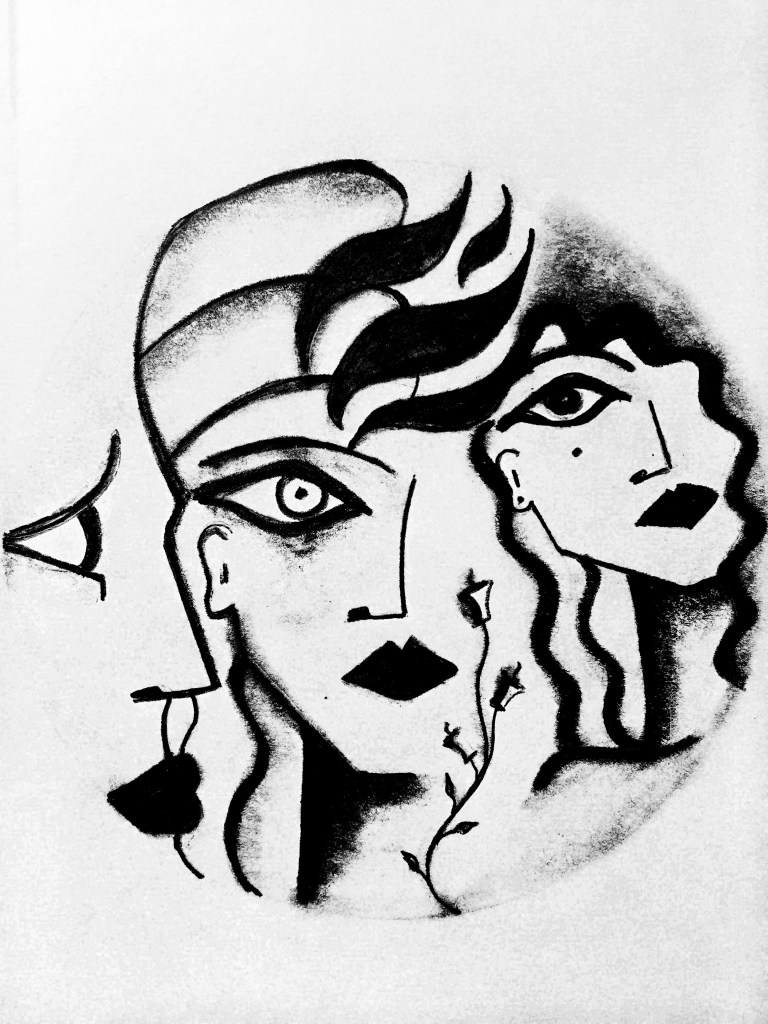
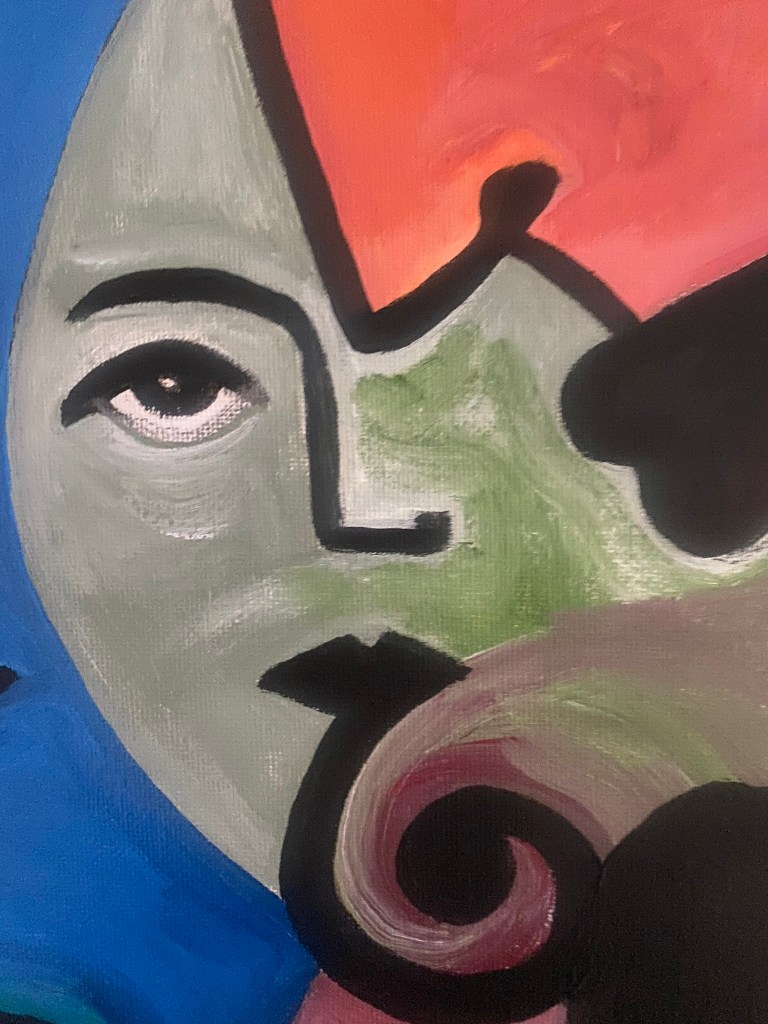
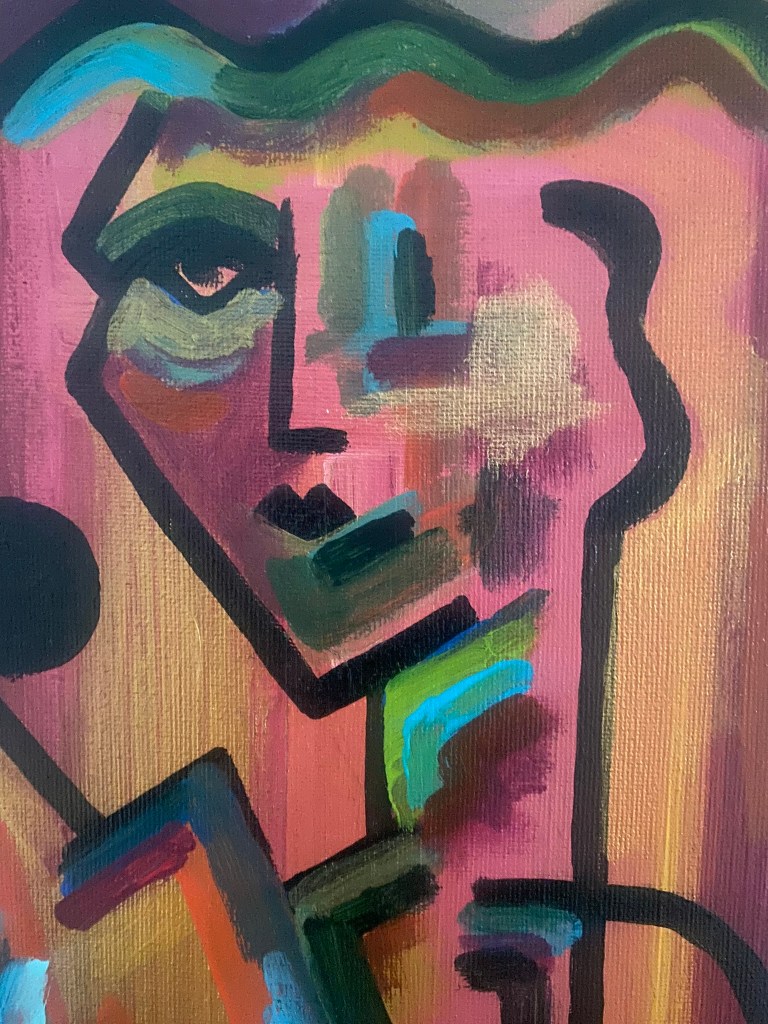
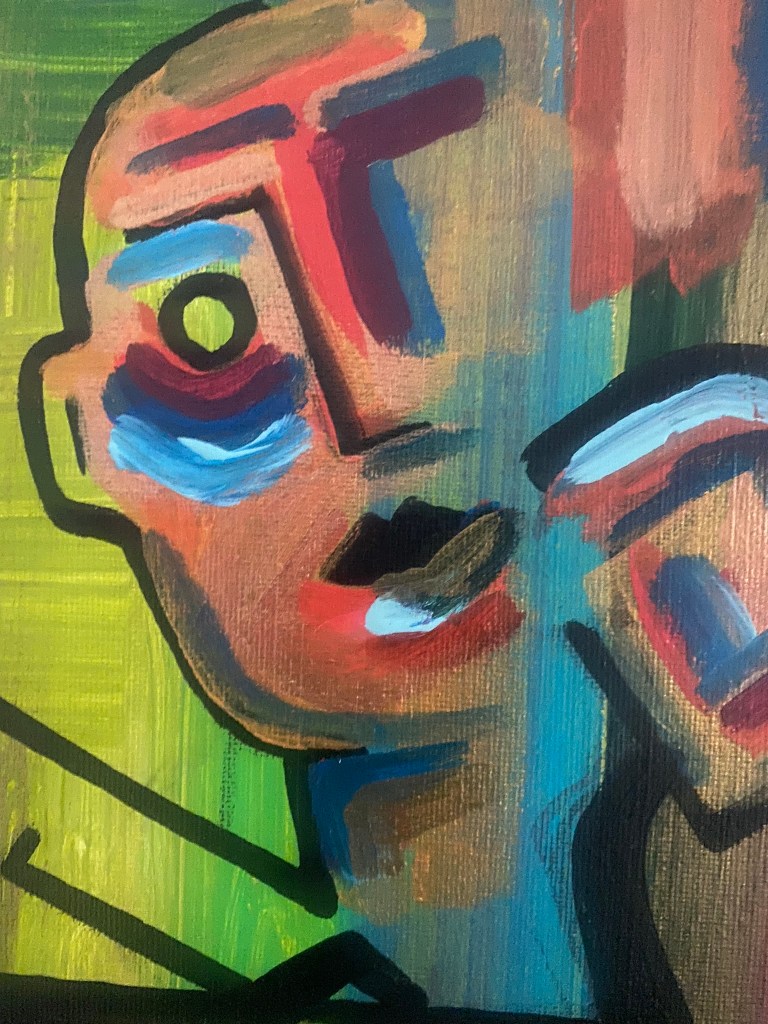
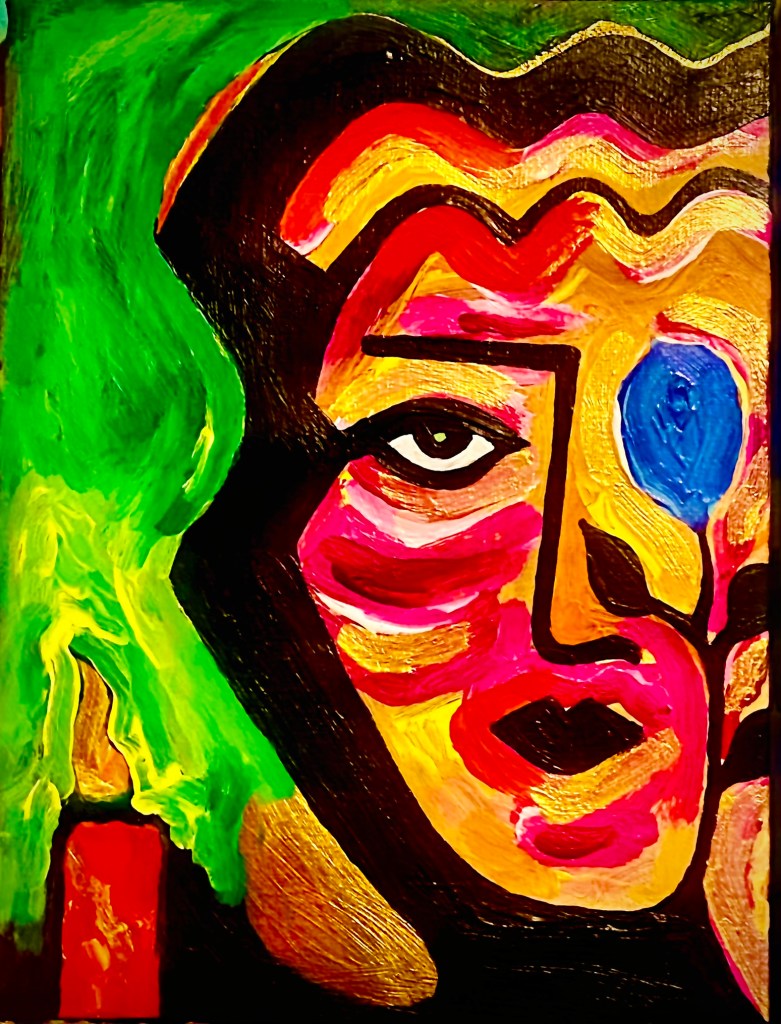
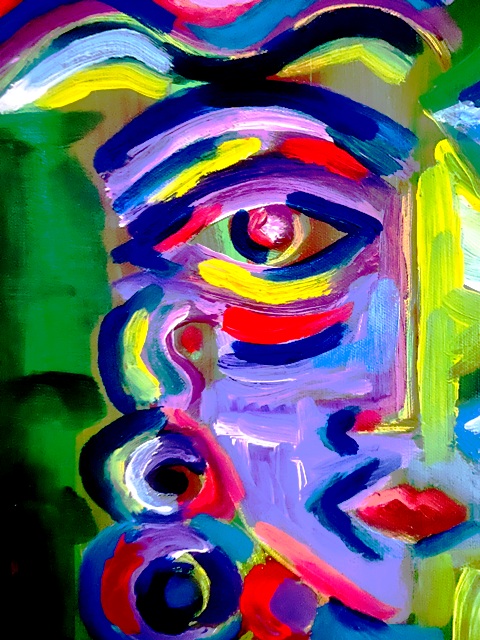
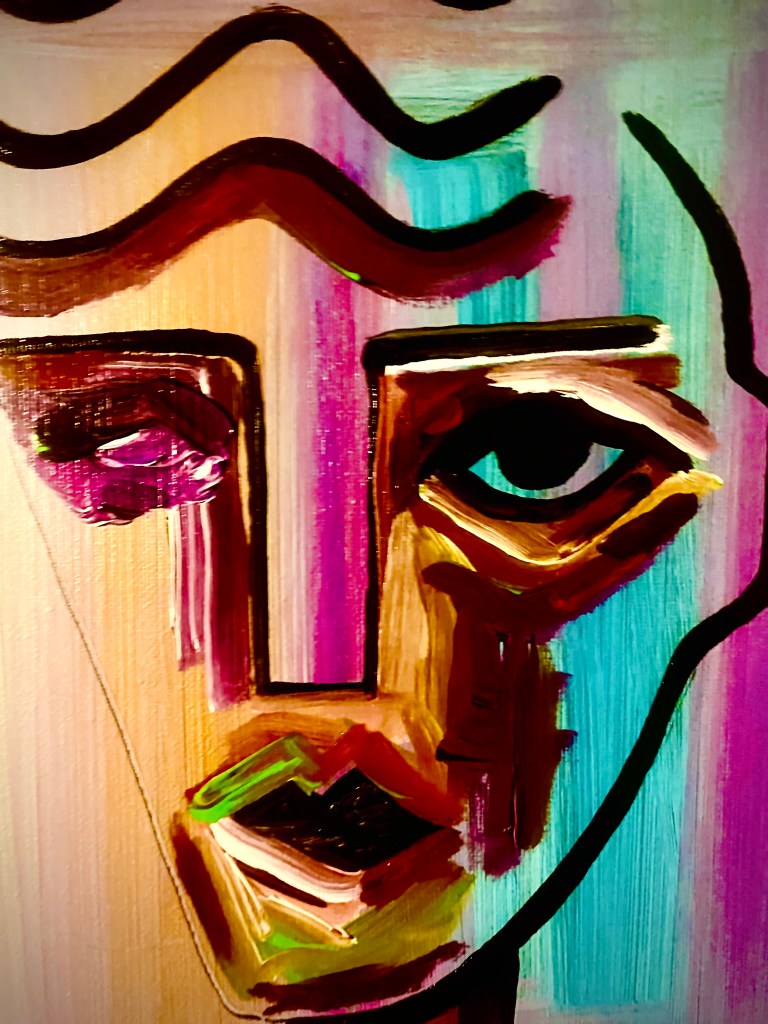
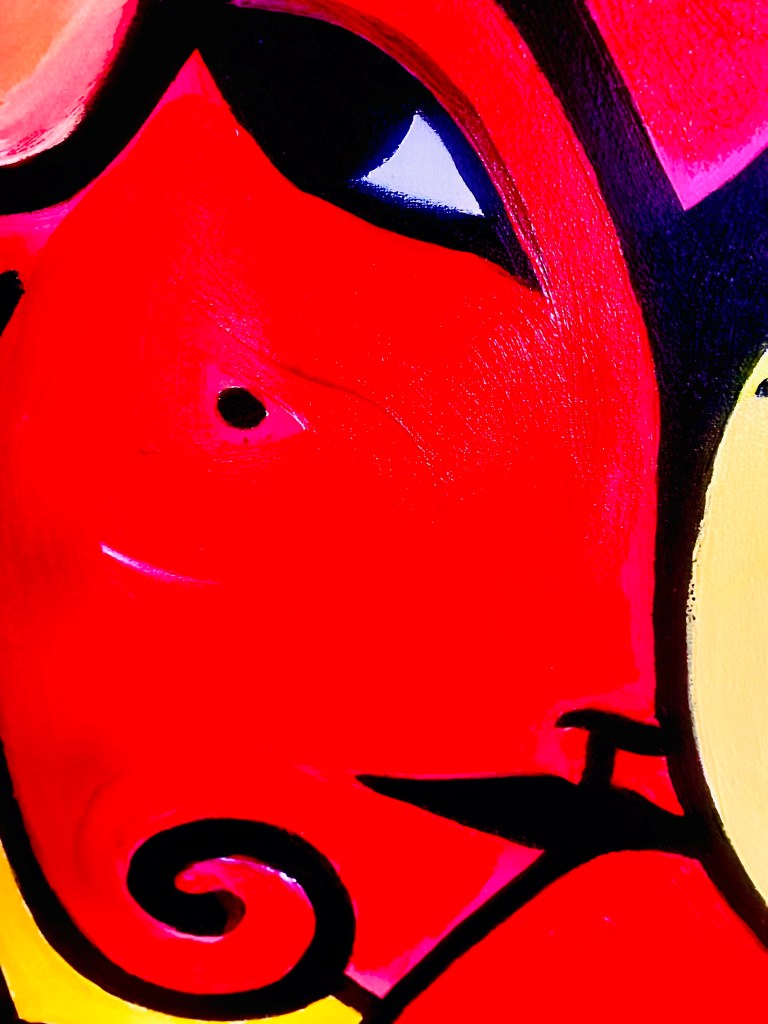
#art, Caras – Faces (The Art of Bodo Vespaciano)

((Bodo Vespaciano/All Rights Reserved)

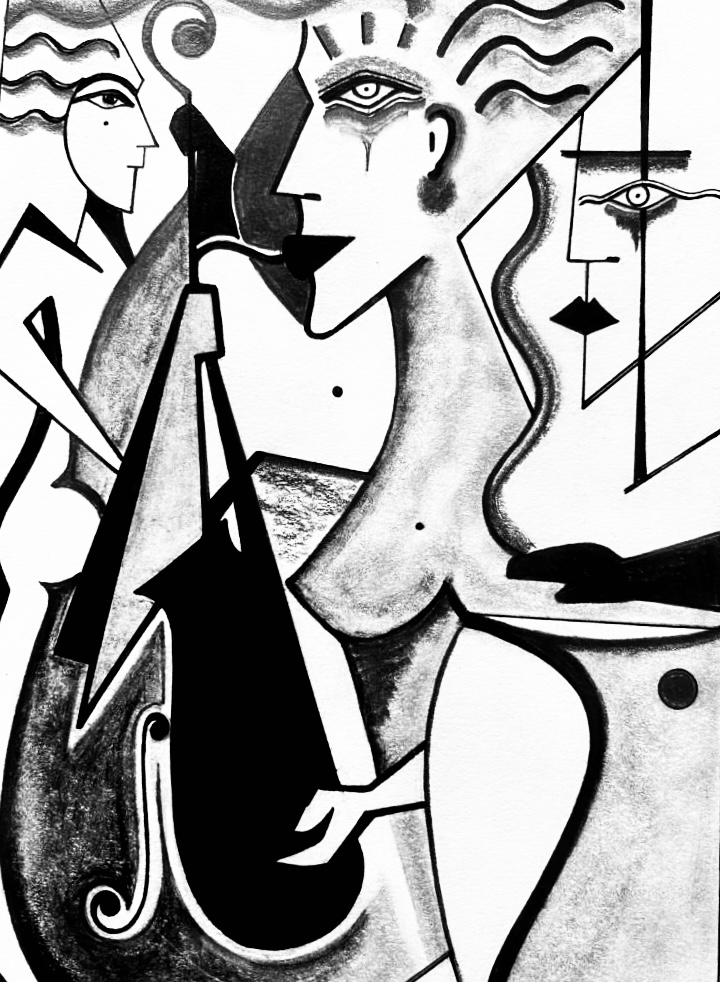
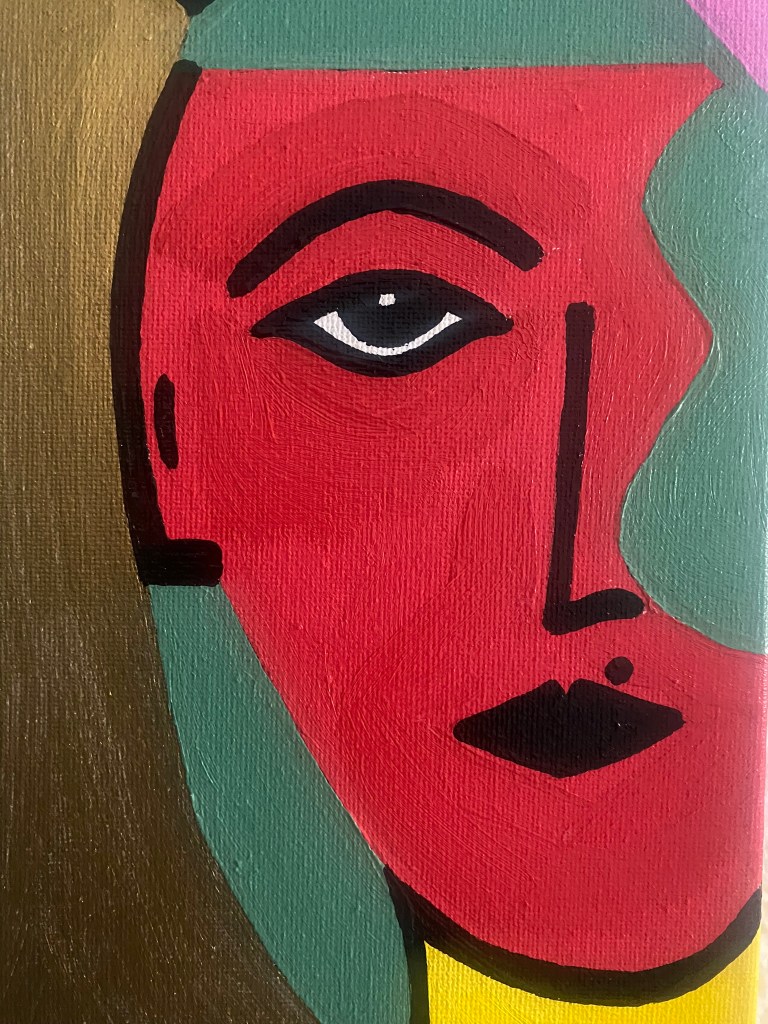
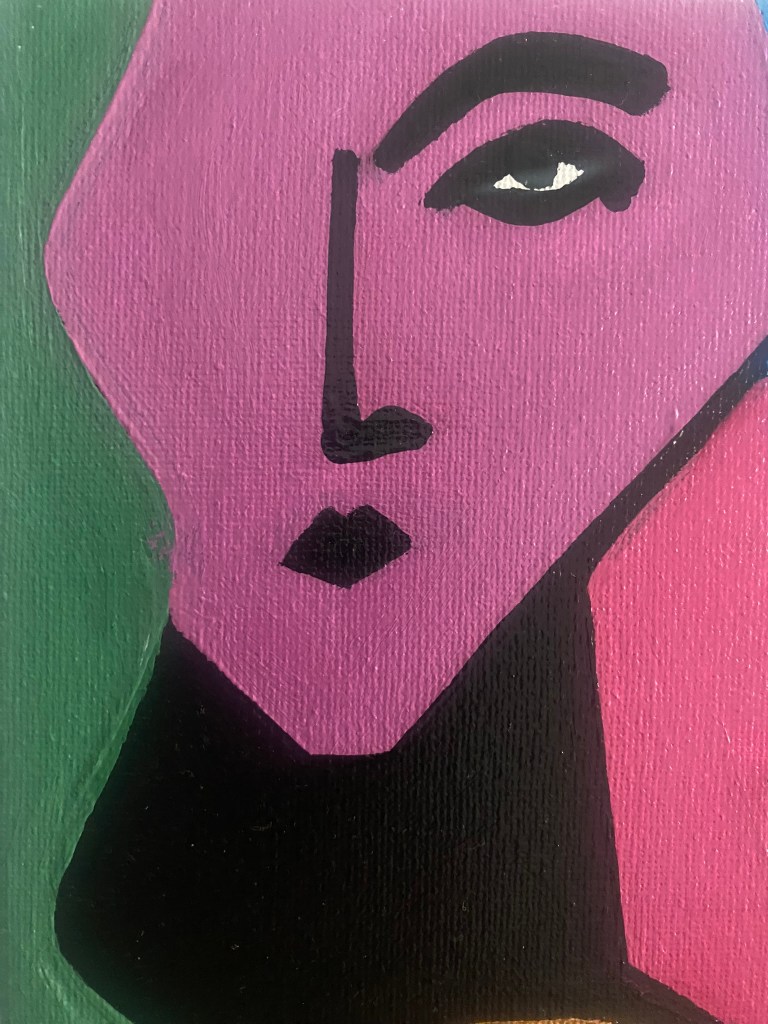
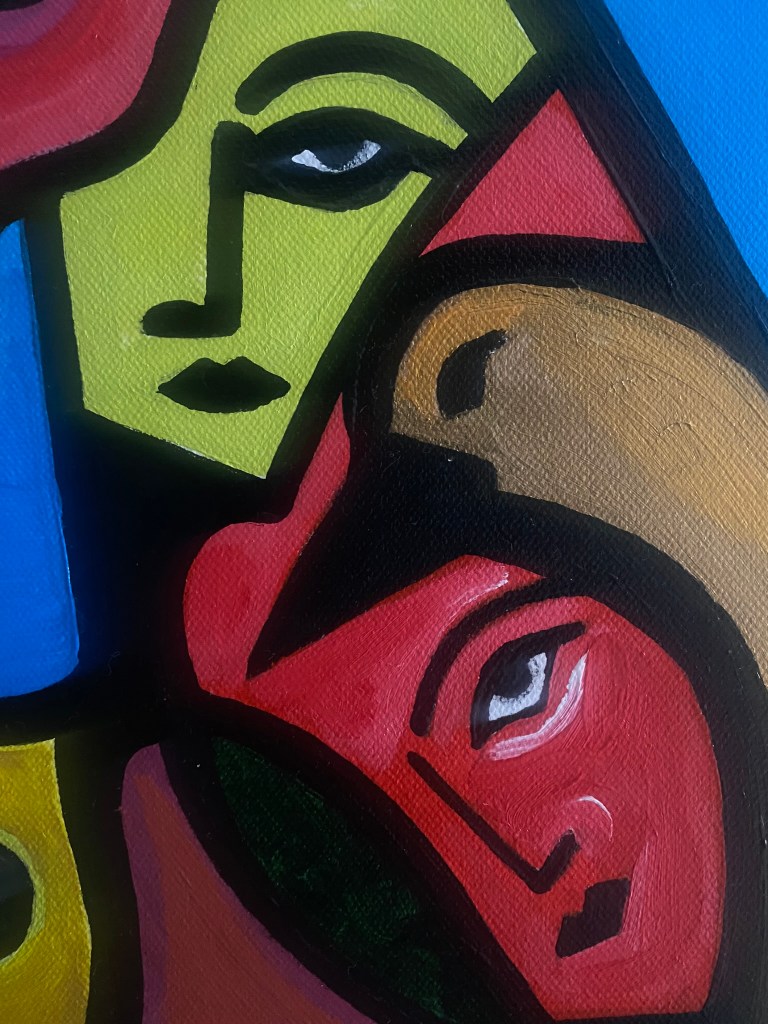
Creo que desde que me dediqué a la pintura, ya hace más de 30 años, me he puesto siempre a pintar lo que siento, lo que veo dentro de mi ser interior, no lo que veo en el mundo exterior y la mayoría de estas visiones (digámoslo así) son caras. La cara de nuestra madre es lo primero que vemos al llegar a esta realidad física, pero no la vemos como despues la veremos. Lo que vemos son ojos, ojos inmensos que nos penetran… acordémonos que la mente une las cosas aunque los puentes no estén ahí. Poco a poco la mente consciente va uniendo las partes de nuestra madre, padre, entorno y todo bajo el cielo… Pero siempre queda la imagen de la cara, por eso las pinto, y si te pones a pensar ¿Qué te puede identificar mejor que la cara?

+++

Since I began my career as an artist-painter, over 30 years ago, I have always painted what I feel and what I see within my inner being. Not what I see in the external world, and most of these visions (let’s say) are faces. The face of our mother is the first thing we see when we arrive in this physical reality. But at that moment we do not see her as we will later see her. What we see are eyes, immense eyes that penetrate us… Let us remember that the mind connects things even if the bridges are not there. Little by little, the conscious mind connects the parts of our mother, father, environment, and everything under the sky… But the image of the face always remains, that is why I paint them. And if you stop to think, what can possibly identify you better than your face?

GRACIAS – CHEERS

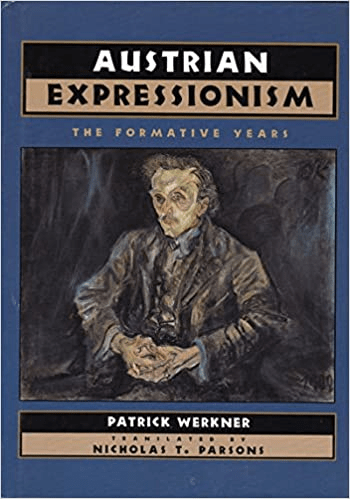
Art History: The Austrian Expressionists

Continuing with Art History, I thought it would be a good idea to delve further into Expressionism and what better way than to bring you some of my favourites in the genre…

(2022)

Cheers…

Art History: (Edición especial/Special Edition) «Pintores expresionistas alemanes»/German Expressionist Painters

(El expresionismo aleman se hizo en todas las artes incluyendo el cine/German Expressionism was expressed in all the arts, including the cinema)
(Please do not forget to like, comment and share)

Para mi el expresionismo y la abstracción, son las mas validas de las vanguardias del S. XX – – – For me Expressionism and Abstract Art, are the two most important of the vanguards of the XX C.

Gracias…

Cheers...

Art History: The «Abstract Expressionists»

(Photo from LIFE magazine 1949: Jackson Pollock)

Of course when one thinks of abstract expressionism one thinks of action painting and when one thinks of that one thinks of Jackson Pollock. However, he was not the only one in this unique group of vanguard artists, most from the United States, working a style that was developed thoroughly and completely in the States. Others like the ones I have featured here, especially the forgotten female painter (as so many are in Art History), Janet Sobel and Pollock’s own wife, Lee Krasner…

In any event, this is not a very exciting type of art for me, but it may be for you and it is important to know about it. So enjoy the video. If you don’t know much about action painting, i.e. abstract expressionism, then this will be a good introduction. But my main intention is getting you to look further, look beyond and get to know more, especially if you are an artist, or a collector or a lover of art…

(2022, Made in Valencia, Spain)

Cheers…

#art, Eva Gonzalès (Serie de mujeres artistas/Women Artists Series) (Esp-Eng)

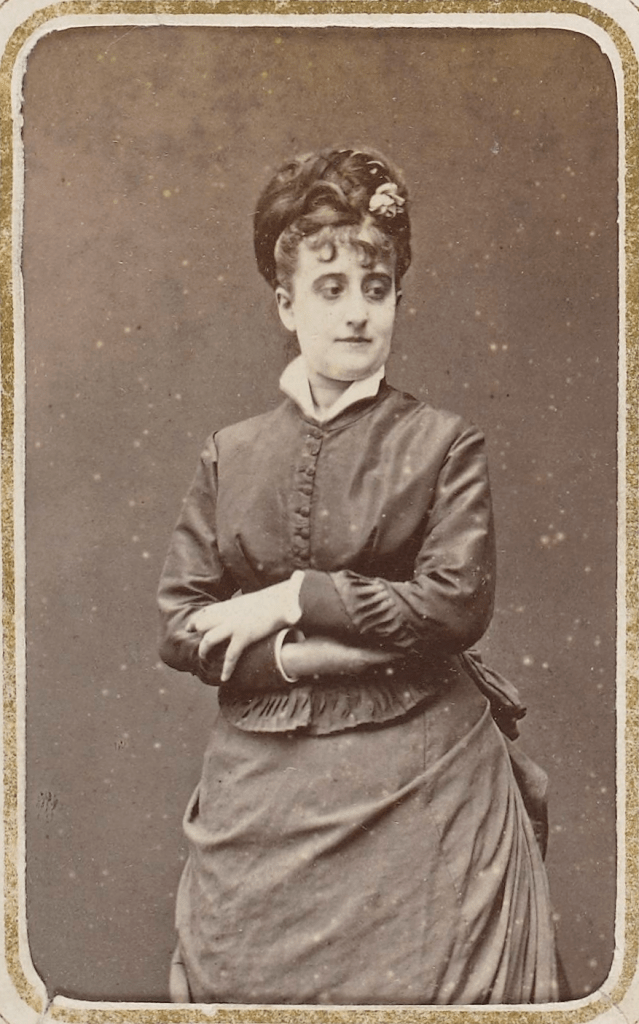
(Foto/Photo: Bibliothèque en ligne Gallica/Dominio público/Public Domain/Wikimedia Commons)

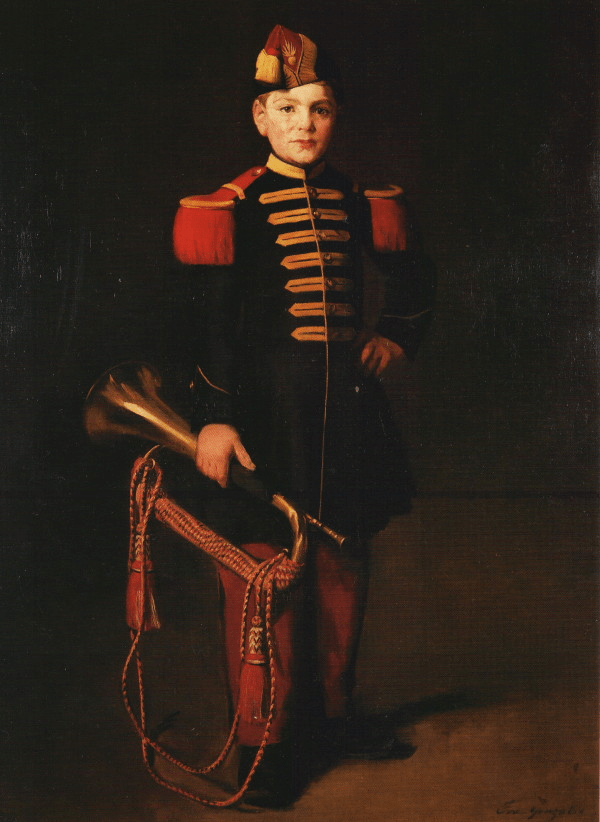
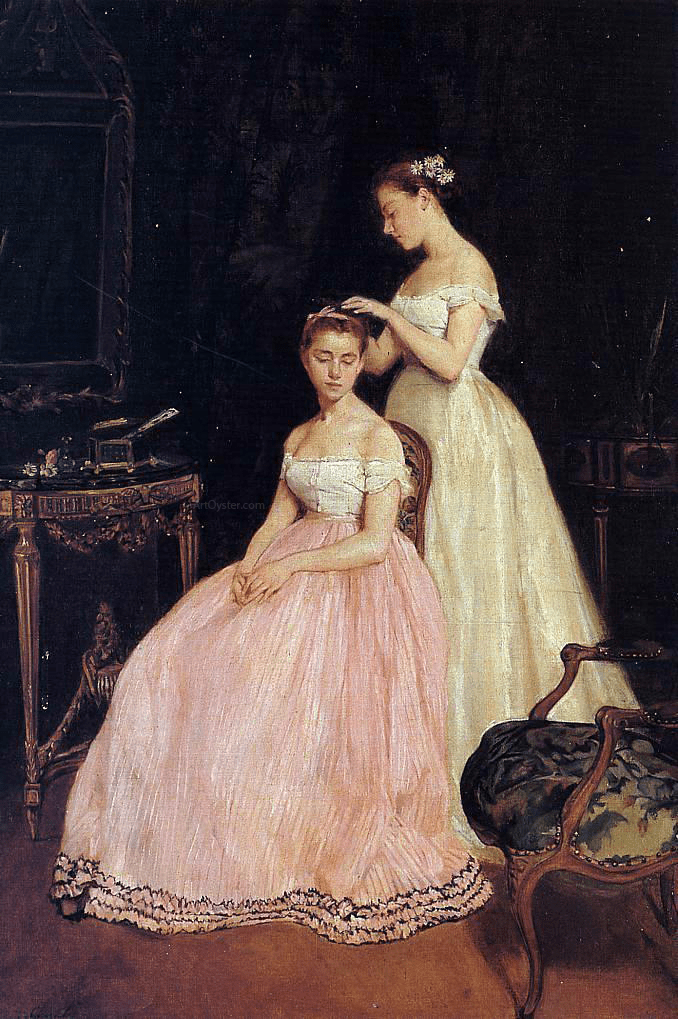
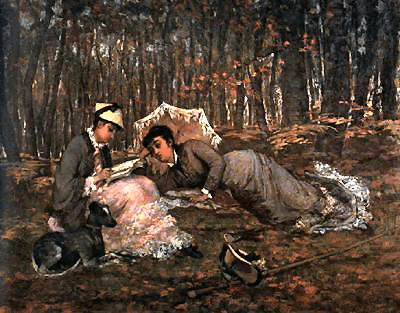
Eva Gonzalès fue una pintora impresionista francesa (1849-1883)… Y aunque la conocieron en la historia del arte como modelo, especialmente de Manet, ya se está haciendo conocer como artista. AL fin y al cabo, fue impresionista y discípula del propio Manet… Su padre, de origen español, fue novelista y su madre fue música bien reconocida, así que podemos ver que Eva estuvo rodeada de arte desde pequeña y eso tuvo que haber influido mucho en su vida, y la joven comenzó a estudiar pintura a los 16 años bajo el maestro Charles Joshua Chaplin, que pensaba que para que una mujer artista triunfase tenia que estar casada… Pero en 1869 Eva conoce a Édouard Manet y pide ser su alumna… Y todavia insisten en que lo único importante que hizo la Gonzalès fue ser la musa de Manet y famosa por ser la modelo del retrato que el le hizo en 1870… En 1870 expone en París por primera vez, aún fiel a Manet y no exponiendo con los impresionistas… Pero en 1871, influenciada ahora por Edgar Degas, comienza otra etapa pictórica para Eva con tonos más suaves y líneas al estilo Degas… En 1879 se casó y tuvo una hija, Julie. Lamentablemente falleció a consecuencia de una embolia post-partum el 5 de mayo de 1883. Eva tenia sólo 34 años de edad y fue enterrada en el cementerio de Montmartre, en París.

+++

Eva Gonzalès was a French Impressionist painter (1849-1883)… And although she was known in art history as a model, especially for Manet, she is becoming recognized as an artist in her own right. After all, she was an Impressionist and a disciple of Manet himself… Her father, of Spanish origin, was a novelist, and her mother was a well-recognized musician, so we can see that Eva was surrounded by art from a young age, which must have influenced her life significantly. The young artist began studying painting at the age of 16 under the master Charles Joshua Chaplin, who believed that for a female artist to succeed, she needed to be married… But in 1869, Eva met Édouard Manet and asked to be his student… Yet they still insist that the only important thing Gonzalès did was to be Manet’s muse and to be famous for being the model of the portrait he painted of her in 1870… In 1870, she exhibited in Paris for the first time, still loyal to Manet and not exhibiting with the Impressionists… However, in 1871, now influenced by Edgar Degas, she began a new pictorial phase with softer tones and lines in the style of Degas… In 1879, she got married and had a daughter, Julie. Unfortunately, she passed away due to a postpartum embolism on May 5, 1883. Eva was only 34 years old and was buried in Montmartre Cemetery in Paris.

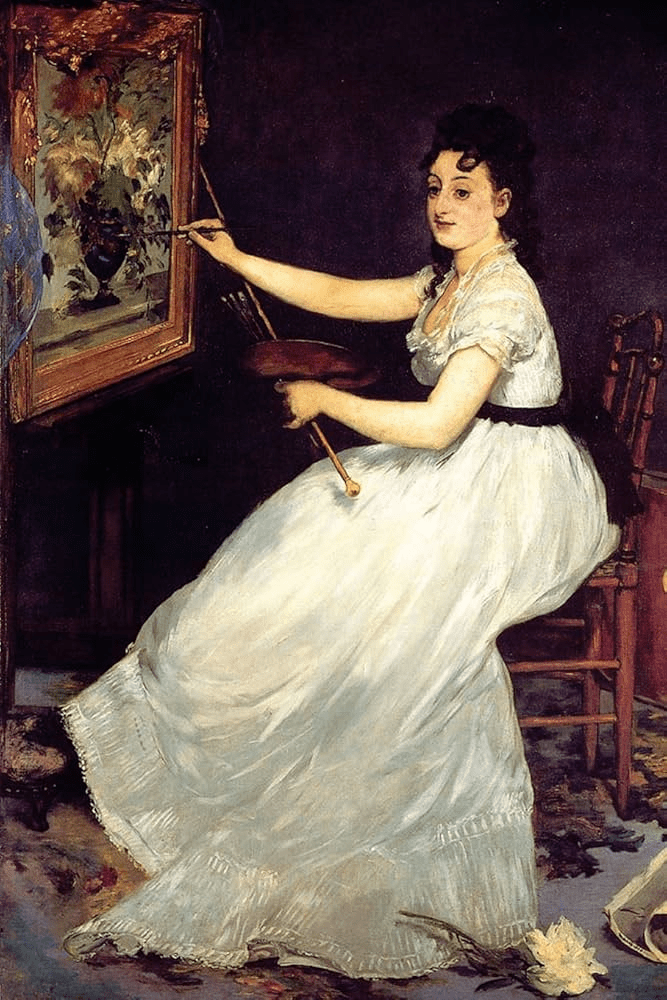
(Retrato de Eva Gonzalès de Manet 1870/Portrait of Eva Gonzalès by Manet 1870/Imagen del dominio público/Image from the Public Domain)

Obras de EvaGonzalès – Paintings by Eva Gonzalès

(«Enfant de troupe» 1870/Dominio público/Public Domain)
(«La toilette» obra atribuida de 1879/Dominio público/Attributed from 1879/Public Domain)
(«Reading in the Forest» atribuido de 1880/Dominio público/«Reading in the Forest» attributed from 1880/Public Domain)

GRACIAS – CHEERS
#art, Egon Schiele, gran pintor expresionista austriaco – Great Austrian Expressionist Painter

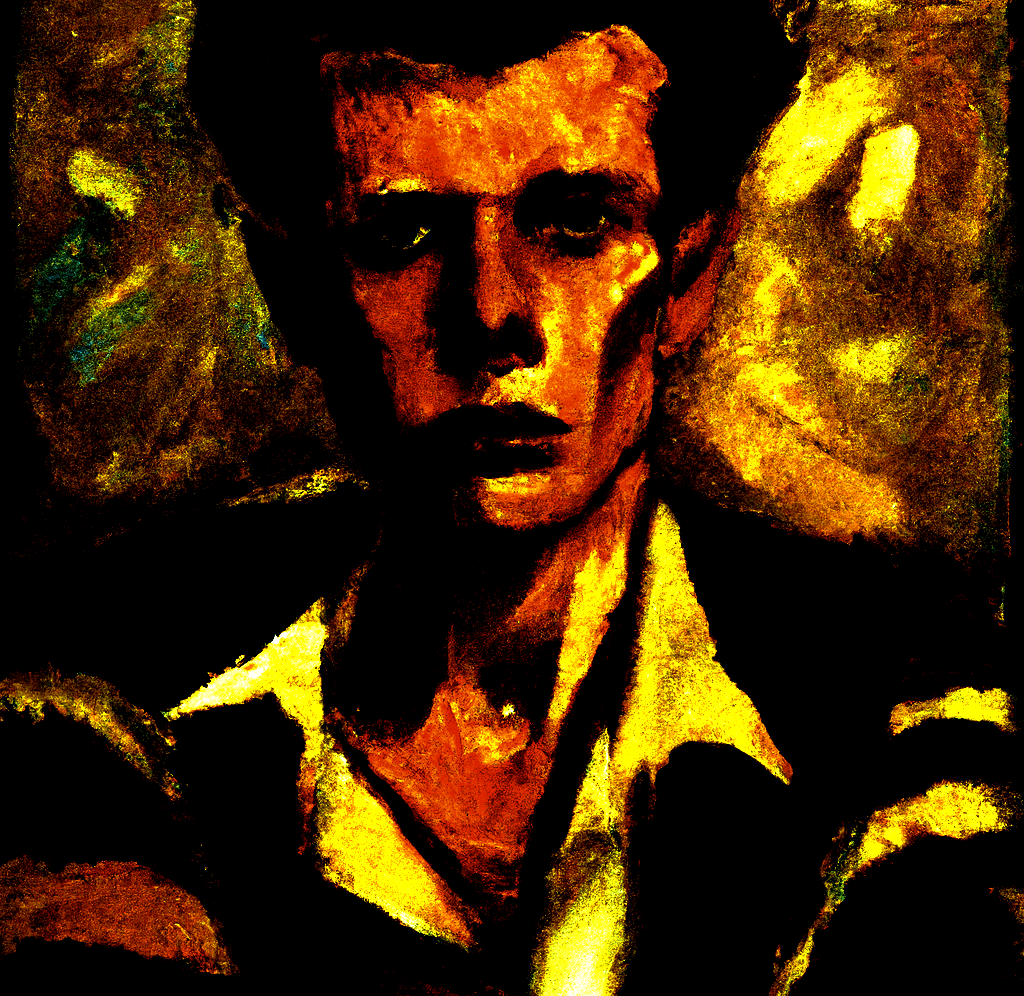
(«Ido» retrato de Egon Schiele de Francisco Bravo Cabrera/Derechos Reservados – «Gone» portrait of Egon Schiele by Francisco Bravo Cabrera/All Rights Reserved)

Para mi este pintor maldito fue un genio del expresionismo… Y para mi el expresionismo, o sea esa tendencia artística que surgió en Europa central a comienzos del S. XX, es mi forma preferida para expresar el arte que llevo dentro. El artista no pinta lo que ve en el mundo natural, si no lo que siente, lo que intuye, lo que se imagina y lo expresa de una forma bruta, fuerte, con colores agresivos, con trazos largos y sueltos, casi caricaturescos son los cuadros expresionistas y un autentico fenómeno… Lo he pintado, o sea, a mi estilo, el surreal-expresionismo, primero mas o menos a la edad que murió, 28 años, y también como me lo imagino de mayor…

+++

For me, this painter was a genius among the expressionists… And for me, expressionism, the art vanguard that emerged in central Europe at the beginning of the 20th century, is my preferred way to express the art that I carry within. The artist does not paint what he sees in the natural world, but what he feels, what he intuits. He paints what he imagines nature is and expresses it in a raw, strong way, with aggressive colours, long and loose strokes, almost caricatured are the expressionist paintings and a real phenomenon… I have painted it, I mean, in my style, surreal-expressionism, first more or less at the age he died, 28 years old, and also as I imagine him when older…

(«Schiele» retrato de Egon Schiele de Francisco Bravo Cabrera/Derechos Reservados – «Schiele» portrait of Egon Schiele by Francisco Bravo Cabrera/All Rights Reserved)

OMNIA CAELUM STUDIOS VALENCIA PRESENTA/PRESENTS:

(2022)

Síguenos en nuestras redes sociales – Follow us on our social media:

Web/Gallery: https://www.fbcart.wixsite.com/jazzart

YouTube: https://www.YouTube.com/@FranciscoBravoCabrera

Instagram: @Francisco_Bravo_Cabrera

Twitter (X): @euskadi_bakero

Artist Representative: “By Guloshka”

Instagram: @Guloshka

E-Mail: guloshka404@gmail.com

Gracias…

Cheers…