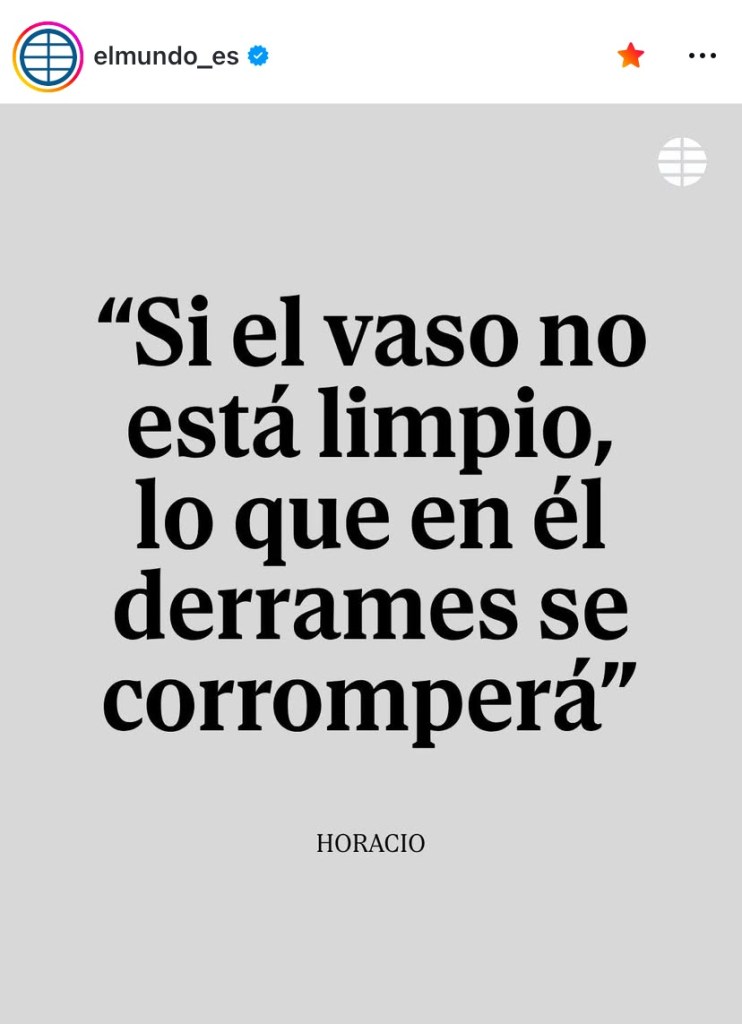
El vaso quiere decir tú…
Faith saved us from the savages that we were, losing faith makes us savages again
El vaso quiere decir tú…
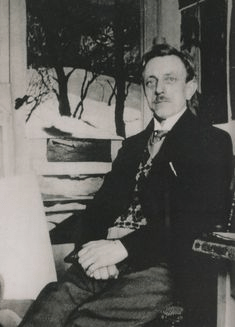
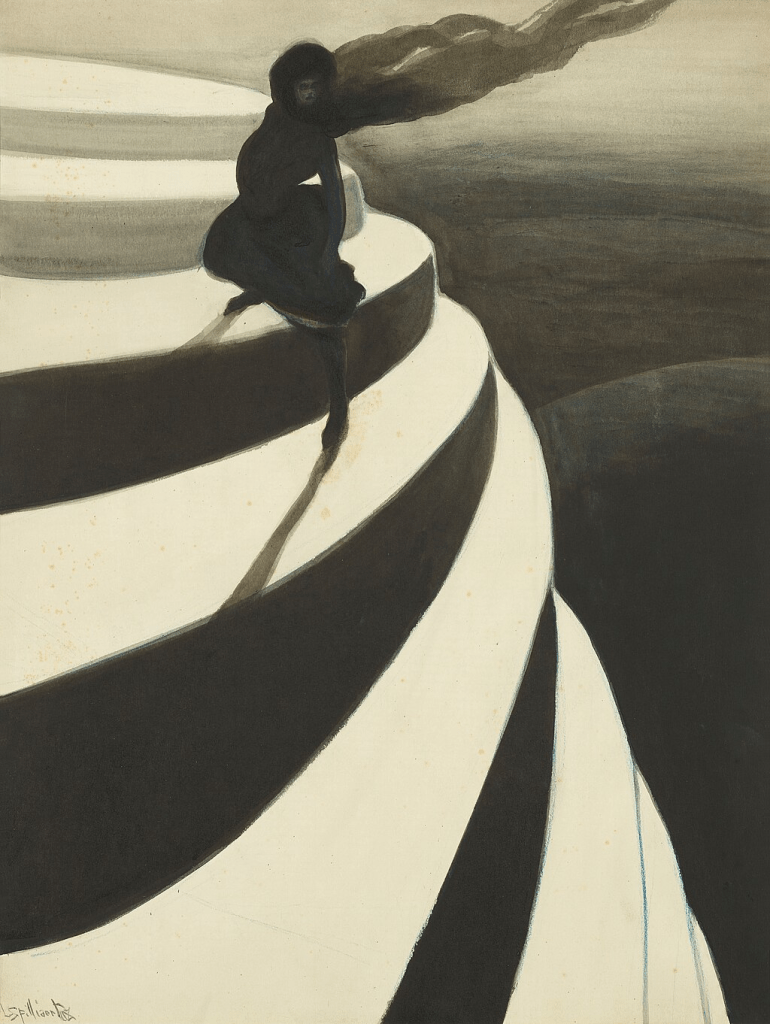
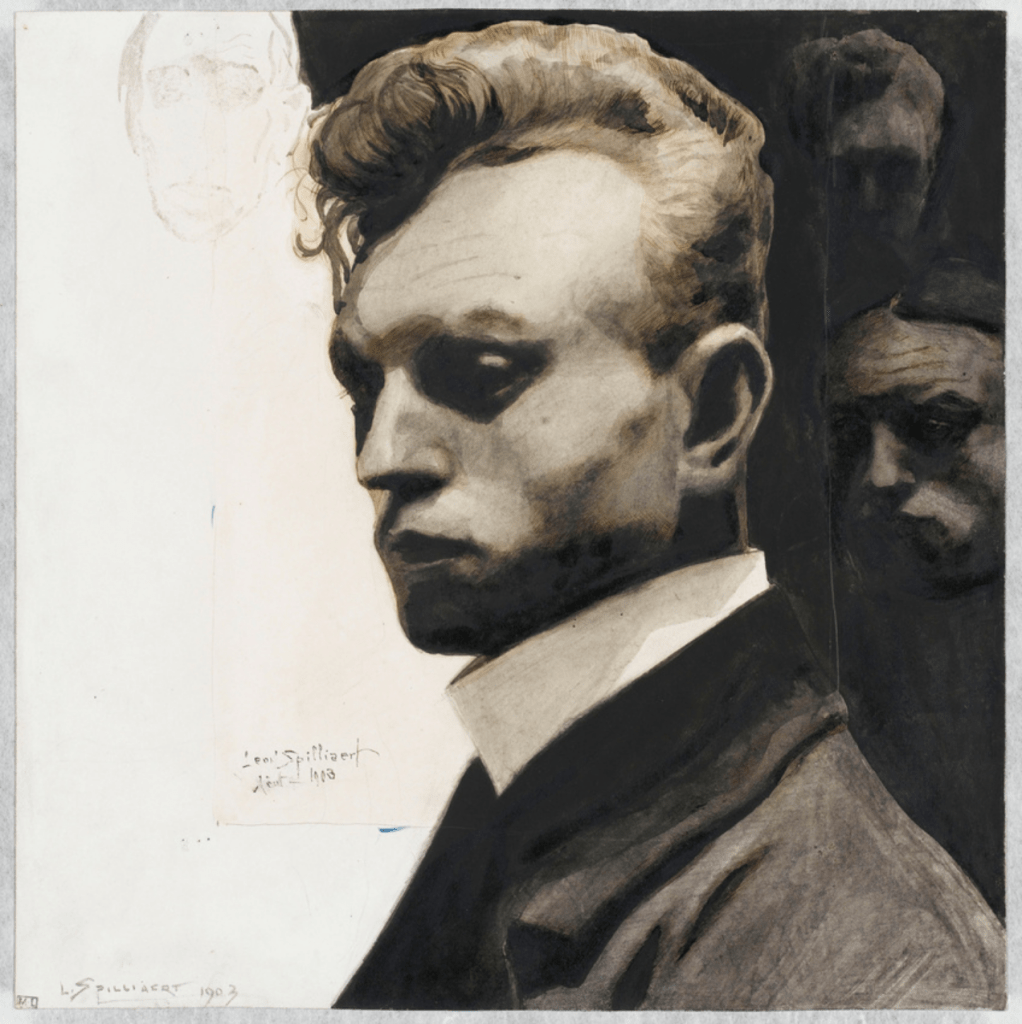
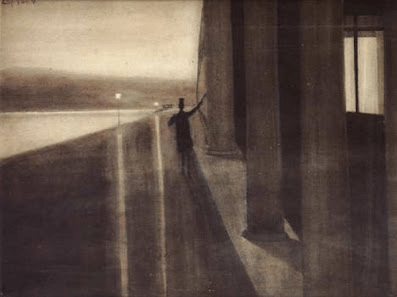
Comenzare diciéndoos que de este pintor simbolista belga nadie me habia hablado en la facultad y no tengo ni idea, porque si me lo hubieran mencionado me hubiera fascinado con su obra que es estupenda… Spilliaert, que nació en la Flandes occidental en 1882 era, además de pintor, ilustrador y grabador… Os diré que Léon se codeaba con tales escritores simbolistas como Maurice Maeterlinck y Émile Verhaeren y sus influencias pictoricas procedian de expresionistas como Edvard Munch y Fernand Khnopff, y también de escritores existencialistas y simbolistas como Nietzsche y Lautréamont. Su tema es la soledad que lo rodeaba, o que nos rodea a todos de cuando en cuando, muy parecido a su contemporáneo, el pintor norteamericano Edward Hopper… Y bueno, aunque algunos historiadores lo clasifican de autodidacta, y eso no existe pues como te vas a ensenar a ti mismo cosas que desconoces, Spilliaert estudio en Brujas en la Academia de Arte… Trabajó de impresor y editor de libros en París y en 1907 comenzó a exponer en Bélgica… Trabaja temas metafísicos y también relacionados a la cultura flamenca, prefiriendo siempre la espontaneidad… Era de carácter introvertido y hasta melancólico y mucha de su obra la realiza a través de la introspección de la cual se derivan sus grandes autorretratos… Muere en 1946…
+++
I will start by telling you that no one told me about this Belgian symbolist painter in college, and I have no idea why because if they had I would have been fascinated by his remarkable work… Spilliaert, who was born in West Flanders in 1882, was not only a painter but also an illustrator and engraver… Léon mingled with symbolist writers such as Maurice Maeterlinck and Émile Verhaeren, and his pictorial influences came from expressionists like Edvard Munch and Fernand Khnopff, as well as from existentialist and symbolist writers like Nietzsche and Lautréamont. His theme is the solitude that surrounded him, or that surrounds us all from time to time. A topic that was very similar to that of his contemporary, the American painter Edward Hopper… And well, although some historians classify him as self-taught, which doesn’t exist since how can you teach yourself things you don’t know, Spilliaert studied in Bruges at the Academy of Art… He worked as a printer and book editor in Paris, and in 1907 he began exhibiting in Belgium… In his paintings he explores metaphysical themes and also those related to Flemish culture, always preferring spontaneity… He had an introverted and even melancholic character, and much of his work was created through introspection, from which his great self-portraits were derived… He died in 1946…
+++++
GRACIAS – CHEERS

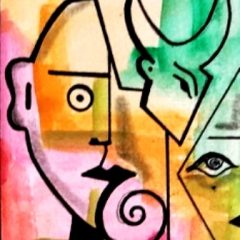
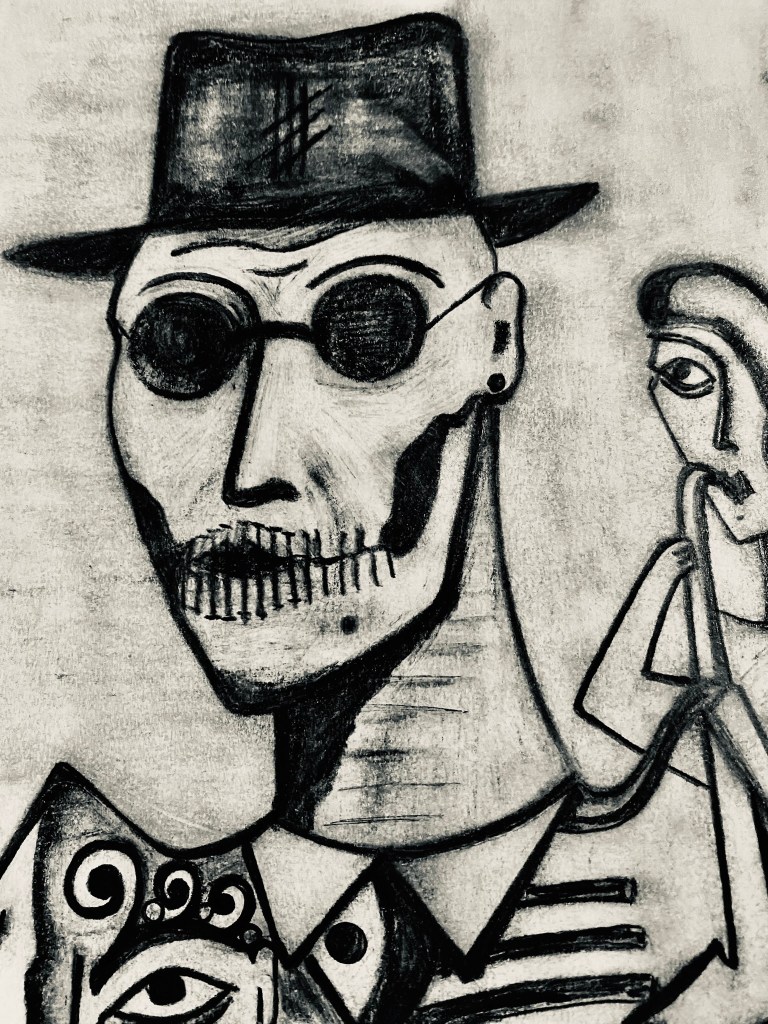
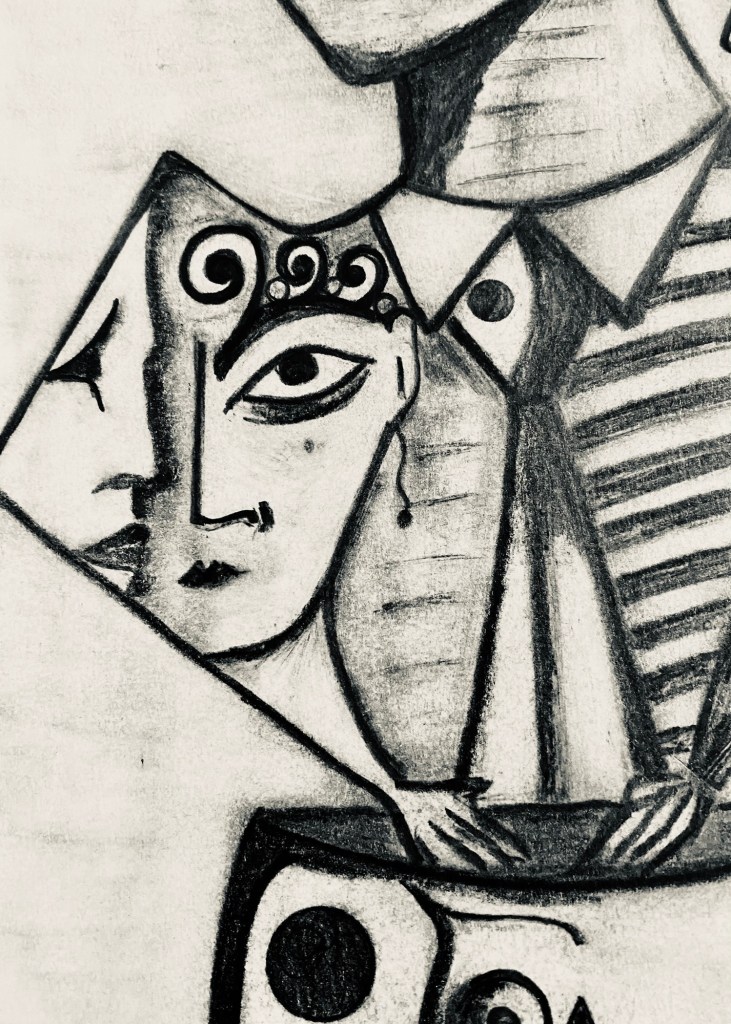
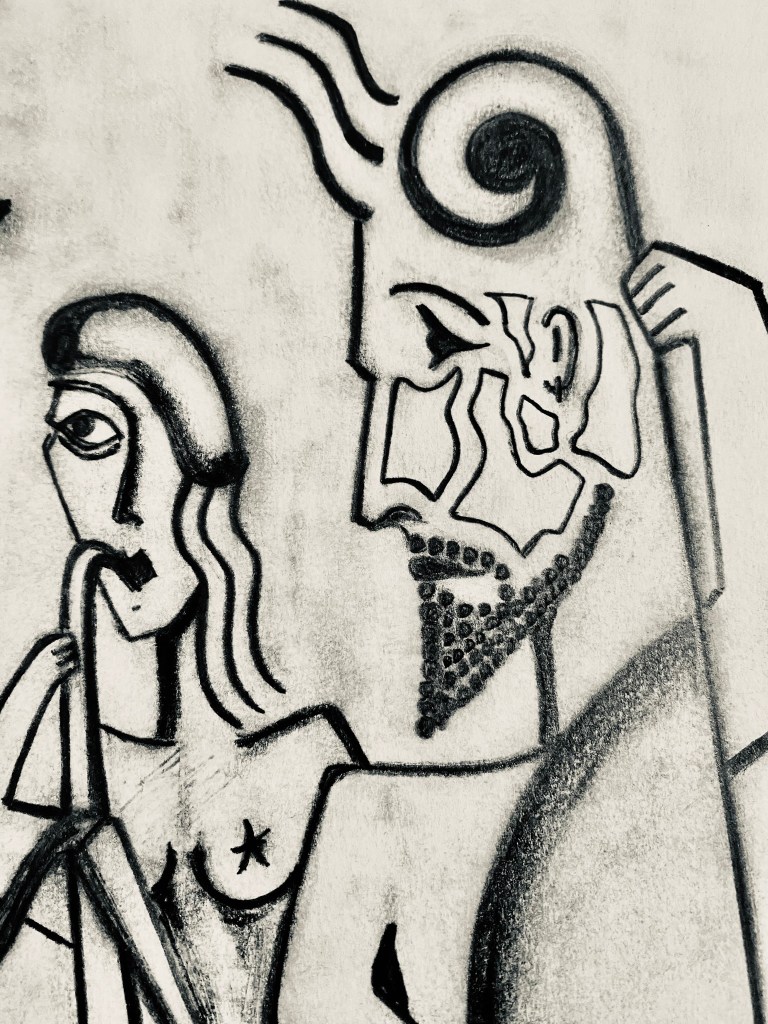
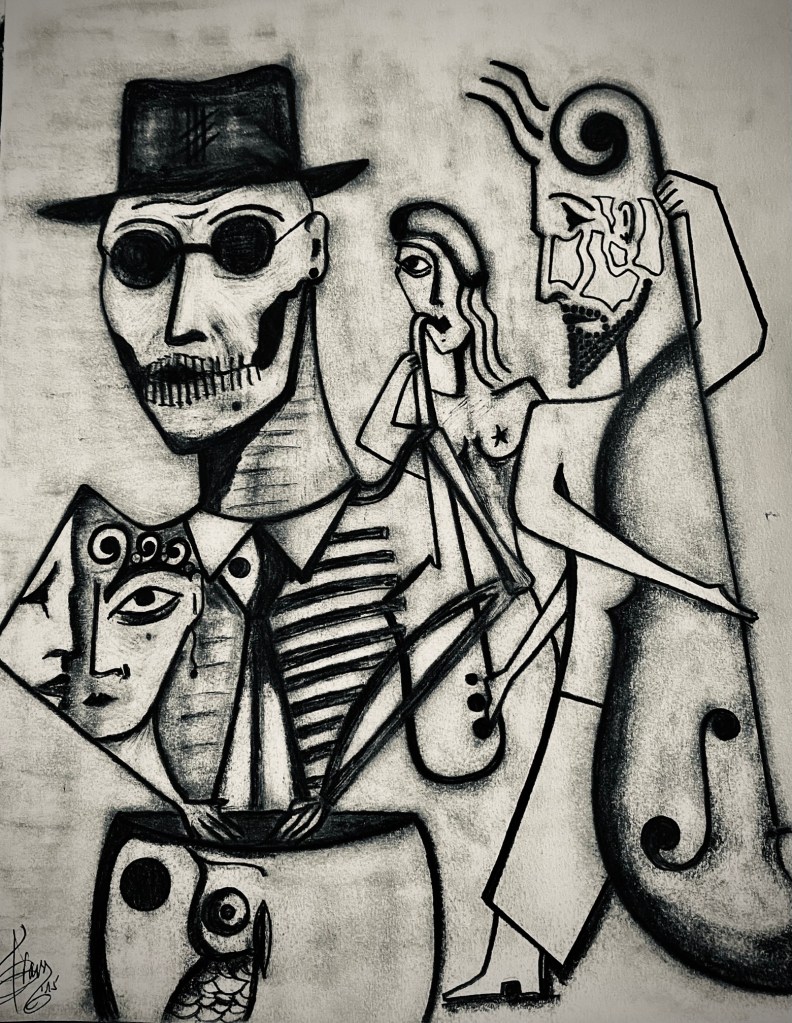
Vamos a ver, dice el pintor, ¿Qué pinto, o dibujo hoy? Hay que esperar que venga la inspiración, ni de coña digo yo… La inspiración, como dijo Picasso, que me pille currando como Dios manda, para eso soy un artista pintor… Pero bueno, hay algunos que piensan que tienen que esperar que las musas lo muevan, pero el culo se tiene que mover solo y no con el apoyo de supuestas musas. El artista se debe a su labor y tiene que producir si quiere vivir del arte y no del cuento… Yo nuca he creído en esas cosas paranormales o sobrenaturales o gilipolleces. Al contrario, siempre he creído que el artista, como el ingeniero o el medico, tiene que levantarse cada mañana y a la faena. El arte no es ni magia ni nada del otro mundo, al contrario, es cosa muy humana, como el aliento que nos sostiene o el alimento. Para un artista faenar es alimentarse, meditar, orar y conocer los otros mundos que atraviesa la mente y el espíritu constantemente… Dibujar me mola bastante… Os muestro ahora uno de mis antiguos dibujos de la época mía en Miami que se titula «Hectoricus» cuyo estilo es proto-JaZzArt expresionismo surreal…
+++
Let’s see, says the painter, what should I paint or draw today? Should one wait for inspiration to arrive? I say no way!… Inspiration, as Picasso said, should catch me working hard, for that’s what being a painter is all about… But well, there are some who think they have to wait for the muses to move them, but your arse has to move on its own and not with the assistance of supposed muses. The artist should be dedicated to his craft and must produce if he wants to live off art and not fairy tales… I have never believed in those paranormal, supernatural, or nonsense things. On the contrary, I have always believed that the artist, like the engineer or the doctor, must get up every morning and get to work. Art is neither magic nor anything out of this world; on the contrary, it is a very human thing, like the breath that sustains us or food. For an artist, work is nourishment, meditation, prayer, and the way to explore the other worlds where the mind and spirit travel to constantly… And since I love to draw I will now show you one of my old drawings from my time in Miami. It is called «Hectoricus» and it is proto-JaZzArt surreal-expressionism.
Y me puedes visitar en mis redes sociales/Check out my social media
Instagram: @Francisco_Bravo_Cabrera
X: @Euskadi_bakero
YouTube: http://www.YouTube.com/@FranciscoBravoCabrera
+++++
GRACIAS – CHEERS
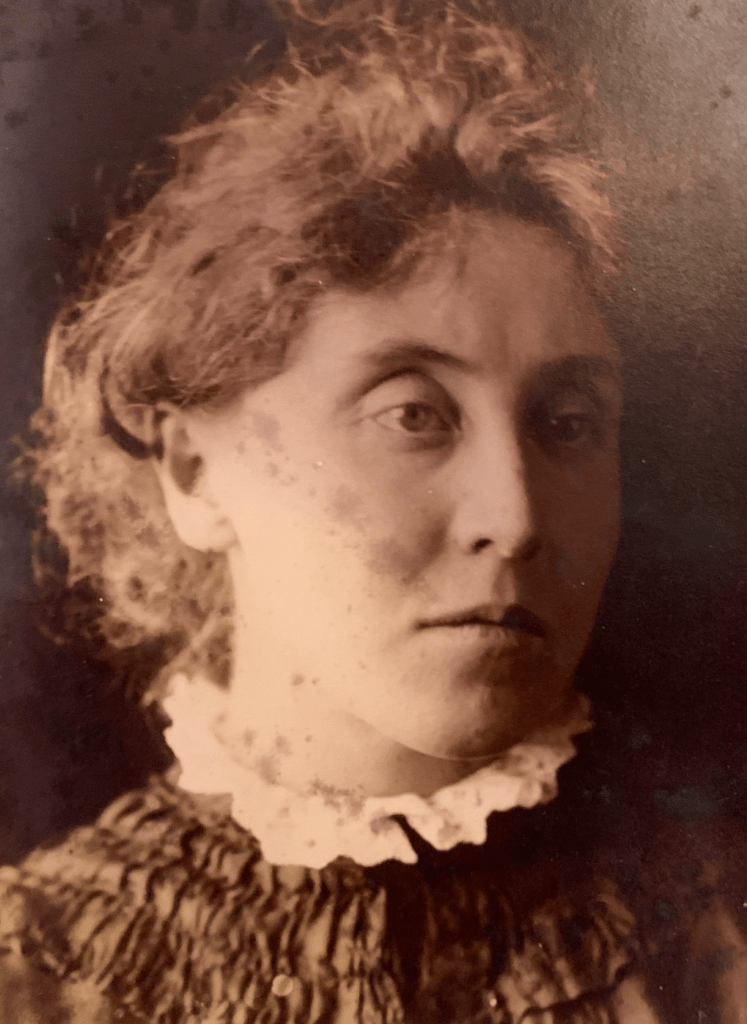
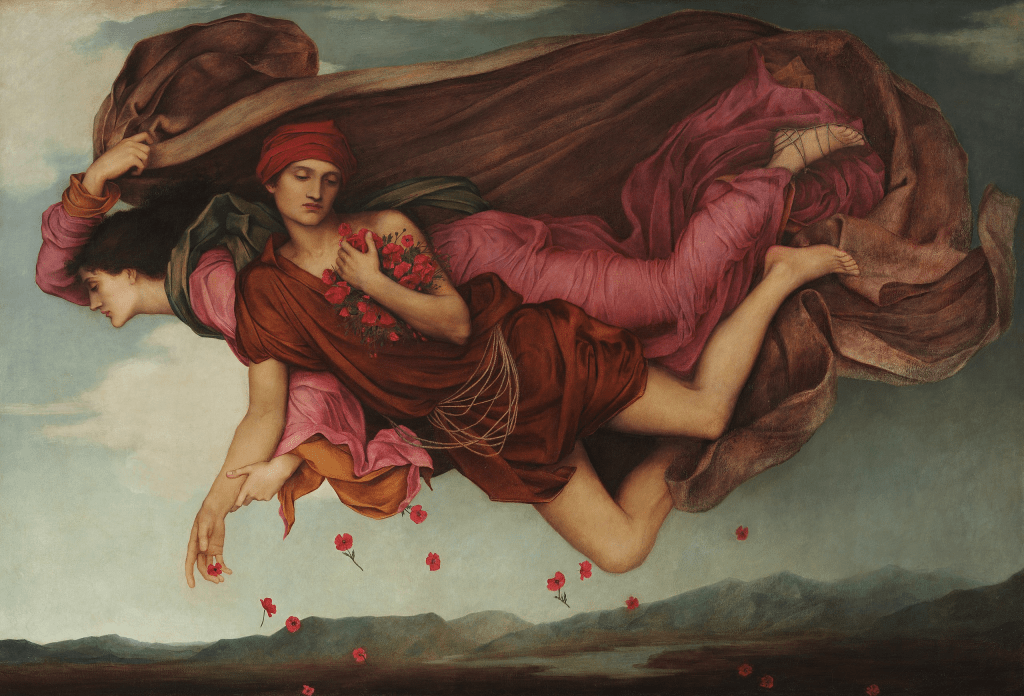
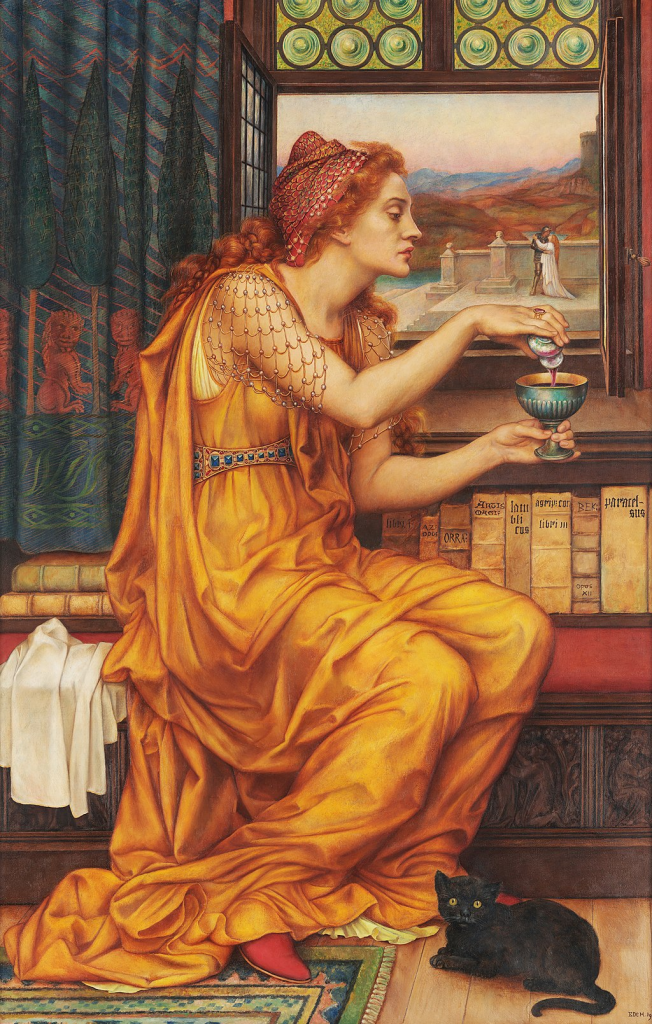
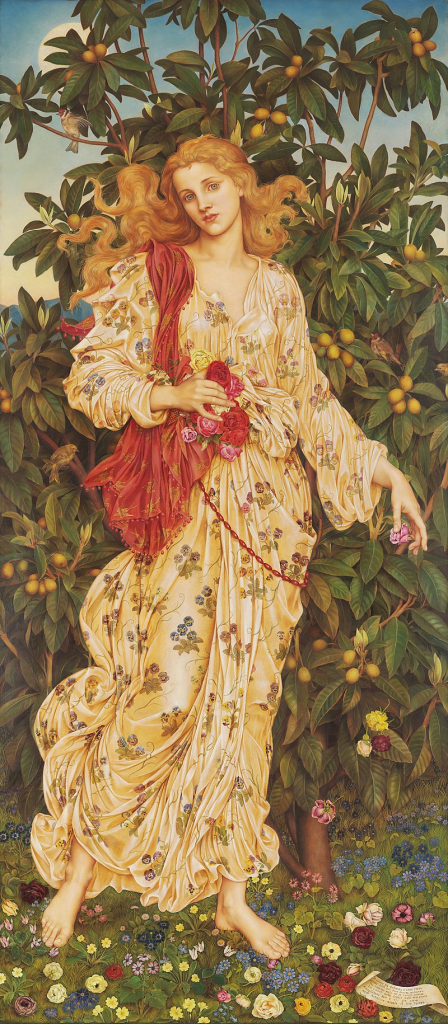
This wonderful painter was born Mary Evelyn Pickering in London in 1855… When she married William De Morgan (English novelist and ceramist) in 1883 she became Evelyn De Morgan… as a painter she is associated with the Pre-Raphaelite Movement and her paintings show different styles such as aestheticism and symbolism. In many of her paintings she portrays the female body as something spiritual, mythological and allegorical. Some scholars have found her work to contain a sort of a spiritualist/feminist content… And of course, like all artists she studied art. In 1872 Evelyn attended the South Kensington National Art Training School, which is today the Royal College of Art. In 1873 moved to the Slade School of Art, where she won the prestigious Slade Scholarship as well as the Silver Medal for Painting from the Antique; First Certificate for Drawing from the Antique; and Third Equal Certificate for Composition… Evelyn De Morgan began exhibiting in 1876 and continued to exhibit until 1907. She was the sole artist, as in a one-woman show at Wolverhampton Municipal Art Gallery and Museum. Twenty five of her paintings were exhibited. However, after 1907 she practically stopped exhibiting. Perhaps she did not need the money any more as her husband’s first novel became very successful. We should all be aware that artists work for money and once the financial situation is resolved, there really is not much of a need to work. After all, being an artist is a job… Evelyn De Morgan died in London in 1919.
+++
Esta maravillosa pintora, Mary Evelyn Pickering, nació en Londres en 1855… Cuando se casó con William De Morgan (novelista y ceramista inglés) en 1883, se convirtió en Evelyn De Morgan… como pintora, está asociada con el Movimiento Prerrafaelista. Sus pinturas muestran diferentes estilos como el esteticismo y el simbolismo. En muchas de sus obras retrata el cuerpo femenino como algo espiritual, mitológico y alegórico. Algunos académicos han encontrado que su trabajo contiene una especie de contenido espiritualista/feminista… Y, por supuesto, como todos los artistas, estudió arte. En 1872, Evelyn asistió a la Escuela Nacional de Formación Artística de South Kensington, que hoy en día es el Royal College of Art. En 1873 se trasladó a la Slade School of Art, donde ganó la prestigiosa Beca Slade, así como la Medalla de Plata por Pintura del Antiguo; el Primer Certificado por Dibujo del Antiguo; y el Tercer Certificado Igual por Composición… Evelyn De Morgan comenzó a exhibir en 1876 y continuó exponiendo hasta 1907. Fue la única artista, en una exposición individual en la Galería Municipal de Arte y Museo de Wolverhampton. Veinticinco de sus pinturas fueron exhibidas. Sin embargo, después de 1907 prácticamente dejó de exhibir. Quizás ya no necesitaba el dinero, ya que la primera novela de su esposo se volvió muy exitosa. Todos deberíamos ser conscientes de que los artistas trabajan por dinero y, una vez que la situación financiera la resuelven, realmente encuentran mucha necesidad de trabajar. Después de todo, ser artista es un trabajo… Evelyn De Morgan murió en Londres en 1919.
+++++
GRACIAS – CHEERS
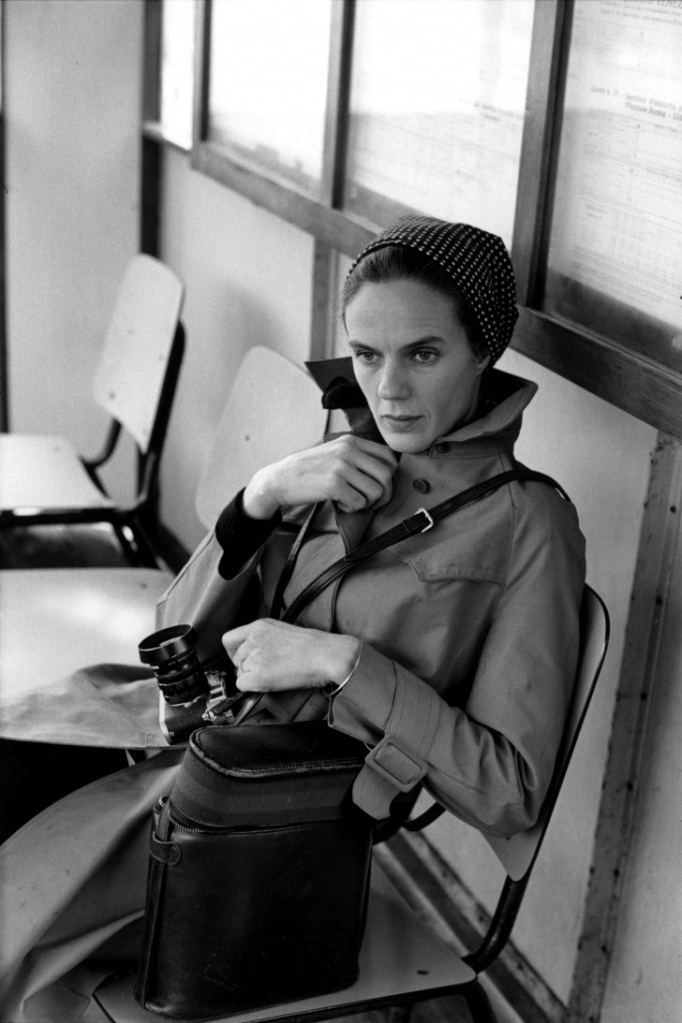
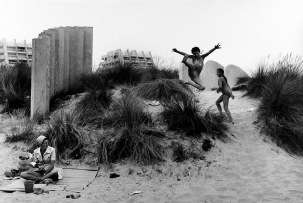
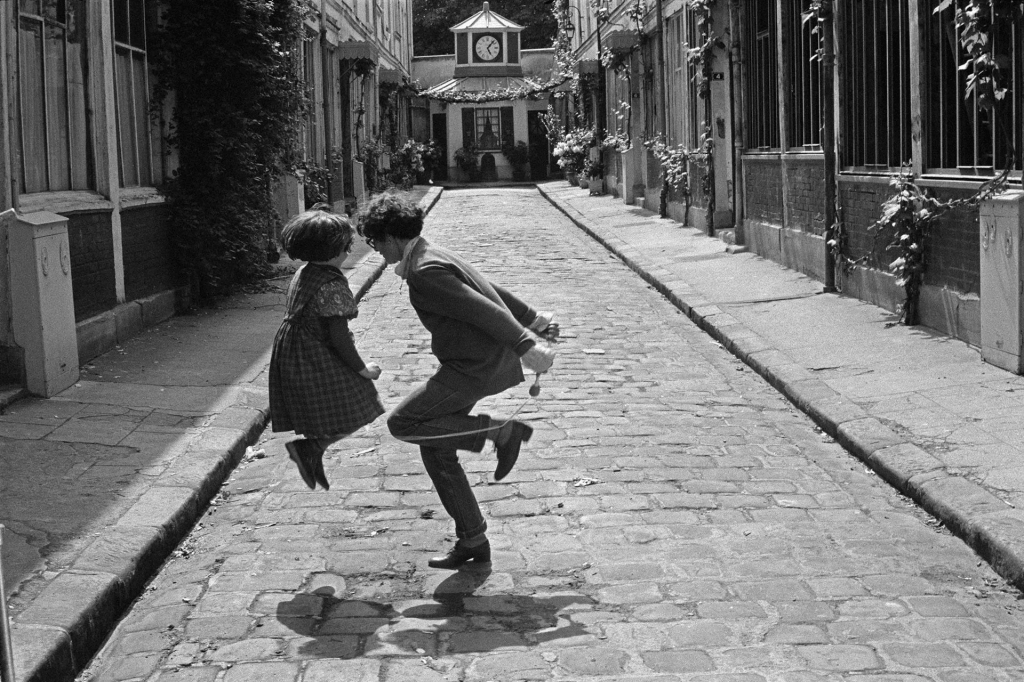
Martine was born in Antwerp in 1938, fotógrafa belga que perteneció a la Agencia Magnum… Estudio Historia de Arte en la Universidad Complutense de Madrid (1956-1958)… Fue asistente en sus primeros trabajos en China y en Japón y en 1965 se hizo independiente y desde 1983 formó parte de la Agencia Magnum… En 1970 se casó con Henri Cartier Bresson, siendo su última esposa… Se han publicado nueve libros de las fotografías de Martine. Además en 2005 fue elevada a Chevalier de la Légion d’Honneur francesa… En 2010 le diagnosticaron leucemia, pero aún así siguió trabajando haciendo su última exposición en 2011 en la Maison Européenne de la Photographie… Era defensora del feminismo y nunca quiso ser sombra de su famoso marido… Martine Franck murió en París en 2012.
+++
Martine was born in Antwerp in 1938, a Belgian photographer who belonged to the Magnum Agency… She studied Art History at the Complutense University of Madrid (1956-1958)… She was an assistant photorapher in her early works in China and Japan. In 1965 she became independent, becoming a member of Magnum Agency in 1983… In 1970, she married Henri Cartier-Bresson, being his last wife… Nine books of Martine’s photographs have been published. Additionally, in 2005, she was elevated to Chevalier of the French Légion d’Honneur… In 2010, she was diagnosed with leukemia, but continued working, holding her last exhibition in 2011 at the Maison Européenne de la Photographie… She was a defender of feminism and never wished to be in the shadow of her famous husband… Martine Franck passed away in Paris in 2012.
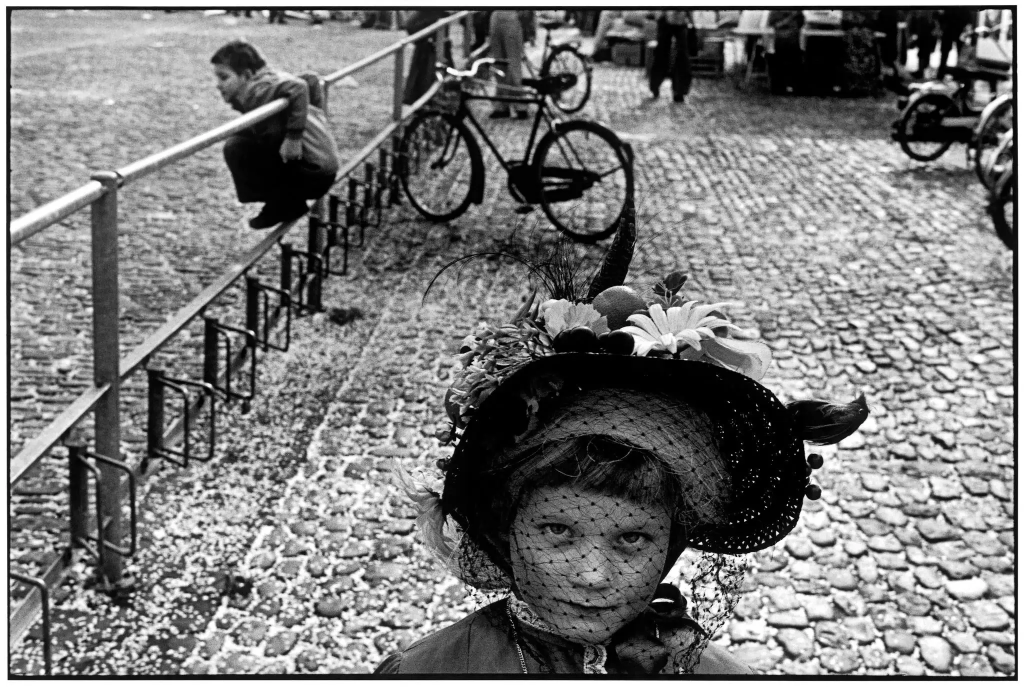
(Las imágenes usadas son de orígenes desconocidos y usadas solo para educar, enriquecer la cultura y añadir al conocimiento de las artes – Images used are from unknown origins and used solely for educational purposes to enhance knowledge and culture of the arts)
GRACIAS – CHEERS
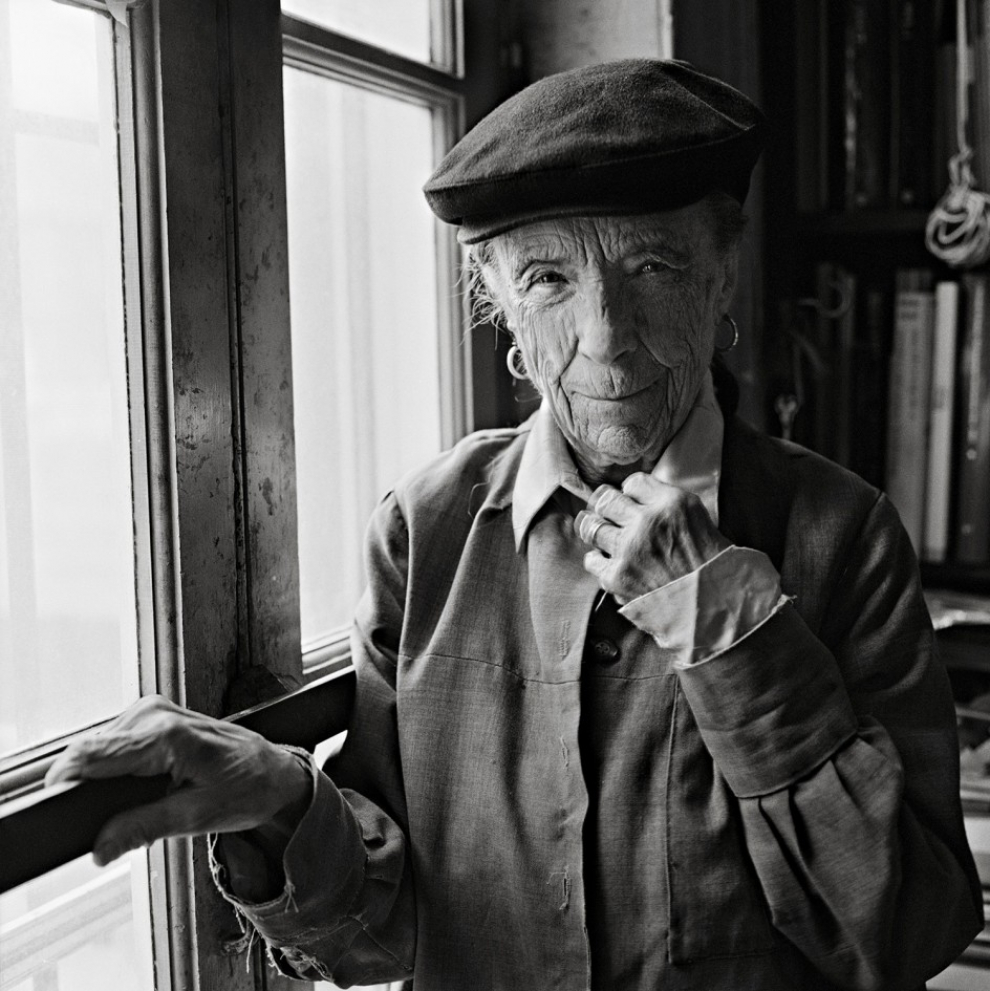
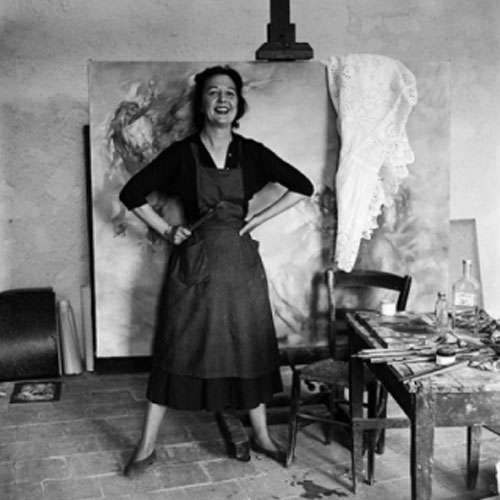
Estas son dos de las mujeres pintoras (artistas) que más admiro…
These are two of the women artists (painters) that I most admire…
Gracias…
Cheers…
This wonderful painter was born Mary Evelyn Pickering in London in 1855… When she married William De Morgan (English novelist and ceramist) in 1883 she became Evelyn De Morgan… as a painter she is associated with the Pre-Raphaelite Movement and her paintings show different styles such as aestheticism and symbolism. In many of her paintings she portrays the female body as something spiritual, mythological and allegorical. Some scholars have found her work to contain a sort of a spiritualist/feminist content… And of course, like all artists she studied art. In 1872 Evelyn attended the South Kensington National Art Training School, which is today the Royal College of Art. In 1873 moved to the Slade School of Art, where she won the prestigious Slade Scholarship as well as the Silver Medal for Painting from the Antique; First Certificate for Drawing from the Antique; and Third Equal Certificate for Composition… Evelyn De Morgan began exhibiting in 1876 and continued to exhibit until 1907. She was the sole artist, as in a one-woman show at Wolverhampton Municipal Art Gallery and Museum. Twenty five of her paintings were exhibited. However, after 1907 she practically stopped exhibiting. Perhaps she did not need the money any more as her husband’s first novel became very successful. We should all be aware that artists work for money and once the financial situation is resolved, there really is not much of a need to work. After all, being an artist is a job… Evelyn De Morgan died in London in 1919.
+++
Esta maravillosa pintora, Mary Evelyn Pickering, nació en Londres en 1855… Cuando se casó con William De Morgan (novelista y ceramista inglés) en 1883, se convirtió en Evelyn De Morgan… como pintora, está asociada con el Movimiento Prerrafaelista. Sus pinturas muestran diferentes estilos como el esteticismo y el simbolismo. En muchas de sus obras retrata el cuerpo femenino como algo espiritual, mitológico y alegórico. Algunos académicos han encontrado que su trabajo contiene una especie de contenido espiritualista/feminista… Y, por supuesto, como todos los artistas, estudió arte. En 1872, Evelyn asistió a la Escuela Nacional de Formación Artística de South Kensington, que hoy en día es el Royal College of Art. En 1873 se trasladó a la Slade School of Art, donde ganó la prestigiosa Beca Slade, así como la Medalla de Plata por Pintura del Antiguo; el Primer Certificado por Dibujo del Antiguo; y el Tercer Certificado Igual por Composición… Evelyn De Morgan comenzó a exhibir en 1876 y continuó exponiendo hasta 1907. Fue la única artista, en una exposición individual en la Galería Municipal de Arte y Museo de Wolverhampton. Veinticinco de sus pinturas fueron exhibidas. Sin embargo, después de 1907 prácticamente dejó de exhibir. Quizás ya no necesitaba el dinero, ya que la primera novela de su esposo se volvió muy exitosa. Todos deberíamos ser conscientes de que los artistas trabajan por dinero y, una vez que la situación financiera la resuelven, realmente encuentran mucha necesidad de trabajar. Después de todo, ser artista es un trabajo… Evelyn De Morgan murió en Londres en 1919.
+++++
GRACIAS – CHEERS


 JaZzArt en València