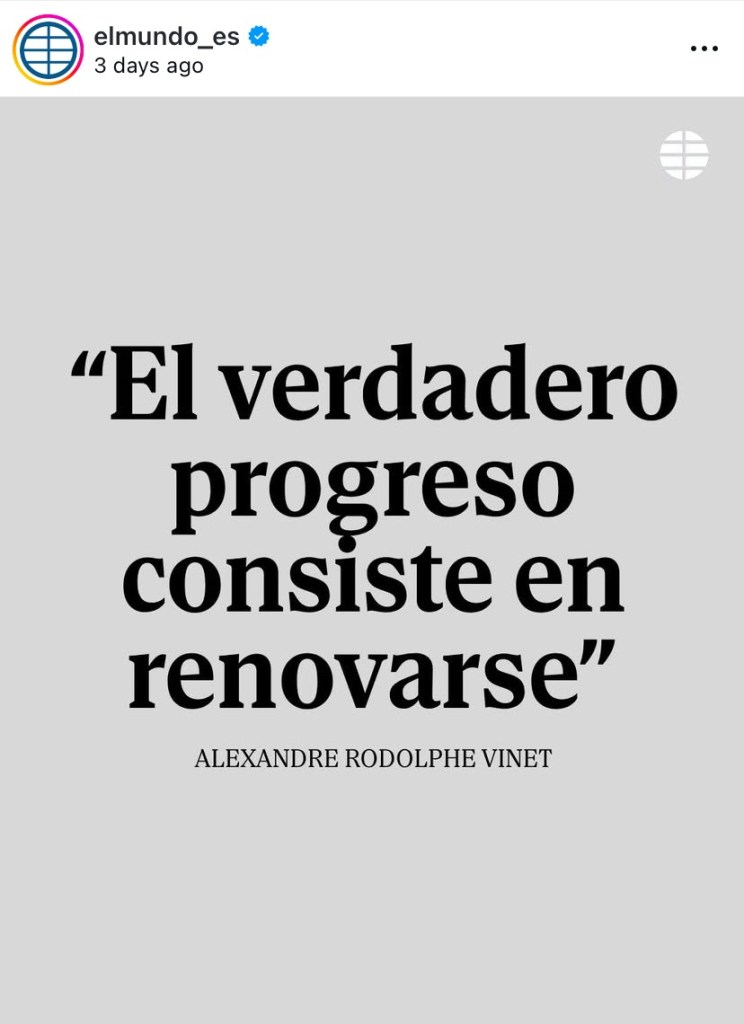
Es verdad, el progreso se logra renovándose, no hablando chorradas…
Faith saved us from the savages that we were, losing faith makes us savages again
Es verdad, el progreso se logra renovándose, no hablando chorradas…
GRACIAS – CHEERS

Marlene Dumas nació en Ciudad del Cabo en 1953 y ahora vive en Holanda (bueno ahora se llama Países Bajos)… Su cuadro «Miss January» (1997) se ha vendido en la casa de subastas Christie’s por la friolera de $13,6 millones de dólares… la venta del pasado 14 de mayo de «Miss January» bate el record y es ahora el cuadro, de una artista femenina (viva), que ha logrado el mayor precio en subasta. El record que supero fue el del cuadro de Jenny Saville, «Propped» que se vendió por $12,4 millones de dólares en Sotheby’s… Para que conozcas a Marlene Dumas, te dire que recibió su licenciatura en artes visuales en 1975 de la Universidad de la Ciudad del Cabo… En 1995 representó a Holanda en la bienal de Venecia y en 1996 la Tate Gallery exhibió sus obras… Su obra tiende a dirigirse a la representación del cuerpo humano, por dentro y por fuera. Muchas veces pinta a sus sujetos o al comienzo o ya cerca del fin y usa la figura humana para hacer criticas de ideas contemporáneas sobre la identidad racial, sexual y social.
+++
Marlene Dumas was born in Cape Town in 1953 and now lives in the Netherlands… Her painting «Miss January» (1997) was sold at Christie’s for a staggering $13.6 million… the sale on May 14 of «Miss January» broke the record and is now the painting by a living female artist that has achieved the highest price at auction. The record she surpassed was that of Jenny Saville’s painting, «Propped,» which sold for $12.4 million at Sotheby’s… To get to know Marlene Dumas, I should tell you that she received her bachelor’s degree in visual arts in 1975 from the University of Cape Town… In 1995, she represented the Netherlands at the Venice Biennale, and in 1996 the Tate Gallery exhibited her works… Her work tends to focus on the representation of the human body, from the inside out. She often paints her subjects either at the beginning or near the end, using the human figure to critique contemporary ideas on racial, sexual, and social identity.
+++++

GRACIAS – CHEERS
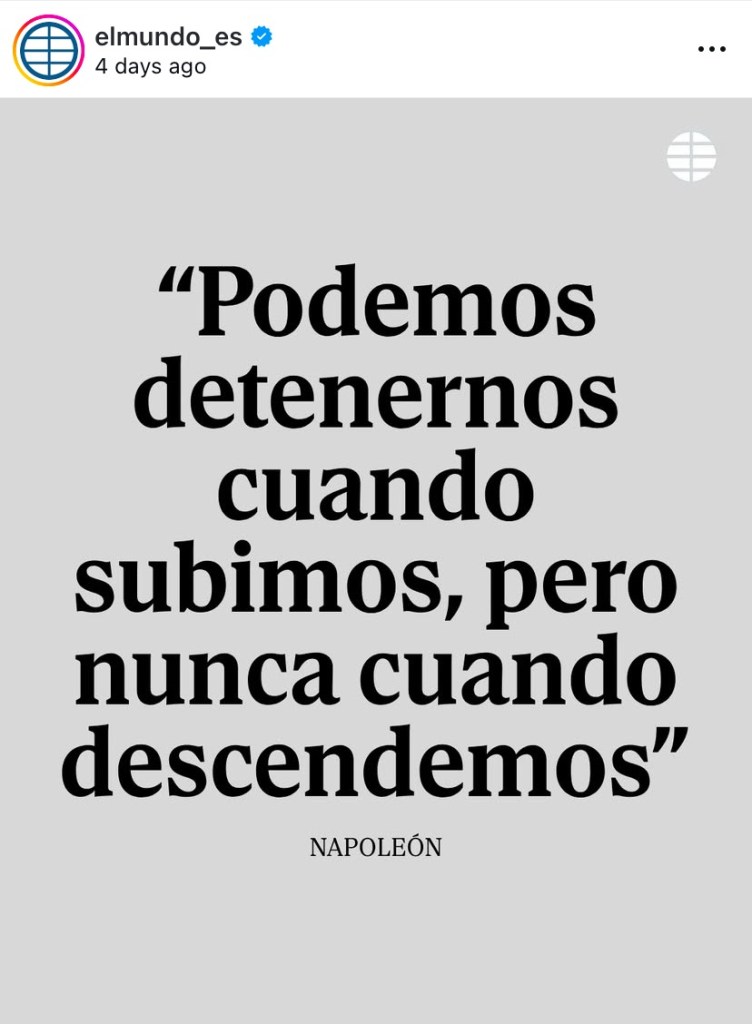
Sin duda alguna…
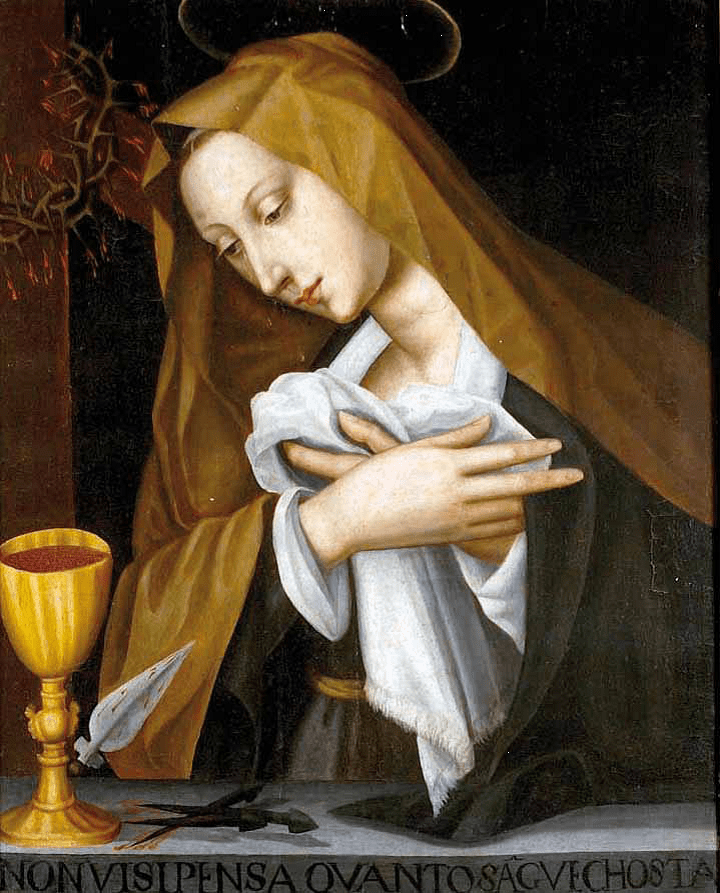
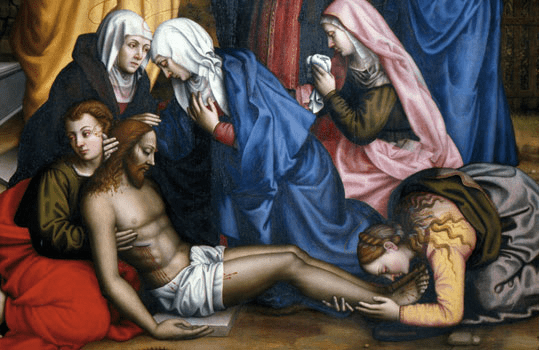
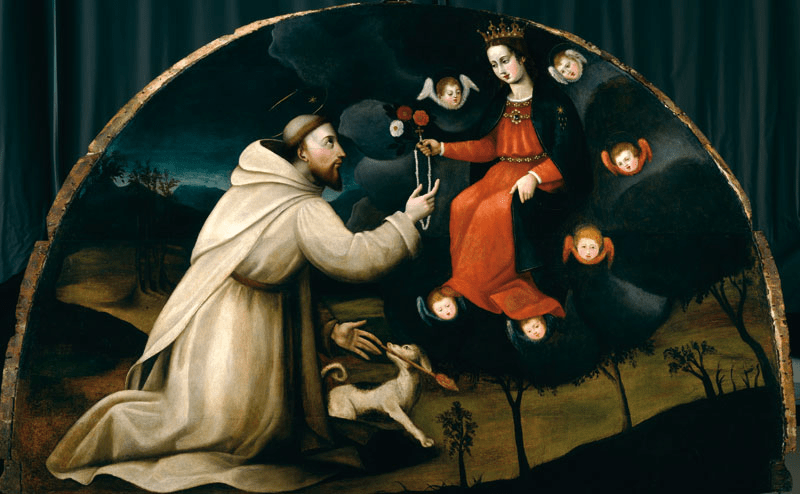
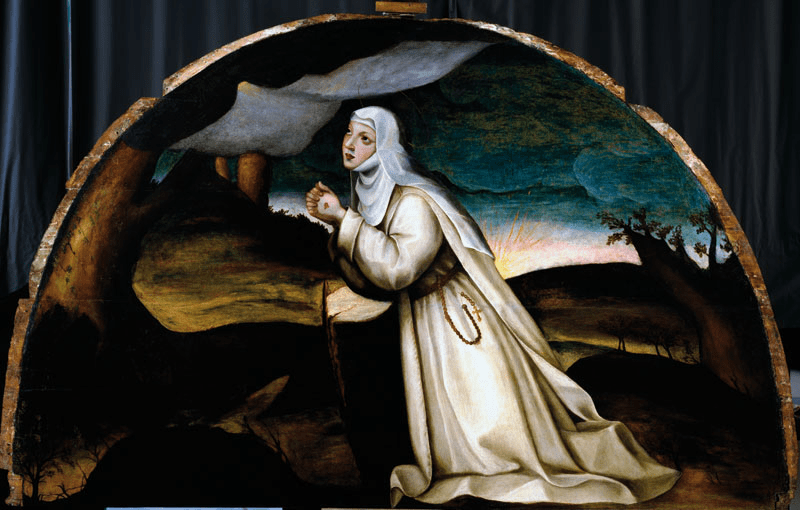
Plautilla Nelli was a Dominican nun and a self-taught artist, possibly the first woman artist of Florence. She entered the convent at the age of 14 and immediately began teaching herself how to draw and paint. She was greatly influenced by the Dominican preacher Savonarola who encouraged women to paint, thus the convent becoming a huge art studio for many of the sisters.
Sister Plautilla had success selling her paintings, which she did in large scale as well as in miniature. She had many buyers, including women. She also served as professor to other nuns and many of the sisters of the convent of Saint Catherine of Sienna became her students and disciples.
Her style was devotional and religious in nature, classic and mannerist as dictated by Savonarola. She inherited the drawings/sketches of Fray Bartolomeo and she was one of the few women included in Vasari’s «Life of the Most Excellent Painters, Sculptors and Architects».
Nelli is an important…woman…artist in Art History and should be studied. I would urge you to look further into the life and the work of this extraordinary woman. Sister Plautilla was born and died in Florence, (1524-1588).
CHEERS
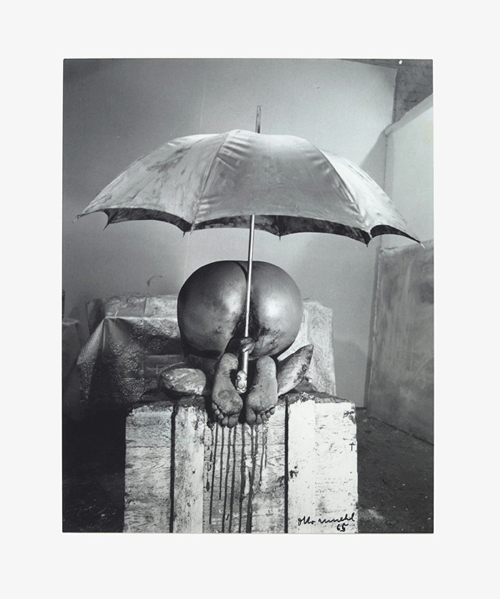
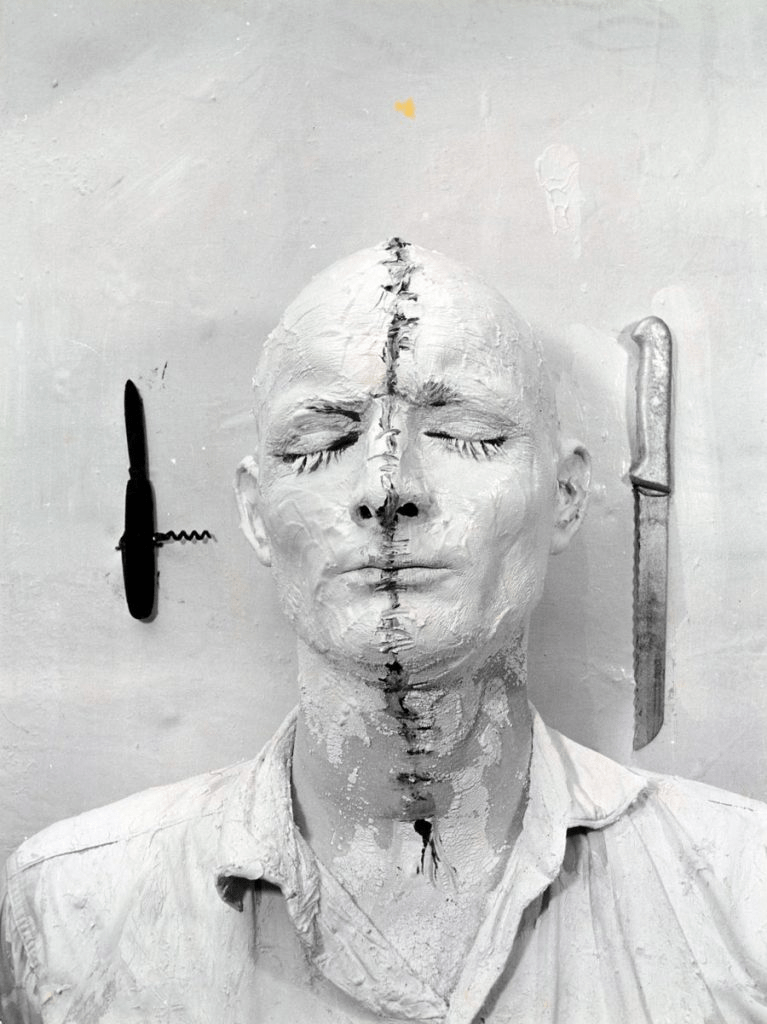
Venga, lo primero que te diré, para que te enteres y no te vayas a ilusionar mucho, es que ya este movimiento artístico no existe. Que se sepa nadie le ha seguido los pasos a Günter Brus, Otto Mühl, Hermann Nitsch, y Rudolf Schwarzkogler, los padres del movimiento. Los accionistas vieneses surgieron a fines de la década de los años 60 y principios de los 70. Estos, mas o menos, estaban en la misma onda que Fluxus, Action Painting, Happenings y Body Art. Posiblemente ascendieron de los antiguos dadaístas también, quién sabe… Los accionistas trabajaban independiente de los demás movimientos artísticos. Rechazaban el arte estático y el tradicionalismo y lo que buscaban era realizar acciones delante de la gente, preferiblemente mucha gente y en entornos controlados… El «arte» que generaban era grotesco, violento e ilegal. Sacrificaban animales, conducían orgías, actos sexuales sangrientos, mutilaciones genitales y violaciones. Todo para desafiar la moral del pueblo. Muchos de los accionistas cumplieron condenas por sus transgresiones y delitos. Y por supuesto no podían ser «artistas» si no cometían actos blasfemos, como todos los supuestos ateos que enseguida les gusta hacer algo «religioso»… Para mi, igual que los del Fluxus, los accionistas no eran artistas, quizá estaban desequilibrados, o se escaparon del manicomio, y, por supuesto, aparentemente no eran más que degenerados y delincuentes sin talento alguno.
+++
Alright, the first thing I’ll tell you, so you know and don’t get too excited, is that this artistic movement no longer exists. As far as anyone knows, no one has followed in the footsteps of Günter Brus, Otto Mühl, Hermann Nitsch, and Rudolf Schwarzkogler, the fathers of the movement. The Viennese Actionists emerged at the end of the 1960s and beginning of the 1970s. They were more or less in the same vein as Fluxus, Action Painting, Happenings, and Body Art. They possibly descended from the old Dadaists as well, who knows… The Actionists worked independently from other artistic movements. They rejected static art and traditionalism, and what they sought was to perform actions in front of people, preferably a lot of people and in controlled environments… The «art» they produced was grotesque, violent, and illegal. They sacrificed animals, conducted orgies, engaged in bloody sexual acts, did genital mutilations, and committed rapes. All done, according to their mantras, to challenge the moral standards of society. Many of the Actionists served sentences for their transgressions and crimes. And of course, they couldn’t be «artists» if they didn’t commit blasphemous acts as well. We already know how these «aetheists» love to include something religious in their repertoire… To me, like those of Fluxus, the Actionists were not artists. Perhaps they were mentally unbalanced people, or completely insane and, of course, mere talentless criminals.
+++++
GRACIAS – CHEERS
Pincha el enlace para leer la entrevista completa.
GRACIAS
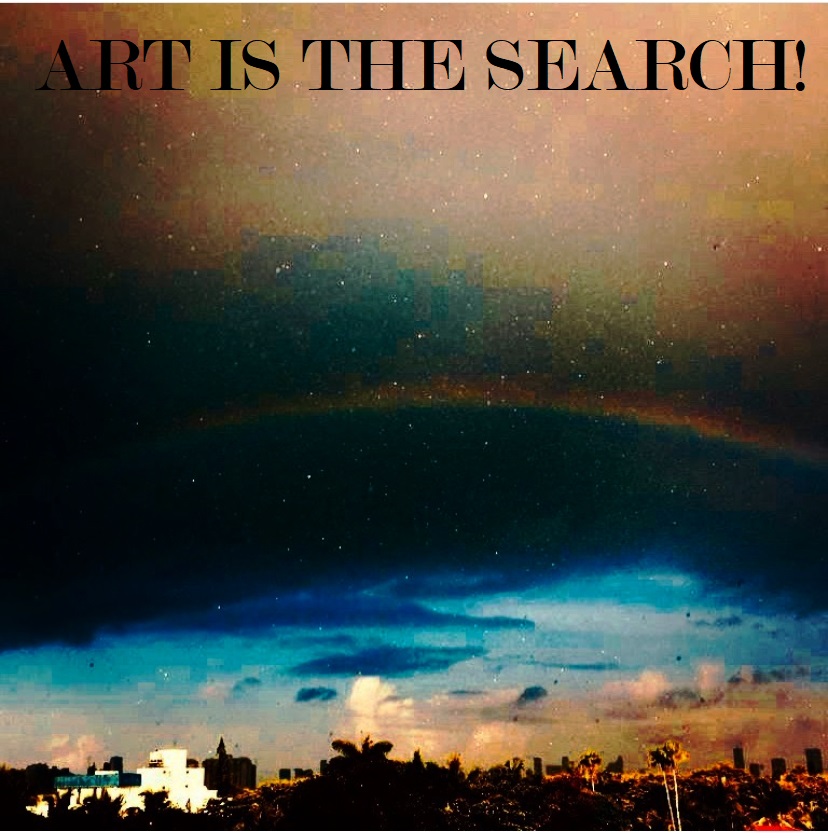
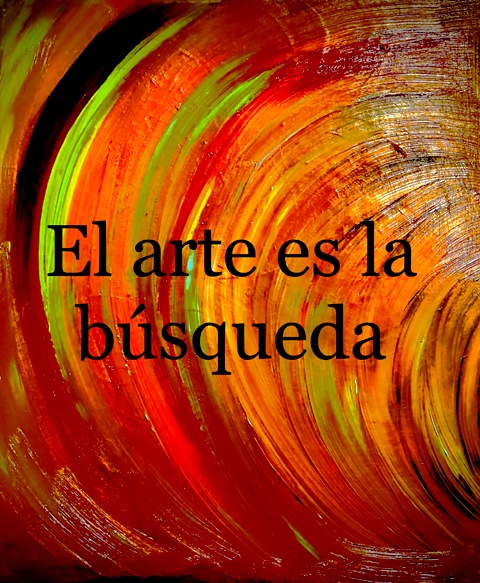
Aunque yo siempre digo que el arte es la búsqueda, no vayas a pensar que me queda ahí, por supuesto que no, hay que encontrar y yo encuentro porque no me gusta dejar las cosas a medias. La búsqueda no vale nada si no encuentras, y si tienes suerte encontrarás lo que deseas. El trabajo del artista es eso, precisamente, un trabajo. Para ser artista hay que estudiar, practicar, experimentar, bueno, currárse la obra con la mayor intensidad posible. Ahora, ¿Por qué la búsqueda? Pues te dire que si no buscas no encuentras, y aunque esto te parezca un poco pesado y redundante, hay que joderse, pues no hay otra manera de hacerte ver la importancia que tiene todo esto. Cuando uno se pone frente al lienzo, el universo blanco, la tabula rasa, uno tiene que buscar las ganas, las fuerzas, las ideas, la forma, el estilo, los colores y la dimension de la composición que buscas pintar. Un artista no se pone delante del lienzo con un pincel y comienza a dar pinceladas intuitivamente. Eso no es arte. Bueno, lo será, pero no es de la buena, no es de la que se vende, ni por la que te pagan una friolera de euros. Así que para que te ganes la vida, y a la vez desarrolles una obra que sea digna de ser vendida a buen precio, tienes que buscar, y cuando hayas encontrado todas esas cosas que te he dicho anteriormente que necesitas encontrar antes de poner un brochazo en el lienzo, podrás dar tus pinceladas a gusto sabiendo que están bien dirigidas.
+++
Although I always say that art is the search, don’t think that I stop there. Of course not, you have to find, and I find and I don’t like to leave actions unfinished. In any event, the search is worth nothing if you don’t find, and if you’re lucky, you’ll find what you are looking for artistically. Remember that the work of the artist is precisely that, work. To be an artist, you have to study, practice, experiment; well, you have to put in the work with the utmost intensity. Now, why the search? Well, I’ll tell you that if you don’t search, you don’t find, and although this may seem a bit tedious and redundant, it’s necessary, because there’s no other way to make you see the importance of all this. When an artist stands in front of the canvas, the white universe, the blank slate, he searches within himself for the desire, the strength, the ideas, the form, the style, the colours, and the dimensions of the composition he wants to paint. An artist doesn’t just stand in front of the canvas with a brush and starts applying strokes intuitively. That’s not art. Well, it might be, but it’s not good art, it’s not the kind that sells, nor the kind that gains you a fortune. So, in order to make a living, while developing a body of work worthy of being sold at a good price, you have to search. And once you have found all those things I mentioned earlier that you need to know before putting a brushstroke on the canvas, then you can apply your strokes with confidence, knowing they are well directed.
GRACIAS – CHEERS
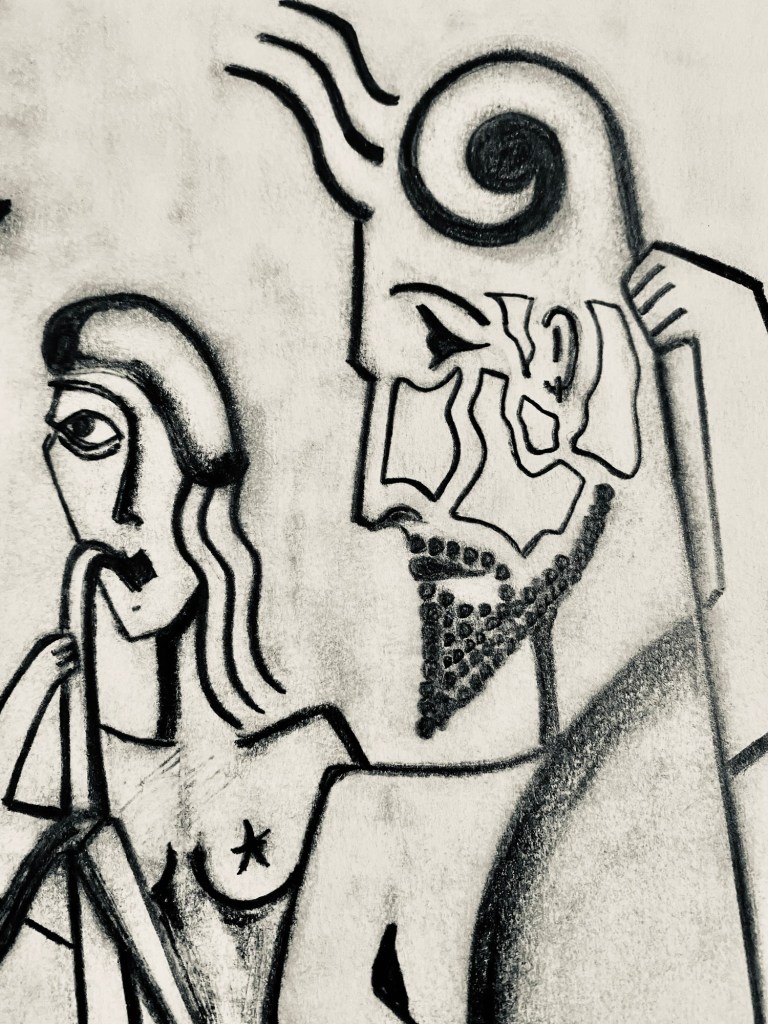
El arte es terapia, meditación, contemplación y un puente hacia la espiritualidad ya que el arte es un don de Dios, un regalo a la humanidad…
+++
Art is therapy, meditation, contemplation and a bridge towards spirituality because art is a gift from God to humanity…
+++++
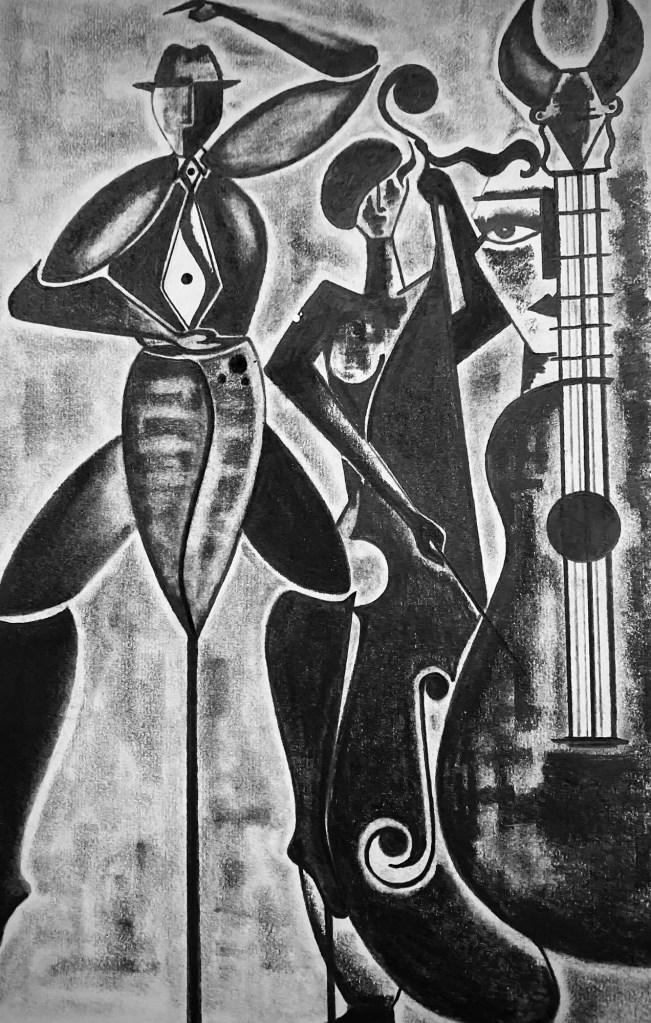
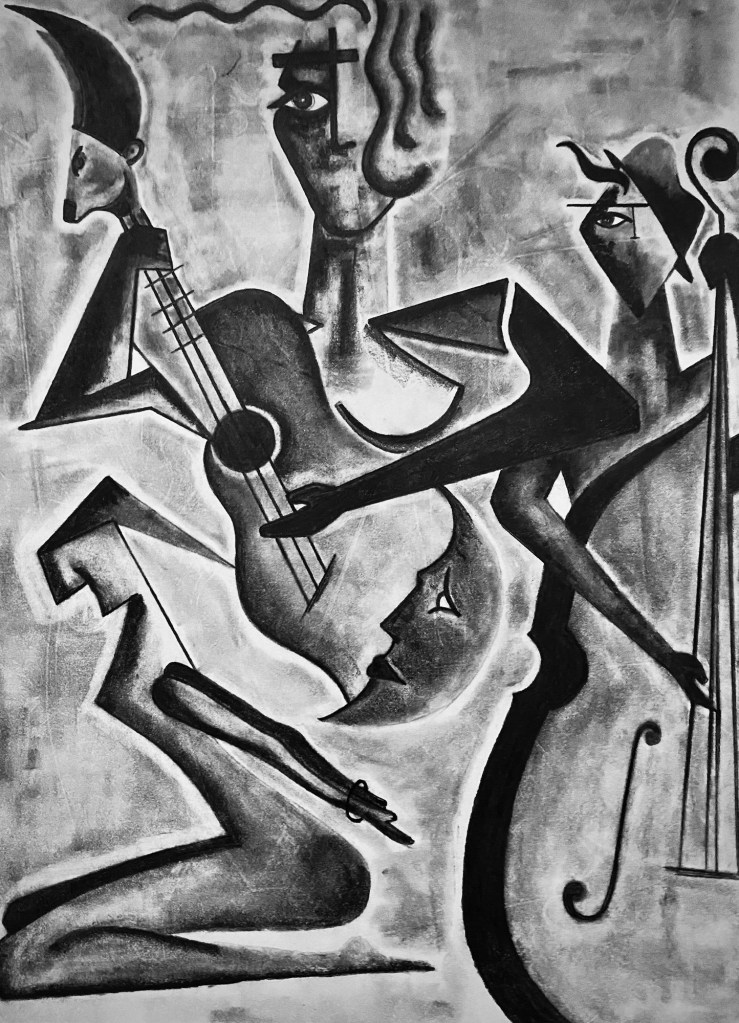
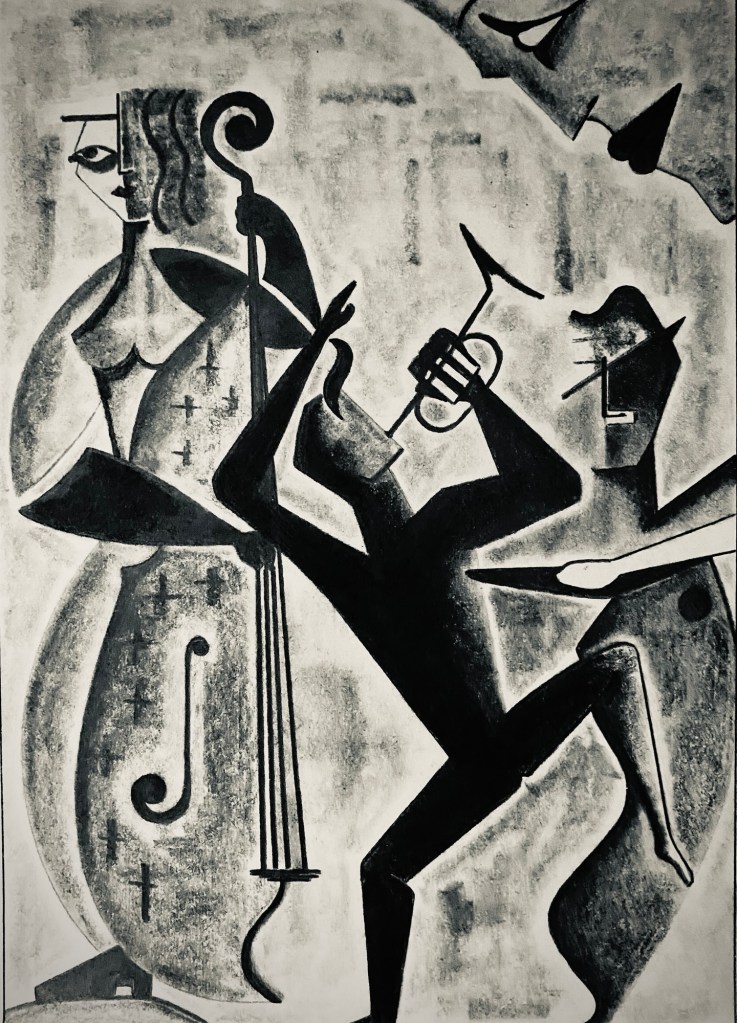
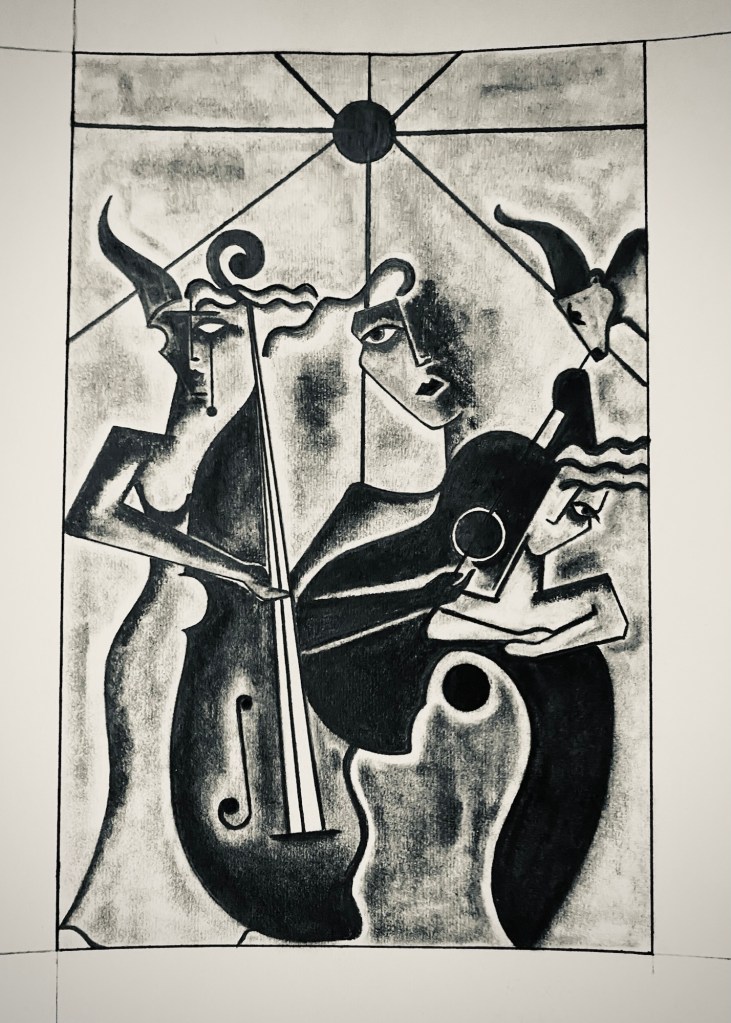
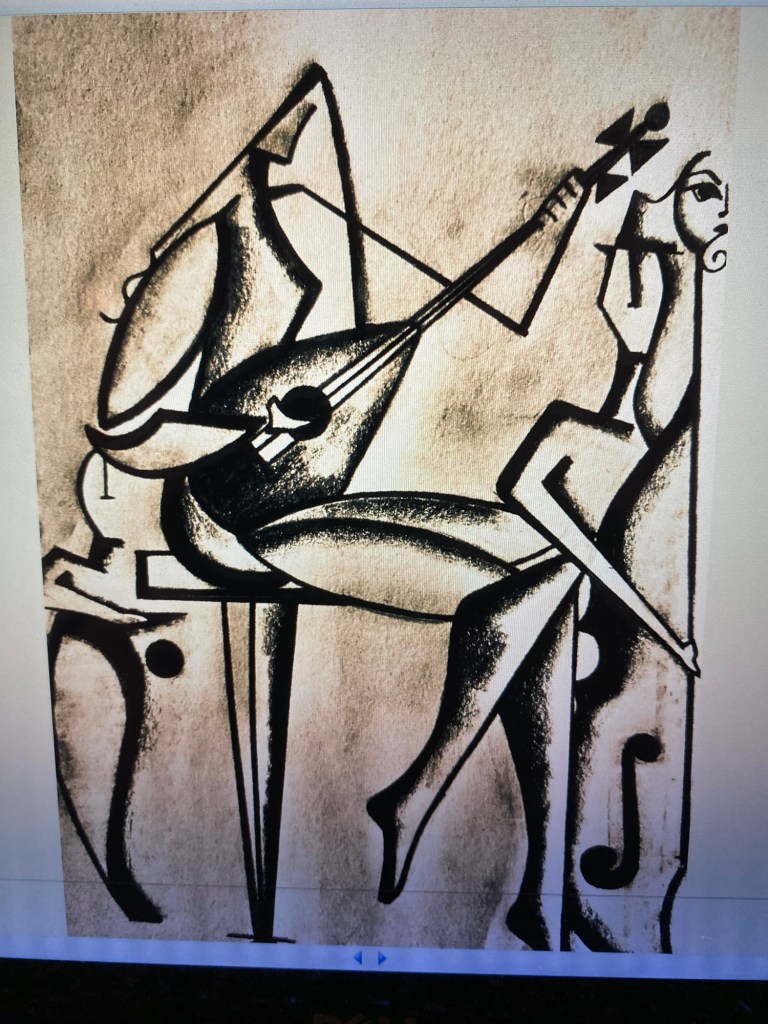
Visit our social media:
Instagram: @Francisco_Bravo_Cabrera
YouTube: http://www.YouTube.com/@FranciscoBravoCabrera
GRACIAS – CHEERS

As with the Greatest American Bands, this one ends with my particular favourite. But the other 19 were not placed in that order reference preference. I think they, and many more that I could not include, are great bands. Just saying that I have always been a great fan of rock music and my first introduction to rock was with British bands, especially The Beatles and The Rolling Stones (who I did not place in the count but did make a special post on them here). Then came the American groups as well as some Spanish groups and soloists that I really think adapted well to rock and pop during the late 60’s and 70’s.
In any event, Led Zeppelin, wow! I remember the first time I heard them I was at school and one of the teachers brought their first album (Led Zeppelin). I heard it during lunch break and became an instant fan. From there to following the group, collecting every one of their albums and learning to play like Jimmy Page, my favourite guitarist, was normal for me.
All I can say is that from the early 70’s, Jimmy Page (guitar); Robert Plant (vocals); John Paul Jones (bass/keyboards) and John ‘Bonzo’ Bonham (drums), filled every hall they ever played in. Lamentably, in 1980, with the death of John Bonham (from misadventure), the band broke up forever…
I hope you enjoy this song, it is one of my faves (among many) from Led Zeppelin…
CHEERS

 JaZzArt en València