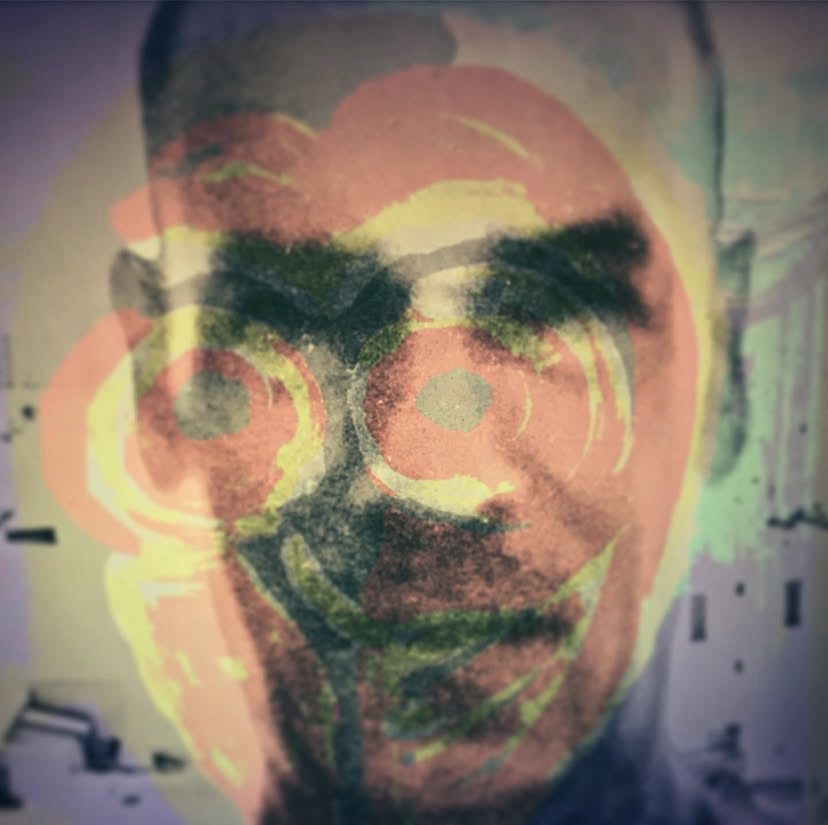
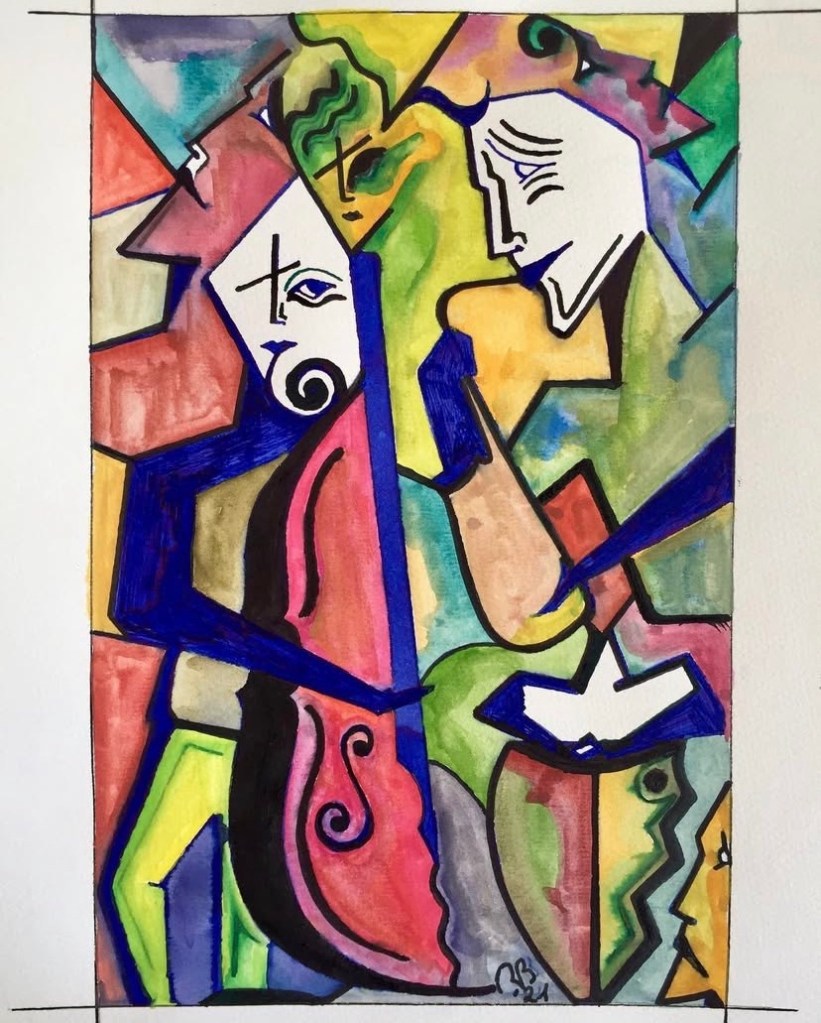
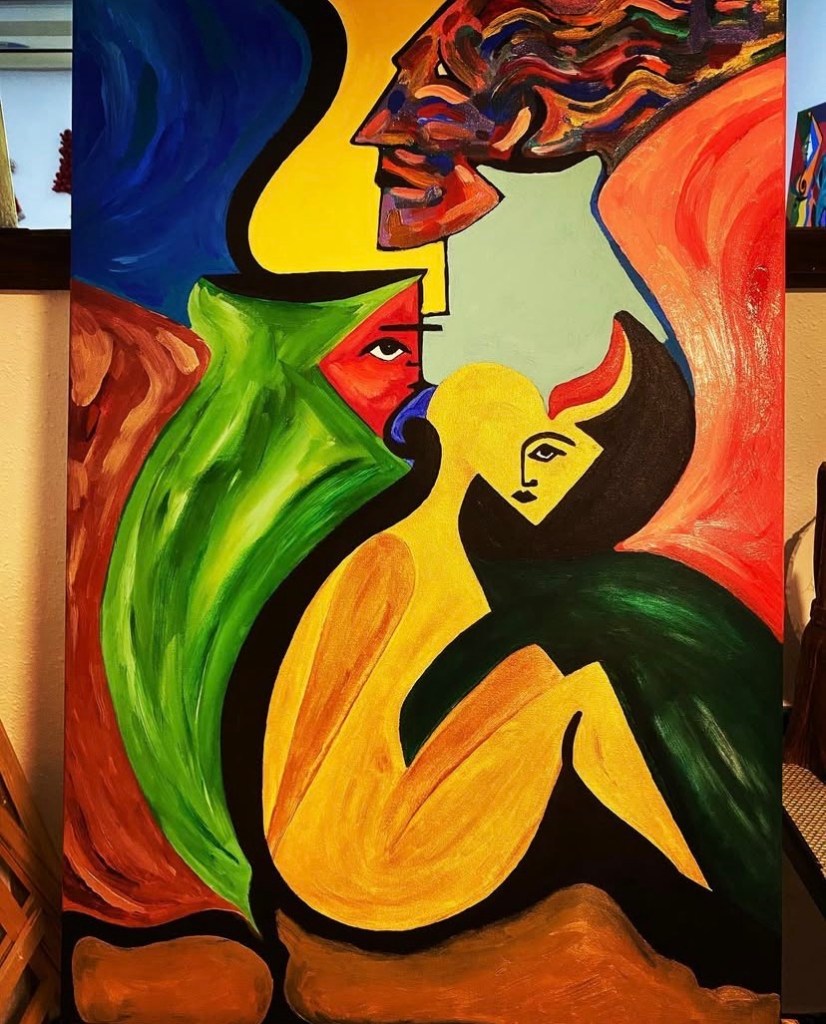
I developed my unique form of cubism/surrealism and abstract expressionism and called it “JaZzArT”. You can see more here:
Instagram: @Francisco_Bravo_Cabrera
YouTube: http://www.YouTube.com/@FranciscoBravoCabrera
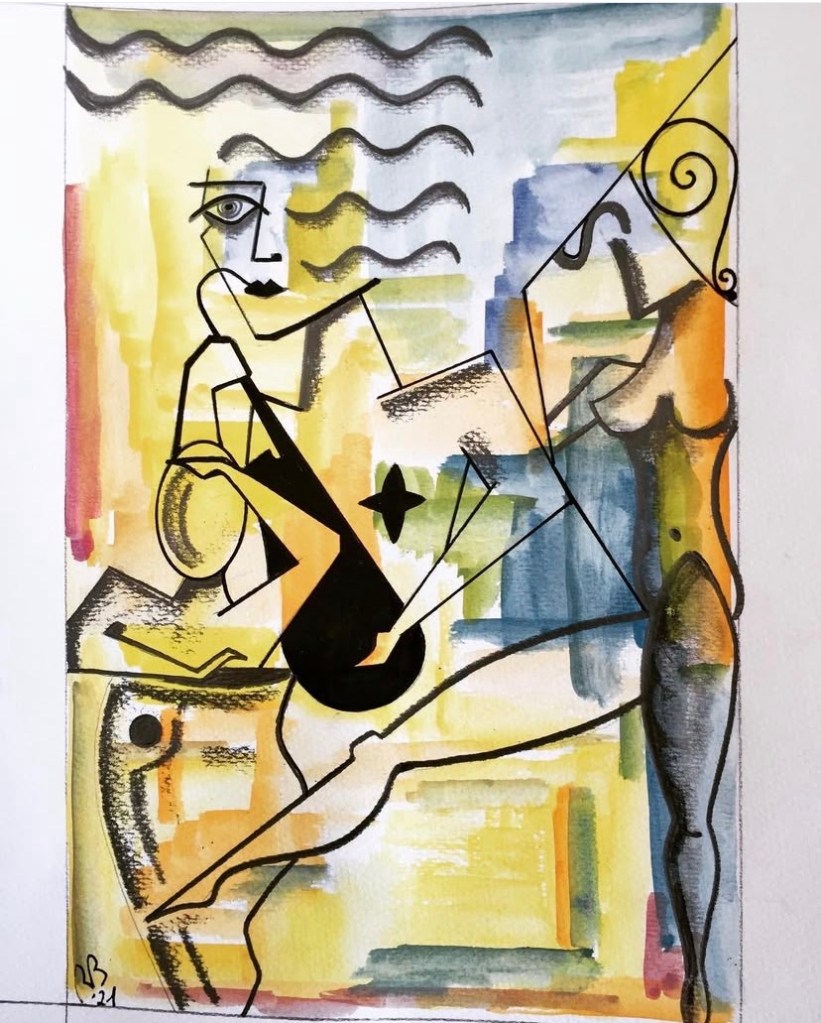
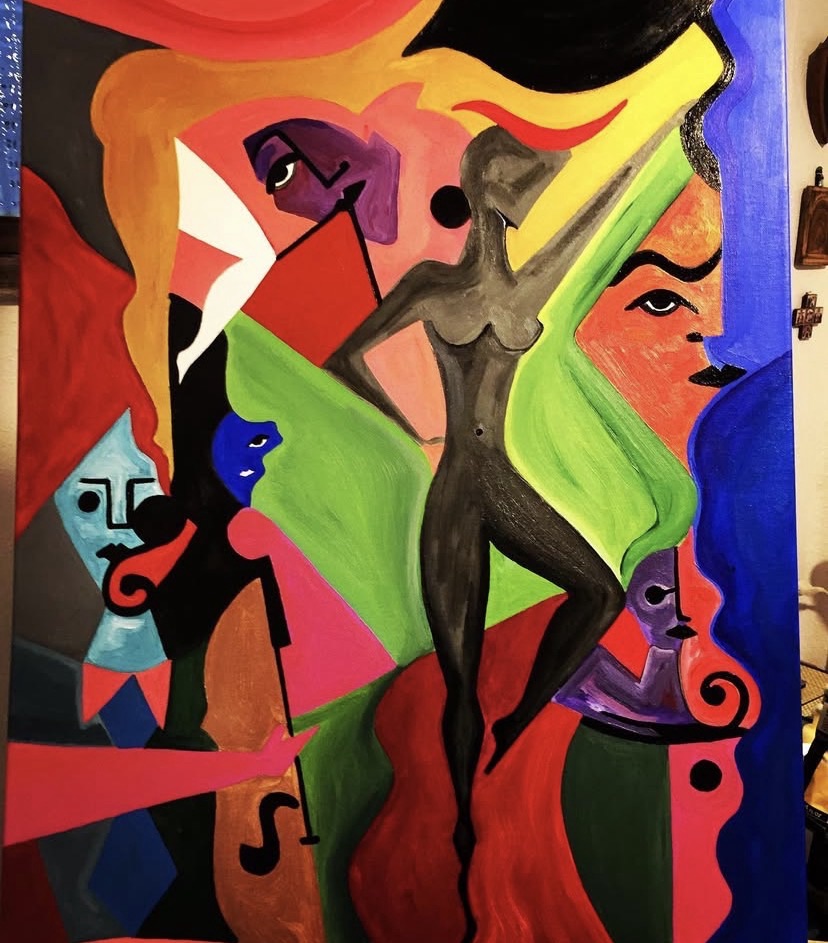
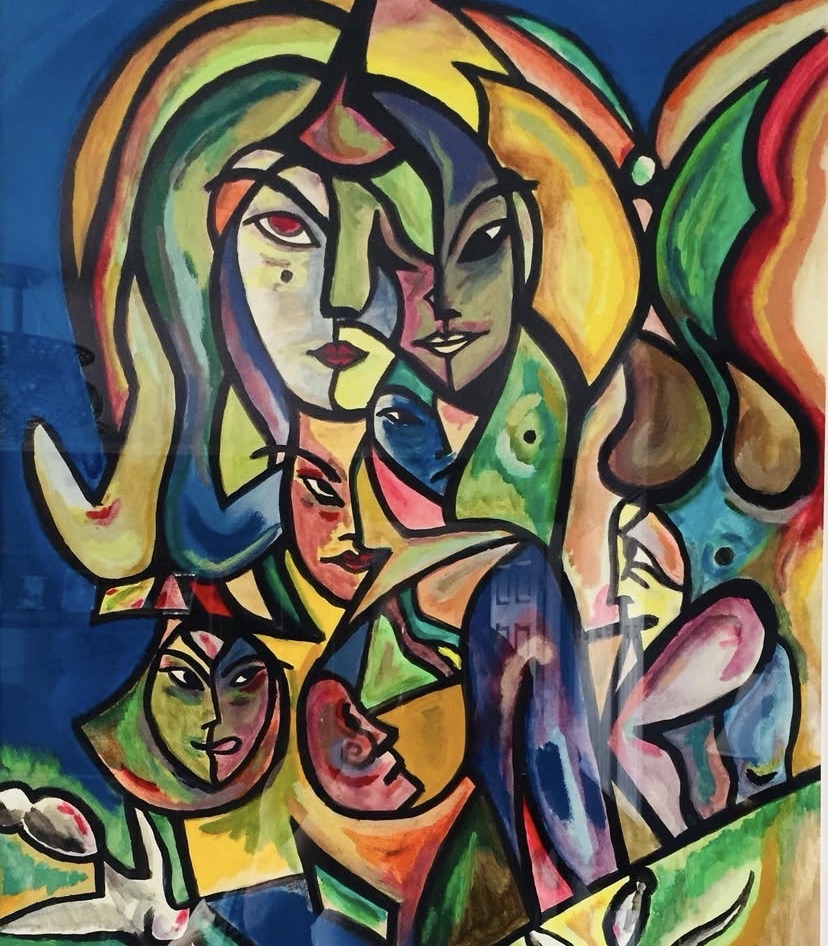
GRACIAS – CHEERS
Faith saved us from the savages that we were, losing faith makes us savages again
I developed my unique form of cubism/surrealism and abstract expressionism and called it “JaZzArT”. You can see more here:
Instagram: @Francisco_Bravo_Cabrera
YouTube: http://www.YouTube.com/@FranciscoBravoCabrera
GRACIAS – CHEERS

Well, I was going to write about it but really, the video says it all, take a look and a listen and let me know what you think of «surreal-expressionism» and of art (modern or classical) in general. Art is a contrived form of expression and never intuitive.
CHEERS

Cheers…
* But you can easily skip them or break them…
However…
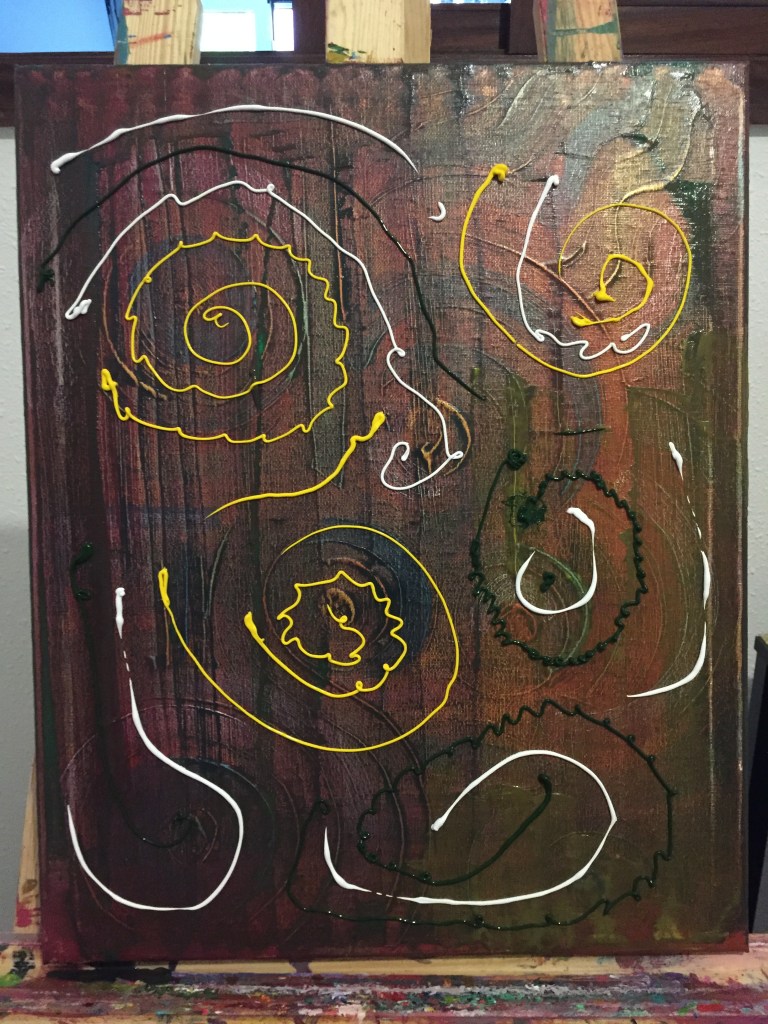
There is a rule that must not be broken…Rule #1…and that is that every brushstroke should be applied to the canvas with thought and with a specific purpose in mind. There should be no randomness in the manner in which paint is applied. Yes, at first, random brushstrokes are admitted…and even encouraged…but when you are finally shaping the structure of the composition, each brushstroke should be carefully thought out and purposely applied. This rule should not be broken because if you do, you will not be putting the thoughts into the composition that it requires. After all, I am assuming that you did put thought, intention, message and emotion into your composition in the first place…
And…
This rule…as all other rules…applies to figurative as well as to abstract art. I have often said that abstract art is the most difficult art to do…to do right…because the reference is internal, therefore it is very important that Rule #1 be followed diligently. Now, if you consider the example I have placed above, you might think that there is a lot of random dripping of paint…unmixed paint right out of the tube…and that little thought was given to where it would end up on the canvas. But you would be wrong. Like I said, the reference…for me, as the one who painted it…is internal, so it can change according to how I «see» this reference within my head. Yet the reproduction of it on the canvas remains faithful to the reference. And please do not confuse this with what the observer may, or may not, see when looking at the painting.
I chose not to give this painting a word title and instead I chose the number 1,2,3, as they, in their union, as a number, 123, stand in place of a philosophical concept, which I will not go into here, but it is meaningful to me. Nothing is random, nothing is intuitive, as intuition does not lead to a finished work of art.
CHEERS
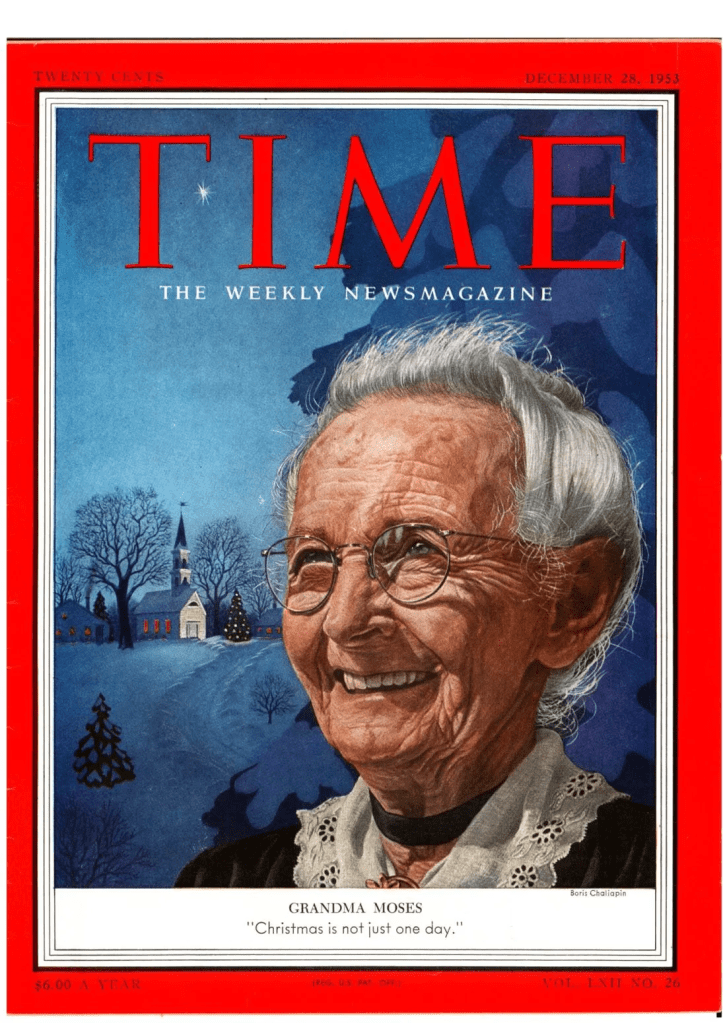
This is certainly part of Art History, although it doesn’t really have much to do with the professional, philosophical and profound aspect of art. After all Art is an academic subject one studies at university, right? Well, a lot of these artists said they did not need that, all they needed was some paint, a canvas and a couple of brushes. Would Engineers, Medical Doctors, Dentists, Lawyers and other professions say that amateurs pretending to be engineers, doctors, dentists and lawyers be the same as the ones that have suffered through 4 to 6 years of uni training?
And don’t get me wrong, I love Grandma Moses and Henri Rousseau. I don’t think much of some of the others, especially Frida Kahlo. You see, she is taken as an icon of women’s liberation, or feminism, but if you read her published diary and any other articles or books…very few…written about her, you will realise that she was definitely no feminist. She was a submissive woman who suffered gratuitously at the hands of an abusive husband and she still held him at the highest standard. That is not what a feminist believes and it is not how a feminist acts. So, especially if you are a fan of this artist, let me know what you think…
Well, here is my version of Naive Art. I do enjoy a lot of it…
Let me know what you think…
Cheers…

THAT
That feeling that now lingers and embraces
the place where shadows dance and silence roars,
has reached its highest point, its lonely climax,
has opened wide some long forgotten door…
That fragrance that now rises from your pale skin
that seems to know the way towards my desire,
has reached its highest point, has reached its climax,
and closed the wooden windows, lit the fire…
That deep, full smile,
that well placed love,
that gesture proud and bold…
That light that formed your careful form now conjures
long forgotten lines we traced on wrinkled papers,
later thrown, forgotten, sent to fly on pink-blue winds
its highest point its lonely climax reached…
Your voice…
Perhaps I’m wrong, but it seemed to me,
your voice untangled frightful dreams,
and scary nights and those tight knots that bind us to forever…
That’s why I can forget you never…
C.2021, 25 DEC 2021, Francisco Bravo Cabrera, Valencia, España
CHEERS
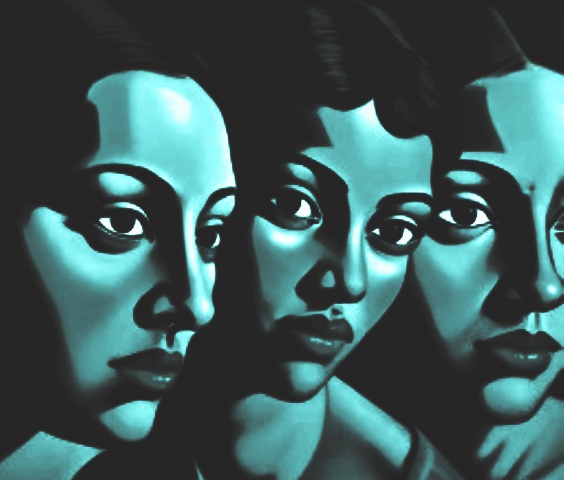
These three are very interesting and quite different in style and approach to their creative process. I think they are a great special edition to this series of «Art History in One Minute (videos)«.
CHEERS
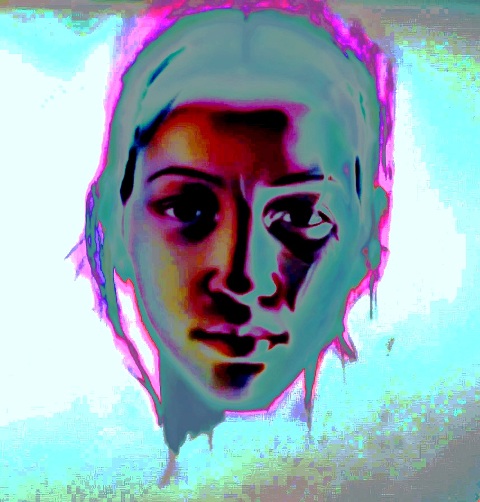
“AUTUMN LIGHT REMEMBERED”
(Inspired by Brahms Symphony No. 3, Mvt. III Poco Allegretto)
In the silence sewn between two heartbeats,
a violin begins to stir,
a gentle softness, as evening’s silken hair
brushing over the river’s flowing silence,
warm as a name no longer spoken,
a name never forgotten.
The melody walks the silver path
that lovers do
when they fear the world might vanish
if they float through here too quickly.
The violins, cellos and violas
carry the ache of an autumn’s evening light, amber and trembling,
so faint but yet remembering
everything it ever held in its soft glow.
Here love whispers love,
yet knows of joy’s fragile membranes,
and how easily it slips
through even the most faithful hands.
Stillness…
Settles evenly beneath the sighs of strings,
while promises move
the pulse of hope
threading through the shadows,
to tell you:
I am with you,
even in the places
where we cannot remain.
And then the music ends
as love oftentimes does,
not broken,
but evaporated, like darkness on a brilliant morning,
leaving ghosts to fill the air with thoughts,
creating the final chord
that echoes endlessly
through the indifference of a sunny day.
C.2025, Francisco Bravo Cabrera, 6th of December 2025, Valencia, España

 JaZzArt en València