Maravillosa…
gracias – cheers
Faith saved us from the savages that we were, losing faith makes us savages again
Maravillosa…
gracias – cheers

I am so sorry but I will be away from Omnia Caelum Studios Valencia for a few weeks as I am on a project that has taken most of muy time and it is far away. So, I am so sorry that I did not get to read your posts or «like» them. Soon we will be back and all will continue as usual…
Sentimos mucho no haber podido leer vuestras entradas ni tampoco daros el «me gusta» ya que estamos fuera de casa y estaremos así varias semanas involucrados en un nuevo proyecto. Pero pronto regresaremos y todo seguirá igual que siempre.
GRACIAS – CHEERS
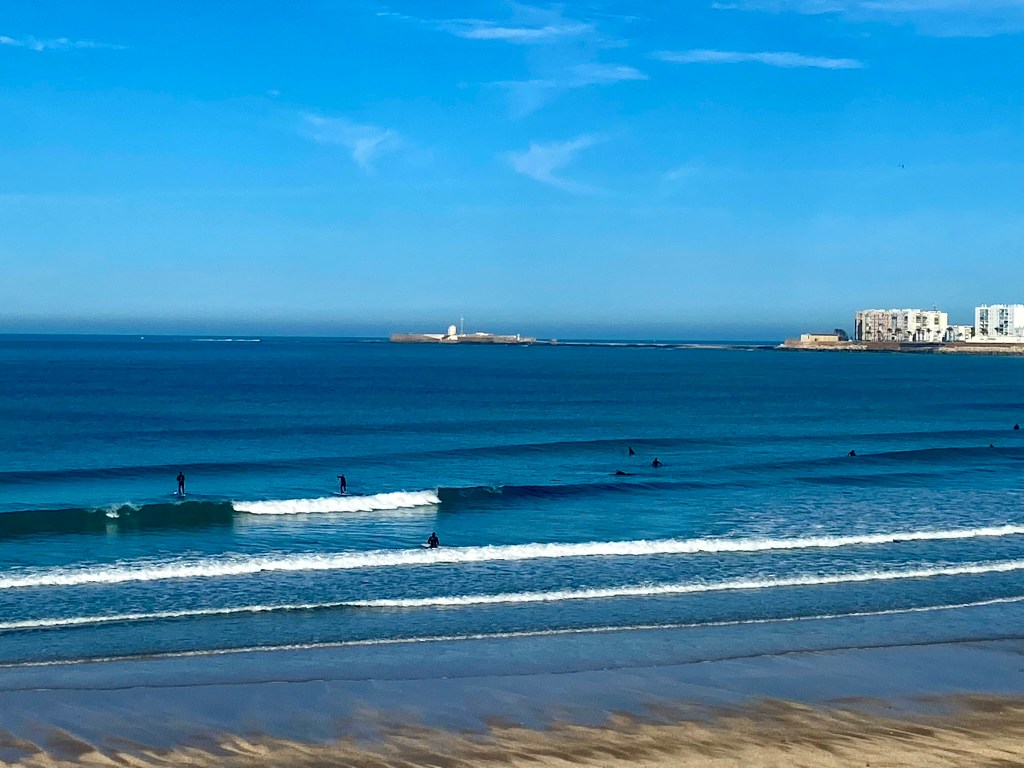
If you have not visited Cádiz, in Andalucia, Spain, at least take a look, you might like what you see…
CHEERS
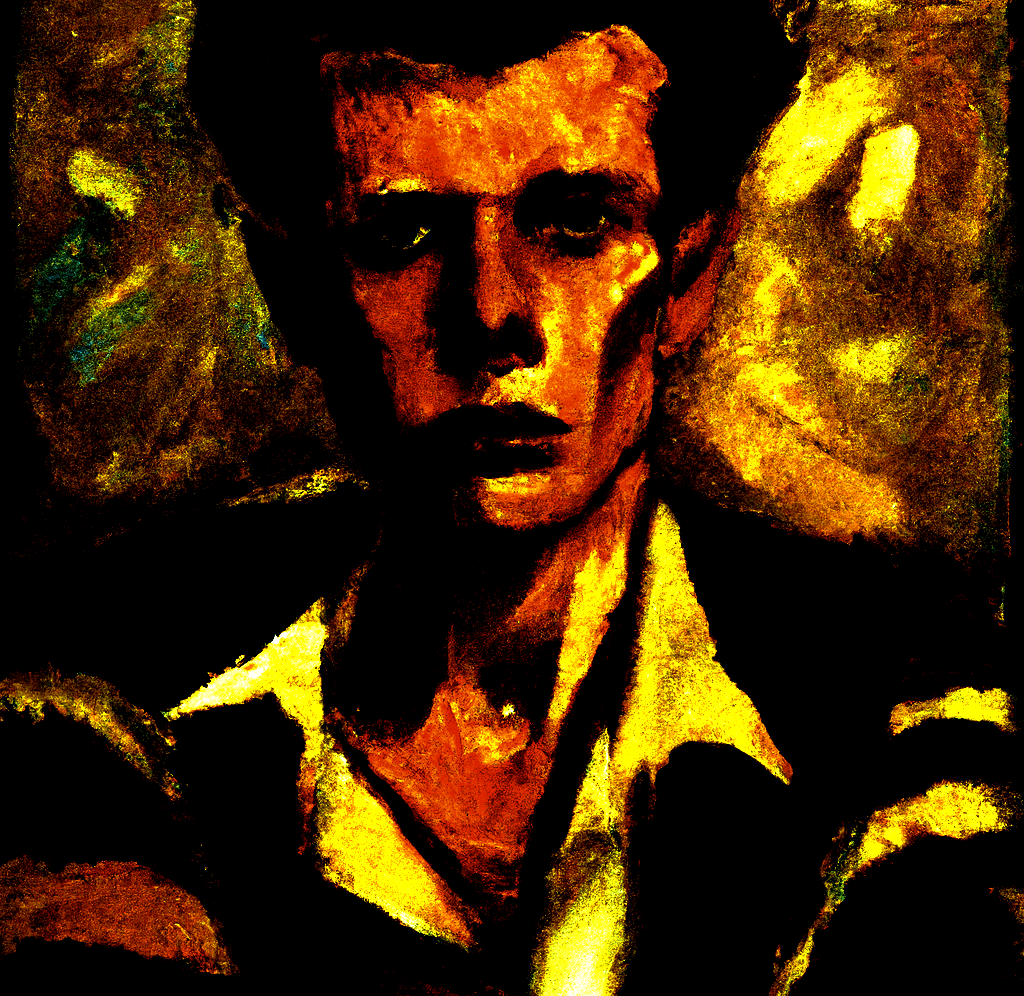
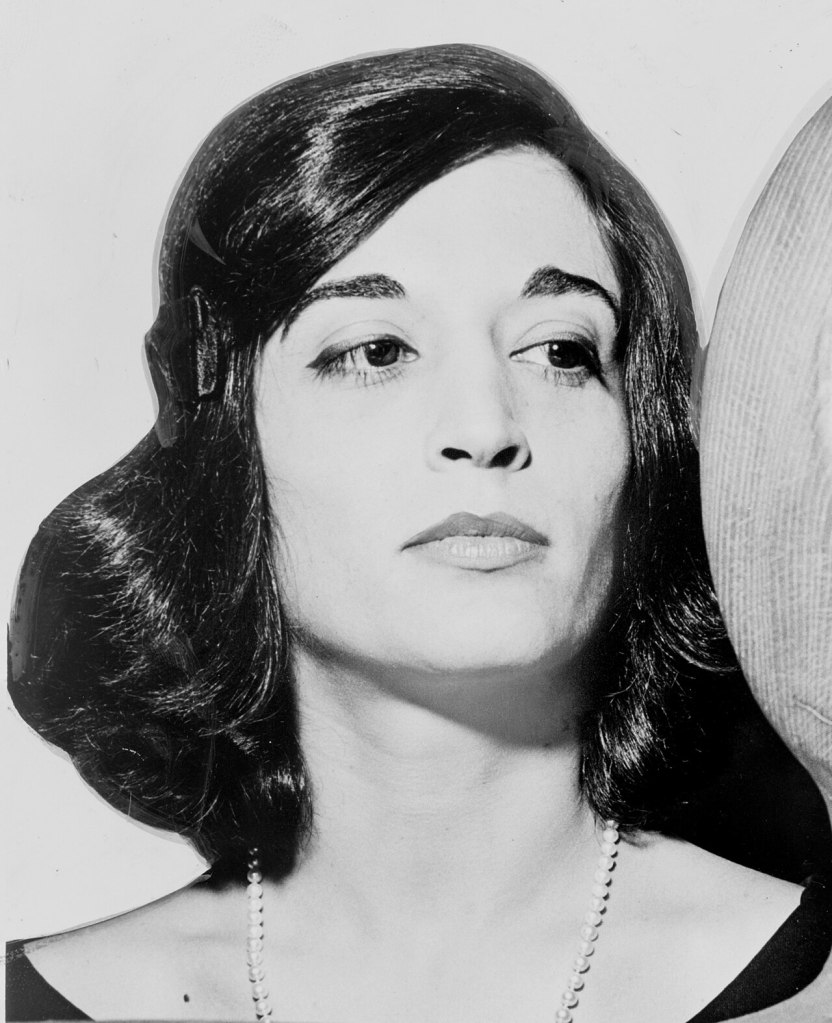
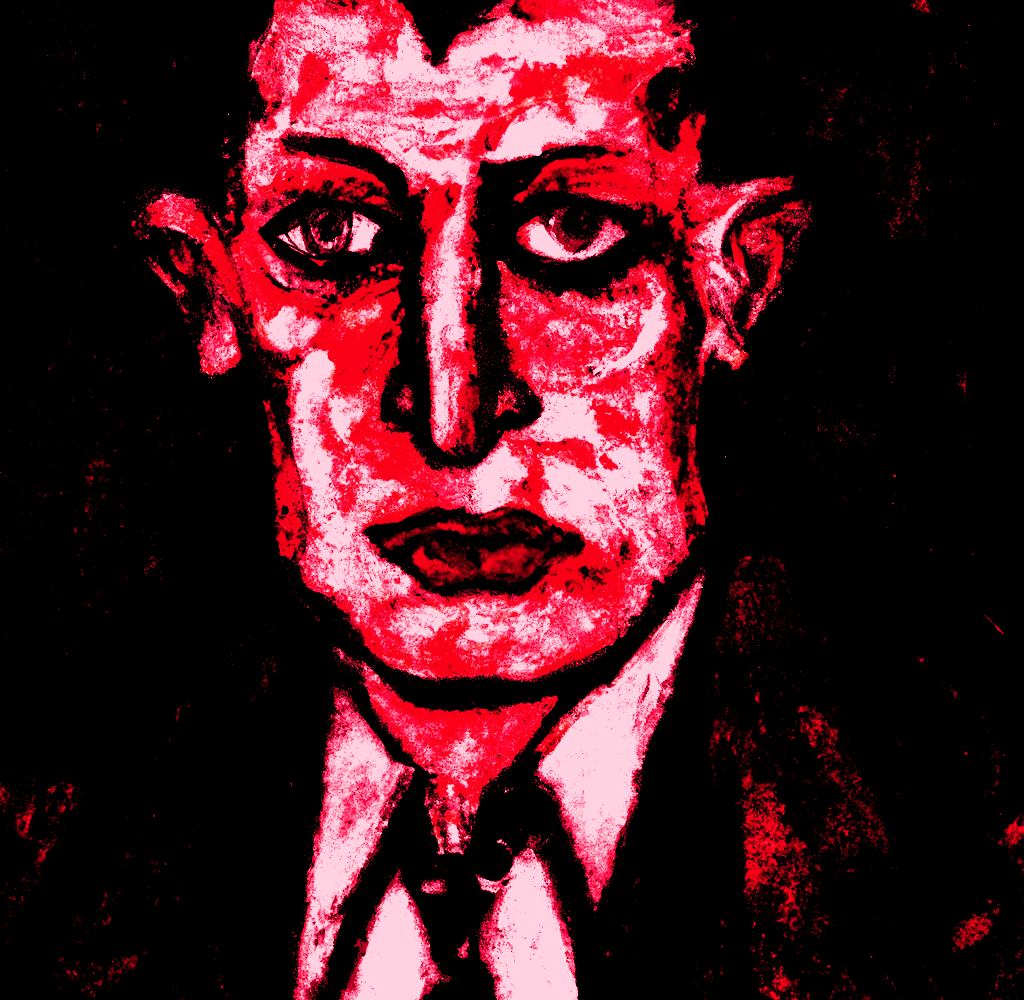
Para mi este pintor maldito fue un genio del expresionismo… Y para mi el expresionismo, o sea esa tendencia artística que surgió en Europa central a comienzos del S. XX, es mi forma preferida para expresar el arte que llevo dentro. El artista no pinta lo que ve en el mundo natural, si no lo que siente, lo que intuye, lo que se imagina y lo expresa de una forma bruta, fuerte, con colores agresivos, con trazos largos y sueltos, casi caricaturescos son los cuadros expresionistas y un autentico fenómeno… Lo he pintado, o sea, a mi estilo, el surreal-expresionismo, primero mas o menos a la edad que murió, 28 años, y también como me lo imagino de mayor…
+++
For me, this painter was a genius among the expressionists… And for me, expressionism, the art vanguard that emerged in central Europe at the beginning of the 20th century, is my preferred way to express the art that I carry within. The artist does not paint what he sees in the natural world, but what he feels, what he intuits. He paints what he imagines nature is and expresses it in a raw, strong way, with aggressive colours, long and loose strokes, almost caricatured are the expressionist paintings and a real phenomenon… I have painted it, I mean, in my style, surreal-expressionism, first more or less at the age he died, 28 years old, and also as I imagine him when older…
OMNIA CAELUM STUDIOS VALENCIA PRESENTA/PRESENTS:
Síguenos en nuestras redes sociales – Follow us on our social media:
Web/Gallery: https://www.fbcart.wixsite.com/jazzart
YouTube: https://www.YouTube.com/@FranciscoBravoCabrera
Instagram: @Francisco_Bravo_Cabrera
Twitter (X): @euskadi_bakero
Artist Representative: “By Guloshka”
Instagram: @Guloshka
E-Mail: guloshka404@gmail.com
Gracias…
Cheers…
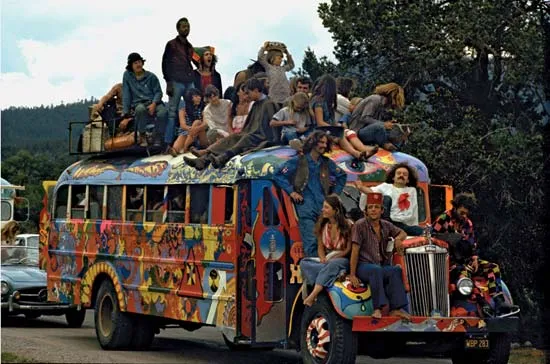
Os traigo unas pero quizá vosotros conocéis otras más, venga que estoy seguro que si, a ver si me las decís…
+++
Here are a few but I think…I know…you know many more, so tell me which ones you like…
GRACIAS – CHEERS
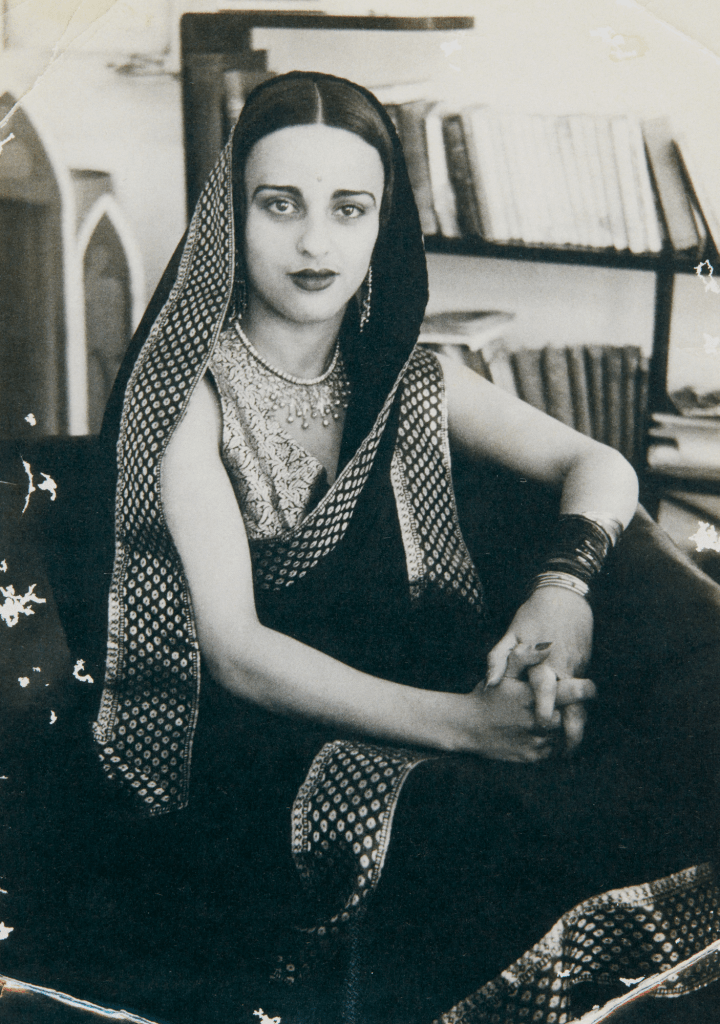
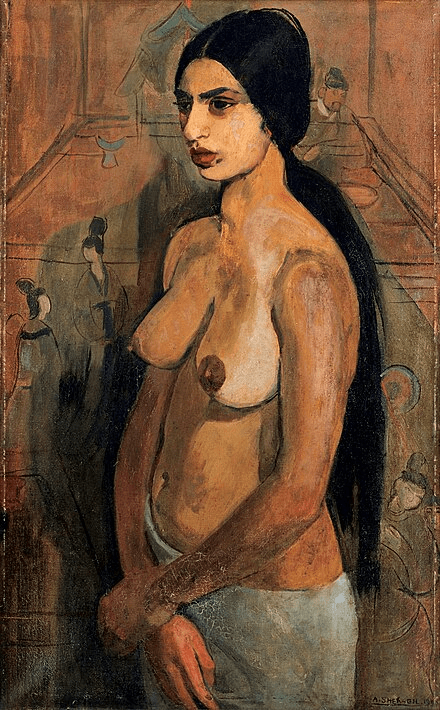
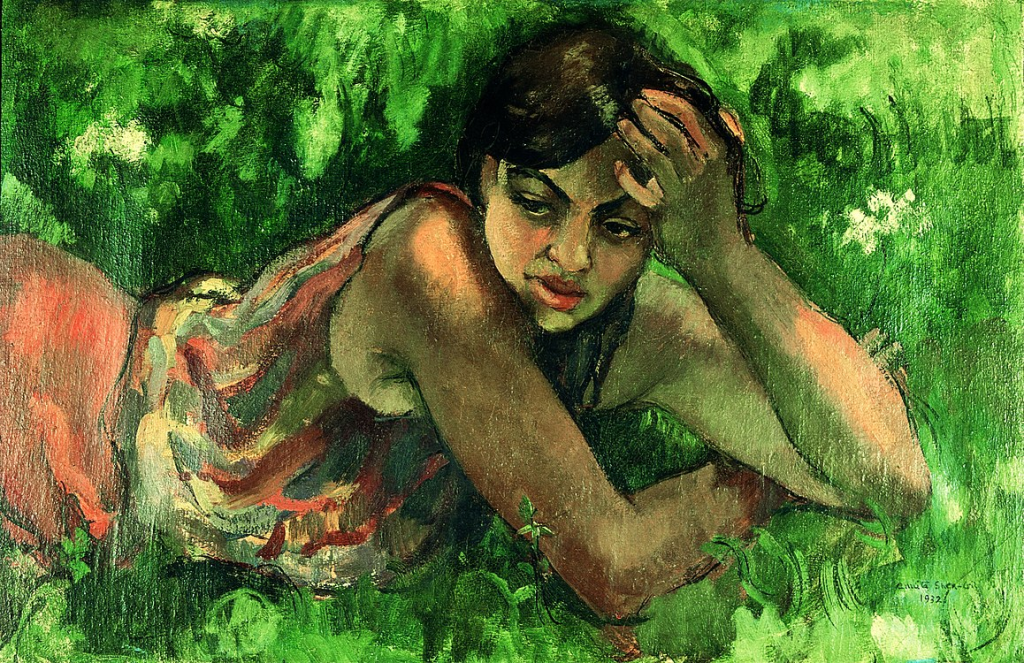
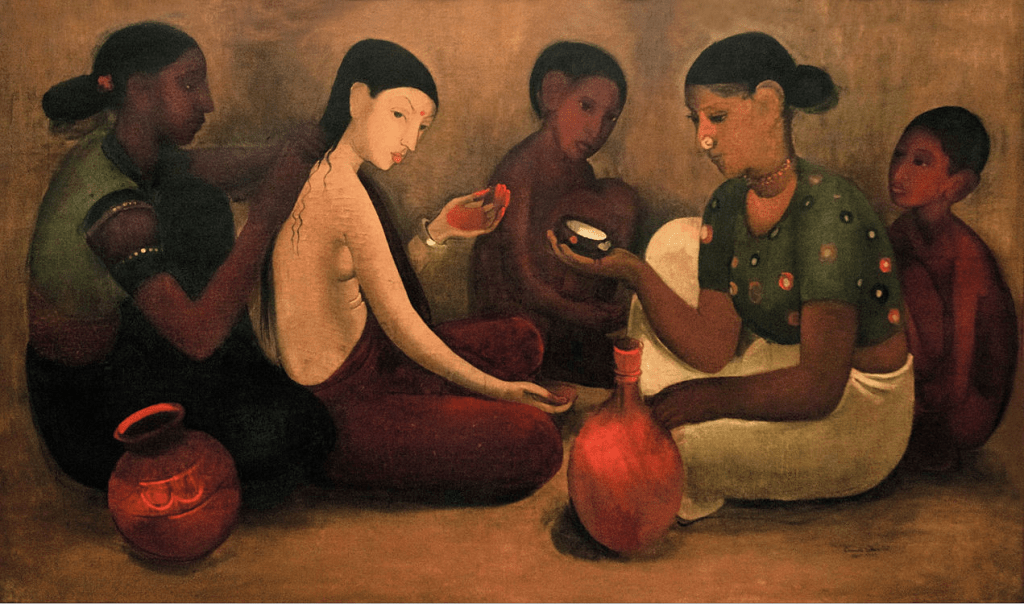
Amrita nació en Hungría (1913) y murió en Pakistan (1941), pero se le considera una artista india. Su padre era punjabi sikh y su madre húngara de origen judío. Se le conoce como la «Frida Kahlo» de la India y al mismo tiempo se dice que es la pintora india más importante del siglo XX. Bueno, esto no lo entiendo porque si es la más importante no puede tener relación alguna con una tan poco importante como Frida Kahlo. Amrita fue la única asiática que expuso en el Gran Salón de París… Estudio pintura en París… sus referentes fueron Renoir, Modigliani, Cézanne y Gauguin, de este ultimo se inspiro para pintar su Autorretrato como tahitiana (1934)… En 1934 regresó a la India y comenzó a pintar escenas de su país. En 1937 se traslado a Hungría. En 1941 se mudo a Lahore donde en pocos días murió inesperadamente. Tenía 28 años de edad.
+++++
Amrita was born in Hungary (1913) and died in Pakistan (1941), but is considered an Indian artist. Her father was Punjabi Sikh and her mother was Hungarian of Jewish origin. She is known as the «Frida Kahlo» of India, yet it is said that she is the most important Indian painter of the 20th century. Well, I don’t understand this because if she is so important, she cannot have any relation with someone as unimportant as Frida Kahlo. Amrita was the only Asian to exhibit at the Grand Salon of Paris… She studied painting in Paris… her influences were Renoir, Modigliani, Cézanne, and Gauguin, from the latter she drew inspiration to paint her Self Portrait as a Tahitian (1934)… In 1934, she returned to India and began painting scenes of her country. In 1937, she moved to Hungary. In 1941, she relocated to Lahore where she unexpectedly passed away after a few days. She was 28 years old.
GRACIAS – CHEERS

Ciertos libros I.Está escrito en otro librouno al que no puedo accederpor tus manoscorre la tinta,los versículos rotoscon los que orasy bendices lo …
Hoy la obra de Ángel Flores (Editor Francisco Bravo Cabrera
Pinchar el enlace para leer la obra.
GRACIAS
Me parecen mentiras las cosas que escucho, las cosas que veo, las cosas que están haciendo…
Me da la impresión que todo lo han virado al revés y que el mundo, la sociedad, el gobierno, todo, está patas arriba…
Se habla de igualdad…
Se habla de derechos…
Se habla de condiciones…
Pero ¿Qué pasó con los deberes?
¿Qué paso con las tradiciones, las costumbres y las normas que han existido siempre en la sociedad?
Pero los deberes son para nosotros, los derechos para ellos.
Las riquezas para ellos y para nosotros las migajas…
Me parece mentira que nos dejemos tratar como borregos,
que en los aeropuertos nos cacheen, como a los criminales sin nosotros serlo,
no entiendo porque nos engañan con noticias falsas.
¿Qué quieren, que buscan?
Nos persiguen por céntimos pero a los que se llevan millones no los tocan…
y lo que me parece la mentira plus ultra es que nos sigan diciendo que hay gente que son mas gente que nosotros,
¿Por qué a algunos le dicen «Don» y a otros «mierda»?
Para que haya igualdad no pueden haber gente que valgan mas que la gente.
Me parece mentira…
C.2022, Francis Bravo Cabrera, 21 de mayo de 2022, Miami Beach, Florida, EEUU
Han dicho que el tiempo pasa
y que nos vamos poniendo viejo,
pero esa forma de pensar,
yo no la entiendo.
El tiempo es un espejismo,
cruel fantasía,
un hondo abismo,
donde tiramos nuestros recuerdos,
donde guardamos el egoísmo…
Aquellos sabios del ayer,
siguen fiel la sabiduría,
existen dentro de la piel,
de los que aman todavía,
de los que buscan sin cesar,
el universo efímero,
el tiempo no suele pasar,
pasó…
C.2022, Francis Bravo Cabrera, 12 de mayo de 2022, Miami Beach, Florida, EEUU

 JaZzArt en València