#art, Art Without Art, It Does Not Even Rank as Bad Art…

[Salvatore Garau/“Io Sono” (I am)]

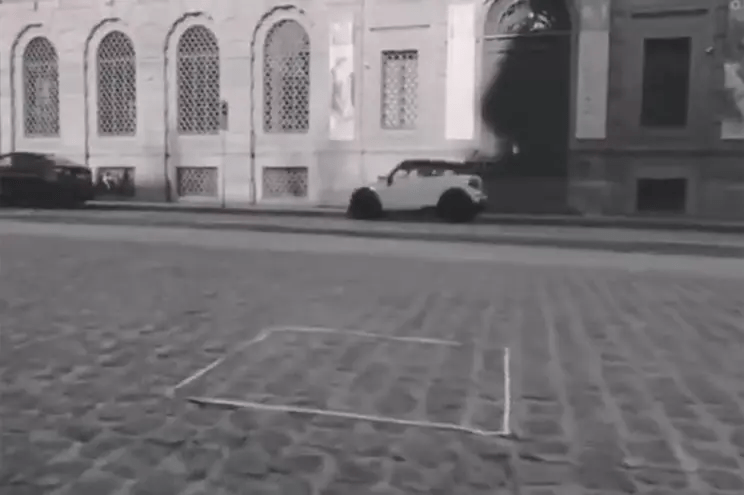
I will start with this piece, this invisible sculpture you «see» above and the featured image. Believe it or not, this invisible work of «art» (read bullshit) was sold by the artist, Salvatore Garau, for 18.000 USD. This is what the Sardinian born artist said about his «work»: “The vacuum is nothing more than a space full of energy, and even if we empty it and there is nothing left, according to the Heisenberg uncertainty principle, that ‘nothing’ has a weight…therefore, it has energy that is condensed and transformed into particles, that is, into us.”

Does anyone understand what he said? He added that although you do not see it, it is there, it is made of air and spirit. If this isn’t having us on, tell me, please, what is!

And here is a second example by our famous artist Damien Hirst.

(Fairuse/https://en.wikipedia.org)

It is called «For the Love of God» and created in 2007 with flawless diamonds (I am not going to go further into the craftsmanship and who actually made it). But the «artist» said it had been sold to an anonymous consortium for £50 million. However, it was quickly discovered the «artist» was among the buyers. He bought it to keep his prices high and to keep the thing from collecting dust in some basement. In my opinion, and I love skulls as you may know, it is hideous. What do you think?

And number three…

This one I really like, not for the subject matter, but because I think the artist, in this case Piero Manzoni, was having «them» on. In my opinion he was goofing the whole crowd that gets wowed by these «conceptual artists» that think we are so stupid that we are incapable of understanding the stupidities they write and the subtleness of the message included in their «art».

Piero Manzoni created (and sold) Artist’s Shit in 1961. They were 90 sealed tin cans, (looking like tuna cans), allegedly containing his own excrement. He sold it by the cost of its weight in gold. I know some think this was the epitome of conceptual art, but I found it refreshingly smart and a way to goof the ones that are always trying to goof us. What do you think?

(Jens Cederskjold, CC BY 3.0, https://commons.wikimedia.org)

Ok, so now it is your turn. What do you think? Art? or Bullshit?

CHEERS

Good morning!

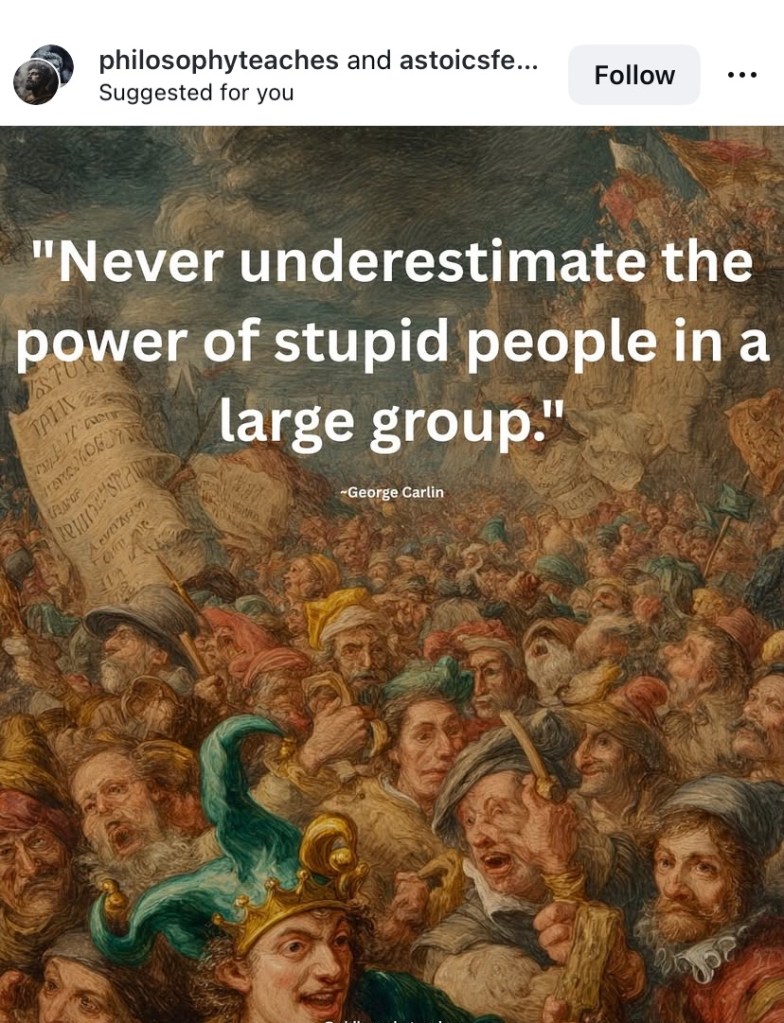
I think George was spot on! We’ve seen it after elections in many countries…

#art, Artista mexicana María Izquierdo – Mexican Artist María Izquierdo…

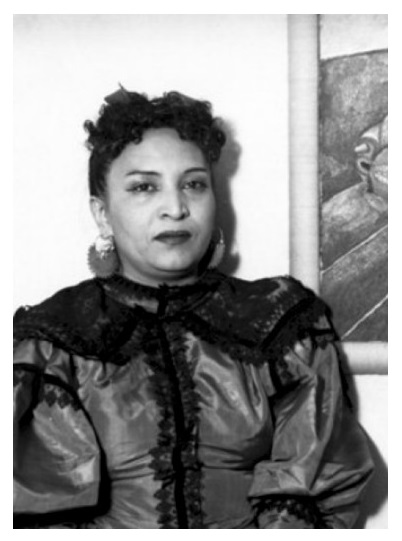
(Image source: EcuRed)

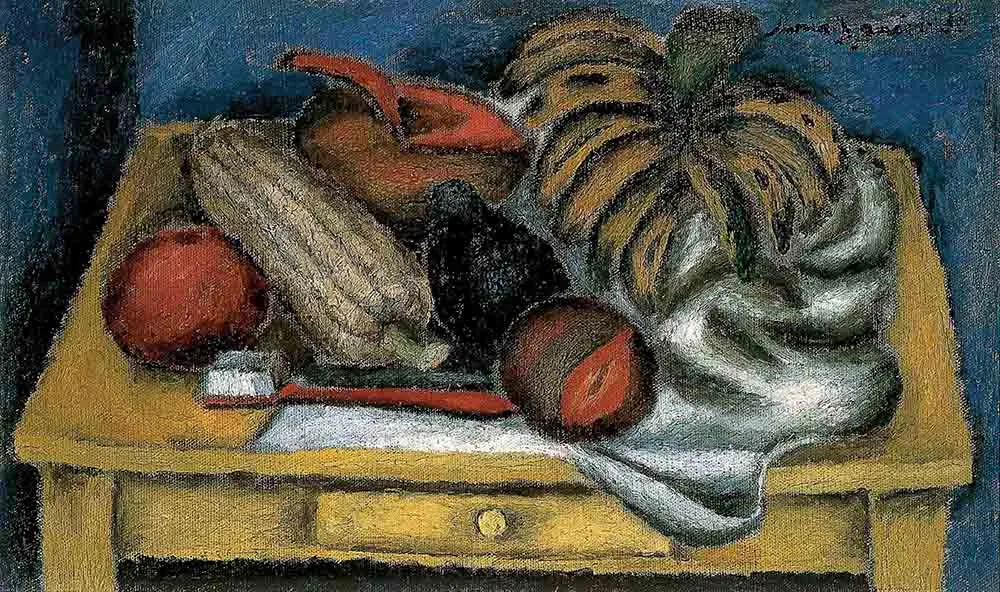
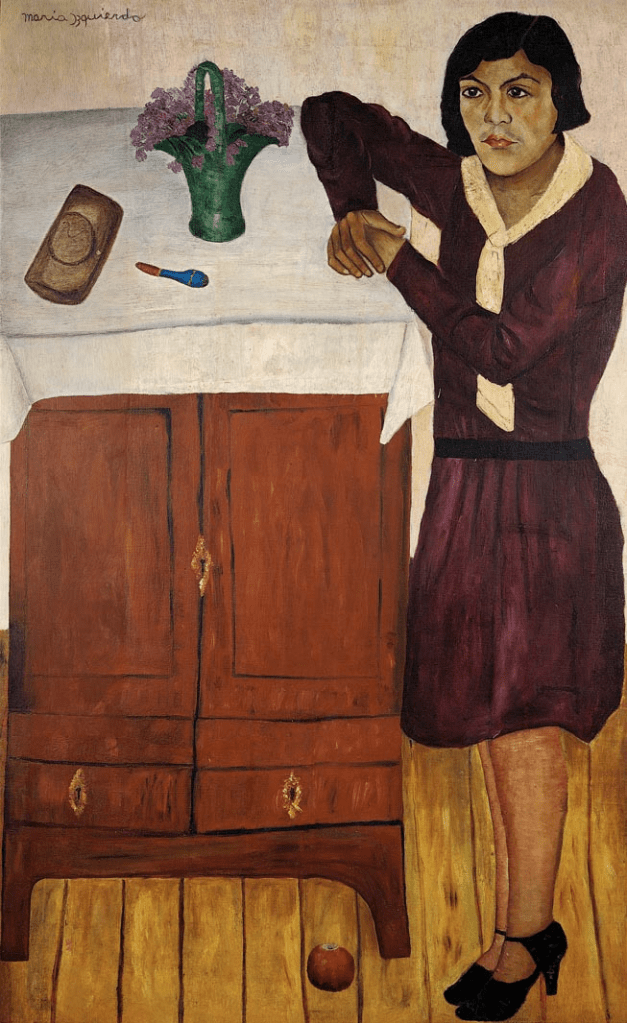
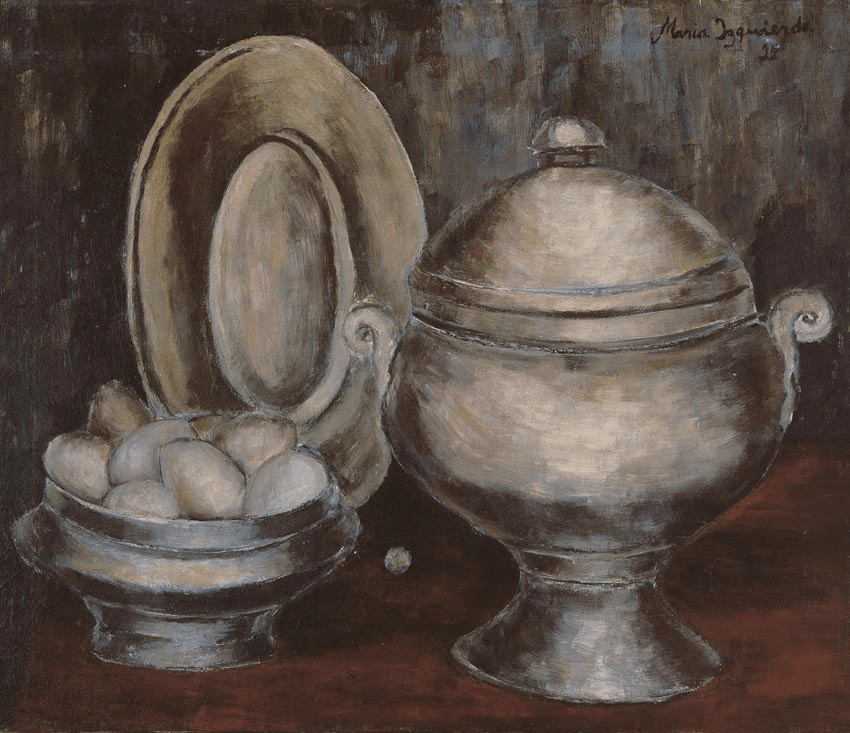
Comenzare por decir que de esta artista mexicana, María Izquierdo, yo no sabía nada hasta hace muy poco. Pero ahora que la conozco, veo que tiene una obra muy buena y que es una artista importante en la historia del arte, especialmente el arte americano… Izquierdo nació en Jalisco en 1902 y fue la primera artista mexicana femenina en exponer su obra en EEUU… Fue en 1923, cuando su familia se mudó a Ciudad México, cuando pudo asistir a una academia de arte. Pero ya venia aprendiendo desde pequeña fijándose en otros artistas y sacando habilidades de donde pudo. No fue autodidacta, porque nadie puede enseñarse cosas que uno no sabe, pero si se puede aprender de otros, de libros, de catálogos etcetera. Al fin, graduándose de la Escuela Nacional de Bellas Artes (1928), en la capital, pudo ejercer como artista profesional… Recibió el apoyo de Diego Rivera que a la sazón era el director de la escuela… Uno de sus grandes mentores, despues de la academia, fue Rufino Tamayo y se dice que también fue su amante… Aqui veremos algunos de sus cuadros que reflejan el arte típicamente mexicana.

+++

I will begin by saying that I didn’t know anything about this Mexican artist, María Izquierdo, until very recently. But now that I know her, I see she has a very good body of work and is an important artist in and for the history of art, especially American art… Izquierdo was born in Jalisco in 1902 and was the first (female) Mexican artist to exhibit her work in the USA… It was in 1923, when her family moved to Mexico City, that she was able to attend an art academy. However, she had been learning since she was little by observing other artists and honing her skills wherever she could. She was not self-taught because no one can teach themselves things they don’t know, but one can learn from others, from books, from catalogues, etc, (in our day and age through videos). In the end, graduating from the National School of Fine Arts (1928) in the capital, she was able to work as a professional artist… She received support from Diego Rivera, (the most famous and well known Mexican artist), who was then the director of the school… One of her great mentors, after the academy, was the artist Rufino Tamayo, and it is said that he was also her lover… Here we will see some of her paintings that reflect typically Mexican art.

(«Naturaleza muerta/circa 1928/Dominio Público/Wikimedia Commons)
(Titulo desconocido/1929/Dominio Público/Wikimedia Commons
(«La Sopera»/1929/Dominio Público /Wikimedia Commons)

GRACIAS

#art, Featuring Artist Helios Gómez…

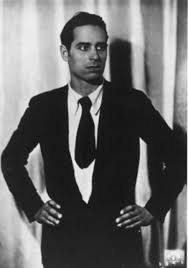
(Image source: Associació Cultural Helios Gómez)

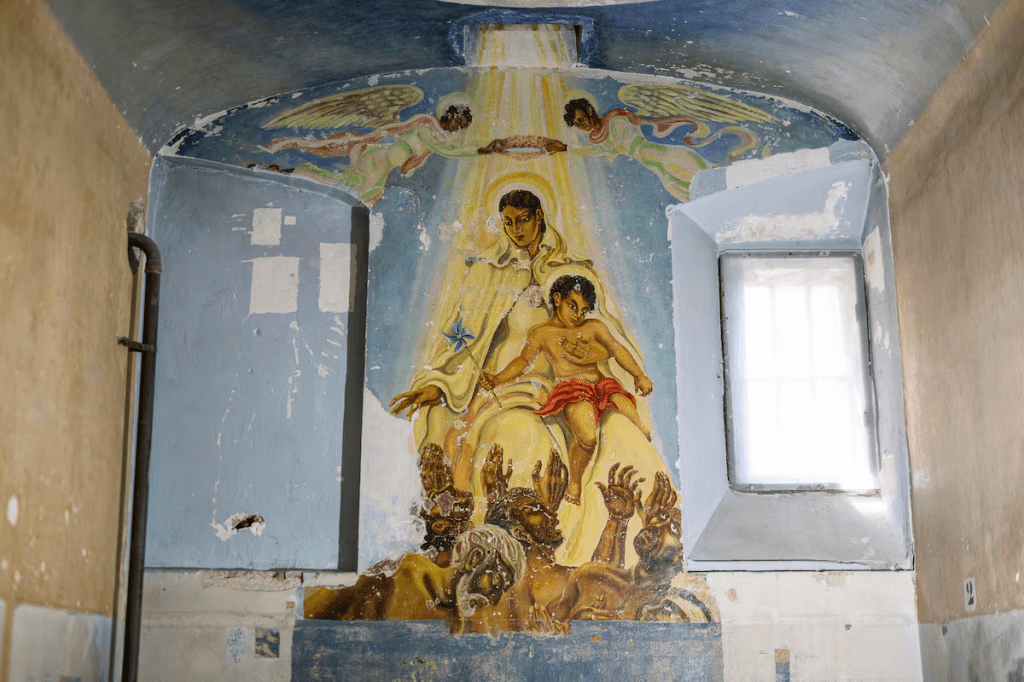
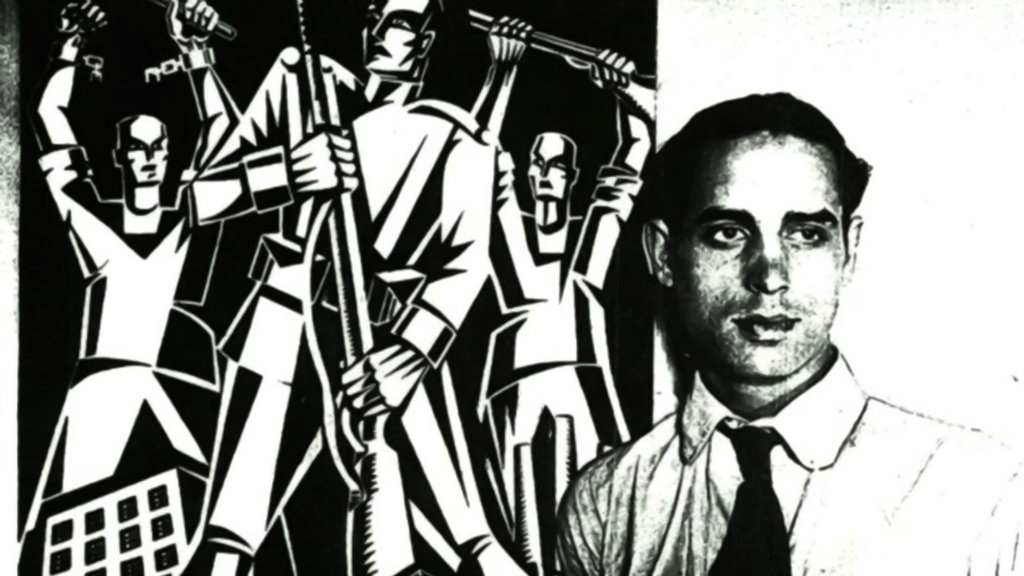
Bueno este artista y poeta gitano, que nació en Sevilla (Triana) en 1905, lo hizo, y lo fue, todo durante su corta vida. Digamos que fue sindicalista anti-franquista, pintor, cartelista. y este poeta gitano español, también fielmente representó la vanguardia artística de principios del siglo XX. Estudio Bellas Artes de noche y de dia era ayudante de pintor en la fábrica de la Cartuja. En 1925 expuso por primera vez obras cubistas… En 1927, por sus opiniones libertarias se tuvo que exiliar en París… Fue expulsado de París por manifestarse ne contra de las ejecuciones de los anarquistas Sacco y Vanzetti… Se fugo a Bélgica, pasó por Amsterdam y Vienna y estuvo dos meses en la URSS… En 1930 publicó su primer álbum Días de Ira en Berlin… Después de la dictadura de Primo de Rivera volvió a Barcelona. Colaboró en los diarios L’Opinió , La Rambla, La Batalla, L’Hora, Bolivar, Estudios y Nueva España haciendo las portadas e ilustraciones. Pero por sus tendencias que fueron muy lejos para unirse a las de los comunistas fue pronto expulsado por unirse a los grupos pro-soviéticos… Bueno, despues de dar un sin fin de giros que incluyeron exposiciones en la URSS, y despues de la guerra fue puesto en prisión por asociación ilegal. Allí pintó el fresco La Capilla Gitana. Estuvo privado de libertad hasta 1954. Murió en Barcelona en 1956.

+++

Helios Gómez, gypsy artist and poet was born in Seville (Triana) in 1905. During his short life he was an anti-Franco unionist, painter, poster artist who represented the artistic avant-garde of the early 20th century. He studied Fine Arts at night and during the day he was a painter’s assistant in the Cartuja factory. In 1925, he exhibited cubist works for the first time… In 1927, due to his libertarian opinions, he had to go into exile in Paris… He was expelled from Paris for protesting against the executions of anarchists Sacco and Vanzetti… He fled to Belgium, passed through Amsterdam and Vienna, and spent two months in the USSR… In 1930, he published his first album Días de Ira in Berlin… After the dictatorship of Primo de Rivera, he returned to Barcelona. He collaborated in the newspapers L’Opinió, La Rambla, La Batalla, L’Hora, Bolivar, Estudios, and Nueva España, creating covers and illustrations. However, due to his far-left tendencies that aligned with communists, he was soon expelled for joining pro-Soviet groups… Well, after a countless number of twists that included exhibitions in the USSR, and after the war (SPanish Civil War), he was imprisoned for illegal association. There he painted the fresco La Capilla Gitana. He was deprived of freedom until 1954. He died in Barcelona in 1956.

+++++

(Capilla Gitana de la cárcel Modelo/Foto de Albert Garcia/El País)
(Image source: Canal Sur)
(Image source: Solidaridad Obrera)

Para mi fue un artista consecuente con sus ideas y supo, como artista que era, expresarse y educar. El que puede hablar es el que debe hacerlo, no importa lo que cueste. Siempre que se opone uno a una dictadura uno esta ejerciendo la labor del hombre libre que no admite ataduras de ningún tipo. Creo excepcional la vida y la obra de este pintor y poeta sevillano y creo que se debe conocer pues a mi nunca me hablaron de Helio Gómez y por eso lo haré yo…

+++++++

For me, he was an artist consistent with his ideas and knew, as an artist, how to express himself and educate. Those who can speak are the ones who must do so, regardless of the cost. Whenever one opposes a dictatorship, one is exercising the role of a free man who does not accept any kind of shackles. I find the life and work of this Sevillian painter and poet exceptional, and I believe it should be known because no one ever told me about Helio Gómez, and that is why I will tell you…

GRACIAS – CHEERS

#art, The Art of «No-Art»

(By conceptual artist Félix González-Torres/Image source: MoMA)

Ok, I recently saw a video by Spanish artist and YouTuber Antonio García Villarán about this so-called «artist» Félix González-Torres and I just had to tell you about it. First, the «artist» has been exhibited in great venues like the Guggenheim and the Museum of Modern Art in Manhattan. That tells me nothing about his art. It tells me he has the right connections…

The above «art-work», composed of two cheap clocks (I mean there is nothing special about them), is supposed to symbolise him and his partner (who died of AIDS). The clocks are set to the same time, but as the installation runs, the clocks eventually run a bit out of sync with each other. I must admit that I do not see any of this in the two clocks. If this explanation was not provided I would have no clue.

And the information itself is rather contrived. The two clocks are identical. I do not think the «artist» and his lover were identical twins. Also there is no indication there of anyone dying of AIDS. He could have used the international symbol of AIDS which is a red ribbon…

To me this is taking us for a ride, having us on, bullshitting! This is the art of nothing! No one would see anything on the MoMA’s wall except for two ordinary, office style clocks. They do not represent two lovers, or one who died and the other kept ticking or anything about synchronisation of their lives. It is utter rubbish!

How installations like these get into great museums makes me wonder about the curators and directors of these supposed fine art institutions. I would feel cheated after paying and being subjected to such «art».

And I am not going to mention anything about the «artist». If anyone is interested in his work, I am sure they will look him up. I usually feature art and artists, both of my liking or dislike, but the main requisite is that they must be «artists» not posers.

What do you think?

#art, The Art of «No-Art»

(By conceptual artist Félix González-Torres/Image source: MoMA)

Ok, I recently saw a video by Spanish artist and YouTuber Antonio García Villarán about this so-called «artist» Félix González-Torres and I just had to tell you about it. First, the «artist» has been exhibited in great venues like the Guggenheim and the Museum of Modern Art in Manhattan. That tells me nothing about his art. It tells me he has the right connections…

The above «art-work», composed of two cheap clocks (I mean there is nothing special about them), is supposed to symbolise him and his partner (who died of AIDS). The clocks are set to the same time, but as the installation runs, the clocks eventually run a bit out of sync with each other. I must admit that I do not see any of this is the two clocks. If this explanation was not provided I would have no clue.

And the information itself is rather contrived. The two clocks are identical. I do not think the «artist» and his lover were identical twins. Also there is indication there of anyone dying of AIDS as the international symbol of AIDS is a red ribbon…

To me this is taking us for a ride, having us on, bullshitting! This is the art of nothing! No one would see anything on the MoMA’s wall except for two ordinary, office style clocks. They do not represent two lovers, or one who died and the other kept ticking or anything about synchronisation of their lives. It is utter rubbish!

How installations like these get into great museums makes me wonder about the curators and directors of these supposed fine art institutions. I would feel cheated after paying and being subjected to such «art».

And I am not going to mention anything about the «artist». If anyone is interested in his work, I am sure they will look him up. I usually feature art and artists, both of my liking or dislike, but the main requisite is that they must be «artists» not posers.

What do you think?

#music, If You Could Erase One Song From History?

(«Forgettable Divas»/Francisco Bravo Cabrera/All Rights Reserved)

Which one would it be?

According to chatgpt, it would be «Friday» by Rebecca Black. I had never heard the song (as I do not listen to pop after the mid 1990’s) but I played it and after about 10 seconds of listening I fully agreed with chatgpt.

Do you?

But do not forget to tell me which song you would erase from history. And don’t cheat, don’t ask chatgpt, tell me from your own human intelligence.

CHEERS

#art, Featuring Artist Helios Gómez…

(Image source: Associació Cultural Helios Gómez)

Bueno este artista y poeta gitano, que nació en Sevilla (Triana) en 1905, lo hizo, y lo fue, todo durante su corta vida. Digamos que fue sindicalista anti-franquista, pintor, cartelista. y este poeta gitano español, también fielmente representó la vanguardia artística de principios del siglo XX. Estudio Bellas Artes de noche y de dia era ayudante de pintor en la fábrica de la Cartuja. En 1925 expuso por primera vez obras cubistas… En 1927, por sus opiniones libertarias se tuvo que exiliar en París… Fue expulsado de París por manifestarse ne contra de las ejecuciones de los anarquistas Sacco y Vanzetti… Se fugo a Bélgica, pasó por Amsterdam y Vienna y estuvo dos meses en la URSS… En 1930 publicó su primer álbum Días de Ira en Berlin… Después de la dictadura de Primo de Rivera volvió a Barcelona. Colaboró en los diarios L’Opinió , La Rambla, La Batalla, L’Hora, Bolivar, Estudios y Nueva España haciendo las portadas e ilustraciones. Pero por sus tendencias que fueron muy lejos para unirse a las de los comunistas fue pronto expulsado por unirse a los grupos pro-soviéticos… Bueno, despues de dar un sin fin de giros que incluyeron exposiciones en la URSS, y despues de la guerra fue puesto en prisión por asociación ilegal. Allí pintó el fresco La Capilla Gitana. Estuvo privado de libertad hasta 1954. Murió en Barcelona en 1956.

+++

Helios Gómez, gypsy artist and poet was born in Seville (Triana) in 1905. During his short life he was an anti-Franco unionist, painter, poster artist who represented the artistic avant-garde of the early 20th century. He studied Fine Arts at night and during the day he was a painter’s assistant in the Cartuja factory. In 1925, he exhibited cubist works for the first time… In 1927, due to his libertarian opinions, he had to go into exile in Paris… He was expelled from Paris for protesting against the executions of anarchists Sacco and Vanzetti… He fled to Belgium, passed through Amsterdam and Vienna, and spent two months in the USSR… In 1930, he published his first album Días de Ira in Berlin… After the dictatorship of Primo de Rivera, he returned to Barcelona. He collaborated in the newspapers L’Opinió, La Rambla, La Batalla, L’Hora, Bolivar, Estudios, and Nueva España, creating covers and illustrations. However, due to his far-left tendencies that aligned with communists, he was soon expelled for joining pro-Soviet groups… Well, after a countless number of twists that included exhibitions in the USSR, and after the war (SPanish Civil War), he was imprisoned for illegal association. There he painted the fresco La Capilla Gitana. He was deprived of freedom until 1954. He died in Barcelona in 1956.

+++++

(Capilla Gitana de la cárcel Modelo/Foto de Albert Garcia/El País)
(Image source: Canal Sur)
(Image source: Solidaridad Obrera)

Para mi fue un artista consecuente con sus ideas y supo, como artista que era, expresarse y educar. El que puede hablar es el que debe hacerlo, no importa lo que cueste. Siempre que se opone uno a una dictadura uno esta ejerciendo la labor del hombre libre que no admite ataduras de ningún tipo. Creo excepcional la vida y la obra de este pintor y poeta sevillano y creo que se debe conocer pues a mi nunca me hablaron de Helio Gómez y por eso lo haré yo…

+++++++

For me, he was an artist consistent with his ideas and knew, as an artist, how to express himself and educate. Those who can speak are the ones who must do so, regardless of the cost. Whenever one opposes a dictatorship, one is exercising the role of a free man who does not accept any kind of shackles. I find the life and work of this Sevillian painter and poet exceptional, and I believe it should be known because no one ever told me about Helio Gómez, and that is why I will tell you…

GRACIAS – CHEERS