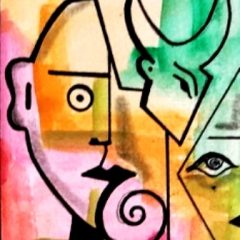
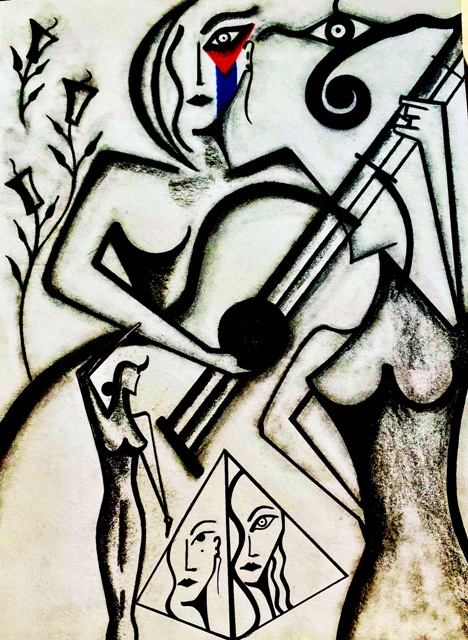
(«Abstrakta 11″/Francisco Bravo Cabrera/All Rights Reserved)
Digamos que pudieras eliminar de la historia a uno de los artistas mas famosos que conoces, ¿A quién borrarías? Venga, ¿No se te ocurre a nadie? Pues te voy a sugerir algunos y tu eliges, ¿Te va?
Tienes a Andy Warhol, Damien Hirst, Jeff Koons, Frida Kahlo, Yoko Ono, Marcel Duchamp, Joan Miró y a Jean-Michel Basquiat. ¿A cual eliminarías? Y no tengas miedo proponer uno que yo no haya mencionado…
+++
Let us say that you could eliminate, or erase from history one of the famous artists that you know of. Who would it be? Come, come, you cannot think of one? No problem, I will give you some of my suggestions and you can choose from there or add your own candidate. Ready?
You have: Andy Warhol, Damien Hirst, Banksy, Jeff Koons, Frida Kahlo, Yoko Ono, Marcel Duchamp, Joan Miró, and Jean-Michel Basquiat. Which one would you erase? And if your choice is not here, put it down and tell me.
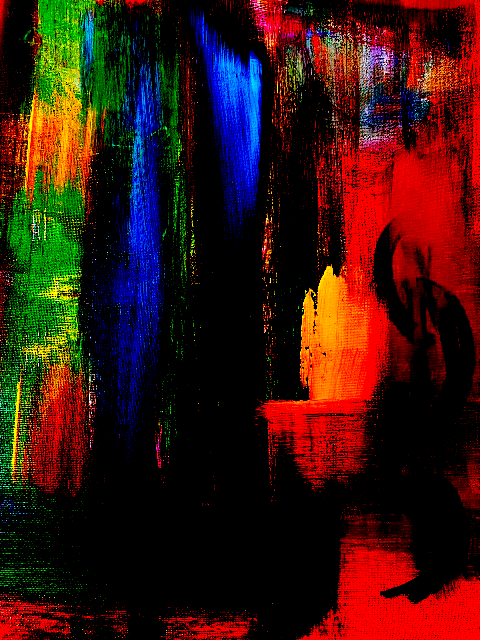
(«Canción Cuba 11»)/Francisco Bravo Cabrera/All Rights Reserved)
Comenzare por decirte que el dibujo no es solo la fase de preparación de una pintura. Dibujar es pensar visualmente. Aqui te voy a dejar lo que han dicho grandes artistas del Siglo 20 acerca del dibujo…
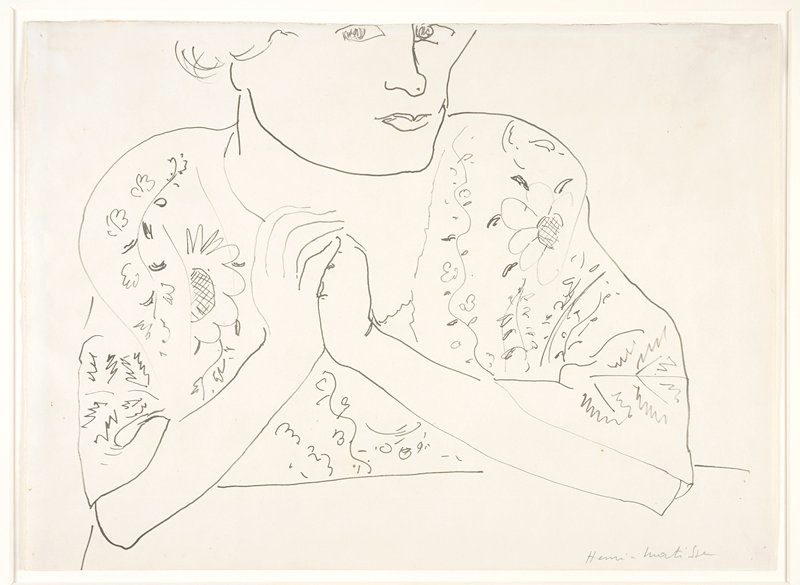
Henri Matisse (1869-1954):
“Dibujar es la expresión más directa y espontánea del artista—una especie de escritura: revela, mejor que la pintura, su verdadera personalidad.”
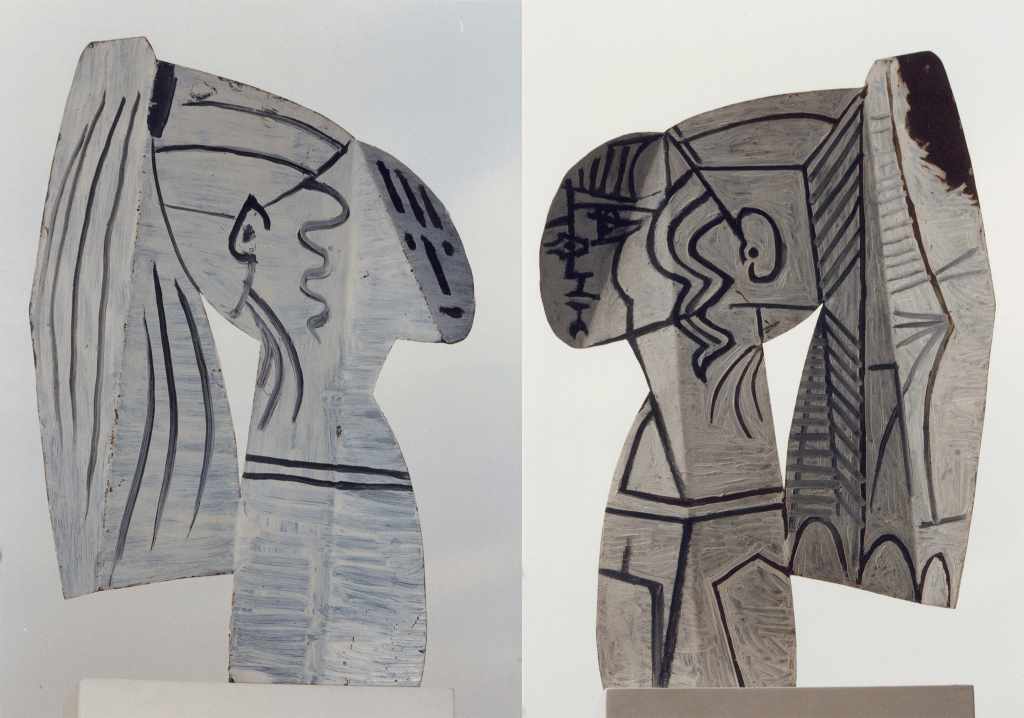
Pablo Picasso (1881-1971):
“Dibujar es una especie de hipnotismo: se mira de tal manera al modelo, que él viene y toma asiento en el papel.”
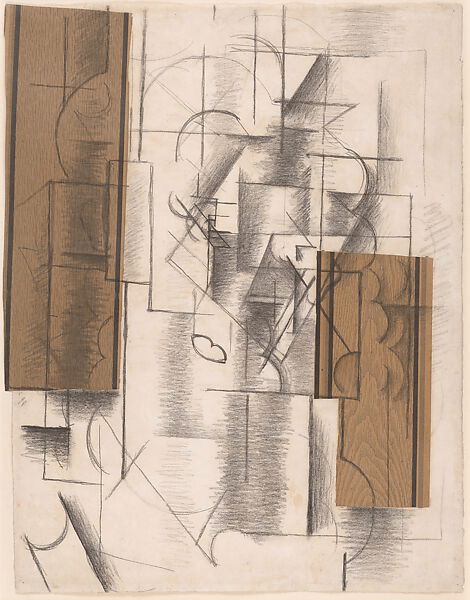
Georges Braque (1882-1963):
“Solo hay una cosa valiosa en el arte: la cosa que no puedes explicar.” Si bien no se trata directamente de dibujar, Braque veía el dibujo como el marco dentro del cual ese misterio podría ser contenido.
Wassily Kandinsky (1866-1944):
Sobre el dibujo como una necesidad interna: Kandinsky, especialmente en De lo espiritual en el arte (1911), escribió sobre cómo las líneas, las formas y la composición en el dibujo se conectan con realidades interiores, no materiales.
Ahora te dire ciertas cosas fundamentales sobre el dibujo:
Pues quiero que sepas que el dibujar te aclara la mente. Muchos artistas pensaron que dibujar era pensar visualmente. Dibujas y ves claramente la composición antes de poner pintura sobre el lienzo. Pero, no vayas a imaginarte que el dibujo es meramente un paso preliminar a la creación de una obra de arte. No es un paso, es una obra paralela. Es una forma de hacer arte que los artistas han usado, a través de la historia del arte, como manera de expresarse. Muchos han dibujado toda la vida. Y concluiré diciéndote que con un dibujo, o sea, haciendo una pintura con menos elementos, tienes la oportunidad de decir mas con menos y eso siempre vale la pena.
+++
I will start by telling you that drawing is not just the preparatory phase of a painting. Drawing is visual thinking. So, here I will leave you with what great artists of the 20th century have said about drawing:
Henri Matisse (1869-1954):
«Drawing is the artist’s most direct and spontaneous expression—a kind of writing: it reveals, better than painting, their true personality.»
Pablo Picasso (1881-1971):
“Drawing is a form of hypnotism: you look at the model in such a way that it comes and takes a seat on the paper.”
Georges Braque (1882-1963):
“There’s only one valuable thing in art: the thing you can’t explain.” While it’s not directly about drawing, Braque saw drawing as the framework within which that mystery could be contained.
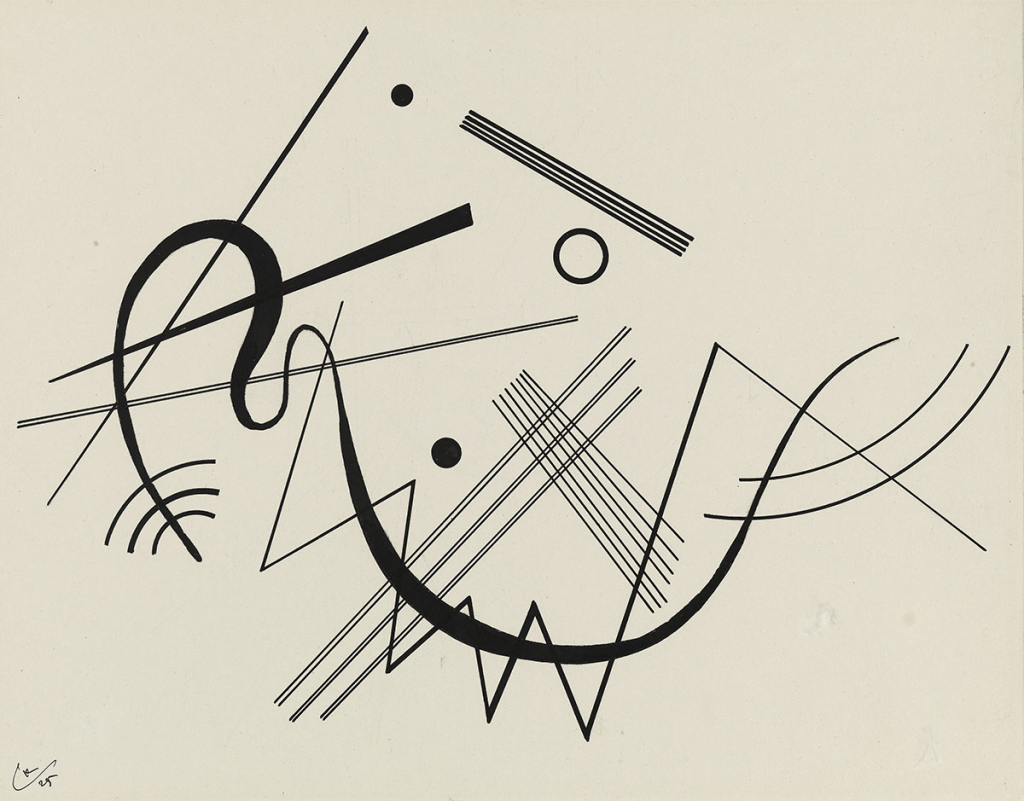
Wassily Kandinsky (1866-1944):
About drawing as an internal necessity: Kandinsky, especially in On the Spiritual in Art (1911), wrote about how lines, shapes, and composition in drawing are connected to internal, non-material realities.
Now I will tell you some fundamental things about drawing:
I will start by saying that drawing is a very creative way to clear the mind. Many artists believed that drawing was thinking visually. You draw and clearly see the composition before applying paint to the canvas. But, don’t imagine that drawing is merely a preliminary step to creating a work of art. It is not a step; it is a parallel act. It is a way of making art that artists have used throughout the history of art as a means of expression. Many have drawn their whole lives. And I will conclude by saying that with a drawing, or rather, creating a painting with fewer elements, you have the opportunity to say more with less, and that is always worthwhile.
+++++
(Matisse/Image source: Minneapolis Institute of Art)
(Picasso/Image source: The New York Times)
(Braque/Image source: The Metropolitan Museum of Art)
(Kandinsky/Image source: Mount Holyoke College Art Museum)
(Imagen/Image: Francisco Bravo Cabrera/Derechos Reservados/All Rights Reserved)
El 9 de octubre, Dios mediante, abre la nueva exposicion de Francisco Bravo Cabrera en la Sala d’Exposicions de Ciutat Vella en València. Por diez días se expondrán cuadros, dibujos y además poemas del artista. Os invitamos al museo, la entrada a la exposición es gratuita.
Mientras tanto, y hasta la fecha de la inauguración, el equipo de VALENCIARTIST/Omnia Caelum Studios Valencia estará de gira por otros lares de Dios. La nueva temporada de VALENCIARTIST blog comenzará en noviembre con nuevos artículos. Os esperamos.
+++
On October 9th, God willing, the new exhibition by Francisco Bravo Cabrera will open at the Sala d’Exposicions in Ciutat Vella, Valencia. For ten days, paintings, drawings, and also poems by the artist will be showcased. We invite you to the museum, and admission to the exhibition is free.
Meanwhile, and until the date of the inauguration, the team from VALENCIARTIST/Omnia Caelum Studios Valencia will be touring other parts of the world. The new season of the VALENCIARTIST blog will begin in November with new articles. We look forward to seeing you.
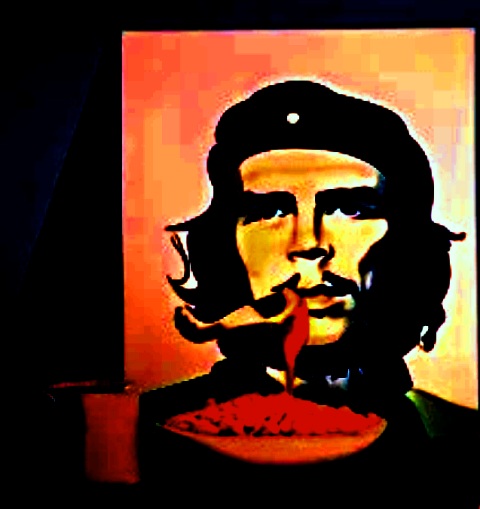
(«Ché vampiro asesino»/Francisco Bravo Cabrera/Derechos Reservados/All Rights Reserved) *
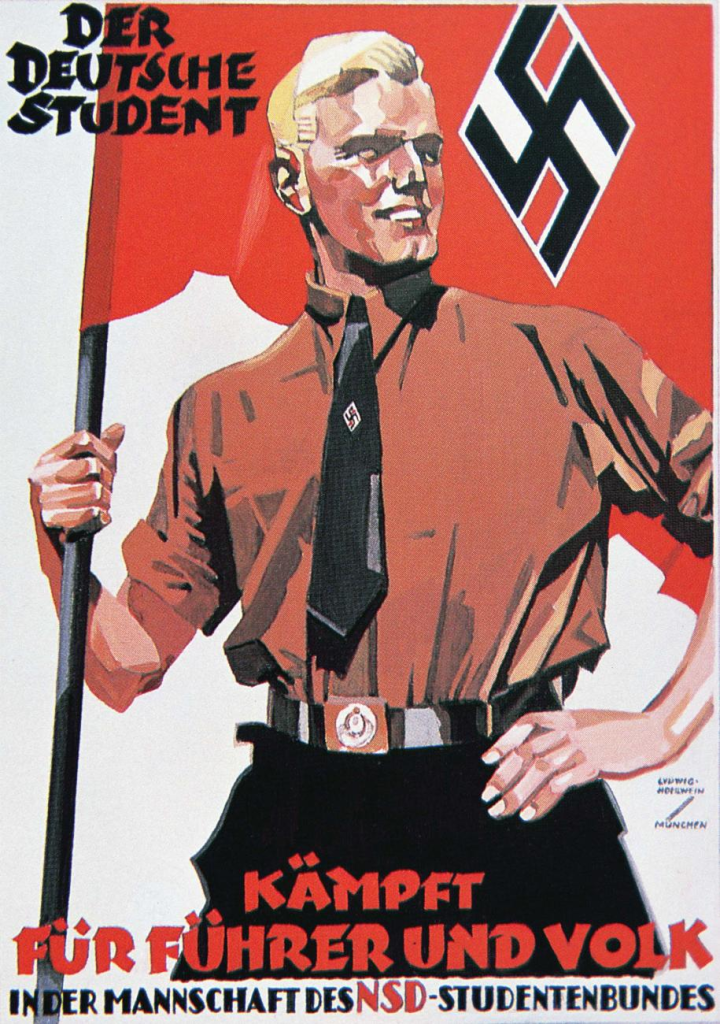
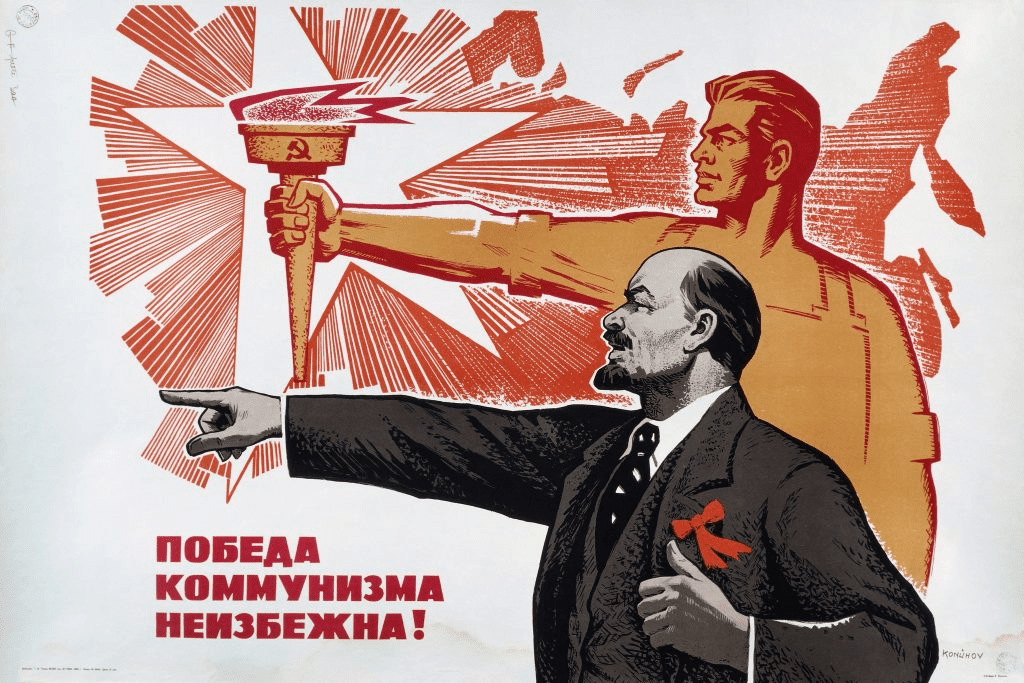
Let me start by saying that art as political propaganda has been used always. We can trace it back to ancient Egypt when they made art to glorify the pharaohs or their religious leaders or even gods. From there it traversed the centuries. Our most recent examples are from Nazi Germany and the Soviet Union…
(German Nazi propaganda/Image source: National Endowment for the Humanities)
(Soviet propaganda art/Image source: PBS)
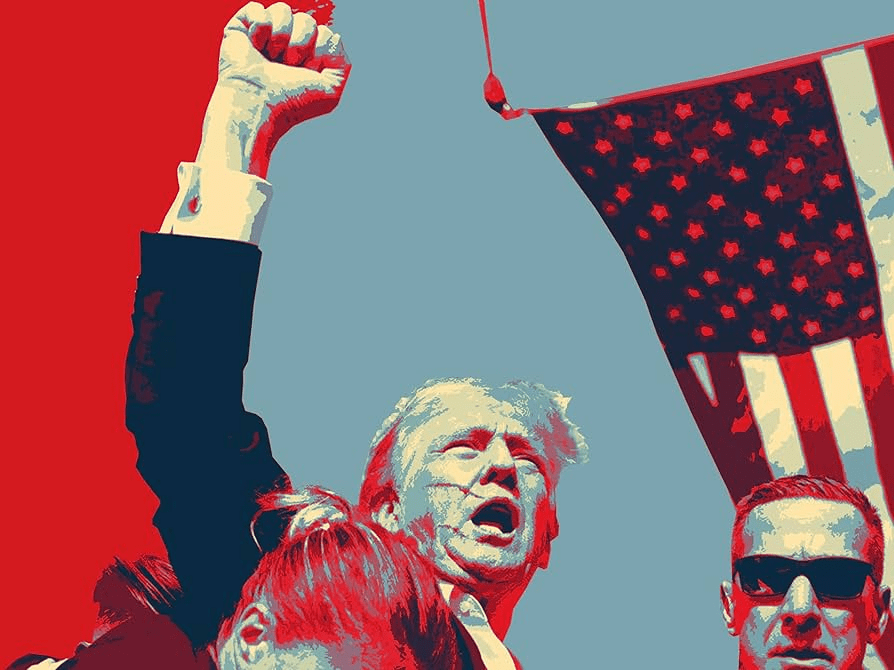
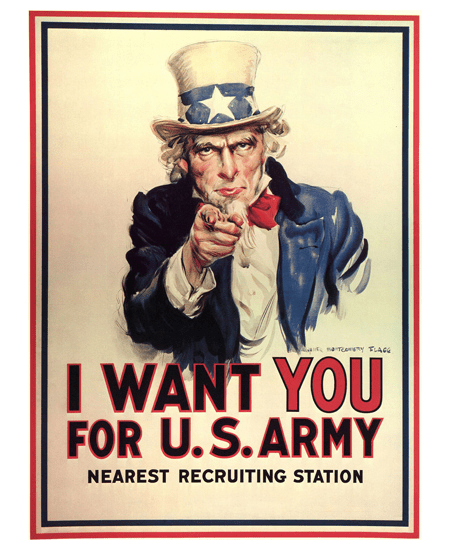
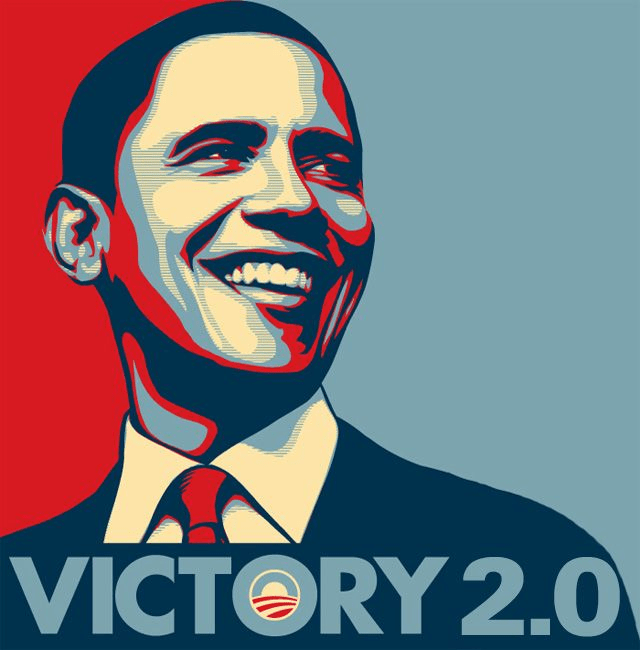
(United States political propaganda/Image source: Amazon.com)
Well it is art, although not of the best quality. However some of the designers of these posters are very well trained in art techniques as well as guided by professional psychologists and other sociologists that know exactly how to reach the coveted masses.
The art techniques are mostly symbolism, (flags, patriotic images, mythological figures and heroic poses). The work is done quite simple without any distractions from the intended message, usually with much repetition to ensure that the image gets fully ingrained in the viewers head. They usually depict leaders as heroes or doing heroic things which will tend to evoke pride, fear, nostalgia or even outrage.
Now, in this day and age, governments do not only use posters, or memes, they utilise movies, television shows, songs, and even fashion. Not to mention the influencers. Through the dissemination of internet propaganda governments have tried to blur the lines between real art and art as propaganda.
Since so many of the images created as propaganda can cause a negative reaction, I wonder, can beauty have negative effects? Or can beauty hide a nefarious cause, belief or action? Propaganda, after all, is mostly preaching to the choir. Those on the other side of the agenda they are pushing see it for what it is and will not engage with it. However, it is still a powerful motivator that can set the stage for many activities and even cause violent reactions that can not even be controlled by their own originators.
In my opinion, I am not motivated or even interested in art as political propaganda. Not for the political positions I favour or the ones I oppose. I see it as a vile form of manipulation and an imposition on the lives of the people.
What do you think?
Here are some famous posters…
(Image source: Pinterest)
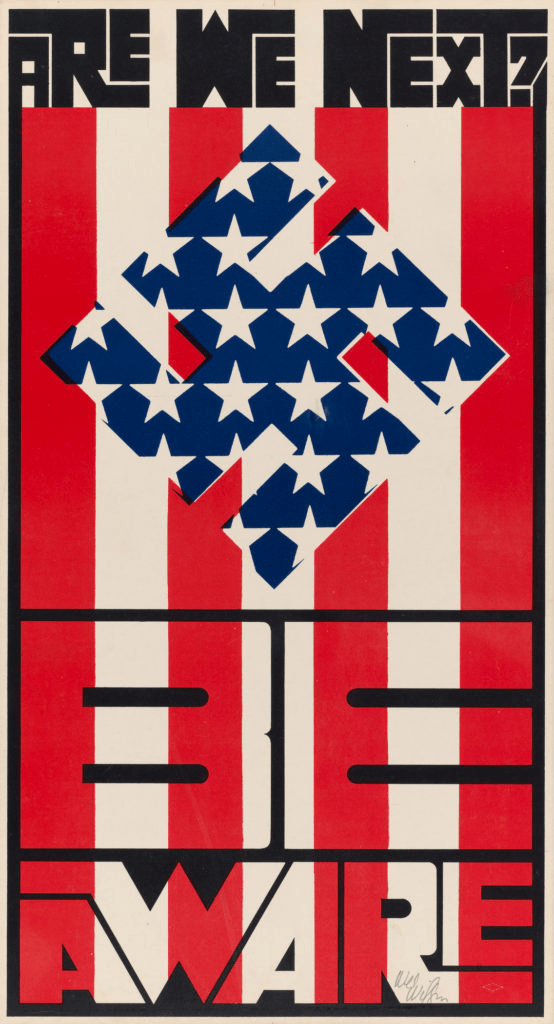
(By artist Wes Wilson/1965/Image source: SFMOMA)
+++
*NOTA BENE
The featured image of this post is my rendition, as digital-art, of Ernesto «Ché» Guevara drinking the blood of the more than 600 people he assassinated in Communist Cuba. He was a murderer, not a freedom fighter. He was a thug, not a doctor. The truth about this «supposed» heroic guerrilla fighter is that he was filthy, vile, murderous and a resounding failure)
(«Ché vampiro asesino»/Francisco Bravo Cabrera/Derechos Reservados/All Rights Reserved) *
Let me start by saying that art as political propaganda has been used always. We can trace it back to ancient Egypt when they made art to glorify the pharaohs or their religious leaders or even gods. From there it traversed the centuries. Our most recent examples are from Nazi Germany and the Soviet Union…
(German Nazi propaganda/Image source: National Endowment for the Humanities)
(Soviet propaganda art/Image source: PBS)
(United States political propaganda/Image source: Amazon.com)
Well it is art, although not of the best quality. However some of the designers of these posters are very well trained in art techniques as well as guided by professional psychologists and other sociologists that know exactly how to reach the coveted masses.
The art techniques are mostly symbolism, (flags, patriotic images, mythological figures and heroic poses). The work is done quite simple without any distractions from the intended message, usually with much repetition to ensure that the image gets fully ingrained in the viewers head. They usually depict leaders as heroes or doing heroic things which will tend to evoke pride, fear, nostalgia or even outrage.
Now, in this day and age, governments do not only use posters, or memes, they utilise movies, television shows, songs, and even fashion. Not to mention the influencers. Through the dissemination of internet propaganda governments have tried to blur the lines between real art and art as propaganda.
Since so many of the images created as propaganda can cause a negative reaction, I wonder, can beauty have negative effects? Or can beauty hide a nefarious cause, belief or action? Propaganda, after all, is mostly preaching to the choir. Those on the other side of the agenda they are pushing see it for what it is and will not engage with it. However, it is still a powerful motivator that can set the stage for many activities and even cause violent reactions that can not even be controlled by their own originators.
In my opinion, I am not motivated or even interested in art as political propaganda. Not for the political positions I favour or the ones I oppose. I see it as a vile form of manipulation and an imposition on the lives of the people.
What do you think?
Here are some famous posters…
(Image source: Pinterest)
(By artist Wes Wilson/1965/Image source: SFMOMA)
+++
*NOTA BENE
The featured image of this post is my rendition, as digital-art, of Ernesto «Ché» Guevara drinking the blood of the more than 600 people he assassinated in Communist Cuba. He was a murderer, not a freedom fighter. He was a thug, not a doctor. The truth about this «supposed» heroic guerrilla fighter is that he was filthy, vile, murderous and a resounding failure)



 JaZzArt en València