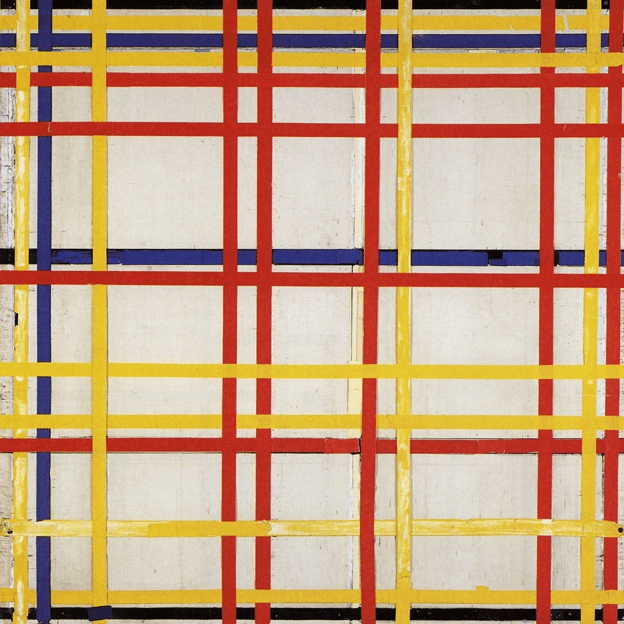
Adding nothing to the narrative or to the conversation about art is what they are doing when they bring up the «fact» that a painting by Piet Mondrian was hung, supposedly «upside down» in a German museum. And I say that this narrative/conversation means nothing because abstract art does not necessarily have to be hung «right side up» for it to be valid or for it to make sense. And in any event, to not risk damaging the painting, it will remain «upside down».
Abstract art removes itself from the metaphor of life, therefore it does not require the same rules as figurative art, which is making a realistic statement of life. Therefore, it makes no difference which way it is hung. Think of Jackson Pollock, he painted on the floor without caring, one way or another, where the top is and where the bottom is. Many times I have hung my abstract paintings in different ways just to bring out a different feel or emotion. Changing the perspective does not detract anything from the value of abstract art.
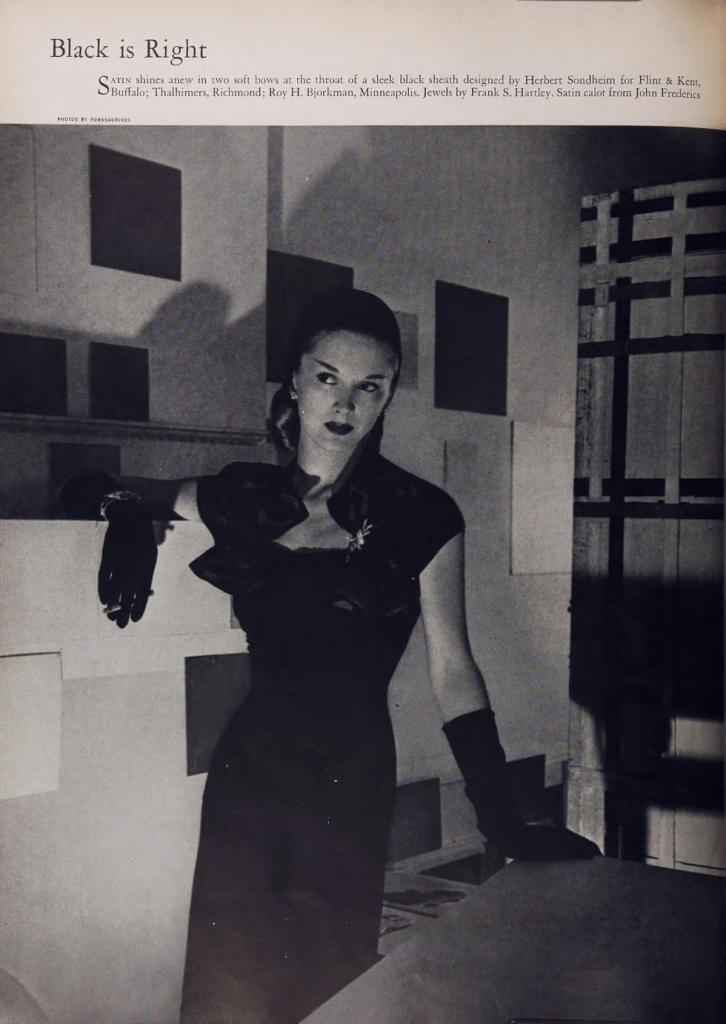
«New York City I 1941» was exhibited for the first time at the MoMA (Museum of Modern Art) in Manhattan in 1945. Since 1980 it hangs in the art collection of the German federal state of North Rhine-Westphalia in Düsseldorf. Susanne Meyer-Büser, curator for a new Mondrian exhibition, investigated and discovered the error. Her research led her to a photograph of Mondrian’s studio that was taken before his death and which was published in Town and Country magazine in June 1944. The photo shows the painting on the easel the right way. The painting is not signed and has no indication as to where the top is. Mondrian died without finishing this piece.
I wonder, if this is all a way to generate propaganda for the exhibition.
I invite you to delve deeper into abstract art… This video features, among others, work by Piet Mondrian.
Cheers…
 JaZzArt en València
Guess there is no way wrong to hang abstract arte.
Me gustaLe gusta a 1 persona
No, not at all, from every angle it tells a different story.
Me gustaLe gusta a 1 persona
A fascinating perspective, Sir.
I appreciate how you’ve challenged the conventional notion of «right side up» in abstract art. Your explanation reminds us that abstraction invites interpretation rather than fixed rules, allowing viewers to experience a work from multiple perspectives.
The historical context surrounding Mondrian’s unfinished painting adds another layer of intrigue, while your thoughtful discussion encourages readers to look beyond headlines and engage more deeply with art itself. An insightful and stimulating read!
Me gustaLe gusta a 1 persona
Thank you so very much for such a clarification and insight into the process and the ultimate reason for abstract art.
And… Good morning Sir! Hope you had a nice walk, and are enjoying a happy morning! May your day be just as wonderful!
Me gustaLe gusta a 1 persona
I agree w/ your conclusion that abstract art, for the most part, has no depth. I tend to feel that the artist may be expressing himself, but has made no real effort to communicate w/ the viewer.
Me gustaLe gusta a 1 persona
I understand and appreciate your criteria but abstract art is not everyone’s cup of tea. Personally I do figurative but I do use abstract backgrounds and also for other parts of my compositions. Thank you Anna.
Me gustaLe gusta a 1 persona
Your art is always personal and expressive, Francisco. I do not see it as falling into the category of abstract art which feels impersonal and mass produced.
Me gustaLe gusta a 1 persona
Thank you Anna. There is a wide variety of abstract art and different styles. Some, to me, are extraordinary, others look like the artist just splattered some paint on a canvas and called it an abstract painting. But in truth, artistically speaking, abstract art is done in the same manner as figurative and the artist must solve the same problems, like dimension, composition, colour and the values of the colours and combinations. And yes, you are right, some «abstract artists» tend to «mass produce» series which takes them about 10 minutes to make. One classic example is the work of Joan Miró… All the best to you Anna and a lovely week!
Me gustaLe gusta a 1 persona
I find myself confused by the «conversation» the artist is attempting to have with the viewers. We stand at two different points in a room. The artist seems to be having a mumbling conversation with their back turned. I am at the other end of the room attempting to discern whether they are addressing me or merely talking to themself. We read too much into abstract art, pretend to understand it only. For the most part, abstract art is about intellectual pretense of creative expression and understanding.
Me gustaLe gusta a 1 persona
Good points Charles! Art should not depend on narrative or explanations. Thank you!
Me gustaLe gusta a 1 persona
You are absolutely correct!
Me gustaLe gusta a 1 persona
Greetings Dawn! And thank you so very much!
Me gustaMe gusta