
Two very important female artists in the history of art…
CHEERS
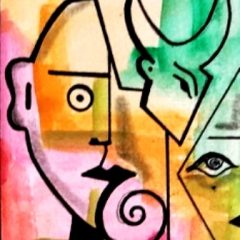
Faith saved us from the savages that we were, losing faith makes us savages again
Two very important female artists in the history of art…
CHEERS

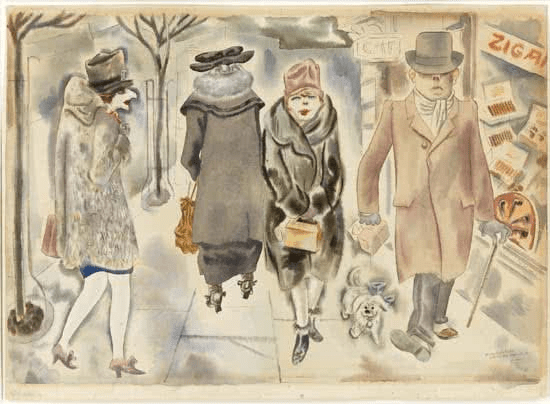
George Grosz, Berlin (1893–1959): Painter, caricaturist, and key figure of the Berlin Dada and New Objectivity movements. He studied at the Dresden Academy of Fine Arts and later in Berlin. Grosz became known for his biting, satirical depictions of German society during the Weimar Republic, often exposing the corruption, decadence, and brutality of the bourgeoisie, military, and ruling classes. His sharp line drawings and grotesque caricatures conveyed both anger and dark humor, making him one of the fiercest social critics of his time.
In 1932, as the Nazis gained power, Grosz emigrated to the United States, where he taught at the Art Students League in New York. His later work moved away from biting satire toward more romantic and expressive styles, though he remained deeply engaged with political and humanist themes. Grosz died in 1959 in West Berlin, leaving behind a legacy as one of the most incisive visual chroniclers of modern German history.
+++


CHEERS
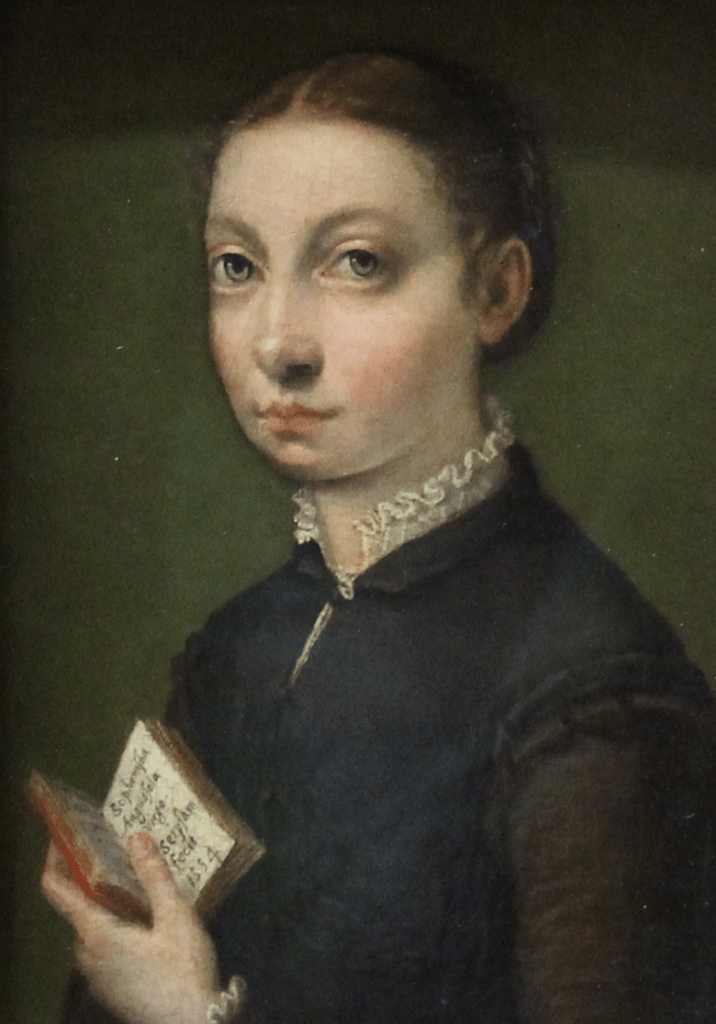
Sofonisba Anguissola is considered the first «successful» woman artist (painter) of the Renaissance… She served in the court of Phillip II of Spain, the most powerful monarch of the times… She is known for her portraits and for establishing new rules of painting feminine portraits… I think you will enjoy her paintings…
+++
CHEERS
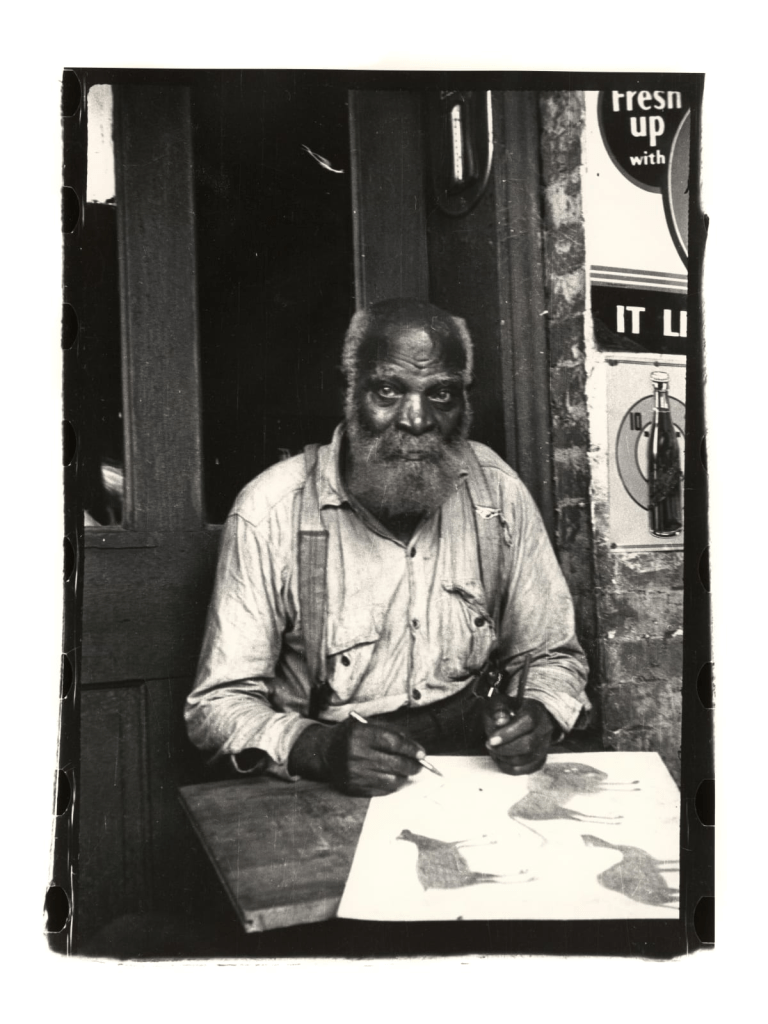
It is about time that artists like Bill Traylor got recognised. All I can say (besides what is in the video) is that I can dig it, yes I can…
Peace.
CHEERS
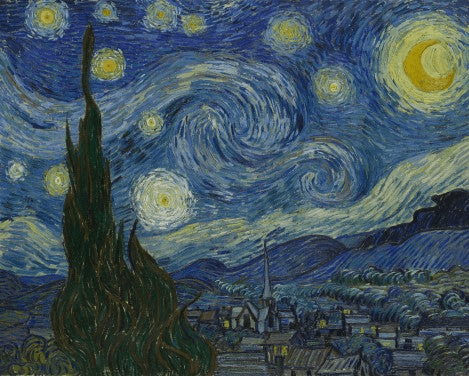
These, that you will see, are some very famous, and some very good landscape paintings…
Which one is your favourite landscape painting?
CHEERS
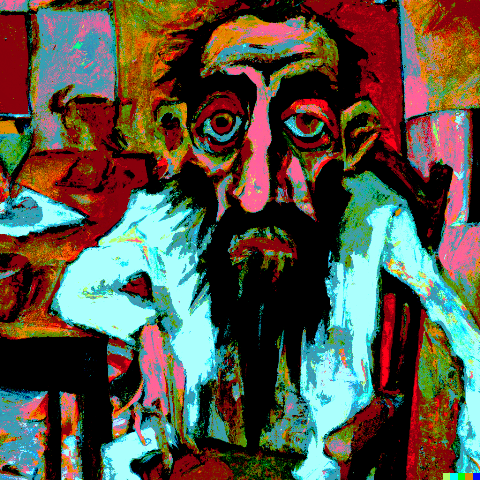
Experts are not sages, they are functionaries. They sit on panels, write in journals no one reads, and speak in tongues of jargon to preserve their own mystique. They are gatekeepers of knowledge, not its liberators. And that is being quite generous because in truth I do not believe that «experts» (with the exception of those in the medical field) have any truth or any knowledge. They are full of hot air, inflated, ego-centric, narcissistic little balloon heads.
The expert thrives on authority, not truth. Their credentials are their armour, their institutions their fortress, their arrogance their weapon. When challenged, they don’t debate — they dismiss. “Unqualified,” they say, as if wisdom required a certificate. And that is not even saying that their points of view are tainted with the tunnel vision they possess.
But history is littered with the corpses of expert consensus. The experts once told us the earth was flat, (that could still be right), that bleeding the sick would heal them, that heavier-than-air flight was impossible, that cigarettes were harmless. Again and again, the experts were wrong — and again and again, they wrapped their failures in the cloak of respectability. Art «experts» rave about the greatness of the ones they like and dismiss the ones they don’t as not being relevant or important. I remember being taught that Joan Miró was important and that Yoko Ono was a genius…
Here are the masterpieces of Joan Miró:

And here is the genius of Yoko Ono:
Why do I despise «experts»? Because experts are not seekers of truth. An expert is a careerist. He bows to the funding body, the political regime, the corporate sponsor. He does not ask dangerous questions, because dangerous questions cut off grants, silence invitations, kill reputations. Better to preach what is safe, what flatters power, what maintains the illusion of control. That is why in the art world they taught me that one of the greatest references was Andy Warhol. And yes, I know he is an institution to many, but, really?
This is one of Warhol’s great movies:
If you were able to watch 8 hours of the Empire State Building and find redeeming art in that then you should continue to follow the experts, they love people like you…
But I tell you…and I know you know it is true…the true discoveries, the revolutions, the leaps forward, they do not come from «experts». These great advances to humanity, science, art, and the society as a whole, do not come from the experts. This comes from the outsiders, the heretics, the tinkerers, the obsessives who refuse to genuflect before the altar of authority. Progress has always been made by those too stubborn, too naïve, or too free to care about what the experts decreed.
So, dear diary, I will…figuratively…knock. with a perfect scissors kick, the crown of the big head of the nearest expert and feel good. The crown was false anyways. Let us remember that knowledge is a gift that God has spread all over the universe (and the multiverse), as is wisdom. And truth? Truth is a concept that can be moulded to one’s beliefs and belongs to no guild. Let us stop worshipping experts, and start demanding honesty, humility, and courage. And start doing.
The world does not need more experts.
The world needs more thinkers.
CHEERS

«My art might carry a message and symbols and viewers might find them but I do not paint or draw messages or symbols. How my compositions come about is an absolute mystery.» (Francisco Bravo Cabrera)
CHEERS
George Grosz, Berlin (1893–1959): Painter, caricaturist, and key figure of the Berlin Dada and New Objectivity movements. He studied at the Dresden Academy of Fine Arts and later in Berlin. Grosz became known for his biting, satirical depictions of German society during the Weimar Republic, often exposing the corruption, decadence, and brutality of the bourgeoisie, military, and ruling classes. His sharp line drawings and grotesque caricatures conveyed both anger and dark humor, making him one of the fiercest social critics of his time.
In 1932, as the Nazis gained power, Grosz emigrated to the United States, where he taught at the Art Students League in New York. His later work moved away from biting satire toward more romantic and expressive styles, though he remained deeply engaged with political and humanist themes. Grosz died in 1959 in West Berlin, leaving behind a legacy as one of the most incisive visual chroniclers of modern German history.
+++
CHEERS

Otto Dix: German Expressionist Artist
Wilhelm Heinrich Otto Dix (1891–1969) Born in Gera, skilled as a painter and printmaker, is an artist closely associated with the Expressionist and later New Objectivity (Neue Sachlichkeit) movements. His paintings depict the raw reality of war, social decay, and the fragility of human existence in the 20th century.
He studied at the Dresden Academy of Fine Arts. He started out by experimenting with Expressionism and Dada, and was influenced by artist George Grosz, among others. His service as a soldier during World War I deeply marked him and became the central theme of much of his later work.
His experiences fighting the war inspired paintings that depicted the brutality and devastation caused by war and is clearly seen in his etching «Der Krieg» from 1924… To highlight the moral collapse and inequalities of the post-war society he painted portraits of veteran, prostitutes and the urban poor. His work, which blended the emotional intensity of expressionism and the classical technique of the old masters, created an unsettling realism.
During the Third Reich, his work was labelled “degenerate art”. He was dismissed from his teaching position and forbidden from exhibiting.. After World War II, Dix was honoured, and recognized as one of the foremost German painters of the 20th century, remembered especially for his uncompromising examination of war and its aftermath. His work will stand, as he will as an artist, for their avant-garde intensity and technique. And this combination has ensured his enduring place in modern European art.
+++
CHEERS

 JaZzArt en València