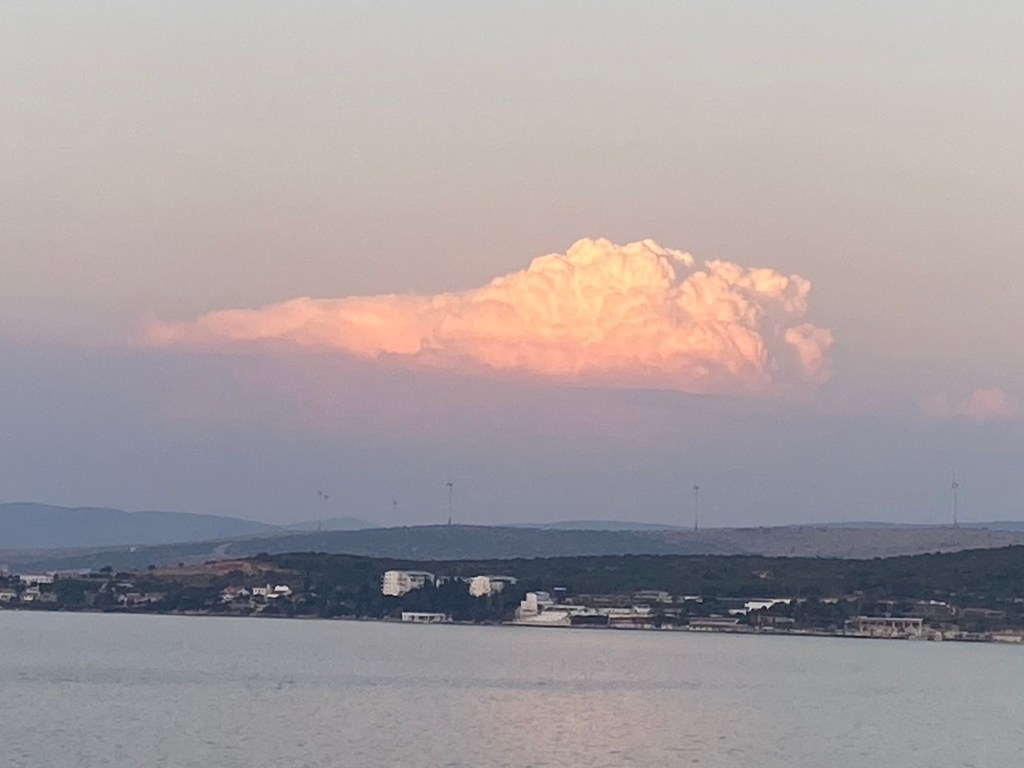
“No matter what they say and how technically they put it, to me the world is full of wonder and magic and mysteries mankind will never solve.” (Francisco Bravo Cabrera)
Faith saved us from the savages that we were, losing faith makes us savages again
“No matter what they say and how technically they put it, to me the world is full of wonder and magic and mysteries mankind will never solve.” (Francisco Bravo Cabrera)
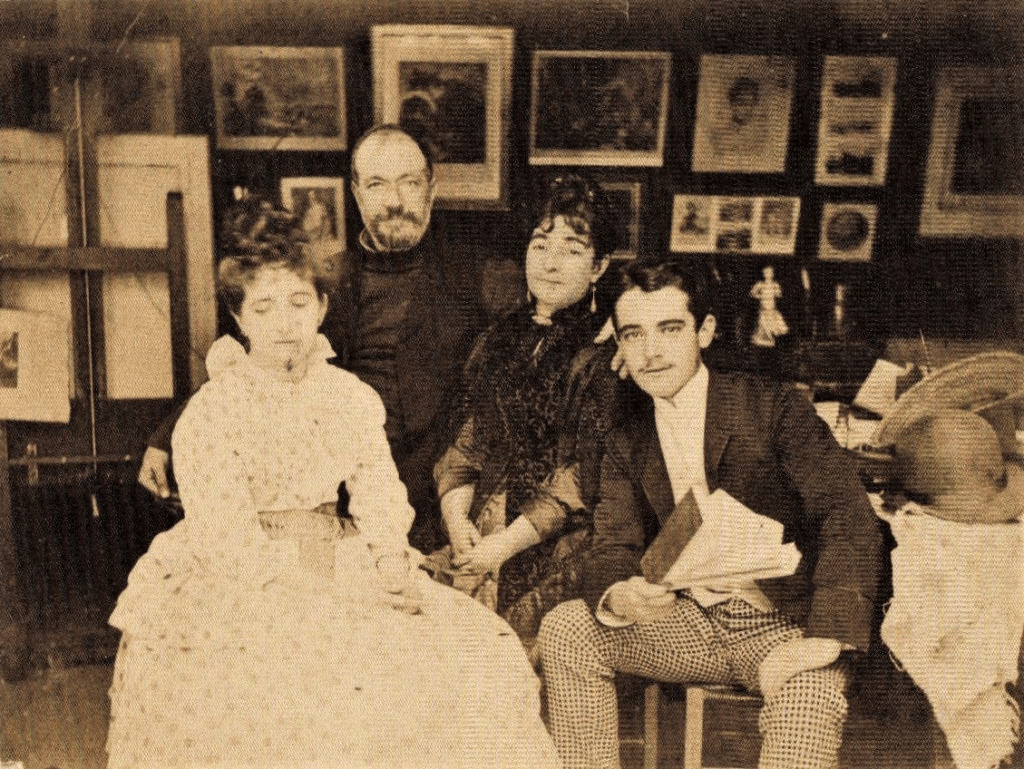
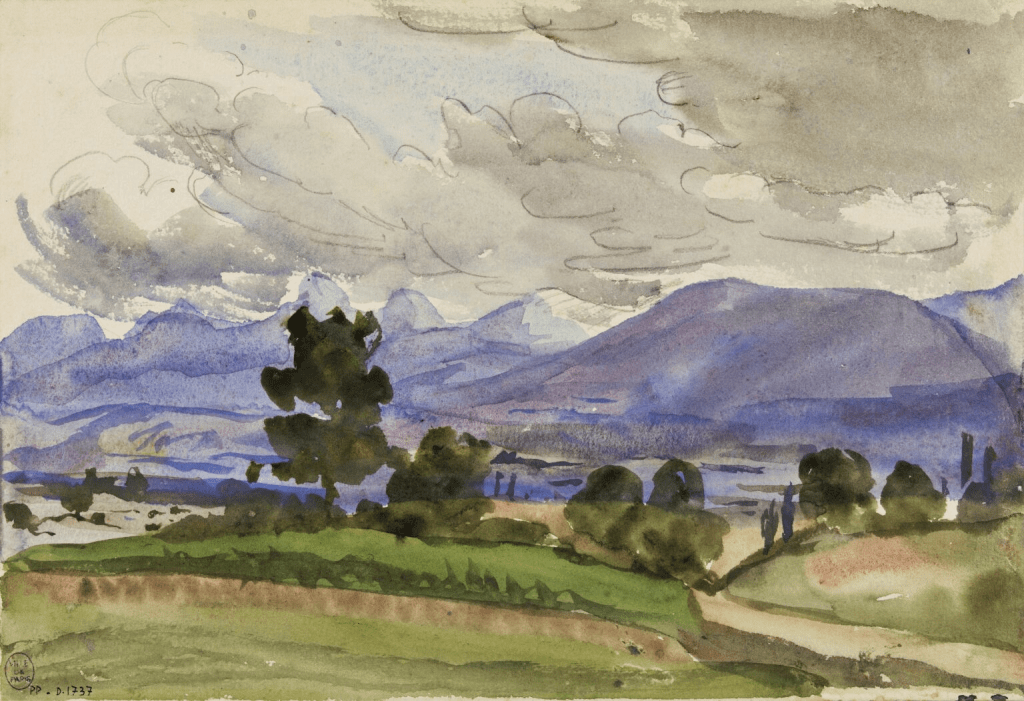
Well, let us begin with Marie Bracquemond (1840–1916)

Marie Bracquemond, born in Landunvez, Finisterre, France, was an Impressionist painter whose work was long overshadowed, and ignored by her male contemporaries, as was usual in the art world. She was a trained artist, however, her training was informal but good enough to be exhibited at the Paris Salon in the 1860s. She later became influenced by Impressionist painters like Monet and Degas and adopted their emphasis on light and color in her own work. Her paintings often featured domestic scenes, portraits, and outdoor settings with rich color and delicate brushwork.
Marie had to struggle against the society and her husband, Félix Bracquemond, who did not support her involvement with Impressionism. Because of these injustices her work was totally forgotten but has, as of lately, begun to receive the recognition it deserves, positioning her as a significant—if underappreciated—figure among the Impressionists.

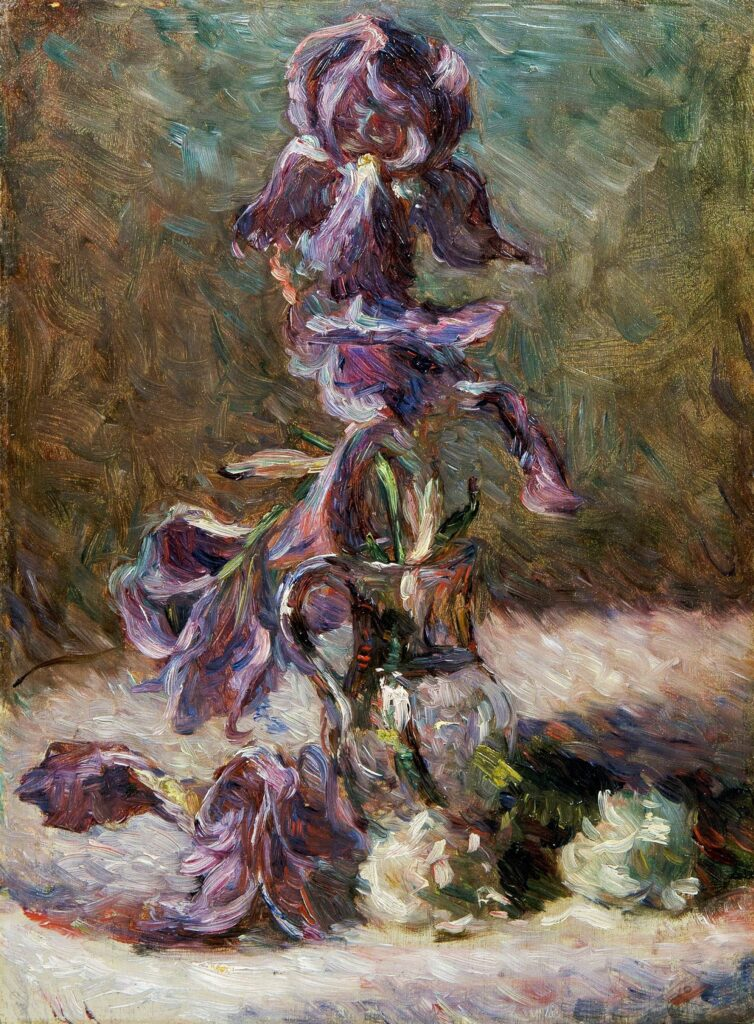
Félix Bracquemond (1833–1914)

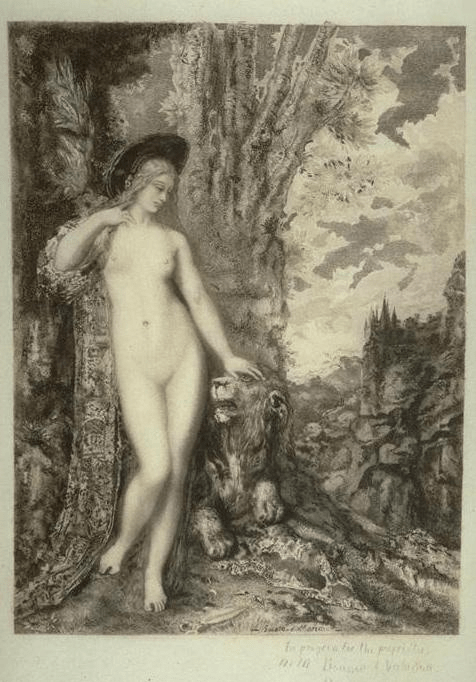
Félix Bracquemond was born in Paris. He was a painter, etcher, and ceramic designer. He is best recognised for his contributions to the Etching Revival in 19th-century France and for his role in introducing Japanese art (Japonisme) into European decorative arts. He was a prolific printmaker and collaborated with many well-known artists of his time, including Manet and Degas. Félix was also artistic director at the Haviland porcelain factory, where he helped popularize Japanese motifs in French ceramics.
Though Félix was a phenomenal artist and sought fame and recognition, he did not think his wife, Marie, deserved the same so he undermined her art and artistic ambitions. But yet we must not ignore that his influence on the decorative arts and his championing of etching and Japanese aesthetics mark him as a key figure in 19th-century French art.
Here are some of his etchings…


CHEERS
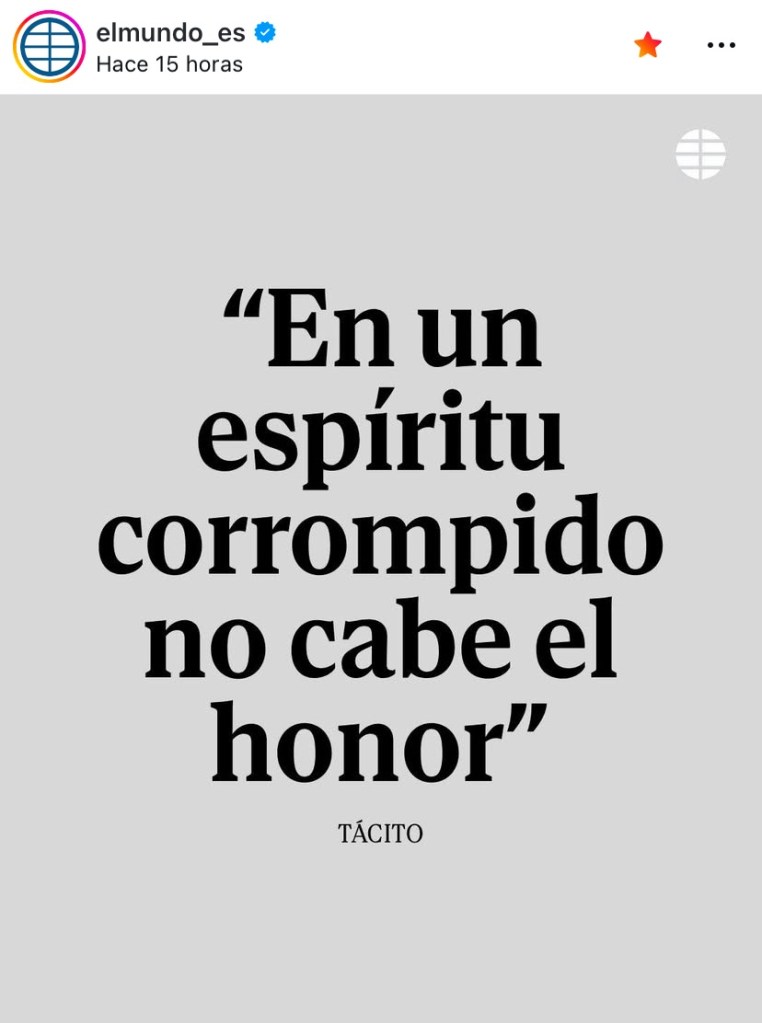
Por eso nos deshonran los políticos que nos desgobiernan…
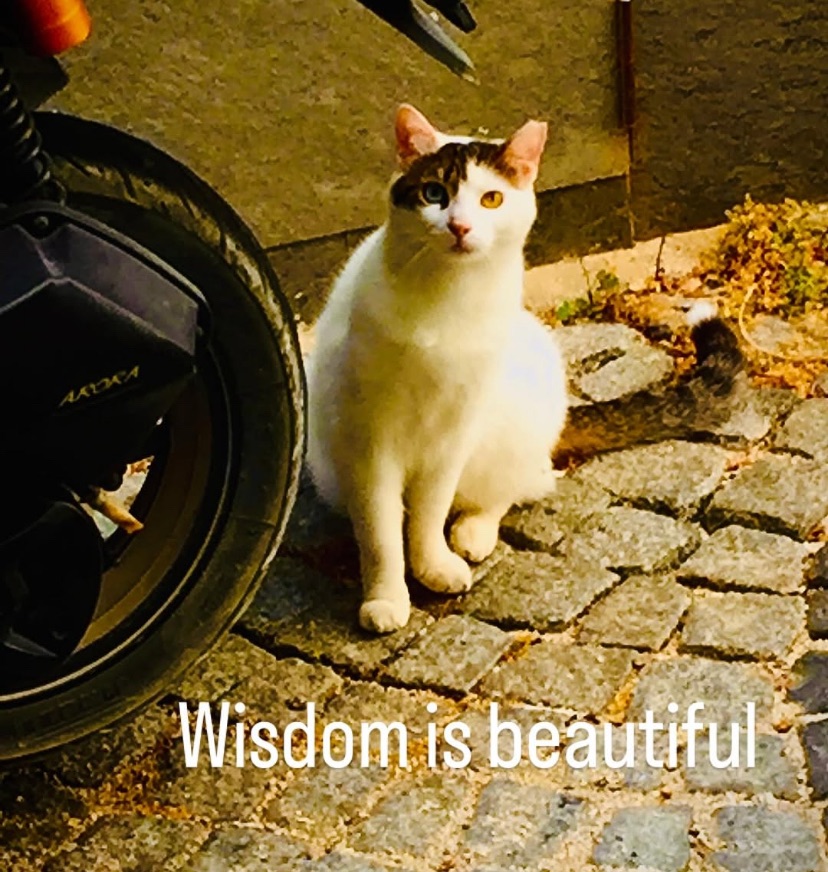
Meet my cat 🐱

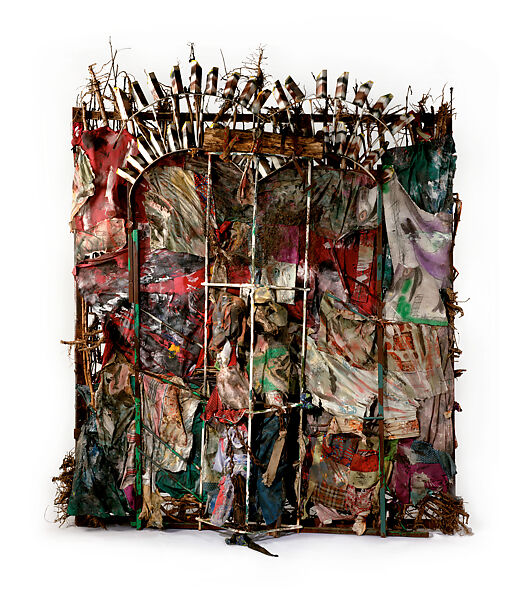
Thornton Dial (1928–2016) was a «self-taught» artist, (well no one can teach themselves what they do not know, so he must have had some sources of learning to feed off from). This Black North American artist is today known for his powerful mixed-media assemblages with which he explored themes of race, history, social justice, and human struggle. Dial was born in rural Emelle, Alabama and grew up in the segregated South where he spent much of his life working in industrial and agricultural labor, particularly as a metalworker in a Pullman railcar plant.
Yet he began making art from an early age using discarded materials. This practice would prove central to his mature work. He made large-scale, densely layered sculptures and paintings that often incorporated found objects such as scrap metal, fabric, wire, and wood, transforming them into complex, emotionally charged compositions. The references for his work were mainly African American vernacular traditions, Southern storytelling, and abstract expressionism.
Of course he was ignored by the mainstream art world for much of his life, however, Dial gained recognition in the 1990s, thanks in part to the efforts of art historian William Arnett. Arnett helped bring Dial’s work—and that of other Black Southern artists—into major museums and galleries. Today, Dial is recognised as a major figure in contemporary North American art, and his work is held in the collections of institutions such as the Metropolitan Museum of Art, the Museum of Modern Art (MoMA), and the Smithsonian American Art Museum.
Thornton Dial’s art is widely regarded for its visual power but it is also important because of its deep moral and historical value which offers a clear and proper commentary on the Black experience in North America.
Here are some examples of his work…


CHEERS
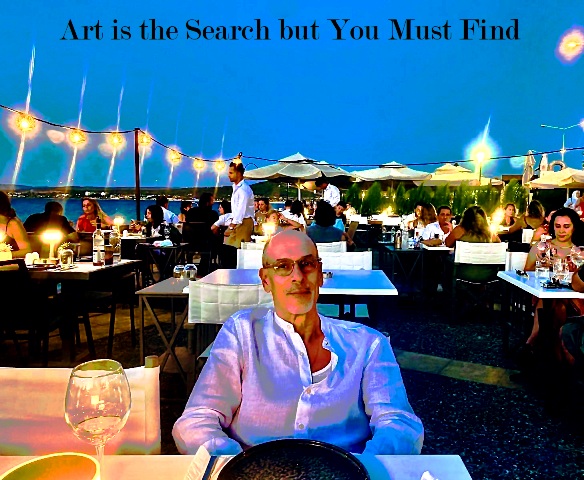
As you might know, we re-locate during the summer to our place on the Aegean Sea, somewhere travelling between Greece and Türkiye. I personally feel very much at home on either side of this phenomenal sea. And since time here requires lots of work, I comply…


Never stop searching as the more you search the more you will find…
CHEERS
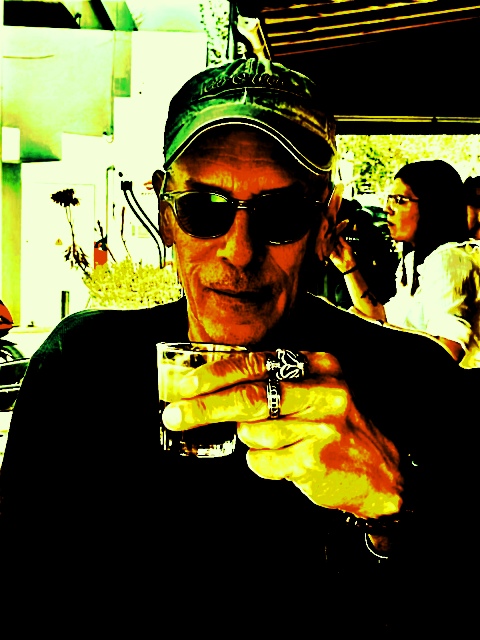
ONE DAY
One day when I am old and mad,
like a useless worn-out prostitute,
conversing with the cat…
Illuminated by a single ray of light,
as the afternoon recedes and fades,
I’m comfortable in my chair next to the window,
watching the world spinning away.
All things are complicated that once were simple…
I think I’ll take a walk down to the bar,
to grab a handful of potato crisps
and a glass of Irish “wine”.
I look around with wild intentions,
are those old friends,
or figments of my imagination?
But I must dance,
and dance I will,
though now alone,
my glass half filled,
the dance floor’s empty,
so are the eyes
of laughing ghosts whose envy
has kept them so far from the sky.
The train has gone,
it’s steam still clinging to my skin,
I don’t travel anymore,
I just watch trains as a whim.
Sitting by my window,
I curiously take a peek
as the carnival is leaving
with its elephants and freaks.
My loved ones,
not so many,
hold a lantern in a storm,
afraid of me receding into madness all alone.
But like an old retired prostitute,
I wonder through the yard,
throwing corn flakes to the chickens
and reciting like a bard.
In truth I’m a survivor,
I’ve toasted every scar,
my tears are made of broken glass,
that broke through those nostalgic thoughts
I launched one day quite far.
The stormy seas can’t drown the music
that I play with my guitar,
so my bones will one day witness
the changing of the guard.
I’ve tasted bitter apples,
I’ve danced with girls sublime,
and a few quite ugly too
I’ve danced with over time.
But surprisingly enough,
I’ve lived to tell the tale,
of this old raging sycophant
that’s ordered one more ale.
One day I’ll be alone and old,
haunting these old hallways,
in a pose somehow unthinkable,
upside down like I’ve been always.
Francisco Bravo Cabrera – 8 SEP 2025, Izmir, Türkiye
«One Day» is another example of my «Jazz Poetry» from my upcoming book. The rhythm does not change, but the time does. Improvisation guides the strength of the story as it would a ghost who walks about just looking for a place to haunt…
CHEERS
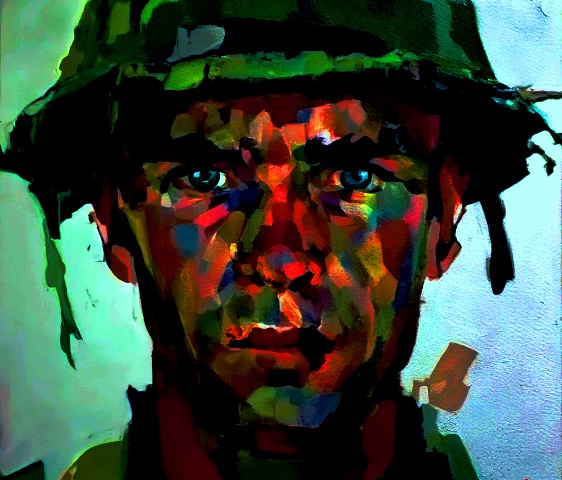
Well, Lao Tzu might not have said it exactly as in the translation above, but he did say that an excellent soldier is not a furious man. This could also mean that the «accomplished person is not an aggressive person». In any event it means that one must not confuse anger and violent tendencies from the work that one does, even if that work is the work and the duty of the soldier. I was glad to have learned that (as I did study the Tao) early in life before joining the military…
So I thought we could talk a bit about Lao Tzu and the Tao Te Ching…
Lao Tzu, although I believe he was real, is thought of as a semi-legendary Chinese philosopher believed to have lived in the 6th century B.C. (of course some «experts» place him later). He is traditionally regarded as the founder of Taoism (Daoism) and the author of its foundational text, the Tao Te Ching. His name is also a title which means «Old Master,» and much of his life remains shrouded in myth. Legend says he was an archivist in the imperial court and when he retired and left China a border guard asked him to to write down his wisdom. His wisdom became the Tao Te Ching.
Tao Te Ching means The Book of the Way and Its Virtue which is composed of short, poetic texts that explore the nature of the Tao, which is The Way, the fundamental, and ineffable force that underlies all existence. It emphasizes themes such as:
Non-action (wu wei): acting in harmony with the natural flow rather than through force or struggle
Simplicity and humility: embracing a quiet, modest life
Balance and duality: recognizing the interplay of opposites (yin and yang)
Inner wisdom: valuing intuitive understanding over rigid logic or ambition
The Tao Te Ching has had a profound influence on Chinese philosophy, religion, politics, and art. It is a cornerstone of philosophical Taoism, and its teachings also shaped Chinese Buddhism, Confucianism, and various martial and meditative traditions.
Both Lao Tzu and the Tao Te Ching continue to inspire people around the world seeking a life of balance, peace, and alignment with nature.
CHEERS
LOOK FOR US IN OUR SOCIAL MEDIA
YouTube: www.YouTube.com/@FranciscoBravoCabrera
Instagram: @Francisco_Bravo_Cabrera
X: @Euskadi_Bakero
Artist Representative: «By Guloshka»
E-Mail: guloshka404@gmail.com
Instagram: @guloshka
ONE DAY
One day I’ll when I am old and mad,
like a useless worn-out prostitute,
conversing with the cat…
Illuminated by a single ray of light,
as the afternoon recedes and fades,
I’m comfortable in my chair next to the window,
watching the world spinning away.
All things are complicated that once were simple…
I think I’ll take a walk down to the bar,
to grab a handful of potato crisps
and a glass of Irish “wine”.
I look around with wild intentions,
are those old friends,
or figments of my imagination?
But I must dance,
and dance I will,
though now alone,
my glass half filled,
the dance floor’s empty,
so are the eyes
of laughing ghosts whose envy
has kept them far from the sky.
The train has gone,
It’s steam still clinging to my skin,
I don’t travel anymore,
I just watch trains as a whim.
Sitting by my window,
I curiously take a peek
as the carnival is leaving
with its elephants and freaks.
My loved ones,
not so many,
hold a lantern in a storm,
afraid of me receding into madness all alone.
But like an old retired prostitute,
I wonder through the yard,
throwing corn flakes to the chickens
and reciting like a bard.
In truth I’m a survivor,
I’ve toasted every scar,
my tears are made of broken glass,
that broke through those nostalgic thoughts
I launched one day quite far.
The stormy seas can’t drown the music
that I played with my guitar,
so my bones will one day witness
the changing of the guard.
I’ve tasted bitter apples,
I’ve danced with girls sublime,
and a few quite ugly too
I’ve danced with over time.
But surprisingly enough,
I’ve lived to tell the tale,
of this old raging sycophant
that’s ordered one more ale.
One day I’ll be alone and old,
haunting these old hallways,
in a pose somehow unthinkable,
upside down like I’ve been always.
Francisco Bravo Cabrera – 8 SEP 2025, Izmir, Türkiye
«One Day» is another example of my «Jazz Poetry» from my upcoming book. The rhythm does not change, but the time does. Improvisation guides the strength of the story as it would a ghost who walks about just looking for a place to haunt…
CHEERS

CENTRAL PARK
Who can change the course of history?
Who can stop the wheels of time?
Think you can?
Think they can?
Who is they?
And who are you to presume?
History is a mystery
Questions like these and many more,
bounce off the thin layer of surface water
that fills the depths of the reservoir in Central Park.
While it is quite necessary to investigate the lectionary,
Never should one doubt,
there are absolutes,
there are unchanging laws.
There‘s right and wrong,
there’s Ten Commandments,
miraculously carved in stone.
There’s the way of light and the way of darkness,
and you’re free to choose,
take your pick,
light or dark,
or take from both.
But human souls need human comforting,
We’ve all wandered far from home…
On a rotting bench, close to Central Park West,
sitting proper is Rosemary a retired secretary.
Her mind races from through to thought,
used to precision, speed and so forth.
But now quite old she’s not as bold and not as fast,
so when Augusts’ nights shine bright with Augusts’ lightning,
she still sits alone under the rain and
through her ears travels the rhythm and the cadence
of an old, old song, always the same.
I stood one clear January morning
near The Castle in Central Park,
and snow covered the ground,
I thought of summer
and not a question crossed my mind.
C.2021, Francisco Bravo Cabrera, 20 NOV 2021/30 AUG 2025, València, Spain/Izmir, Türkiye

 JaZzArt en València