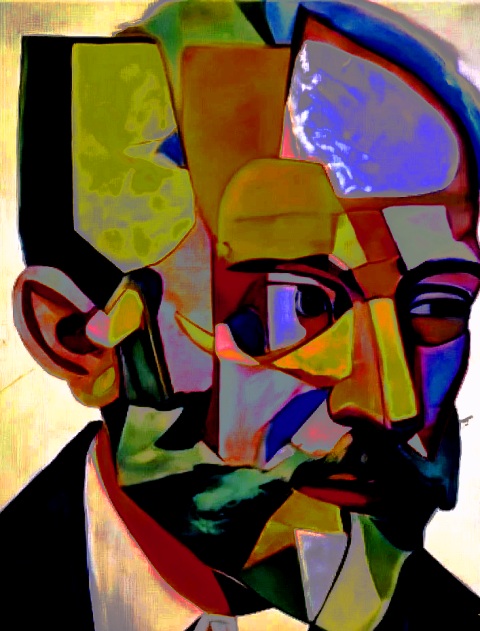
#poem, «The Concerto of the Return»

(«Tchaikovsky»/Francisco Bravo Cabrera/All Rights Reserved)

“The Concerto of the Return”
(Based on Tchaikovsky’s Violin Concerto Opus 35 and while listening to it)

First Movement: Allegro moderato or “The Awakening”

The violin rises like a spark from the evening’s fire,
while the bow, scratching through the strings,
awakens as sunlight dances on last night’s snow.
A melody, that rips through tender skin,
dares to absorb the lingering odours
of bodies that danced between sorrow and splendour,
absorbing the silence of a self-imposed exile,
and the hush of the autumn air over the stillness of Lake Geneva.
Each note, each phrase, ascends as warriors do,
or as those who yearn for absolution but do not implore it
finding a forgiving chord, D major.

Second Movement: Canzonetta or “The Remembering”

But our thoughts often reach far down to the minor keys
and our voices tremble with the lies we’ve exploited.
The orchestra of the Tower of Babel,
with her choir of many voices, pauses and listens…
Not an instrument is heard, just the sound of many voices,
who sing of love undone and bleeding on a letter never sent…
The Tower of Babel weeps, as does her choir of many voices,
who hum and imitate the sound of leaves
pushed and pulled by autumn’s winds,
and then silence as divine grace begins to mend our broken hearts


Third Movement: The Finale or “The Rebirth”

From the marrow joy resurfaces as something fierce and irrepressible,
the essence of being alive.
The bow cuts through melancholic chords like a Cossack’s blade,
as the orchestra dreams with their feet as they dance.
Defiance!
Our bones are mended and we can dance!
Love, lust, fear, passion, and desire,
grow as does the thunder of a wild applause,
and whirl in the ecstasy of the release,
as the final chord marks a new beginning.
There is no end, just a winding road
to reach the place where one can learn
that a if a song is born of sorrow,
then from silence we are born.
So let us lift our glasses and toast to life!

C.2025, Francisco Bravo Cabrera – 04 OCT 2025 – Valencia, España

+++

NOTA BENE

Tchaikovsky’s Violin Concerto in D major, Op. 35 (1878) is a phenomenal concerto, and one of the most popular and loved in the violin repertoire. It is known for its brilliance, lyricism, and emotional intensity. The concerto consists of three movements:

  1. Allegro moderato – Opens with an orchestral introduction that leads to a virtuosic violin entrance. The movement blends Romantic lyricism with technical prowess. The first movement is full of warmth and sweeping melodic lines.
  2. Canzonetta: Andante – The second movement is tender, and melancholic. This interlude in G minor, is a rather intimate dialogue between the soloist and orchestra. It has a wistful, song-like quality.
  3. Finale: Allegro vivacissimo – The finale, as it should be, is fiery. Consisting of a folk-inspired dance, it bursts forthe with energy and rhythmic vitality. It concludes the concerto in a superb manner displaying brilliance and joy.

Tchaikovsky, (Piotr Ilich Chaikovski, 1840-1893), was born in Vótkinsk, Rusia and was a composer of the Romantic Period. He was actually the first, of the many Russian composers, to make an international impression. His repertoire includes: The ballets Swan Lake and The Nutcracker, the 1812 Overture, his First Piano Concerto, Violin Concerto (Opus 35), the Romeo and Juliet Overture-Fantasy, several symphonies, and the opera Eugene Onegin.

He composed the Violin Concerto in 1878, shortly after completing his Fourth Symphony and the opera Eugene Onegin. This period followed a major emotional and psychological crisis which was his disastrous marriage to Antonina Milyukova in 1877. The marriage lasted only a few weeks and left him deeply shaken.

To recover, Tchaikovsky retreated to Clarens, on Lake Geneva (Switzerland). While there he stayed with his student, and close friend, Yosif Kotek. In that most beautiful part of the world, and with renewed creativity, and emotional healing, he wrote the Violin Concerto in just a few weeks.

Interestingly, violinist Leopold Auer, for whom the work was originally intended, rejected it as “unplayable.” The concerto was not premiered until 1881, and performed by violinist Adolf Brodsky in Vienna to mixed critical reception at first, though it later became a cornerstone of the violin repertoire.

CHEERS
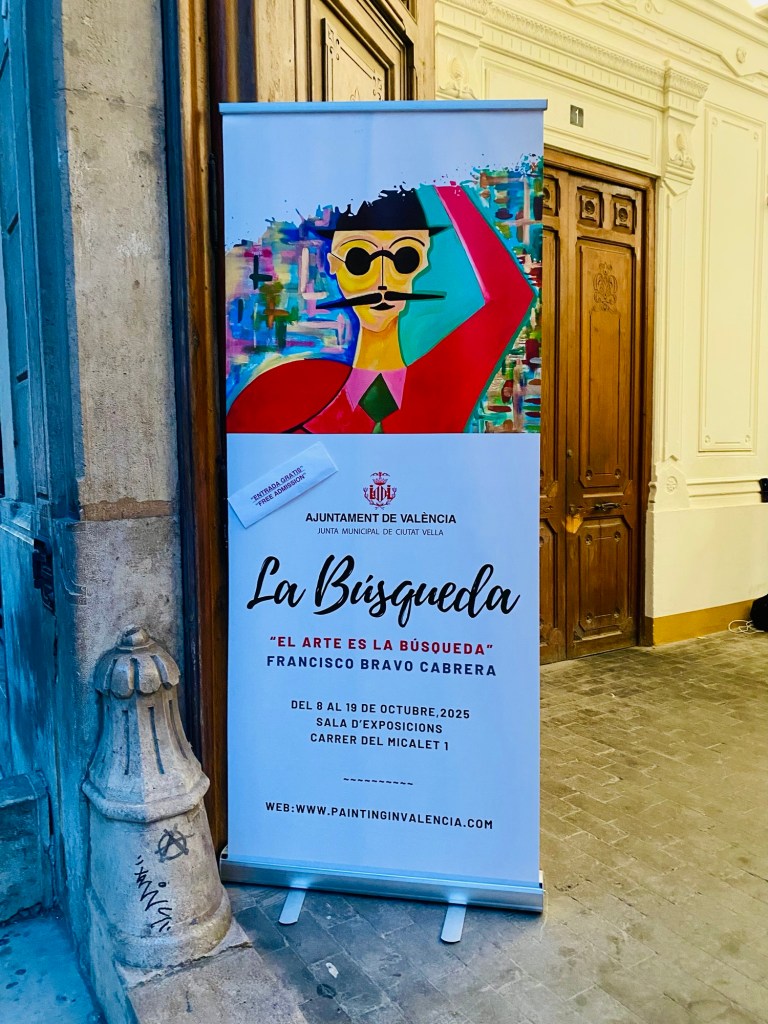
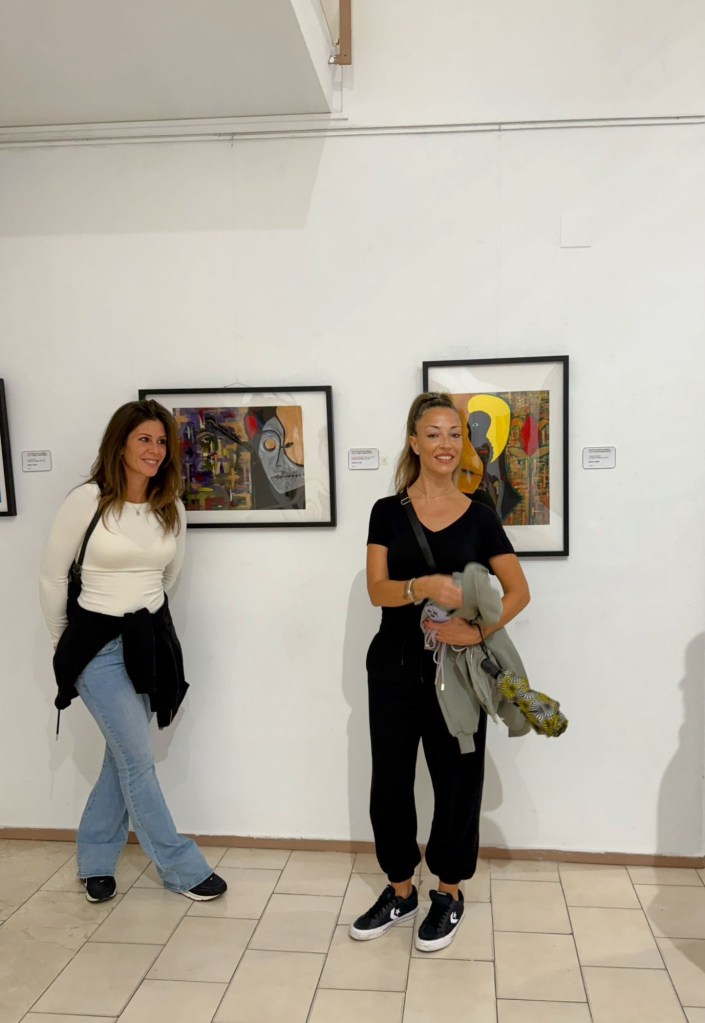
#art, “La búsqueda” la inauguración!

(Foto de FBC/D.R.)

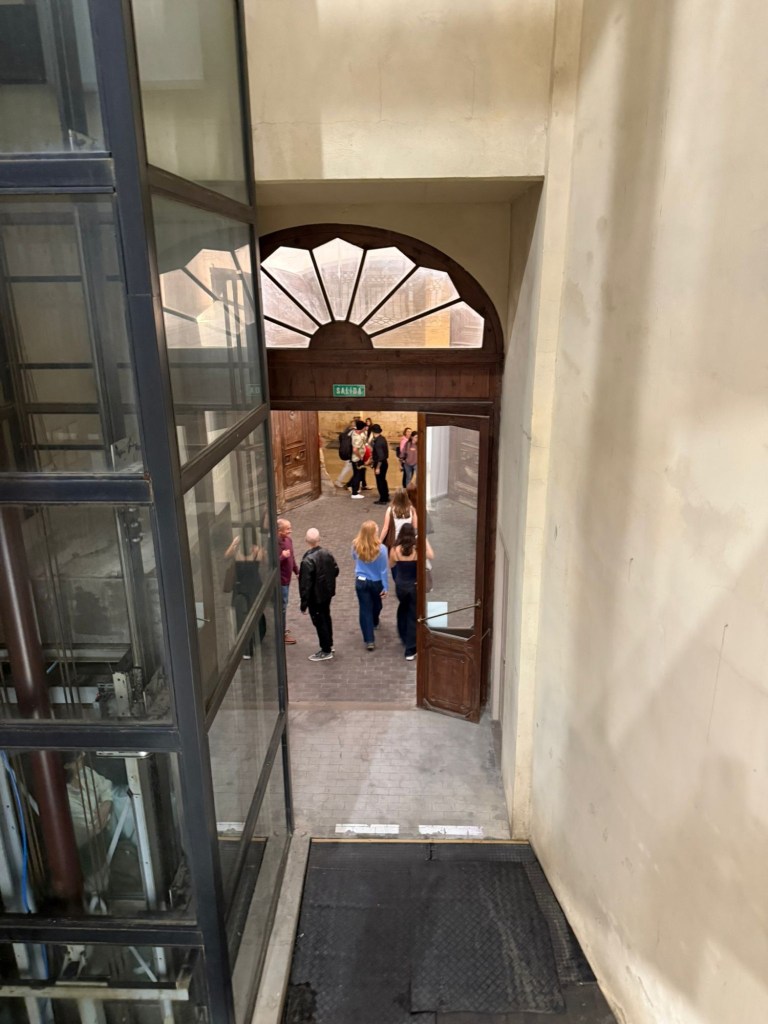
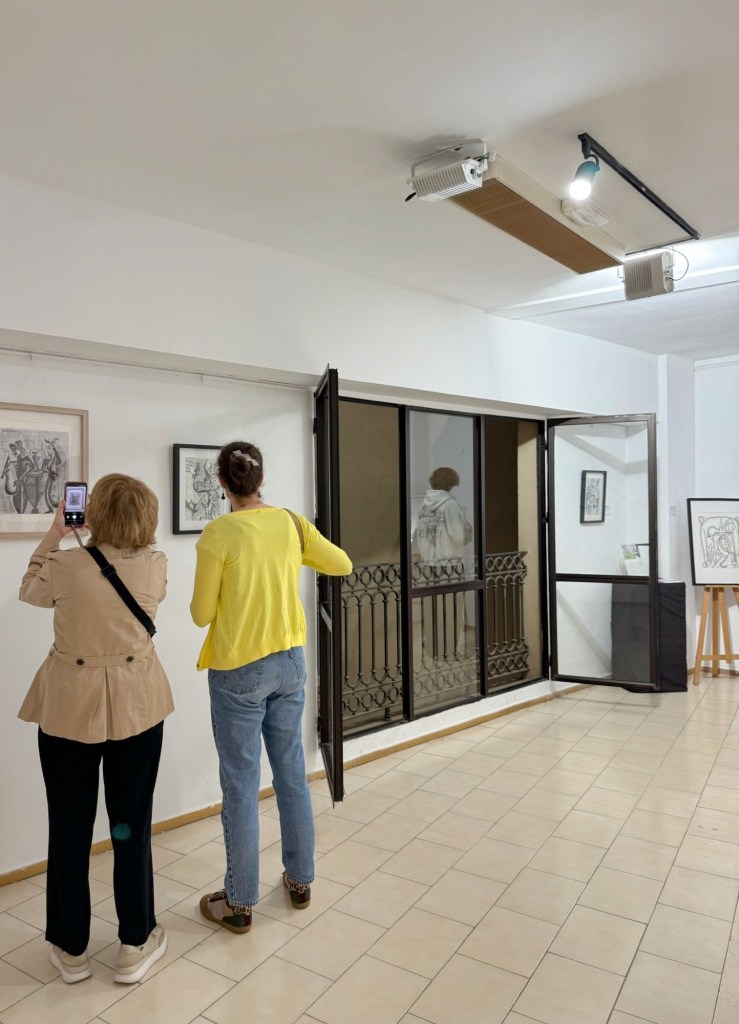
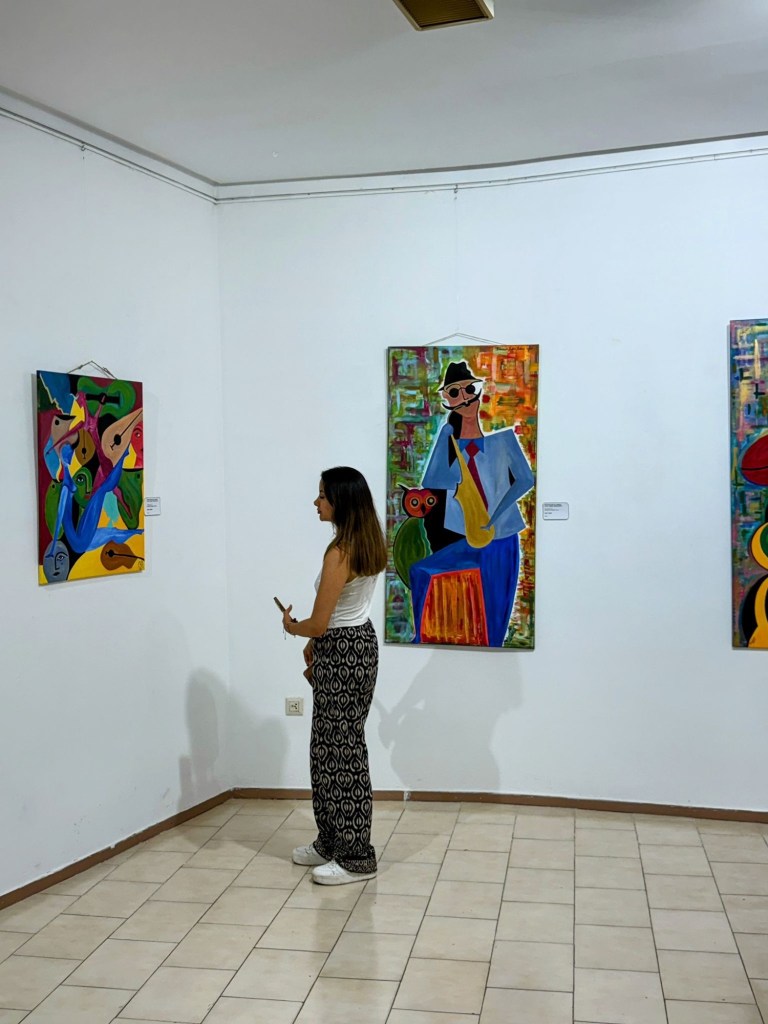
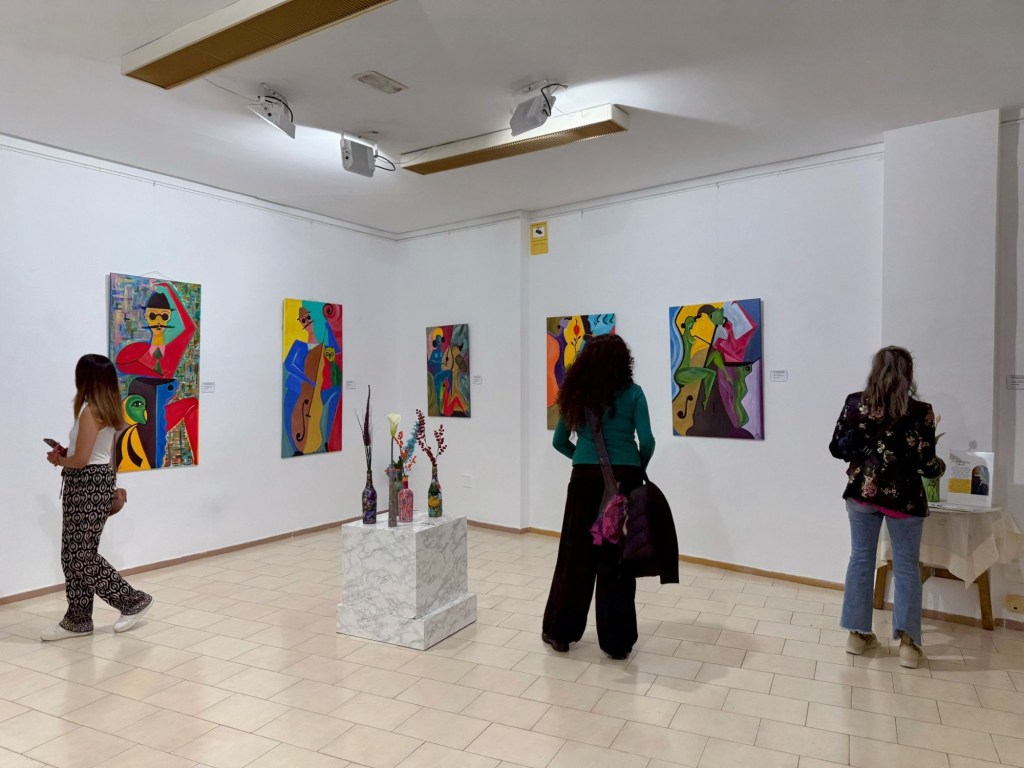
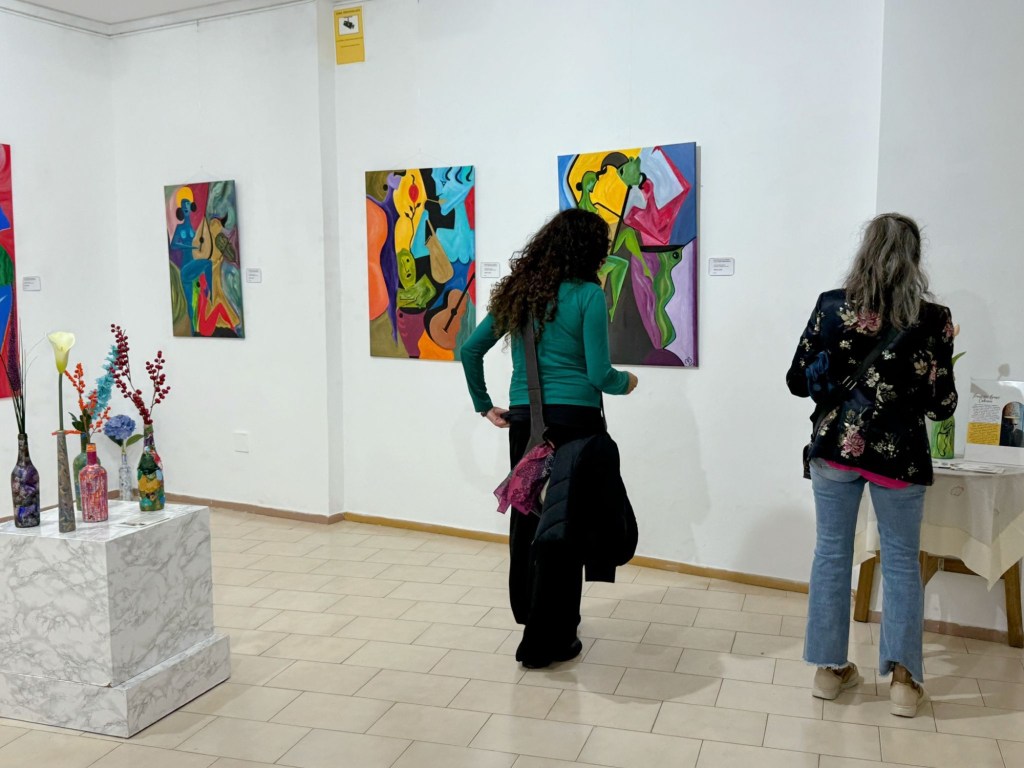
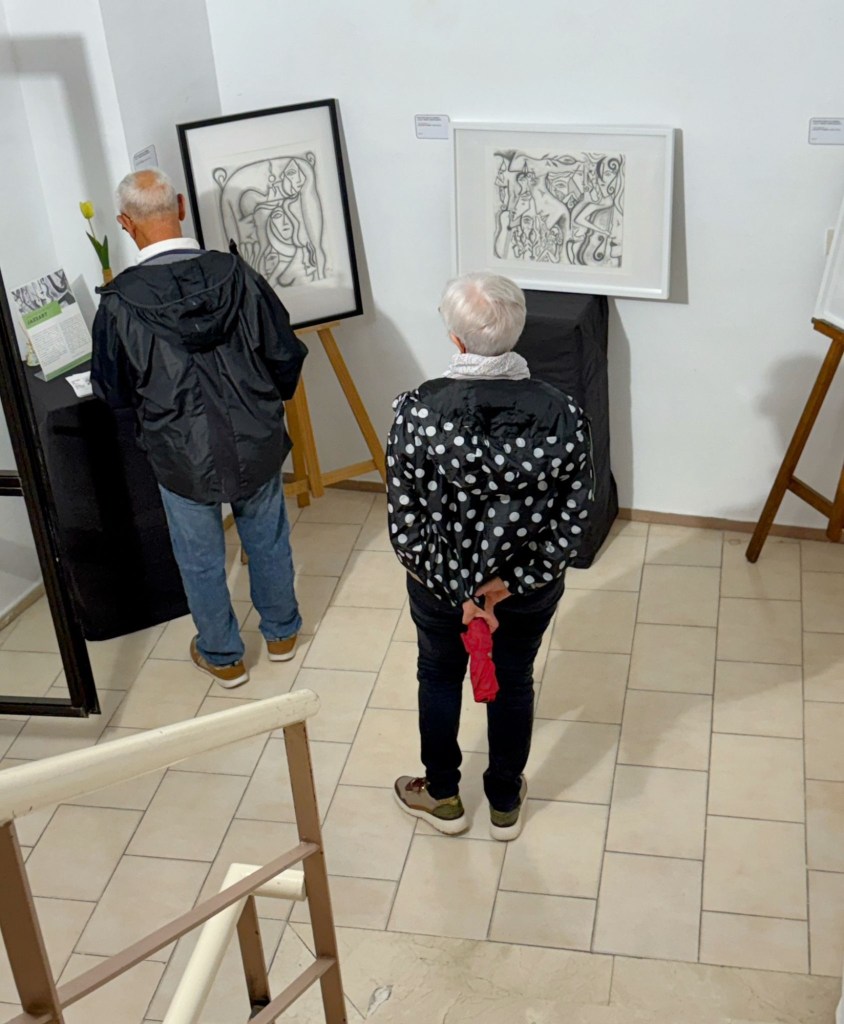
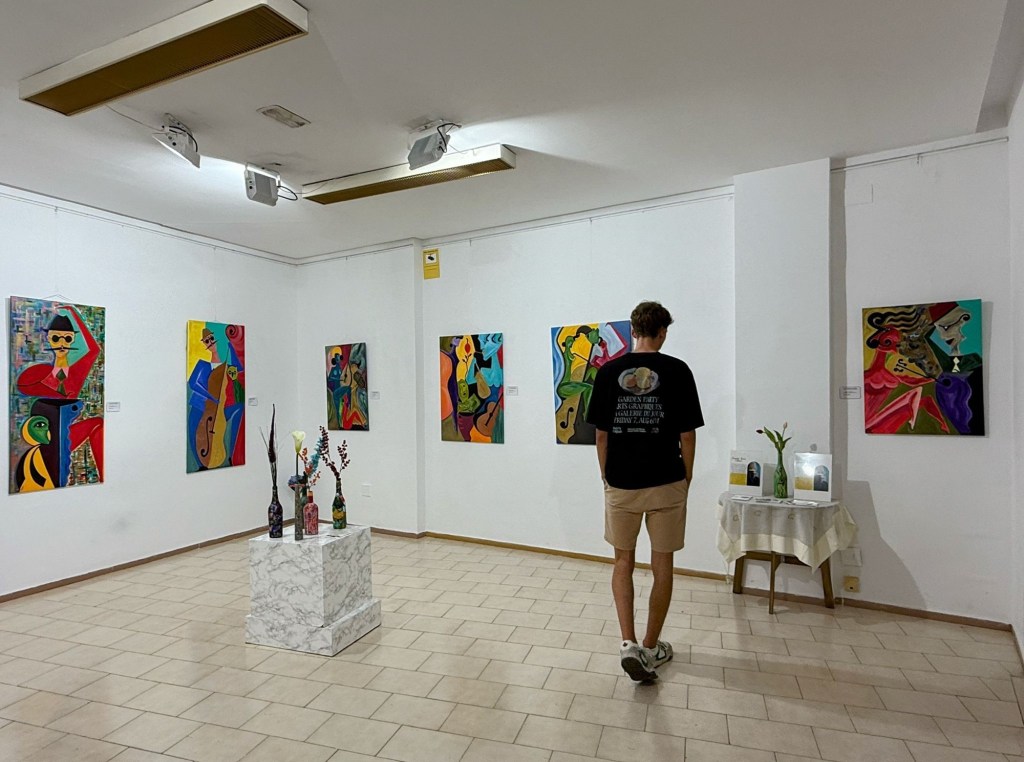
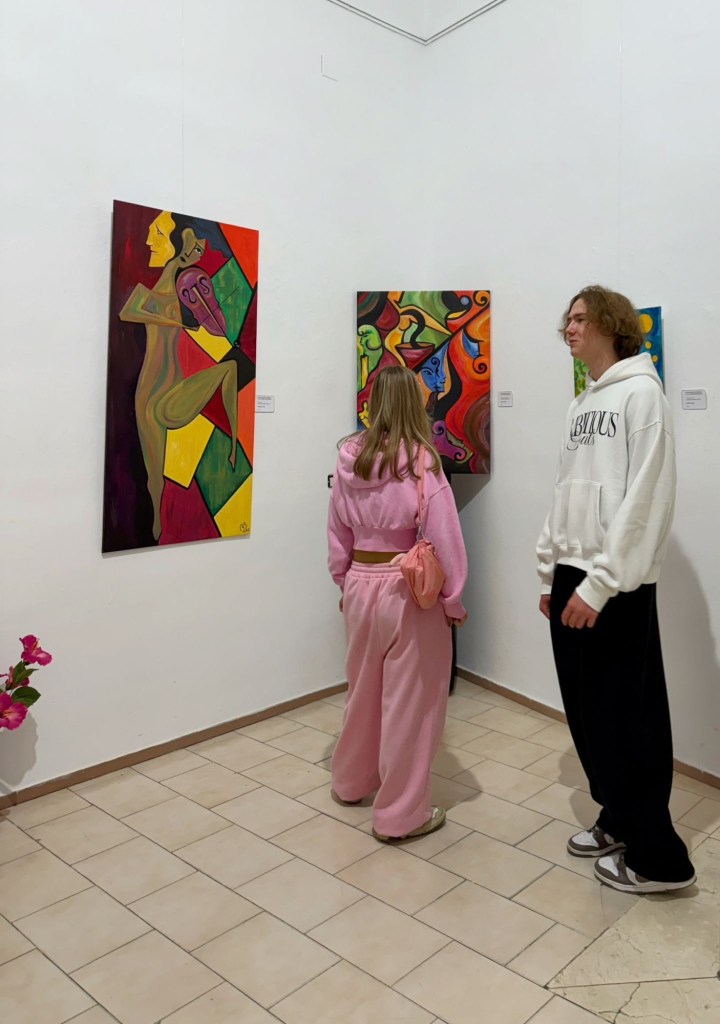
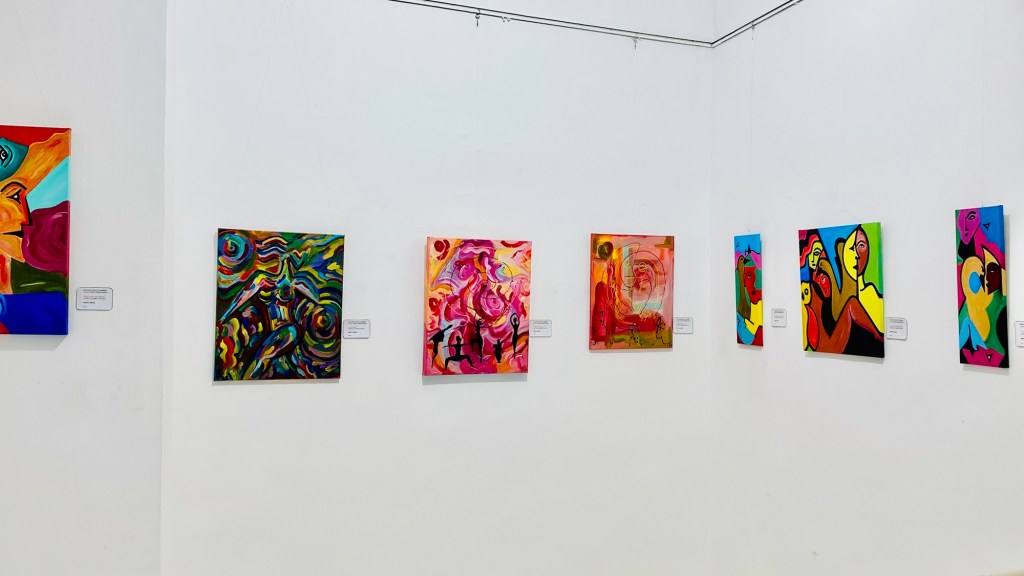
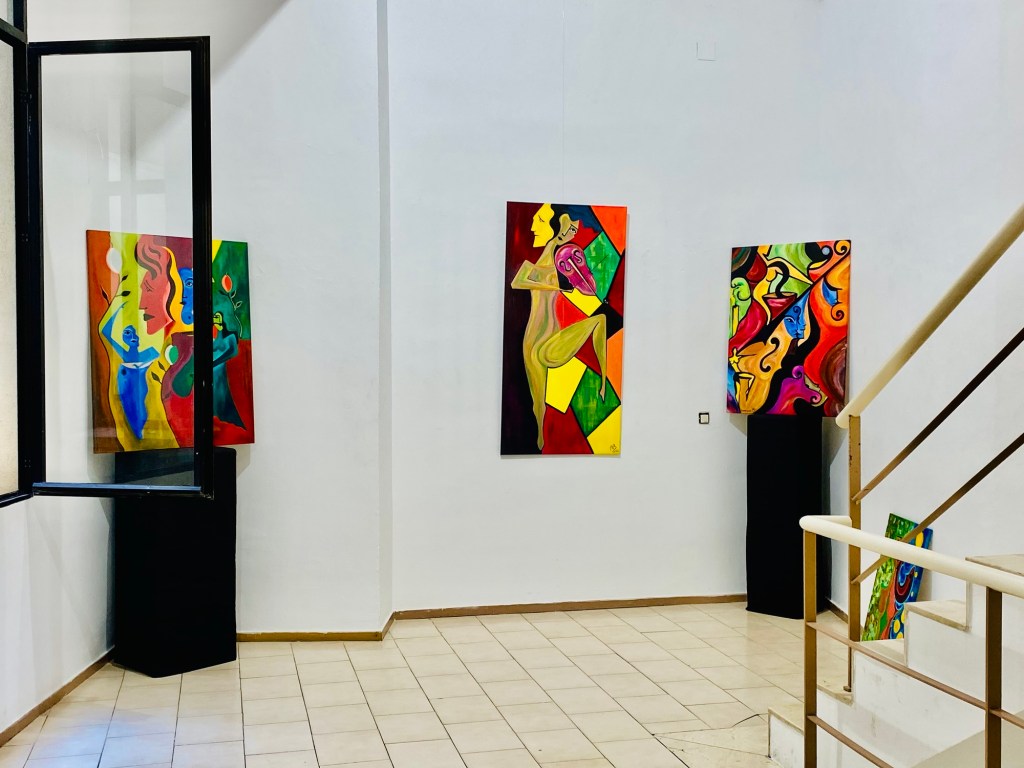
Abrimos las puertas a las 17 horas y fue todo un éxito. Felizmente vimos a más de 300 personas pasar por la exposición… seguimos hasta el 19 de octubre.

GRACIAS

#poem, «The Concerto of the Return»

(«Tchaikovsky»/Francisco Bravo Cabrera/All Rights Reserved)

“The Concerto of the Return”
(Based on Tchaikovsky’s Violin Concerto Opus 35 and while listening to it)

First Movement: Allegro moderato or “The Awakening”

The violin rises like a spark from the evening’s fire,
while the bow, scratching through the strings,
awakens as sunlight dances on last night’s snow.
A melody, that rips through tender skin,
dares to absorb the lingering odours
of bodies that danced between sorrow and splendour,
absorbing the silence of a self-imposed exile,
and the hush of the autumn air over the stillness of Lake Geneva.
Each note, each phrase, ascends as warriors do,
or as those who yearn for absolution but do not implore it
finding a forgiving chord, D major.

Second Movement: Canzonetta or “The Remembering”

But our thoughts often reach far down to the minor keys
and our voices tremble with the lies we’ve exploited.
The orchestra of the Tower of Babel,
with her choir of many voices, pauses and listens…
Not an instrument is heard, just the sound of many voices,
who sing of love undone and bleeding on a letter never sent…
The Tower of Babel weeps, as does her choir of many voices,
who hum and imitate the sound of leaves
pushed and pulled by autumn’s winds,
and then silence as divine grace begins to mend our broken hearts


Third Movement: The Finale or “The Rebirth”

From the marrow joy resurfaces as something fierce and irrepressible,
the essence of being alive.
The bow cuts through melancholic chords like a Cossack’s blade,
as the orchestra dreams with their feet as they dance.
Defiance!
Our bones are mended and we can dance!
Love, lust, fear, passion, and desire,
grow as does the thunder of a wild applause,
and whirl in the ecstasy of the release,
as the final chord marks a new beginning.
There is no end, just a winding road
to reach the place where one can learn
that a if a song is born of sorrow,
then from silence we are born.
So let us lift our glasses and toast to life!

C.2025, Francisco Bravo Cabrera – 04 OCT 2025 – Valencia, España

+++

NOTA BENE

Tchaikovsky’s Violin Concerto in D major, Op. 35 (1878) is a phenomenal concerto, and one of the most popular and loved in the violin repertoire. It is known for its brilliance, lyricism, and emotional intensity. The concerto consists of three movements:

  1. Allegro moderato – Opens with an orchestral introduction that leads to a virtuosic violin entrance. The movement blends Romantic lyricism with technical prowess. The first movement is full of warmth and sweeping melodic lines.
  2. Canzonetta: Andante – The second movement is tender, and melancholic. This interlude in G minor, is a rather intimate dialogue between the soloist and orchestra. It has a wistful, song-like quality.
  3. Finale: Allegro vivacissimo – The finale, as it should be, is fiery. Consisting of a folk-inspired dance, it bursts forthe with energy and rhythmic vitality. It concludes the concerto in a superb manner displaying brilliance and joy.

Tchaikovsky, (Piotr Ilich Chaikovski, 1840-1893), was born in Vótkinsk, Rusia and was a composer of the Romantic Period. He was actually the first, of the many Russian composers, to make an international impression. His repertoire includes: The ballets Swan Lake and The Nutcracker, the 1812 Overture, his First Piano Concerto, Violin Concerto (Opus 35), the Romeo and Juliet Overture-Fantasy, several symphonies, and the opera Eugene Onegin.

He composed the Violin Concerto in 1878, shortly after completing his Fourth Symphony and the opera Eugene Onegin. This period followed a major emotional and psychological crisis which was his disastrous marriage to Antonina Milyukova in 1877. The marriage lasted only a few weeks and left him deeply shaken.

To recover, Tchaikovsky retreated to Clarens, on Lake Geneva (Switzerland). While there he stayed with his student, and close friend, Yosif Kotek. In that most beautiful part of the world, and with renewed creativity, and emotional healing, he wrote the Violin Concerto in just a few weeks.

Interestingly, violinist Leopold Auer, for whom the work was originally intended, rejected it as “unplayable.” The concerto was not premiered until 1881, and performed by violinist Adolf Brodsky in Vienna to mixed critical reception at first, though it later became a cornerstone of the violin repertoire.

CHEERS
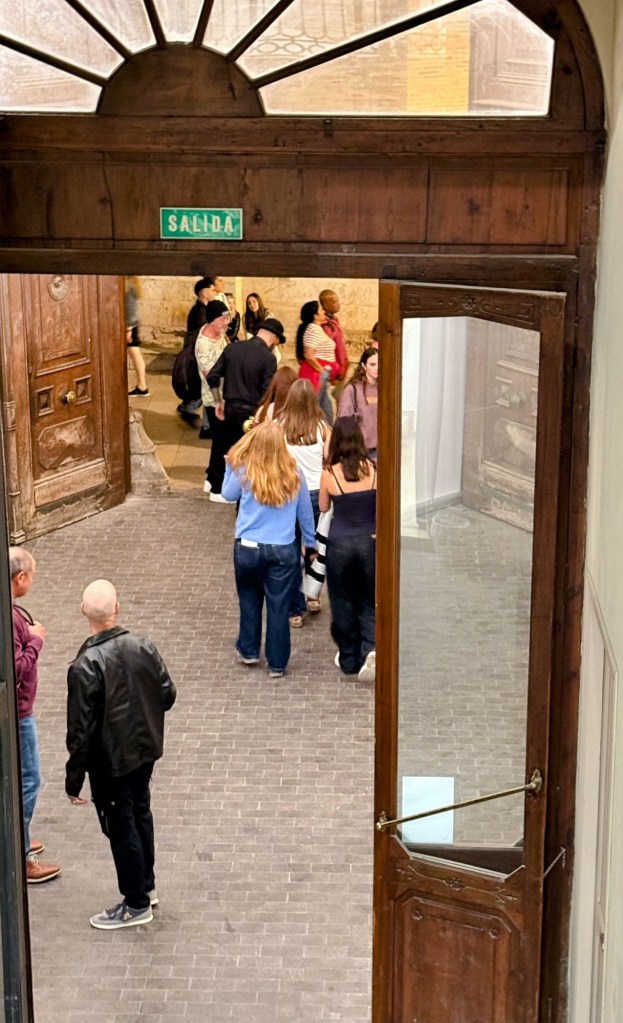
#poem, «Forests in the Blackness of Silence»

(«Viendo luces»/Francisco Bravo Cabrera/All Rights Reserved)

Forests in the Blackness of Silence

(We ask you kindly to please like, comment, share and subscribe as this helps our channel)

Space unravels like salt spilling from a shaker
someone knocked off the kitchen counter,
and the salt that spilt is a reminder
of little stars of white
that shine in forests in the blackness of silence.

Reality floats like trees without roots,
tanning their leaves
in the bright midnight sun
made of honey and flour.

Discarded thoughts travel sideways along the Milky Way,
combining intention and starlight into tangled braids.
Wishes drift in flocks migrating through colourful streets
toward the forest in the blackness of silence.

Planets pretend to exist,
black holes hum lullabies
to lull in restless dreamers,
as meteors brush past
like moths too shy to burn.

Perhaps we are just players
in a matrix filled with light,
our earth, our bones, our daydreams,
created to arouse the sleeping prophet dreaming
that holds us in his arms.

In the end,
there is no end.
only more of the beginning,
multiplying silence to the nth degree,
turning infinity into
the salt shaker of absurdity.

A forest in the blackness of silence
is a song composed of smoke
that fills the empty hours…


C.2025 – Francisco Bravo Cabrera – 21 SEP 2025 – Chios, Greece

CHEERS

Hoy se inaugura “La búsqueda” exposición de arte en València – Hui s’inaugura “La búsqueda” exposició d’art a València

(Foto de FBC/Derechos Reservados)

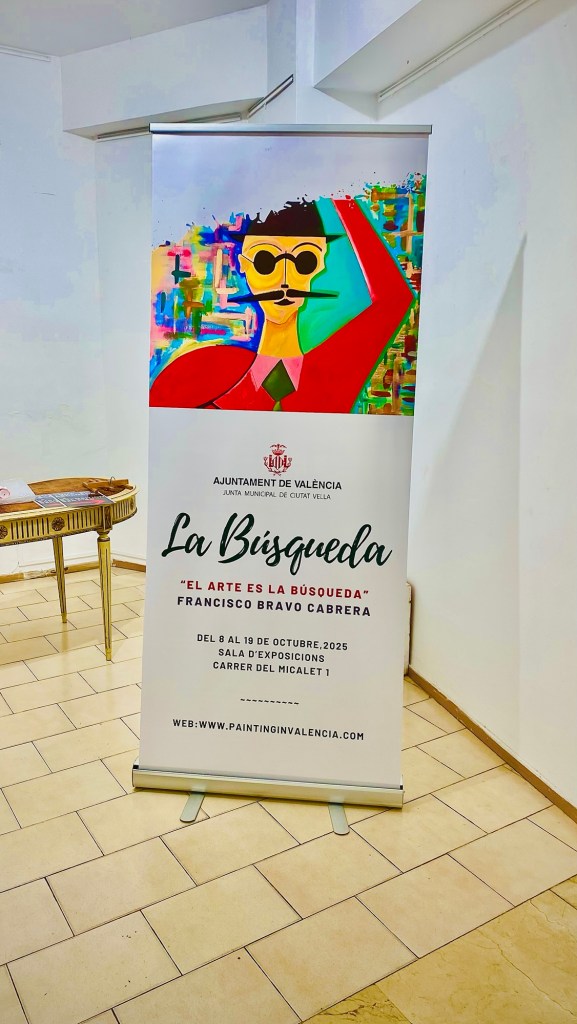
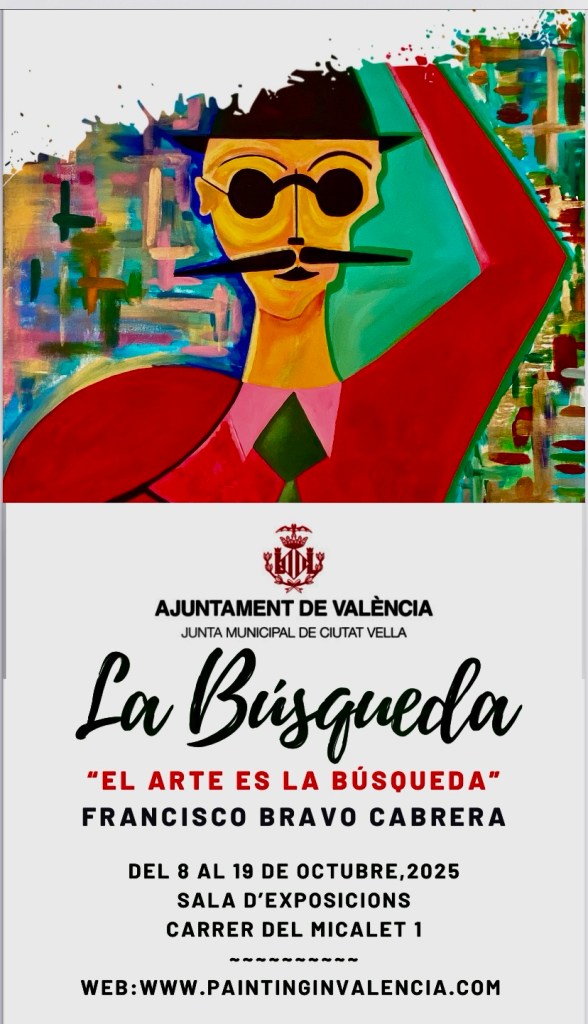
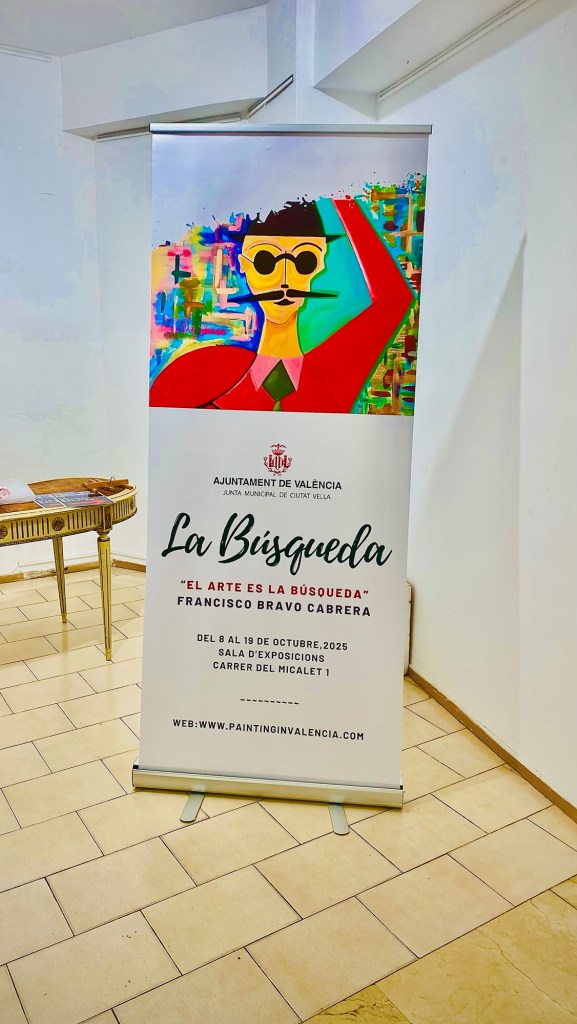
Hola y bienvenidos a mi segunda exposición (la primera fue “Atrevete”/2023) en mi ciudad de València. Abrimos las puertas mañana, 9 de octubre, día de València y la exposición durará hasta el domingo 19 de octubre.

+++

Hola i benvinguts a la meua segona exposició (la primera va ser “Atrevete”/2023) a la meua ciutat de València. Obrim les portes demà, 9 d´octubre, dia de València i l´exposició durarà fins al diumenge 19 d´octubre.

LA BÚSQUEDA

Carrer del Micalet, 1 – Sala d’Exposicions de Ciutat Vella, València.

GRACIAS – GRÀCIES

Mañana abre “La búsqueda” – Exposición de arte de Francisco Bravo Cabrera – Demà obre “La búsqueda” – Exposició d’art de Francisco Bravo Cabrera

(Derechos Reservados)

Abrimos celebrando nuestro Día de València, el 9 d’octubre… os esperamos…

Obrim celebrant el nostre Dia de València, el 9 d’octubre… us esperem…

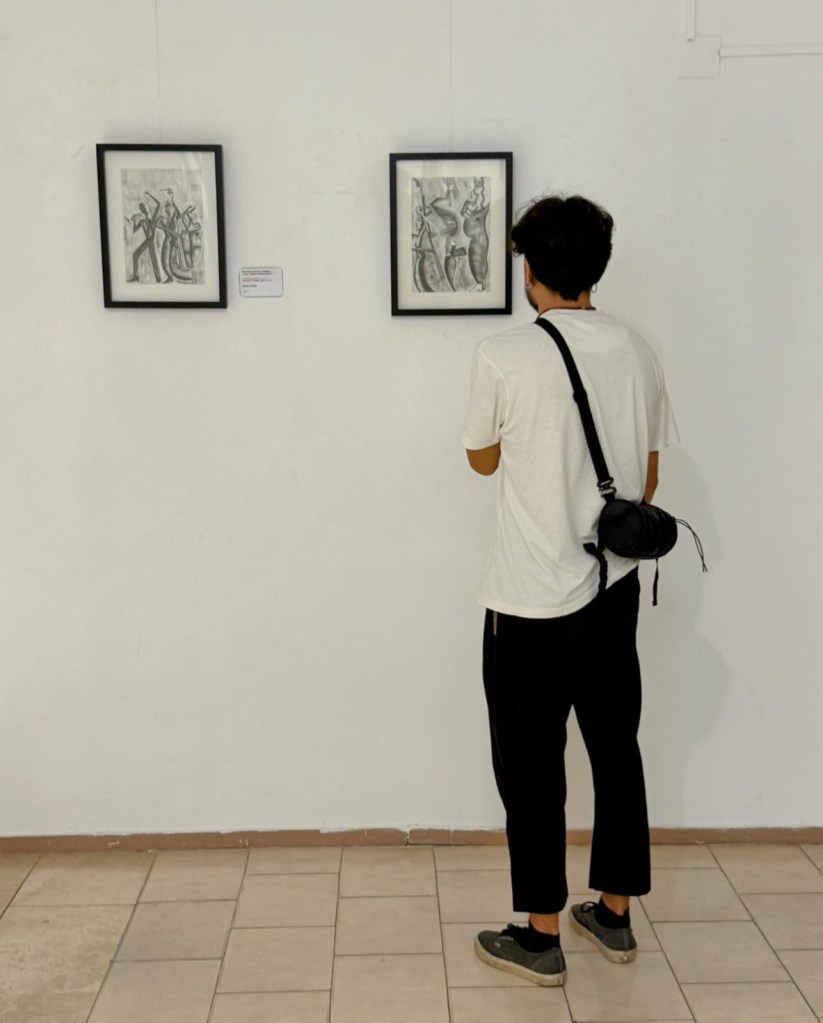
Aquí algunas imágenes de la exposición:

Aquí algunes imatges de l’exposició:

GRACIAS GRÀCIES

Tomorrow “La Búsqueda” opens in València!

(Photo FBC/OCS Valencia/All Rights Reserved)

Welcome to our second major exhibition in València. Our first, “Atrévete” was in 2023. We open the show tomorrow, 09 OCT 2025 at the Sala d’Exposicions de Ciutat Vella, right in the heart of our city, València! Carrer del Micalet, 1.

Here are some previews of the show…

CHEERS

#poem, «Little Purple Trees»

(Image by Francisco Bravo Cabrera/All Rights Reserved)

Those Little Purple Trees
(Listening to Mozart’s Oboe Quartet K.370)

So they’ve discovered space and planets,
with telescopes and instruments that measure
even the slightest degrees of their absolute silence,
and they say it’s a void dark and eternal,
they call it the universe and say it’s empty.
But it isn’t, no, not at all.
In those places, that now we cannot see, there are forests,
not of oak or pine,
but of little purple trees whose leaves and branches
are whispering about the futility of their discoveries
and how they waste our time.

Little purple trees grow,
as do those imagined asteroids
that orbit moons and dance with icy comets,
and become the daring iconoclasts sipping tea in earthly gardens.

Astronomers deny them as they do not fit within their schemes,
which are filled with laws and theories like gravity.
They’ve convinced us there are things we’ve never seen, or ever will,
like light years and black holes in outer space,
but for purple trees, in their schemes there’s no place.

Little purple trees are a judgement against closed-minded reason,
existing just to mock outlandish theories,
with their tiny roots and purple shade
which they provide in every season…

They’re the essence of truth,
the more absurd, the more phenomenal,
precise, perfect, fantastic,
makes them more real than quantum calculations
and more meaningful than algebraic equations.

And when the day arrives and we sail through purple groves
in wooden ships smelling faintly of lilac,
we will know with certainty there is no space,
that we exist within a garden,
where nothing’s empty,
and we will see,
next to apple, olive, pear and orange,
little purple trees.

C.2025 – Francisco Bravo Cabrera – 20/30 SEP 2025 – Chios, Greece

(We kindly ask you to please like, comment, share and subscribe as this helps our channel)

CHEERS