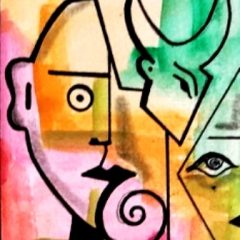
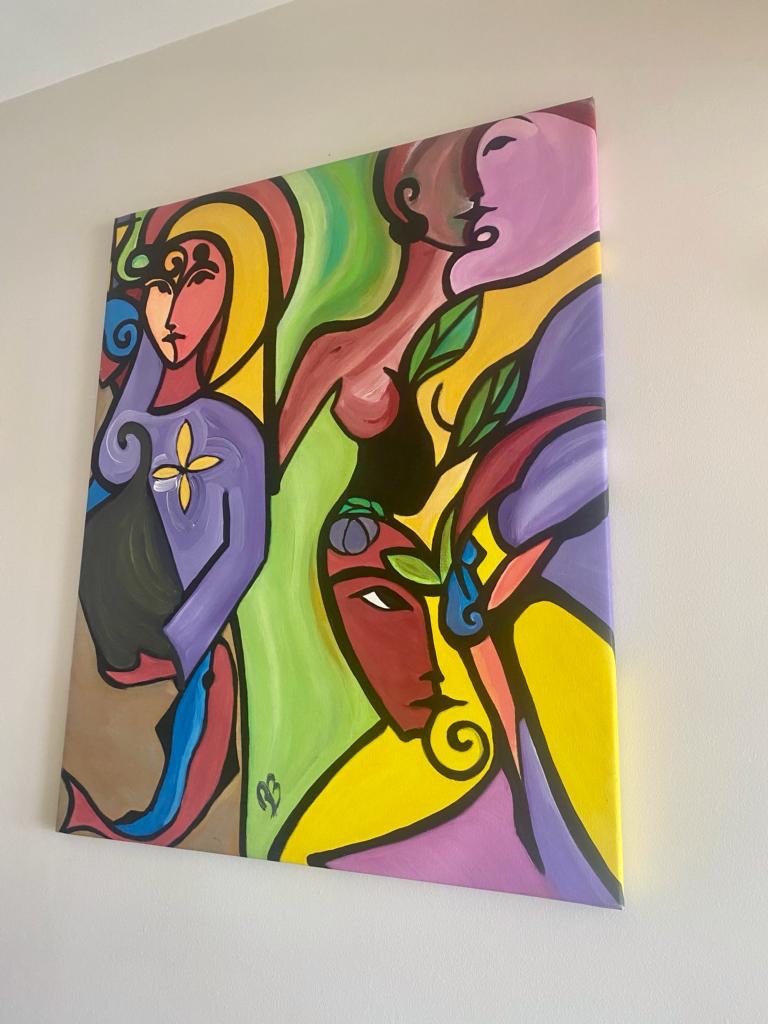
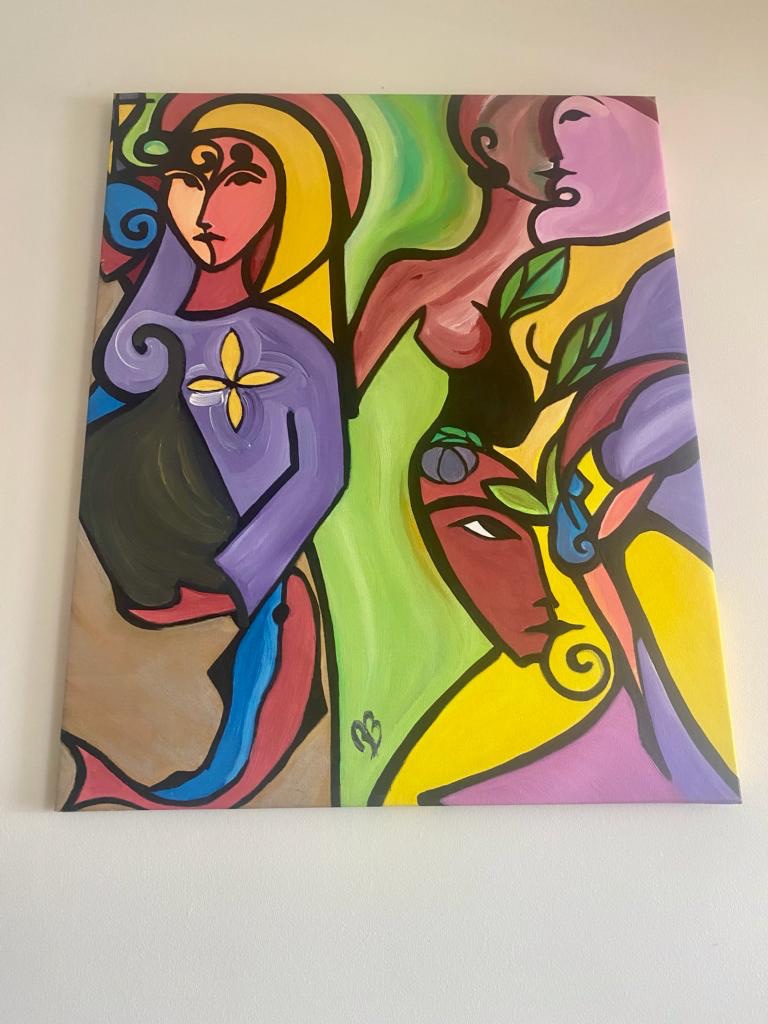
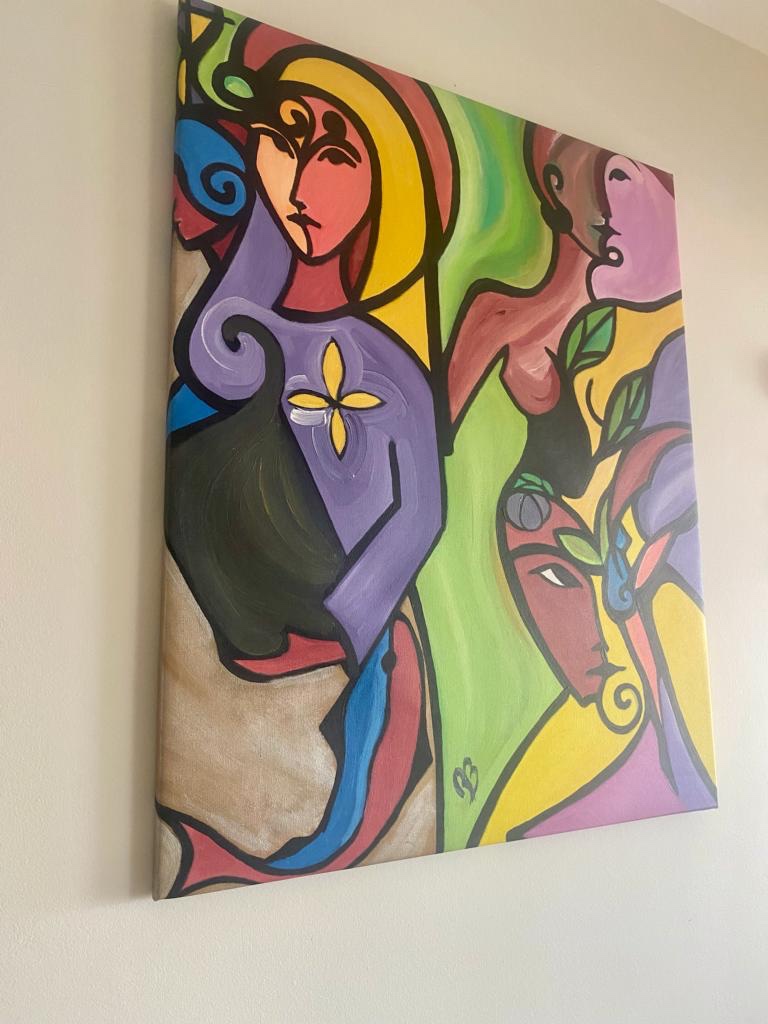
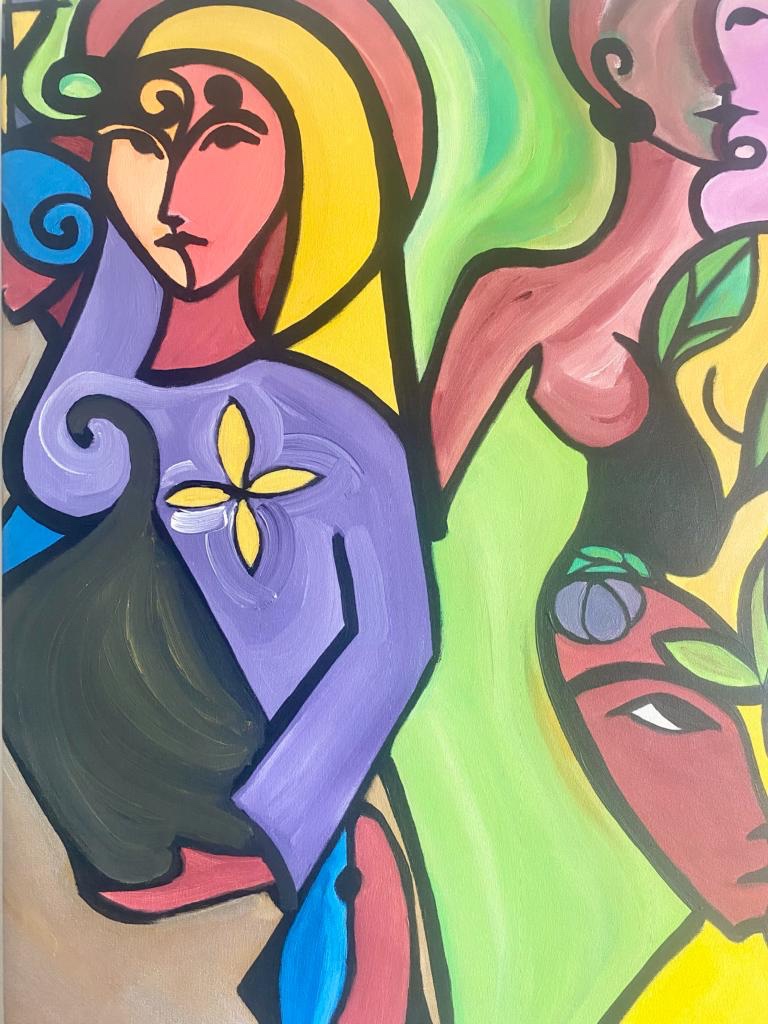
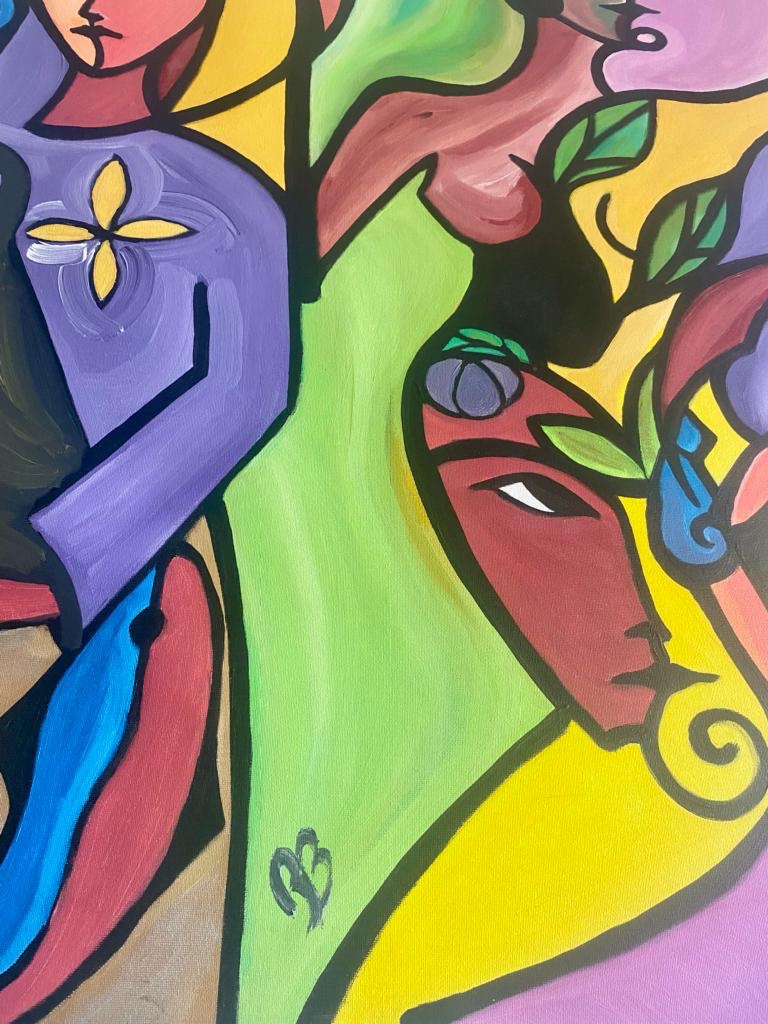
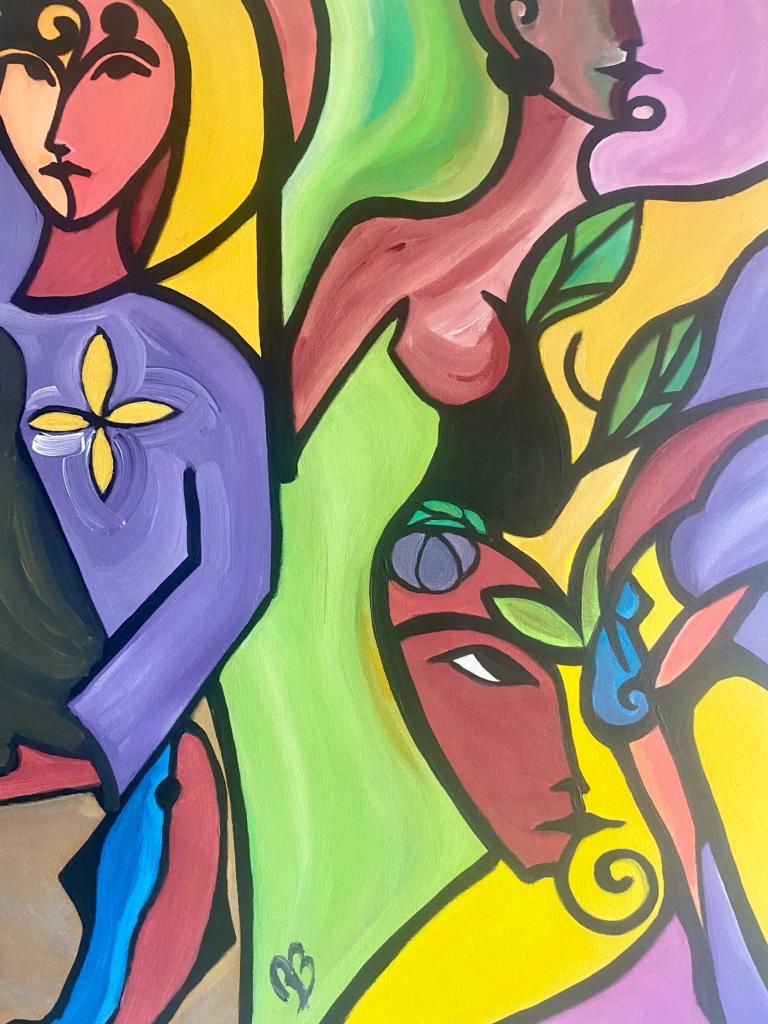
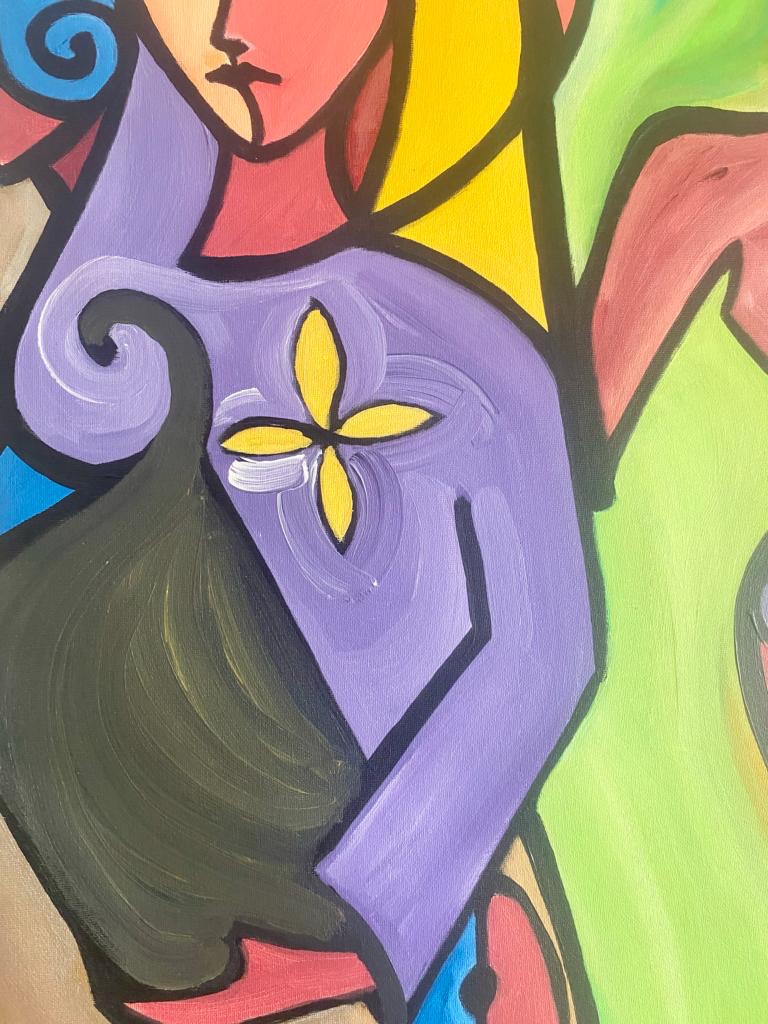
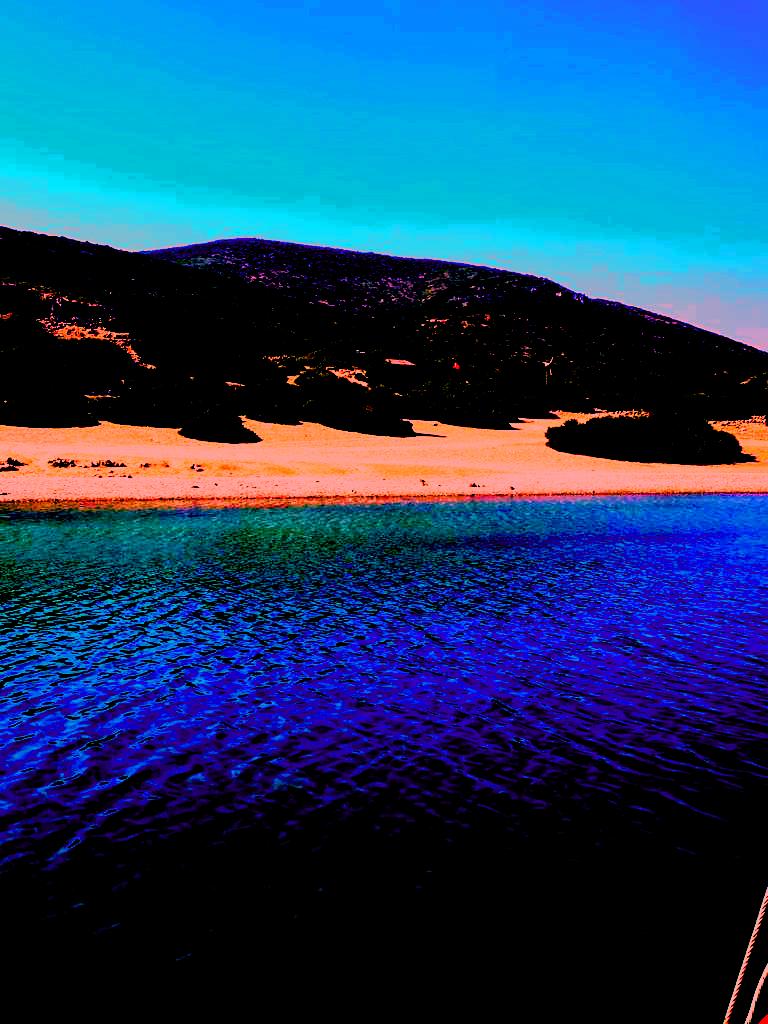
(Image property of FBC, Omnia Caelum Studios València. All Rights Reserved)
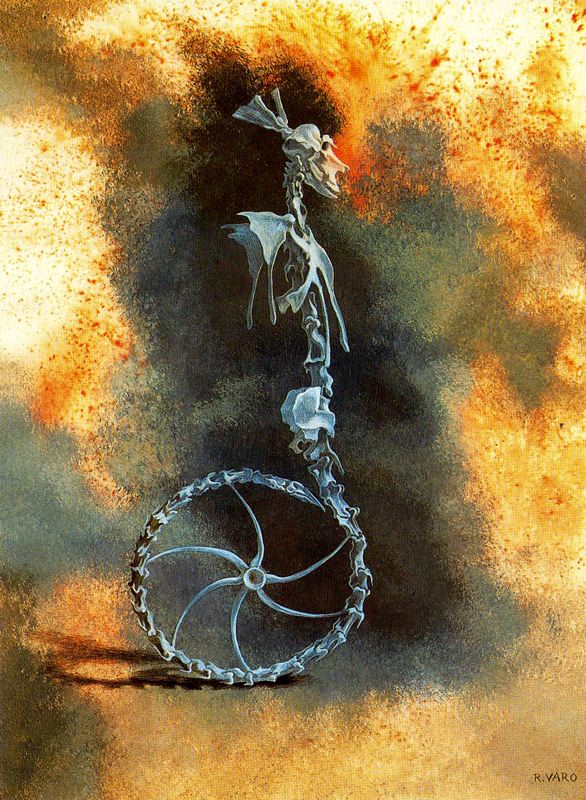
Siempre he batallado contra el estilo, pero a veces hay que abrazar al enemigo. Por consecuencia mi estilo es uno que he inventado yo, el «surreal-expresionismo»…
Los colores crean una abstracción que le da el toque surrealista a lo que es puramente un cuadro expresionista.
***********************************************
I have always battled against styles but sometimes you must embrace your enemy, as I have. Consequently my style, a style I’ve invented is “Surreal-Ezpressionism”…
Here the colours create abstract art which s we’ve to give the painting its surreal quality while remaining a genuine expressionist work.
(Images property of FBC, Omnia Caelum Studios València. All Rights Reserved)
(Image property of FBC, Omnia Caelum Studios Valencia. All Rights Reserved)
Os dare algunas respuestas:
Arte es útil, pues todo se ha inventado y desarrollado según conceptos artísticos, y aquí estoy hablando de los grandes inventos como los mas simples, digamos un cuchillo de cocina y un tenedor…
El arte lo decide nuestra pupila, nuestro cerebro, basándose en nuestra cultura y experiencias…
El concepto de «arte» va cambiando según cambian los tiempos, y según el lugar. o sea, es parroquial y a la vez evoluciona…
La sociedad también decide que cosa es arte y le da valor.
No creo que el arte sea, necesariamente, producto de la imaginación, pues la imaginación esta sometida a nuestras experiencias y a criterios previos…
Para determinar que cosa es arte, la tenemos que someter a seis pasos: El rechazo; la resistencia; la resignación; la aceptación; la exaltación y la transmisión.
El arte tiene grados, pero básicamente una obra de arte es buena o mala.
Hay referentes también, digamos las obras expresionistas ya juzgadas y admitidas en el haber social, si una obra se acerca a las aceptadas es considerada arte…
Y hay que fijarse bien pues el rechazo a algo nuevo, totalmente nuevo, puede indicar que esa cosas nueva o no sirva o que siga los pasos anteriormente mencionados y se convierta en arte…
Art is something useful in society because almost everything we use in our day to day life resulted from a design, in other words it came from an artistic expression, from an automobile to a fork and knife…
Art is judged by our eyes, by our brain based upon our cultural level and our experiences…
The concept of art changes according to the times and to the geography, in other words it is regional as well as it evolves…
Society also decides what is art and gives it value…
I do not think art is necessarily a product of the imagination because the imagination is fed by our experiences and prior criteria…
To determine what is art we must subject it to these six steps: 1- Rejection; 2- Resistance; 3- Resignation; 4- Acceptance; 5- Exaltation; 6- Transmission…
Art has degrees, but basically it is either good or bad…
There are references established. If you create an expressionist work, modeled and in the style of the accepted expressionists you will create art. It would not be revolutionary or new, but it will be classified as art…
And we should think closely about rejecting a style different or new. It could end up being simply rubbish, or it could be on the way to becoming art…
(2022: Porfa, no te olvides de darle el «like», comparte para seguir el debate y comenta – Please do not forget to «like, share and comment» so we can continue the conversation)
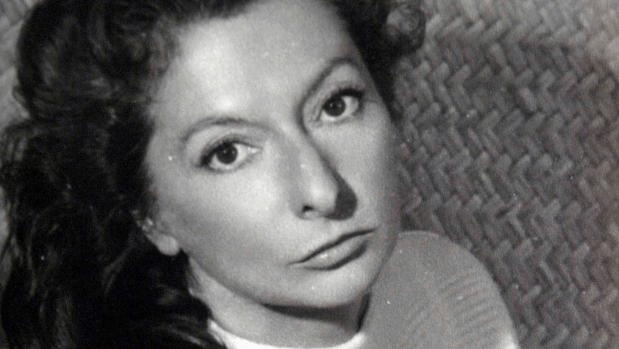
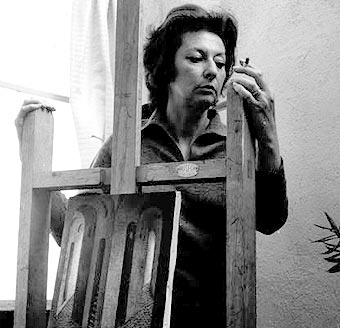
(Remedios Varo, photo courtesy of ABC newspaper of Spain)
This first page of this limited series, that will feature my favourite women artists, brings you one that I greatly admire, Remdios Varo. She is considered a Spanish-Mexican artist, or in some articles/books, a Mexican artist. However, she was born in Girona, Catalunya, Spain. And I am a bit pissed at the fact that no one spoke to me about her while in Art School at uni!
I don’t consider her a Mexican artist, although really it doesn’t matter at all, because she was formed in Spain. Actually she was one of the first women to study at the Real Academia de Bellas Artes de San Fernando de Madrid (The Royal Academy of San Fernando for the Fine Arts of Madrid). She moved to Barcelona in 1932, worked as a commercial artist/designer and joined the Catalan surrealist group Logicofobista. She went to Paris in 1937 together with the French surrealist poet Benjamin Péret. In 1941 when the Nazis conquered Paris, she sought political exile in Mexico and, destiny interfered and she was never able to return to Spain. She died of a heart attack in 1963 at the age of 54 in Mexico City. She never sought the Mexican nationality.
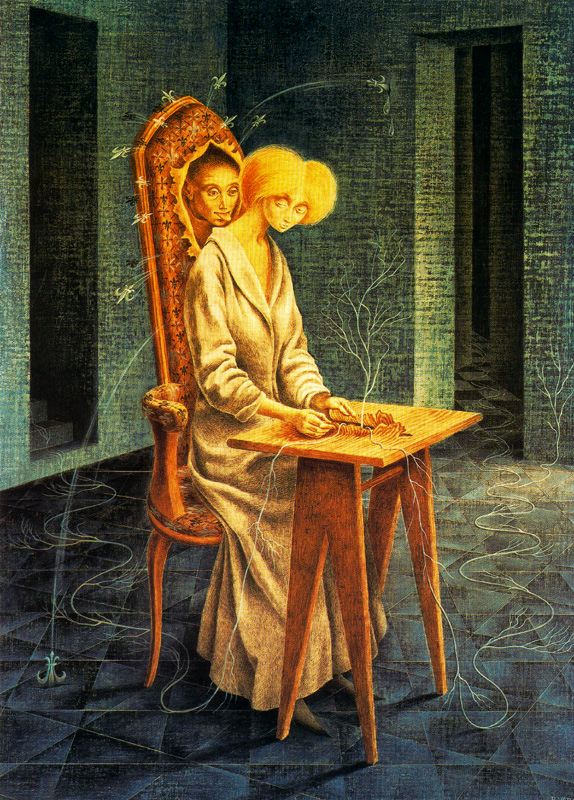
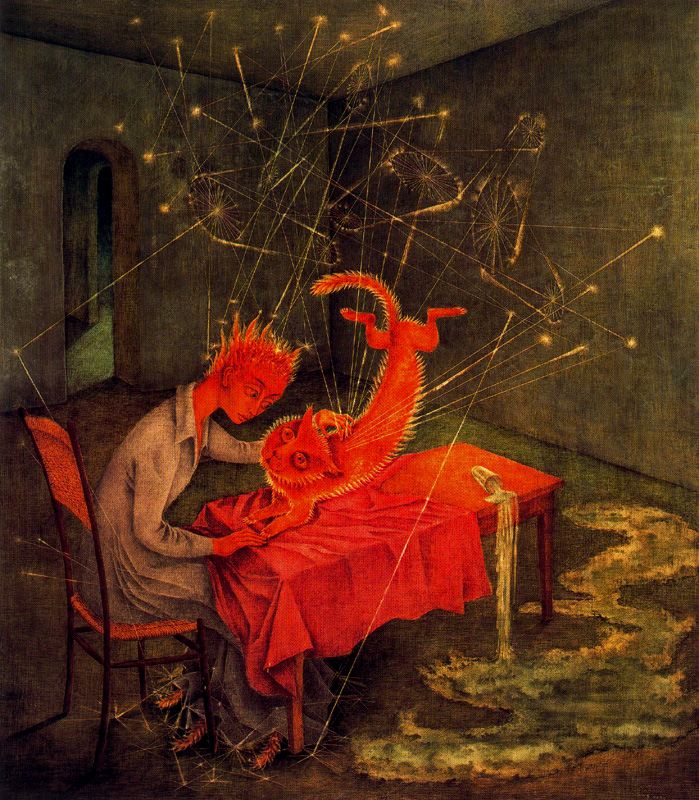
Her work is categorised…by many…as surrealism, but I disagree. She did join a surrealist group and I am sure she learned much from them. But I don’t think of her as a surrealist painter. I find her to be more in tune to painting images from literature and fantasy. And although she did make some surrealist drawings and sketches, I think those were part of her search, those were exercises and things she had to do to become a complete artist.
I will feature some of her work, but I strongly urge you to look further and if you have the opportunity to go see an exhibition of her paintings (which are rather rare), go, you will see amazing things!
I will leave it there, hoping that you will seek much further into this great woman artist and to others, because there are more. Just to mention an outrageous fact, here, at our great Museo Nacional del Prado in Madrid (one of the most famous and recognised museums in the world) there are only five women artists with eleven paintings within an exhibition of more than one thousand. This has to change.
(Remedios Varo: Girona, Catalunya, 1908-1963)
There are many, I am sure you have…by now if you watch my videos and follow my blog…gotten to know a few but next time I will feature another great one, featured in this video:
(Please do not forget to LIKE, to comment and SHARE)
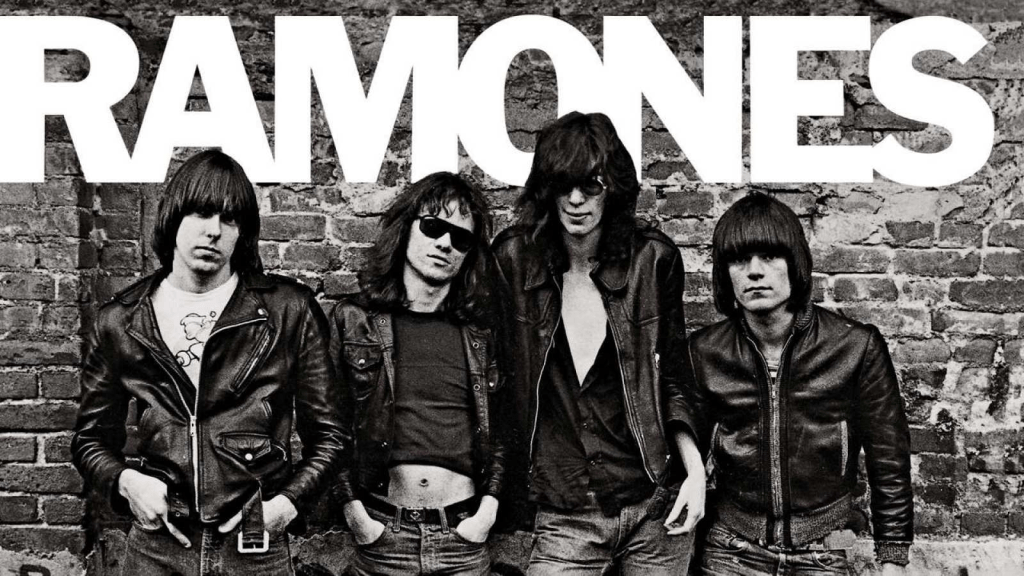
Now have some fun with Sheena…(I am sure she was a feminist!)
Si uno se guía por lo que ve en los museos del mundo uno se imaginaria que o no hay o hay muy pocas mujeres pintoras en la historia del arte, pero nos equivocaríamos. Claro que si las hay, pero las han dejado a un lado. Sabéis cuantas pintoras mujeres hay en el Museo Nacional del Prado? Pues os dire que solo cinco: Sofonisba Anguissola, Clara Peeters, Angelica Kauffmann, Artemisia Gentileschi y Rosa Bonheur y entre todas suman 11 pinturas en una exposición que tiene más de 1.150. Esto hay que cambiarlo…
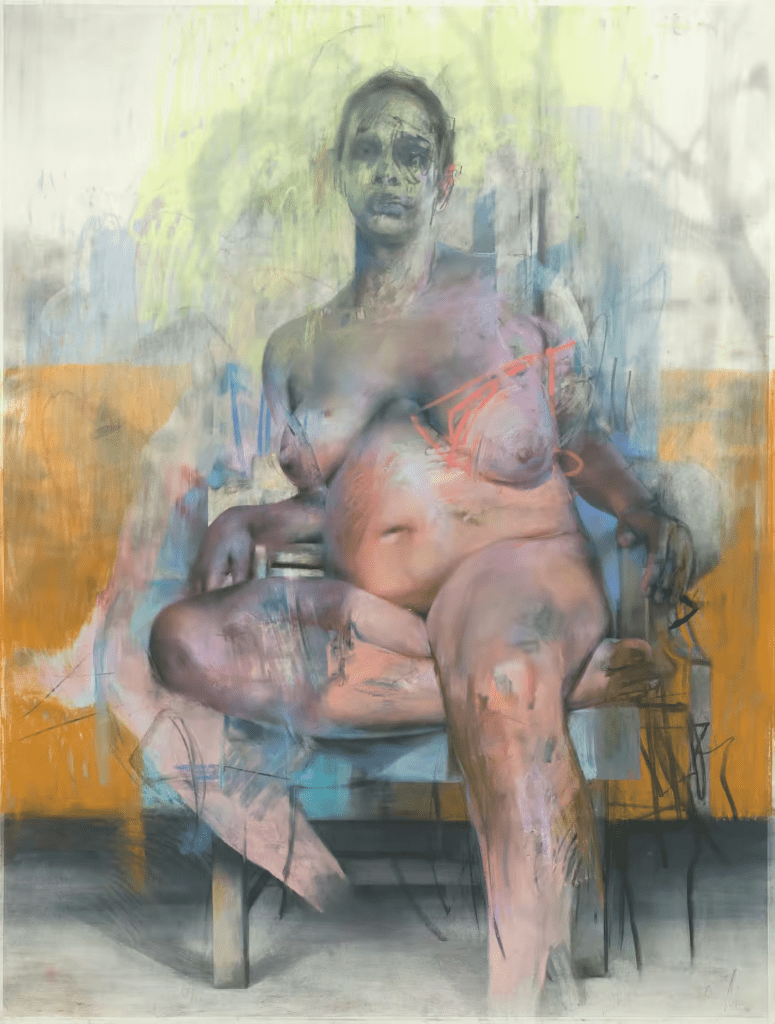
Pero entre las tantas y muy buenas mujeres que son artistas te voy a hablar de algunas que considero muy buenas. La primera, la que pintó el cuadro «Gestation», se llama Jenny Saville y nació en Cambridge, Inglaterra en 1970. Se le conoces por sus desnudos femeninos hechos a grande escala. Su trabajo ha revolucionado la forma de hacer retratos al desnudo y también redefinido lo que es la pintura figurativa.
Aquí os muestro algunos de sus cuadros pero os urjo que busquéis mas y si tenéis la oportunidad de ir a una de sus exhibiciones, iros que os vais a gozar de una experiencia visual fuera de serie.
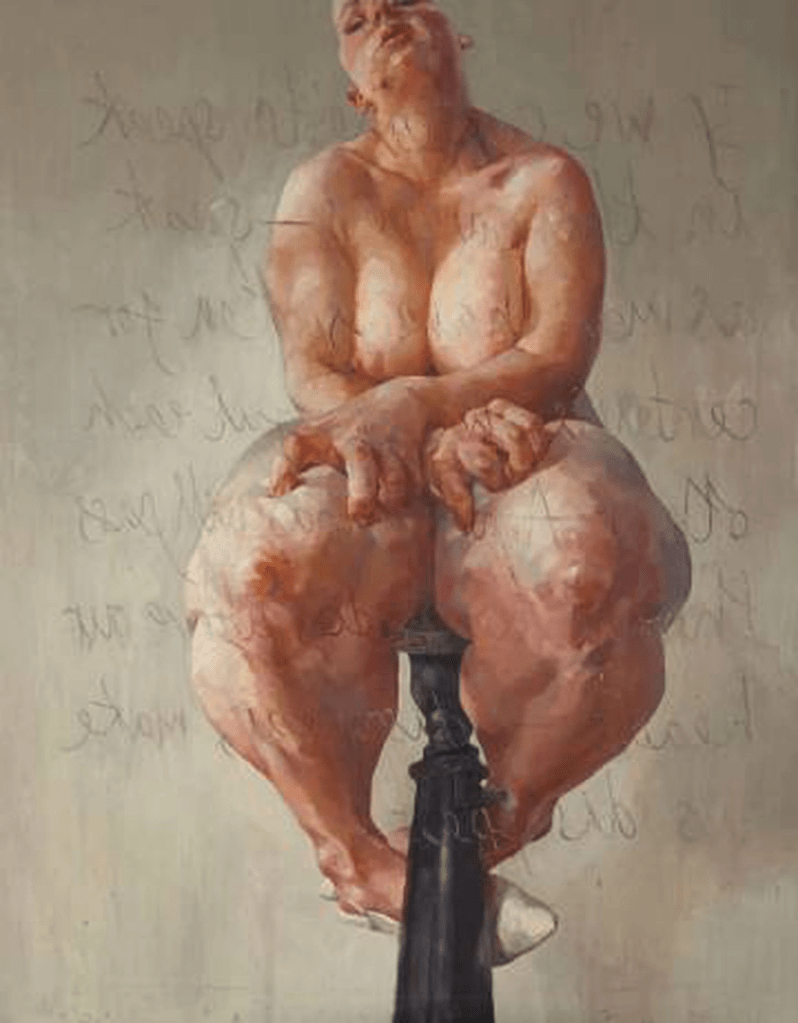
(«Propped» 1992)
Este cuadro, Propped (Apoyada) fue vendido en Sotheby’s por 10,8 millones de euros la noche del 05 de noviembre de 2018. Este fue el premio mas alto que se ha pagado jamás en subasta por una artista viva. Pero debido al paripé que se formo con la obra de Banksy, os acordáis, la que comenzó a auto-destruirse, la victoria se le oscureció a Saville. Claro, el mítico y misterioso luchador anti-sistema, que va por las calles impregnando paredes particulares con sus plantillas, se llevo la gloria de la noche.
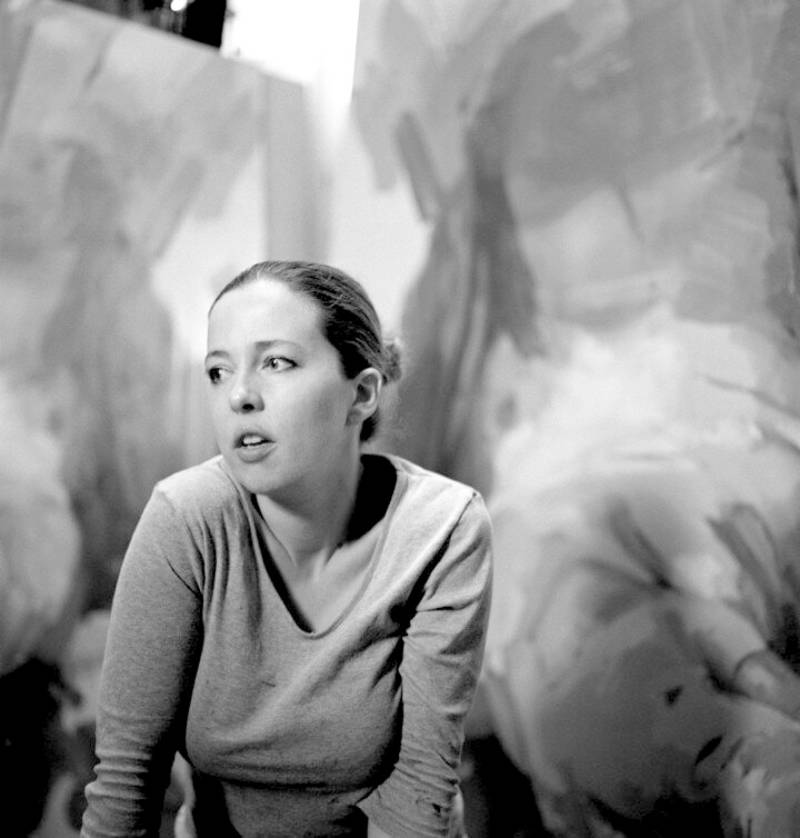
(Foto de autor desconocido)
Veo en su obra mucha influencia de Lucien Freud, aunque ella asegura que su interés por los cuerpos grandes y voluminosos surge de cuando vivió en EEUU y vio a tantas mujeres así andando por las calles en pantalones cortos. Además nos asegura que la influyeron los cuadros de Picasso, que pintaba cuerpos solidos y macizos.
Saville recibió su licenciatura en Bellas Artes de Glasgow School of Art donde estudió del 1988 al 1992. Tambien obtuvo una beca de la Universidad de Cincinnati en EEUU. Allí hizo cursos en estudios de mujeres (women’s studies) y estuvo expuesta a las ideas políticas de genero y a grandes escritoras feministas.
Esta es la primera edición de una serie limitada que busca explorar el arte y la vida y las experiencias de mujeres pintoras. Se publicará todos los martes en castellano y los miércoles en ingles (aunque el contenido puede variar). Quiero cerrar con una canción que creo muy apropiada para la serie.
By Francisco Bravo Cabrera (Comenzado el 17 de agosto de 2022, escuchando el Concierto de Oboe y Violín en Do menor, Allegro, Johan Sebastian Bach) Bueno, hoy os quiero hablar de una cosa que es, además de maravillosa, algo misteriosa, la memoria y los recuerdos que en ella guardamos. ¿Qué son los recuerdos? Venga, a […]