(Image by and property of FBC, Omnia Caelum Studios Valencia, All Rights Reserved)
(God knows we need peace now!)
Mr. Putin, you will be remembered as the Stalin (mad murderer of over 30 million people) of the XXI C. STOP THIS MASSACRE AND
GIVE PEACE A CHANCE
You are being a tyrant and you are abusing your own people, not to mention that damage, hurt and suffering you are causing to the Ukrainians. You do not belong there, so you should get the feck out!!!
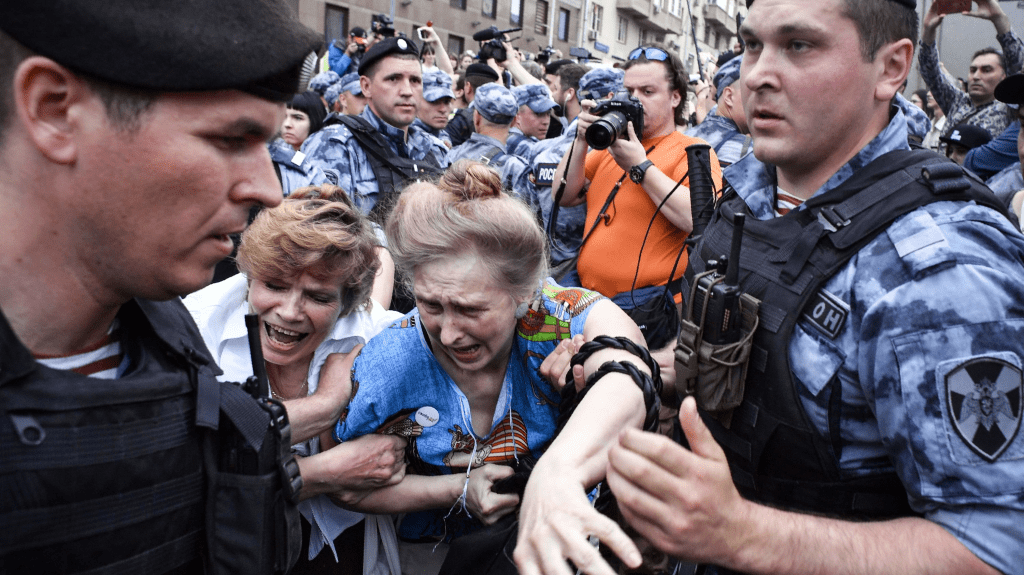
(Russian protesters in Moscow being abused by Putin’s police force, photo from the New York Times)
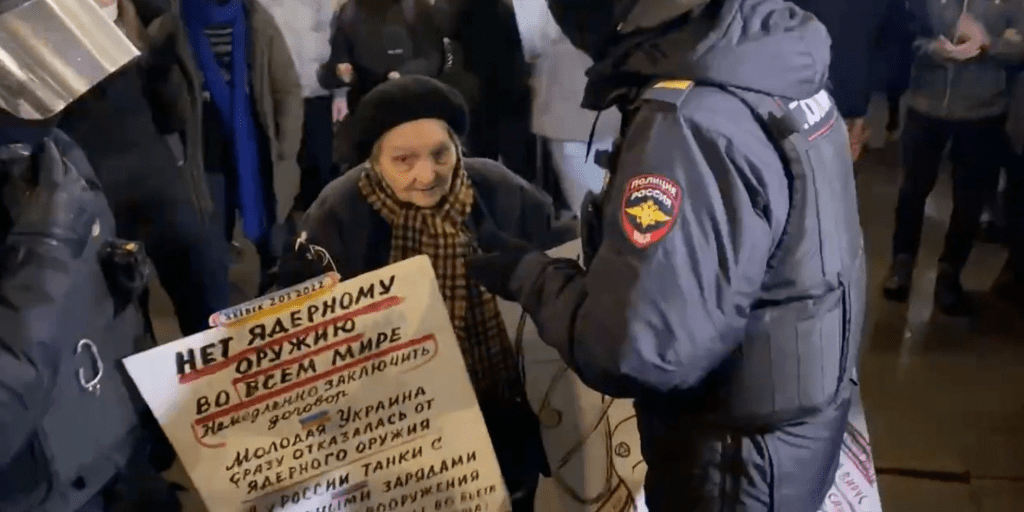
God bless this 90 year old woman who knows who is on the right and who is on the wrong side of history…
(Photo from the Daily Dot: 90 year old survivor of Stalingrad protesting Putin’s aggression being taken in by abusive policemen in Russia)
Peace I leave with you; my peace I give you. I do not give to you as the world gives. Do not let your hearts be troubled and do not be afraid. (Jesus)
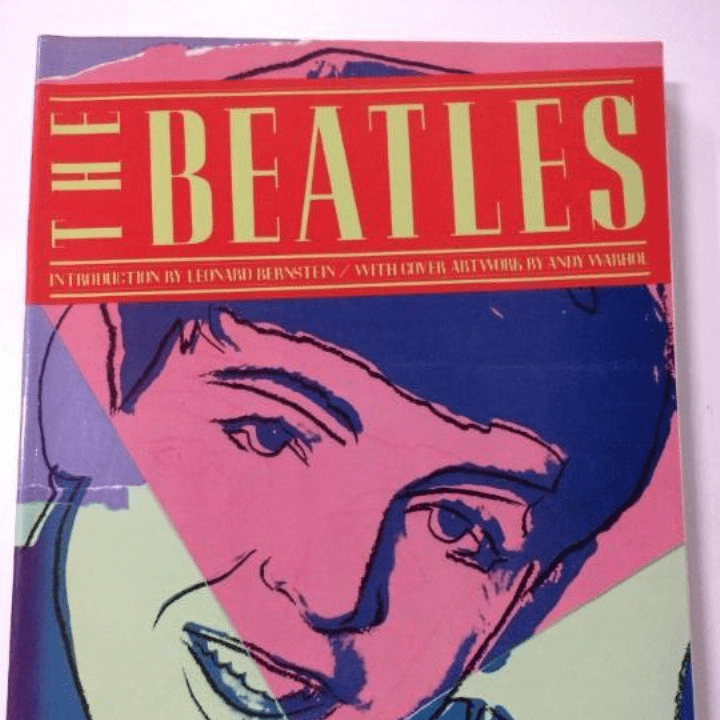
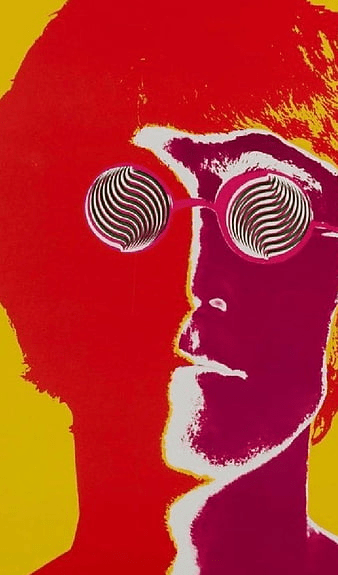
So, this is another one of the hip, bang, up to date vanguards of the 20th Century, «Pop Art». You probably know all about it because you know who Andy Warhol is, but there is more, and more interesting artists that contributed to this genre. I urge you to watch the video…
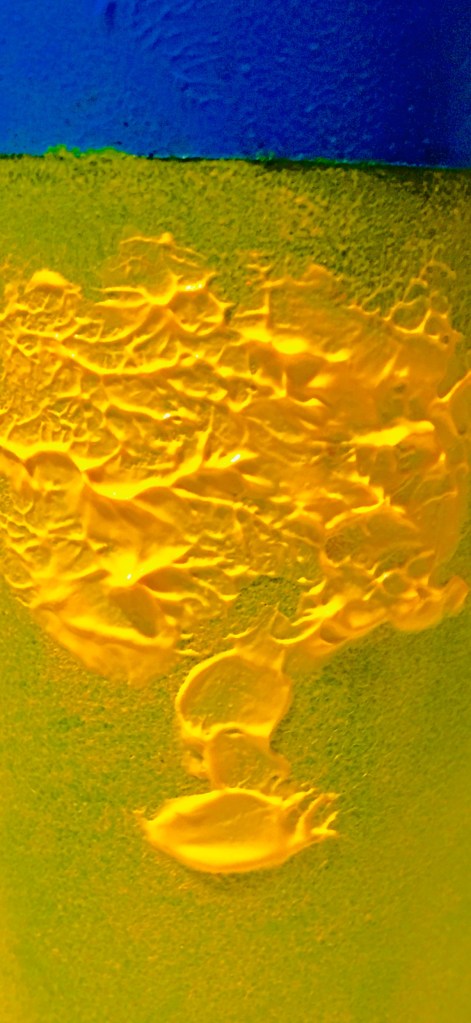
(Image of the national colours of the Ukrainian flag by FBC, Omnia Caelum Studios Valencia, All Rights Reserved)
Today marks a week that the country of Ukraine has been under attack by Russian troops ordered to invade by Russia’s «president» Vladimir Putin…
Thousands of civilians have been targeted and killed. Alongside the Ukrainian civilians and military personnel that have fallen are also hundreds, if not thousands of Russian soldiers. Many of them are not even twenty years old and Putin has sent them to fight and die while invading and killing people in a sovereign land.
I do not know what twisted view of history is in the mind of Mr. Putin, but I can see that he has no compassion, no sense of reality nor dignity in his despicable actions. He will be remembered together with the rest of the Soviet leaders, that history recalls as murderous dictators.
I pray for the people of Ukraine…
ONE DAY
«When laughter seems a memory,
or a dream so far away,
tears replace the joy
and pain seizes the day.
When all that’s left is left forgotten,
when nothing can relieve the pain,
the land turns cold and white as cotton,
and all your skies turn dark and grey.
It’s then that rises from within you,
a certain force you can’t ignore,
the will to fight,
embrace the light,
one day to die
then die no more…
C.2022, Francis Bravo Cabrera, 03 MAR 2022, Valencia, Spain
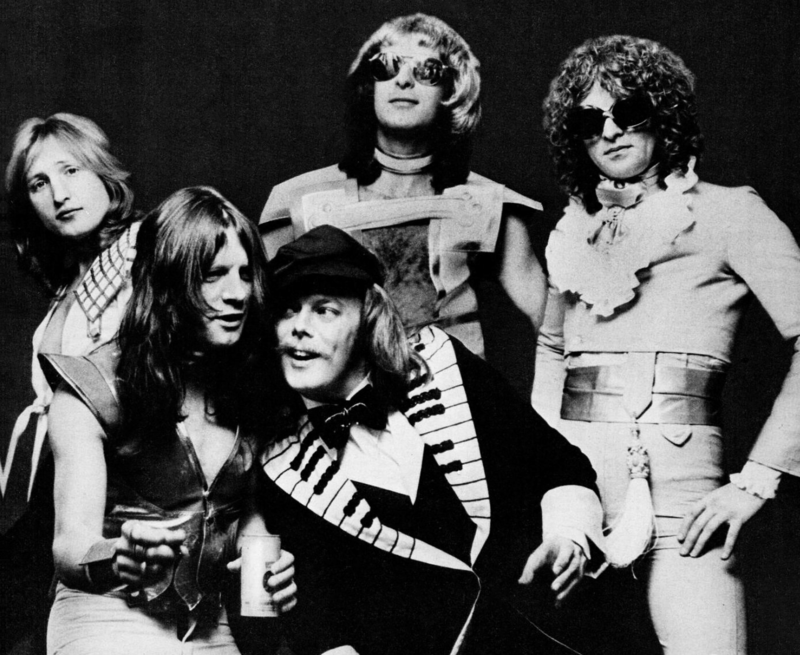
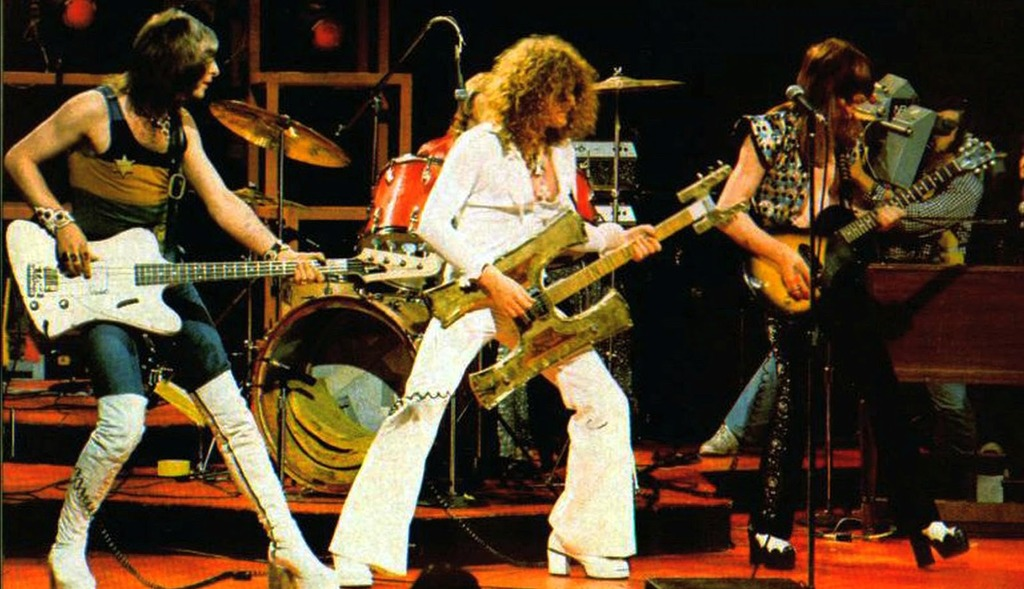
It’s the middle of the week and the tune today is one I’ve loved since the first time I heard it: «All the Young Dudes» by Mott the Hoople.
(Mott the Hoople in 1972)
(1972)
The 1970’s! Wow! The times when rock bands were majestic, bigger than kings and queens! And Mott the Hoople, albeit not one of the big ones, they did leave a mark on me with this song. And now, as I listen to it again, a song that David Bowie gave these lads back in 1972, I feel the power of rock, the rock of my era. After all, I am quite convinced that nostalgia is the strongest force in the universe…
Reference «All the Young Dudes», interesting enough, Bowie denied that the song was written as the anthem of Glam. Instead he said it was a song about the apocalypsis, something completely opposite in meaning. Check out the song «Five Years» from Bowie’s album The Rise and Fall of Ziggy Stardust and the Spiders from Mars.
(1972)
I hope you like it, at least I hope it reminded you…at least some of you…of those days, great days…
Here is the last time (2019) that «All the Young Dudes» was performed onstage…
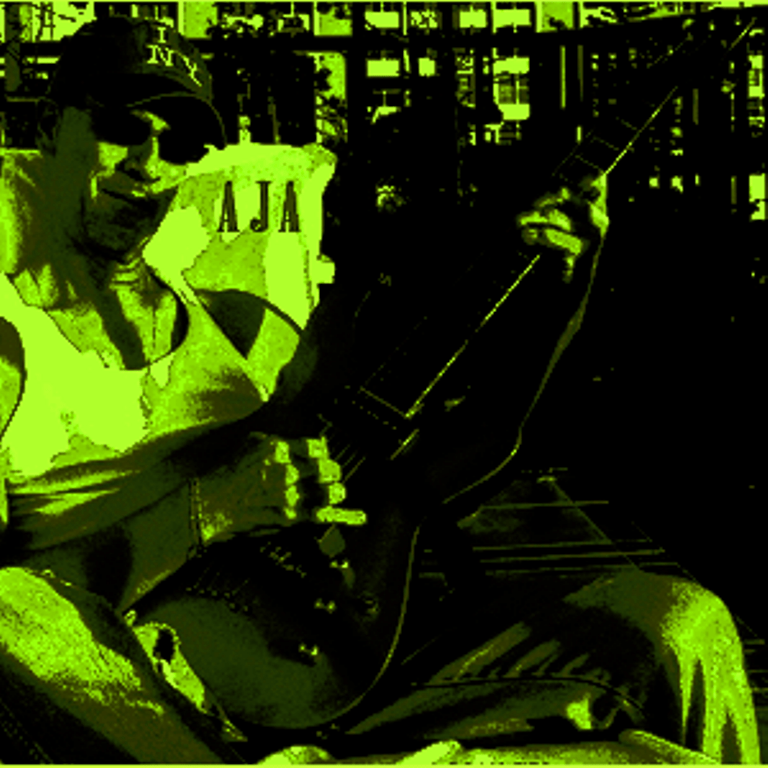
(Foto propiedad de FBC, Omnia Caelum Studios Valencia, Derechos Reservados)*
* Foto de 2001, cuando tocaba con mi grupo, AJA, que son las siglas en ingles de Abstract Jazz Arrangement, o sea, el arreglo de jazz abstracto o el abstracto arreglo del jazz, vale, vosotros decidiréis…
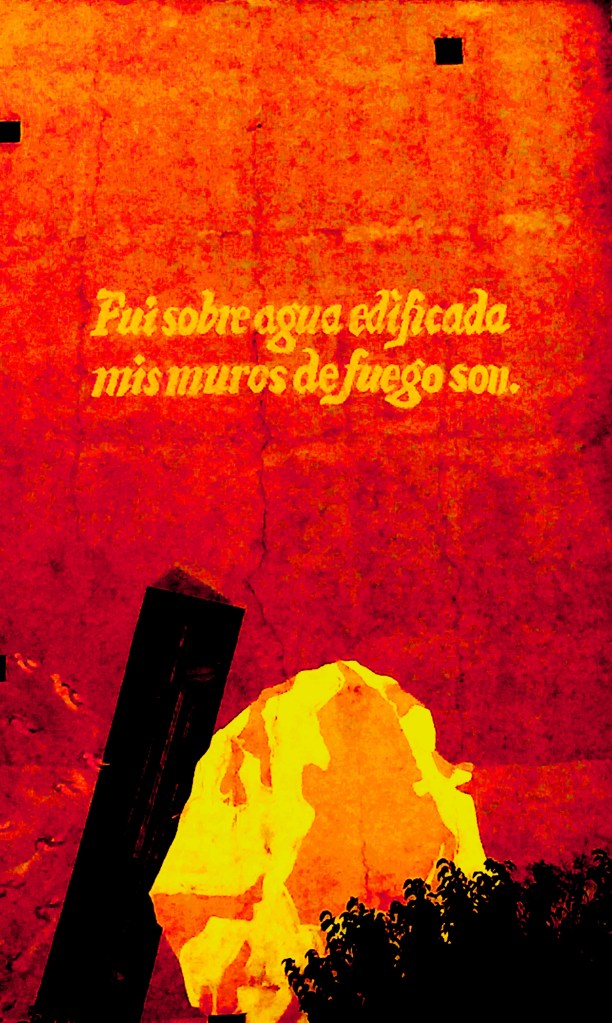
(Foto propiedad de FBC, Omnia Caelum Studios Valencia, Derechos Reservados)
Gota a gota rompo en las riberas, astutas, implacables, subterráneas,
y como el fuego, todo lo consumo, lo deseo,
Y como el agua, todo lo que quema yo lo apago.
C.2022, Francisco Bravo Cabrera, 28 de febrero de 2022, Valencia, España
Nota Bene:
Recordareis que hace poco tiempo os presenté al «EURO-KU», un estilo poético que he venido desarrollando con el cual le hago un homenaje al Haiku tradicional, pero con sabor europeo, al estilo occidental, explotando nuestra cultura, nuestro sintaxis, nuestra manera de comunicar y filosofar artísticamente. Pare hacer un «Euro-Ku» tenéis que que comenzar con una imagen original e inédita y de ella sacaras tres versos. No importa cuan largo puedan ser los tres versos, pero si deben estar escrito en un lenguaje claro, coherente y fácil de leer y entender, mas o menos, os diría, como la letra de una canción popular.
(Image property of FBC, Omnia Caelum Studios Valencia, All Rights Reserved)
Abstract wine, you sip sideways on days when you’ve not frowned a mouth,
flows like a mountain trail upstream to heights unknown,
and then the careful taste, the smell, the colours reach your eyes, your nose, your ears, and then your light has shone.
C.2022, Francis Bravo Cabrera, 01 MAR 2022, Valencia, Spain
Nota Bene:
You may recall that I introduced the «EURO-KU», a style that I have developed recently. It is an homage to the traditional Japanese Haiku, but done with a Western, European mind and focusing on our culture, our background and our way of telling stories, writing poetry, expressing thoughts. To create a «Euro-Ku» you must start with an original, unedited, image and then you must use it to write three lines of poetry. The verses (3) can be as long as you want them, but they must tie in together to form a coherent and plainly evident whole, and the language used, as well as the words, must be pedestrian and play out as do the lyrics to a pop song.
Cubism was not just reserved for Picasso and Braque. It was a main artistic current of the XX C. that seduced many artists, both Europeans and Americans…
Here we will see the works of artists from Cuba, Spain, Poland and even the calligrams of Apollinaire, the cubist poet.
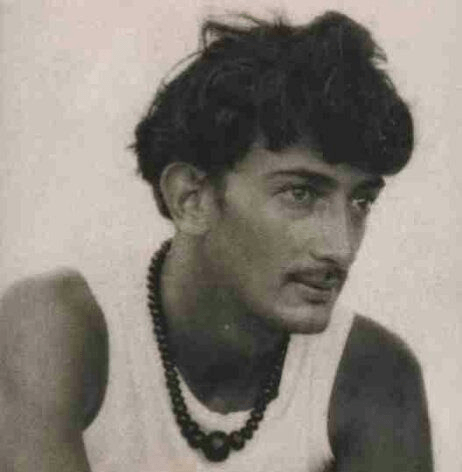
(Dalí en la época cubista – Dalí in Cubist period)
El gran surrealista, el que dijo que el surrealismo era él, el auto-proclamado genio, también le metió mano al cubismo…
Su etapa cubista la realizó cuando estudiaba en la Escuela de Bellas Artes de San Fernando, en Madrid y probablemente duró de 1923 y 1925. La búsqueda incansable que siempre tuvo lo llevo a trabajar el cubismo solo, ya que en aquella época no habían pintores cubistas en Madrid. Dijo que Juan Gris fue quien lo influenció y que haciendo cuadros cubistas le abrió camino entre los vanguardistas de Madrid.
Dalí, the great Surrealist! The man who said «I am Surrealism». The self-proclaimed genius, also took a stab at cubism…
His cubist period was probably from 1923 to 1925 while he was a student at the Escuela de Bellas Artes de San Fernando de Madrid. His incesant search, which accompanied him throughout his life, led him to study Cubism by himself in his dorm room as there were no Cubist painters in Madrid at the time. He said his cubist influence came from Juan Gris and that painting cubist canvases opened doors for him in the more elite vanguard circles of Madrid.
In 1926 he travelled to Paris and met Pablo Picasso…
(Juan Gris en la época cubista – Juan Gris in Cubist times)
Juan Gris nació en Madrid en 1887. En 1904 comienza a estudiar arte en Madrid y a la edad de 19 años se traslada a París y fue a parar al bateau-lavoir, donde vivía Picasso, Apollinaire y muchos más de los que iban a ser grandes artistas y poetas o majestuosos fracasos…
En 1911 trabó amistad con Braque y Picasso y se intereso por el cubismo que estos iban ya desarrollando. Podría decir que Juan Gris llevó el cubismo a un nivel mas intelectual, a una representación mas geométrica, pero no, lo que diré es que el cubismo lo asimiló y utilizó la formula picassiana-braqísta y luego pintó a sus anchas desarrollando un estilo propio.
Juan Gris was born in Madrid in 1887. In 1904 he enrolls in art classes and at the age of 19 he moves to Paris. There he ends up at the bateau-lavoir where Picasso, Apollinaire and many of the young artists and poets to be…or not to be…lived.
In 1911 he makes friends with Braque and Picasso and becomes interested in the Cubism they are developing. I guess I could say that Juan Gris took Cubism to a more intellectual level, or to a more geometric representation, but I won’t. I will say that he used the formula that Picasso and Braque had developed and painted at will, developing in this manner his own style.

 JaZzArt en València