Jamás pensé que esta barbaridad podría pasar, pero está pasando en España. A este señor, un octogenario, la fiscalía lo ha acusado de matar a un intruso que se coló a robar en su casa y ¡Le P piden 12 años de prisión! Parece mentira pero es verdad. Entonces yo me pregunto ¿Que se supone que se haga? ¿Hay que dejar que los delincuentes roben, maten y que se apoderen de las casas? Esto es una atrocidad. Si un delincuente tiene el valor de entrar a una casa se arriesga a todo y el dueño tiene derecho a defenderse y si siente temor por su vida tiene el derecho a matar al criminal intruso. La casa es sagrada y nadie tiene derecho a allanar nuestra vivienda.
Que Dios proteja y bendiga a este señor que ahora está siendo hostigado por la fiscalía. Y le decimos ¡Bravo! ¡Bien hecho!
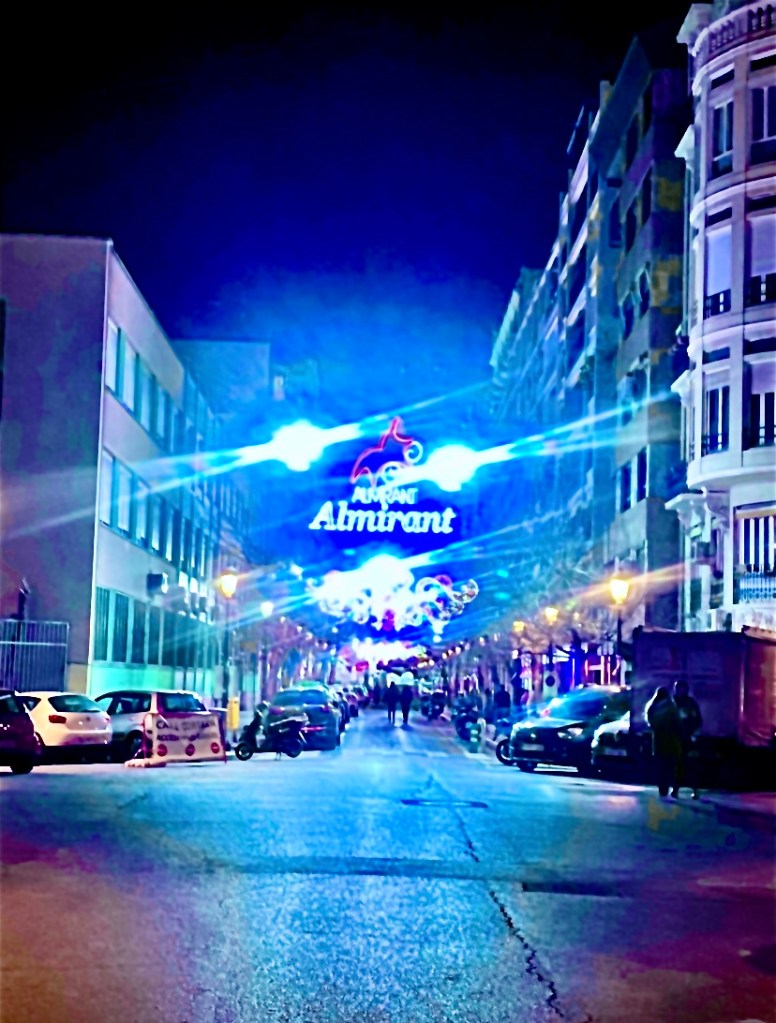
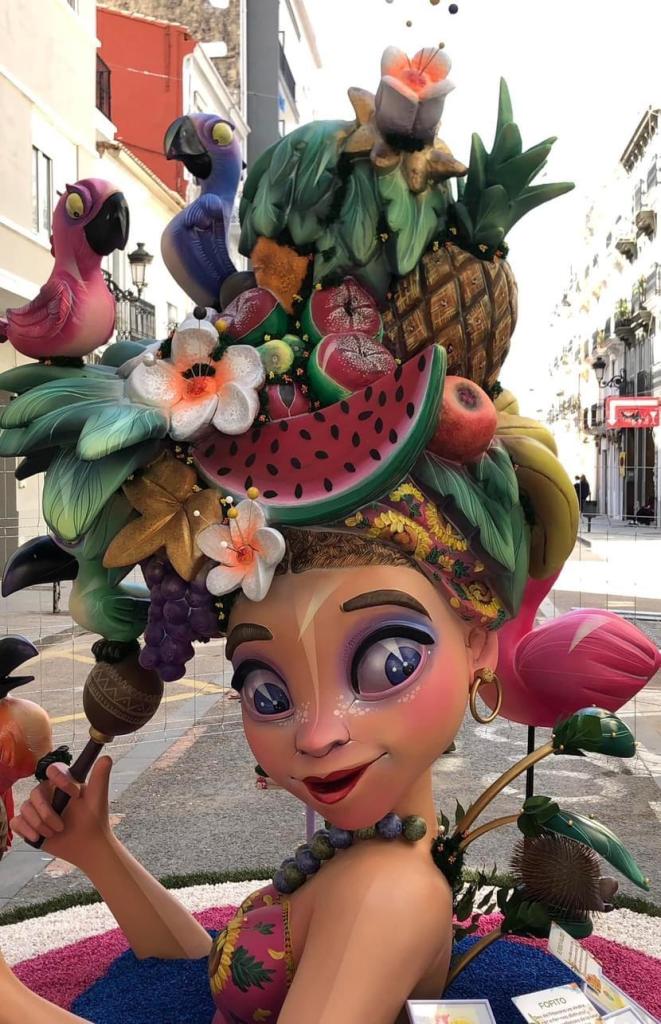
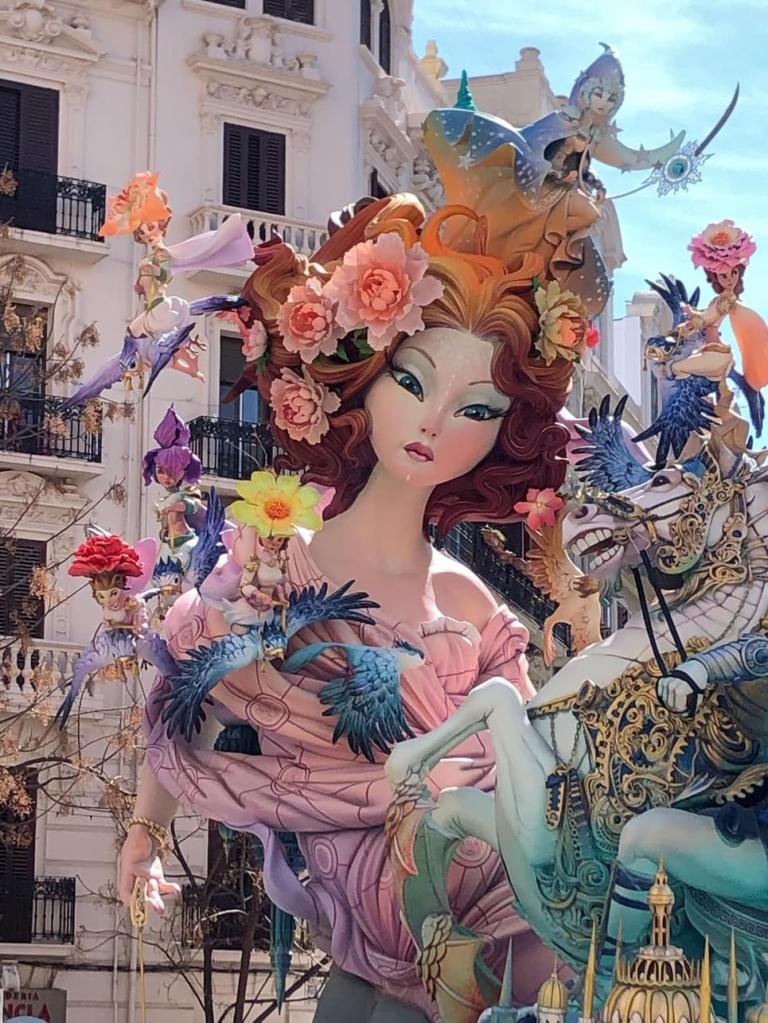
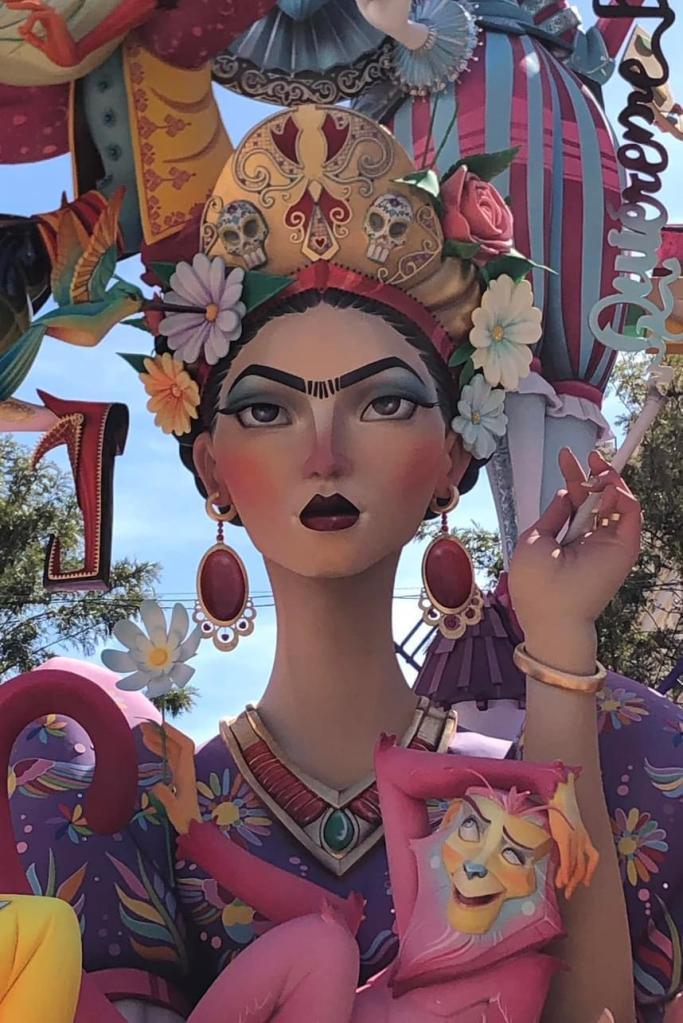
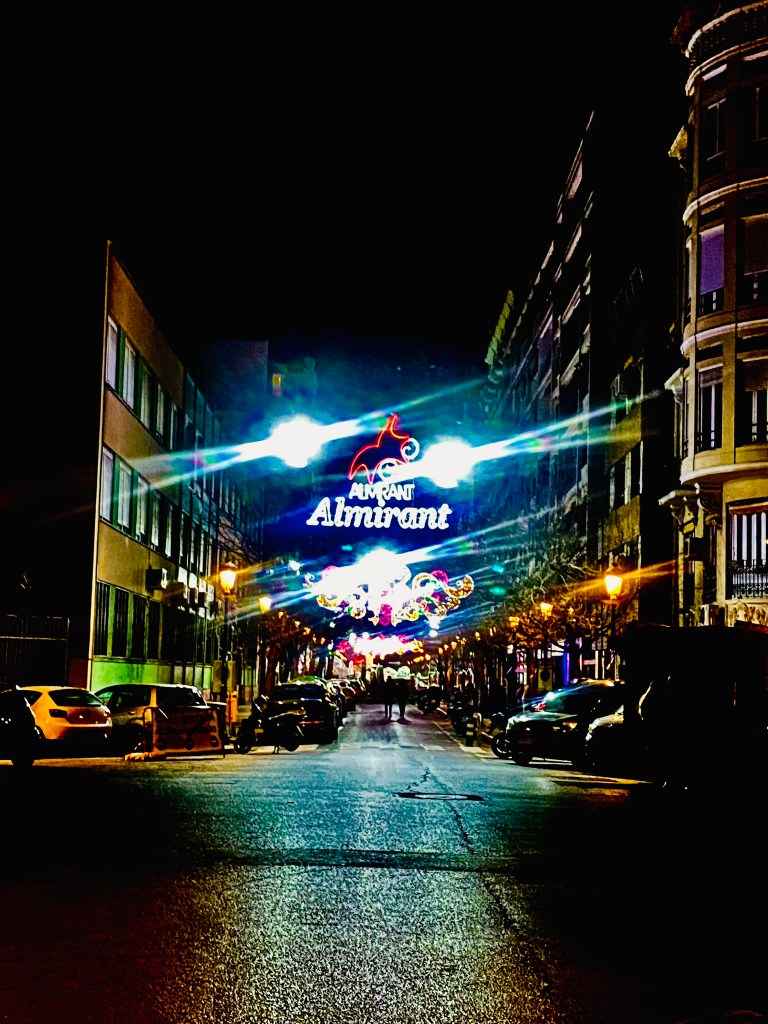
Hui la Comunitat valenciana celebra la festa del nostre patró Sant Vicent Ferrer… Al migdia del dilluns de Sant Vicent es realitza una ofrena de flors…
(Foto/Photo Art Digital de/by Francisco Bravo Cabrera/Derechos Reservados/All Rights Reserved)
HABLEMOS DE LAS BUENAS INVERSIONES
Y las mejores inversiones son los cuadros de Gerhard Richter. El valor total de sus obras subastadas (en USD, dólares) es de 214.734.793… Le siguen las obras de Andy Warhol, 197.433.540… las de Yayoi Kusama, 190.513.356… En total las obras post guerra y contemporáneas generaron cinco billones de dólares (USD), mientras que las obras de los Impresionistas y de Arte Moderno generaron 4,5 billones en 2023. Asi que a invertir en los nuevos artistas que seguramente en pocos años sus obras llegaran a valer mucho más que todas estas juntas. El arte mola…
+++
LET’S TALK ABOUT GOOD INVESTMENTS
And the best investments are Gerhard Richter’s paintings. The total value of his auctioned works (in USD) is 214,734,793… This is followed by Andy Warhol’s works, 197,433,540… Yayoi Kusama’s, 190,513,356… In total, post-war and contemporary works generated five trillion dollars (USD), while Impressionist and Modern Art works generated 4.5 trillion in 2023. So, it’s a good idea to invest in new artists, whose works will surely be worth much more than all of these combined in a few years. Art is cool…
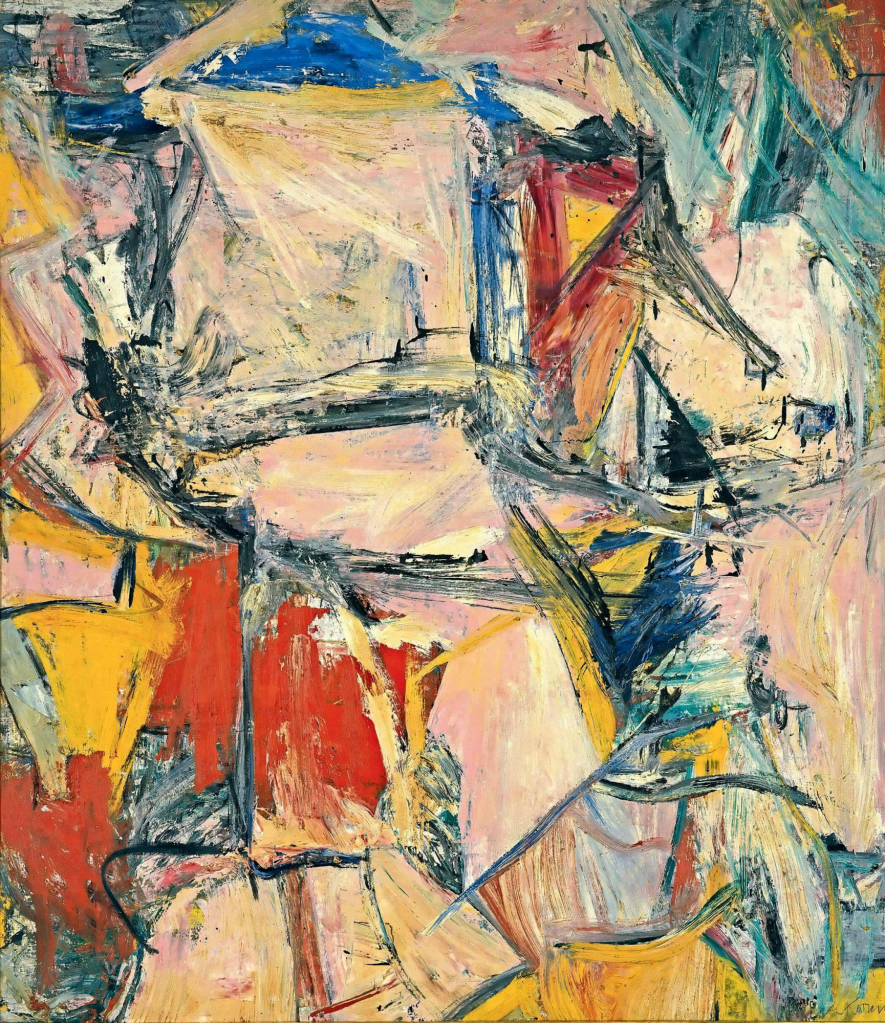
(«Interchange» Willem de Kooning)
HABLEMOS DE LA LOCURA
«Interchange» (1955) de Willem de Kooning (1904-1997) es la segunda obra más cara, hasta ahora, vendida en 2015 por 300 millones de dólares (USD). La más cara sigue siendo «Salvator Mundi» (circa 1500), obra atribuida (por algunos) a Leonardo da Vinci que se subastó (Christie’s NYC/2017) por más de 400 millones de euros. Claro está que hay obras que jamás se venderán y que nunca sabremos su valor monetario, pero asi gira este mundillo del arte en su viaje a través del universo de los sueños…
+++
LET’S TALK ABOUT MADNESS
«Interchange» (1955) by Willem de Kooning (1904-1997) is the second most expensive artwork. It was number one in in 2015 when it was sold for 300 million dollars (USD) so far. However, the most expensive one now is «Salvator Mundi» (circa 1500), a piece attributed (by some) to Leonardo da Vinci, which was auctioned (Christie’s NYC/2017) for over 400 million euros.Of course there are paintings which will never sell and we will never know their value in currency, but that is how the mad, mad world of art spins across the universe of dreams…
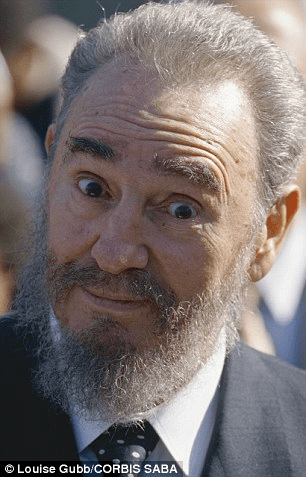
El asesino más bárbaro de America fue Fidel Castro Ruz, dictador de Cuba, aferrado al poder por muchas décadas que tuvo els collons (la desvergüenza) de «dejar» a su hermanito, Raúl, en el «trono» de su partido comunista cubano (que desgobierna Cuba) cuando se «retiró» en el 2006. Este hombre, que Dios lo tenga lejos de la gloria, fue el responsable de la destrucción completa de Cuba, desde la economía, la sociedad, la cultura y hasta la arquitectura, en fin, todo. Impuso la dictadura comunista, la más atroz y retrograda del mundo, sobre un pueblo que cada vez más y más escalaba la cima del desarrollo y dejaba el sub-desarrollo atrás a gran velocidad. Tambien carga la sangre de miles y miles de cubanos…y de otros que vivían tranquilamente en Cuba…que perecieron en sus cárceles inmundas y el el mar tratando de escapar de sus garras nefastas… Uno de sus hijos se hizo fotógrafo famoso y le ha hecho muchísima propaganda y, sin querer hacerle alguna, os traigo sus fotografías a ver que pensáis…
+++
The worst murderer of America was Fidel Castro Ruz, the Cuban dictator who spent decades as absolute ruler of the island and who had the bloody balls to «appoint» his little brother Raúl as his «successor» as leader of the Cuban Communist Party, therefore, de facto leader of the government, when he «retired» in 2006. This man, and may God keep him far from Heaven, was responsible for the total destruction of Cuba, destroying the economy, the society, the culture and even the architecture. Basically everything. He imposed his communist dictatorship upon a people that had been quickly rising through the ranks of the industrially developed world and leaving underdevelopment far behind. He is also stained forever with the innocent blood of thousands upon thousands of Cubans who he killed in his diabolical prisons and of those who died at sea attempting to escape his grasp. But one of his sons became a «famous» photographer and has done a lot of propaganda work in favour of his father’s ambition. I hope I am not furthering that horrible task, but in any event, here are his photographs…
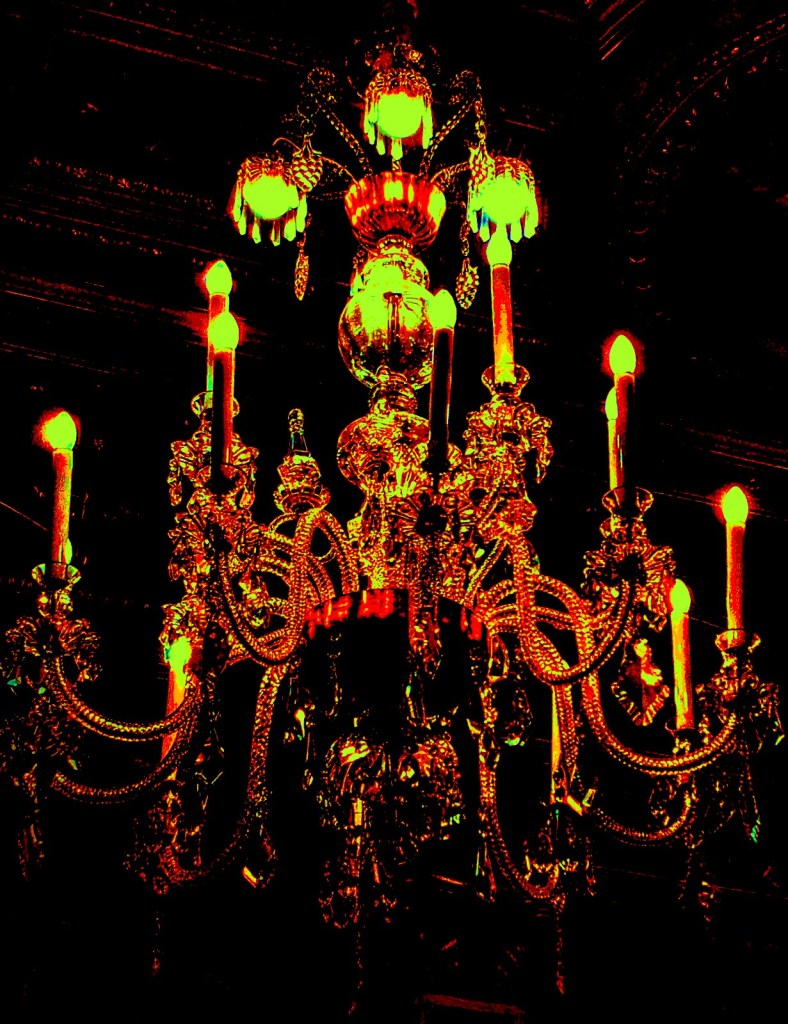
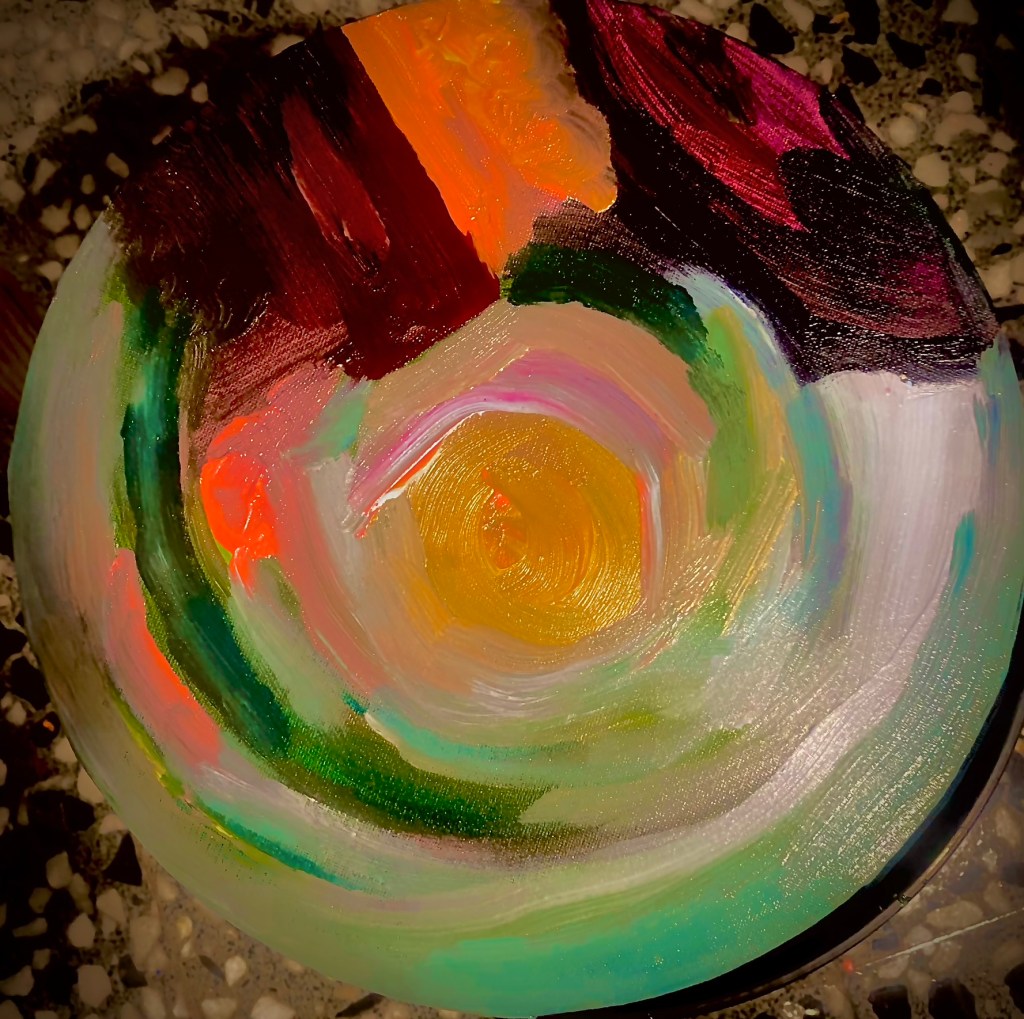
(«Dentro de la luz» – «Within the Light» – De/By Francisco Bravo Cabrera/Derechos Reservados/All Rights Reserved)
Kandinsky, in his book «Concerning the Spiritual in Art» poses the idea that art must reflect its own time. To make art that seeks to emulate or copy, say the art of the ancient Egyptians is to make art, like he said, that is a baby dead before birth. Or to paint like a monkey. Ridiculing those who simply copy, as would a monkey, the gestures of a human, but without any real thought or intention behind the gestures. For art to have spirit, for a painting to become «immortal», it has to have spirit and intention, and not simply technical perfection. Technical perfection will create a painting that says nothing, that does not elicit a visceral and intellectual reaction in the viewer.
Art is complex. Art is philosophy in colour, movement and style. A painting is not art everlasting if it does not carry with it the spirit of the time in which it was painted and the culture which it represents…
In the painting «Within the Light» (see above), an abstract painted with acrylics on canvas, I have chosen to represent the «idea» of «light» by creating light with an optical illusion created by colour. Colour is energy. Colour is light refracted in such a way as to make the human eye see different shades and tones, even though, technically (meaning physiologically) there are only three. The rest of the colours are brought to our senses with the help of light.
Colour is also sound. Kandinsky (again) referred to the sounds of colours to create his symphonies on canvas or paper. There are people with a specific disorder that makes them hear colour, so perhaps Kandinsky was not so far off the mark with that idea. In any event colour is a source of power as colours are linked to emotions, feelings, and ideas.
When an artist paints an abstract piece the reference may be completely lost to the viewer. There is not a direct relationship between the painting and the observer and the observer may simply stand in front of the painting and wonder what it is, or ask the artist or curator. But the artist must have a definite and precise reference for his work, be it abstract or figurative (the only two types of art there is). This identification with the reference and representing it in an abstract work unites the artist with the piece and gives it spirit. The spirit of the times when it was painted which in turns makes the painting eternal, powerful, meaningful and capable of eliciting emotions from the observer.