
#art, My Useless Artists Top 10, part 3

(Jeff Koons/one more for the list/Foto The Economic Times)

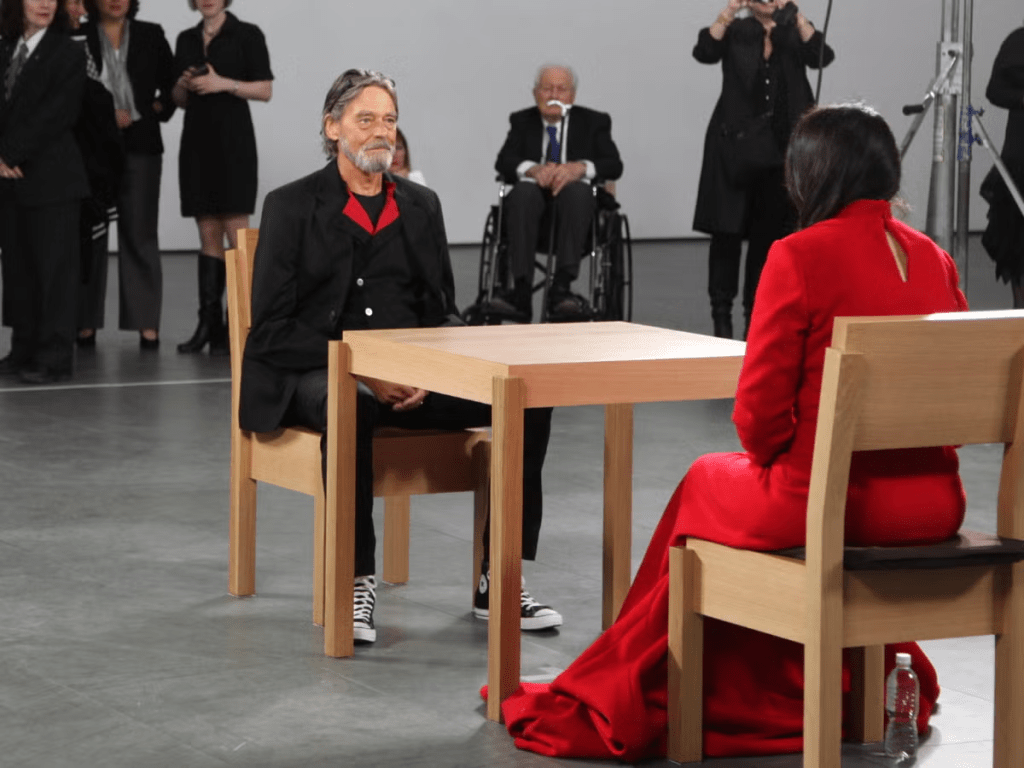
7) Marina Abramović. The «grandmother» of performance «art». Frankly speaking I didn’t always feel the same way about this grandmother, but once her complete life of «art» played out I saw that she was no artist that I could call valuable or useful to art history. The way she uses people is akin to abuse and the way she manipulates the observers (or admirers) is a total farce. Her supposed «chance» meeting with Ulay, her one time partner, was contrived. And contriving art is okay by me, but don’t pass it off as real. Therefore she makes my list. Perhaps I am not as disgusted with her as I am with many of the others that populate this top ten, but…
(ELLE Decor)

8) Tracy Emin. Let’s start by saying that her claim to fame came when her «Bed» became a work of art. Frankly it is a disgusting piece and it may just show how untidy and unclean she could be or could have been. I don’t know, I’ve never met her. At least if she did sleep on such a bed. The bed is surrounded with vodka bottles, used condoms and all manner of rubbish. Whatever it is, if art it is, it is bad, useless art. She cannot draw or paint, as you can plainly see in the photograph below. Yet, she is held as one of the great artists of the UK.

(Magazine Artsper)

9) Fernando Botero. The painter of volume, as he calls himself. But those silly little fat figures that he paints are not representative of volume. If you want volume look at the figures of Rubens or the portraits by Jenny Saville. Botero’s do not even represent cartoons. Everything he paints is the same. All the figures have the same blank or withdrawn expression. There is no magic, no power, no charm in his work, therefore he is most definitely in my list.

(Galeria Duque Arango)

10) Keith Haring. This artist and social activist made it to the top of the art world by making doodles. Yes, similar to the ones we all made in our high school notebooks when we were bored in class. There is no aesthetics in his work, and absolutely no rhyme or reason. They could have easily been made by a seven year old. And for a seven year old they might have seemed like art, but really, it is not good art at all for someone that considers himself an artist. He started out making these doodle on or close to galleries. Why didn’t he make them on truck stops on an interstate highway?

(Financial Times)

Well here it is my top 10 most useless artists. I can re-arrange them as they are all really number one. And please understand that my words (passionate as they might be) are not meant to cast any aspersions on the artists themselves. I dislike their work. I do not know them, never met any of them and do not know anything about their lives or personalities. This is for sure not an attack ad hominem. It is an attack on their supposed «art».

CHEERS
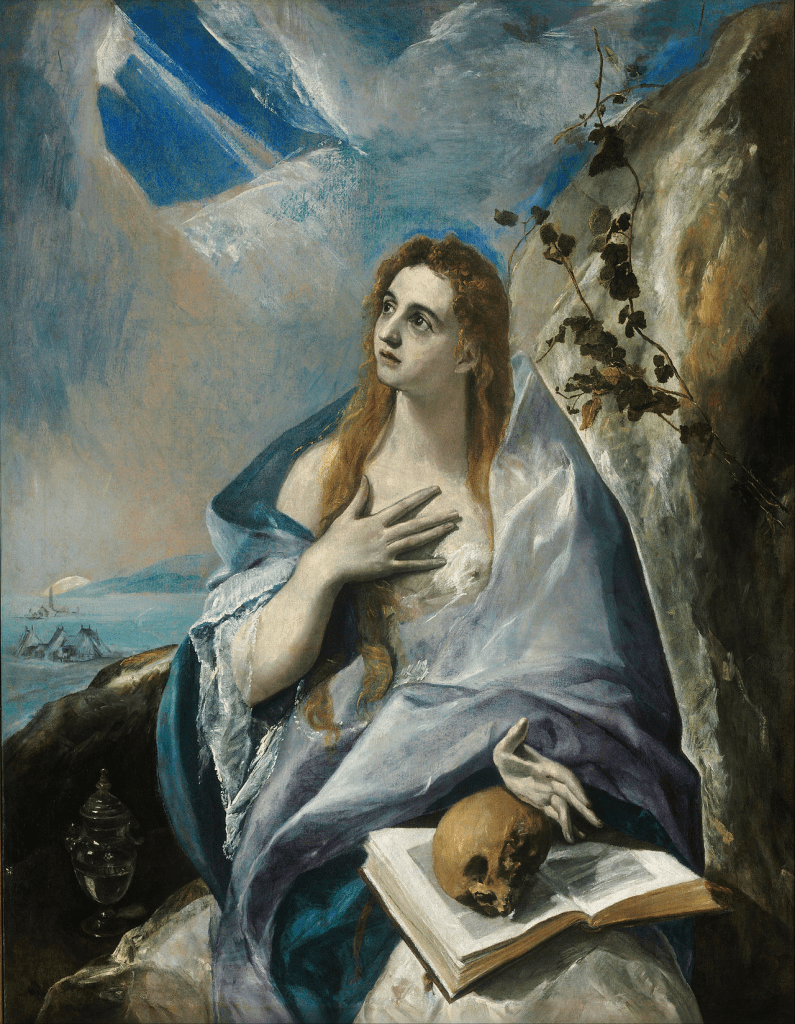
Art History: The Spanish Renaissance in Paintings

(El Greco, 1576-78 – «Penitent Magdalen»/Public Domain – «Magdalena penitente»/Dominio público)

Welcome back to our series on art history. We continue with some painters of the Spanish Renaissance. And we hope that this will provoke you to seek more, research more and investigate. Art history is very important to both artists, who need to know it and know it well, and to art collectors or lovers of art who will appreciate the art they love so much more. We would like to feature the Renaissance art of other European countries, if there are many likes to videos like this one. So if you promise to give us a like, we promise to continue with the series. Stay in touch.

Cheers…

#art, Pre-JaZzArT Drawings by Bodo Vespaciano

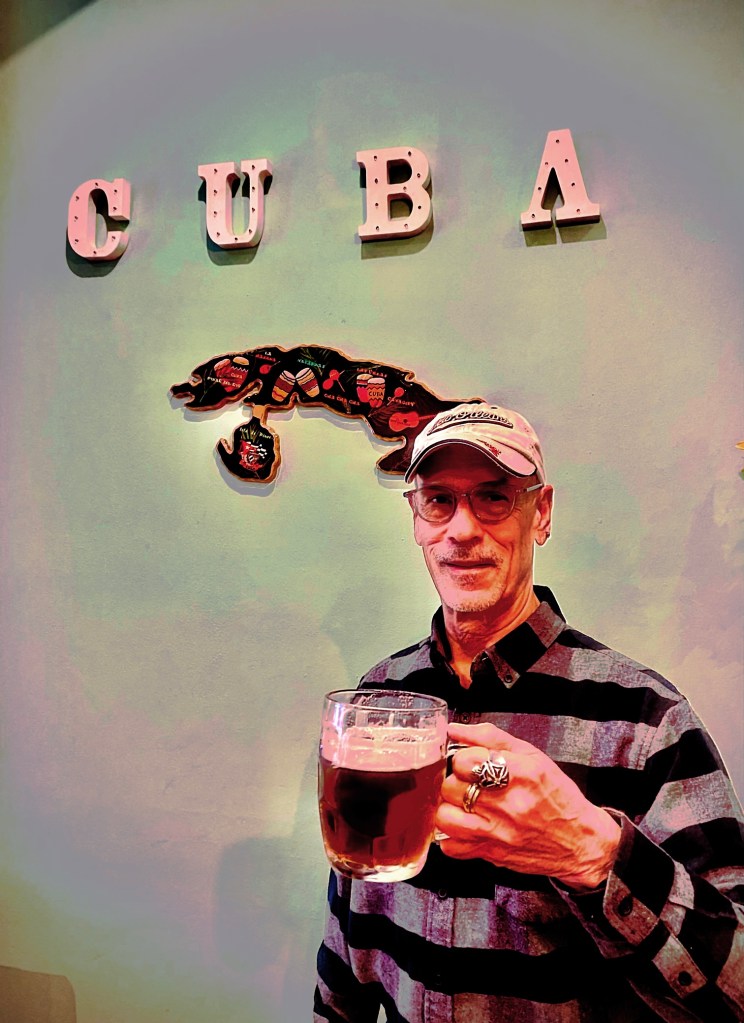
(Francisco Bravo Cabrera/Bodo Vespaciano/representado por un actor/Actor portrayal)

Una cervecita y unas chicharritas seguido de unos camarones enchilados con rape y arroz moros y cristianos en mi restaurante cubano preferido de Valencia, La Perla de La Habana…

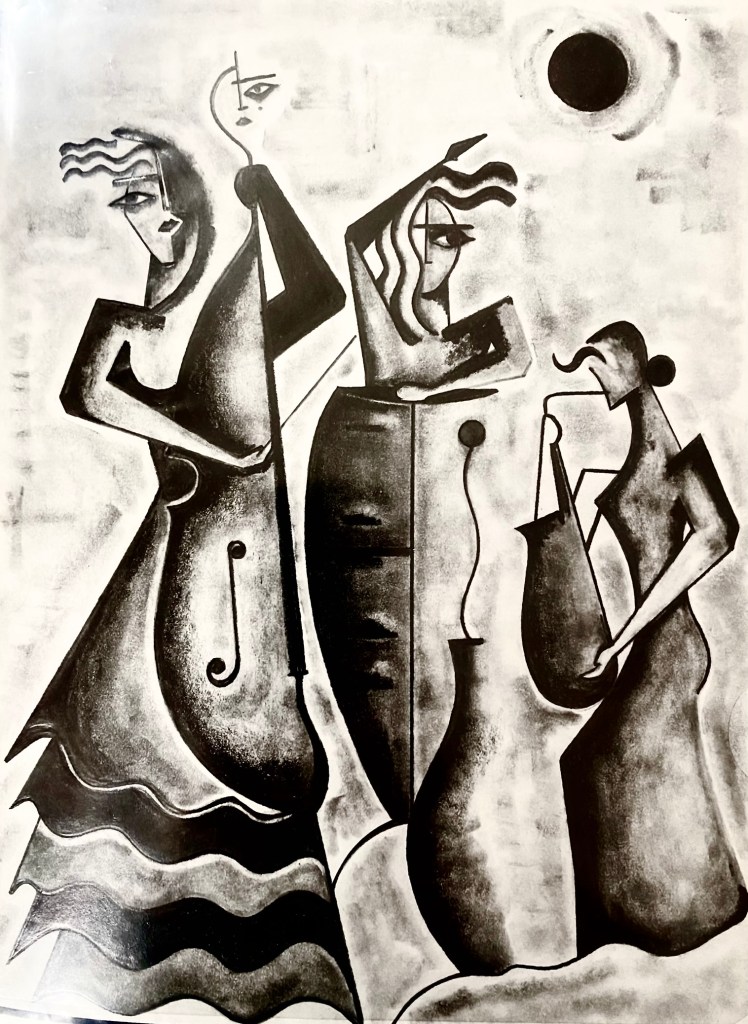
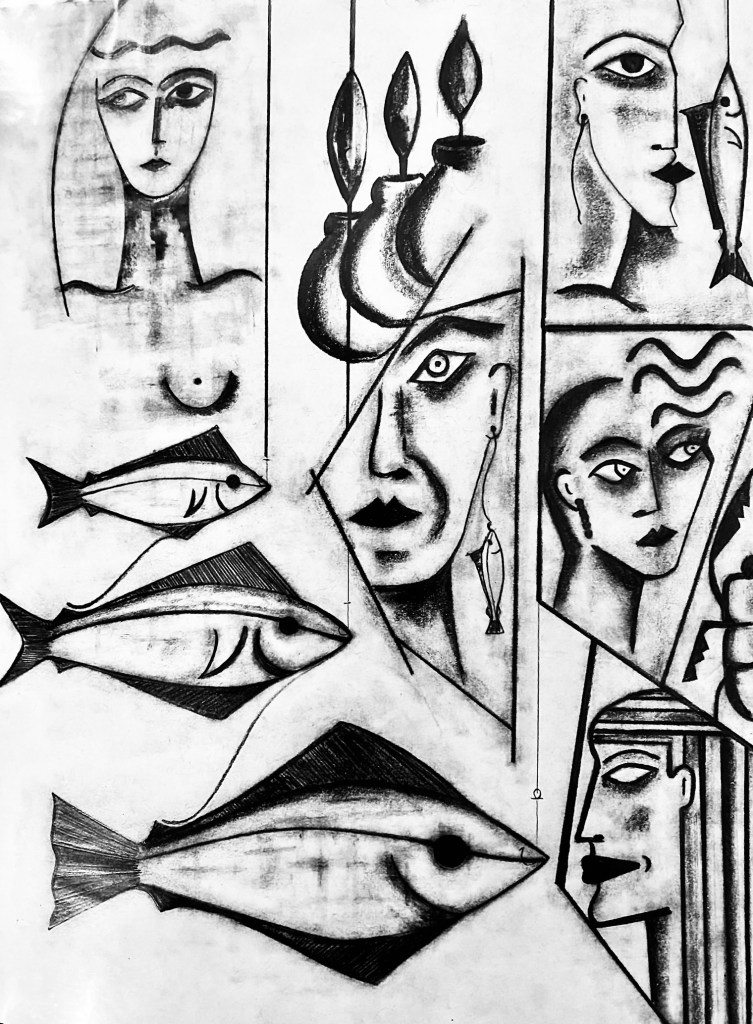
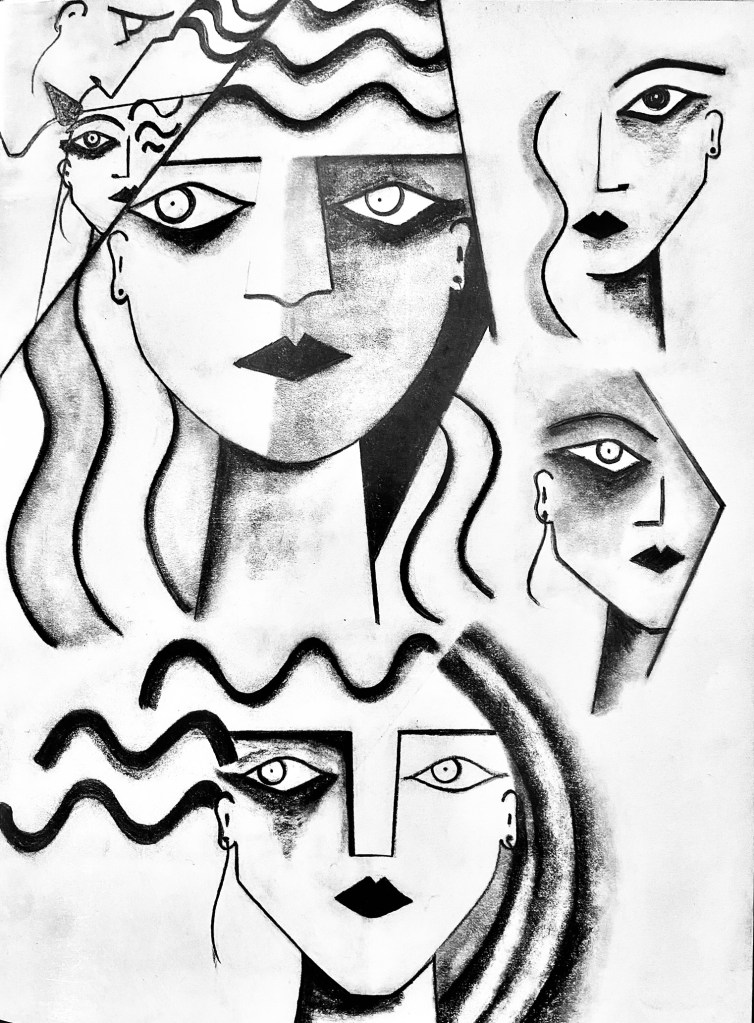
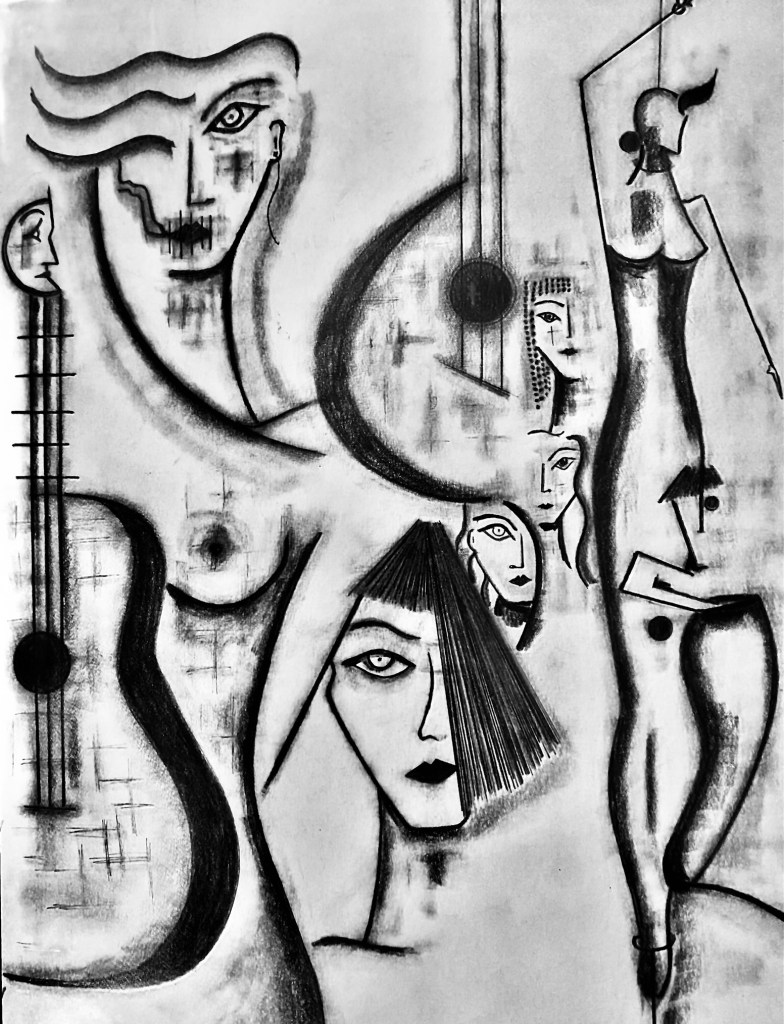
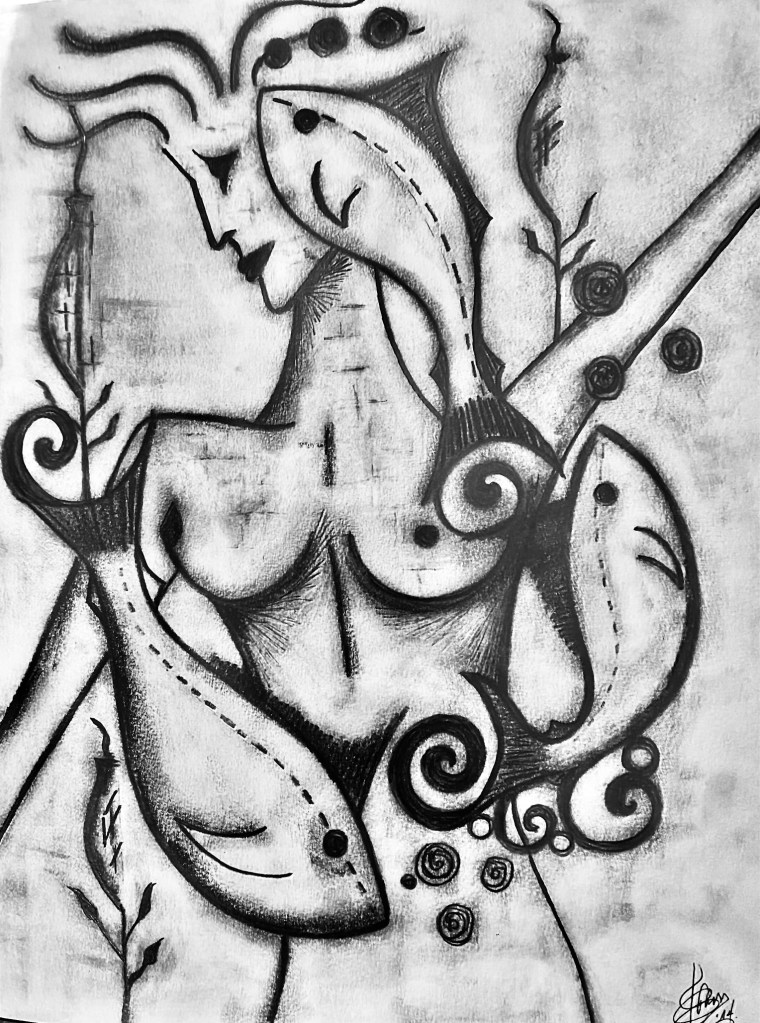
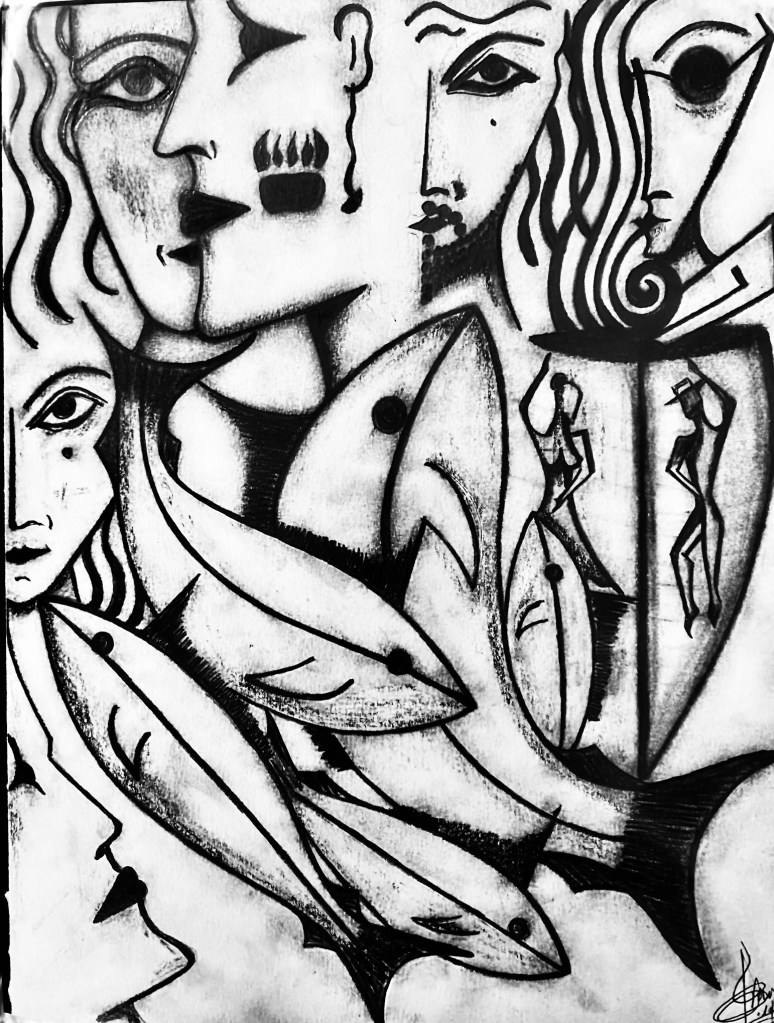
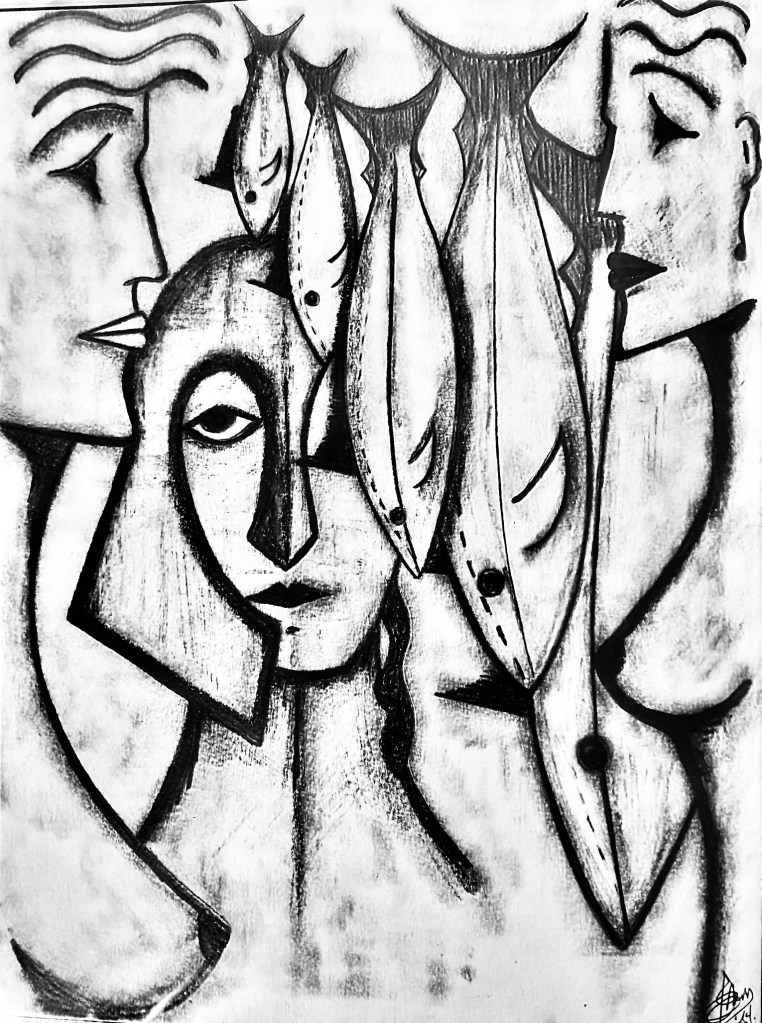
Ahora a hablar de los dibujos pre-JaZzArT que hice en mi atelier de Miami, Florida (también rodeado de tremendos restaurantes cubanos)… Pero en vez de hablar de los dibujos, mejor os los muestro (algunos):

+++

A beer and some potato crisps followed by some spicy shrimp with monkfish and Moros y Cristianos rice at my favourite Cuban restaurant in Valencia, La Perla de La Habana…

Now let’s talk about the pre-JaZzArT drawings I made in my studio in Miami, Florida (also surrounded by tremendous Cuban restaurants)… But instead of talking about the drawings, I’d rather show them to you (some).

GRACIAS – CHEERS – GRACIAS – CHEERS – GRACIAS – CHEERS

#art, Two Paintings; Surreal-Expressionism JaZzArt at OCS Valencia…

(Getting ready for the Summer/Somewhere in Southern Europe/All Rights Reserved)

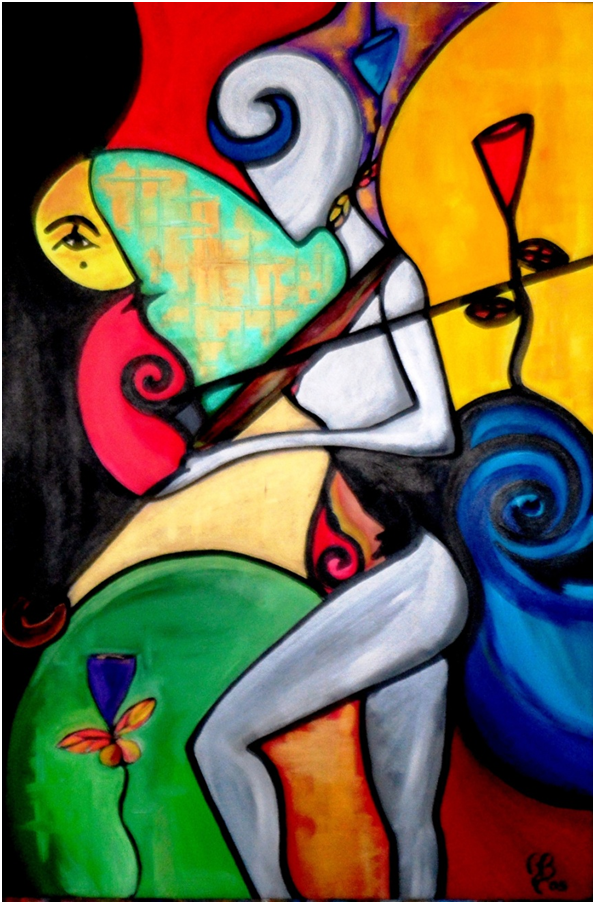
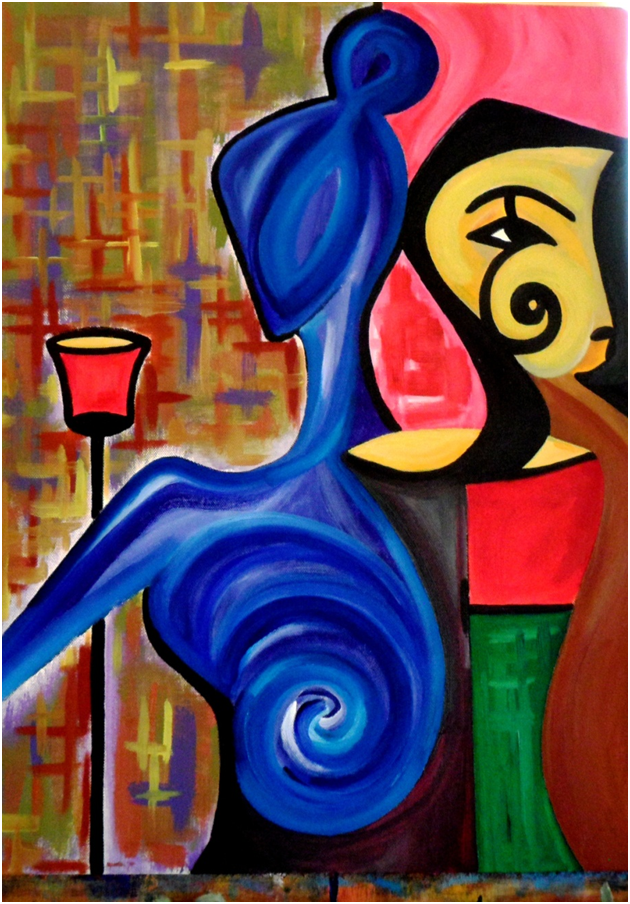
Here are two paintings from days of old. They are from my days in Miami, Fla… The first one goes back to 2005 and the second one to 2007. Both paintings are now in private collections in Europe but the images remain and the reasons I painted them as well remain. Here’s a little more about my Surreal-Expressionism and my JaZzArt.

LA VIOLINISTA

(Image property of FBC/Omnia Caelum Studios Valencia/All Rights Reserved)

“La Violinista” is a prime example of my style, “Surreal-Expressionism”. The violinist as the every-woman-musician. She is faceless and nameless. Yet she exudes style and grace as well as a clear, and well defined, femininity. The Violinist is in motion, walking among those that look upon her and either understand her work or are perplexed by it. No one is indifferent to her as she moves. The painting, true to Surreal-Expressionism, has an abstract background where three flowers bloom and grow and form an acute triangle within the composition.

Moño Azul

(Image property of FBC/Omnia Caelum Studios Valencia/All Rights Reserved)

An example of early Surreal-Expressionism which keeps up precisely with the precepts of JaZzArt. I was still researching both at the time, (2007), when «Moño Azul» was painted. It is done with acrylics on canvas. The background is abstract and filled with color. The principal part of the composition is the blue silhouette of a woman whose hair is combed into a bun. She is looking to the right side towards a very stylized, Egyptian-style flower. To the left of the main part of the composition one sees the more surreal aspect of the painting where a face seems to hover above a hand-drum, symbolizing the creation of music which rises, like black smoke from the drum.

CHEERS

#poem, «OLD AGE»

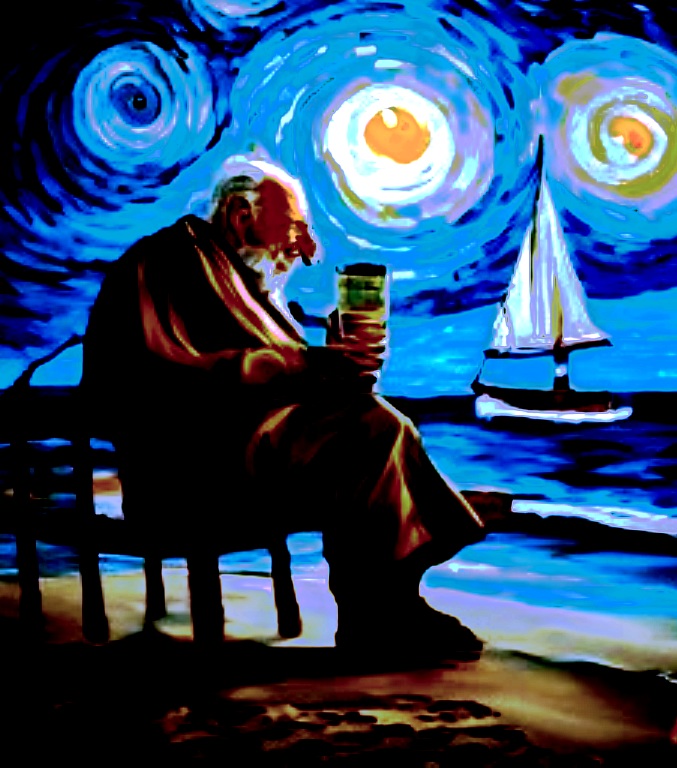
(«El viejo No. 2″/»The Old Man No. 2«/Original Art Digital by Francisco Bravo Cabrera/All Rights Reserved)

“Even to your old age…I am he…who will sustain you…and I will rescue you”
(Isaiah 46:4)

Although my back’s not as straight any more,
and I don’t walk quite as quick,
I am still what I was,
though my hair’s not as thick…

In fact it’s all gray
with soft traces of white,
and I’ve left my beard grow,
I must look quite a sight…

Although every morning I sit
and I read my newspaper,
by the end of the day what I
read I can barely remember…

Every day, more and more, I see ghosts
In the streets,
Are they friends from my youth,
These strange phantoms I meet…

Yet I spend hours now thinking
of those that have left,
remembering places
feeling most bereft…

And now I don’t wander too far
from the house,
my eyesight betrays me,
my knees may give out…

I am lonely, quite tired,
and longing for rest,
fearful of eternity,
alone in my quest…

And in silence and truth
I pray to your ears,
I hope you will hear me,
I hope you are near…

Even when I am old and gray…I (will) declare your power…to all who are to come.
(Psalm 71:18)
(C.2024, Francisco Bravo Cabrera, 09 JUL 2024, Ilica, Turkiye)

#art, La espiritualidad de los cuadros: La abstracción

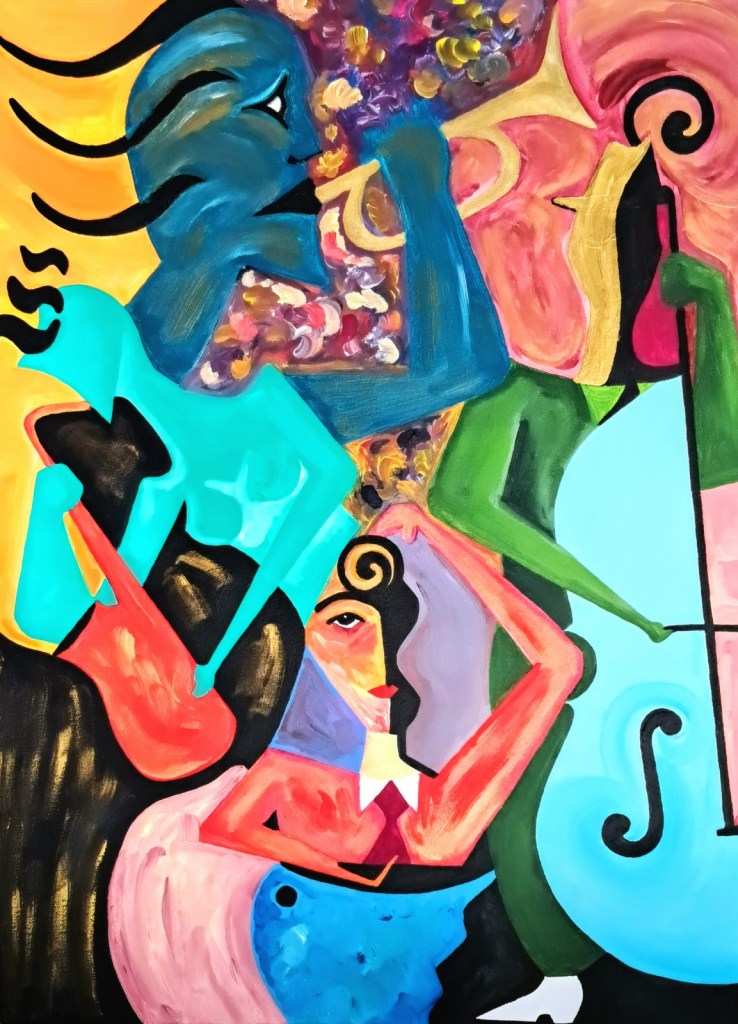
(«Quatre» obra original de FBC/Derechos Reservados/Omnia Caelum Studios Valencia)

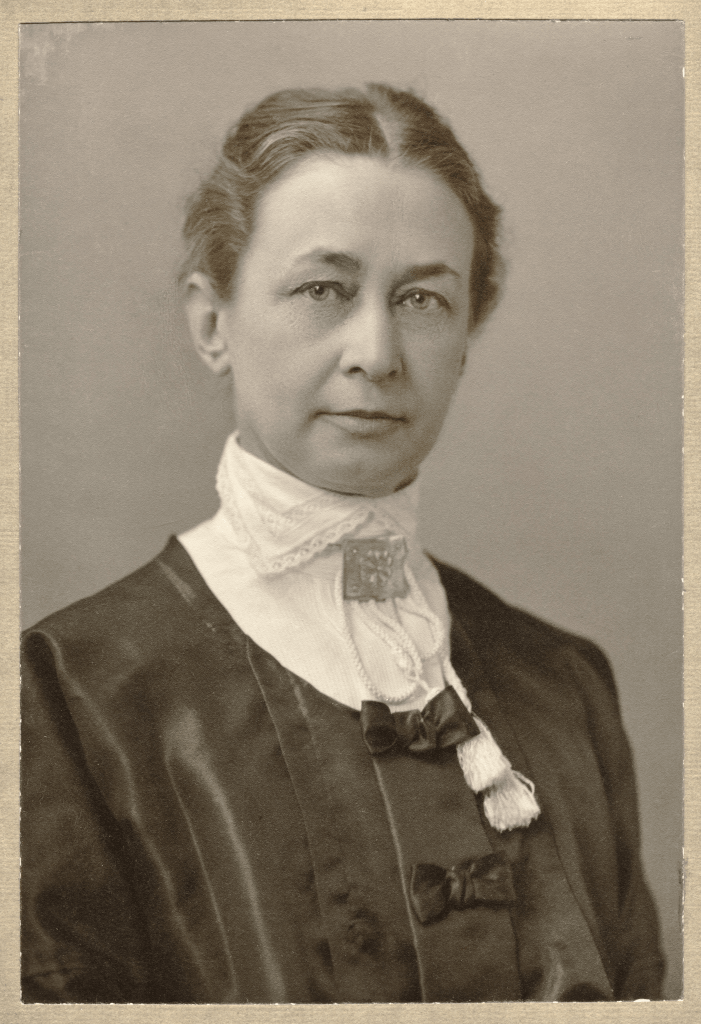
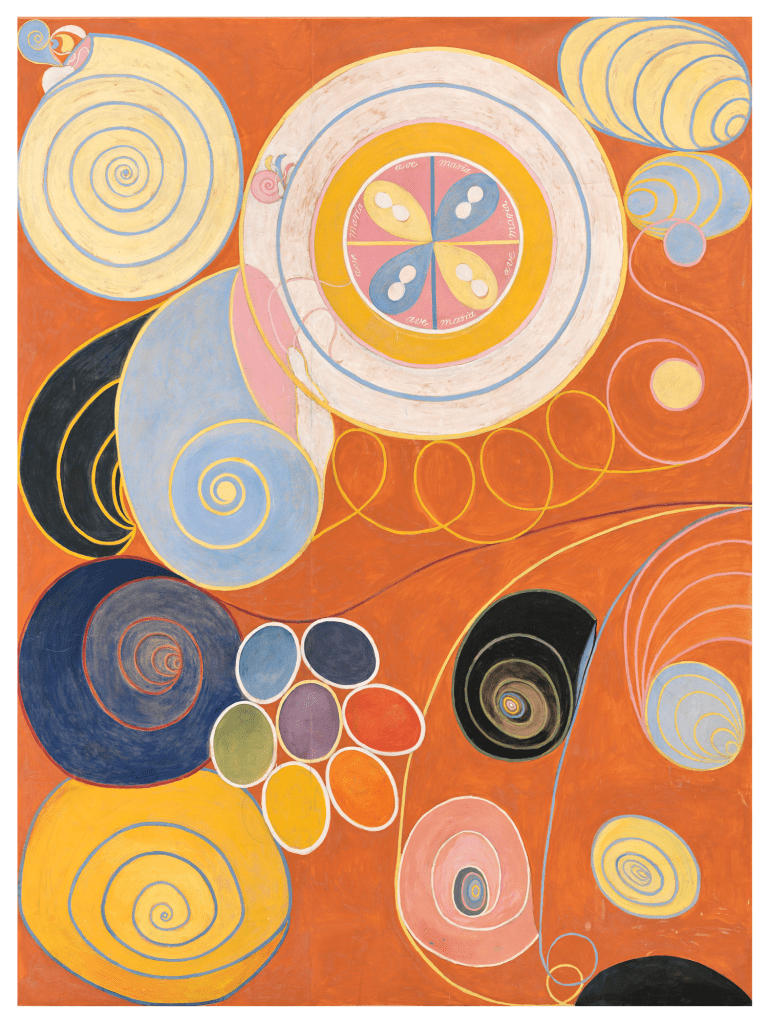
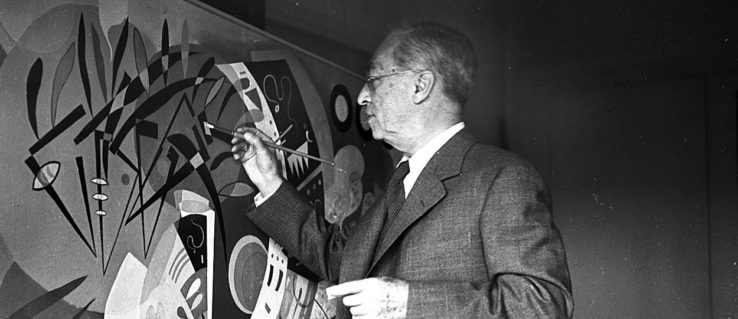
Wassily Kandinsky (1866-1944), el gran pintor ruso, considerado el padre de la abstracción e identificado íntimamente con la invención de la misma, no lo fue. Ya sabemos que la inventó, curiosamente una mujer, la artista sueca Hilma af Klint (1862-1944). Pero Kandinsky sí nos alertó a que existía la espiritualidad en el arte, queriendo decir que los cuadros hechos en su época cargan una espiritualidad que los hace eternos, poderosos, emotivos e importantes. Un cuadro hecho al «estilo» del renacimiento, a estas alturas de la historia y de la historia del arte, no tiene alma, y Kandinsky dijo que era como un niño que muere antes de nacer, o sea, un aborto.

(Hilma af Klint – Foto The Washington Post)

Un pintor del S. XXI no puede, por mucho que sepa imitar, pintar como lo hacían los pintores renacentistas, o barrocos o medievales, o como ningún otro que no sea de su misma época en la historia. La imitación no tiene el mismo poder de evocar emociones que lo original. Y no quiero decir original dirigiéndome a algo inédito, jamás visto, sino a algo que pertenece al mundo y a la historia del pintor, digamos, lo contemporáneo. Todos los cuadros fueron contemporáneos en un momento dado.

(Hilma af Klint, De tio största, nr 3, Ynglingaåldern, grupp IV, 1907 © Stiftelsen Hilma af Klints Verk. Photo: Albin Dahlström/Moderna Museet)

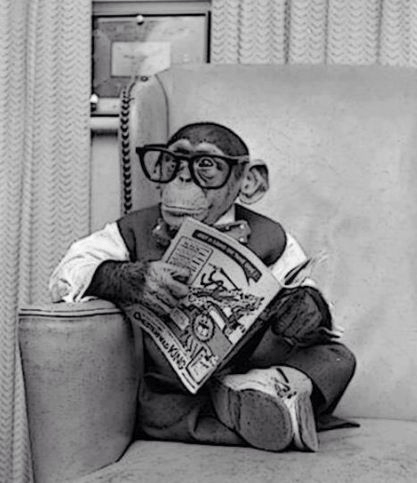
Kandinsky dijo que imitar era como lo que hace un mono. Los simios se parecen mucho a los humanos y nos saben imitar, ¿No has visto a un mono vestido, con gafas y «leyendo» un periódico? La imitación no es la realidad ni tampoco tiene la misma carga emotiva, espiritual que la realidad…

(Foto Pinterest)

Ahora nos vamos a la abstracción. He puesto un cuadro, «Quatre» de ejemplo, pero no es una abstracción. Es un cuadro figurativo. ¿Por qué es figurativo y no abstracto? Simplemente porque contiene elementos identificables y de nuestro entorno material. El arte abstracto no puede tener ningún elemento que se parezca a uno real. Pero he puesto este ejemplo porque aunque es un cuadro figurativo tiene muchos elementos abstractos.

Por ejemplo, el fondo es abstracto completamente pues no se parece a nada en la vida, nada le es igual. La abstracción suele distanciar al observador porque no hace una conexión directa con su mente lógica, con su intelecto, aunque si debe hacerlo con su mente ilógica, abstracta, artística y emotiva. Pero lo más importante es que tiene que tener una referencia y esa referencia es interna en el autor de la obra y para el observador, según como absorba los colores y donde lo lleven.

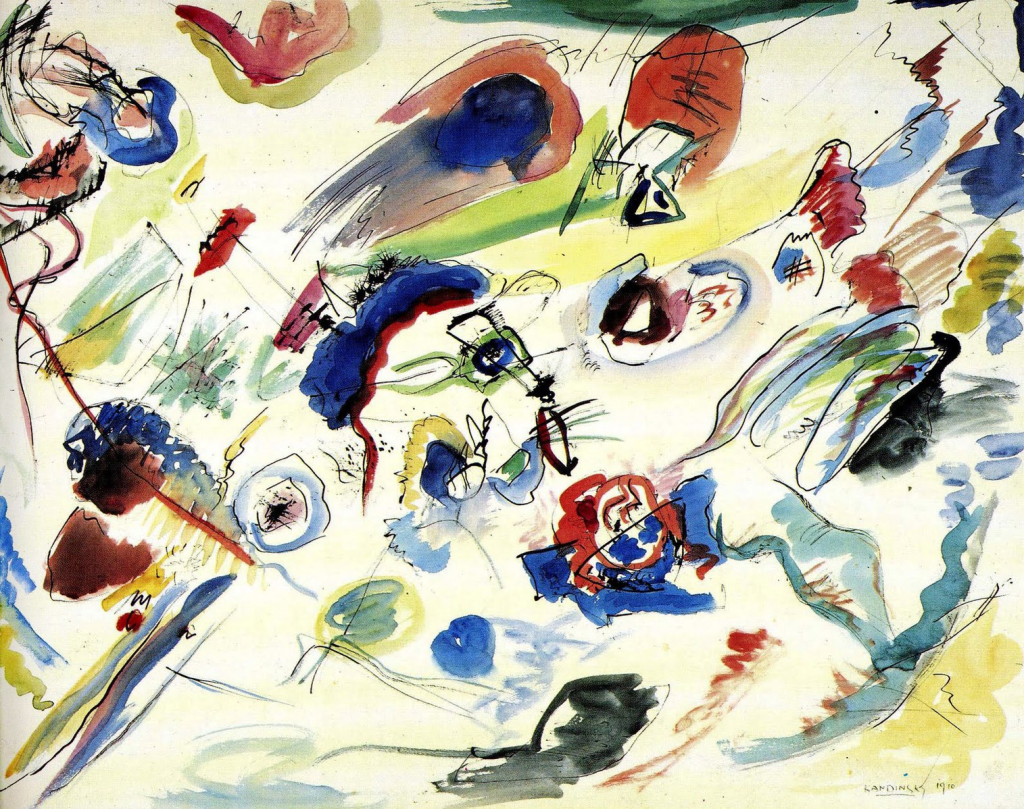
Y sí, ya sabemos que Hilma af Klint pintó una serie de cuadros, considerados ahora abstractos, mucho antes de la primera acuarela abstracta de Kandinsky, «Sin titulo» de 1913, pero Kandinsky impulsó el género y lo defendió en su libro «De lo espiritual en el arte» (1912), aunque él no siempre fue pintor de abstracción, pues sus inicios en el arte lo llevaron a muchos estilos, todos figurativos. No fue hasta unirse a la teosofía…junto con Piet Mondrian, su contemporáneo y también pintor abstracto…que comenzó a teorizar acerca del color, del poder del color y de los sonidos de los colores.

(Foto GATOPARDO)

Kandinsky decía que escuchaba tonos y acordes al pintar, que el amarillo es el sonido de una trompeta, el negro, el color del cierre, digamos el fin de las cosas. Pensaba…y yo muy de acuerdo…que al combinar colores el artista creaba frecuencias vibratorias, como los acordes que se pueden tocar en un piano. Explicó esto y otras cosas relacionadas a las figura geométricas en su otro libro «Punto y línea sobre el plano.» (1926).

(Wassily Kandinsky – Primera acuarela abstracta de 1913)

OMNIA CAELUM STUDIOS PRODUCTIONS PRESENTA:

Gracias…

#art, Page 2: My Useless Artists Top 10, part 2

(Image Public Domain/Unknown photographer/All rights remain with its owner)

4) Romero Britto. Well Britto should take up a lot, if not most, of the slots in my ranking of my worst ten artists (my opinion). Really I should not even include him as an artist, because he is not. He is a mystery. I cannot understand why or who would purchase one of his atrocities. He stands next to the great bad ones like Miró and Kahlo. Yet those were simply bad artists, Britto is not an artist. And if you search, you find nothing about hi, He says he never studied art, and that is quite evident when you see his «works» which resemble a kindergartner’s colouring book. I will let you be the judge.

There really is no reason to put any more as they are all the same.

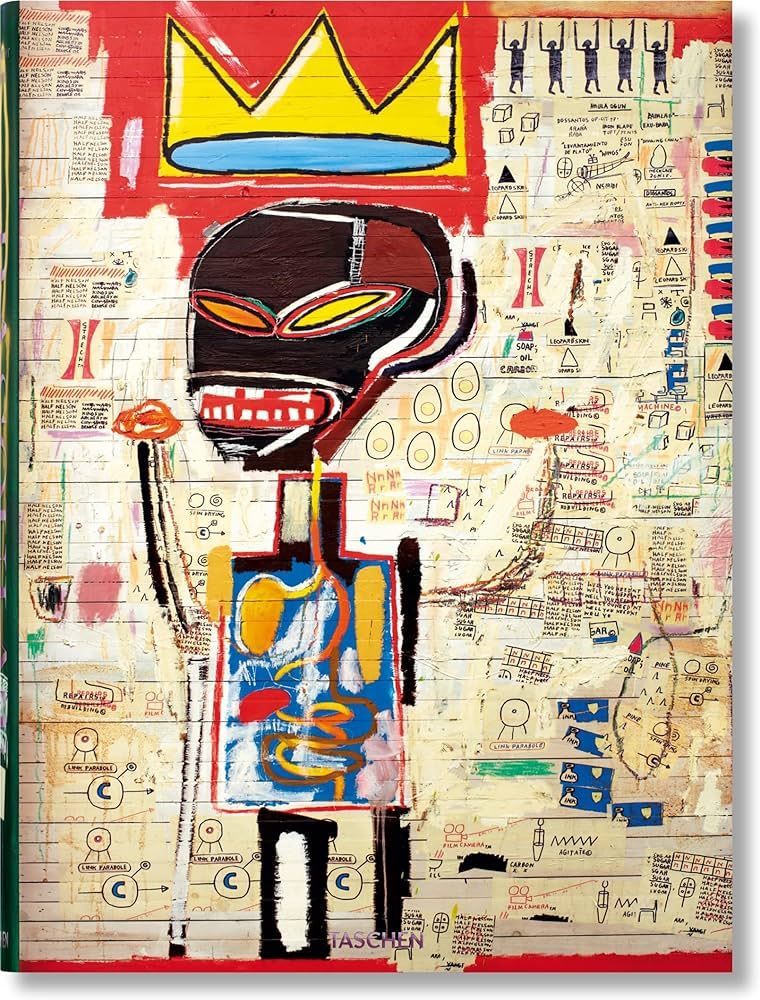
5) Jean-Michel Basquiat. The «enfant terrible» of the 1980’s. The boy-man who wanted to become famous and rich, and who managed it. I must say that I do respect him a bit more than most of the others, but I still consider him a terrible artist. His mother trained him in the arts and he profited from it, to a certain extent. He was a «graffiti artist» for a while, an abstract musician, a painter, a bohemian, a bum on the streets, and a spoiled brat who did not know how to live and ended up the way he did. Suicide by overdose of drugs. His works are uninspiring and quite cliché, boring to the max and do not, nor have they ever proffered anything to art history. The fact that he was always around the «greats» of his time contributed to his posthumous success. As to the value of his works, well, that is a mystery just like with Britto.

(Public Domain)

6) Damien Hirst. If anyone can be called a non-artist (besides the ones I have already mentioned) is Mr. Hirst. He thought he had invented the circles of colour, he put a shark in formaldehyde (which he did not mix well and the shark began to rot and had to be replaced) and he made a skull with diamonds who no one bought and who was secretly purchased by a group which included himself… He does not know anything about painting, drawing, well, nothing about art at all. Well, if I could put all the «artists» I have mentioned as number one on my list, I would.

(Image La Razon/Good grief, he even lied about the date of the animals he put in formaldehyde)

CHEERS

#art, Some of My Views on Art…

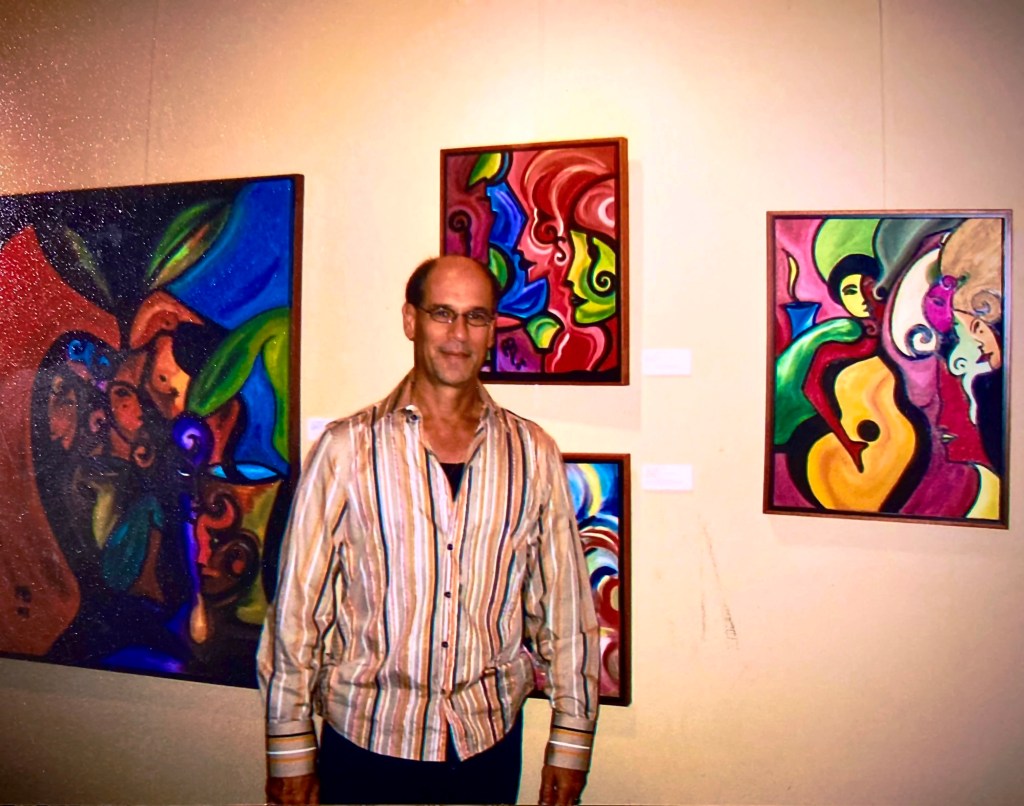
(Francisco/actor portrayal/at his show in «The Gallery» of the University of Miami, 2004 where he was a Member of the Board and a Resident Artist/All Rights Reserved)

I always thought that artists (painters and sculptors) only had to display their works and with that they said it all. However, as you can see, here we are talking away, theorising and explaining. Art History (as an academic course) has become too long and too coarse. It collects, like a rubbish bag, everything that they throw into it. Styles of art are mostly defined by critics, «professors,» and journalists supposedly specialised in writing about art. I will tell you what I think of each of those groups.

First the art critics. To this group I give very little value and very little time. I can do without them and I wipe my nose with their critiques. We all know how to judge and how to determine what we like or don’t like, so we do not need a parrot to tell us what is good or not or to guide us. Second, the supposed teachers or professors. Well, this group is seemingly very important because they are to teach art students and guide them towards becoming artists. But they lose all their value when, in place of teaching the fundamentals, they serve as advocates for their own favourite style or artists. This creates students that really do not know much about making art, losing sight of the fundamentals of painting, sculpture, lithography or ceramics.

The art journalists, or those who write about art. Being those that tell us about openings, dates, times, the artist or artists involved. They are good for that, to help us fill in dates in our calendars to go see an exhibition, or not. But they go further, they promote those they like, or those that seem to be in the present «vanguard» and ignore the rest like the plague. Most of these «journalists» are frustrated or failed artists themselves. They probably failed because they did not work hard enough or dedicate enough time. Art requires hard work, and talent is only developed through sweat, effort and time. One is not born with talent, one develops it if one is interested in what they are doing. So I really do not have many good things to say about those who only write about those in the current mix (or those who pay them). Great journalism I’d say!

OMNIA CAELUM STUDIOS VALENCIA PRESENTS:

(2023)

Cheers…