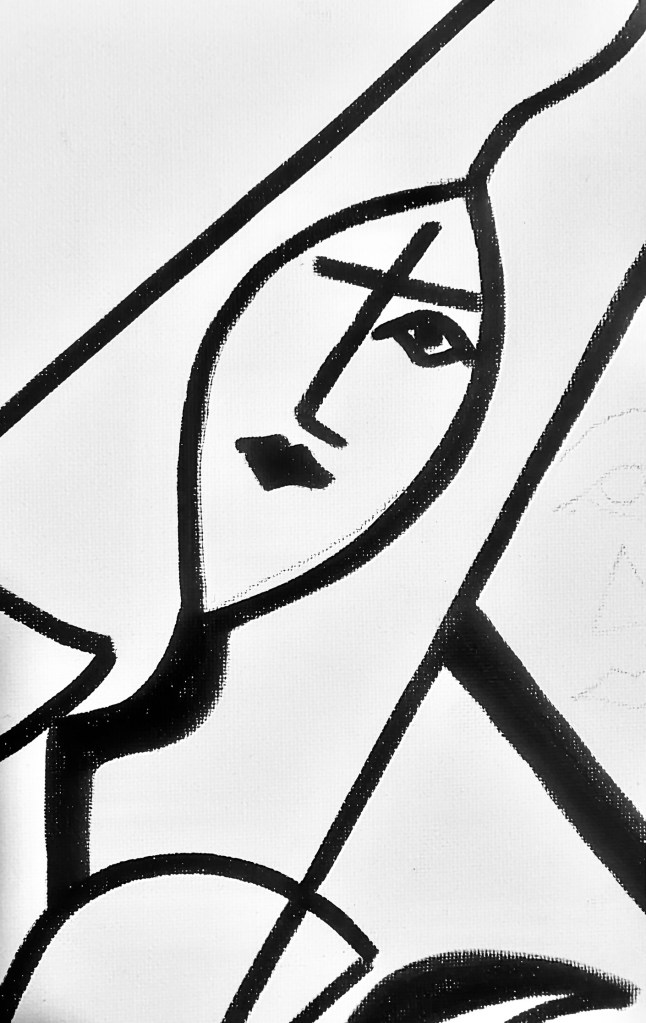
#art, #opinion, Art and Evolution

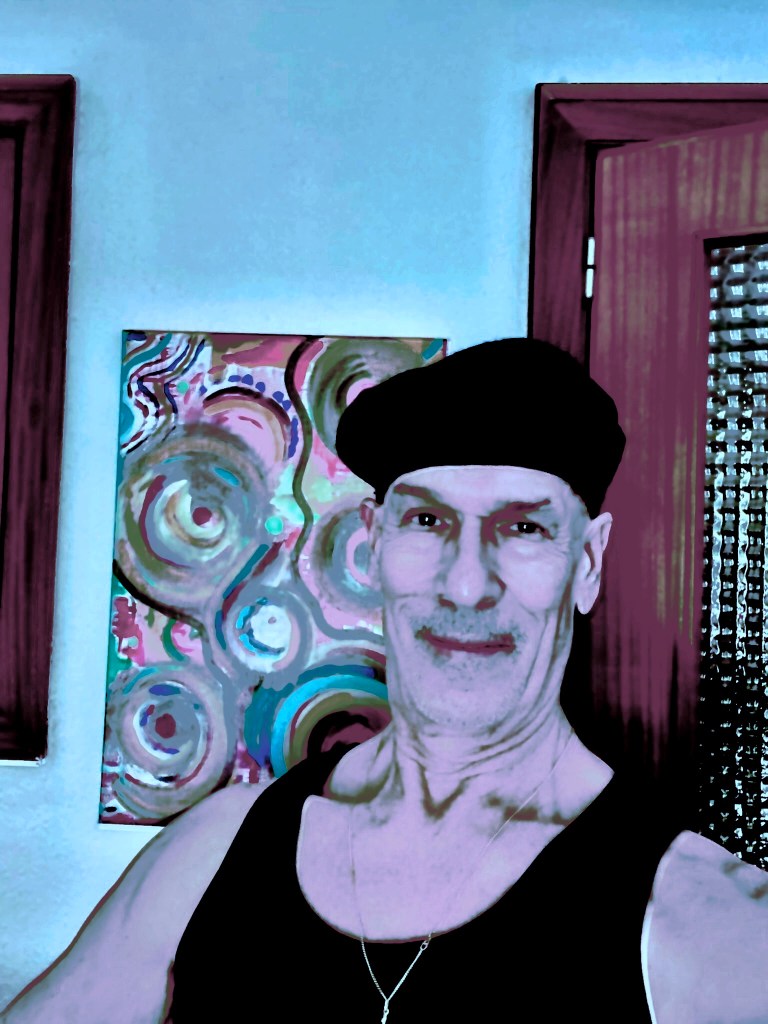
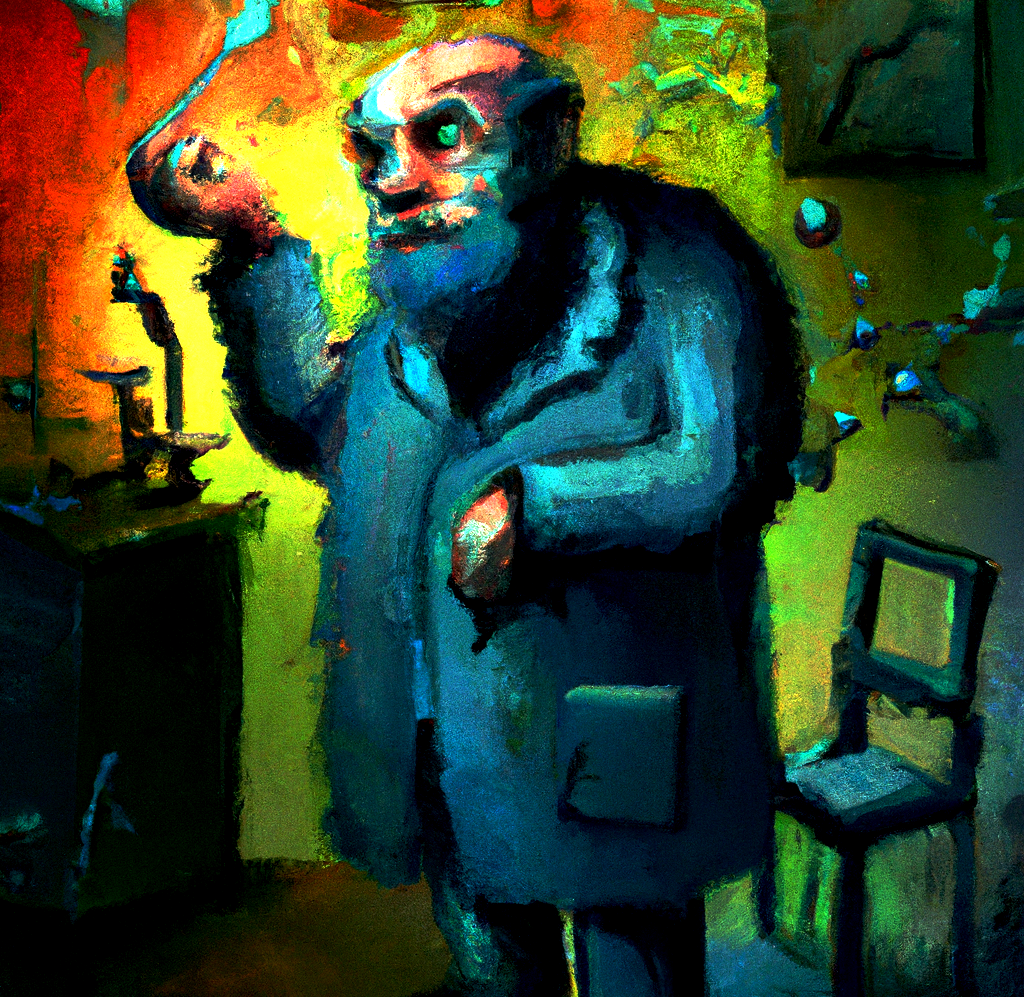
(«The Mad, Mad Evolutionist» by Francisco Bravo Cabrera/All Rights Reserved)

According to the «experts»… oh my, those «experts»… there are proofs and evidence to declare that the «theory» of evolution is a reality, but… I am not convinced by either Darwin or Alfred Russel Wallace… Man, like art, is not a product of evolution.

«How? But what are you saying? Well, I’m going to tell you…»

First, I will tell you about humans, I mean, those who’ve not descended primates (only a lunatic would believe that). If someone wants to have simian ancestors, well, they can enjoy them and go visit them at the zoo. But it is absurd to think that we descend from monkeys. If that were the case, there would no longer be any monkeys because they would have all evolved into men and women. Yes, I know, it’s a somewhat frivolous argument, but it remains valid. Sometimes the simplest things are the truest. That we resemble each other in certain aspects or that we have similar organs that serve the same function, well, dogs, cats, ferrets, otters, lizards, and even fish also have them.

And what of art?

Art does not evolve because it has always been. From the first sketches, drawings, and paintings made in caves to the graffiti done by vandals on the walls of our cities, art is, has been, and will always be a fait accompli, let’s say a done deal.

That times and styles have changed, yes, no doubt. But that is not evolution, that is development. Until the era of the Impressionists, artists only painted what they were asked for. That is why many of the oldest artists did not consider themselves «artists» but rather artisan painters who fulfilled the commissions they were given.

Art changed according to the success of the searches/experiments/trial and errors made by artists who became pioneers and avant-gardists. But until that precise moment in history arrived, it couldn’t be. After the liberty that art achieved in the 19th century, the vanguards of the 20th century came and art completely changed. But it was all due to the search and what they found, as Picasso said, «I do not seek, I find…»

So let us stop thinking about these pseudo-scientists, half mad, half crazy that have put these fireflies in our heads. Let us instead look with a critical eye at the life that surrounds us, at the people too and at art. Art shines, surges, and embraces us with unquenchable strength, the power of truth. Man, like art, did not evolve, but was created perfect.

CHEERS
#art, La abstracción (otra vez) – Abstract Art (Again)

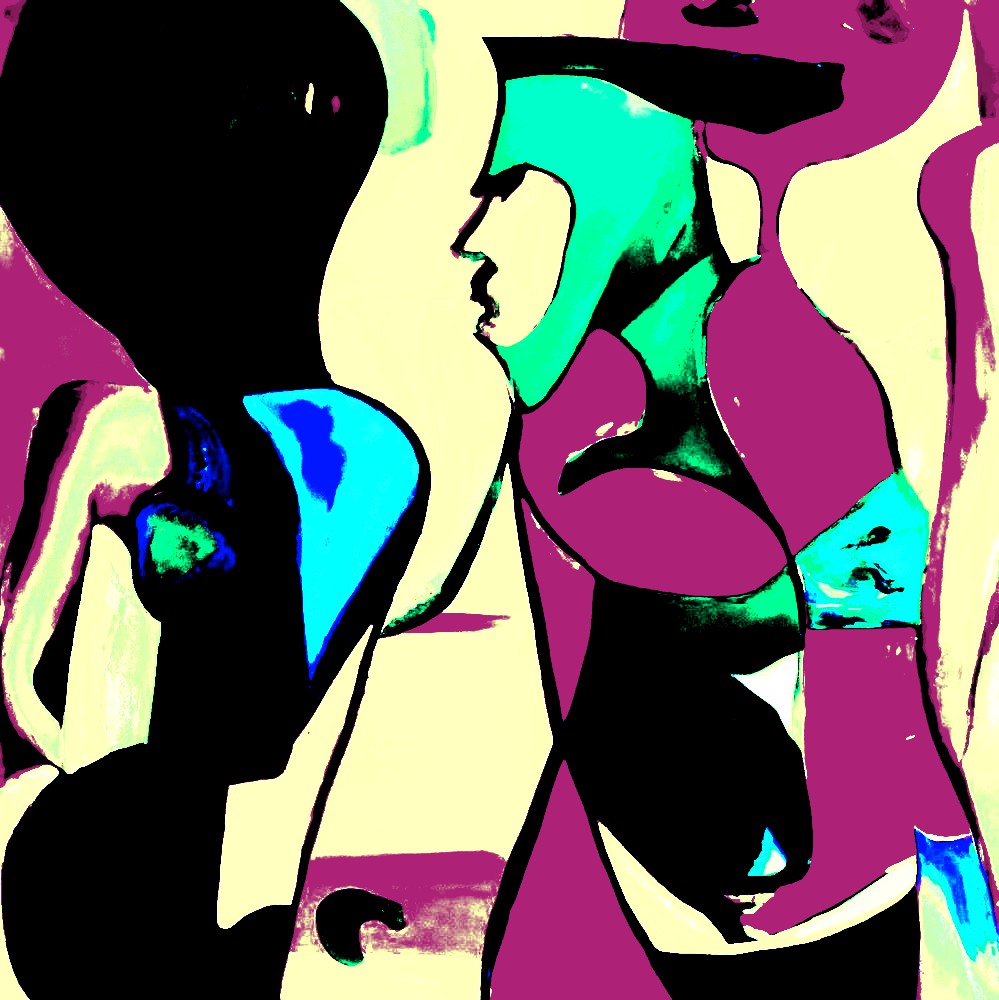
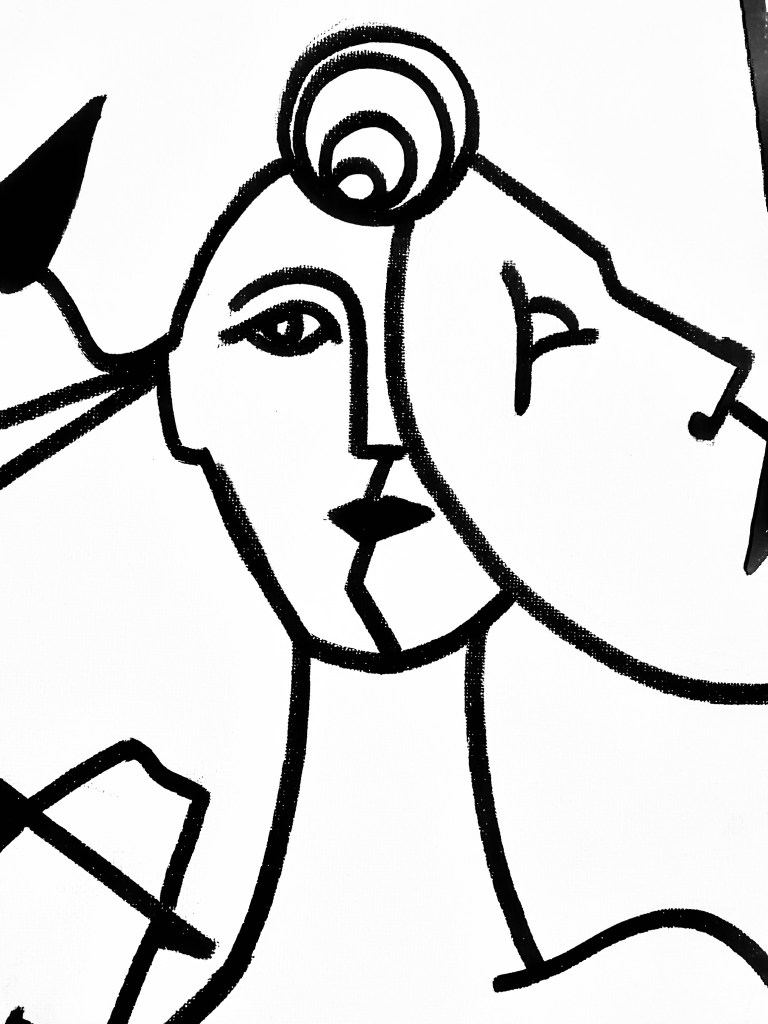
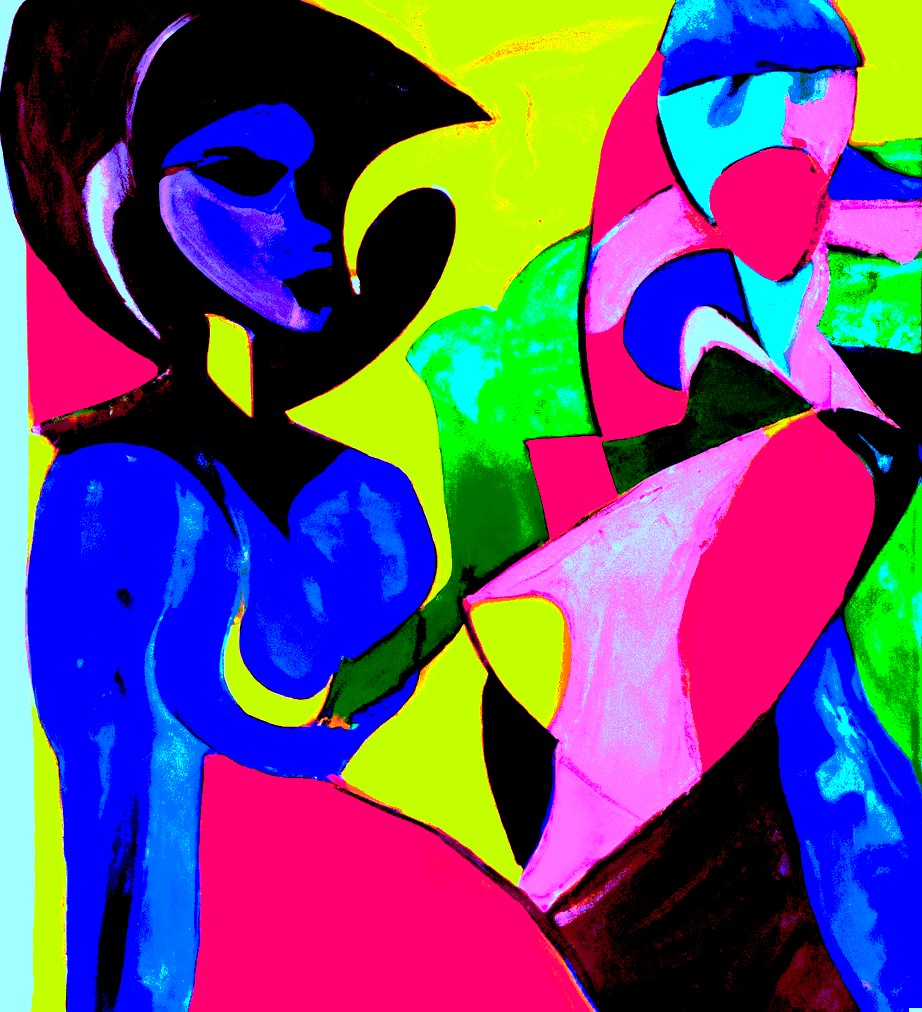
(«Karnevalsdame»/Art Digital de/by Francisco Bravo Cabrera/Derechos Reservados/All Rights Reserved)

El arte abstracto…y vamos otra vez con la abstracción…es una de las vanguardias del Siglo 20, y yo diría que la más importante. Y ¿Por qué? Porque sigue vigente…demasiado…y porque abrió muchos trillos en la pintura. Aumento el campo del expresionismo, del surrealismo y del simbolismo y nos dio la oportunidad…a los pintores…de, claramente y contundentemente, añadir temas de la abstracción a la pintura figurativa. 

Añadiría que la abstracción no es fácil ni es algo intuitivo. Es una forma de pintar que le presenta al pintor los mismos problemas que la pintura figurativa y que el tiene que resolver en cada cuadro. No es cuestión de tirar pintura sobre el lienzo. Es buscar la filosofía, el significado, la referencia y el mensaje de cada cuadro y transmitirlo de forma totalmente abstracta. Esto quiere decir que nada sobre la tela puede parecerse, en lo más mínimo, a lo que encontramos y vemos en nuestra realidad…

+++

Abstract art…and here we go again with abstraction…is one of the art vanguards of the 20th century, and I would say the most important. And why? Because it remains relevant…I would even say perhaps too much…and because it opened many technical and compositional paths to painters. It expanded the field of expressionism, surrealism, and symbolism, and gave us the opportunity to clearly and forcefully add themes of abstraction to figurative painting.

I would add that abstraction is not easy or intuitive. It is a way of painting that presents the same problems to the painter as figurative painting, and that have to be solved in each painting. It’s not a matter of throwing paint on the canvas; it’s about seeking the philosophy, the meaning, the reference, and the message, and conveying it in a completely abstract way. This means that nothing on the canvas can resemble, even in the slightest, anything found in our reality…

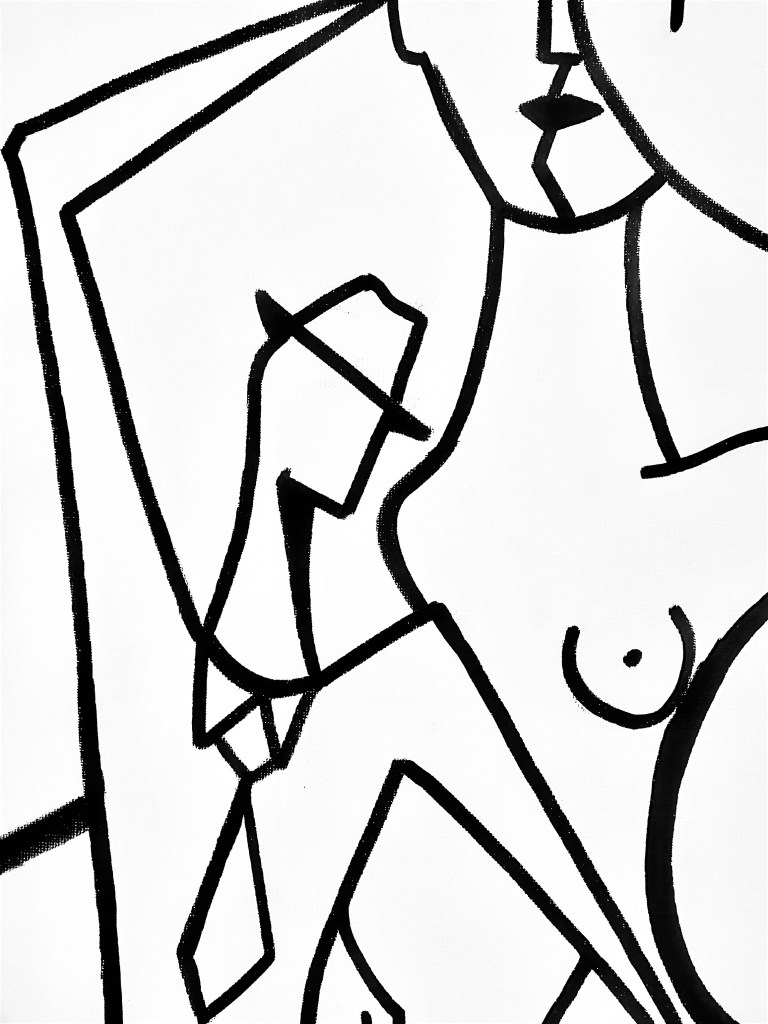
(«Karnevals-Typ»/Art Digital de/by Francisco Bravo Cabrera/Derechos Reservados/All Rights Reserved)

PREGUNTA: Estos dos cuadros, ¿Son figurativos o abstractos?

+

QUESTION: Are these two paintings figurative or abstract?

GRACIAS – CHEERS

Buenos días

Esta realidad la vemos cumplirse casi todos los días, ¿No?

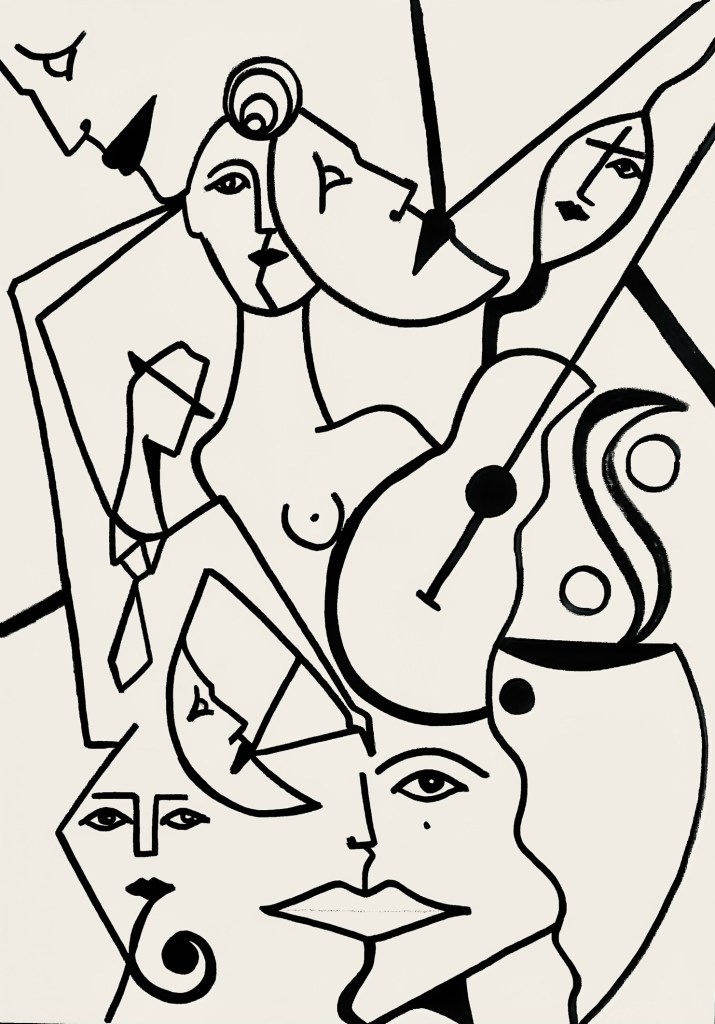
#art, «The Composer» Is Now a Fine Art Print…

(Image property of FBC/OCS Valencia/All Rights Reserved)

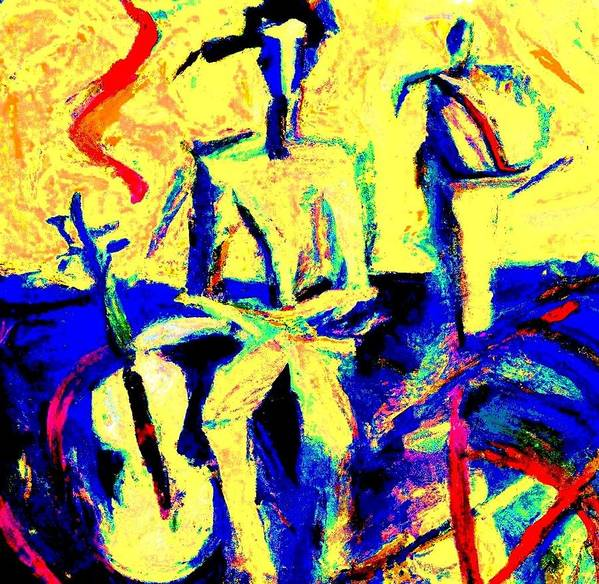
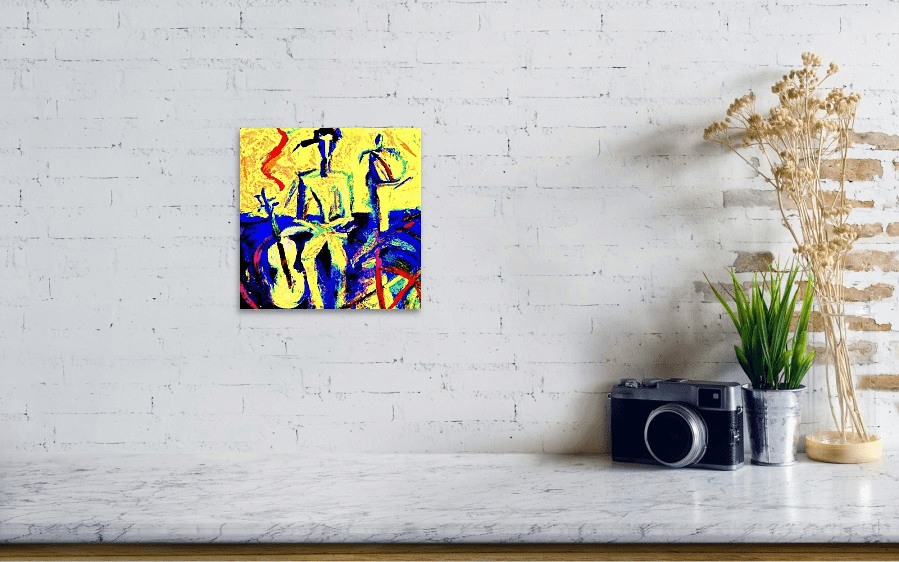
«The Composer» as an art print, is a new work that I have uploaded to my gallery at Fine Art America, the only company that does my fine art prints, who handles the entire transaction and who ships to you quickly. This is a great way to support original art at affordable prices. Check out my gallery at Fine Art America often as I often revise the work I upload.

(Image property of FBC/OCS Valencia/All Rights Reserved)

CHEERS…

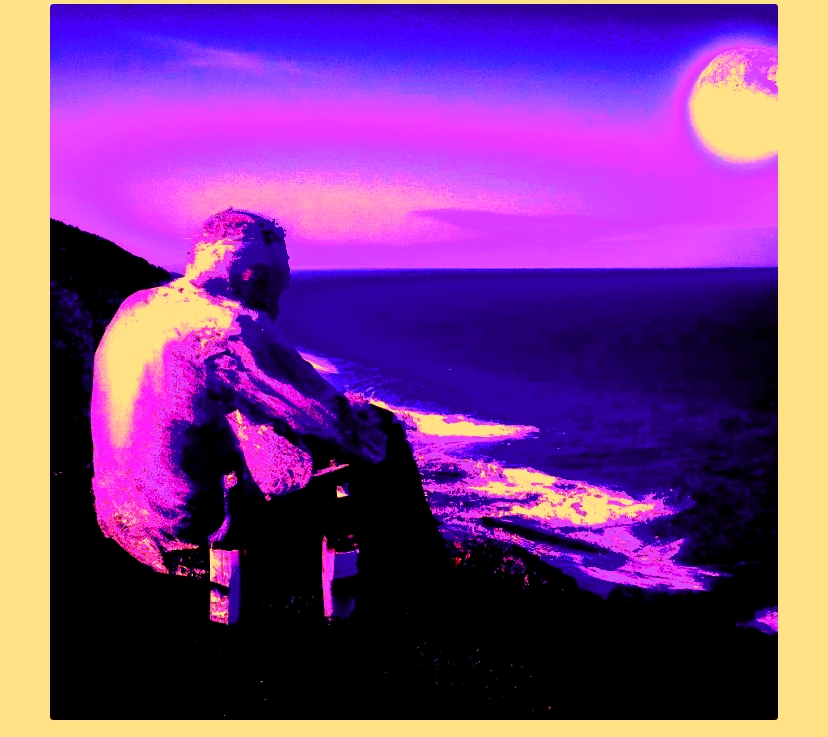
#art, #poetry, «The Moon and Henry Garrity»

(Art Digital by Francisco Bravo Cabrera)

Few pleasures pull the soul towards contemplation,

few words control the speech of awe and inspiration,

few eyes can see what walks upon the surface of a dream,

few ears can hear the sound that’s never been…

Few men can boast of princely things like my friend Henry,

within a glass, a bottle and a smile he never hurries,

and so I lift my glass and toast to Mr. Garrity,

may he forever have adventures, thoughts and whims…

C.2024, Francisco Bravo Cabrera, 05 FEB 2024, Barcelona

Bon dia!

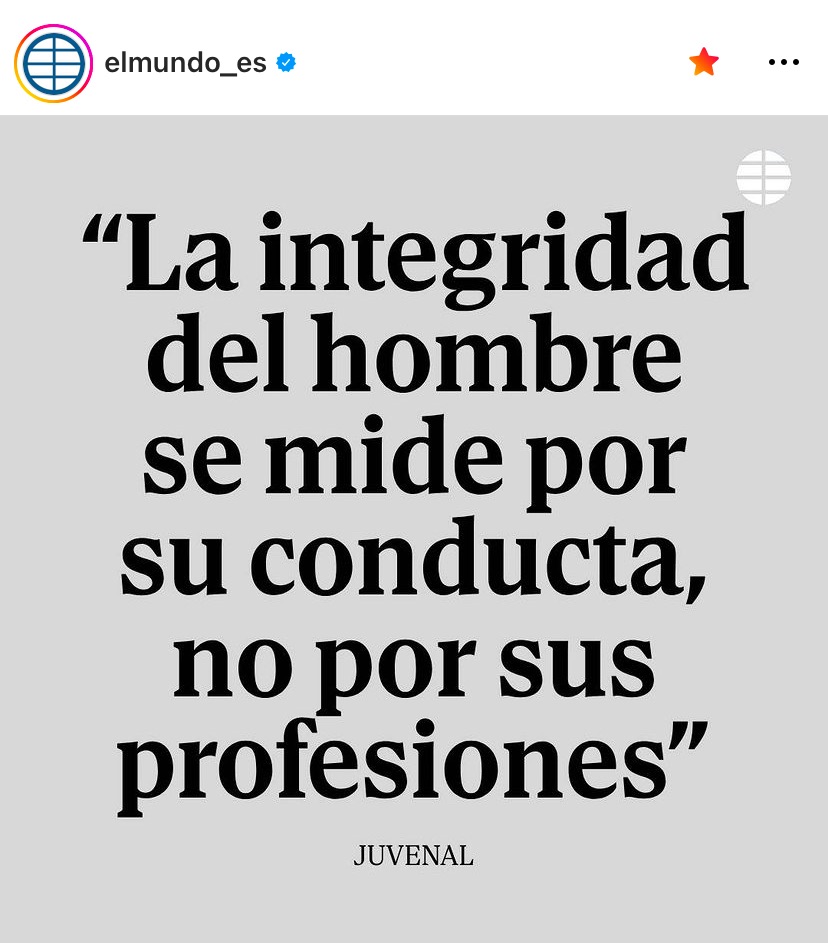
Pues si es así, hoy en día en muchos círculos hay muy poca integridad, añadiría que poco gusto y poca inteligencia también…

#art, Otra vez estos delincuentes…

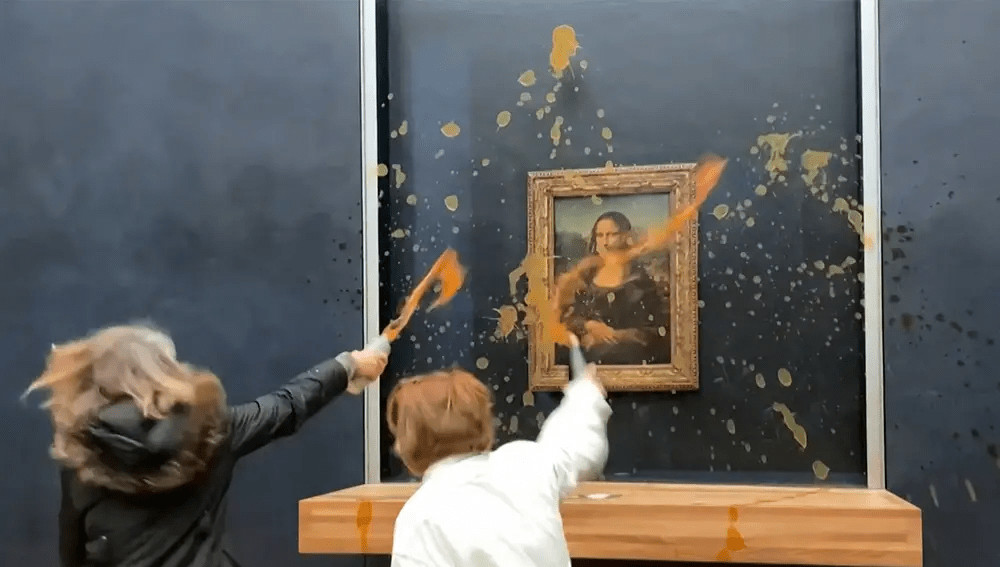
(Foto La Razón)

Venga, pero estas faltas al respeto, estas faltas de disciplina, de etica, de urbanismo, mare meua, ¿Hasta cuando? Y ¿Qué hacen las autoridaes francesas? Pues nada…

Unos delincuentes de un grupúsculo llamado Riposte Alimentaire (Respuesta Alimentaria) se han atrevido a entrar al Louvre con latas de sopa y luego lanzárselas a la Mona Lisa gritando que es mas importante la comida que el arte (o alguna estupidez así). No quiero darle propaganda a estos actos delictivos de vandalismo y hasta de terrorismo (diría yo), pero esto tiene tela…

Estas estupideces no son protestas ni la cabeza de un guanajo, son actos de vandalismo y a los que lo hacen hay que llamarles delincuentes no activistas. Parece que hoy en dia todos se creen con muchos derechos, pero derechos para destruir y no para crear. Y poco les importan los deberes.

Si a esta gente se le llama por el nombre que realmente se merecen, pillos, y no se le diera tanta noticia, dejarían de hacer estos actos de vandalismo. Pero yo voy mas allá y digo que deberían de ser detenidos y acusados de altos crímenes y lanzados a un calabozo por unos largos meses para ver si la van a liar entre la población carcelaria estos pijos bitongos…

El arte se respeta. Iros a lanzarle sopa a vuestra abuela y además hay muchos hambrientos por ahi que les hubiera gustado mucho mejor tomarse esa sopa. Aprended que la comida no se desprecia. Hipócritas

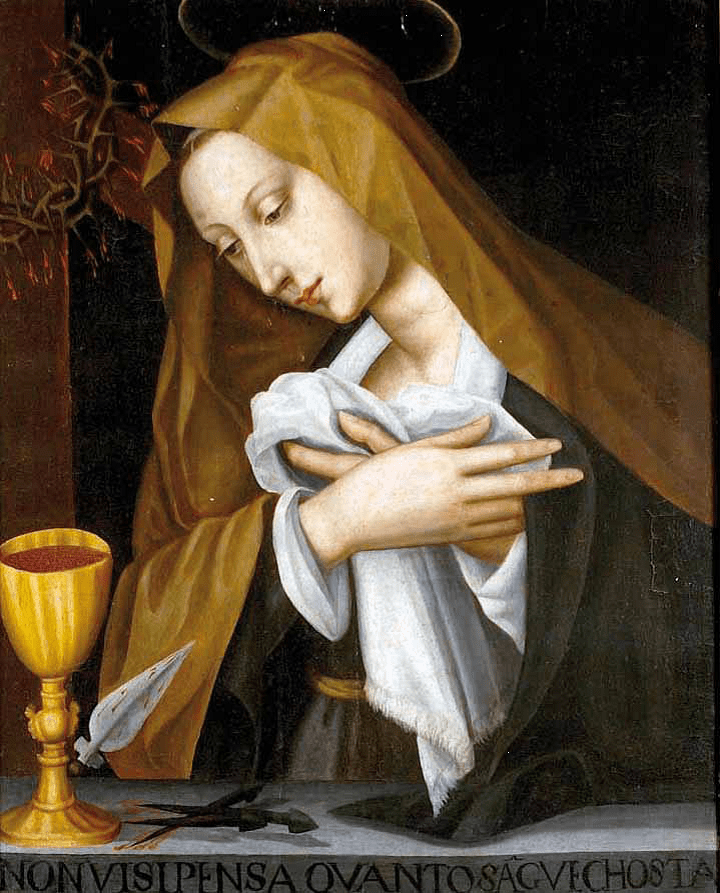
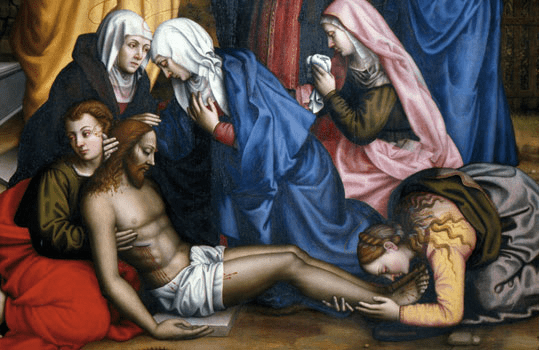
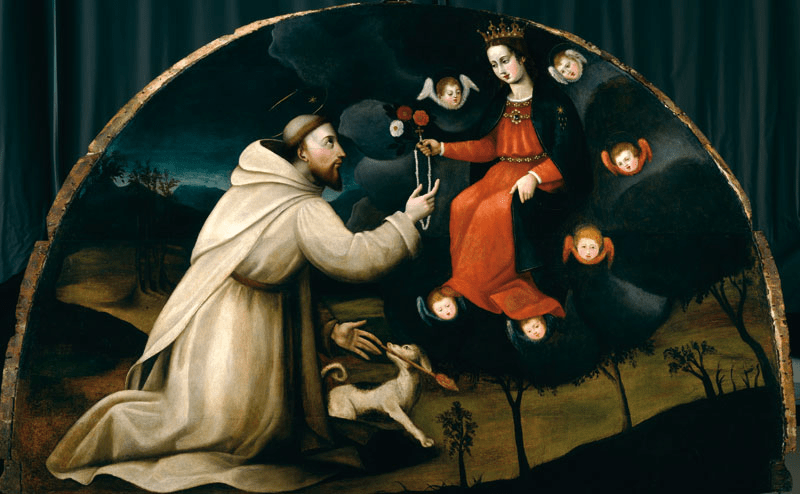
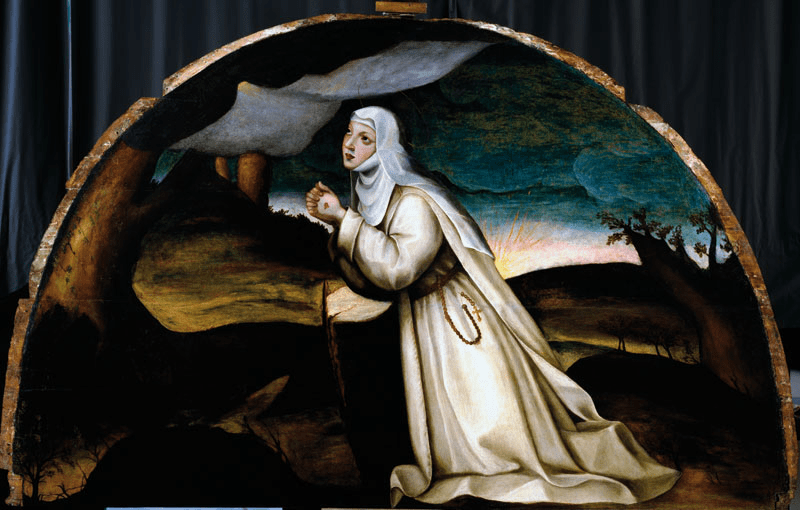
#art, Women Artists in Art History: Plautilla Nelli

(«Dolorosa»/public domain)

Plautilla Nelli was a Dominican nun and a self-taught artist, possibly the first woman artist of Florence. She entered the convent at the age of 14 and immediately began teaching herself how to draw and paint. She was greatly influenced by the Dominican preacher Savonarola who encouraged women to paint, thus the convent becoming a huge art studio for many of the sisters.

Sister Plautilla had success selling her paintings, which she did in large scale as well as in miniature. She had many buyers, including women. She also served as professor to other nuns and many of the sisters of the convent of Saint Catherine of Sienna became her students and disciples. 

Her style was devotional and religious in nature, classic and mannerist as dictated by Savonarola. She inherited the drawings/sketches of Fray Bartolomeo and she was one of the few women included in Vasari’s «Life of the Most Excellent Painters, Sculptors and Architects».

Nelli is an important…woman…artist in Art History and should be studied. I would urge you to look further into the life and the work of this extraordinary woman. Sister Plautilla was born and died in Florence, (1524-1588).

(«Lamentation»/Public Domain/commons.wikimedia.org)
(«St. Dominic Receiving the Rosary»/Advancing Women Artists Foundation/Public Domain/commons.wikimedia.org)
(«St. Catherine Receiving Stigmas»/Advancing Women Artists Foundation/Public Domain/commons.wikimedia.org)

CHEERS

#art, Mis apuntes de mis entradas – Notes From My Posts

(Francisco Bravo Cabrera/Bodo Vespaciano/representado por un actor/actor portrayal)

La pintora italiana, la monja, Sor Plautilla Nelli, fue una gran innovadora pues fue la primera mujer artista en hacerse un autorretrato y lo hizo delante del caballete, cosa que ningún artista había hecho pero que muchos hicieron después. Dicen que fue autodidacta pero eso es imposible, se aprende de alguien o de algo, no de la nada. Rompió esquemas, sin duda alguna y vosotros lo habéis reconocido en el articulo… Mi interés es divulgar, informar, entretener y también recalcar un poco sobre la necesidad de darle cabida…verdadera…a las mujeres artistas que han existido y que deben tener su merecido puesto en la historia del arte y en los museos. Creo que la historia…en general…hay que re-escribirla y hacerla mas objetiva y mas veraz pues hay mucha propaganda y muchas mentiras y en la historia del arte muchos y muchas ausentes… Os agradezco la participación pues así debe ser, esta es una trinchera para discutir y para transmitir ideas de forma compartida y llevar el conocimiento del arte a más y más lugares…

+++

The Italian painter, the nun, Sister Plautilla Nelli, was a great innovator as she was the first female artist to create a self-portrait, and she did so in front of the easel, something no artist had done but many did afterwards. They say she was self-taught, but that’s impossible; you learn from someone or something, not from nothing. She definitely broke the mold, and you have recognized it in the article… My interest is to disseminate, inform, entertain, and also emphasize the need to truly give space to the women artists who have existed and who deserve their rightful place in art history and in museums. I believe that history in general needs to be rewritten to make it more objective and truthful, as there is a lot of propaganda and many lies, and in art history, many are absent. I appreciate your participation because that’s how it should be; this is a trench to discuss and transmit ideas in a shared way and to spread art knowledge to more and more places…