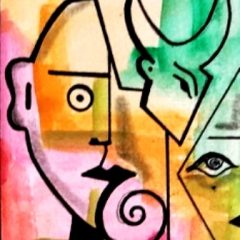
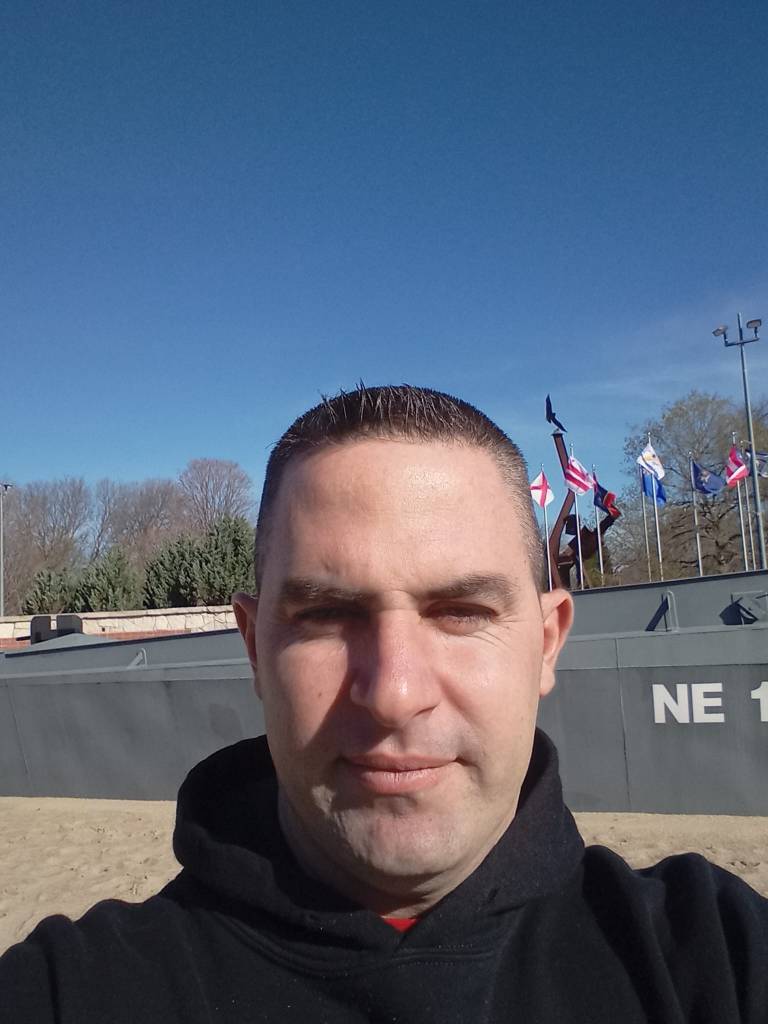
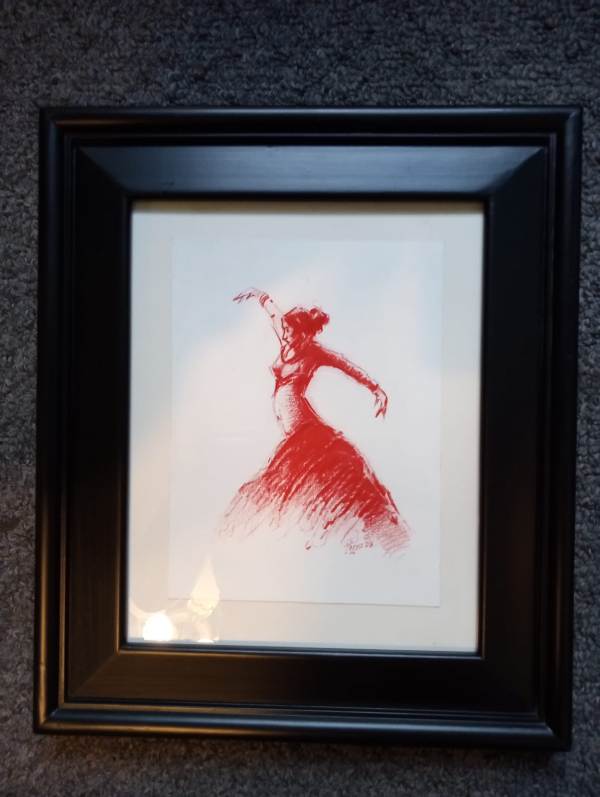
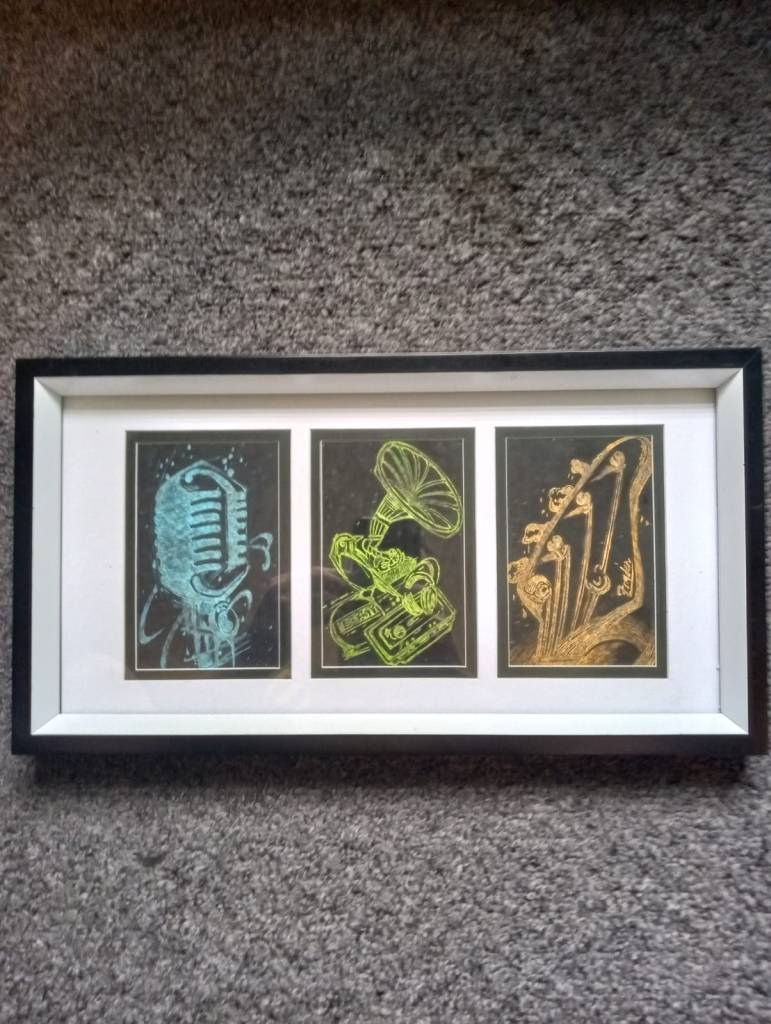
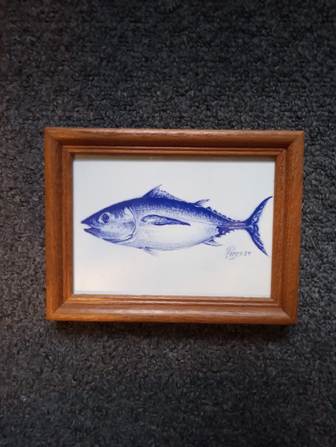
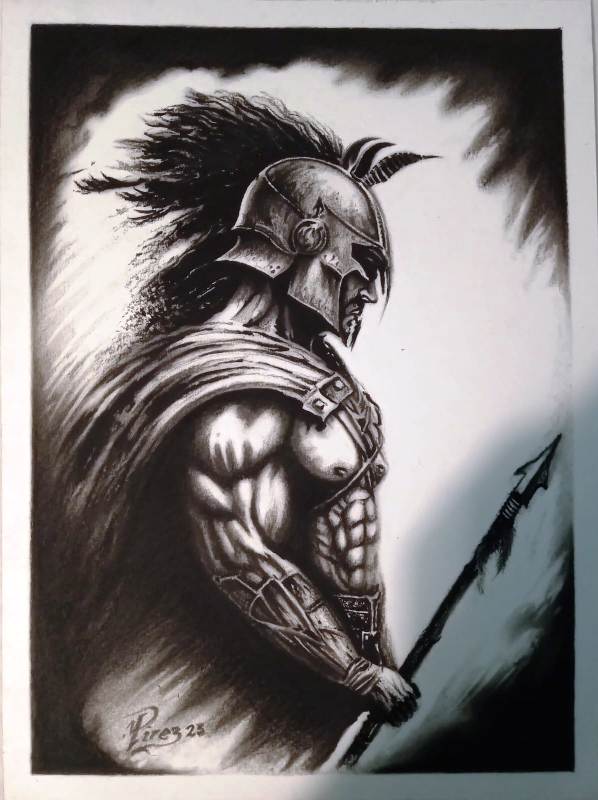
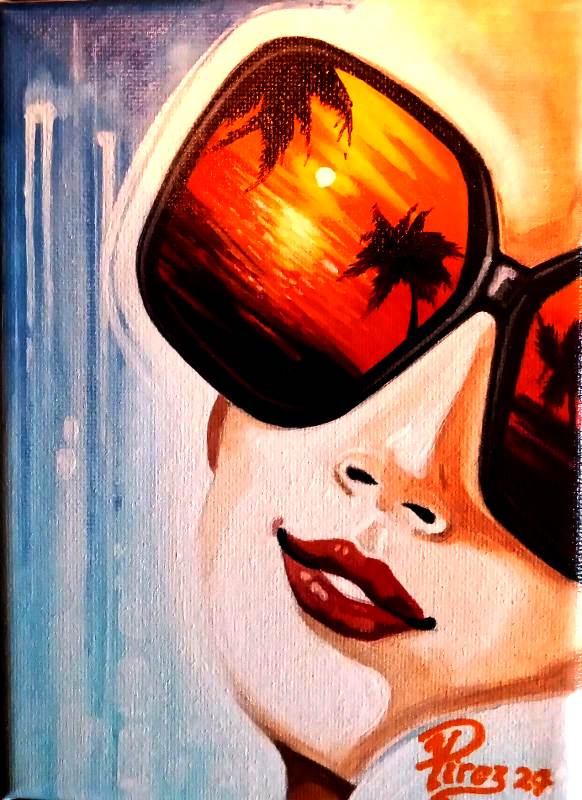
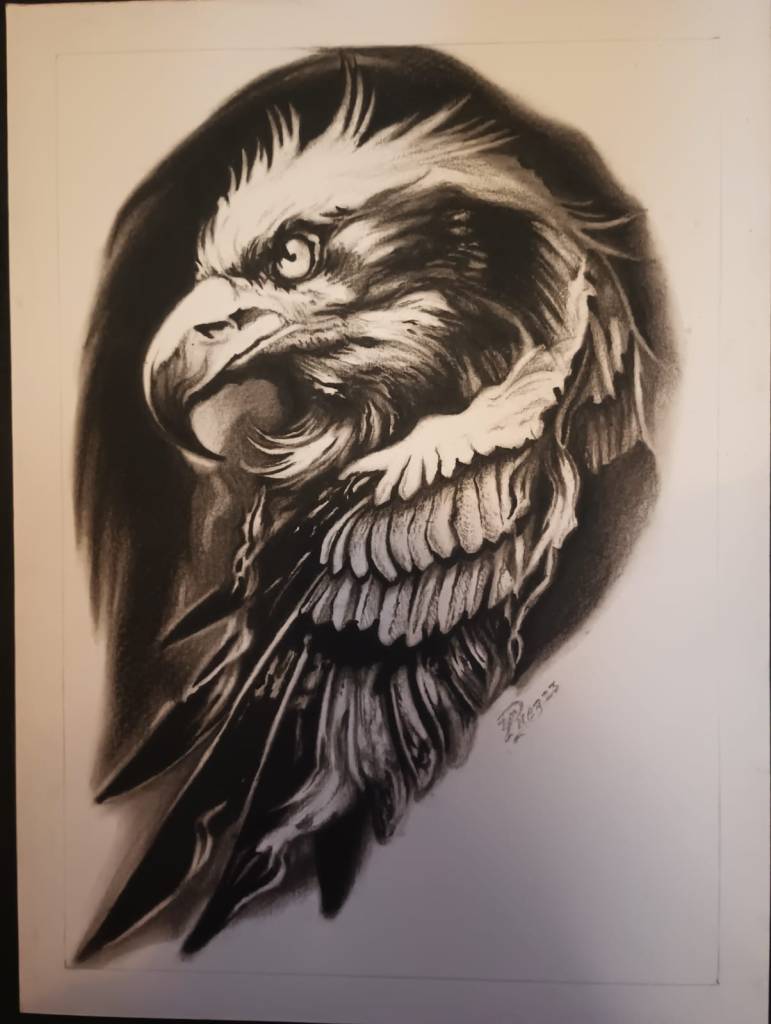
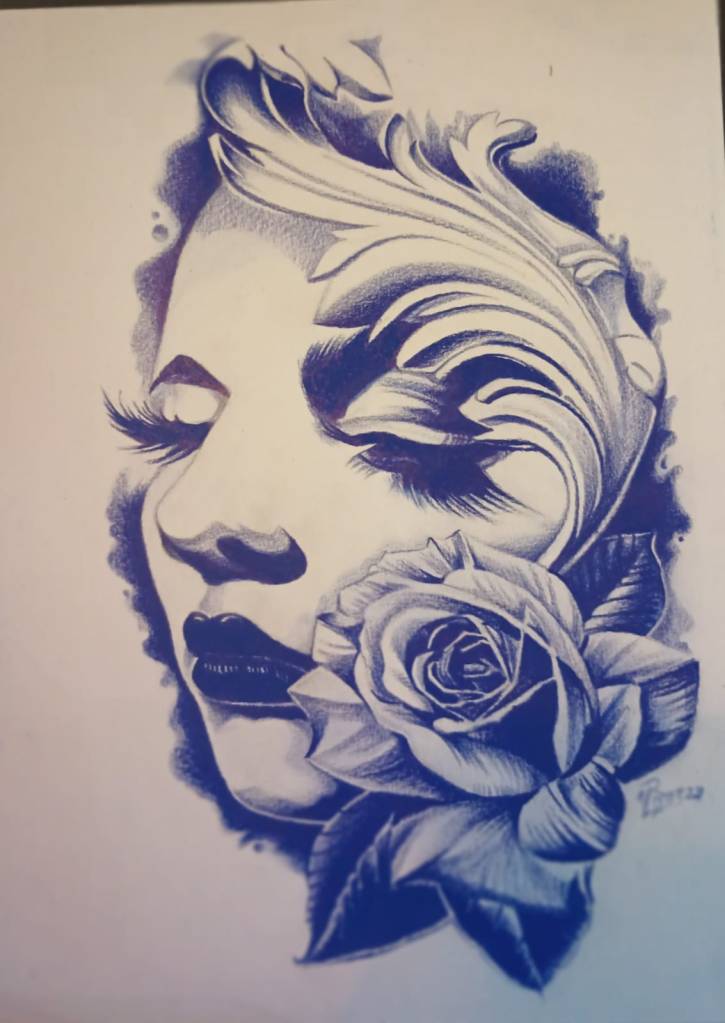
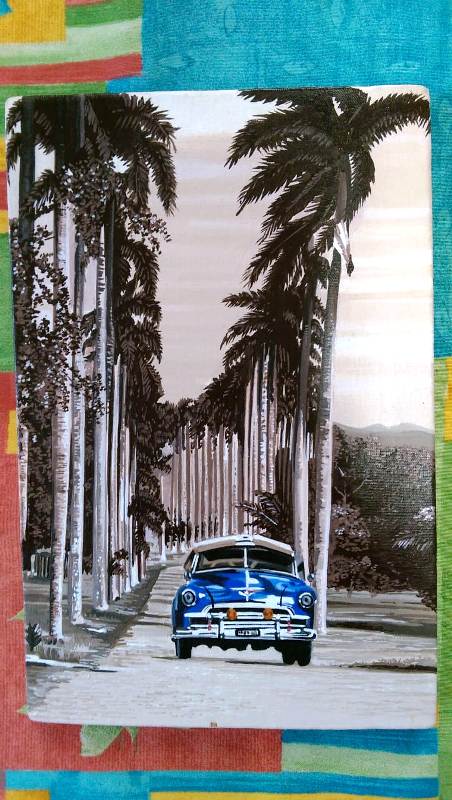
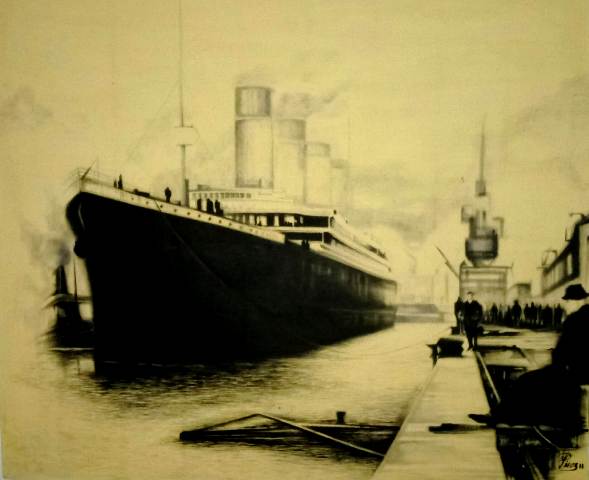
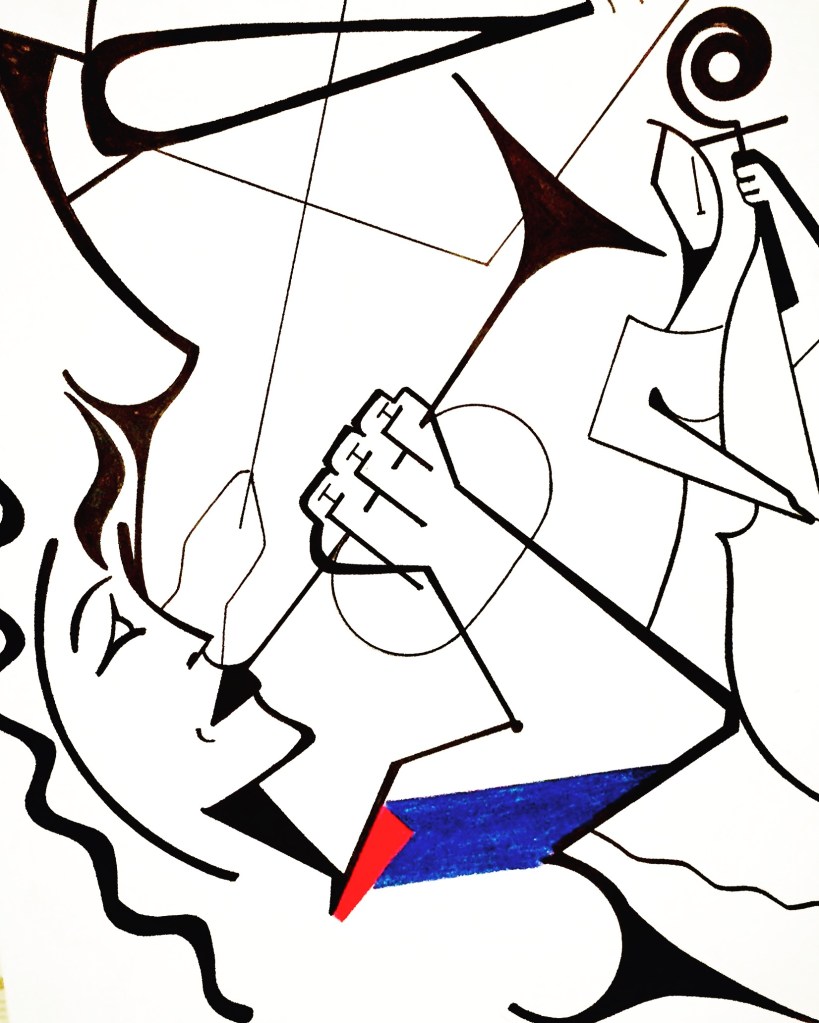
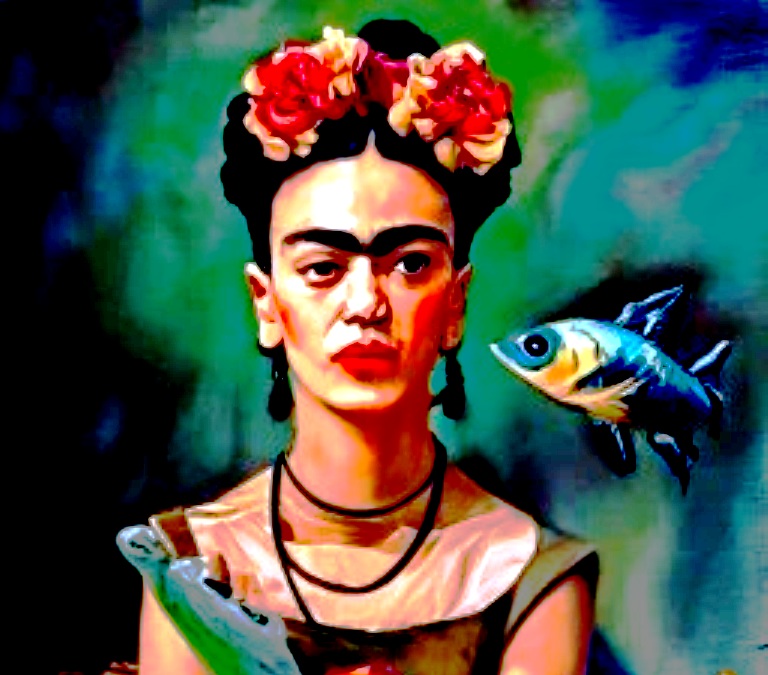
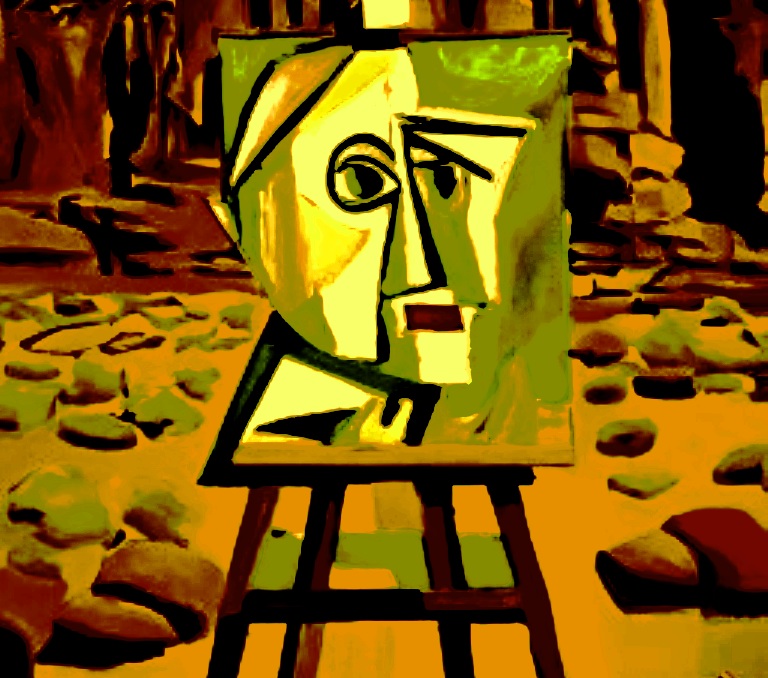
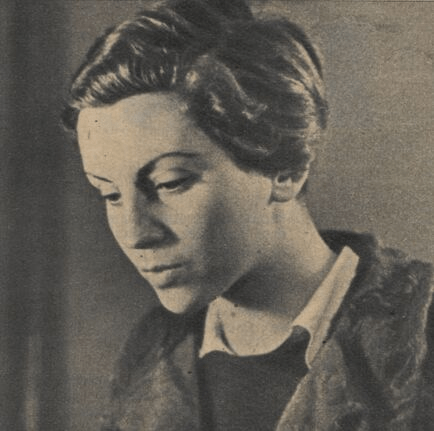
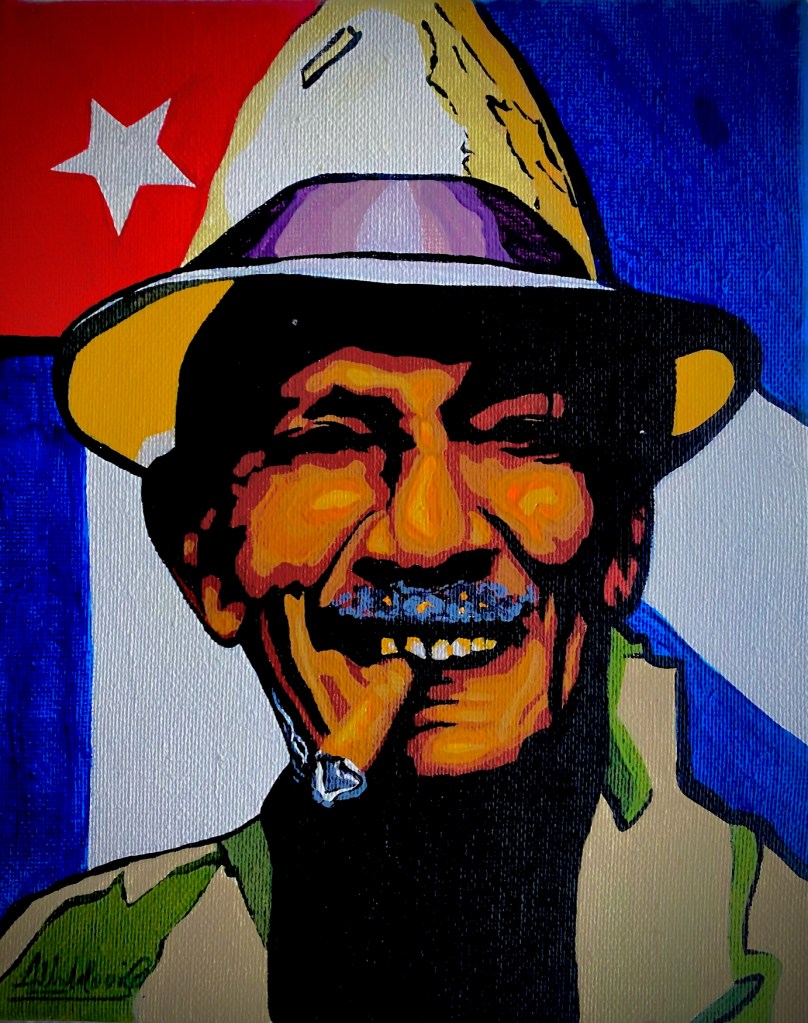
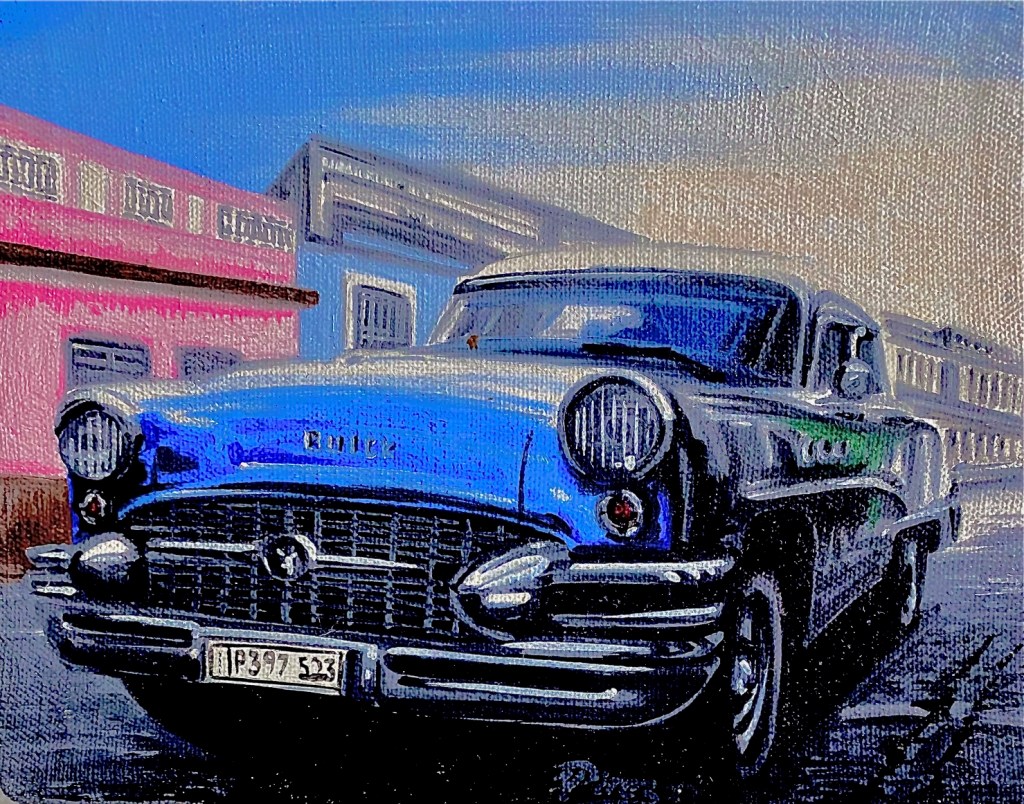
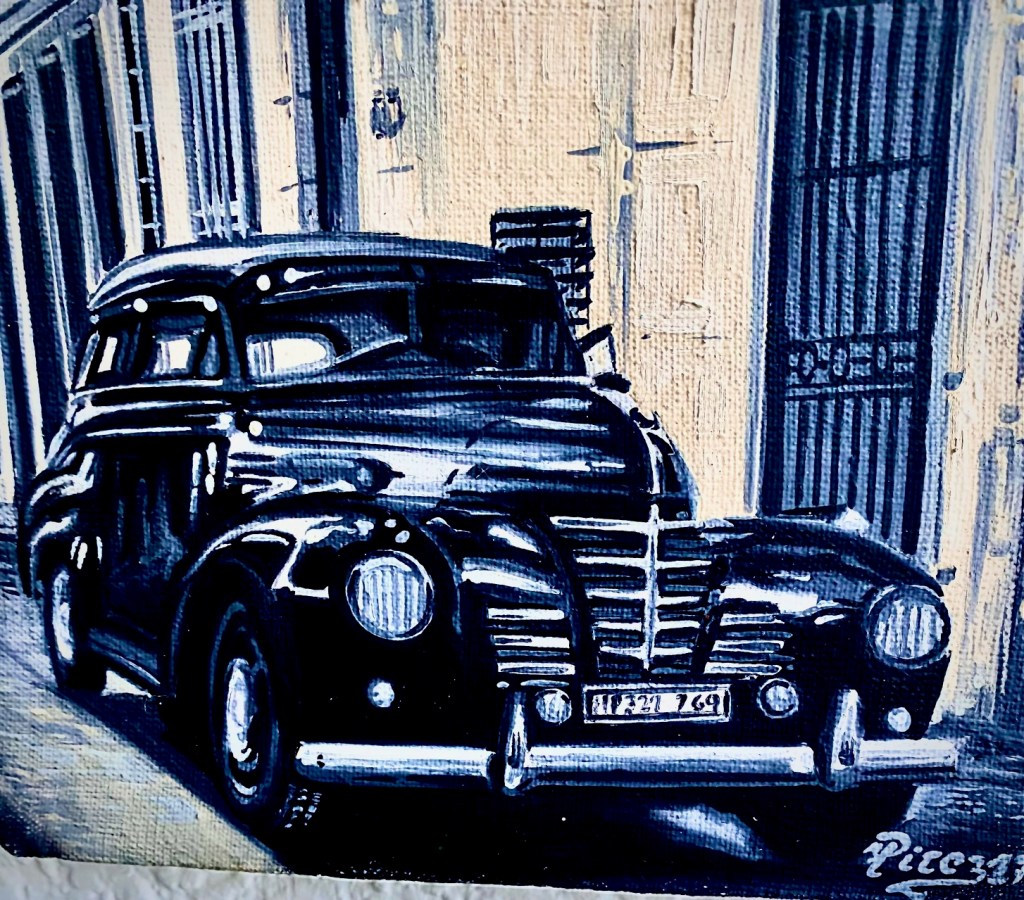
Bienvenidos a una nueva edición de FEATURES by VALENCIARTIST. Esta vez os traemos a un artista pintor cubano radicado en Estados Unidos, Yaniel Pirez Peña. Este artista, que nació en Cienfuegos, Cuba el 7 de noviembre de 1990 fue instructor de arte, del 2005 al 2009, en la academia EIA Octavio García Hernández de su misma ciudad. Pirez trabaja lo mismo el óleo que el acrílico y también hace unos dibujos fenomenales.
Aquí os presento algunas de sus obras más recientes:
(Obras de arte originales de Yaniel Pirez Peña/Derechos Reservados)
Y si tú eres artista, escritor, poeta o estas involucrado en las bellas artes y quieres participar de protagonista en la serie FEATURES by VALENCIARTIST, solo tienes que responder a esta entrada del blog con tu correo electrónico y te contestaremos con toda la información. En cualquier idioma y recuerda, tu eliges lo que quieres decir y poner de ti mismo.
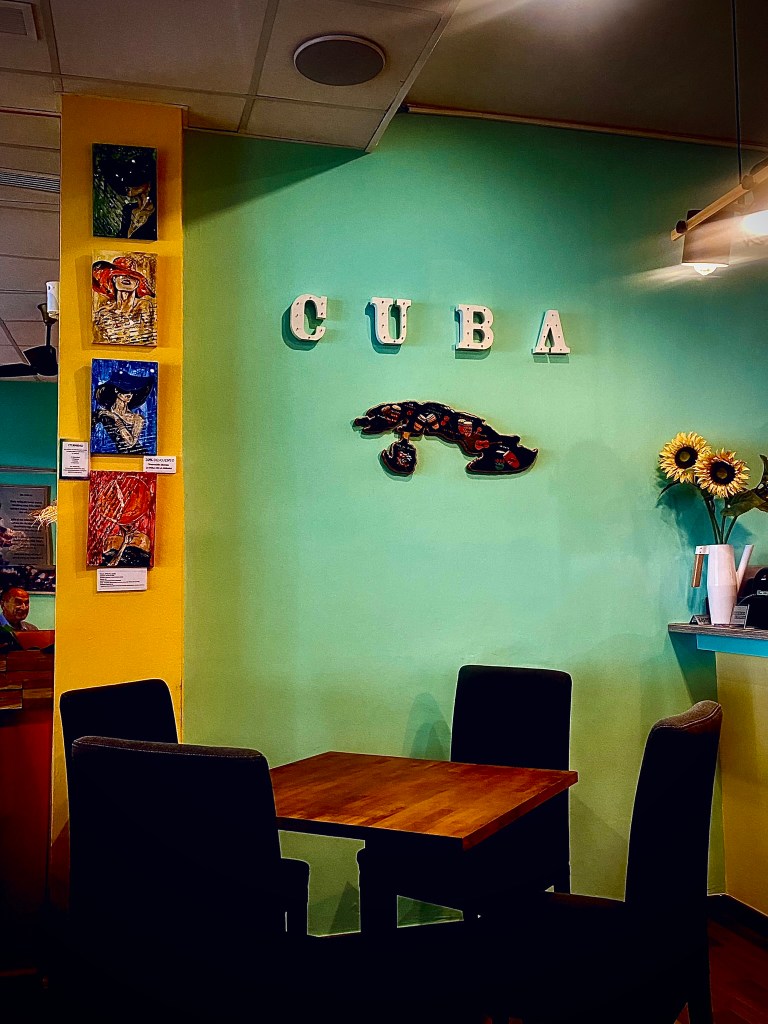
(Foto de FBC en La Perla de La Habana, Valencia/Derechos Reservados/Photo by FBC at La Perla de La Habana, Valencia/All Rights Reserved)
En estos días, en los que di un viajecillo por la nuestra Comunitat Valenciana, me he encontrado con muchos cubanos en lugares donde no me los esperaba y ha sido un gran placer haberlos conocido. Parece que por estos Deus lares hay mas cubanos que lo que yo me imaginaba. En Miami yo viví entre esa buena gente, de sangre española, de carácter amable, de rápidas risas, abrazos, caricias y besos, de chistes y cuentos y de mucha cultura… Me alegra mucho saber que aman estas tierras, esta terreta valenciana y toda España, con el mismo afán que aman a su bella isla y solo deseo que algún día Cuba sea libre para que puedan regresar y puedan una vez mas sentir el sol caribeño y la sombra de las palmas…
(Foto/Photo Francisco Bravo Cabrera en el Restaurante La Perla de La Habana en Valencia/Derechos Reservados/All Rights Reserved)
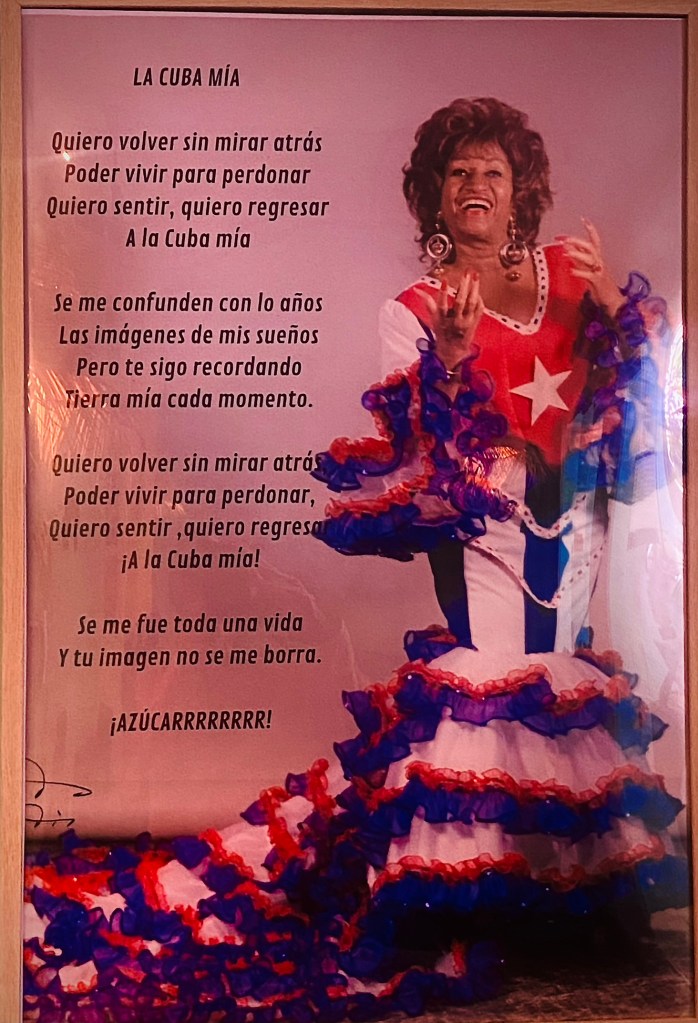
Aquí tenéis a Celia Cruz, la «Guarachera de Cuba» y ese hermoso poema, hecho canción que ella canto junto a Willy Chirino (musico y cantante cubano de Miami) y a Miliki (Emilio Aragón Bermúdez, 1929-2012, de Los Payasos de la tele, Gaby, Fofó y Miliki).
Esta es la letra entera de esta canción que significa mucho para todos los cubanos exiliados en tantos y tantos países del mundo por culpa del comunismo internacional que se robó la patria cubana…
Quiero pasear sin amargura por la calle de tu recuerdo y rescatar por fin al niño perdido en mi pensamiento.
Porque el tiempo y la memoria juegan juntos en nuestra historia. Se me fue toda una vida y tu imagen no se me borra.
Quiero volver sin mirar atrás. Poder vivir para perdonar. Quiero sentir, quiero regresar a la Cuba mía.
Quiero volver sin mirar atrás. Poder vivir para perdonar. Quiero sentir, quiero regresar a la Cuba mía.
Se me confunden con los años las imágenes en mis sueños pero te sigo recordando. Tierra mía cada momento, con el son y con la clave, con el sol y la arena suave. Y mi mente se imagina caminando por Santos Suárez.
Quiero volver sin mirar atrás. Poder vivir para perdonar. Quiero sentir, quiero regresar a la Cuba mía.
Quiero volver sin mirar atrás. Poder vivir para perdonar. Quiero sentir, quiero regresar…
Fragmento de «La Cuba Mía» , película documental con la participación de grandes artistas cubanos, en la que sus protagonistas son Celia Cruz y Miliki. Actuación en directo junto a Willy Chirino interpretando el tema que da nombre a la película.
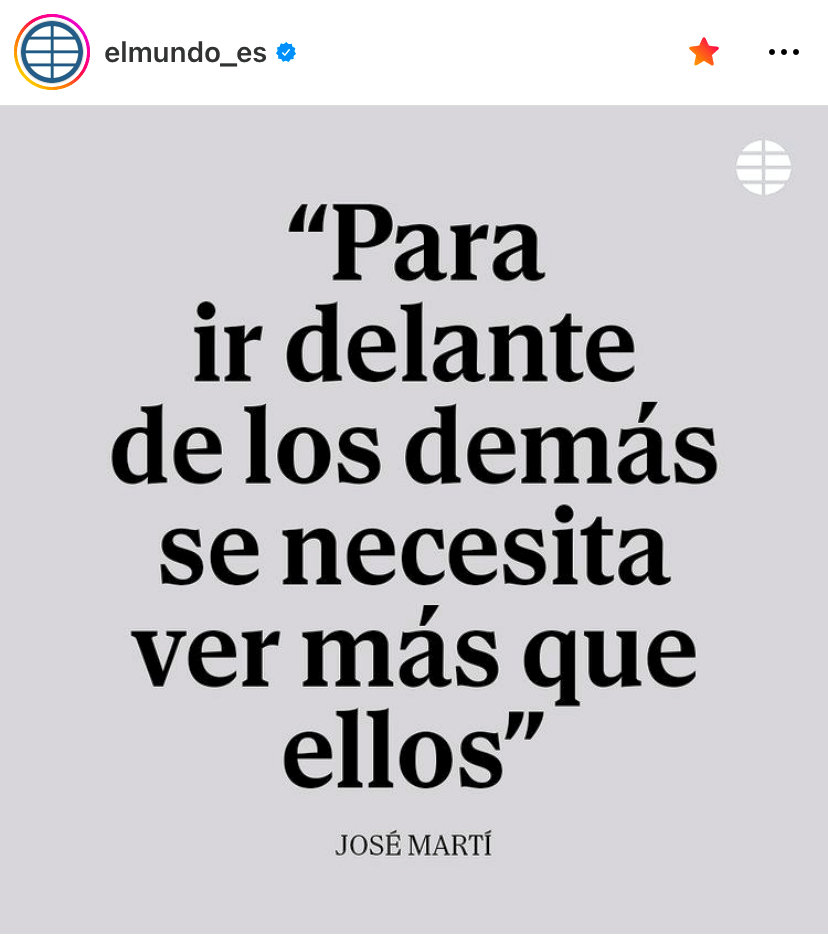
Y os dejo con una cita de José Martí, el apóstol de la libertad de Cuba:
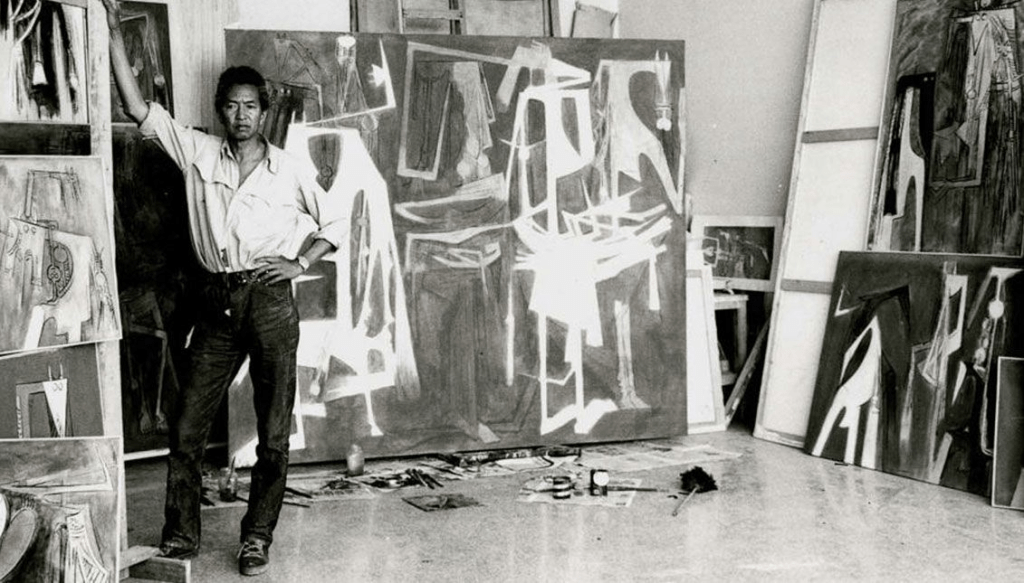
Su madre, Ana Serafina, era hija de esclavos africanos y su padre, Yam Lam, era chino. Wilfredo nació en Sagua la Grande, Cuba. Lam conoció a muchos de los grandes del S. XX, incluyendo a Pablo Picasso, Matisse y Diego Rivera. Lam comenzó sus estudios en la escuela de Bellas Artes de La Habana. En 1923 se traslada a Madrid donde estudió bajo el maestro Fernando Álvarez de Sotomayor y Zaragoza, curador del Museo del Prado y profesor de Salvador Dalí. Wilfredo Lam murió en Paris el 11 de septiembre de 1982. Ya había tenido mas de cien exposiciones particulares y su fama bien establecida como también su posición en la historia del arte. Aquí lo veréis todo…
+++
His mother, Ana Serafina, was the daughter of African slaves and his father, Yam Lam, was Chinese. Wilfredo was born in Sagua la Grande, Cuba. Lam met many of the great artists of the 20th century, including Pablo Picasso, Matisse, Braque and Diego Rivera. Lam began his studies at the Fine Arts School of Havana. In 1923, he moved to Madrid where he studied under the master Fernando Álvarez de Sotomayor y Zaragoza, curator of the Prado Museum and professor of Salvador Dalí. Wilfredo Lam died in Paris on September 11, 1982. He had already had over a hundred solo exhibitions and his fame was well established, as was his position in art history. Here you will see it all…
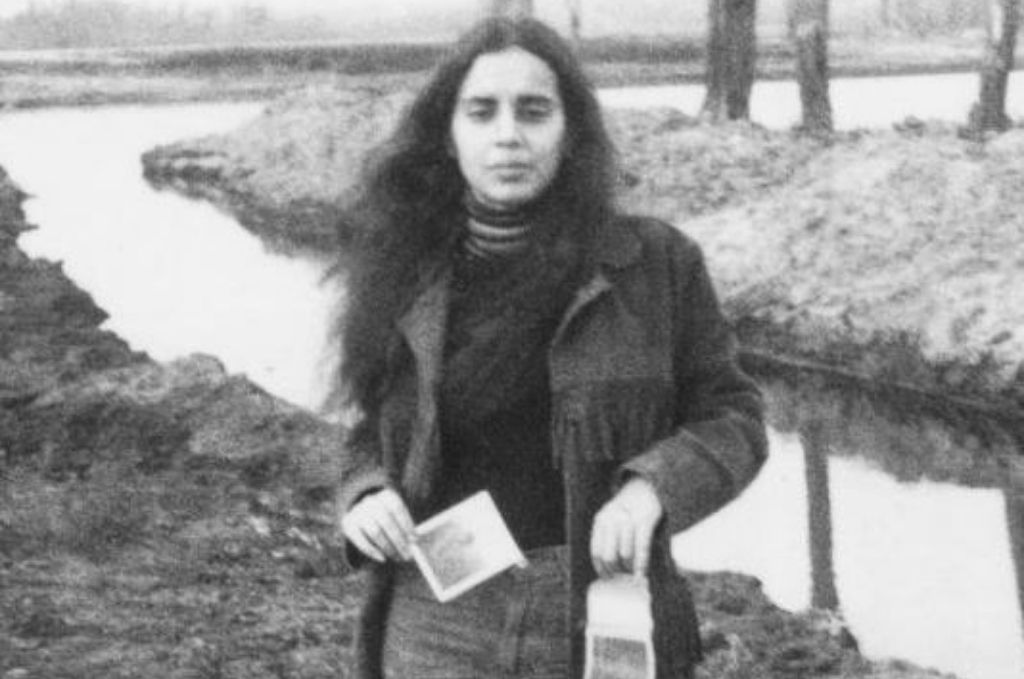
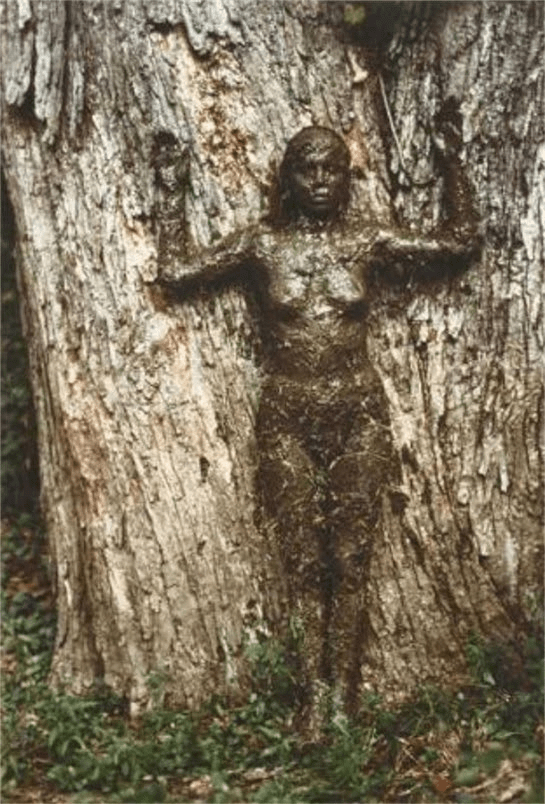
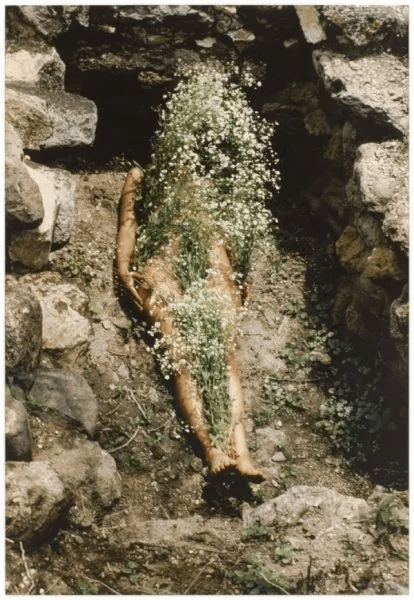
Artista conceptual cubana comprometida con el arte, con el desarrollo del mismo, con la libertad, con el feminismo y con la vida… Nació en La Habana en 1948. Emigró a Estados Unidos para salvarse de vivir bajo la dictadura de Fidel Castro. A través del programa «Pedro Pan» (para salvar a los menores de edad del comunismo) Ana llegó al estado de Iowa en EEUU en 1960. En 1966 se pudo reunir otra vez con su madre y el 1979 con su padre que había sido encarcelado en Cuba comunista por haber sido parte de la Brigada 2506 que hizo un intento por liberar a Cuba de la tiranía de los hermanos Castro. Mendieta estudió arte en la University of Iowa, y sus obras se centraban en los hechos violentos que sufrían las mujeres. Se interesó, además, por la espiritualidad, la religion y por rituales primitivos. Después del post-grado se mudó a Nueva York. Su obra se centraba en el feminismo, en la violencia contra las mujeres y en el hecho de tener que vivir separada de su tierra por culpa de los comunistas. Ana Mendieta usaba la tierra misma para crear. Os urjo que busquéis mas sobre esta impresionante artista que murió joven, trágicamente y misteriosamente el 8 de septiembre de 1985 en Nueva York. Mendieta calló de una ventana en el piso 34 de un edificio en Greenwich Village (Manhattan), situado en el numero 300 de Mercer Street. Allí vivía con su esposo, el también artista Carl Andre, que fue quien pudo haberla lanzado por la ventana pues poco antes de caer los vecinos la oyeron gritar ¡No! Pero Carl Andre quedó absuelto ya que no hubieron testigos, aunque a Andre se le vieron varias rasguñas en la cara.
+++
THE WOMAN AND THE MYSTERY
This Cuban conceptual artist was committed to art, to its development, to freedom and with feminism, throughout her short life… She was born in La Habana in 1948. She emigrated to the US to save herself from living under the dictatorship of Fidel Castro. She came to the US, in 1960, via a special programme for minors called «Pedro Pan»* and was sent to live in Iowa. In 1966 she was reunited with her mother and in 1979 with her father who had been held prisoner in Cuba for being part of the Brigada 2506 who spearheaded an invasion to rid Cuba of the brothers Castro. Mendieta studied art at the University of Iowa. Her work centred on violence done to women. She also became interested in spirituality, religion and in primitive rituals. After graduate school she relocated to New York. The body of her work dealt with feminism, violence against women and in the suffering of those who are forced to live away from their native soil because of communism. Ana Mendieta therefore used soil itself to create art. I urge you to look for more about this impressive woman artist who died young and tragically (and mysteriously) on the 8th of September, 1985 in New York. Mendieta fell out of the window of her 34th floor flat in Greenwich Village (Manhattan) whose address was 300 Mercer Street. She lived there with her artist husband Carl Andre, who might have been the one to throw her out the window as seconds before she fell neighbours heard her shout «No!» But Carl Andre was acquitted as there were no witnesses, although his face was quite scratched up at the time.
(Foto/Photo Ana Mendieta, «Sin título»/«Untitled» (de la serie Mujer de arena/from the series woman of sand), 1983. Cortesía de/Courtesy of The Farber Collection)
(Nombre y fotografo desconocido/Unknown name and photographer)
(«Imagen de Yagul»/de la serie Siluetas/»Image of Yagul»/from the series Silueta Works/Mexico 1973-1977, 1973)
This is not a complete list by any stretch of the imagination. These are but a few. I really think that these women, as well as most women artists, need to be recognised fully and as equals of their male counterparts. When we think of Latin American art we usually think of the great artists like Diego Rivera (Mexico) and Wilfredo Lam (Cuba) and the only woman that comes to mind (to most people) is Frida Kahlo. But Frida was not a great artist, at least not in my appreciation, and much less when I compare her with some of these. Besides the idea that it is only Frida has to end and the sooner the better. I would encourage all art bloggers to blog about women artists from anywhere in the world.
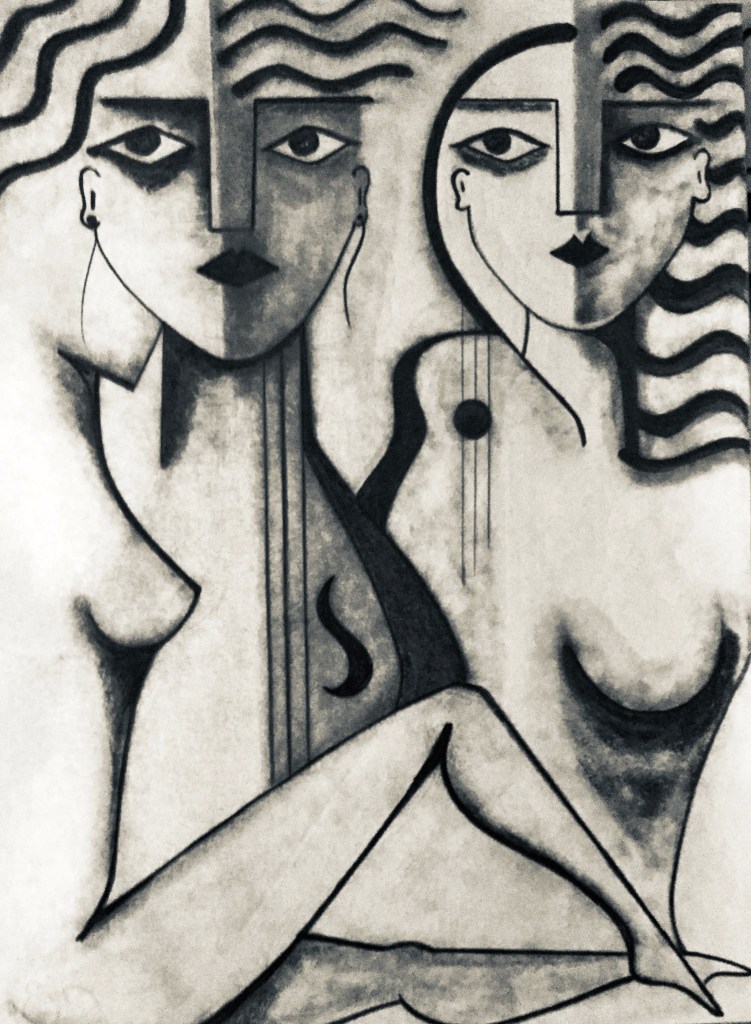
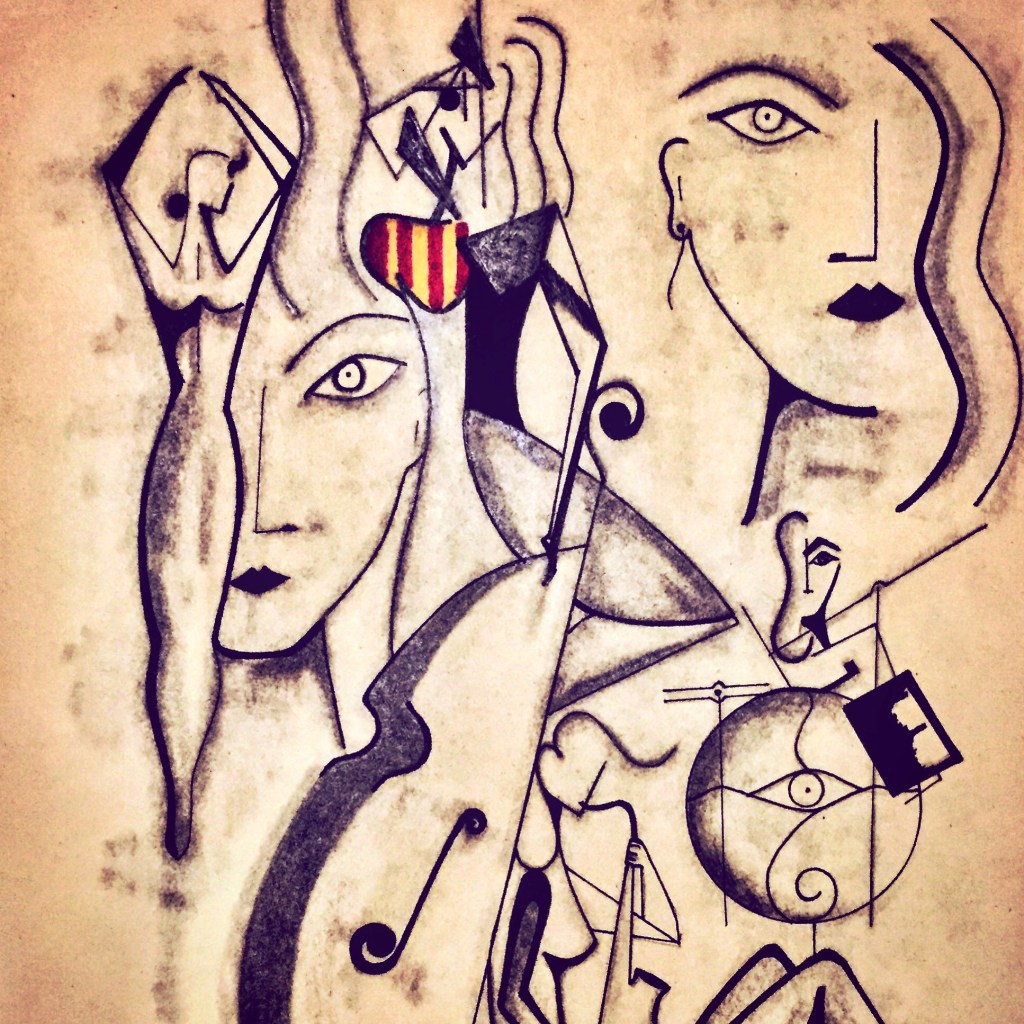
(Gisela-2016)(Gisela Jazz-2016)(Trompeta cubana-2016)(Imagenes propiedad de FBC, Omnia Caelum Studios Valencia, Derechos Reservados/Images property of FBC, Omnia Caelum Studios Valencia, All Rights Reserved)
A principios del 2016 hice un viajecillo a Cuba y allí me puse, como es natural, a dibujar, ya que no había llevado materiales para pintar. Realicé estos dos primeros dibujos a carboncillo sobre cartulina, y «Trompeta cubana» con tinta. La búsqueda no se detiene y el artista tiene que seguir, como un soldado hasta cumplir con la misión.
+++
At the beginning of 2016 I took a little trip to Cuba. There, of course, I did what was natural, I began to draw. I had not brought with me materials with which to paint. The first two I did with charcoal on artists charcoal paper and «Trompeta Cubana» I did with ink on artists paper. You cannot stop the search, and the artist must carry on, like a soldier, until the mission is accomplished.
Aquí algunas de las fotos que hice en la ciudad de Cienfuegos, Cuba (2016) con una canción especial que compuse para los cienfuegueros.
+++
Here are some photos I took in the city of Cienfuegos, Cuba (2016) and a special song I wrote for the people of that city.
(2016-Si te ha gustado, por favor no olvides darnos un «like» y gracias/If you liked it please don’t forget to give us a «like» and thank you)
(«Picasso in Monument Valley, Utah/Arizona»/2024/Francisco Bravo Cabrera/All Rights Reserved)
Greetings folks! Hope y’all are having a smashing good summer! Now I know many of you are on holiday or thinking about it, and I am too, for sure, but work, what we call in Spain «faena» never really stops, does it? Well, maybe for you…
In any event I’ve some questions for you:
I have fully expressed who are my favourite painters, musicians and dancers, as well as my favourite album, my favourite movie, my favourite food and favourite drink. If you do not recall, or know what these things are, I will tell you…
Picasso is my favourite painter, heads and shoulders above the rest.
The Beatles are my favourite, superior to all the rest.
Nureyev over the others is my favourite dancer.
Revolver by The Beatles is my favourite album.
Mary Poppins is my fave pic.
Grilled Yellowtail is my favourite food (with tostones…do you know what tostones are? No? Ask a Cuban from Miami. 😁)
Wine is my favourite drink (besides water, naturally)
SO NOW IT IS YOUR TURN.
Tell me what are your favourite things. In part two (coming soon) I will tell you my least favourite things and I will ask you about yours.
Gerda Taro was a German photographer of Jewish origin born in Stuttgart, Germany in 1910. She was one of the first female battle/war photojournalists, a true pioneer in the field, especially for women photographers. Gerda covered the start of the Spanish Civil War and was killed while doing so. She died in El Escorial in 1937.
A LITTLE BACKGROUND INFORMATION
When the Nazis arrived in Germany in 1933, Gerda fled to Paris where, in 1934, she met Endre Friedman, (a Hungarian photographer) who would become her romantic and work partner. They started working as photographers barely making any money. That is until they devised a plan that turned out to be truly remarkable. They invented a character, named him Robert Capa, giving him the backstory that he was a renowned photographer who had come from the United States to work in Europe. This became their brand and it became very famous. Robert Capa photos sold for three times more that the ones from French photographers. The couple made a lot of cash and as well received countless commissions. Phenomenal idea! These guys were the bees knees!
The Spanish Civil War
As soon as they found out about the start of the Spanish Civil War, which exploded in 1936, Robert Capa relocated to Spain with the intent of covering the war. The pair witnessed several conflicts and began selling photos and reports to French magazines like Vu and Regards. Many photographs later appeared in Life Magazine and Picture Post magazines.
They continued using the Robert Capa brand until they drifted apart. Gerda signed her final photographs as «Photo Taro». Friedman continued using the brand name. Robert Capa went on to become the most famous war photojournalist, covering the rest of the Spanish Civil War, World War II, and the post-war. Capa travelled throughout the Soviet Union, Poland and Japan. He died covering the Indochina War in 1954. Friedman/Robert Capa was 40 years old when he inadvertently stepped on a land mine as he was trying to film the advance of a French unit on a very dangerous road.
Gerda too died covering a war, but tragically, her death was due to an accident. She had been rallying troops during the Battle of Brunete when the International Brigade, under Karol Wacław Świerczewski, better known as General Walter, were forced to retreat that Sunday the 25th of July. Suddenly their convoy spotted an airplane flying very low and coming towards them. Suspecting that they were going to be machine-gunned, all took cover wherever available. Taro threw herself behind a small elevation on the road, unfortunately, at the same time that a Republican tank was reversing on to the road running over her. She was severely injured and died a few hours later at the British hospital El Goloso in El Escorial on July 26, 1937, a few days before turning 27.
Gerda Taro’s mortal remains were interred in the 97th division of the Père-Lachaise cemetery in París. The French communist party gave her all the honours of a Republican heroine. There are streets in Madrid and Paris named in her honour. Alfredo Giacometti was commissioned to build a monument for her grave.
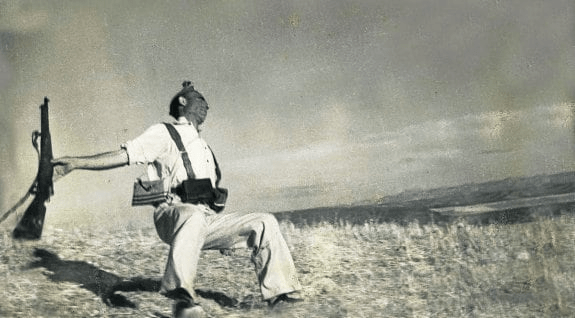
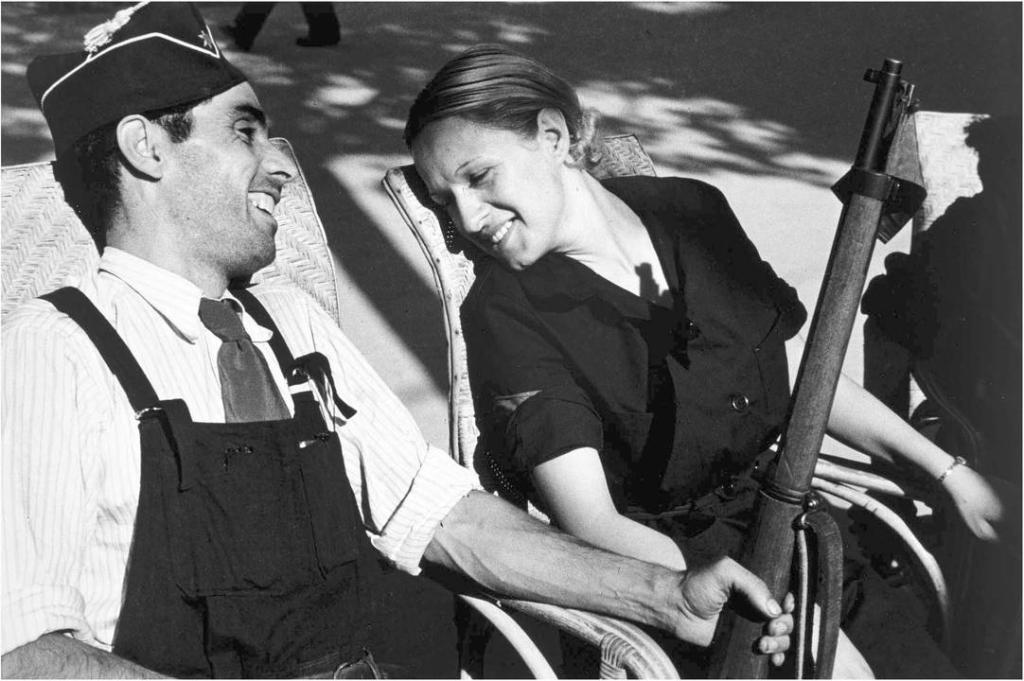
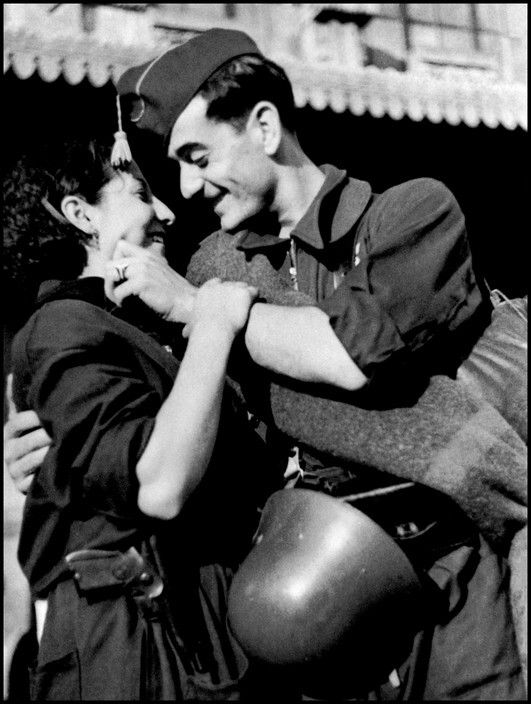
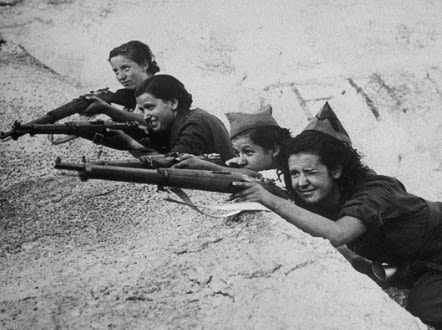
Here are some of her photographs of the war. The most famous photograph of the Spanish Civil War, attributed to Robert Capa was «Loyalist Militiaman at the Moment of Death, Cerro Muriano, September 5, 1936/Muerte de un miliciano».
(Photo Diario Sur)
(Gerda and Friedman/Robert Capp/photo El Manifiesto)
(«Compay Segundo» obra original de Ailema/Omnia Caelum Studios Valencia/Derechos Reservados)
La verdad es que Cuba siempre ha producido grandes artistas, bien de la pintura, escultura, música, literatura, fotografía, la danza y el arte cinematográfico. Y que nadie se piense que eso se debe a la revolución comunista que ha descarrilado y empobrecido al país, no, la vocación artística de los cubanos venia desde los orígenes de la nación cubana que en otrora fue provincia española. La mezcla sui generis de la población cubana ha sido, digo yo, la responsable de hacer crecer el temperamento artístico en tantos de ese pequeño/grande país de la America del Norte.
Pero igual que en la antigua Unión Soviética, muchos artistas tuvieron que escapar de la tiranía para poder lograr crecer su arte en libertad. Además en el exilio tuvieron la oportunidad de comulgar con otros artistas, aprender de ellos y desarrollarse aun más. Claro, Miami fue el lugar idóneo para muchos artistas cubanos anti-comunistas porque ya, desde el principio de la década de los años 60, los cubanos exiliados, (refugiados politicos y no inmigrantes), habían hecho crecer a Miami y la habían convertido en una ciudad prospera, grande y muy bien reconocida mundialmente. Hasta el presidente de EEUU, Barack Obama en su visita a Cuba (2016), dijo que para ver lo mucho que lograron los cubanos libres solo había que visitar la ciudad de Miami…
Aquí os presento a dos jóvenes, de hecho, anónimos en el mundo del arte, pero quizá lleguen un día a ser reconocidos por su talento y perseverancia. En Miami, y en muchas otras ciudades de EEUU hay muchos más, algunos conocidos, otros también en el anonimato que caracteriza a muchos artistas de todas partes del mundo. Pero el no ser reconocido no le resta nada al artista ni hace que su arte sea menos importante o menos buena que la de los famosos.
Aquí os muestro a Ailema, una mujer y madre joven, que desde que llegó a EEUU ha trabajado arduamente para sacar a su hijo adelante pero que no dejó de crear. No tengo muchos ejemplares de su obra, pero conservo este cuadro pequeño que me regaló hace cinco años titulado «Compay Segundo», haciéndole honor a un gran músico cubano que se destaco cuando salió el disco Buena Vista Social Club. (véase arriba)
Tambien otro joven que trabajó muy duro en Cuba y que ahora ya vive en EEUU, Yaniel, profesor de arte y un gran pintor en vías de desarrollo. Tampoco tengo mucho de el, solo dos cuadritos que el pintaba para ganarse la vida, vendiendo cuadros de esos famosos coches antiguos, que todavía se ven rodar por toda Cuba, a los turistas europeos…
(Obras originales de Yaniel/Omnia Caelum Studios Valencia/Derechos Reservados)
Bueno, para recordar a los tantos artistas cubanos de Miami, os dejo con este vídeo…