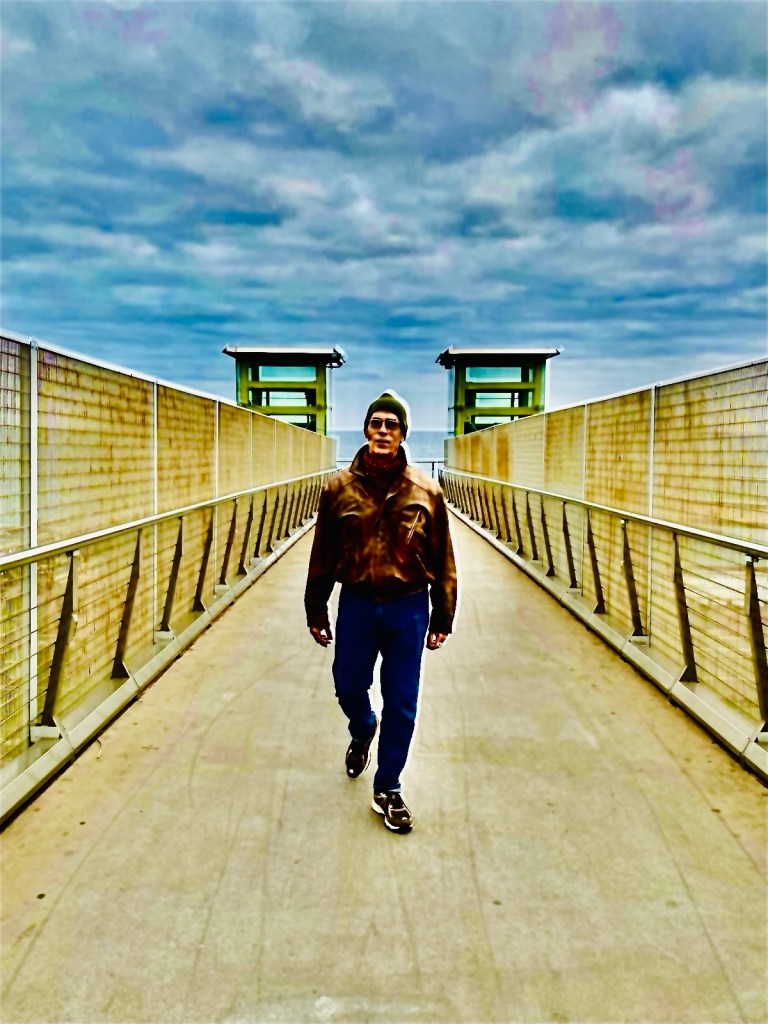
Que así entro a Tarragona…
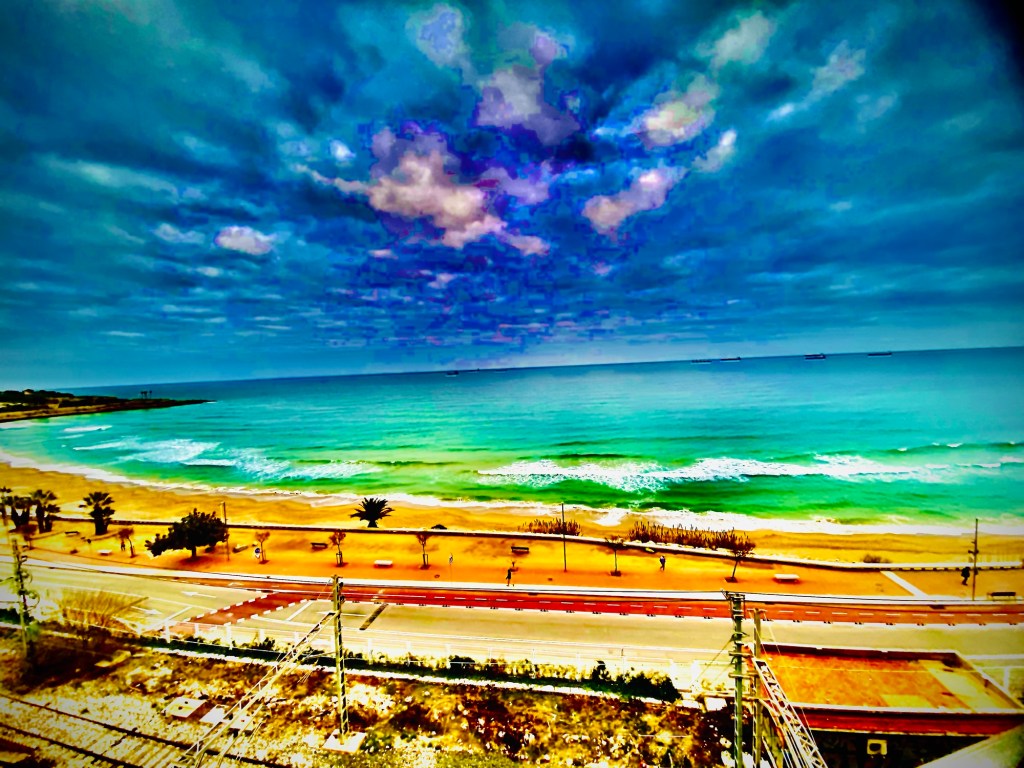
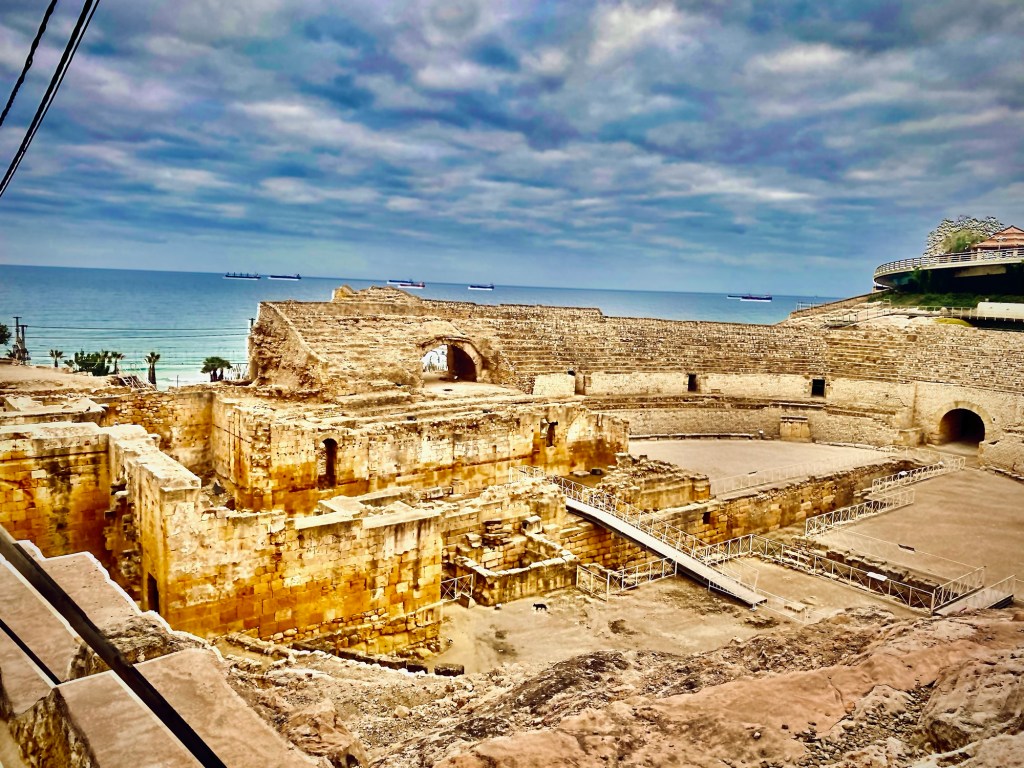
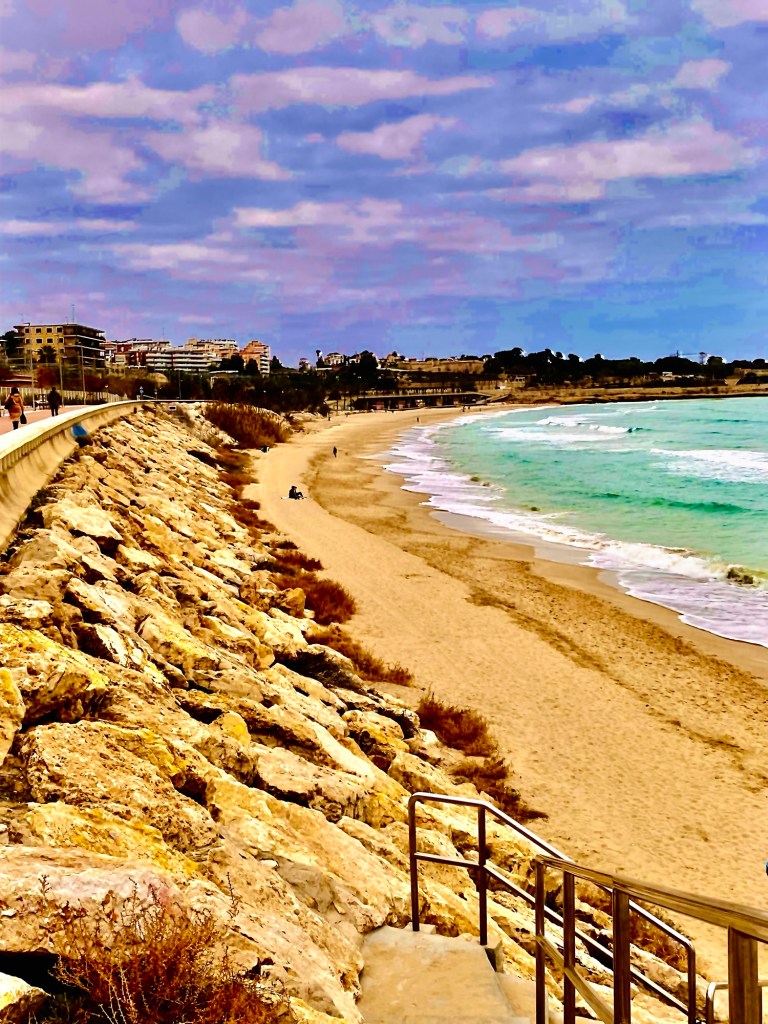
Faith saved us from the savages that we were, losing faith makes us savages again
Que así entro a Tarragona…
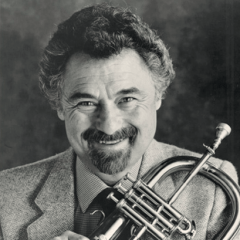
Shorty Rogers…
His name was Milton Rajonsky and he was born in 1924. He was a trumpeter and an arranger and one of the main, perhaps the principal, founder of West Coast Jazz… He worked with Woody Herman and Stan Kenton during the 1950’s… Shorty Rogers died of melanoma at the age of 70 in California…
Here is one of his recordings from 1958 with a Cuban flavour to it… Well, I guess you would call it Jazz with a strong rhythm section. Whatever you call it, if it has a Cuban flavour it has to be good…
And this is how we close up a day full of extremely bang on Jazz!
CHEERS…
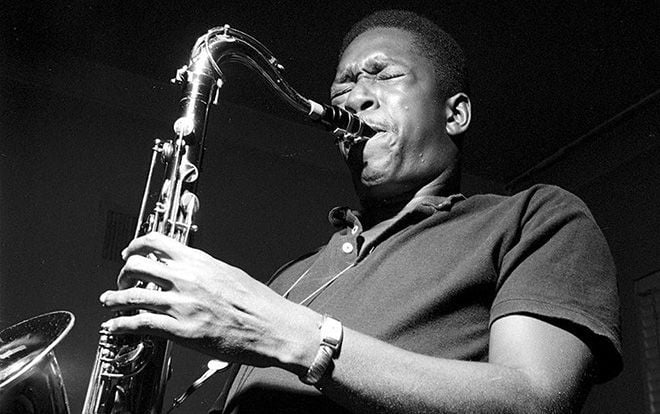
John Coltrane… Uno de los mas famosos y fenomenales saxofonistas del Jazz… Creador de un estilo, de una escuela y seguido por casi todos los jazzistas de hoy en dia. Sus composiciones son ya estándar en el repertorio de los músicos del jazz y su legado crece… Nació en Hamlet, Carolina del Norte (EEUU) en 1926 y murió en Huntington, Nueva York (EEUU) en 1967…
+++
John Coltrane… One of the most famous and phenomenal jazz saxophonists… Creator of a style, of a school, and followed by almost all jazz musicians today. His compositions are already standards in the jazz musicians’ repertoire, and his legacy continues to grow… He was born in Hamlet, North Carolina (USA) in 1926 and died in Huntington, New York (USA) in 1967…
Gracias…
Cheers…
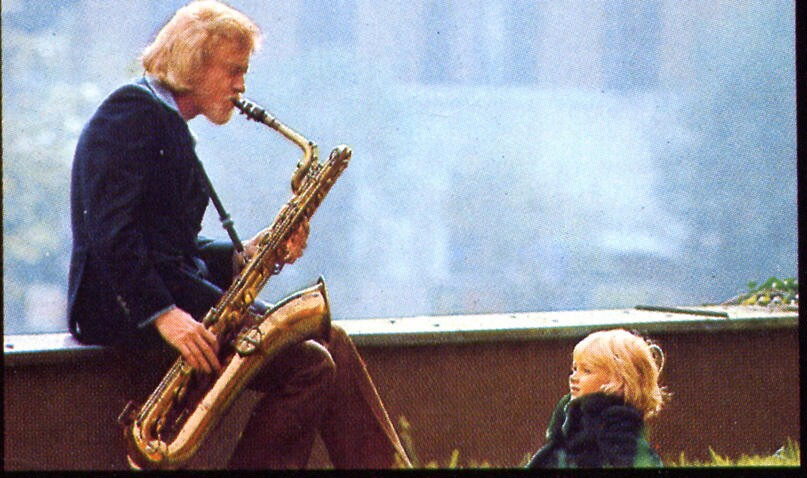
One of the masters of West Coast Jazz, or «Cool Jazz» is Gerry Mulligan, North American saxophonist. This New Yorker born in 1927 was also a clarinettist, a composer and an arranger. But he shines predominantly with his baritone sax. He worked wit Stan Kenton and Miles Davis, among others. He played with Chet Baker in a piano-less group considered one of the coolest of the «cool» groups. Mulligan died in 1996 from complications from knee surgery. He was 68 years old.
This time the song becomes many as I truly believe that to get to feel the soul of Gerry Mulligan you have to hear more than just one song. So here are many for you to delight in. And then you tell me what you think.
Cheers…
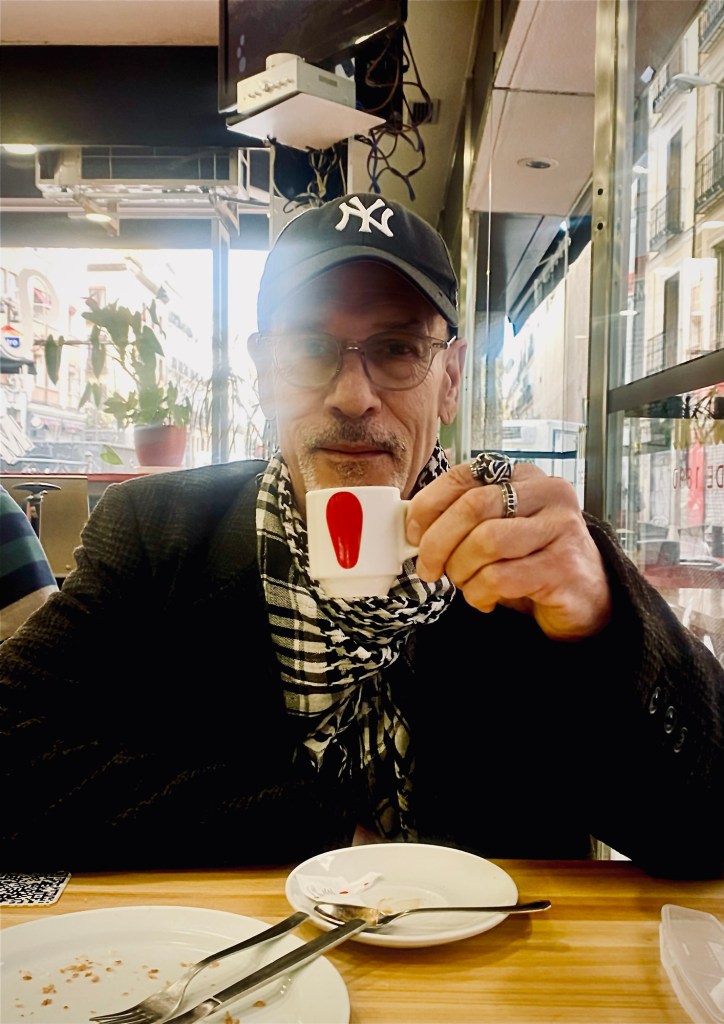
Oi, so today I am going to stray a little bit from my usual path, but not so much, because if music is poetry and they say that so is art, then I am speaking of the same thing. I do believe art, music and poetry are sewn together with the Golden Fleece that Jason searched for with his Argonauts…
What? Ok, I’ll get to the point…
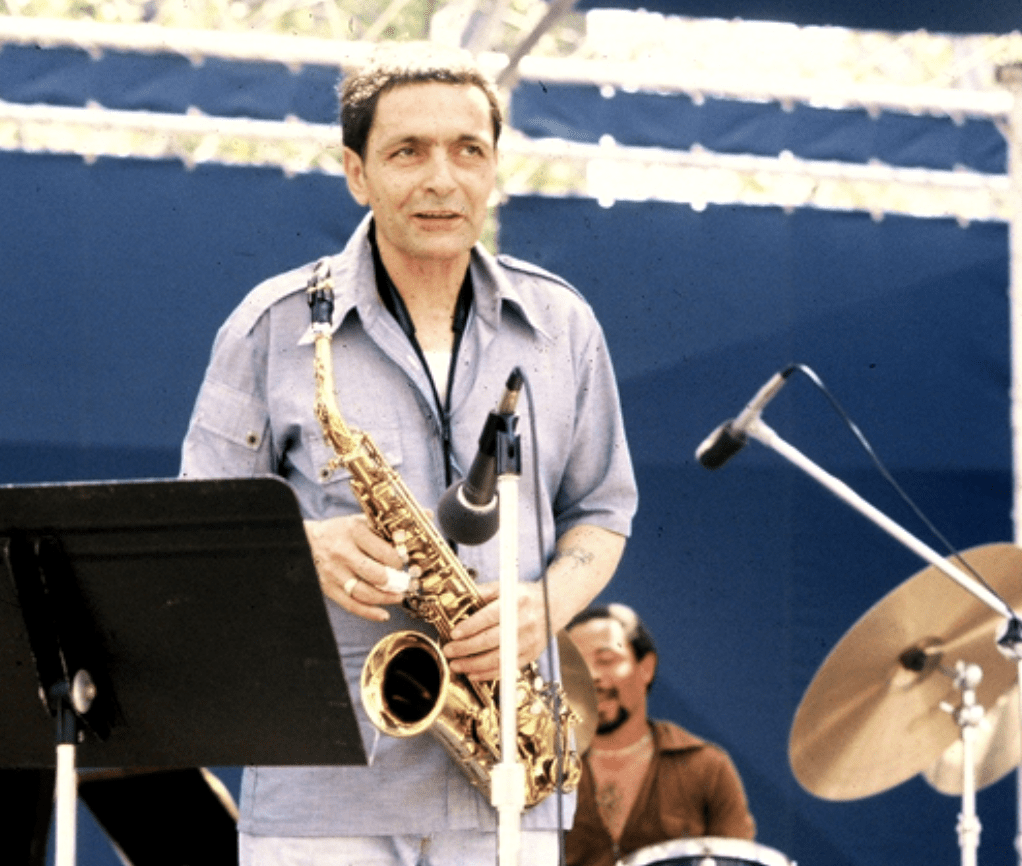
Art Pepper was an incredible musician. He was born on September 1, 1925 in California and passed away 56 years later. His musical career was quite short because it was interrupted multiple times. First, he spent time in prison which took away several years of his career, and then he had to undergo rehabilitation for his heroin addiction. However, despite these obstacles, Pepper was able to establish himself as one of the greats, alongside the key players who pioneered «Cool Jazz» or «West Coast Jazz.» One of those significant figures was Gerry Mulligan, who collaborated with Miles Davis on the influential recording called «Birth of the Cool.»
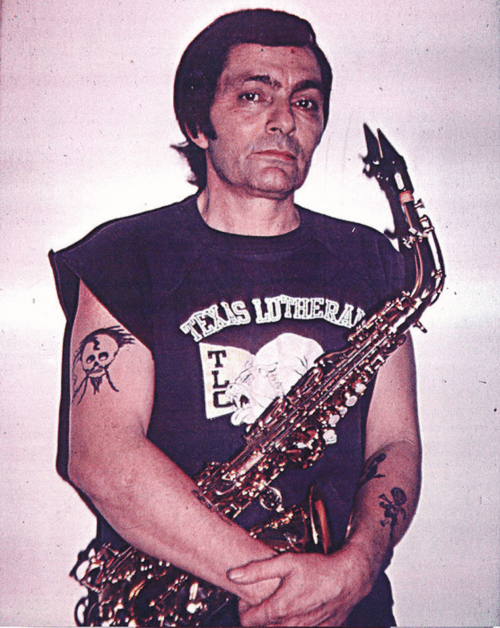
But I’m talking about Art Pepper, and as I said earlier, the guy was amazing. He himself claimed to be a genius and said he didn’t know anyone else who played the saxophone like he did. Who does this remind me of? Dalí? No… Pepper was a real genius…
Pepper was a true paradox of a guy, I mean to the nth degree. He could compose a ballad for you, sweet, smooth, and sensual, and at the same time, he would tell you that being a great jazz musician is similar to being a great criminal, and that he was willing to do anything, for example, to kill anyone who messed with his woman. I don’t criticize him, I admire him, and he is right, a man should defend his woman and his home…
One of Art Pepper’s most famous themes is the ballad «Patricia,» which he composed in 1978 for his daughter. It so happened that while he was in prison, his ex-wife brought Patricia, who was about twelve years old at the time, with the intention of showing the girl that her father was nothing more than a caged monster among all the others there. In other words, her father lives locked up, alongside the dregs of society, because he deserves it, because he is like that too. When Pepper encountered Patricia again, she was in her thirties and he called her to wish her a Happy Christmas, and she responded by saying that she knew he was nothing more than a criminal and a rapist, that she had read the book.*
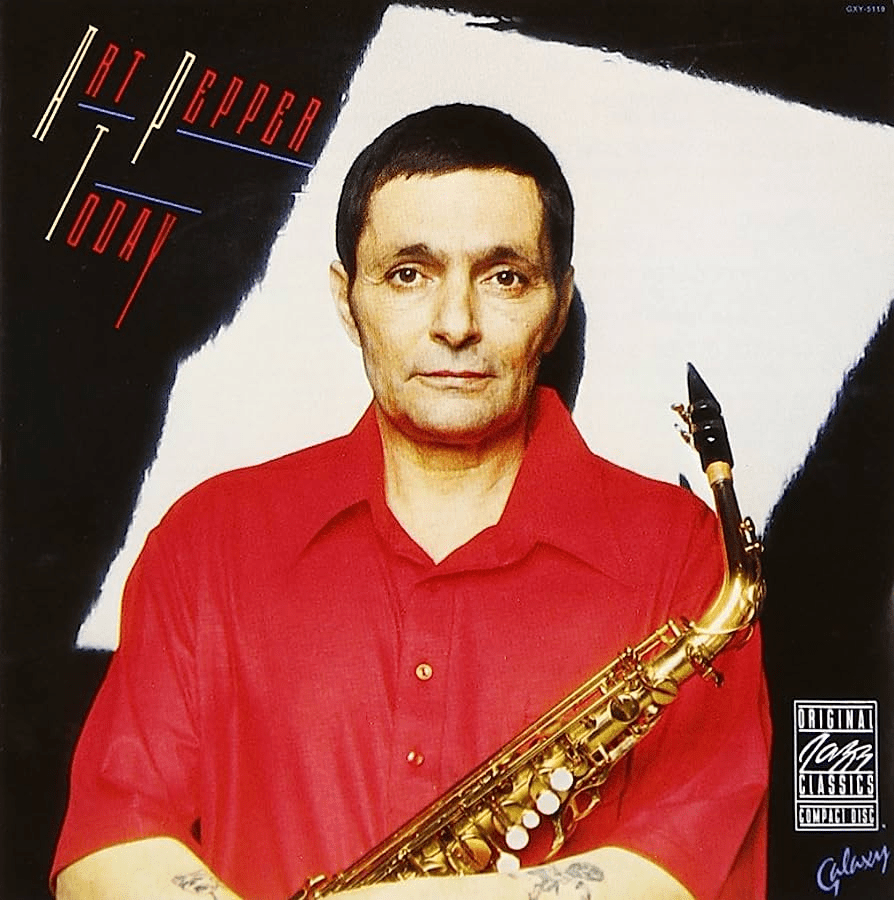
When Pepper was discharged from the methadone clinic, where he had overcome his heroin addiction, he resumed playing and composing music. He formed a band with talented musicians and embarked on a tour of Europe and Japan. He recorded multiple albums for Galaxy Records, the subsidiary of Fantasy Records. His latest albums were Living Legend, Art Pepper Today, Among Friends, and Live in Japan.
Art Pepper died from a stroke. He abused his body heavily throughout his life, and although he had recovered from drug addiction, his body remained weakened and couldn’t survive the stroke. He passed away in 1982 in Los Angeles and is buried in the Abbey of the Psalms mausoleum at the Hollywood Forever Cemetery.
I am not interested in the bad things he might have done. I don’t judge. To me, he is a genius of Jazz and one of my favourite musicians and composers. I admire him as a jazz player, period…
* In 1980, Art Pepper and Laurie Pepper, his third wife, published their autobiography titled «Straight Life.» The book spoke about the criminal underworld where Pepper lived during the 1940s and 1950s. Among the anecdotes was one in which Pepper boasts of having raped a woman in London during World War II, because in his mind she deserved it. Due to the publication of the book, director Don McGlynn made the documentary titled «Art Pepper: Notes from a Jazz Survivor.» The documentary features direct interviews with Pepper and Laurie, and includes a recording of a concert at the Malibu Jazz Club. I highly recommend it.
Cheers…
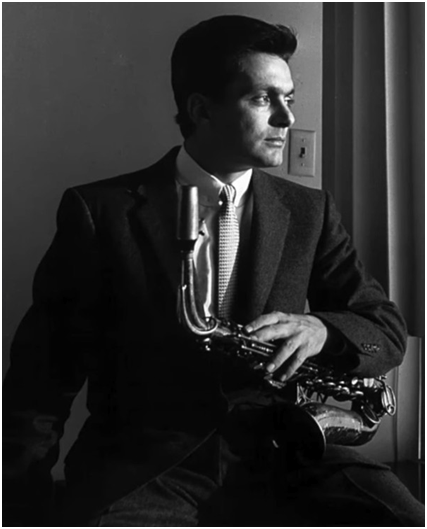
Venga que hoy me desvío un poquet pero, vamos, ni tanto porque la música es poesía y si la música es poesía y dicen que la pintura también, entonces hablo de la misma cosa pues para mí las tres van hilvanadas con el vellocino dorado que persiguió Jasón y los argonautas…
¿Qué? Vamos al grano…Art Pepper fue un músico de puta madre. Nació el 1 de septiembre de 1925 en California y murió allí mismo 56 años después. Su carrera musical fue corta ya que se vio interrumpida por muchos años que pasó preso y otros más en clínicas de rehabilitación por su drogadicción. Pero, aún así, logró colocarse entre los grandes intérpretes, los claves de lo que llamaban el “Cool Jazz” también conocido como el “West Coast Jazz,” o sea el Jazz de la costa oeste de EEUU que mola. Uno de sus grandes fue Gerry Mulligan que tocó con Miles Davis en la importantísima grabación “Birth of the Cool.”
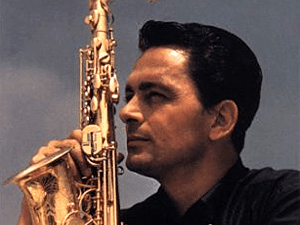
Pero hablo de Art Pepper, y como dije anteriormente era la ostia. El mismo dijo que era un genio, y que no sabía de nadie más que tocara como el el saxofón. ¿A quién me recuerda esto? ¿A Dalí? No… Pepper era un genio…
Pepper era un tío osado y paradójico a la enésima potencia. Lo mismo te componía una balada, dulce, suave, sensual, que te decía que ser un gran jazzista es parecido a ser un gran criminal y que él estaba dispuesto a todo, por ejemplo, a matar al que se metiera con su mujer. No lo critico, sino lo admiro y tiene razón, un hombre tiene que defender a su mujer y a su casa…
Uno de los temas más famosos de Art Pepper es la balada “Patricia” que compuso en 1978 para su hija. Sucedió que mientras estaba en prisión su ex-mujer le llevo a Patricia, que a la sazón tenía unos doce años de edad, con la intención de hacerle ver a la niña que su padre no era más que un monstruo enjaulado junto a todos los otros allí. O sea, su padre vive encerrado, junto a la escoria de la sociedad, porque se lo merece, porque él es así también. Cuando Pepper se volvió a topar con Patricia ya ella tenía treinta y pico de años y el la llamó para desearle feliz navidad y ella le respondió diciendo que sabía que él no era más que un criminal y un racista, que ella había leído el libro.*
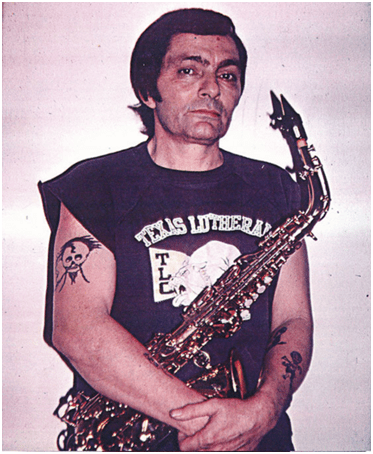
Cuando a Pepper le dieron el alta de la clínica de metadona, donde se había librado de su adicción a la heroína, volvió a tocar y a componer. Juntó a unos buenos músicos e hizo una gira por Europa y Japón, grabó varios discos para Galaxy Records, la subsidiaria de Fantasy Records. Sus últimos álbumes fueron Living Legend, Art Pepper Today, Among Friends y Live in Japan.
Art Pepper murió de un accidente cerebro-vascular. Abusó mucho de su cuerpo, toda la vida, y aunque se había curado de la drogadicción, su cuerpo quedó debilitado y no pudo sobrevivir el derrame. Murió en 1982 en Los Ángeles y está enterrado en el mausoleo Abbey of the Psalms del cementerio Hollywood Forever.
A mí no me interesan las cosas malas que habría hecho. No juzgo. Para mí es un genio del Jazz y uno de mis músicos y compositores favoritos. Lo admiro como jazzista y punto…
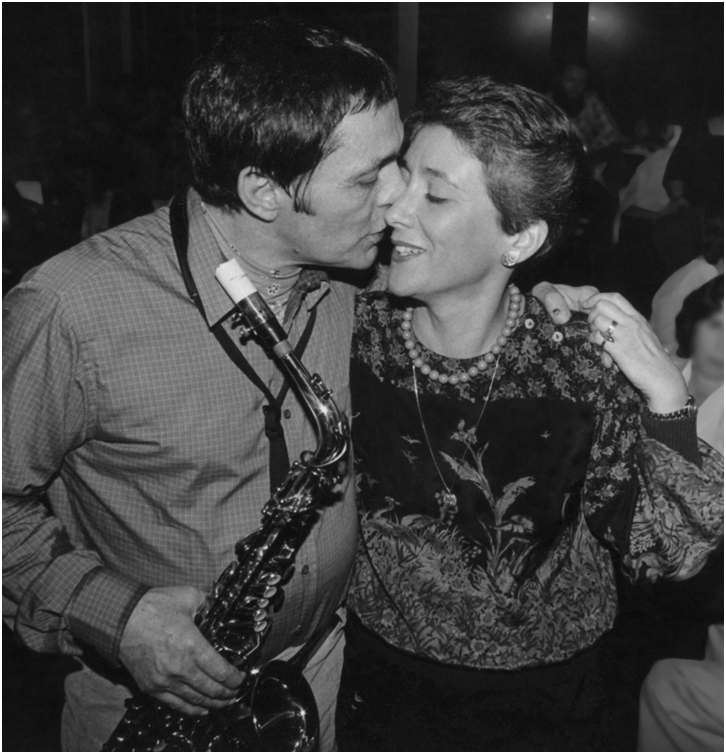
* En 1980, Art Pepper y Laurie Pepper, (la tercera esposa), publicaron su autobiografía titulada “Straight Life” (“Una vida ejemplar, memorias de Art Pepper”). El libro hablaba del submundo, el hampa criminal donde habitó Pepper durante la década de los años 40 y 50. Entre las anécdotas había una en la cual Pepper se jacta de haber violado a una mujer en Londres durante la Segunda Guerra Mundial. Debido a la publicación del libro el director Don McGlynn hizo el documental titulado Art Pepper: Notes from a Jazz Survivor. En el documental habla Pepper y Laurie directamente e incluye una grabación de un concierto en el Malibu Jazz Club. Lo recomiendo.
Ahora a escuchar… Luego me contáis que os parece…
Gracias…
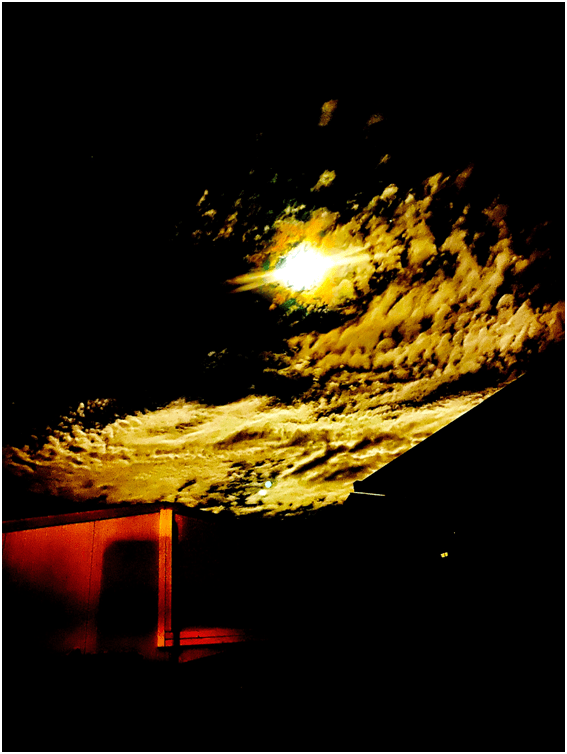
La tierra pende en medio del vacío y en el fondo del mar yacen los muertos esperando despertar y despertaran cuando tiemble la tierra y las aguas se dispersen y los cielos se abran,
y las nubes, llenas de agua, se sonreirán furtivamente, imitando sonrisas esqueléticas, pero las nubes son de algodón del Nilo y se nutren de azúcar morena,
y nosotros, si, nosotros los peces de los abisales, ignoramos que hay luces en el cielo y vivimos en el fondo como esponjas que absorben y sueltan y que no retienen sabiduría.
Francisco Bravo Cabrera, 17 de enero de 2024, Valencia, España
+++
El Euro-Ku es una forma poética que desarrollé en febrero de 2022 porque quería hacer un Haiku y no me salía porque no soy japonés, ni llevo en mi ADN la experiencia de un japonés ni su cultura. Pero como admiro la poesía japonesa (Haiku) quise buscar una manera de traerla a mi mundo, mi mundo europeo y me salió el Euro-Ku. Se hace con tres estrofas, pero sin contar silabas y escrito de forma lineal donde pueda el lector seguirle el hilo perfectamente bien sin metáforas ni ensoñaciones que flotan por los aires. Además en autor tiene que añadirle una ilustración que tenga que ver con el poema y de su autoría. Pruébalo…
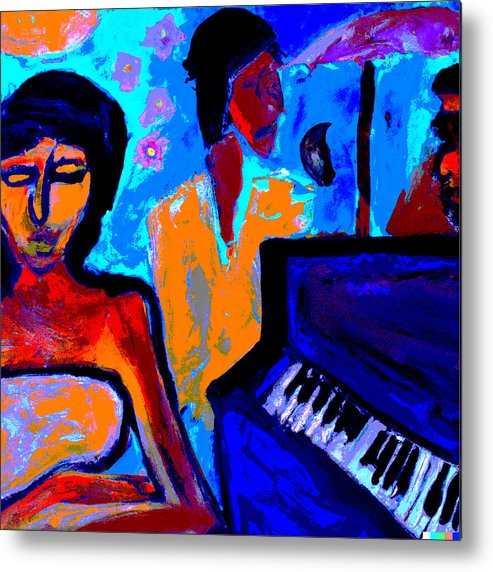
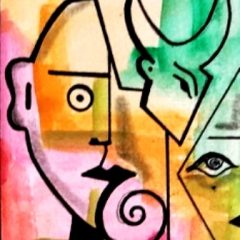
Here is the metal print of this, one of my surreal-expressionist Jazz Art images. It is now available, through Fine Art America, as a fine art print, affordable and quite nice. There are other types of prints and other things as well. Check out my gallery at Fine Art America. This company handles the sale and quickly ships to you.
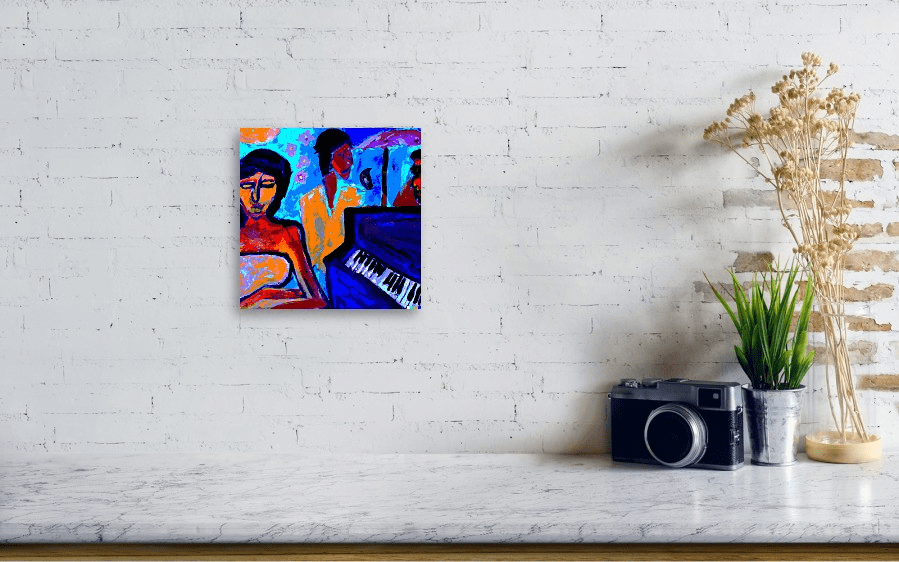
OMNIA CAELUM STUDIOS VALENCIA PRESENTS:
Cheers…

I always thought that artists (painters and sculptors) only had to display their works and with that they said it all. However, as you can see, here we are talking away, theorising and explaining. Art History (as an academic course) has become too long and too coarse. It collects, like a rubbish bag, everything that they throw into it. Styles of art are mostly defined by critics, «professors,» and journalists supposedly specialised in writing about art. I will tell you what I think of each of those groups.
First the art critics. To this group I give very little value and very little time. I can do without them and I wipe my nose with their critiques. We all know how to judge and how to determine what we like or don’t like, so we do not need a parrot to tell us what is good or not or to guide us. Second, the supposed teachers or professors. Well, this group is seemingly very important because they are to teach art students and guide them towards becoming artists. But they lose all their value when, in place of teaching the fundamentals, they serve as advocates for their own favourite style or artists. This creates students that really do not know much about making art, losing sight of the fundamentals of painting, sculpture, lithography or ceramics.
The art journalists, or those who write about art. Being those that tell us about openings, dates, times, the artist or artists involved. They are good for that, to help us fill in dates in our calendars to go see an exhibition, or not. But they go further, they promote those they like, or those that seem to be in the present «vanguard» and ignore the rest like the plague. Most of these «journalists» are frustrated or failed artists themselves. They probably failed because they did not work hard enough or dedicate enough time. Art requires hard work, and talent is only developed through sweat, effort and time. One is not born with talent, one develops it if one is interested in what they are doing. So I really do not have many good things to say about those who only write about those in the current mix (or those who pay them). Great journalism I’d say!
OMNIA CAELUM STUDIOS VALENCIA PRESENTS:
Cheers…

 JaZzArt en València