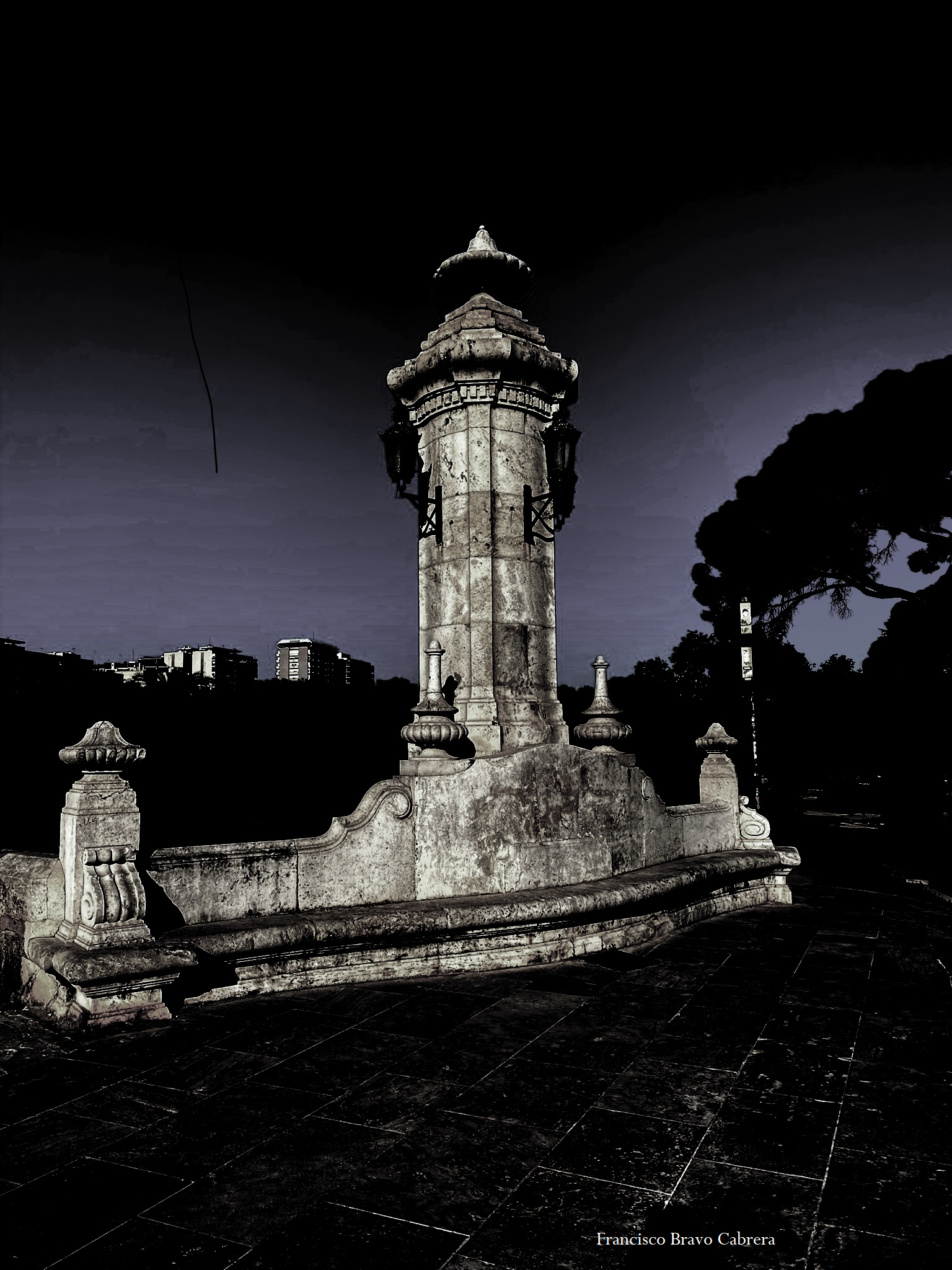
It has been a most rewarding experience to collaborate with one of the most phenomenal poets that I have ever met. I am honoured and thrilled to have been a part of the writing of this poem.
CHEERS
Faith saved us from the savages that we were, losing faith makes us savages again
It has been a most rewarding experience to collaborate with one of the most phenomenal poets that I have ever met. I am honoured and thrilled to have been a part of the writing of this poem.
CHEERS

Today, we have the pleasure of speaking with Francisco Bravo Cabrera, a distinguished figure in the world of art and poetry, who is perhaps better …
“Unveiling the Creative Vision: An Interview with Francisco Bravo Cabrera, aka Bodo Vespaciano”
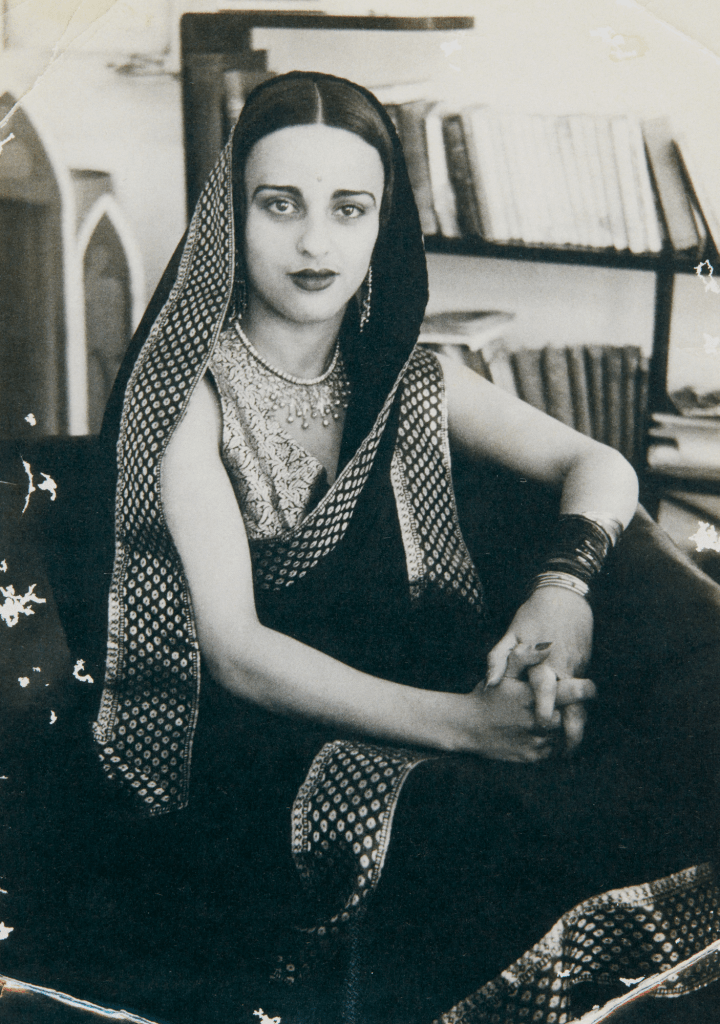
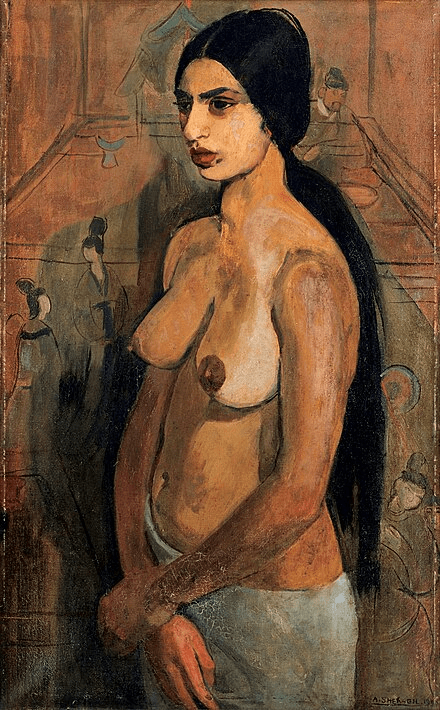
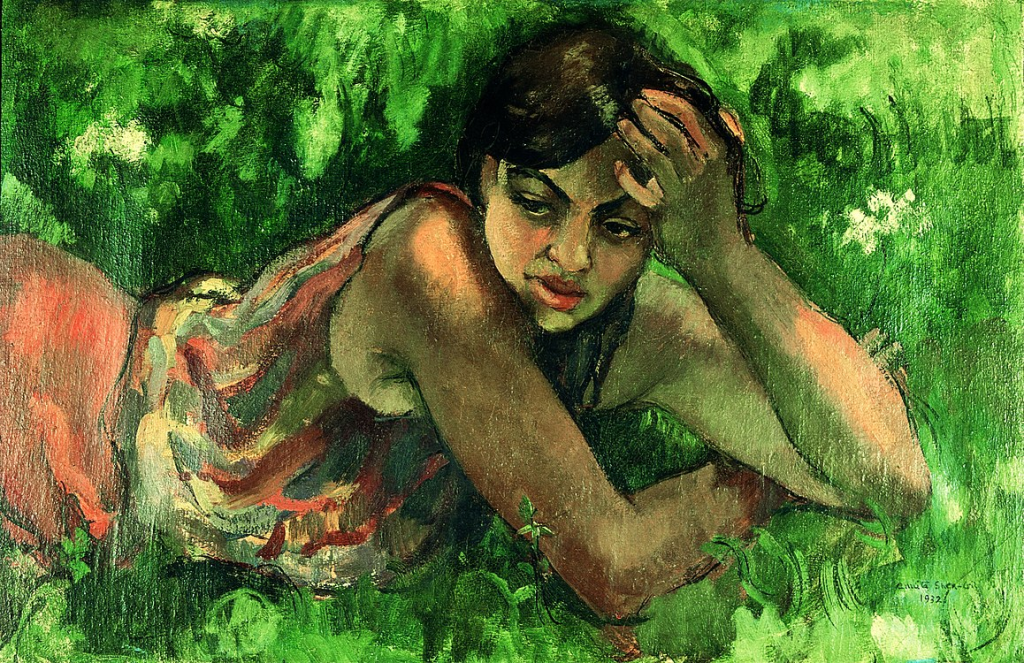
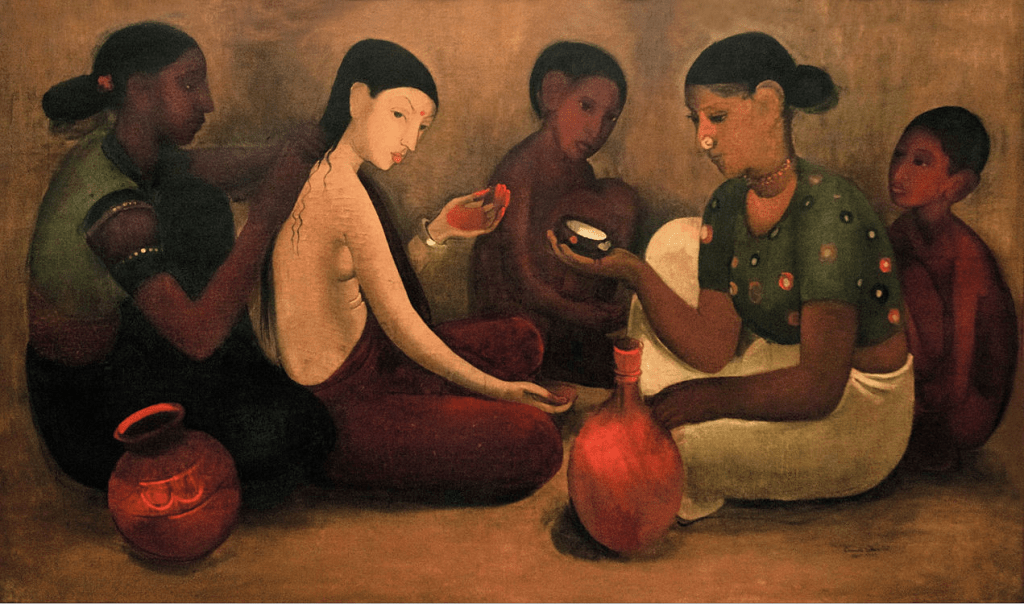
Amrita nació en Hungría (1913) y murió en Pakistan (1941), pero se le considera una artista india. Su padre era punjabi sikh y su madre húngara de origen judío. Se le conoce como la «Frida Kahlo» de la India y al mismo tiempo se dice que es la pintora india más importante del siglo XX. Bueno, esto no lo entiendo porque si es la más importante no puede tener relación alguna con una tan poco importante como Frida Kahlo. Amrita fue la única asiática que expuso en el Gran Salón de París… Estudio pintura en París… sus referentes fueron Renoir, Modigliani, Cézanne y Gauguin, de este ultimo se inspiro para pintar su Autorretrato como tahitiana (1934)… En 1934 regresó a la India y comenzó a pintar escenas de su país. En 1937 se traslado a Hungría. En 1941 se mudo a Lahore donde en pocos días murió inesperadamente. Tenía 28 años de edad.
+++++
Amrita was born in Hungary (1913) and died in Pakistan (1941), but is considered an Indian artist. Her father was Punjabi Sikh and her mother was Hungarian of Jewish origin. She is known as the «Frida Kahlo» of India, yet it is said that she is the most important Indian painter of the 20th century. Well, I don’t understand this because if she is so important, she cannot have any relation with someone as unimportant as Frida Kahlo. Amrita was the only Asian to exhibit at the Grand Salon of Paris… She studied painting in Paris… her influences were Renoir, Modigliani, Cézanne, and Gauguin, from the latter she drew inspiration to paint her Self Portrait as a Tahitian (1934)… In 1934, she returned to India and began painting scenes of her country. In 1937, she moved to Hungary. In 1941, she relocated to Lahore where she unexpectedly passed away after a few days. She was 28 years old.
GRACIAS – CHEERS
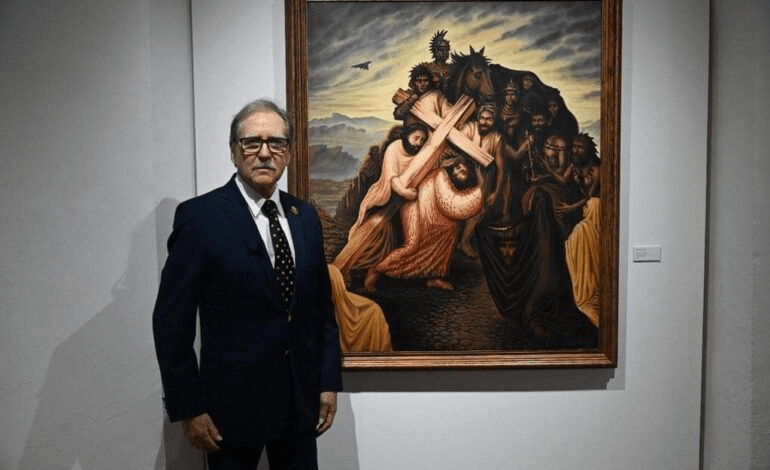
Su pintura es metamórfica, y yo se, me dirás, ¿Y qué es eso? Venga que te lo voy a explicar y enseñar…
+++
His work is metamorphic, and yes, I know you are going to say, what the hell is that? And I am going to tell you and show you, relax…
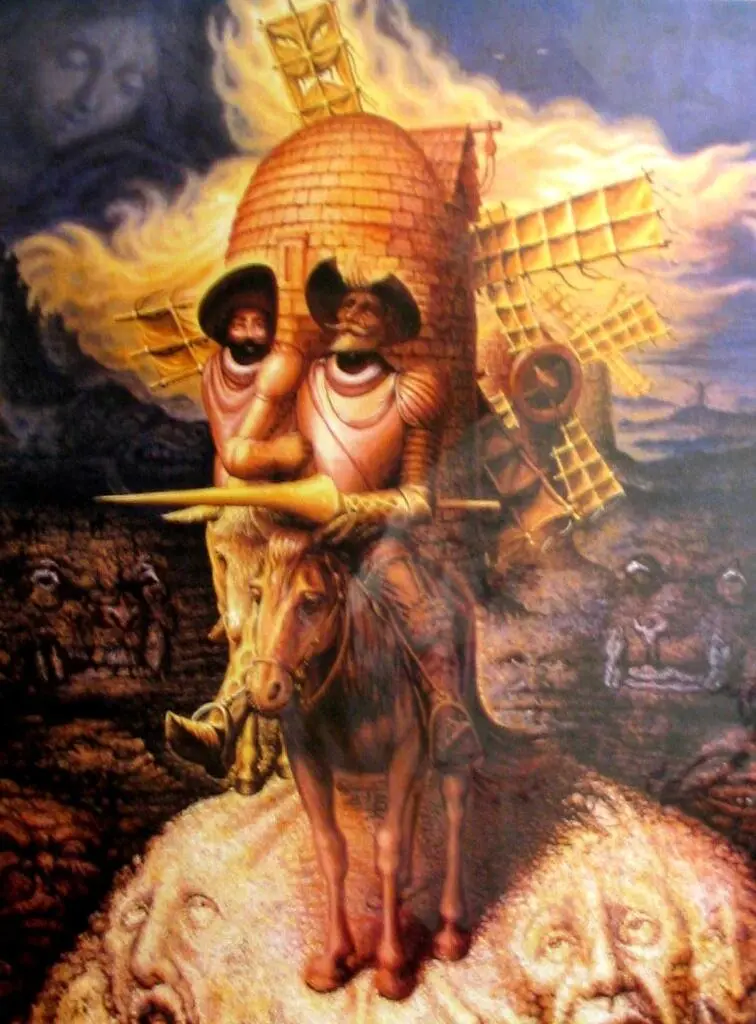
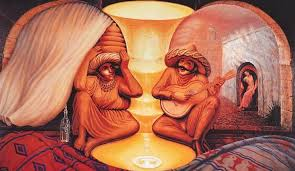
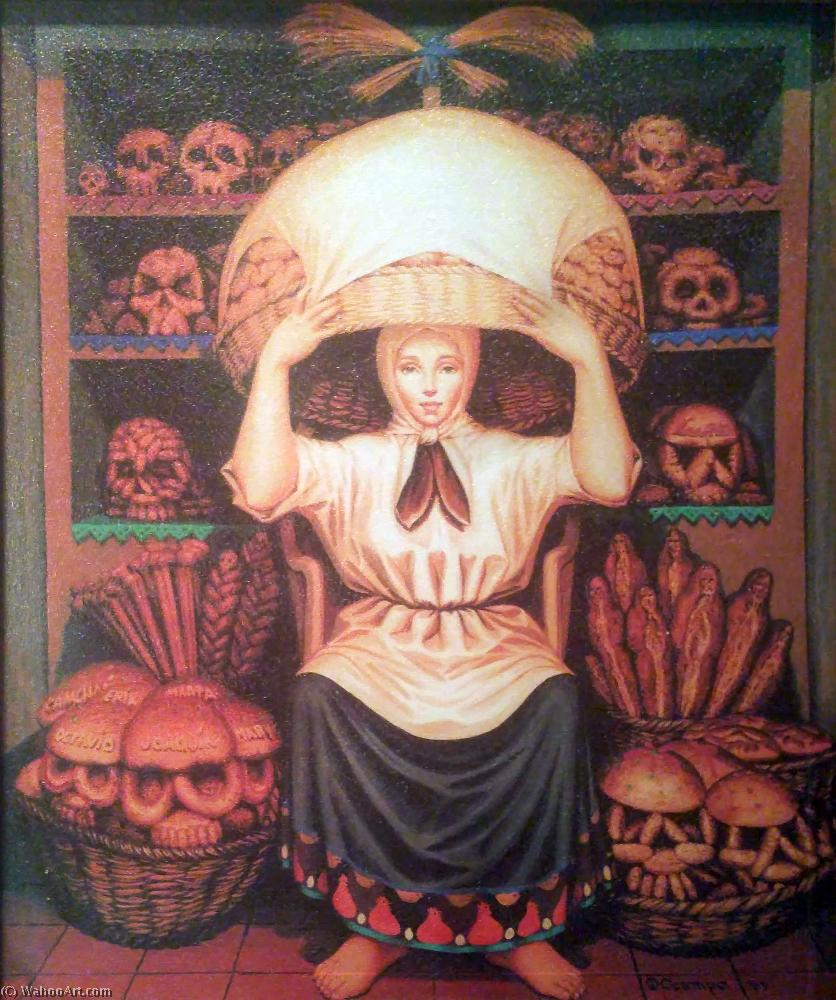
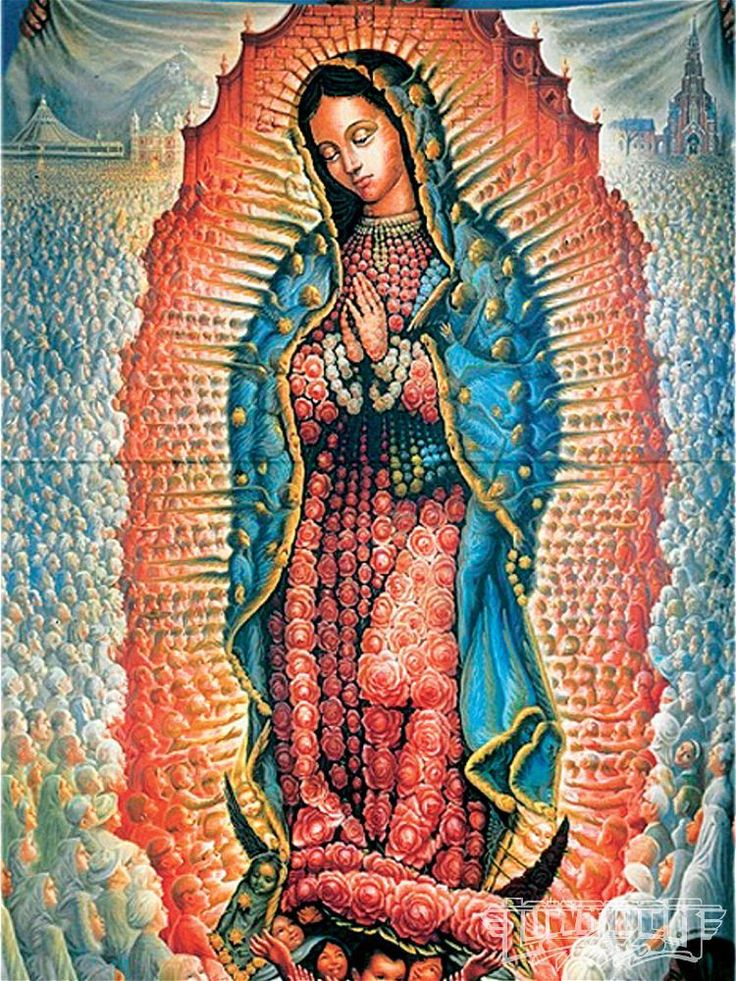
Mira bien el cuadro y dime lo que ves. Fíjate bien. Estás mirando una pintura metamórfica. Las figuras forman…por la fuerza de la magia del pintor…otra cosa, otra figura, o figuras, y cambian completamente la composición. ¿Te has dado cuenta?
Octavio Ocampo, mexicano, nacido en Guanajuato en 1943 es pintor y escultor. Confieso que no tenía ni idea de su existencia y jamás había visto su obra, pero una vez que me la enseñaron me han parecido muy interesante y me han recordado la obra del gran maestro italiano Arcimboldo.
Ocampo estudió pintura en la Escuela Nacional de Pintura, Escultura y Grabado en La Esmeralda Bellas Artes y de 1972 a 1974 en el San Francisco Art Institute, de San Francisco, California. Además hizo la escenografía de más de 120 películas mexicanas y estadounidenses, y también la escenografía de muchas obras de teatro. Ha expuesto en México, Estados Unidos, Canadá, Latinoamérica, Europa y en el Medio Oriente. Y es fácil ver por qué, es un artista con gran vision, buen gusto y mucho, pero que mucho duende…
Ahora te pregunto yo, ¿Lo conocías? Venga, si no aquí lo tienes…
+++++
Look closely at the above painting and tell me what you see. Pay attention. You’re looking at a metamorphic painting. The figures form… with the magical abilities of the painter… something else, another figure, or figures, completely changing the composition. Have you noticed?
Octavio Ocampo, Mexican, born in Guanajuato in 1943, is a painter and sculptor. I confess that I had no idea of his existence and had never seen his work, but once it was shown to me, I found it very interesting and it reminded me of the work of the great Italian master Arcimboldo.
Ocampo studied painting at the National School of Painting, Sculpture and Engraving La Esmeralda Bellas Artes and from 1972 to 1974 at the San Francisco Art Institute, in San Francisco, California. In addition, he designed the scenery for over 120 Mexican and US films, as well as for many theatre productions. He has exhibited in Mexico, the United States, Canada, Latin America, Europe, and the Middle East. And it’s easy to see why; he is an artist with great vision, good taste, and a lot, but a lot of magic…
Now I ask you, were you familiar with him? Well, if not, here it is…
+++++++
Si te ha gustado, porfa, dale like, comparte y dímelo que te lo voy a agradecer. Además te urjo a que busques mas de este gran artista.
+++++++++
If you liked it, please give it a like, a share and tell me about it. I will greatly appreciate it. And more so, I really urge you to look for more of this great artist.
GRACIAS – CHEERS
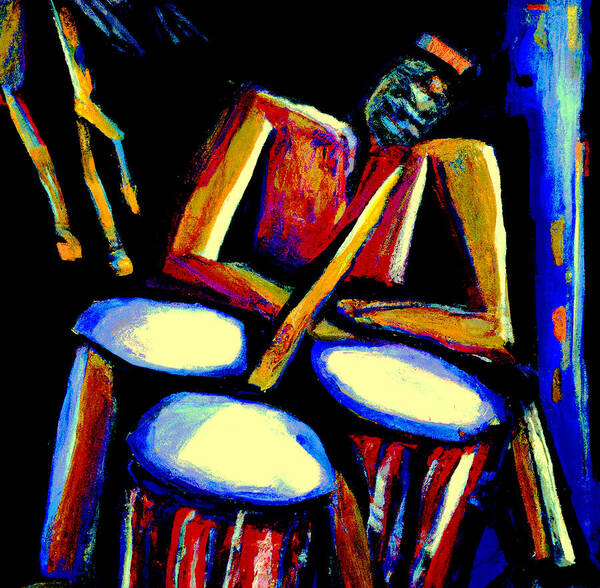
When I decided to make and sell fine art prints of my images, my drawings, my paintings, I chose Fine Art America, and still it is the only company I use. They handle the entire transaction and they ship quickly to you after customising your order. I have a gallery at Fine Art America that I encourage you to visit, and do it often as I often change the images… The above is what is referred to as an «Art Print», but there are many other ways to enjoy your fine art print of The Drummer Man. For example you can have the framed version, the metal version and the wood version, as well as the canvas or paper (special artists paper) version. It is up to you but this is a real affordable way to have original art in your walls.
CHEERS

El poder de un pueblo consciente, preparado y con buenas intenciones… nos hace falta para que no nos atropellen. ¿No?
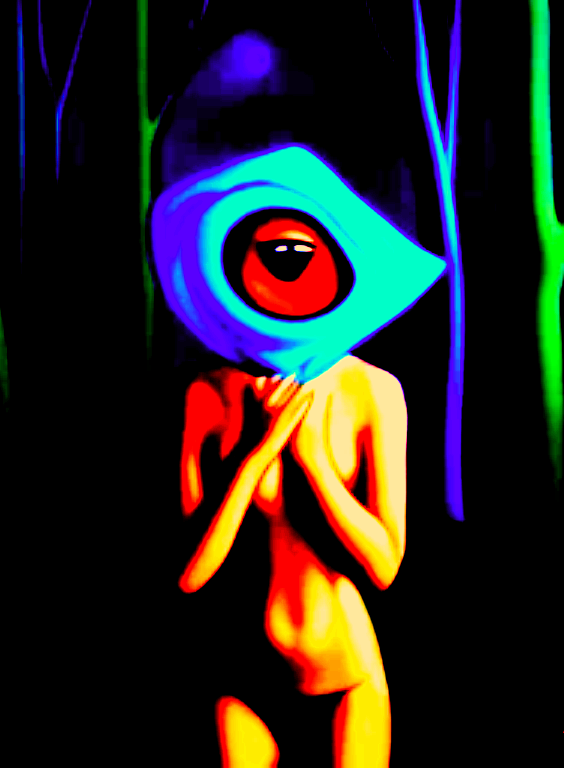
Aquí no te tapes la cabeza ni te escondas
que tu máscara es de hielo.
Aquí lo sabemos todo, lo que eres, lo que has sido, lo que has hecho, lo que has dicho.
Aquí todos lo sabemos…
Sabemos que haces tus trampa cuando juegas ajedrez.
Sabemos que el magistrado es un ladrón que, en su vejez,
se arrepintió de haber condenado a inocentes, sin saber
el sufrimiento que regaba
como el agua que su jardinero echaba a sus rosales y palmas.
Sabemos que dedicabas horas largas, horas tantas,
a los juegos del azar,
al alcohol,
al polvo blanco,
Aquí lo sabemos todo,
lo rezamos,
yo lo canto…
Aquí sabemos que un día cuando te encuentren
desnuda,
bajo las aguas de un rio,
bajo la luz de la luna,
encontraremos tu cara,
sonriente,
desvanecida,
aquí lo sabemos todo
lo que es,
será algún día.
Francisco Bravo Cabrera – 06 de septiembre de 2024 – Esmirna, Turquía
/egon-schiele-5bd8a96a46e0fb00510a25e9.jpg)
Ya os he ofrecido un vídeo acerca de la obra de Egon Schiele, (ver el vídeo) uno de mis favoritos de los expresionistas alemanes, aunque era austriaco. Hoy quiero presentaros esta obra que he visto en el Museo Nacional Thyssen-Bornemisza de Madrid que muestra una forma diferente que uso Schiele para expresar su creatividad y su filosofía en el arte.
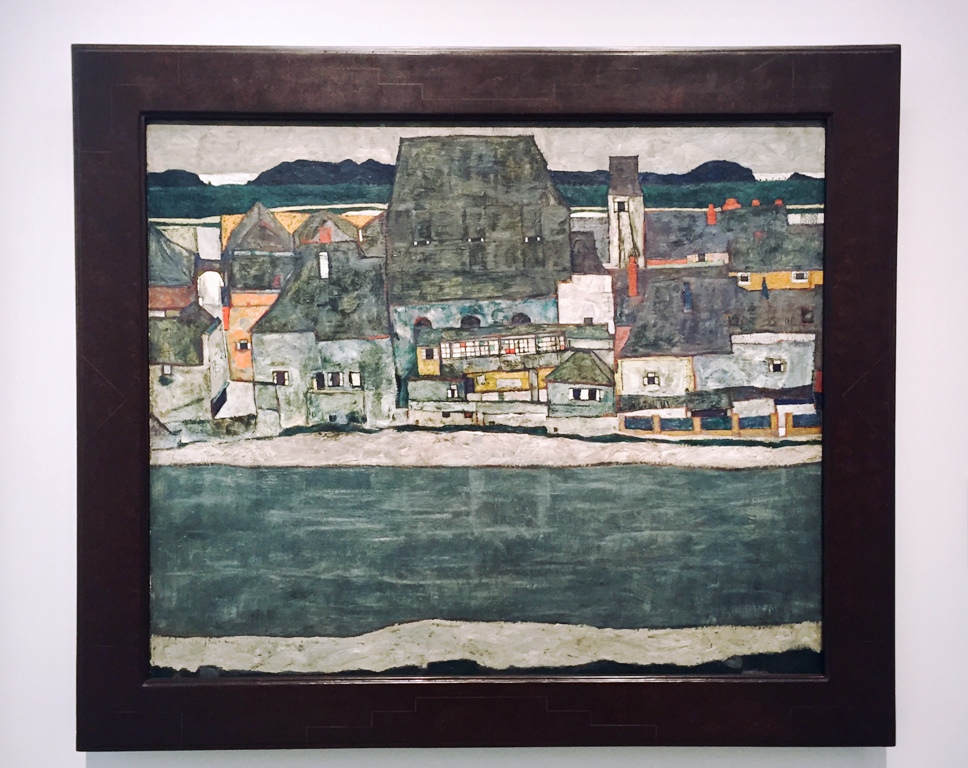
I have already offered you all a video on Egon Schiele, one of my favourites of the German Expressionists, although he was Austrian. But today I want to bring you one of his works that I saw at the Museo Nacional Thyssen-Bornemisza de Madrid that will show you a different type of work, a different way in which he expressed his creativity and his philosophy in art.
__________________________________________________________________________________
Egon Schiele: 1890-1918, pintor expresionista. En 1906 se matriculó en la Academia de Bellas Artes de Viena y en 1907, a los17 años de edad, buscó a Gustav Klimt, (ver el vídeo), que se interesó en Schiele y le compró sus dibujos. Schiele expuso su obra en exposiciones colectivas en Praga, Budapest, Colonia y Munich de 1910 a 1912, también fundó el Neukunstgrupped (Grupo nuevo de arte) donde participó otro gran expresionista austriaco, Oskar Kokoschka. Schiele murió durante la pandemia de la influenza de 1918.
Egon Schiele: 1890-1918, expressionist painter. In 1906 he enrolled in the Vienna Fine Arts Academy. In 1907, at the age of seventeen he looked for Gustav Klimt, (see the video), who became interested in his work and bought Schiele’s drawings. From 1910 to 1912, Schiele exhibited his work in Prague, Budapest, Cologne and Munich and founded the group Neukunstgrupped (New Art Group) where Oskar Kokoschka also participated. Schiele died during the pandemic of 1918 of influenza.
When I decided to make and sell fine art prints of my images, my drawings, my paintings, I chose Fine Art America, and still it is the only company I use. They handle the entire transaction and they ship quickly to you after customising your order. I have a gallery at Fine Art America that I encourage you to visit, and do it often as I often change the images… The above is what is referred to as an «Art Print», but there are many other ways to enjoy your fine art print of The Drummer Man. For example you can have the framed version, the metal version and the wood version, as well as the canvas or paper (special artists paper) version. It is up to you but this is a real affordable way to have original art in your walls.
CHEERS
Aquí no te tapes la cabeza ni te escondas
que tu máscara es de hielo.
Aquí lo sabemos todo, lo que eres, lo que has sido, lo que has hecho, lo que has dicho.
Aquí todos lo sabemos…
Sabemos que haces tus trampa cuando juegas ajedrez.
Sabemos que el magistrado es un ladrón que, en su vejez,
se arrepintió de haber condenado a inocentes, sin saber
el sufrimiento que regaba
como el agua que su jardinero echaba a sus rosales y palmas.
Sabemos que dedicabas horas largas, horas tantas,
a los juegos del azar,
al alcohol,
al polvo blanco,
Aquí lo sabemos todo,
lo rezamos,
yo lo canto…
Aquí sabemos que un día cuando te encuentren
desnuda,
bajo las aguas de un rio,
bajo la luz de la luna,
encontraremos tu cara,
sonriente,
desvanecida,
aquí lo sabemos todo
lo que es,
será algún día.
Francisco Bravo Cabrera – 06 de septiembre de 2024 – Esmirna, Turquía
Have a WordPress.com account? Log in now.

