#art, Gino Severini (Esp/Eng)

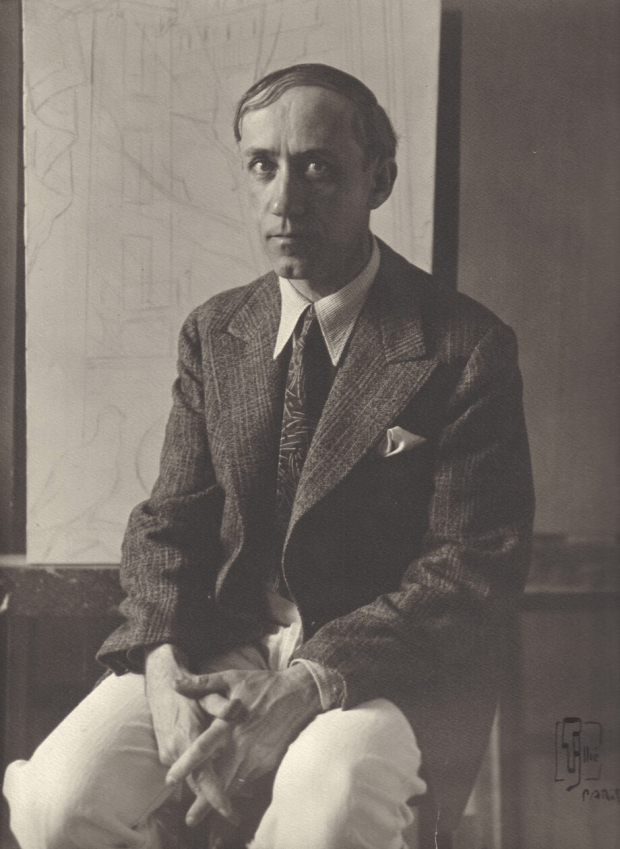
(Archivio Biblioteca Quadriennale di Roma)

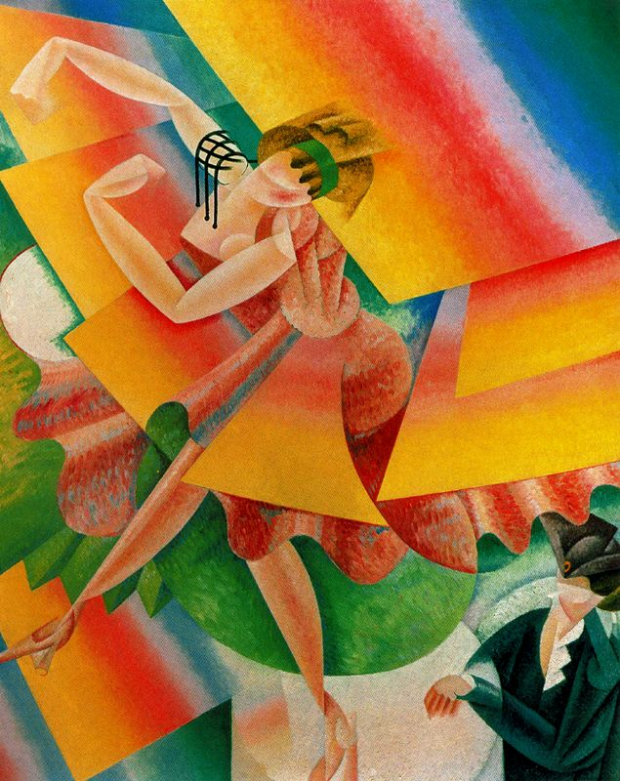
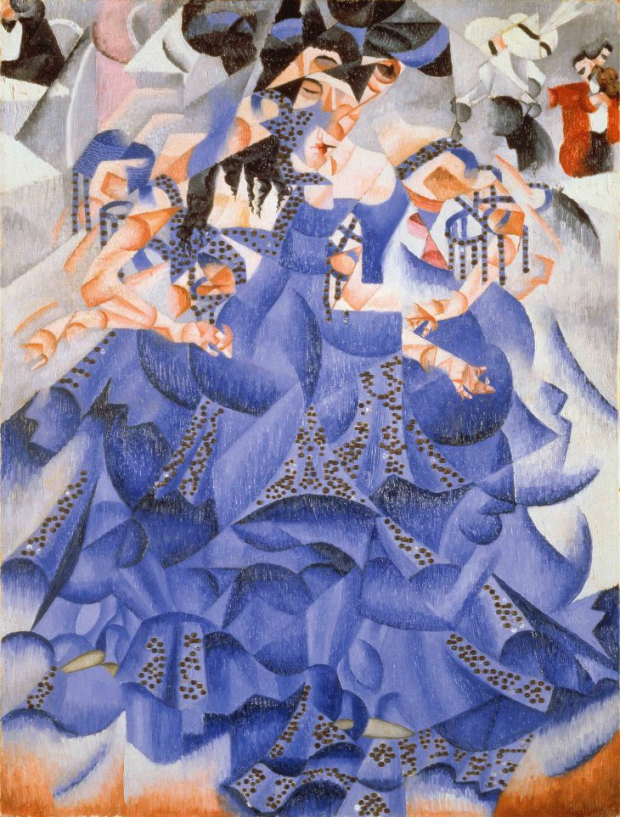
Este artista para mi era casi un desconocido. Fue uno de los lideres del movimiento futurista, o sea, una de las vanguardias del arte del Siglo XX. Nació en 1883 en la Toscana (Cortona). Su trabajo artístico realizado entre el 1910 y el 1915 logro unir el futurismo con el aspecto constructivo del cubismo. En 1906 se va a París donde se codea con Picasso, Braque y Juan Gris y profundiza de tal manera en el cubismo que en 1921 publica un libro titulado Del cubismo al clasicismo. En 1924 se torna hacia la religiosidad y comienza una etapa nueva de obras religiosas que duró hasta 1934. Luego en los años del 1940 comenzó a trabajar la abstracción. Regresa al futurismo durante la década de los 1950. Murió en 1966 y fue enterrado en Cortona. En su obra vibran los colores.

+++

This artist was almost unknown to me. He was one of the leaders of the Futurist movement, that is, one of the art vanguards of the 20th-century. He was born in 1883 in Tuscany (Cortona). His artistic work done between 1910 and 1915 managed to combine Futurism with the constructive aspect of Cubism. In 1906, he moved to Paris, where he mingled with Picasso, Braque, and Juan Gris, and delved so deeply into Cubism that in 1921 he published a book titled From Cubism to Classicism. In 1924, he turned towards religiosity and began a new phase of religious works that lasted until 1934. Then, in the 1940s, he began to explore abstraction. He returned to Futurism during the 1950s. He died in 1966 and was buried in Cortona. In his work, colours vibrate.

+++++
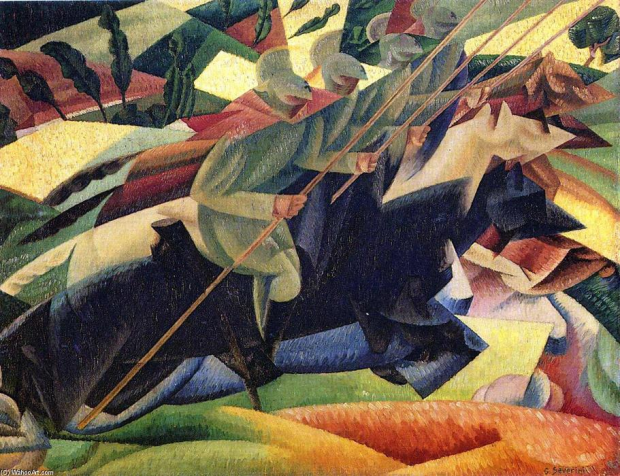
(Gino Severini)

GRACIAS – CHEERS
Artists Series: Pablo Picasso (More on the Genius of the XXth Century)

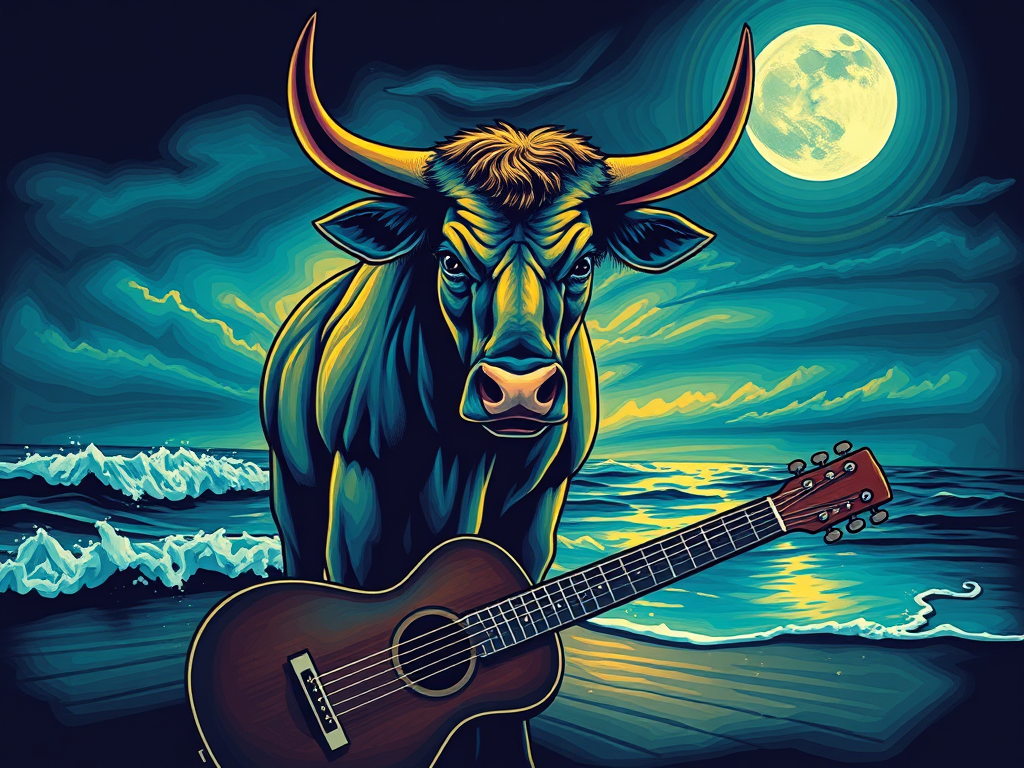
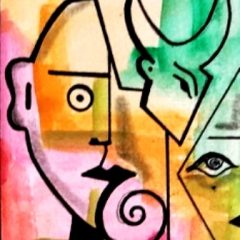
(AI image, which it got all wrong, good grief AI! I just experimented folks, I am not into AI and probably never use it again, at least not for something serious/Francisco Bravo Cabrera/All Rights Reserved

From Málaga to A Coruña and from there to Barcelona… From the prestigious Real Academia de Bellas Artes de San Fernando (Madrid), to Els Quatre Gats and from Barcelona to Paris… From a start at the «bateau lavoir» in Montmartre (1900) to the end at Mougins in 1973…

In a «nutshell» this was Pablo Picasso’s life. The child prodigy who grew up to be the «genius» of the 20th Century, the inventor of the collage, cubism and who opened the door to many of the art vanguards of the 20th Century was a card-carrying communist (but I won’t hold that against him), a womaniser, a…supposed…abuser and an infatigable artist who towards the end of his life decided to cannibalise most of art history…

Welcome to this post about my main and most important reference (as an artist), Pablo Ruiz Picasso. He was born in 1881 in Málaga, a small, provincial city in Andalucía, Spain. He died in a castle in southern France 91 years later. He lived life with abundance. He painted voraciously. His passion for life extended to many things including bullfighting, wine, women and clowning around. He must have had quite a unique sense of humour.

They say he was a child prodigy, but I don’t really think so. It’s hard to judge him against other children as we’ve no samples to view. But I can say that his father…who was an artist and an art professor…trained him well and taught him all he knew. So the young Pablo had a huge advantage over other children who might have also aspired to be the «genius» of art that Pablo ultimately became.

Here are some of his early works…

(«El picador amarillo»/1891/Photo My Modern Met)
(«La primera comunión»/1896/Photo My Modern Met)
(«Ciencia y caridad»/1897/Photo My Modern Met)

Although the last two show signs of knowledge, ability and technique, the first one doesn’t strike me as being the work of a child prodigy. Actually none of them do. With the training Pablo received, the coaching and the supervision of his father, it is no surprising he painted so well as a youth.

Part two coming very soon!

(2022)

CHEERS…

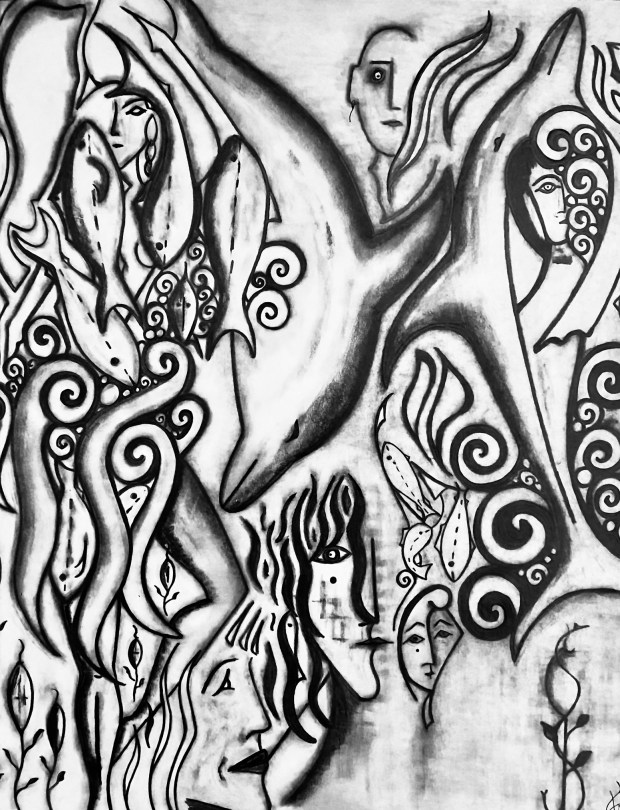
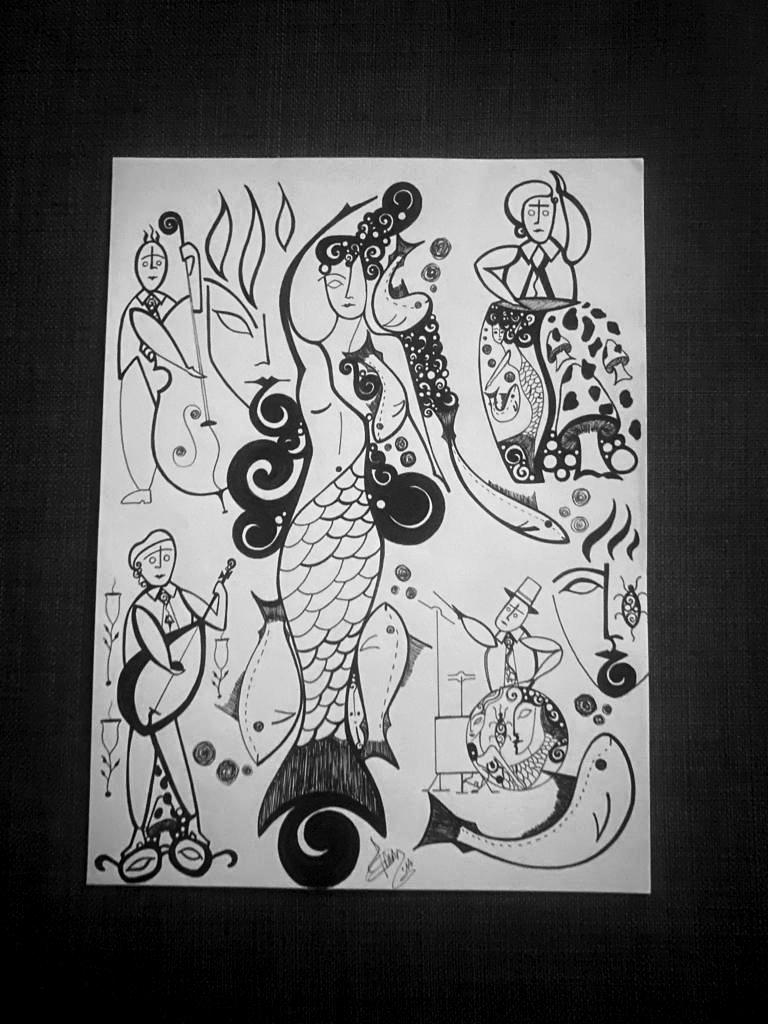
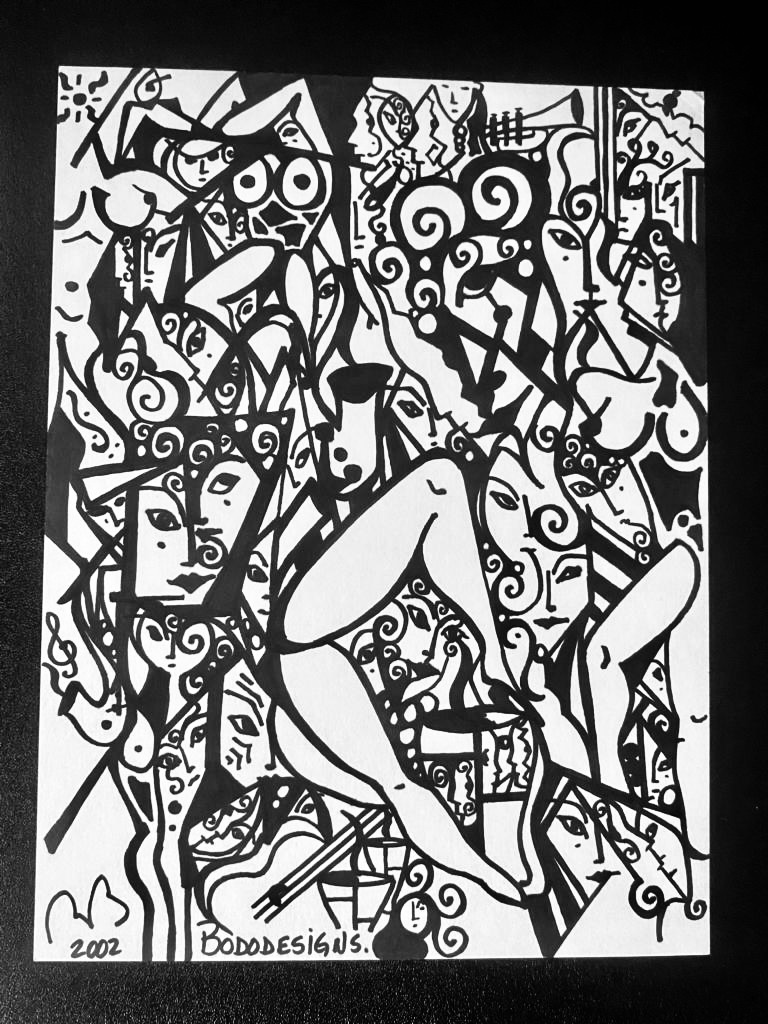
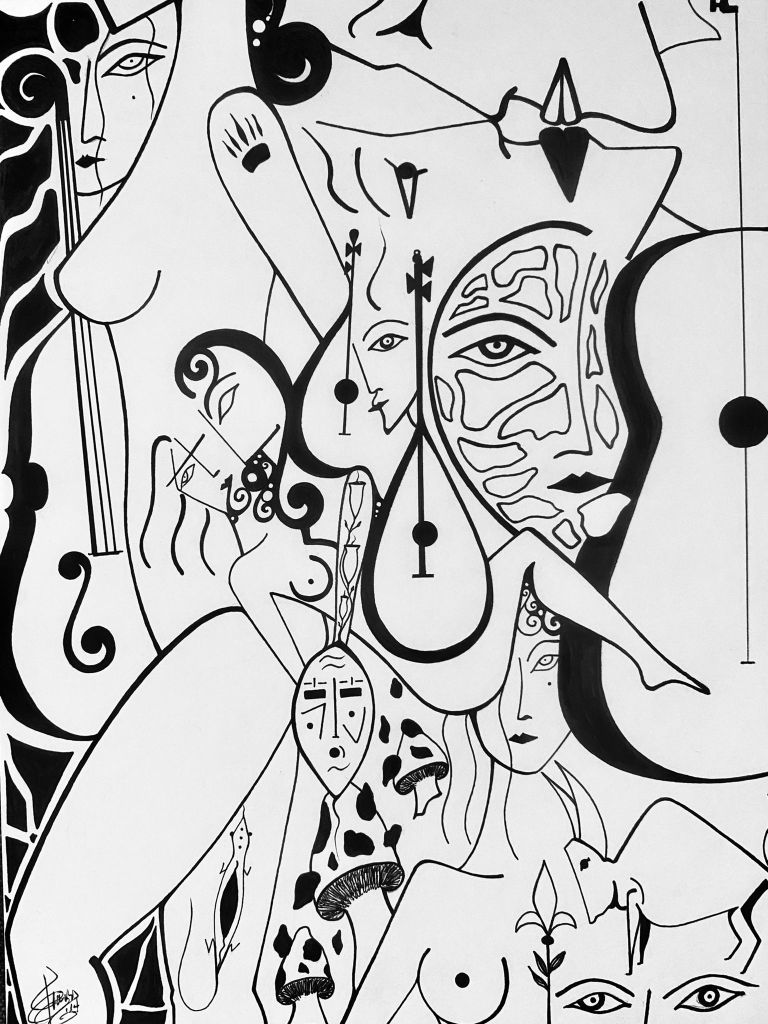
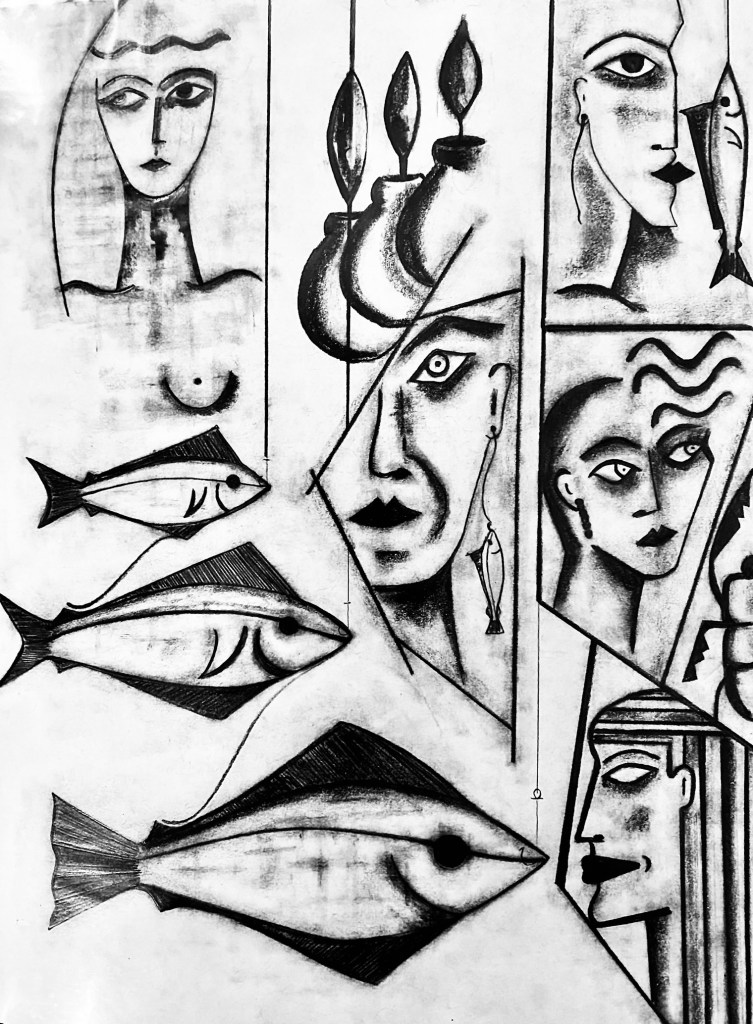
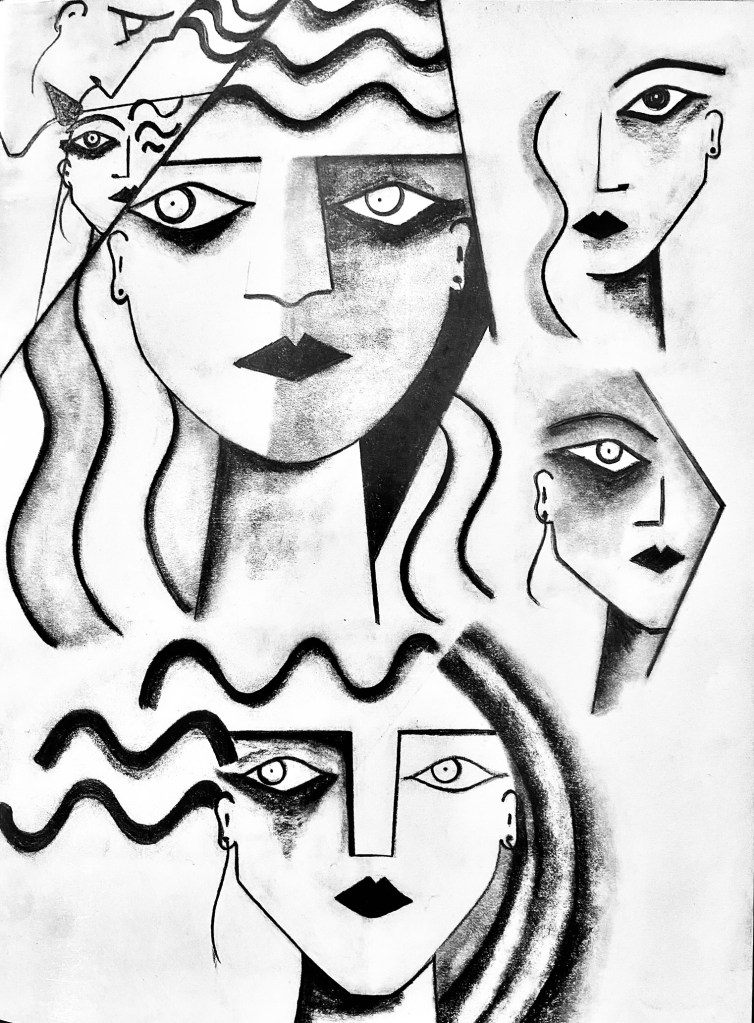
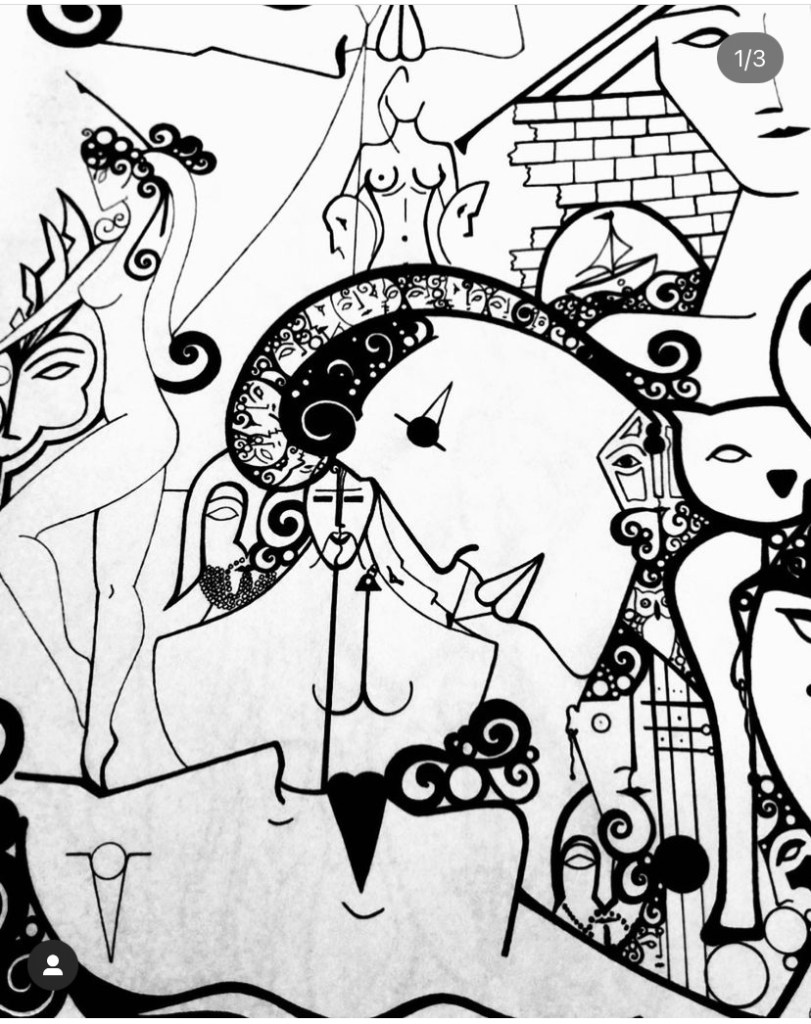
#art, Drawings from Mid-Brain – Bodo Vespaciano

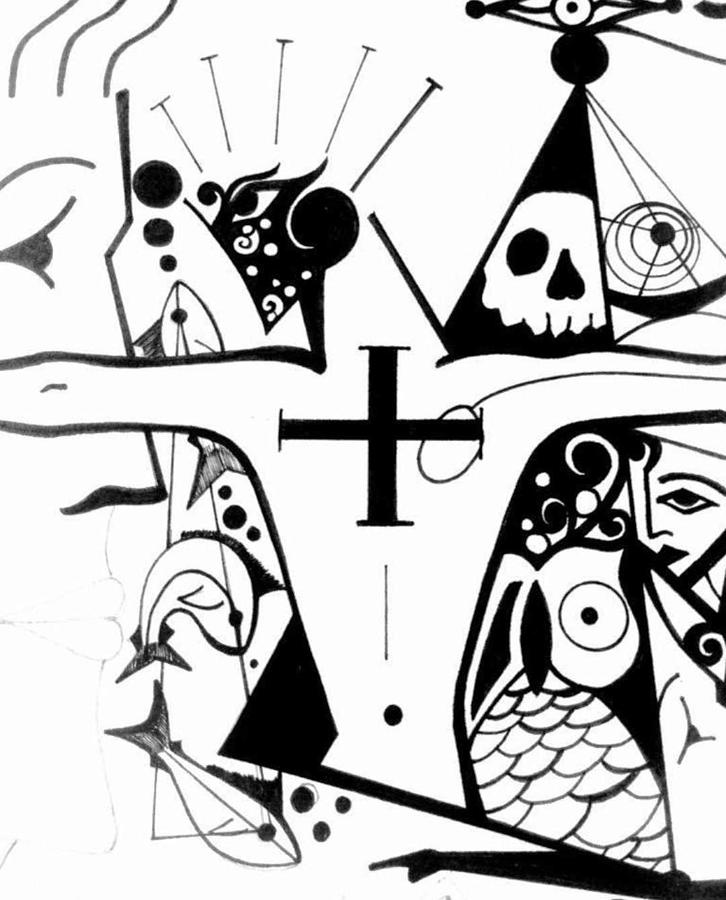
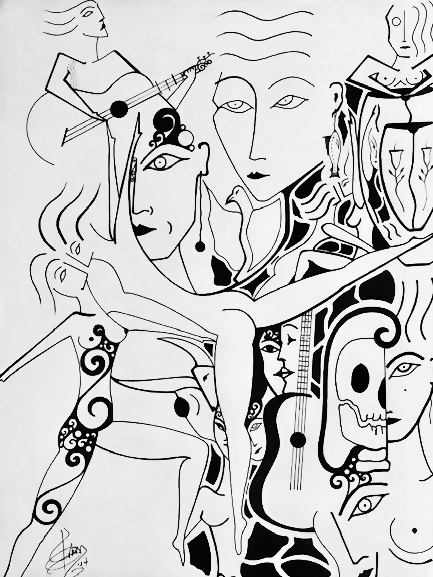
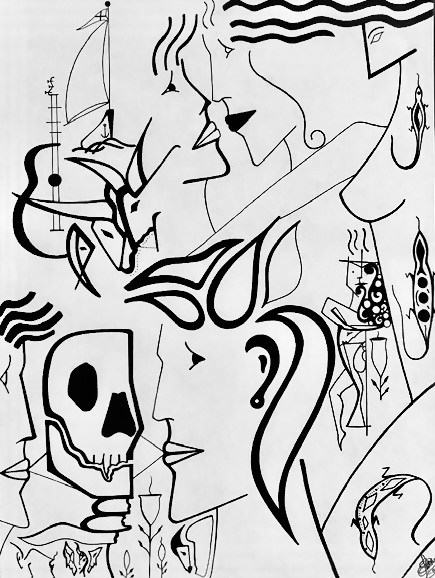
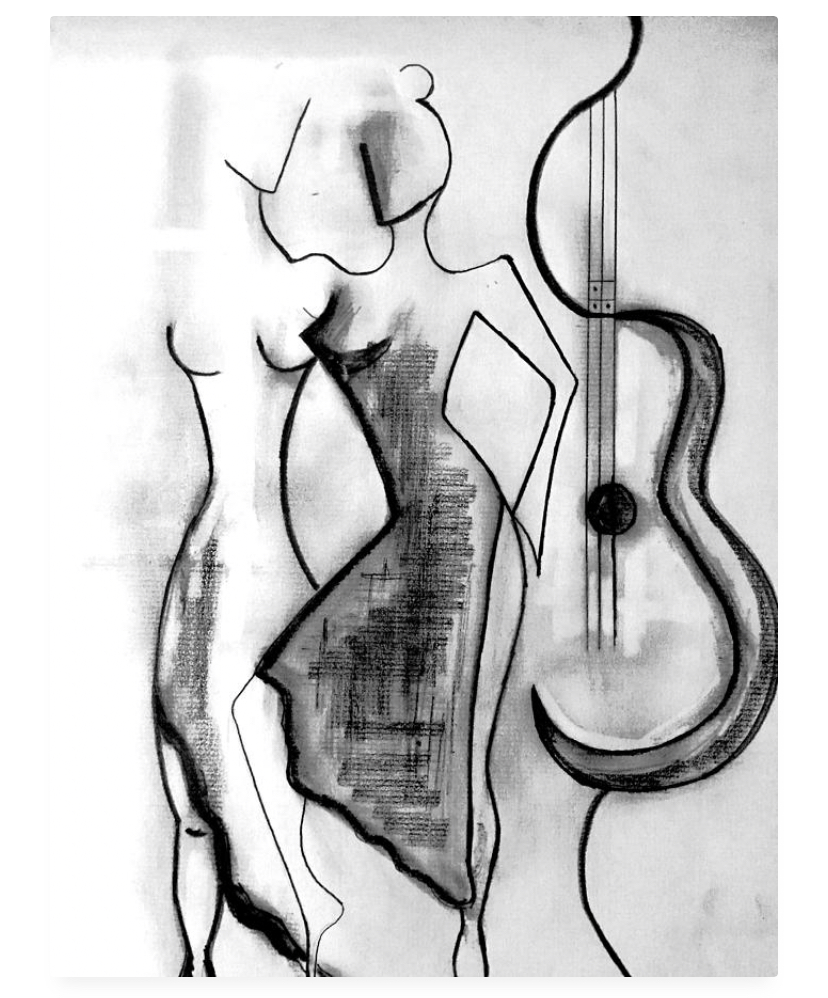
(Proto Jazz-Art/Francisco Bravo Cabrera/a.k.a. Bodo Vespaciano/All Rights Reserved)

I have been engaged in art for most of my life. When I was a lad I was more interested in writing, especially novels. Later I got into writing songs, taught myself to play the guitar and the bass and joined several bands. Later I created my own bands and even had a pretty decent home studio where I recorded many of my tunes. Later, and all of this was intertwined with my service in the Army and later my work in the police service, I got into painting. I was enrolled at uni and took drawing and painting as electives and got to really like it. My first paintings were done in oil and oil pastels. They sold rather well and quickly, but since it was in the days where there were no iPhone cameras I’ve no pictures of them. But I do recall that I painted them while my cat, Kitri was rummaging through the paints and getting greens, blues and reds all over her white coat…

Well, it took some time, but time passes and one must do something, so what I did was that I put my painting on hold, (actually for almost 7 years) and I decided to draw. It is very important to develop the skill of drawing and I experimented with ink, and with different types of graphite. I avoided charcoal or crayons because I found them messy and un-necessary. So these are some of the drawings I call «Pre- (or proto) Jazz Art». The Jazz art ones came about a year or two later…

(Please don’t forget to like, comment and share)

CHEERS

#art, #photos, Divendres a València – Viernes en Valencia – Friday in Valencia

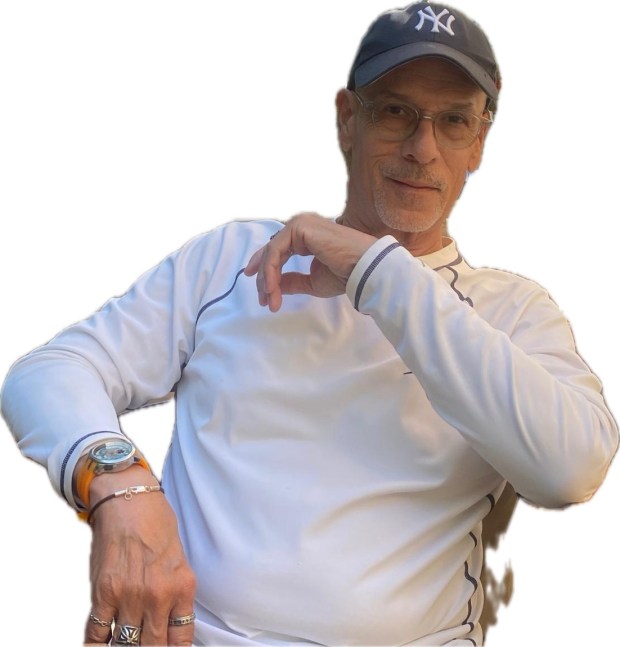
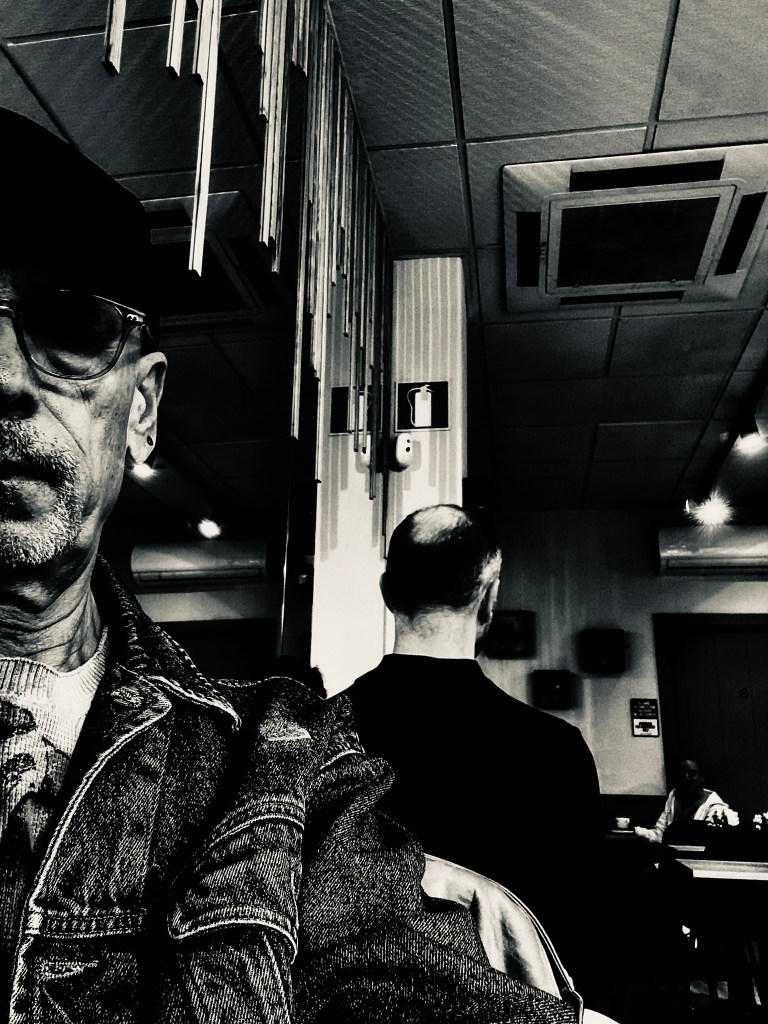
(Francisco Bravo Cabrera/Actor Portrayal)

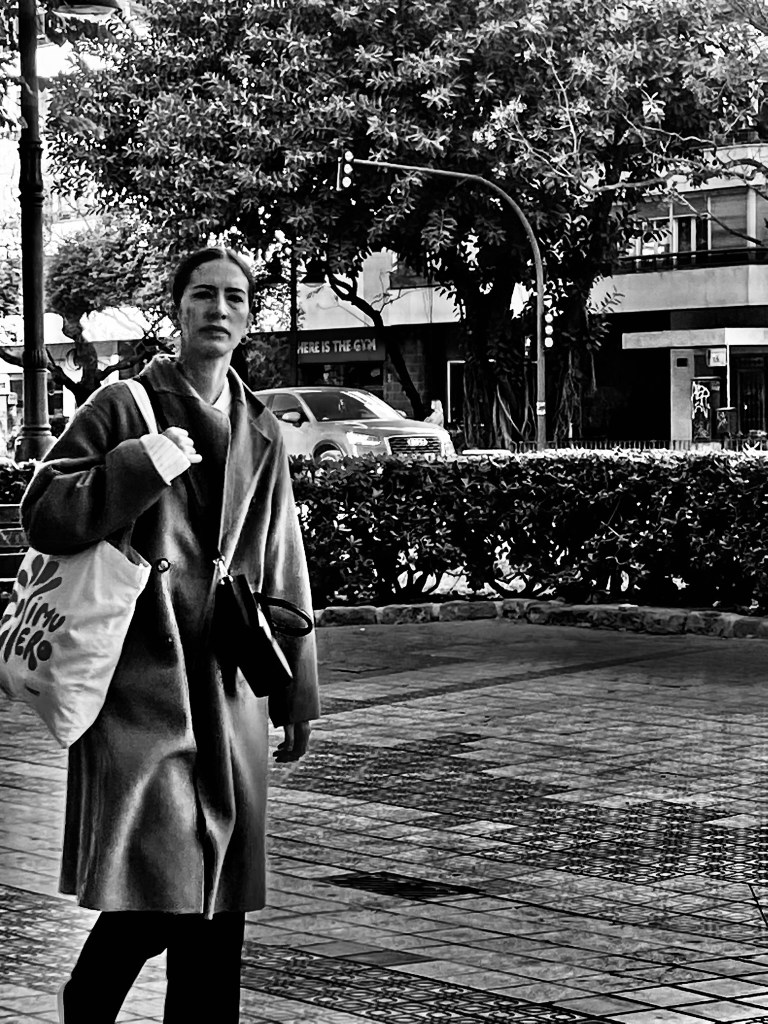
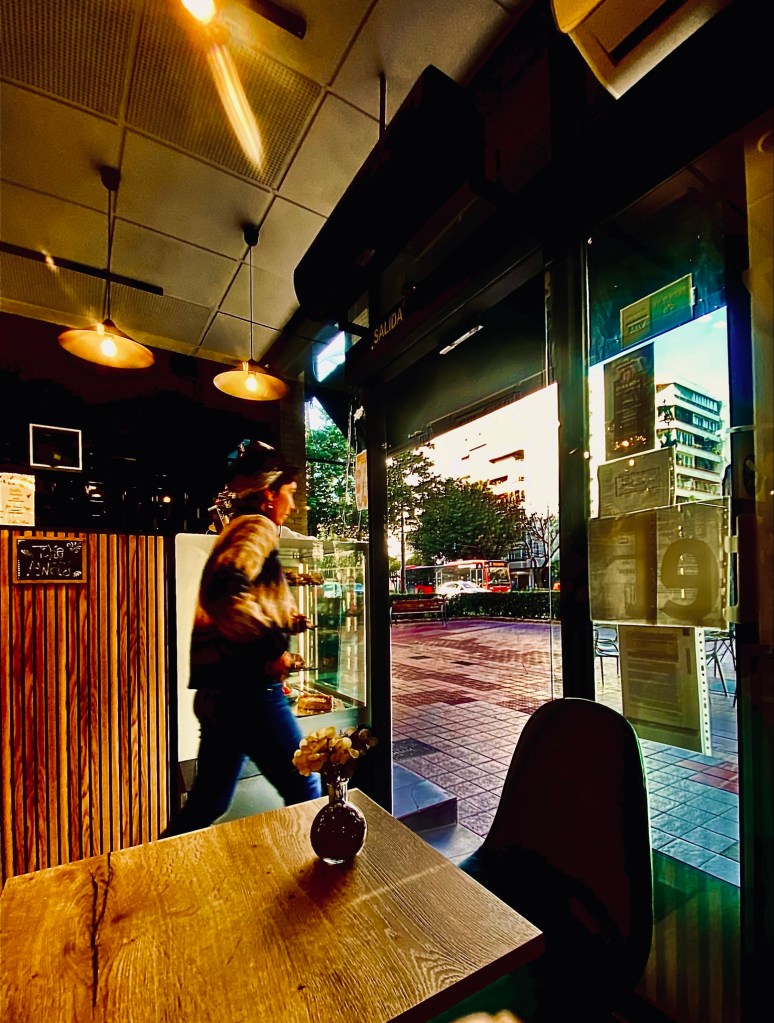
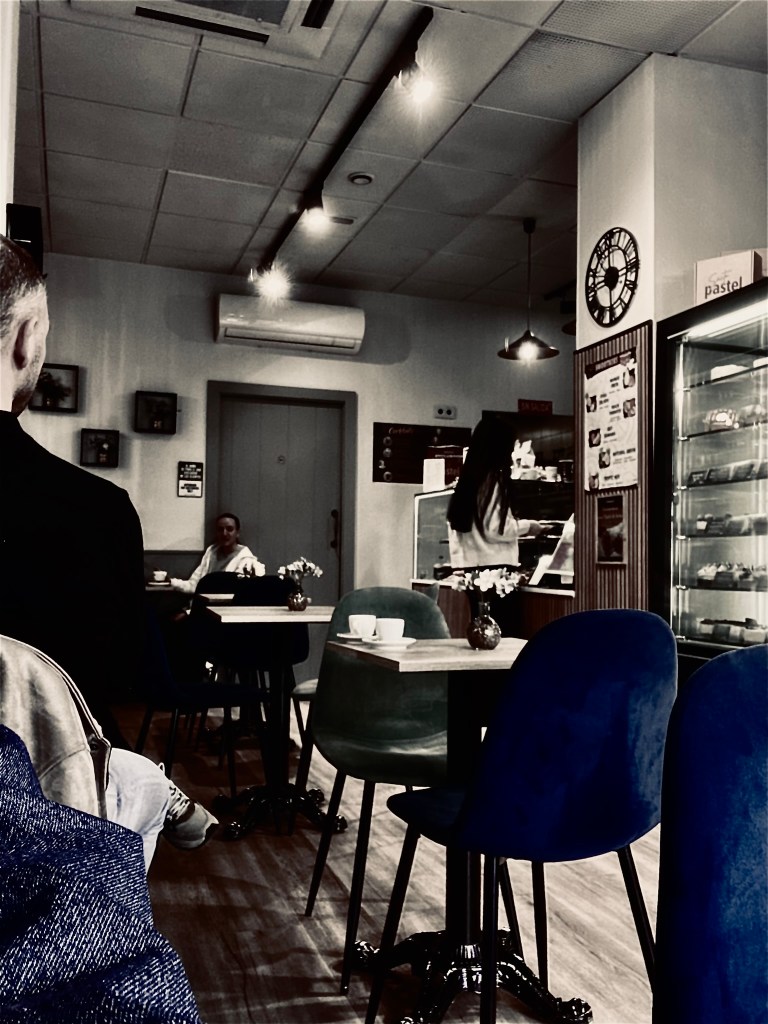
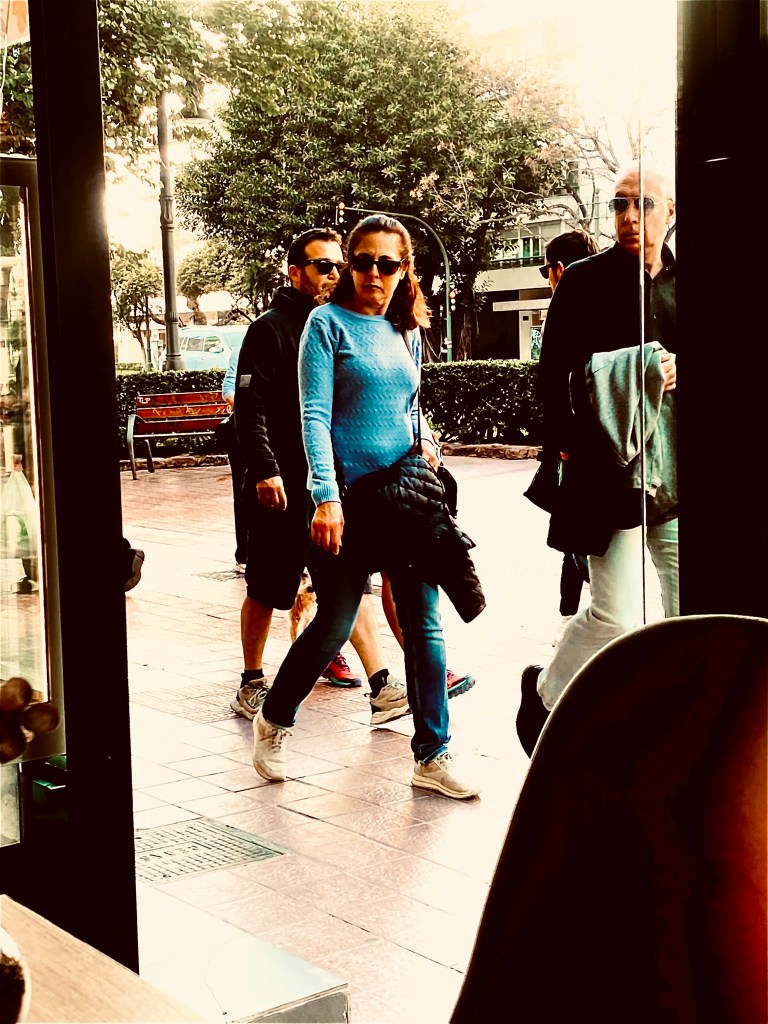
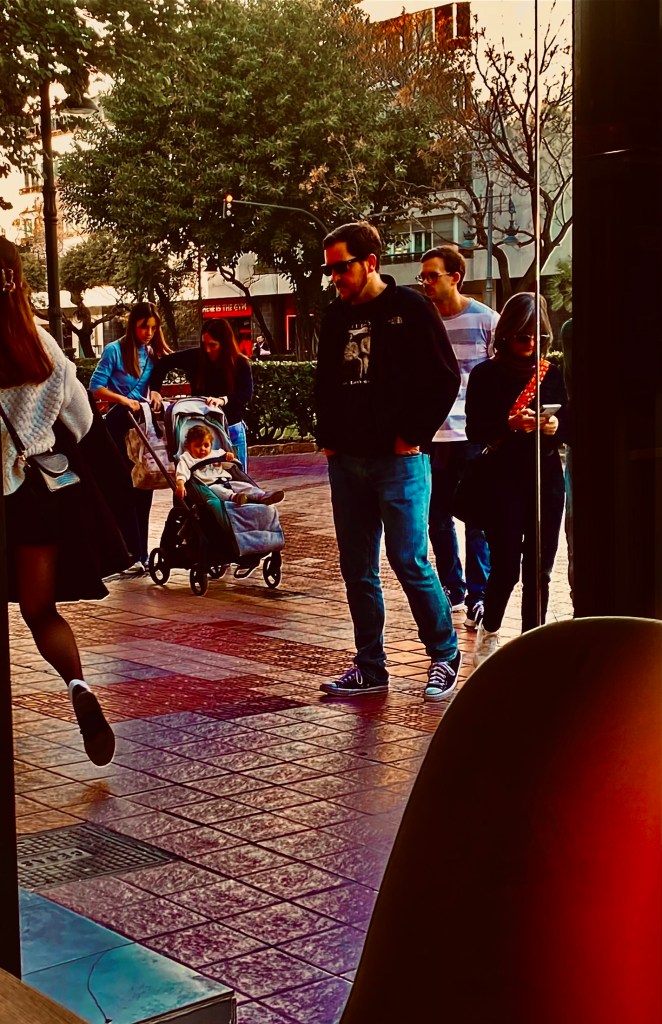
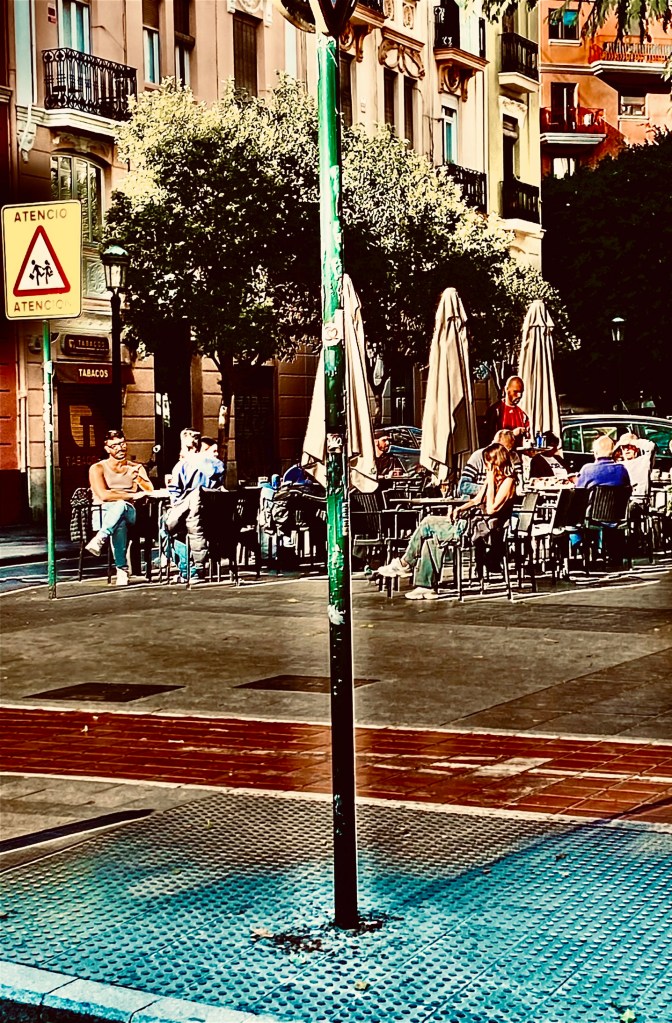
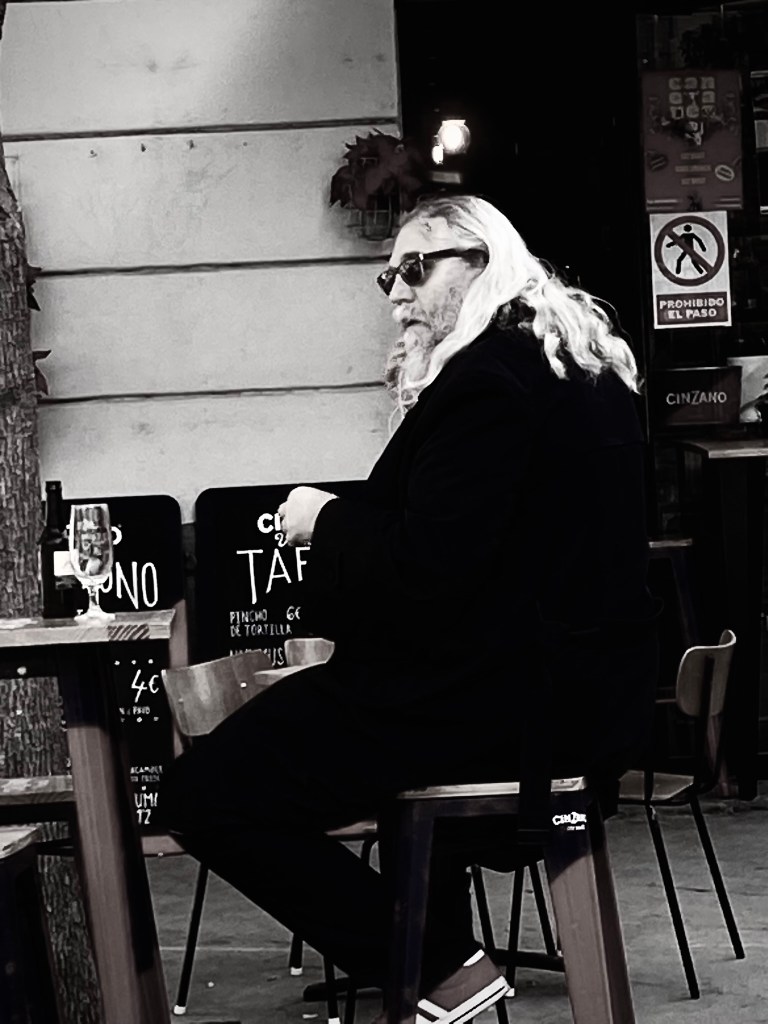
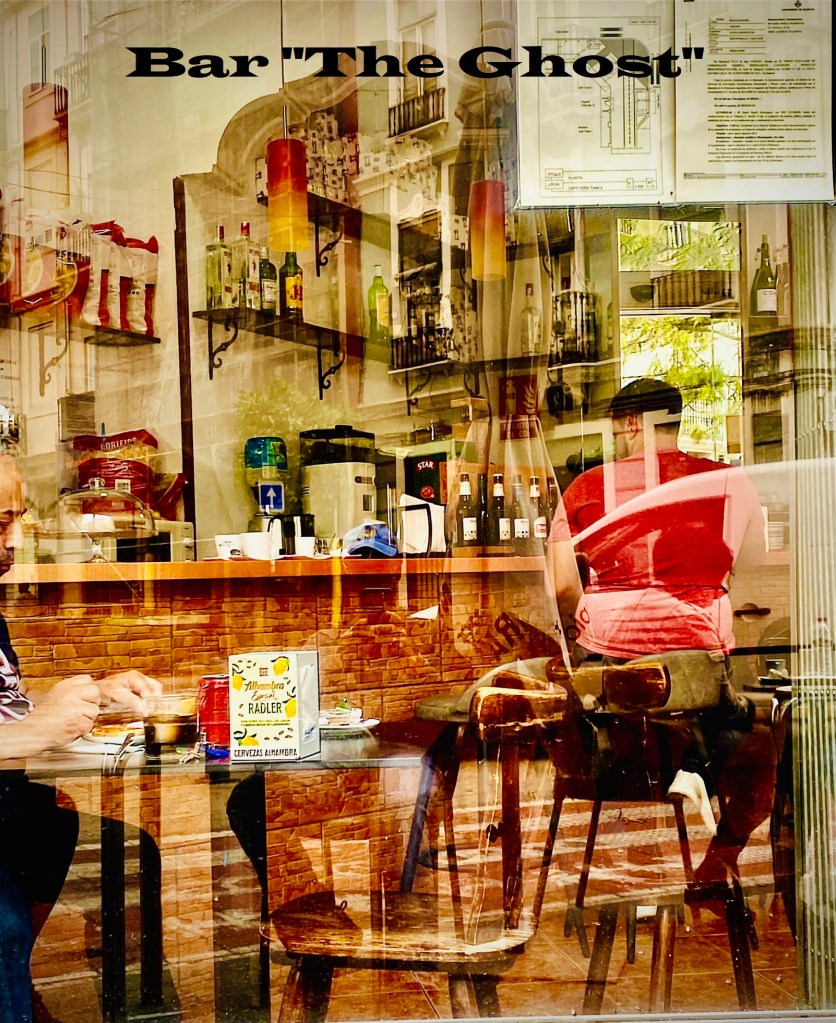
Valencia es una ciudad muy especial. Todos los días hay una energía atractiva que nos carga de creatividad y cosas buenas… Me encanta caminar por las calles, no solo de mi barrio, sino de todo la ciudad. Cada sección tiene su sabor único (como en tu ciudad, supongo) pero aquí somos bendecidos con sol (la mayor parte del año) e inviernos bastante suaves… En cualquier caso, di un paseo hoy (como de costumbre) y aquí está lo que vi después de desayunar en mi lugar favorito…

+++

Valencia is a very special city. Everyday there is some kind of appealing energy that charges us with creativity and with good things… I love to walk through the streets, not only of my neighbourhood, but everywhere in the city. Each section has its unique flavour (like in your city, I reckon) but here we are blessed with sunshine (most of the year) and rather mild winters… In any event, I took a walk today (as usual) and here is what I saw after I had breakfast at my favourite place…

CHEERS

#art, #poem, #prose, «Life in a Bar»

(Photo by Francisco Bravo Cabrera/All Rights Reserved)

I proudly serve

espresso,

macchiato,

americano?

A little bourbon,

a little scotch,

a cuppa tea?

Please wait,

I’ll be right with you.

Something to eat?

Croissant or toast?

Cafe au lait?

A glass of wine

at any time…

Be it at the crack of dawn

at midmorning or midnight,

This bar is always open.

A bar easily is

a refuge for the one’s who need

some silent time to read their mail,

or a place to meet one’s friends and tell,

tall stories over beers or ale…

Whatever you might want or need

the bar is always there indeed,

to either quench your thirst or feed

your appetite for something sweet.

So let us raise a glass and toast

to our favourite bar,

The Ghost!

C.2024, Francisco Bravo Cabrera/All Rights Reserved/13 JUN 2024/Valencia, España

#art, ART IS THE SEARCH…

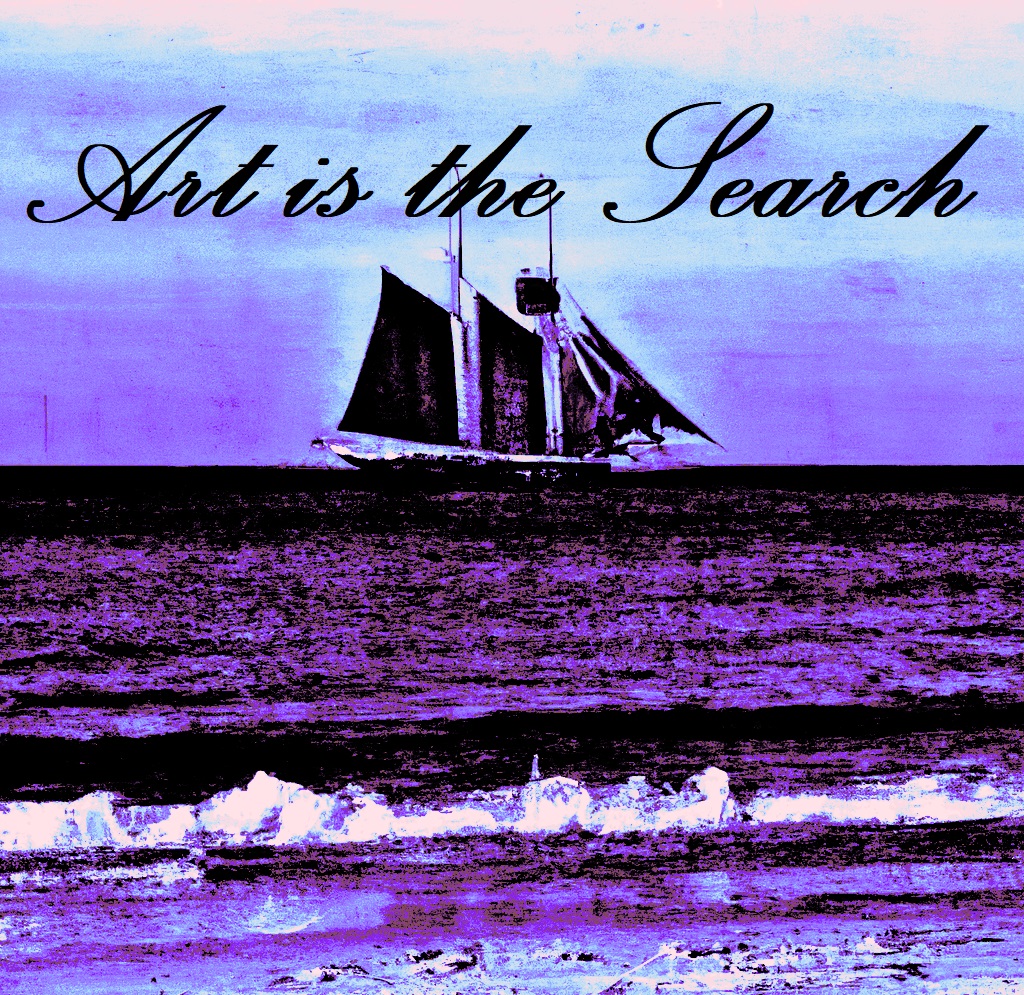
(Art Digital by Francisco Bravo Cabrera/All Rights Reserved)

Why do I say that? I mean, why do I say that art is the search. The search for what? And ultimately, what is art? If you study art history you discover that centuries ago it was quite easy to define what art was. As a matter of fact, many of the famous Renaissance artists that we think of as the Masters these days did not even call themselves artists. They considered themselves as artisans. It wasn’t until artists started choosing and deciding what they were going to paint or sculpt that the idea, the concept of being an artist was developed. Before that, artists like Michelangelo and Bernini did not choose what they were going to paint, it was commissioned to the. They painted what the Church or what a rich noble wanted, or what the King or Queen desired.

So, when artists were free to choose their subject matter, art evolved rather quickly and that is when art became the search. As an artist you must possess certain qualities, and these are: Education, Preparation, skill, insight and good taste. Without any one of these you may not succeed as an artist. (Unless you get yourself someone with lots and lots of money to sponsor you, promote your work and place you at the pinnacle of the art world. It is being done with many no-talent artists doing no good art).

In any event, that is why I say that art is the search. In the search you filter out the mundane, the ordinary, the uglier aspects of life and you keep that which can transmit a message, enhance someone’s life and enrich your own creative spirit. As an artist you must have the spirit of the times, live in the moment and search through history to conclude with a work that reflects the times and speaks to the future.

CHEERS

#poem, El fondo del mar (Euro-Ku)

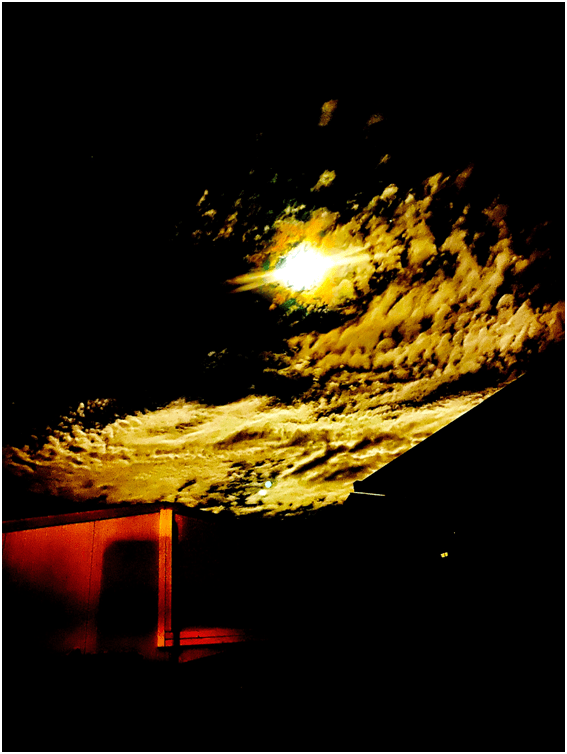
(Art Digital de Francisco Bravo Cabrera/Derechos Reservados)

La tierra pende en medio del vacío y en el fondo del mar yacen los muertos esperando despertar y despertaran cuando tiemble la tierra y las aguas se dispersen y los cielos se abran,

y las nubes, llenas de agua, se sonreirán furtivamente, imitando sonrisas esqueléticas, pero las nubes son de algodón del Nilo y se nutren de azúcar morena,

y nosotros, si, nosotros los peces de los abisales, ignoramos que hay luces en el cielo y vivimos en el fondo como esponjas que absorben y sueltan y que no retienen sabiduría.

Francisco Bravo Cabrera, 17 de enero de 2024, Valencia, España

+++

El Euro-Ku es una forma poética que desarrollé en febrero de 2022 porque quería hacer un Haiku y no me salía porque no soy japonés, ni llevo en mi ADN la experiencia de un japonés ni su cultura. Pero como admiro la poesía japonesa (Haiku) quise buscar una manera de traerla a mi mundo, mi mundo europeo y me salió el Euro-Ku. Se hace con tres estrofas, pero sin contar silabas y escrito de forma lineal donde pueda el lector seguirle el hilo perfectamente bien sin metáforas ni ensoñaciones que flotan por los aires. Además en autor tiene que añadirle una ilustración que tenga que ver con el poema y de su autoría. Pruébalo…

#art, Eva-María en/in Omnia Caelum Studios Valencia

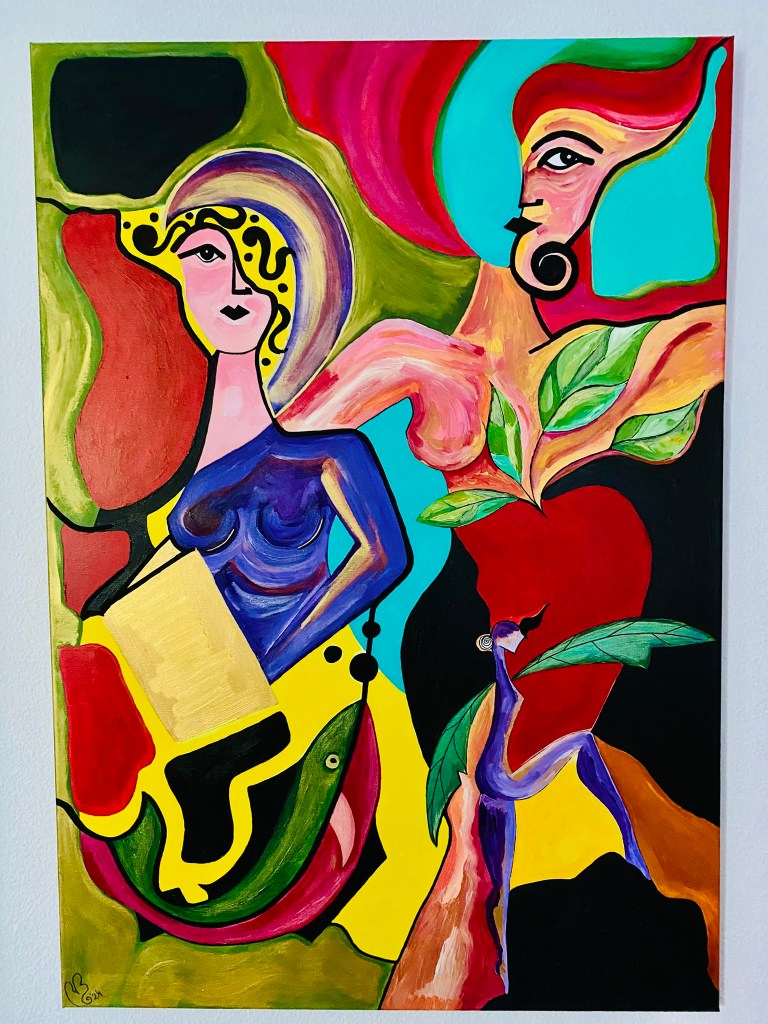
(«Eva-María»/Acrylic on canvas/70x100cm/Francisco Bravo Cabrera/Derechos Reservados/All Rights Reserved)

La pintura, hecha en mi estilo único surrealista-expresionista se titula «Eva-Maria». Muestra dos mujeres, representando dos elecciones, o dos caminos. La mujer a la izquierda es quizás una mujer santa, una mujer celestial. Ella sostiene un libro dorado, (aciduria sagrada), viste colores regales (púrpura), y debajo de ella está el pez, antiguo símbolo del cristianismo. A la derecha hay una mujer (quizás nuestra madre terrenal, Eva) que se encuentra detrás de una manzana, símbolo del conocimiento terrenal desde la época del Jardín del Edén. Esta mujer no es símbolo del mal, sino de las elecciones terrenales. Debajo de ella danza una mujer cuyas brazos son hojas de palma. Esta pequeña figura es un símbolo de integración entre lo santo y lo terrenal o se a lo profano. Además la mujer está bailando, lo que puede ser un baile de alabanza o un baile solo por el placer de bailar. Alrededor de las dos mujeres, los colores (formas abstractas) flotan y cambian de posición, simbolizando que ambos lados pueden relacionarse, que se comunican y que la existencia puede provenir de partes de una mujer y partes de la otra. Los colores las rodean a ambas creando esa necesaria unidad.

+++

This painting, done in my unique surreal-expressionist style is titled «Eva-Maria». It shows two women, representing two choices. The woman on the left is perhaps a holy woman, heavenly woman. She holds a golden book, dresses in regal colours, (purple), and below her is the fish, ancient symbol of Christianity. On the right is a woman (perhaps our earthly mother, Eve) who stands behind an apple, symbol of earthly knowledge from the Garden of Eden. And she represents not evil, but earthly choices. Below her dances a woman whose arms are palm leaves. This small figure is a symbol of integration between one choice (the heavenly one and the earthly one) and the woman is dancing, which can be a dance of praise or a dance of pleasure. All around the two women the colours (abstract forms) float and shift position, symbolising that both sides can and do communicate and that existence can be had from parts of one woman and parts of the other. The colours surround them both creating that much needed one-ness.

+++

GRACIAS – CHEERS