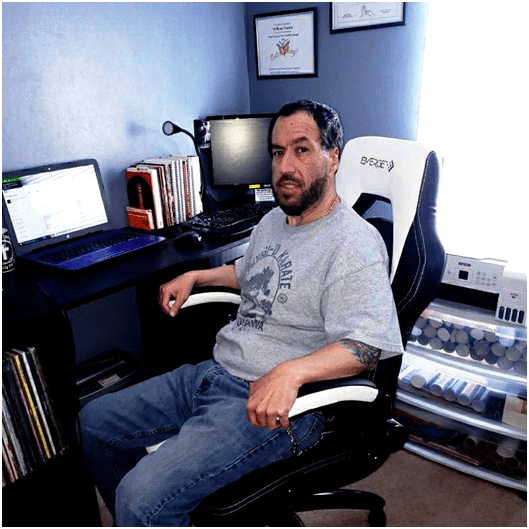
This is a very special edition and you will see and understand it as you read through the words of our very special guest today, Willie Torres. I have been enjoying his blog, Being Crazy for Christ and you might have been too, for several months now and I can tell you it is interesting, informative and fun.
+++
WILLIE TORRES
I am William «Willie» Torres, a Christian writer whose faith has profoundly shaped both my life and my work. I often describe myself as a «toddler Christian» because I came to faith in 2017, and my journey with God has been one of growth, learning, and discovery. Through this journey, I’ve witnessed God’s hand in my life in ways I never could have imagined. Through my writing, I share my personal testimonies, struggles, and the lessons I’ve learned, with the hope of inspiring and encouraging others on their own faith journeys.
Over the years, I’ve worked hard to become a better man, husband, father, and friend. I’ve come to cherish the small moments of connection that come from relationships, understanding their significance in these challenging times. My writing reflects my belief that God is with me through every trial, offering hope, redemption, and healing. I aim to share this hope with others through my words.
Much of my writing is inspired by the Holy Spirit. I write about the trials I’ve faced and how God has helped me overcome them. Through this journey, I’ve discovered the power of forgiveness and have been able to restore relationships that once seemed broken. I’ve realized that my writing is a platform to offer encouragement, share God’s love, and strengthen others in their faith.
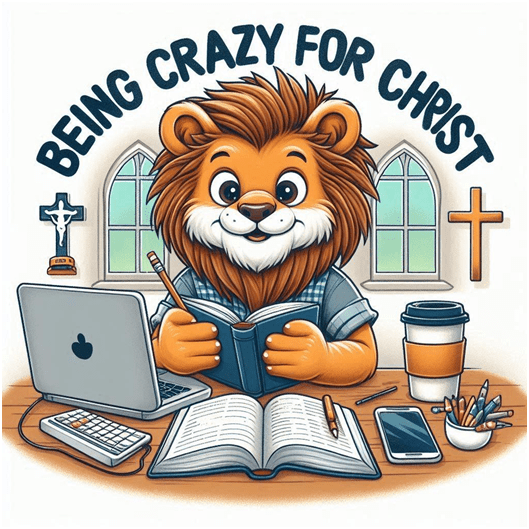
I also embrace new technologies, such as AI, to create visuals that complement my stories, making them more engaging for my readers. One of my creations, Leo the Lion, has become popular on my WordPress site, and I’m grateful for the inspiration God has given me to bring this character to life.
I’m the author of two books: The Latter Times of Being Crazy for Christ and Take Me Out With the Crowd, both available on Amazon, GoogleBooks, Barnes & Noble, and ChristianBooks.com. Although I struggle with self-doubt, I’m committed to continuing my writing. My hope is that my work will not just be read but that it will inspire and change lives, helping others see God in a new light. I’m currently working on four more books, with plans for their release soon.
For me, writing is an act of worship—a way to use the gifts God has given me to glorify Him and share the love, strength, and peace I’ve received through Christ. I’m thankful for the opportunity to share my story with the readers of JazzArt en Valencia, and I hope my words will inspire others to grow in their faith and experience the transformative power of God’s love.
Be Blessed and Be a Blessing
Willie Torres Jr.
WILLY’S INTERVIEW
1) You prepare beautifully crafted posts with very positive images and a powerful message. What are your plans for your writing?
When it comes to my writing, my plans are simple yet profound. I start with prayer. Most of what I write comes from the struggles, trials, and testimonies of my own journey. I sit at my desk in my home office space and begin talking to God. Some may wonder about prayer and faith, but for me, there is no better person to lay my burdens down with than God, the one who can help me through it all.
I gave my life to Christ in 2017, after a difficult period in my life. It was through a dark time and deep depression that I finally surrendered to Him and let Him take control. As I began learning to pray and open up to God, I asked Him about my childhood and the birth defects and imperfections I was born with. I had so many questions. And in response, He said, “Willie, grab a paper and a pen.” From that moment on, my writing became a way to communicate with Him—a kind of prayer diary, if you will.
I’ve realized that this is my calling: to share with others that I am just like everyone else, struggling through life’s challenges. Some days more, others less, but I know now that I’m never alone in it. Through my writing, I want to offer hope, reminding readers that in Christ, there is a greater life filled with joy, peace, and purpose. While we are not free from problems, we can find comfort in knowing God is always with us.
My goal is to bring joy to others, because that’s what God gives to me. If even one person reads my words and feels inspired to pray or draws closer to God, then I know my purpose is fulfilled. To God be all the glory and praise—our calling is to share the truth and make disciples of all nations.
So to summarize and answer your question in one or two sentences, what are my plans for my writing? My plans are to make people smile, bring a sense of hope to someone who can relate to my story, and if they question their faith or question God, know that He knows you, He hears you, He knows your heart, and believe it or not, He loves you. If He can love a sinner, a wretch like me who was and is undeserving of His love, mercy, and grace, then He can easily love you.
2) Do you believe that writers (poets, artists et cetera) should engage in political discourses and proffer public opinions about community and world affairs?
I can only answer this question from my personal perspective and as a Christian. I typically avoid discussing politics because it often leads to conflict and division. No matter what, someone is always going to disagree. In fact, I recently lost a friend—someone I’ve known since high school in 1986—because of politics. The strange part is, I never even told him who I was voting for. We joked around about it at times, but never truly discussed any presidential candidates. I suppose that’s why we have secret ballots—to avoid the conflicts that can arise from such discussions.
However, as I grow in my faith, I’ve come to understand Scripture more deeply. As a Christian, I now believe that writers, poets, and artists have a unique platform and responsibility to engage with the world around them, including political and social issues. God has gifted each person with talents and a voice, and I believe these gifts should be used to reflect His truth, love, and justice.
In Scripture, we see many examples of people standing up for what is right and speaking out against societal injustices. Prophets like Isaiah and Jeremiah in the Old Testament called attention to the moral decay of society and the oppression faced by the poor. In the New Testament, Jesus spoke out against the corruption of religious leaders and the systems that oppressed the people. As Christians, we are called to be the salt and light of the world (Matthew 5:13-16), which includes using our voices to speak against injustices that go against God’s will for justice, mercy, and love.
That being said, it’s important to approach these conversations with wisdom and humility. We should ensure our words and actions align with God’s truth, speaking in love rather than anger or division. Our goal should be to bring people closer to God’s will, not to stir up hatred or further division.
So, yes, I believe Christian writers, poets, and artists should feel called to engage in these important conversations, but always with the aim of glorifying God and offering hope, truth, and reconciliation through their work.
3) What is the role of religion in the creative arts?
Religion plays a vital role in the creative arts, especially for Christian writers like myself. My writing is deeply influenced by my faith, and I see it as a way to communicate with God. I begin each piece with prayer, sharing my thoughts and struggles with Him, seeking His guidance and insight. Through my writing, I express my journey, my challenges, and the lessons I’ve learned in my walk with God.
For me, writing is not just an artistic expression, but a form of worship. It’s a way of using the gifts God has given me to share His truth, love, and justice. As I continue to grow in faith, I feel called to address societal issues, offer hope, and encourage others to reflect on their own relationship with God. Writing allows me to engage with the world, offering a Christian perspective on the struggles we face while pointing to the hope and redemption found in Christ.
Ultimately, the role of religion in my creative work is to glorify God and bring others closer to Him. Through my words, I hope to offer comfort, truth, and encouragement, reflecting God’s love in every message I share. What is most important, though, is that I cannot take credit for this gift. It has been hard for me to learn, but I must remember that God has guided me to write—not only as an answer to my struggles but also as a message to someone else. If any of my work reaches another person, it’s His glory alone that should be praised. I still struggle with insecurity and discouragement in my writing. I often feel that my work isn’t good enough, but I have to remind myself that it’s God’s work, not mine. I must continue to trust His guidance and press forward in the calling He has placed before me, knowing that His purpose is greater than my doubts
These are the links to his books on Amazon…
+++++++++
AND… If you are a writer, a poet, a painter, or in any way involved with the fine arts, I invite you to be a protagonist on FEATURES by VALENCIARTIST. All you have to do is respond to this post with your email address so that we can contact you and give you the instructions.
CHEERS


 JaZzArt en València