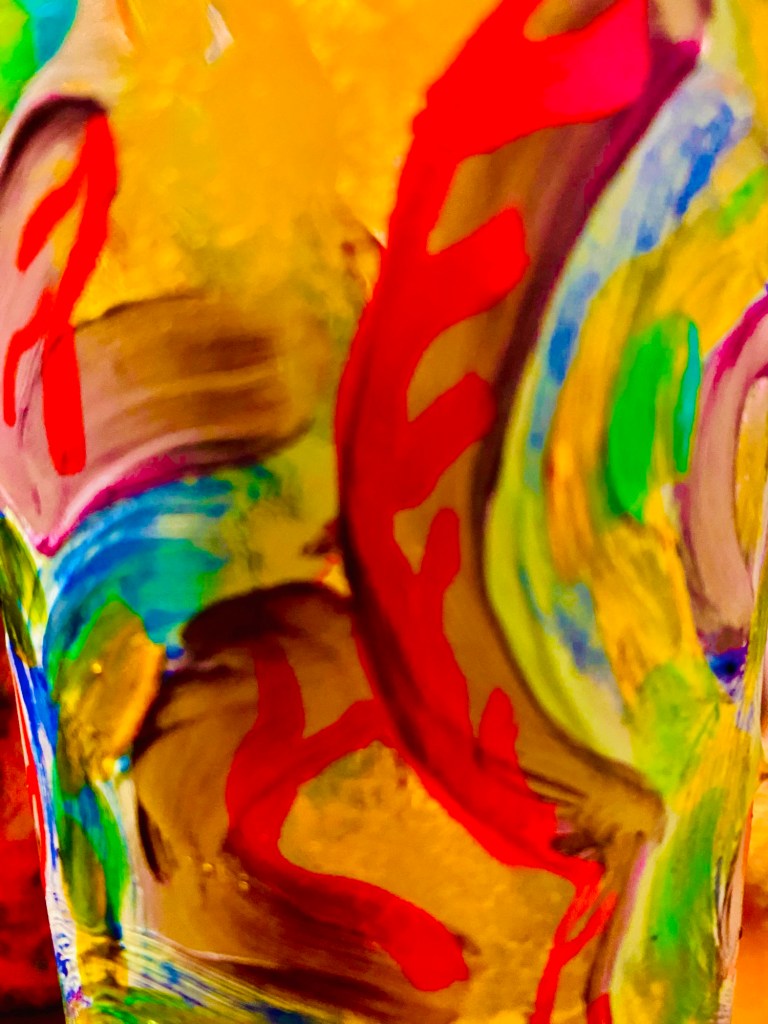
Abstract art must not contain anything that is recognisable as belonging to our natural world…
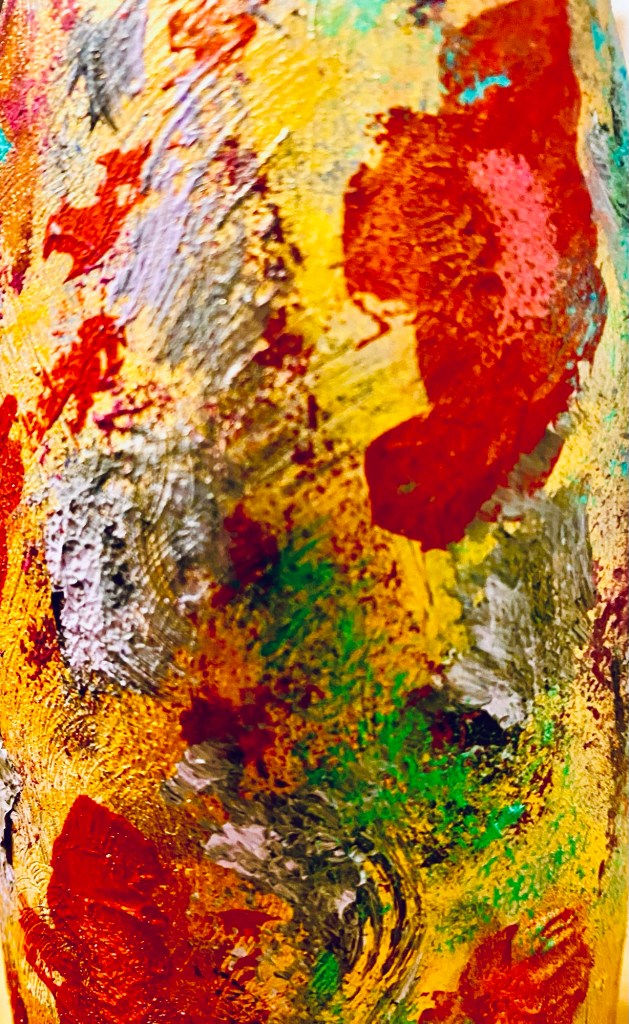
Abstract Painting No. 1 and No. 2 by artist GAB of the art brigade of Omnia Caelum Studios València.
IG: @Guloshka
CHEERS
Faith saved us from the savages that we were, losing faith makes us savages again
Abstract art must not contain anything that is recognisable as belonging to our natural world…
Abstract Painting No. 1 and No. 2 by artist GAB of the art brigade of Omnia Caelum Studios València.
IG: @Guloshka
CHEERS
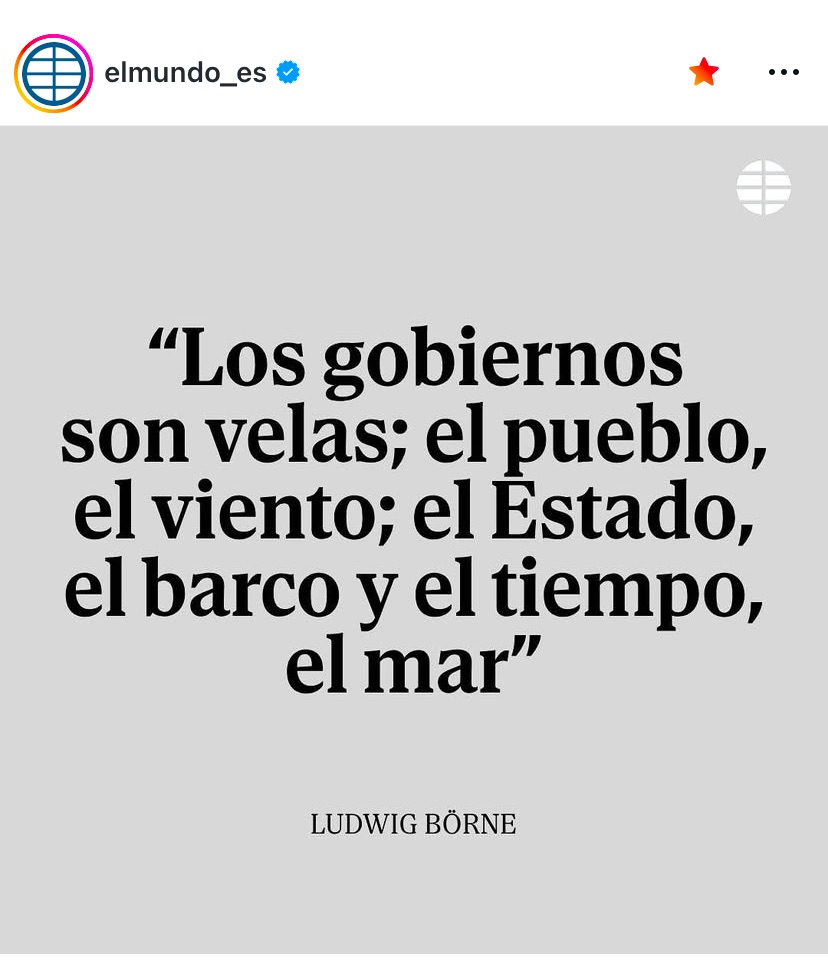
Es hora que sople el viento…
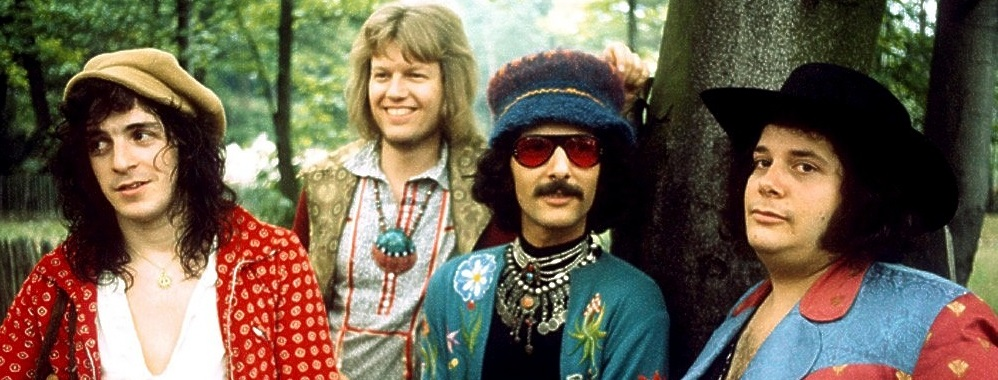
This was another band that kicked ass back in the day. Mountain was formed in Long Island (1969) by vocalist Leslie West, bassist Felix Pappalardi, keyboardist Steve Knight and drummer N.D. Smart. That same year they played Woodstock and many say they were the original inspiration for Heavy Metal. Their top rocker was «Mississippi Queen«. I don’t know if they were the first exponents of Heavy Metal or not, but what I do know is that they certainly influenced groups like Deep Purple and Black Sabbath. Felix Pappalardi passed away in 1983 and Steve Knight in 2013. The band remained active until 2010.
So, take a listen and tell me what you think…
CHEERS
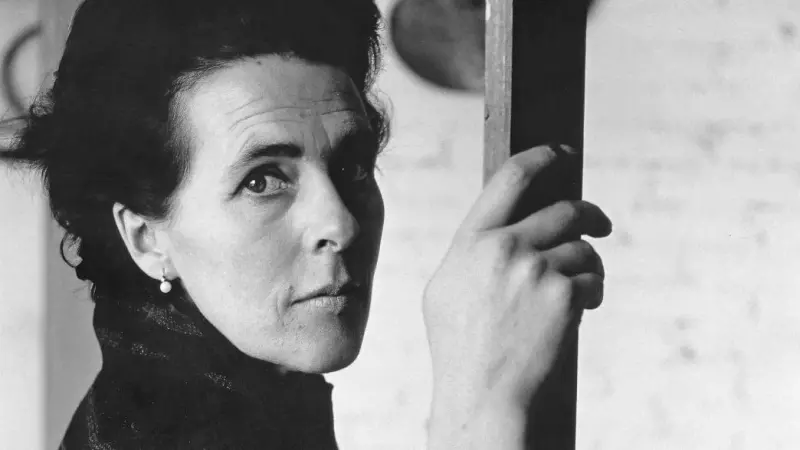
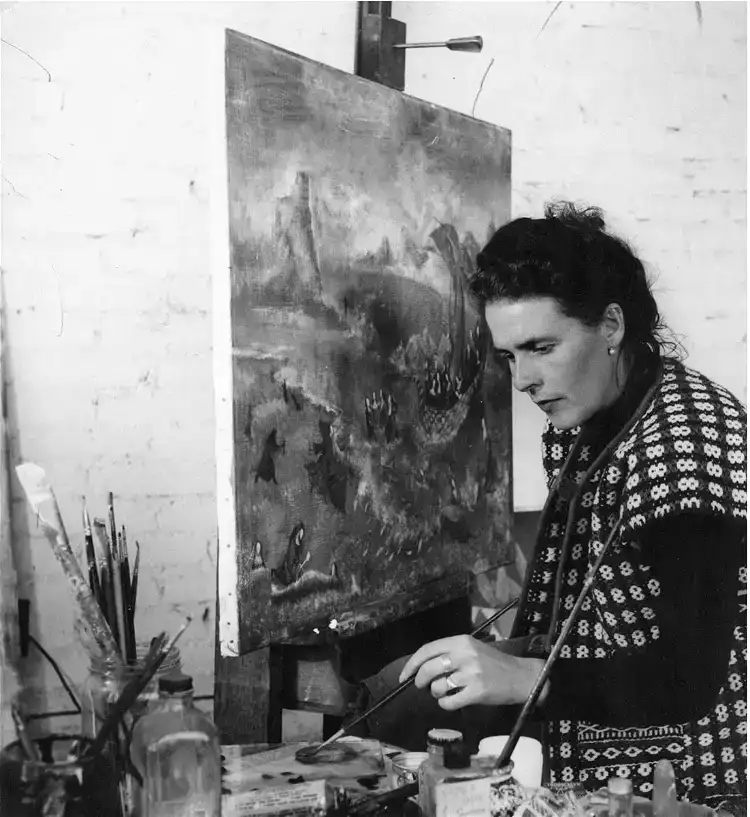
Leonora Carrington, os he hablado de ella, una de las grandes y de las que no se hablaba mucho hasta hace poco y por supuesto la nunca mencionada en las facultades de Bellas Artes, hace historia pues el pasado miércoles, 15 de mayo, cuando su cuadro «Les Distractions de Dagobert» se vendió en subasta de Sotheby’s (Nueva York) por 28,5 millones de dólares (26.219,459 Euros). Este record la coloca por encima de pintores como Salvador Dalí y Max Ernst. Su tela surrealista de 1945 fue adquirida por el billonario argentino Eduardo F. Costantini, fundador del Museo de Arte Latinoamericano de Buenos Aires. El senor Costantini ha dicho que el cuadro es «una pintura icónica».
+++++++
Leonora Carrington, I have told you about her. For me she is one of the greats and one who wasn’t talked about much until recently. Certainly never mentioned in Art School at uni. Well she made history last Wednesday, May 15, when her painting «Les Distractions de Dagobert» was sold at Sotheby’s auction (New York) for 28.5 million dollars (26,219,459 Euros). This is a record and places her above painters like Salvador Dalí and Max Ernst. Her surrealist canvas from 1945 was acquired by Argentine billionaire Eduardo F. Costantini, founder of the Museum of Latin American Art of Buenos Aires. Mr. Costantini has said that «Les Distractions de Dagobert» is «an iconic painting.»

GRACIAS – CHEERS
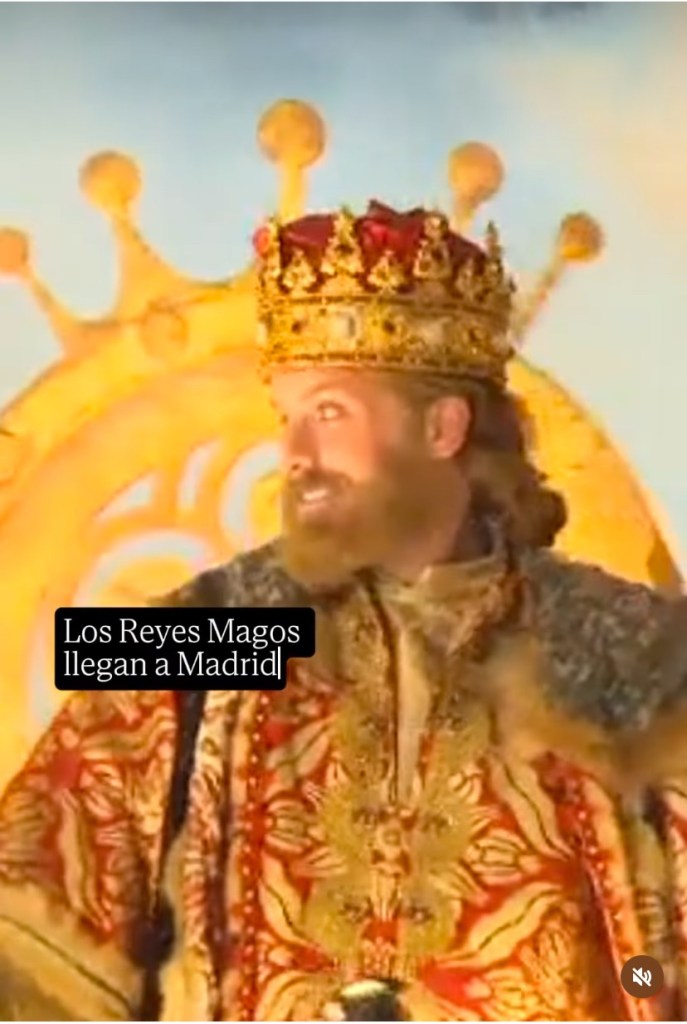
Muchas felicidades a todos y ojalá que no os hayan dejado carbón 🌞🤣🌞
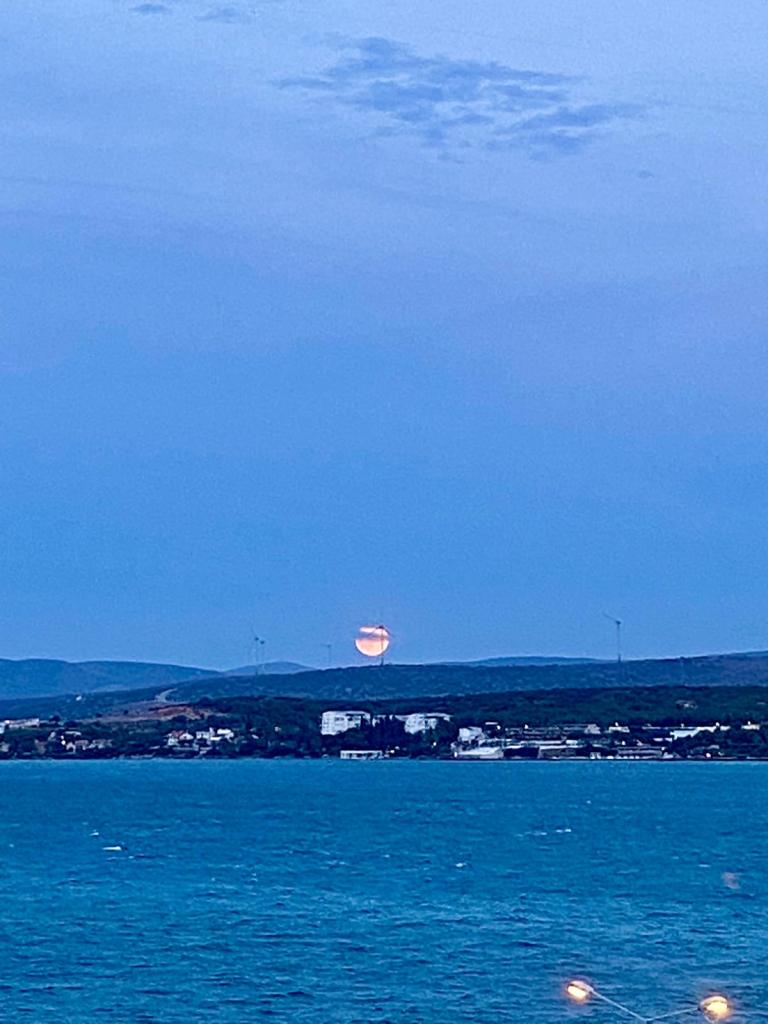
No mortal foot can touch…
No light more silver white…
No distractions, always bright.
C.2024, Francisco Bravo Cabrera – 23 OCT 2024 – Valencia, Spain
NOTA BENE
The Euro-Ku, a style I developed in 2022, is the way a Western poet/writer can best approach a style of poetry native to Japan, the Haiku. As someone who does not have the history or the culture of an authentic Japanese poet, it is impossible to do justice to that honorable and long tradition. Therefore, wishing to honour the style but to give it the spirit that a work of art has when it is made in accordance to one’s place and time, I invented this new form, the Euro-Ku. It has three lines (stanzas, verses) but without a syllabic count (as our language does not have the same rhythms as the Japanese language), and each line must follow the previous one logically and sensibly. The lines cannot just go off floating in the air, as that works in Japanese but not in Western languages. And finally the poem must be accompanied by an illustration also of the authorship of the poet. Simple, clear, spiritual and in accordance to Western history and culture.
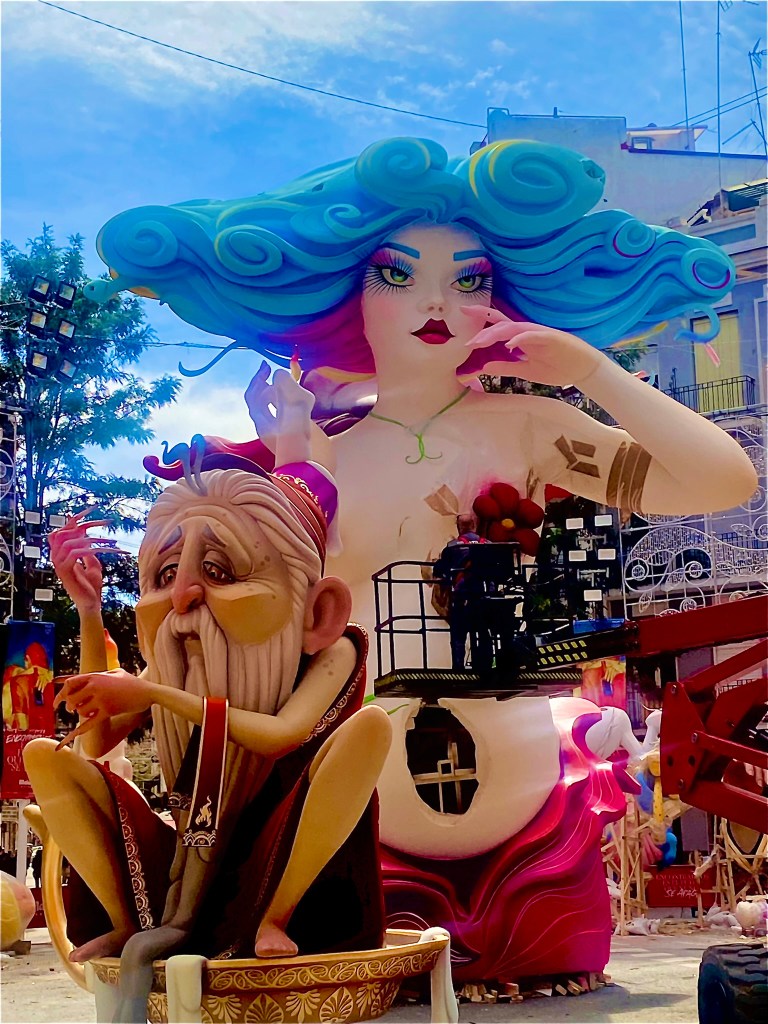
Behind your face, my face appears
then yours comes behind the clarity of mine
Valencia, we were ninots in a falla burning in the night
Images of papier mâché
Silver bodies dancing through the smoke and smell of sandalwood
On our palms the blood of mandarins
we stretch our arms between blue heavens
and a small, bewildered olive tree.
PLEASE CONTINUE READING AT LITERARY REVELATIONS (link below) THANK YOU

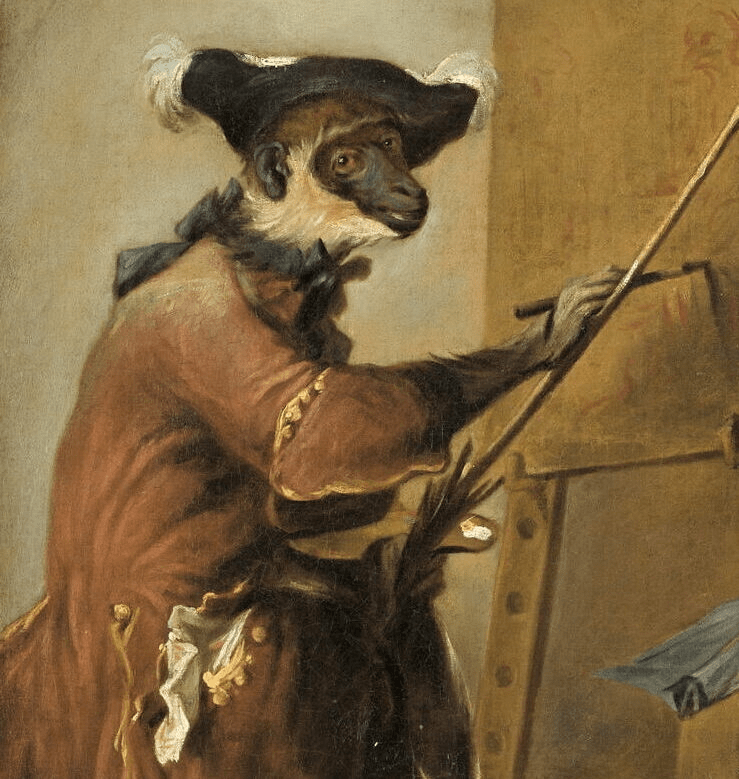
The painter… Now it is the «artist»…
Back in the time of the great Renaissance masters, painters like Michelangelo, Botticelli, Leonardo and the rest of the gang, did not call themselves artists. They thought of themselves as trained artisans. Highly skilled craftsmen that had studied and mastered the craft of painting. And paintings also were not regarded as art. During those times artists did not walk into their studios, picked up a canvas and thought of what they were going to paint on it. In those times painters painted what was commissioned from them. Their greatest patrons were the Church and the nobility, along with some rich merchants as well. They did not choose their topics, they were told what to paint.
Of course that sounds quite unlike our modern concept of art. We think of an artist as someone who creates. And his creations come from so deep within his knowledge, his creativity, his innermost mind that some might even believe it came from his very profound, immortal soul. I call bollocks on that one…
Art is still a business. Paintings are mostly for decorative purposes. And artists should still be trained, skilled and dedicated professionals with good taste and a rounded off and complete education. Art does not necessarily have to be that esoteric, mystical form of expression that rises from the spirit to convey a transcendental message of intense and extraordinary beauty and importance. Art is the result of the work of a craftsman who paints/sculpts (etcetera) in his quest to make a living. In other words a painter/artist works for money, just like Michelangelo and Leonardo did.
There is nothing mystical or phenomenal in the work of the artist. Art has many functions and they are all in need of art and the artist is in need of making a living. Art is not done for the love of art. An artist is not a romantic dreamer standing in front of a muse who directs him to paint an extraordinary work called a masterpiece. No, an artist gets up, and using only his well-learned disciplinary habits, enters his studio and begins to work. He does not have to be original as there is nothing original under the sun. An artist only has to be true to himself in the knowledge that he is creating something using his learned abilities and guided by his good taste.
Stay tuned for part 3 coming soon and I will continue with these chapters if you let me know, in the comments below, that you are interested and want to participate in this dialogue.
CHEERS

 JaZzArt en València