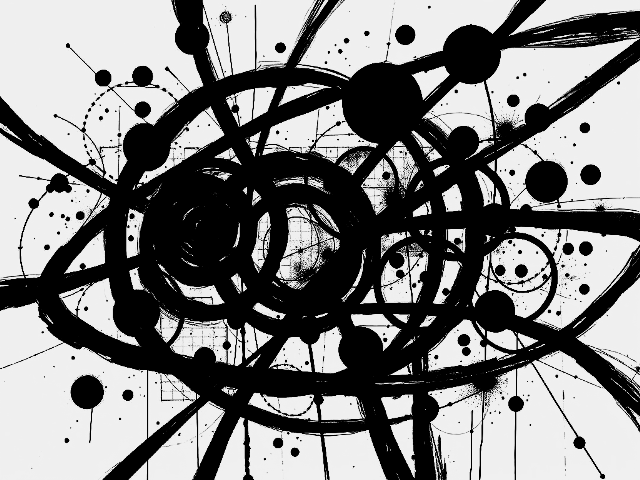
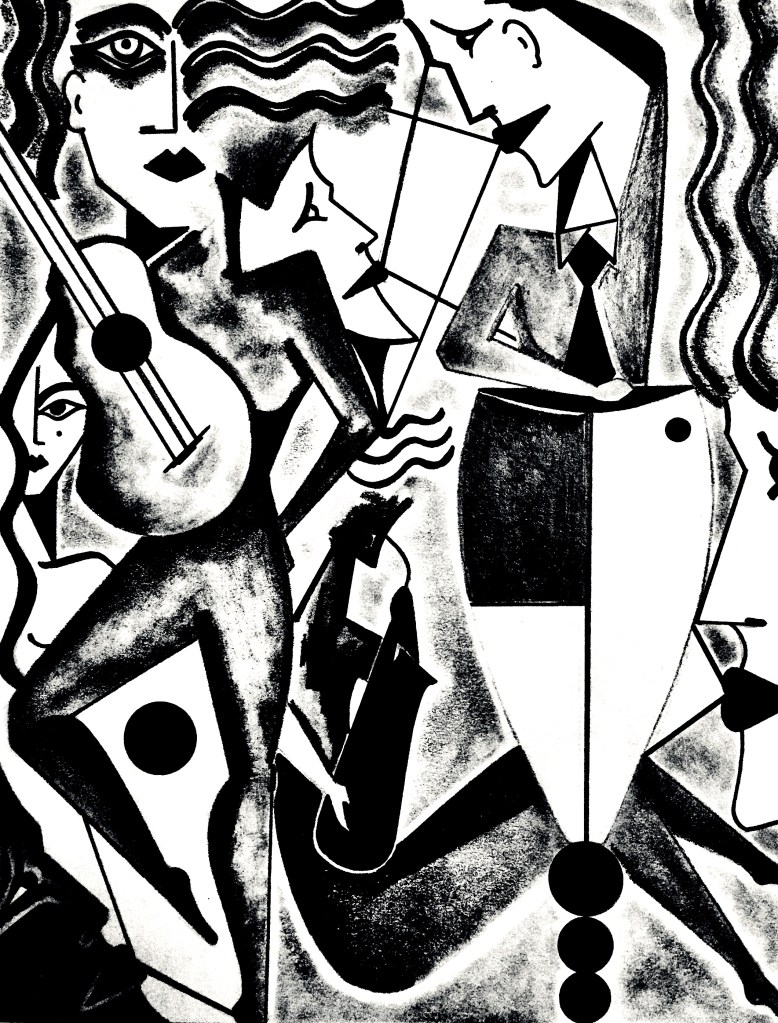
(«Lineae nigrae»/Francisco Bravo Cabrera/All Rights Reserved)
A drawing is mostly…and usually…composed of black lines on a white, or other coloured background. At least mine are…
(FBC/All Rights Reserved)(FBC/All Rights Reserved)(FBC/All Rights Reserved)
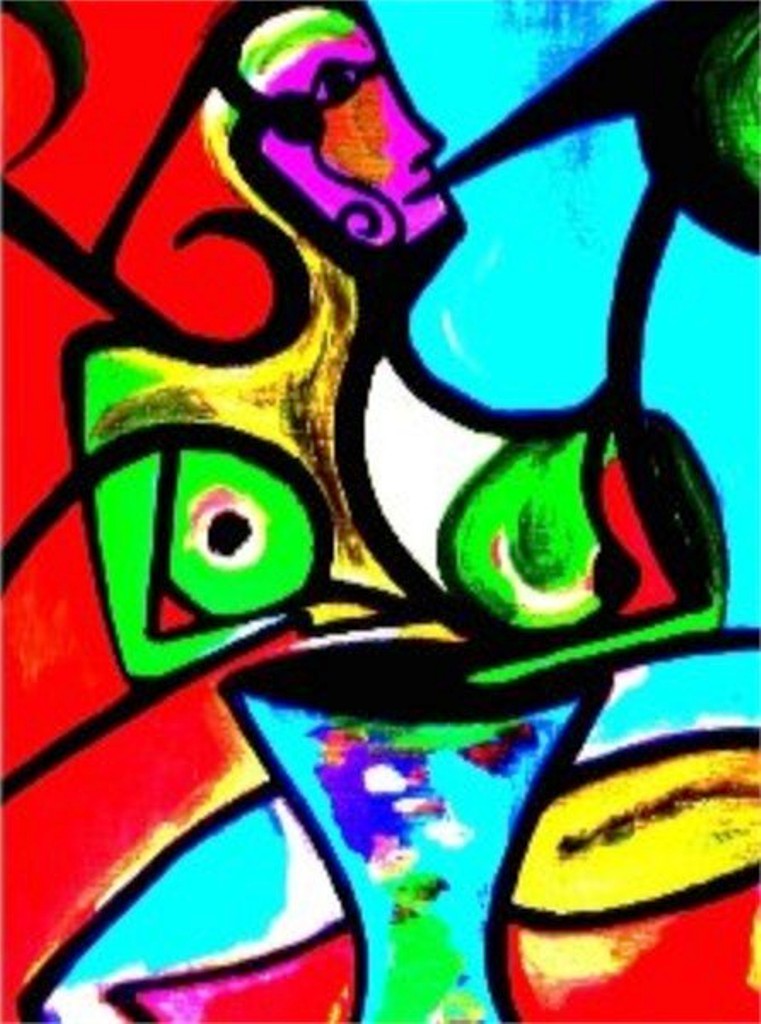
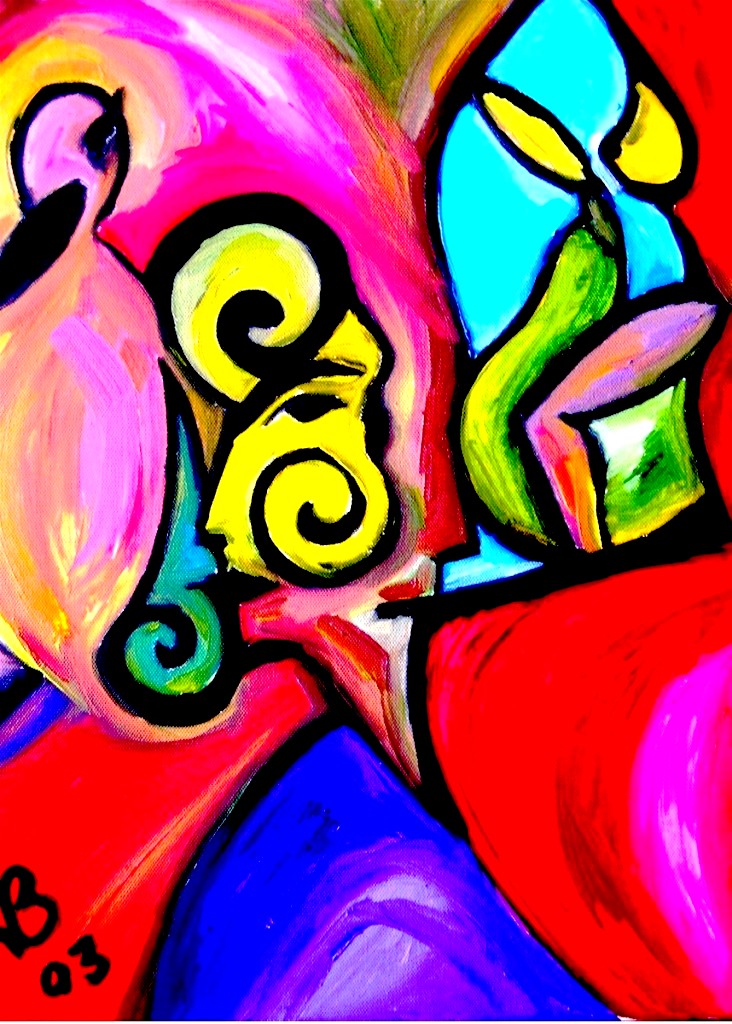
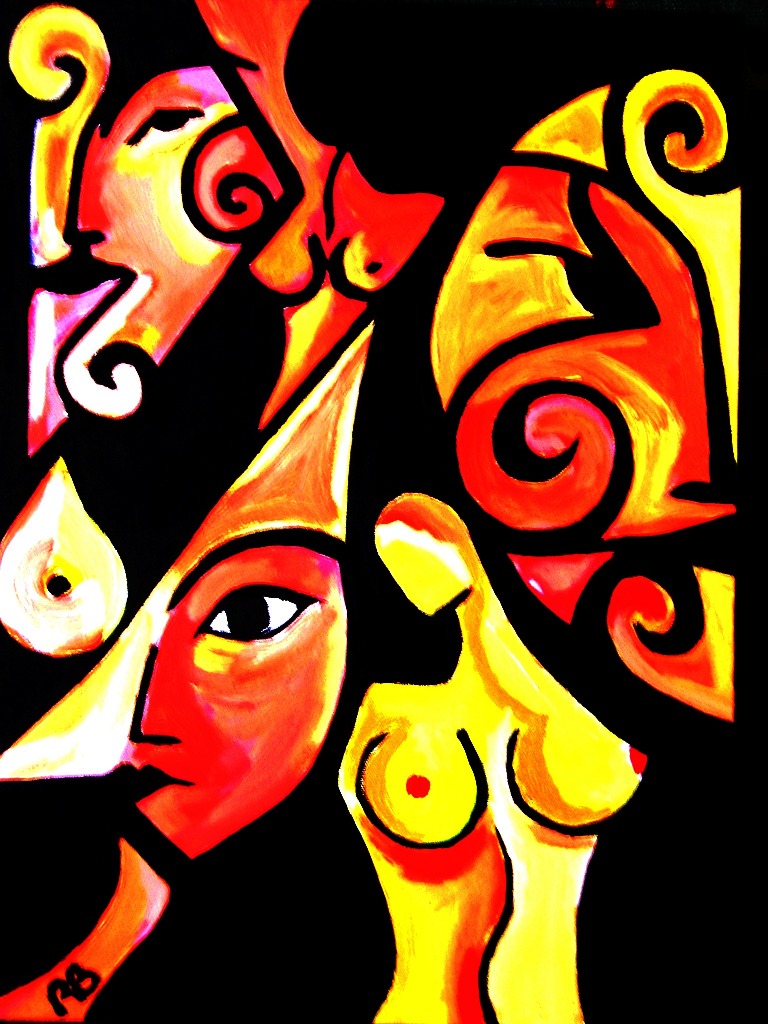
The black line is also quite useful in painting. There is a certain power that it brings to paintings suited to its participation in the style and the composition. Of course if you are painting something hyperreal then the black line can only appear if it is actually a part of your subject matter. But if you are an expressionist painter, as I am, the black line can be a source of inspiration that can accelerate the improvisational aspect, which must always be there, in your composition.
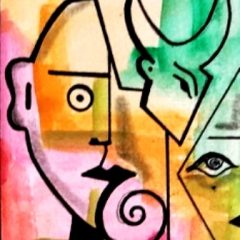
Here are some of my earliest paintings which feature the power of the black line…
(«Bongosero»/FBC/All Rights Reserved)(«La pera»/FBC/All Rights Reserved)(«Orange World»/FBC/All Rights Reserved)
A painting requires a process which usually starts with sketches and studies. The reason is that the artist wants to tell a story, express a philosophical point and as well entertain the eyes. And one must never forget the decorative aspect of all paintings. After all that was the original reason for the art form to exist. Elements such as colour, design, size, style and composition constitute the mechanics. The technique is the driving force that will place these elements, together with the artist’s idea, upon the canvas or whatever support is used. Talent…which is developed…is the glue that seals the painting and converts it into a work of art (or not).
But the black line, whether it is there, staring at you as you are staring at it, is present and accounted for. If you do not think so, think about it next time you take a look…particularly if you are standing right in front of it…at a painting. You will see it.
(Art Digital by Francisco Bravo Cabrera/All Rights Reserved
From Málaga to A Coruña and from there to Barcelona… From the prestigious Real Academia de Bellas Artes de San Fernando (Madrid), to Els Quatre Gats and from Barcelona to Paris… From a start at the «bateau lavoir» in Montmartre (1900) to the end at Mougins in 1973…
In a «nutshell» this was Pablo Picasso’s life. The child prodigy who grew up to be the «genius» of the 20th Century, the inventor of the collage, cubism and who opened the door to many of the art vanguards of the 20th Century was a card-carrying communist (but I won’t hold that against him), a womaniser, a…supposed…abuser and an infatigable artist who towards the end of his life decided to cannibalise most of art history…
Welcome to this post about my main and most important reference (as an artist), Pablo Ruiz Picasso. He was born in 1881 in Málaga, a small, provincial city in Andalucía, Spain. He died in a castle in southern France 91 years later. He lived life with abundance. He painted voraciously. His passion for life extended to many things including bullfighting, wine, women and clowning around. He must have had quite a unique sense of humour.
They say he was a child prodigy, but I don’t really think so. It’s hard to judge him against other children as we’ve no samples to view. But I can say that his father…who was an artist and an art professor…trained him well and taught him all he knew. So the young Pablo had a huge advantage over other children who might have also aspired to be the «genius» of art that Pablo ultimately became.
Here are some of his early works…
(«El picador amarillo»/1891/Photo My Modern Met)
(«La primera comunión»/1896/Photo My Modern Met)
(«Ciencia y caridad»/1897/Photo My Modern Met)
Although the last two show signs of knowledge, ability and technique, the first one doesn’t strike me as being the work of a child prodigy. Actually none of them do. With the training Pablo received, the coaching and the supervision of his father, it is no surprising he painted so well as a youth.
(«Lineae nigrae»/Francisco Bravo Cabrera/All Rights Reserved)
A drawing is mostly…and usually…composed of black lines on a white, or other coloured background. At least mine are…
(FBC/All Rights Reserved)(FBC/All Rights Reserved)(FBC/All Rights Reserved)
The black line is also quite useful in painting. There is a certain power that it brings to paintings suited to its participation in the style and the composition. Of course if you are painting something hyperreal then the black line can only appear if it is actually a part of your subject matter. But if you are an expressionist painter, as I am, the black line can be a source of inspiration that can accelerate the improvisational aspect, which must always be there, in your composition.
Here are some of my earliest paintings which feature the power of the black line…
(«Bongosero»/FBC/All Rights Reserved)(«La pera»/FBC/All Rights Reserved)(«Orange World»/FBC/All Rights Reserved)
A painting requires a process which usually starts with sketches and studies. The reason is that the artist wants to tell a story, express a philosophical point and as well entertain the eyes. And one must never forget the decorative aspect of all paintings. After all that was the original reason for the art form to exist. Elements such as colour, design, size, style and composition constitute the mechanics. The technique is the driving force that will place these elements, together with the artist’s idea, upon the canvas or whatever support is used. Talent…which is developed…is the glue that seals the painting and converts it into a work of art (or not).
But the black line, whether it is there, staring at you as you are staring at it, is present and accounted for. If you do not think so, think about it next time you take a look…particularly if you are standing right in front of it…at a painting. You will see it.
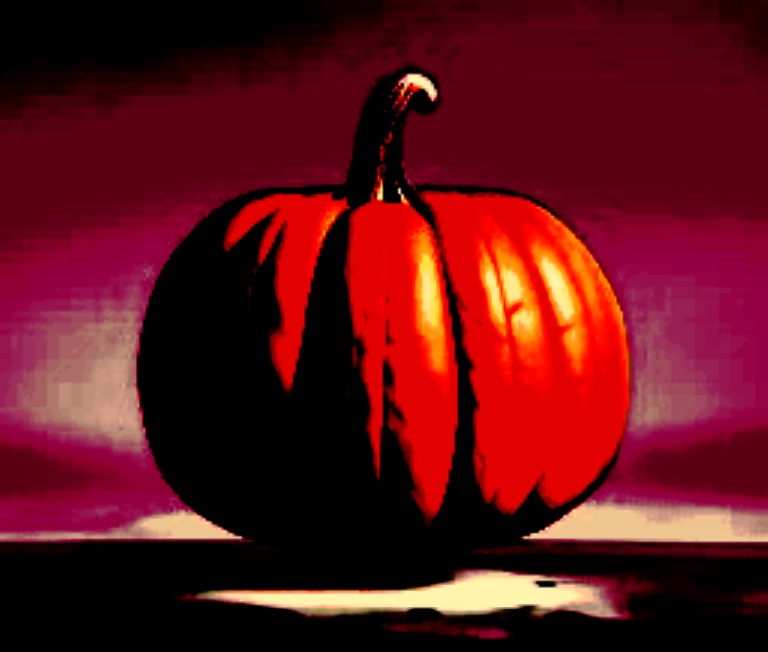
(«Andai»/Francisco Bravo Cabrera/All Rights Reserved)
Within the pumpkin there’s a carriage, there’s a horse and there’s a driver,
there’s a road that forms before her golden wheels,
and a part of you believes it still…
C.2025, Francisco Bravo Cabrera/25 FEB 2025/Valencia, España
+++
Nota Bene
Reality is not what we see, or what we hear, or what we have been told. On the contrary, reality is a concept that denies the fact that within our imagination there are worlds that are just a few centimetres away from our natural existence but since we have been taught to deny them we do not reach them. However, too much fantasy can lead to a life of mere illusions that are just limiting as the reality we have been taught to respect, obey and see…
+++++
The style of the Euro-Ku (and Ameri-Ku) I invented and developed in 2022 while trying to write a meaningful Haiku. But it was impossible. Haikus are traditional Japanese poetic verses created specifically for the Japanese language and for Japanese poets. Since I am a European without the knowledge of the Japanese language or of the culture, history and way of life of Japan, it was impossible to be faithful to such an honorable poetic tradition.
So I did the next best thing, which was create a European version, thus the Euro-Ku. And for those on the American continent, the Ameri-Ku will fit just as good. The Euro-Ku is written in keeping with the idea of the three verses, but since our language demands much more in terms of words and expressions, the verses are not limited by syllabic counts. The verses can be as short or as long as they need to be to convey the message of the poem. And they must flow easily and logically into each other. There should be no phrases floating away into outer space.
Then, to finish the wholeness of the poem, the author must include an illustration of his own creation. It can be a drawing, painting, collage, photo or combinations of these elements, but it must be unedited and specific to the poem. With this you have a Euro-Ku or an Ameri-Ku.
I have seen some phenomenal poets already trying their hand at these styles and I think their work has been outstanding. I invite you to try it as well. The Euro-Ku in this post has very short phrases (verses) but I have written several whose verses are quite longer…
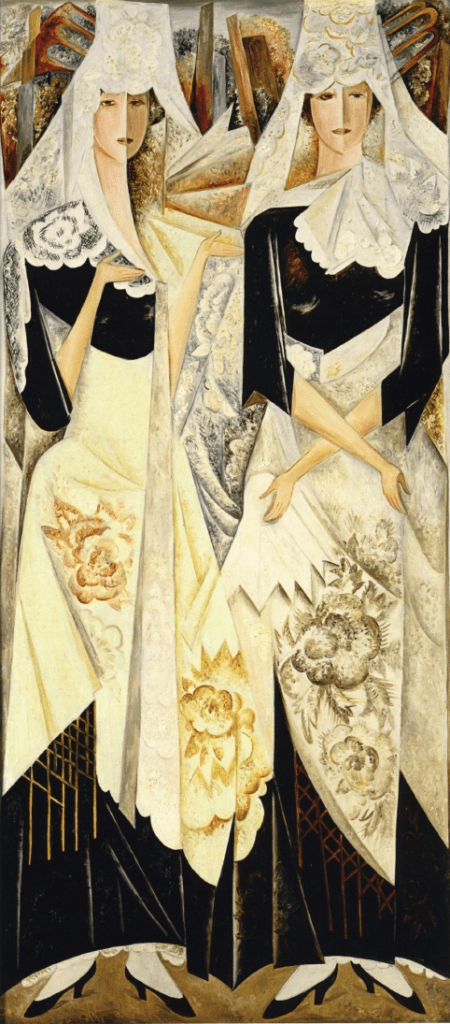
Esta artista, Natalia Goncharova, comenzó a pintar en 1904 después de estudiar pintura, arquitectura y escultura en Moscú… Aunque sus obras fueron inicialmente influenciadas por el arte folclórico, se intereso por el arte de los fovistas, Paul Cezanne y el cubismo también… En 1910 fue una de las fundadoras del grupo Sota de Diamantes, una agrupación de artistas que buscaban algo más, algún estilo diferente pero basado principalmente en sus re-interpretaciones de las obras de Cezanne y Matisse… Goncharova nació en Nagaevo-Karbonier, Rusia (1881)… Con el otro vanguardista ruso, Mijaíl Lariónov, organizan la exposición La cola del burro (1912) en Múnich. En esa monumental e histórica exposición también expusieron Kazimir Malécih, Marc Chagall y los que formaban parte del grupo Der Blaue Reiter (fundado por Kandinsky en Munich, 1911). Con La cola del burro, rompían filas con el arte europeo estos artistas rusos queriendo desarrollar un estilo artístico único y una escuela rusa e independiente, aunque Gonchova seguía siendo influenciada por el futurismo ruso, los iconos y el rayonismo… En 1913 presento una gran exposición de 800 cuadros en Moscú y el año se marchó a París… Natalia Goncharova murió en Francia en 1962… Fue pintora y diseñadora de los ballets y teatro…
+ + + + +
Artist, Natalia Goncharova, began painting in 1904 after studying painting, architecture, and sculpture in Moscow… Although her works were initially influenced by folk art, she became interested Fauvism, the work of Paul Cezanne, and Cubism as well… In 1910, she was one of the founders of the Jack of Diamonds group, an association of artists seeking something more, some different style but mainly worked on their reinterpretations of the works of Cezanne and Matisse… Goncharova was born in Nagaevo-Karbonier, Russia (1881)… Along with the another Russian avant-garde artist, Mikhail Larionov, she organized the Donkey’s Tail exhibition (1912) in Munich. In that monumental and historic exhibition, Kazimir Malevich, Marc Chagall, and those who were part of the Der Blaue Reiter group (founded by Kandinsky in Munich, 1911) also exhibited. With the Donkey’s Tail, these Russian artists broke ranks with European art, aiming to develop a unique artistic style and an independent Russian school, although Goncharova continued to be influenced by Russian Futurism, icons, and Rayonism… In 1913, in Moscow, she presented a major exhibition of 800 paintings and the following year she moved to Paris… Natalia Goncharova died in France in 1962… She was a painter and designer for ballets and theater…
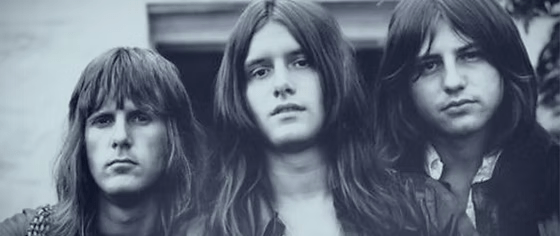
I went to their concert in Miami, must have been 1972 or 73. It was a surreal experience in every aspect. They put on a light show that was as incredible as their music. And Palmer’s drum solo, concluding with a resounding gong was beyond phenomenal. I still remember the lights and the music as vivid as if I had seen and heard them yesterday…
(photo: Radio Futuro)
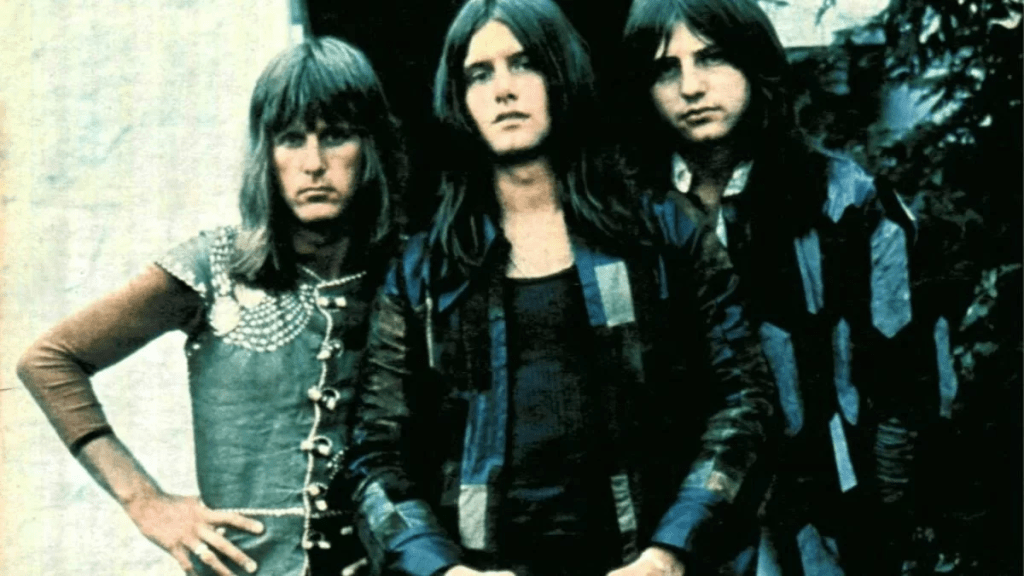
Keith Emerson (keyboards, synthesisers) came from the band The Nice, a progressive 60’s band… Greg Lake (bass, guitar, vocals) played with another great British band, King Crimson. They met when both bands played the same show. Before thinking of adding Carl Palmer (drums, percussion), the two lads even tried to get the drummer for Jimmi Hendrix… Happily, Hendrix’s drummer was not interested and they got Carl who had played with The Crazy World of Arthur Brown.
(photo: Rock-Progresivo.com)
And so was formed Emerson, Lake & Palmer in London, in 1970. The band sold over 35 million records worldwide and always filled the large concert halls of the time. It could be said that E.L.P paved the way for other progressive rock bands of the era… The band’s history ended in 2016 when Keith Emerson shot himself. His suicide was on 11 MAR and nine months later Greg Lake died of cancer…. As a fan of electronic-progressive rock I had all their albums. But if I were to recommend one to you I would choose the live recording Pictures at an Exhibition from 1971. Phenomenal!
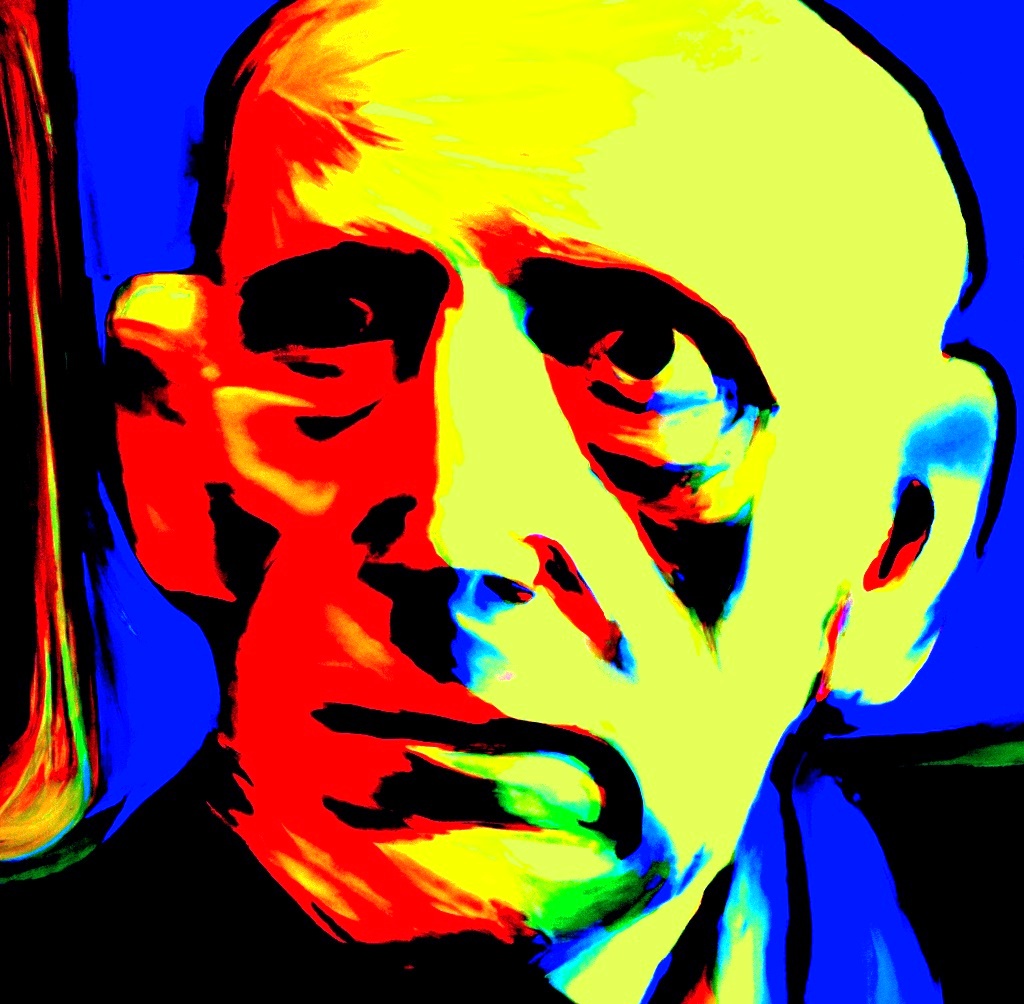
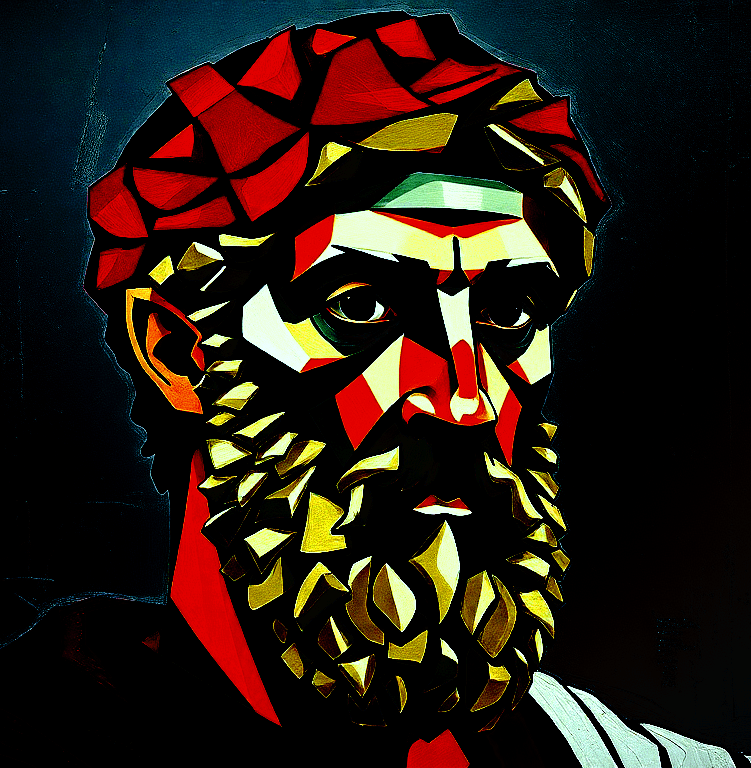
(«Marcus Aurelius»/Francisco Bravo Cabrera/Art Digital/All Rights Reserved)
DEACON 11 The Meditations of Marcus Aurelius Imperator Romanus
Today I thought his words would be incredibly interesting and important. After all, quoting the words of a Roman Emperor is something extraordinary. As extraordinary as was the man, Marcus Aurelius.*
The Meditations of Marcus Aurelius are a guide to life, a guide towards how to think, analyse, accept and eventually change the world around you by changing your perception, expectations and beliefs. And he began in a fitting place, the first thing in the morning: “When you rise in the morning think of the privilege of living, of having life, of breathing, thinking, enjoying and loving.” This is a thought statement that covers it all.
Gratitude should be the first thought upon opening one’s eyes to the new day. A smile should follow to cement the fact that gratitude brings peace, and peace brings happiness. Gratitude for waking up, for being given another day. Gratitude joins our spirit to the Great Spirit that rules nature, that has given us life and that has created the Cosmos. So, living is indeed a privilege.
But how can one live a better life every day? There are many ways, but in the Meditations Marcus Aurelius reminds us: “Accept the things to which destiny has tied you to and love the people that destiny has brought to you, but do it with all your heart.”
And a wise advice that it is for acceptance is the only true road towards inner peace and tranquillity. Acceptance is the opposite of tension and distress. Destiny is a force that one cannot oppose and if one is to live in harmony with the will of heaven one must accept destiny placidly and joyfully. Those placed in your life, in your road of life, are the ones that can and will affect you in different manners. Some good, some bad, but they are there because it is your destiny to deal with them. So love them truly and from the heart. If one gives love one is bound to receive love in return, although one might not see it immediately.
Destiny is a part of life, as is breathing, walking, waking and sleeping. But a man is in control of his life when he accepts his destiny, and as Marcus Aurelius meditated: “You have the power to strip away many unnecessary troubles that you are storing in your thoughts and judgements, and to possess a large room for yourself embracing in thought the whole cosmos…”. The whole of the cosmos fits cleanly in the space you have cleaned out and placed for it. Your superfluous thoughts should not occupy such high value real estate within you.
In conclusion: Be grateful, you have been given many gifts, and the principle one is life; accept destiny and love those people who have been given to you; free your mind from useless thoughts and worries, thereby allowing in the wholeness of the universe. What more can a man aspire to?
+++
*Marcus Aurelius Antoninus was born in Rome on the 26th of April of A.D. 121. He is best known as Marcus Aurelius. He was Roman Emperor from the year A.D. 161 until his death in 180. He was the last of the so-called “Five Good Emperors”, and the last emperor of the Pax Romana (A.D. 27-180). Marcus Aurelius is considered one of the representatives of stoicism. He wrote his Meditations while on military campaign from A.D. 170 to 180. This wise man was more of a philosopher than a soldier, although he did excel as one as well. Stoic philosophy centres mostly on restraint, duty and respect for others.
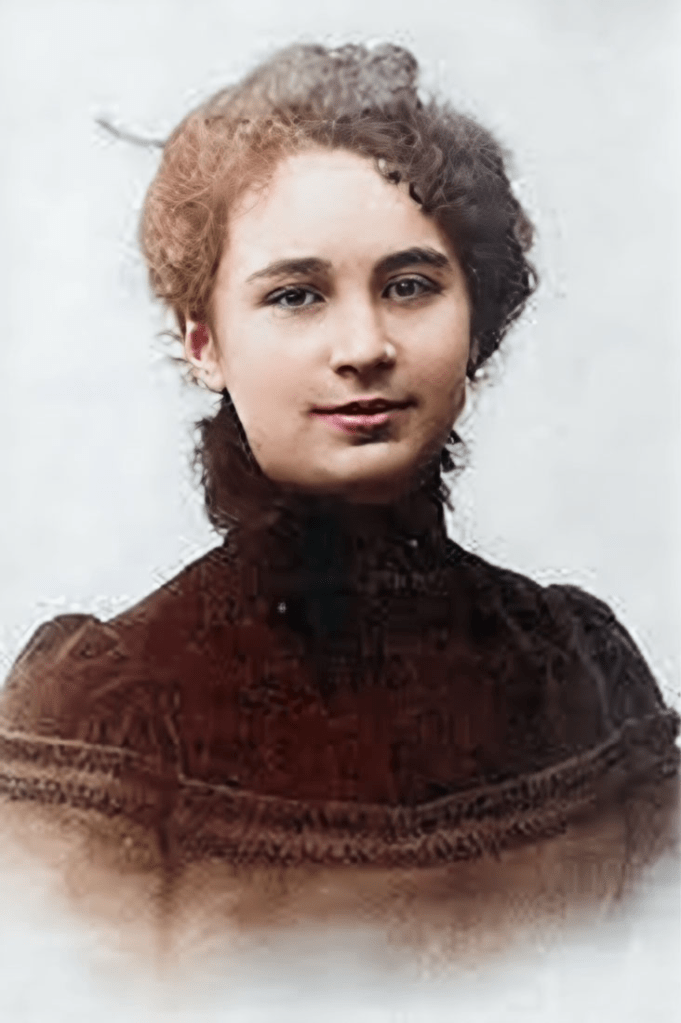
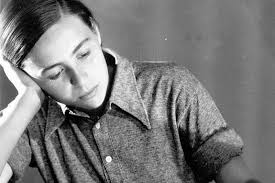
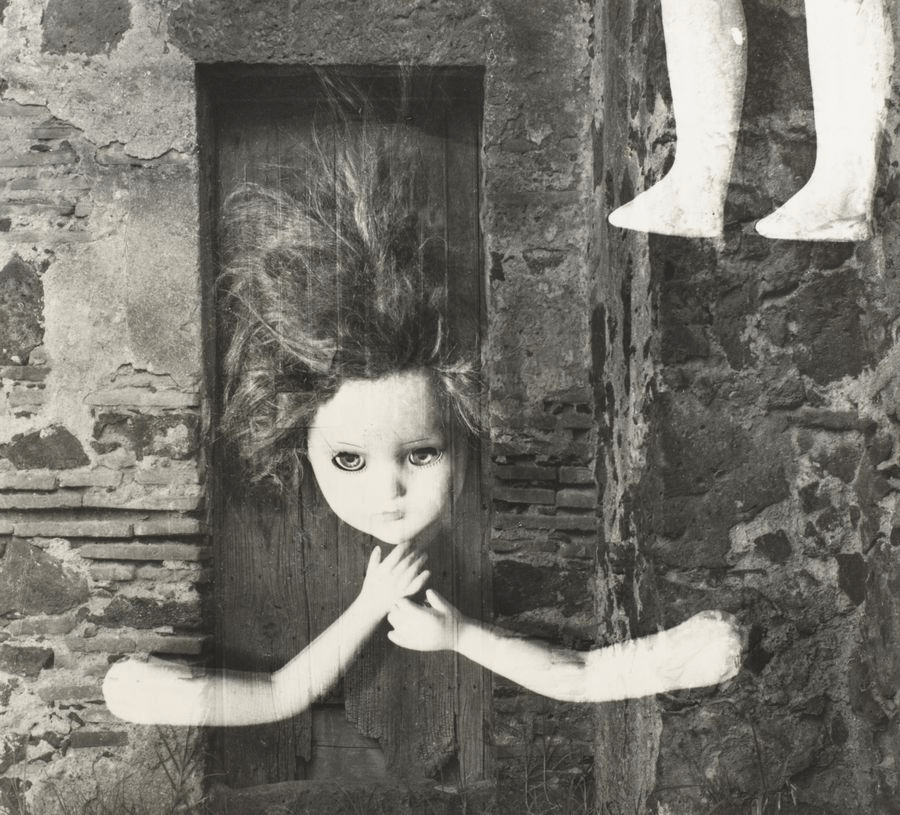
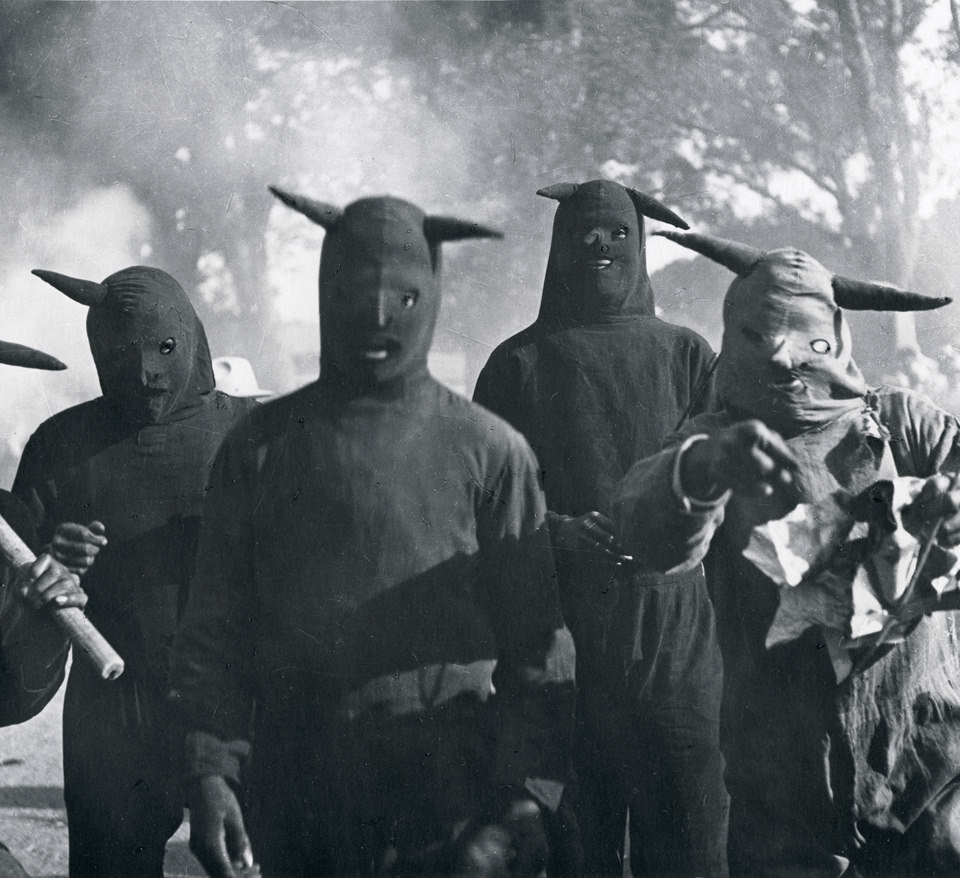
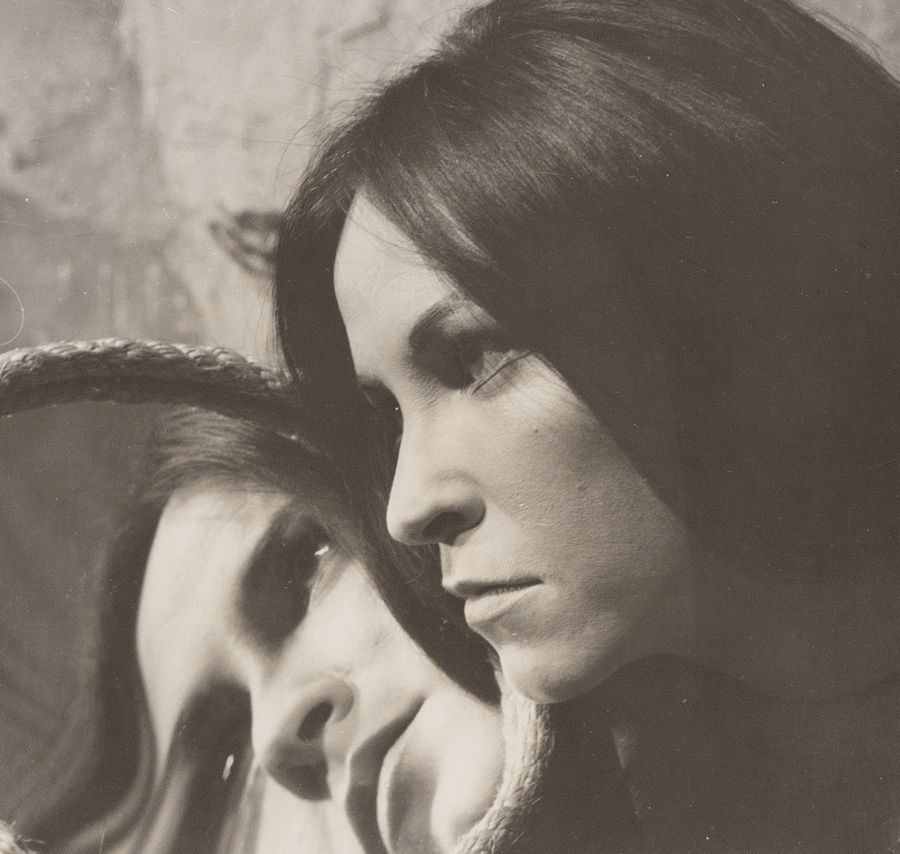
Kati Horna, fotógrafa surrealista que se unió con otras dos fenomenales artistas, Leonora Carrington y Remedios Varo, todas exiliadas en México. Nació en Budapest en el 1912, de familia judía y es reconocida como una de las artistas influyentes de su época siendo fotógrafa anarquista Húngaro-Mexicana. Durante la guerra civil española, en el año 1937, Kati se trasladó a Barcelona y viviendo allí el gobierno republicano le pidió que documentara con fotografías la vida en las comunidades de Aragón, Valencia, Madrid, y Lleida, todas en el frente de la guerra. Sus imágenes reflejaban la brutalidad y el horror de la guerra y como afectaba a la población civil. Horna llegó a México en 1937 cuando tenia solo 27 araños y declaró que México sería su única patria. Allí permaneció hasta su muerte en el 2000.
Amigos, hay que conocer a estas grandes mujeres del arte, bien sea de la fotografía como de la pintura o la escultura. No todo lo hicieron los hombres. Ayudadme a que esto lo sepan todos compartiendo este articulo.
+++
Kati Horna was a surrealist photographer who joined forces with two other phenomenal artists, Leonora Carrington and Remedios Varo, all exiled in Mexico in the 1930’s. Born in Budapest in 1912 to a Jewish family, she is recognized as one of the influential artists (photographer) of her time. She always considered herself a Hungarian-Mexican anarchist photographer. During the Spanish Civil War, in 1937, Kati moved to Barcelona, and while living there, the Republican government asked her to document life in the communities of Aragón, Valencia, Madrid, and Lleida, all on the front lines of the war, through photographs. Her images reflected the brutality and horror of the war and how it affected the civilian population. Horna arrived in Mexico in 1937 when she was only 27 years old and declared that Mexico would be her only homeland. She remained there until her death in 2000.
Friends, we need to get to know these great women of art, whether it be in photography, painting, or sculpture. Not everything was done by men. Help me to spread the word by sharing this article.
Please follow the link to the complete article/interview. Thank you!
+++
We at VALENCIARTIST are extending an invitation to all those friends and fellow bloggers (or not) that are involved in the fine arts in any capacity and in any field. We would like to get to know you better and let others get to know you better as well. Join us and we will interview you and your interview will air on LatinosUSA (English or Spanish) and on VALENCIARTIST (in any language). To join us please respond to this post (on VALENCIARTIST not on LatinosUSA) with your email address and we will send you the information.


.jpg)

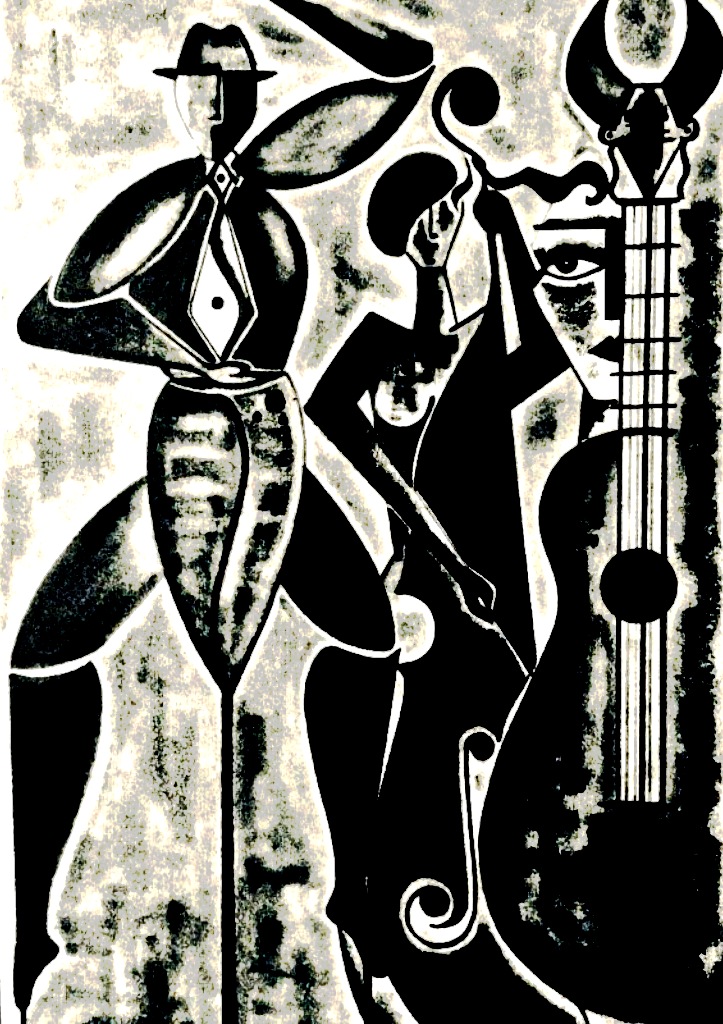
 JaZzArt en València