#music, Great British Bands, Chapter 6: Jethro Tull

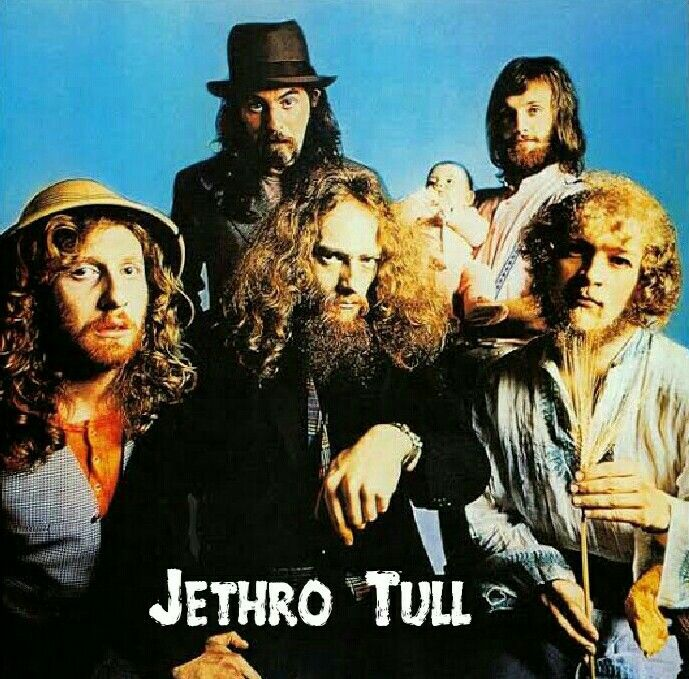
(Photo: Pinterest)

Definitely one of the progressive rock bands of the 1970’s with power and individuality, especially that flute. I was truly blown away with their sound back in the day. I remember the first Jethro Tull song I heard was Aqualung and I had to get the album of the same name which was…and is…phenomenal. And the name of the band was another blast. Smashing good I would say…
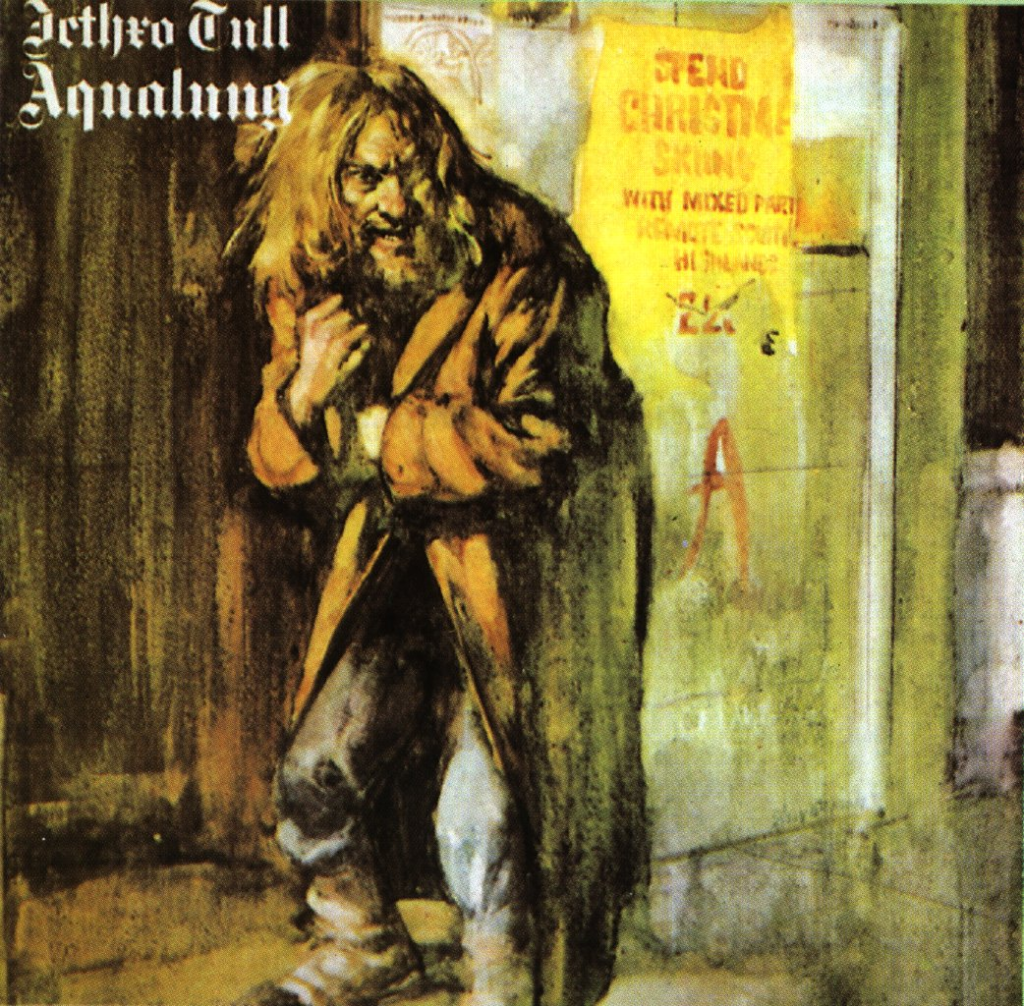
(Aqualung album cover)

Jethro Tull was formed in 1967 and they are still around. They are from Blackpool, England and have always been led by the Scottish flutist, guitarist and singer, Ian Anderson. He has also written practically all the songs of the band has played and recorded, and the only member to still be rocking today, progressively that is. Jethro Tull has done it all. Their musical range has gone from the more progressive side of rock, to the blues, to baroque, to English folk, to hard rock, and to an impressive acoustic repertoire, albeit hard to categorise, is amazing. Their sound, although dominated by Anderson’s phenomenal flute can also be distinguished by Martin Barre’s guitar work which is distinctive and flawless.

In case you did not know, the name Jethro Tull was given to the band by one of the club agents they used during their first years. The rela Jethro Tull was an English «gentleman farmer» who lived in the XVIIIth Century and designed the first agricultural machine, the seed drill. They kept the name, apparently since they were booked under it and thought it would serve for name recognition.

Well, what can I say, I am a big fan. I mean such phenomenal songs, the jazzy sound, the classical influence, the bluesy tones and the rock, this makes the band an original. These are their best albums: Aqualung (1971); Thick as a Brick (1972); Living in the Past (1972); A Passion Play (1973); War Child (1974); Minstrel in the Gallery (1975) and Too Old to Rock ‘n’ Roll, Too Young to Die (1976). In 2022 Jethro Tull published and released their 23rd studio album, The Zealot Gene. I have not heard it so I will not comment on it but if you have heard it I would certainly love to hear your comments.

(Photo: Diario de Jerez)

One interesting note, in the album Aqualung, there were two songs, that were banned by the Spanish dictator Francisco Franco: Aqualung and Cross Eyed Mary because of their lyrics which included pedofilia and teen-age prostitution. And not only that, upon their arrival, the albums Thick as a Brick and Minstrel in the Gallery were also banned by the Spanish dictator. Imagine that! So let’s play them…

CHEERS
#art, Women Artists Series: Rosa Rolanda

(Wikimedia)

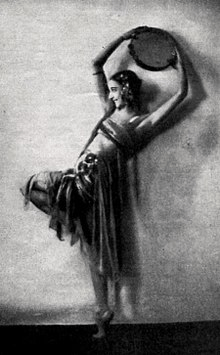
She was born in Los Angeles but spent most of her life in Mexico. Rosa was a dancer, choreographer, costume designer, photographer and a painter. She was also an art collector.

Rosemonde Cowan Ruelas, (1895-1970) better known as Rosa Rolanda, began studying dance at an early age, but in 1928, during a stay in Paris, she became interested in painting. Her influences were varied and ranged from post-revolutionary (Mexican) to surrealism. Her paintings are mostly of women, especially indigenous women from America. She also did several self-portraits and various portraits of famous persons. Two of her most famous ones are of the Mexican actresses Dolores del Río in 1938) and María Félix in 1945. She did some sketches for a portrait of Frida Kahlo although I am not sure if she ever did the actual painting.

CHEERS

#music, Great British Bands, Chapter 6: Jethro Tull

(Photo: Pinterest)

Definitely one of the progressive rock bands of the 1970’s with power and individuality, especially that flute. I was truly blown away with their sound back in the day. I remember the first Jethro Tull song I heard was Aqualung and I had to get the album of the same name which was…and is…phenomenal. And the name of the band was another blast. Smashing good I would say…

(Aqualung album cover)

Jethro Tull was formed in 1967 and they are still around. They are from Blackpool, England and have always been led by the Scottish flutist, guitarist and singer, Ian Anderson. He has also written practically all the songs of the band has played and recorded, and the only member to still be rocking today, progressively that is. Jethro Tull has done it all. Their musical range has gone from the more progressive side of rock, to the blues, to baroque, to English folk, to hard rock, and to an impressive acoustic repertoire, albeit hard to categorise, is amazing. Their sound, although dominated by Anderson’s phenomenal flute can also be distinguished by Martin Barre’s guitar work which is distinctive and flawless.

In case you did not know, the name Jethro Tull was given to the band by one of the club agents they used during their first years. The rela Jethro Tull was an English «gentleman farmer» who lived in the XVIIIth Century and designed the first agricultural machine, the seed drill. They kept the name, apparently since they were booked under it and thought it would serve for name recognition.

Well, what can I say, I am a big fan. I mean such phenomenal songs, the jazzy sound, the classical influence, the bluesy tones and the rock, this makes the band an original. These are their best albums: Aqualung (1971); Thick as a Brick (1972); Living in the Past (1972); A Passion Play (1973); War Child (1974); Minstrel in the Gallery (1975) and Too Old to Rock ‘n’ Roll, Too Young to Die (1976). In 2022 Jethro Tull published and released their 23rd studio album, The Zealot Gene. I have not heard it so I will not comment on it but if you have heard it I would certainly love to hear your comments.

(Photo: Diario de Jerez)

One interesting note, in the album Aqualung, there were two songs, that were banned by the Spanish dictator Francisco Franco: Aqualung and Cross Eyed Mary because of their lyrics which included pedofilia and teen-age prostitution. And not only that, upon their arrival, the albums Thick as a Brick and Minstrel in the Gallery were also banned by the Spanish dictator. Imagine that! So let’s play them…

CHEERS

DEACON 11: The Superfluous Addendums to Life

(«Diogenes No. 11″/Original artwork by FBC/OCS Valencia/All Rights Reserved)

Diogenes the «dog», or the cynic, which means σκυλί or dog in Greek, once walked with a lit lamp in the middle of the day and when he was asked what he was doing he replied that he was looking for an honest man among scoundrels… But is that really true? Maybe. There are many things about Diogenes that are simple myth, legends and fabrications. Like the legend of his death that said that he committed suicide by holding his breath…

But there are many truths surrounding the philosophy of this Greek thinker. He discarded everything that he considered superfluous in his life. He lived in the streets and only sheltered himself within a large jar used to contain wine, a pithos. At first he carried a small bowl to drink water but when he saw a boy drinking water by cupping his hands he scowled at himself for having carried this superfluous bowl around for so long. It is also said that he had a slave but when his state of poverty was so overwhelming that he could not afford to keep the slave he let him free stating that if the slave can live without Diogenes then Diogenes could live without the slave.

Diogenes is the father of Cynicism, one of the philosophical paths developed in Ancient Greece. He embraced the life of a «dog», thus becoming a cynic. Once Alexander the Great confronted him, stood before him and said «I am Alexander, the Great, the conqueror.» Diogenes replied: «And I am Diogenes the dog.» Alexander inquired as to why he was «the dog». Diogenes replied that it was because he would bark at the fools who surrounded him and bite the evil ones. Alexander was amazed and told Diogenes to ask him for whatever he wanted and that he would give it to him. Diogenes asked him to move aside as he was blocking the sun he was bathing in…

And the idea here is not to guide anyone into living the life of an ancient Greek cynic. Not many of us can detach themselves from so many things. Modern life is too imposing and we are so attached to «things» that it would be impossible. But what I want to convey is that attachment and detachment are the two sides of a very crucial coin that we carry around in life. Flip it and see which side it falls on. Do it every day and when the detach side pops up, try and see if it is possible for you to simplify your life, or at least your thoughts. Because thoughts are things too, they carry weight and weigh us down when perhaps, if we were lighter, we could fly.

I don’t think Diogenes walked through the streets in daylight with a lamp to actually look for an honest man. I think he was trying to see the shock, or the repulsion in the faces of the city dwellers that his seemingly irrational action was causing. Thus he realised how futile it was to try to reach the minds of those who were already so set in their ways.

Sort of reminds me of Saint Francis who also discarded all his worldly things, gave them back to his father and left naked and alone to receive what God would surely grant. After all, does not God dress the flowers of the fields and feed the birds of the sky and are we not much more valuable?

CHEERS

#music, Tuesday’s Oldie-Goldie!

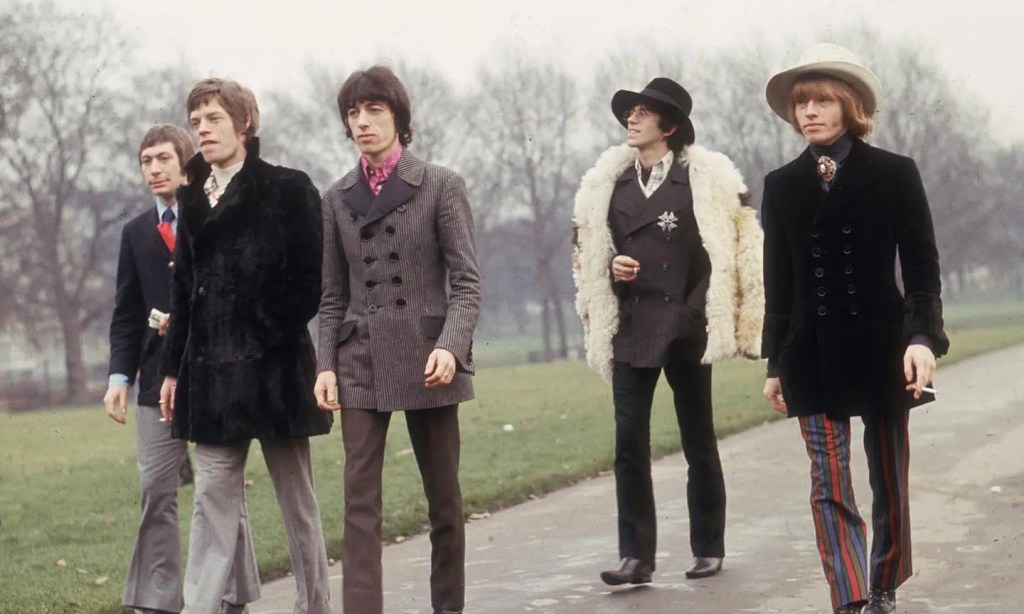
(The Rolling Stones/photo U Discover Music)

Got to say this was one fab song and one of my faves back in the day. And I still sing it and recognise its value. Based loosely on Keith Richard’s short-lived romance with a 17 year old model named Linda Keith, the song “Ruby Tuesday” came to life… From the 1967 album Between the Buttons, “Ruby Tuesday” became The Rolling Stones fourth number one hit in the UK and the US. Hope you like it. The lyrics were entirely written by Keith Richards and the recorder was played by Brian Jones…

And… What do you think?

CHEERS

DEACON 11: The Superfluous Addendums to Life

(«Diogenes»/Francisco Bravo Cabrera/All Rights Reserved)

Diogenes the «dog», or the cynic, which means σκυλί or dog in Greek, once walked with a lit lamp in the middle of the day and when he was asked what he was doing he replied that he was looking for an honest man among scoundrels… But is that really true? Maybe. There are many things about Diogenes that are simple myth, legends and fabrications. Like the legend of his death that said that he committed suicide by holding his breath…

But there are many truths surrounding the philosophy of this Greek thinker. He discarded everything that he considered superfluous in his life. He lived in the streets and only sheltered himself within a large jar used to contain wine, a pithos. At first he carried a small bowl to drink water but when he saw a boy drinking water by cupping his hands he scowled at himself for having carried this superfluous bowl around for so long. It is also said that he had a slave but when his state of poverty was so overwhelming that he could not afford to keep the slave he let him free stating that if the slave can live without Diogenes then Diogenes could live without the slave.

Diogenes is the father of Cynicism, one of the philosophical paths developed in Ancient Greece. He embraced the life of a «dog», thus becoming a cynic. Once Alexander the Great confronted him, stood before him and said «I am Alexander, the Great, the conqueror.» Diogenes replied: «And I am Diogenes the dog.» Alexander inquired as to why he was «the dog». Diogenes replied that it was because he would bark at the fools who surrounded him and bite the evil ones. Alexander was amazed and told Diogenes to ask him for whatever he wanted and that he would give it to him. Diogenes asked him to move aside as he was blocking the sun he was bathing in…

And the idea here is not to guide anyone into living the life of an ancient Greek cynic. Not many of us can detach themselves from so many things. Modern life is too imposing and we are so attached to «things» that it would be impossible. But what I want to convey is that attachment and detachment are the two sides of a very crucial coin that we carry around in life. Flip it and see which side it falls on. Do it every day and when the detach side pops up, try and see if it is possible for you to simplify your life, or at least your thoughts. Because thoughts are things too, they carry weight and weigh us down when perhaps, if we were lighter, we could fly.

I don’t think Diogenes walked through the streets in daylight with a lamp to actually look for an honest man. I think he was trying to see the shock, or the repulsion in the faces of the city dwellers that his seemingly irrational action was causing. Thus he realised how futile it was to try to reach the minds of those who were already so set in their ways.

Sort of reminds me of Saint Francis who also discarded all his worldly things, gave them back to his father and left naked and alone to receive what God would surely grant. After all, does not God dress the flowers of the fields and feed the birds of the sky and are we not much more valuable?

CHEERS

#artvideo, Mujeres en el arte, las grandes artistas olvidadas – Women in Art, the Great Artists Forgotten

(Fernande Olivier)

Si, fue la primera mujer de Picasso en Paris, pero era una artista y aunque aprendió mucho de Pablo, tenia el temperamento y el deseo de crear. No se le debe recordar solo como una de las mujeres de Picasso, sino por su arte.

+++

Yes, she was Picasso’s first love (and woman) in Paris, but she was an artist and although she may have learned much from Picasso, she had the artistic temperament and the will to create. She should not be remembered only as one of Picasso’s women, but instead for her art.

(Si te ha gustado por favor dale el «like», gracias/If you liked it please give it a «like», thank you)

Gracias…

Cheers…

Les Falles de València – The Fallas of València… (Fase/Phase 1)

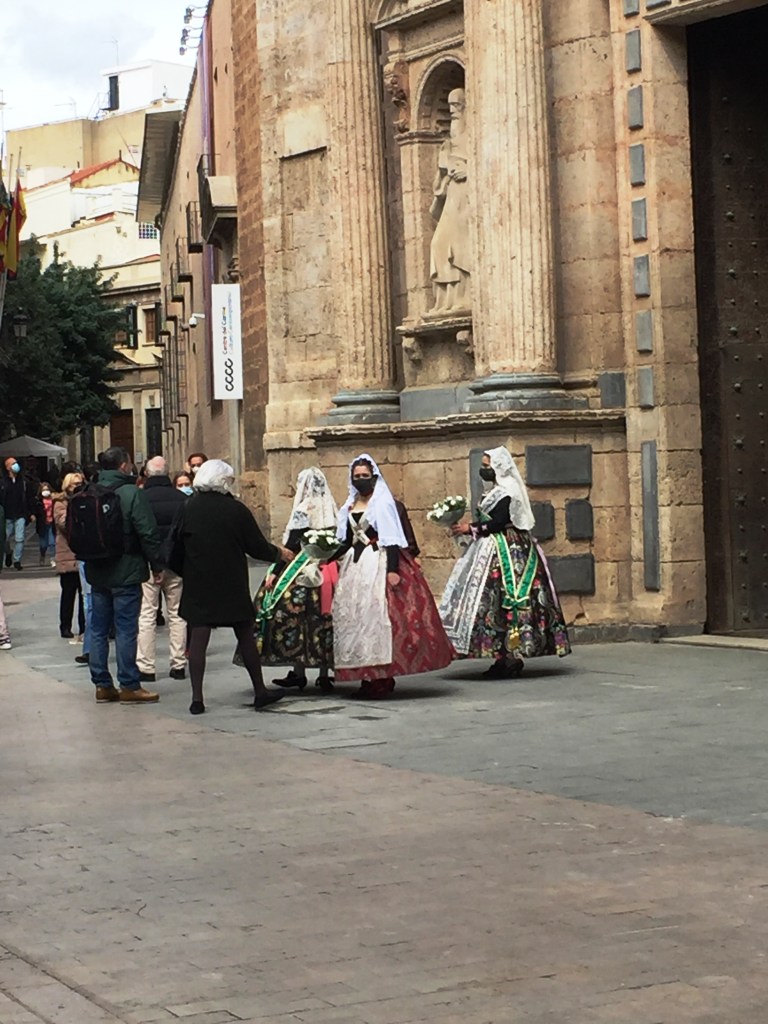
(Falleras de València/foto de/photo by Francisco Bravo Cabrera/Derechos Reservados/All Rights Reserved)

Ya comenzó la temporada de Les Falles de la nostra València y todo lo que se escuchan son petardos, cohetes y bombitas, mare meua…

+++

The Fallas season has started in València and all one can hear are the firecrackers all over all the time, good grief…

(Carrer de Cuba de Russafa de nit/foto de/photo by Francisco Bravo Cabrera/Derechos Reservados/All RIghts Reserved)

Os traeré más fotos, ahora se están llevando a cabo las primeras preparaciones, acordaos que esto se termina el día de San José, el 19 de marzo…

+++

I will post more photos as the scenes become available. These are just the first preparations. Remember…although you might not have ever even known…that the party ends on Saint Joseph’s Day, the 19th of March…

GRACIAS – CHEERS