I am Bodo Vespaciano…

And I am also known as Francisco Bravo Cabrera…

Well…an artist creates a painting, a sculpture; a composer a song or a symphony, and perhaps many tunes in between; a choreographer creates a ballet, a modern or jazz dance. But I am a painter. Although I did create…back in 1997…my «greatest» work, I call him «Bodo Vespaciano». I was Bodo for many years, well, until 2019 when I returned to Spain and settled down as Francisco Bravo Cabrera (we use two last names in Spain).

So if you see my work signed as Bodo Vespaciano (or Bodo V), it is still me as I am still Bodo to many people in other countries. And I kind of like Bodo so I do not want to get rid of him so quickly.

I just want to mention that I write, compose and paint, but I do it as the practitioner of a craft…an art-form to many…and not as something intuitive. I have studied and researched my craft too much to allow for something to surge spontaneously out of «inspiration». I am a craftsman so I plan everything, sketch out everything, research colours, tones, hues et cetera and plan…very well…my compositions. And as an artist, I use emotions as a tool. Raw emotion is not art.

I hope you enjoy my site, my blog, my work and whatever else happens to make its way into this site.

(We only ask that you like, comment, share and subscribe as this helps our channel)

Your visits are tremendously appreciated, cheers…

Black and White Jazz-Art

(«Pharaoh Jazz», art digital original by Francisco Bravo Cabrera)

I would like to say that this is one of the first (done in 2001) of the Jazz-Art Series of graphite/ink drawings on Canson paper. There may be others from the same time but this one has survived. I apologise for the quality of the photograph. Actually I had a tee-shirt made with this image and that’s the only thing I have now so I stretched it and took the picture (it is now framed).

This drawing is very important to me because it has within the composition the idea, the jazzyness, i.e. the elements that later formed the series JaZzArt en València. I started with the idea of music, but music is totally abstract and I did not intend to create an abstract drawing. So I revised my thought and started sketching the idea of music, the flow of the phrases, the staccato, the legato, the syncopation, the rhythm, the voice of the singer, the swing of the players…

I think you get the rest…

If you would like to see a complete…well, almost…collection of the black & white drawings, please visit us on our Instagram, @Francisco_Bravo_Cabrera and I think you will get a complete picture and you will see how this 2001 drawing became the great grand-father to the drawings that came later.

(We only ask that you please share, comment, like and subscribe as this helps our channel)

Cheers…

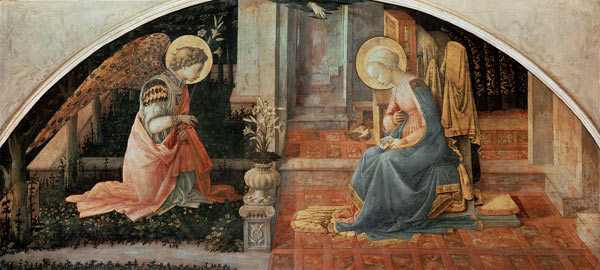
Art History, P#2: Fra Filippo Lippi

Welcome to part 2 of this new Art History limited series. We started with Fra Angelico, and now we continue with another Quatrocentist painter whose work is very important in the development of Renaissance art, and that, of course, created the masters…classics…who still influence artists today.

(Italian Quatrocentist painter)

Cheers…

#poem, «One Day» (Francisco Bravo Cabrera)

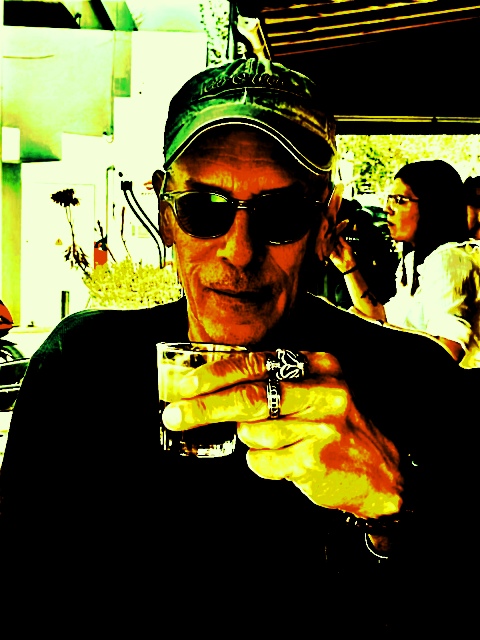
(Francisco Bravo Cabrera/actor portrayal)

ONE DAY

One day when I am old and mad,
like a useless worn-out prostitute,
conversing with the cat…

Illuminated by a single ray of light,
as the afternoon recedes and fades,
I’m comfortable in my chair next to the window,
watching the world spinning away.

All things are complicated that once were simple…

I think I’ll take a walk down to the bar,
to grab a handful of potato crisps
and a glass of Irish “wine”.
I look around with wild intentions,
are those old friends,
or figments of my imagination?

But I must dance,
and dance I will,
though now alone,
my glass half filled,
the dance floor’s empty,
so are the eyes
of laughing ghosts whose envy
has kept them so far from the sky.

The train has gone,
it’s steam still clinging to my skin,
I don’t travel anymore,
I just watch trains as a whim.

Sitting by my window,
I curiously take a peek
as the carnival is leaving
with its elephants and freaks.

My loved ones,
not so many,
hold a lantern in a storm,
afraid of me receding into madness all alone.
But like an old retired prostitute,
I wonder through the yard,
throwing corn flakes to the chickens
and reciting like a bard.

In truth I’m a survivor,
I’ve toasted every scar,
my tears are made of broken glass,
that broke through those nostalgic thoughts
I launched one day quite far.

The stormy seas can’t drown the music
that I play with my guitar,
so my bones will one day witness
the changing of the guard.

I’ve tasted bitter apples,
I’ve danced with girls sublime,
and a few quite ugly too
I’ve danced with over time.
But surprisingly enough,
I’ve lived to tell the tale,
of this old raging sycophant
that’s ordered one more ale.

One day I’ll be alone and old,
haunting these old hallways,
in a pose somehow unthinkable,
upside down like I’ve been always.

Francisco Bravo Cabrera – 8 SEP 2025, Izmir, Türkiye

«One Day» is another example of my «Jazz Poetry» from my upcoming book. The rhythm does not change, but the time does. Improvisation guides the strength of the story as it would a ghost who walks about just looking for a place to haunt…

CHEERS

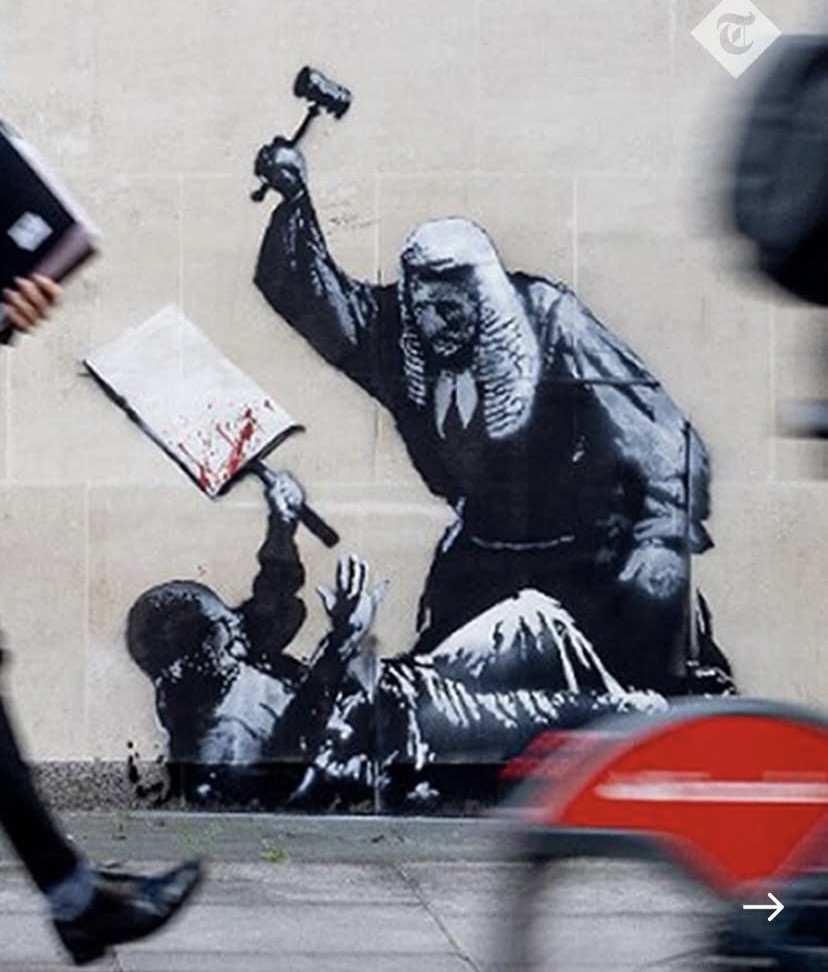
#art, Who is Banksy Defending? – ¿A quién defiende Banksy?

(Banksy’s new stencilled wall message/Photo from Daily Telegraph)

So Banksy is defending terrorists now? Incredible the amount of “useful idiots” out there, not only in Venice…

+++

¿Así que ahora Banksy defiende a los terroristas? Es increíble ver a tantos “tontos utilesque surgen por doquier, no sólo los que se han unido en Venecia…

CHEERS – GRACIAS

Quote of the day…

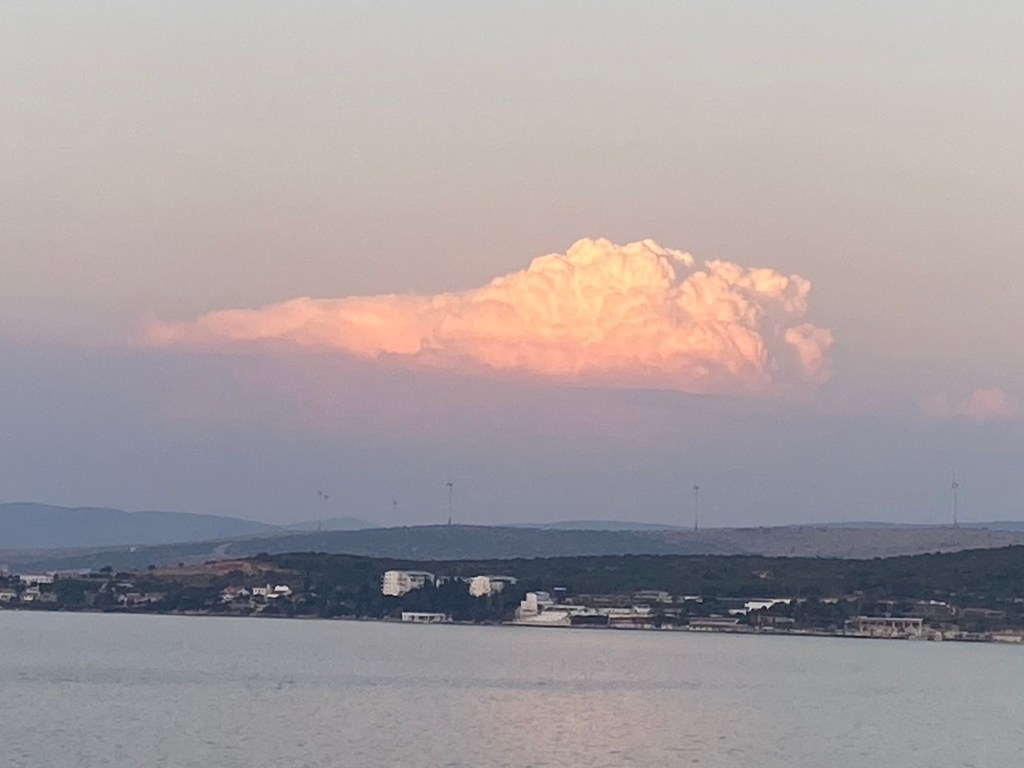
(Photo by and property of Francisco Bravo Cabrera/All Rights Reserved)

“No matter what they say and how technically they put it, to me the world is full of wonder and magic and mysteries mankind will never solve.” (Francisco Bravo Cabrera)

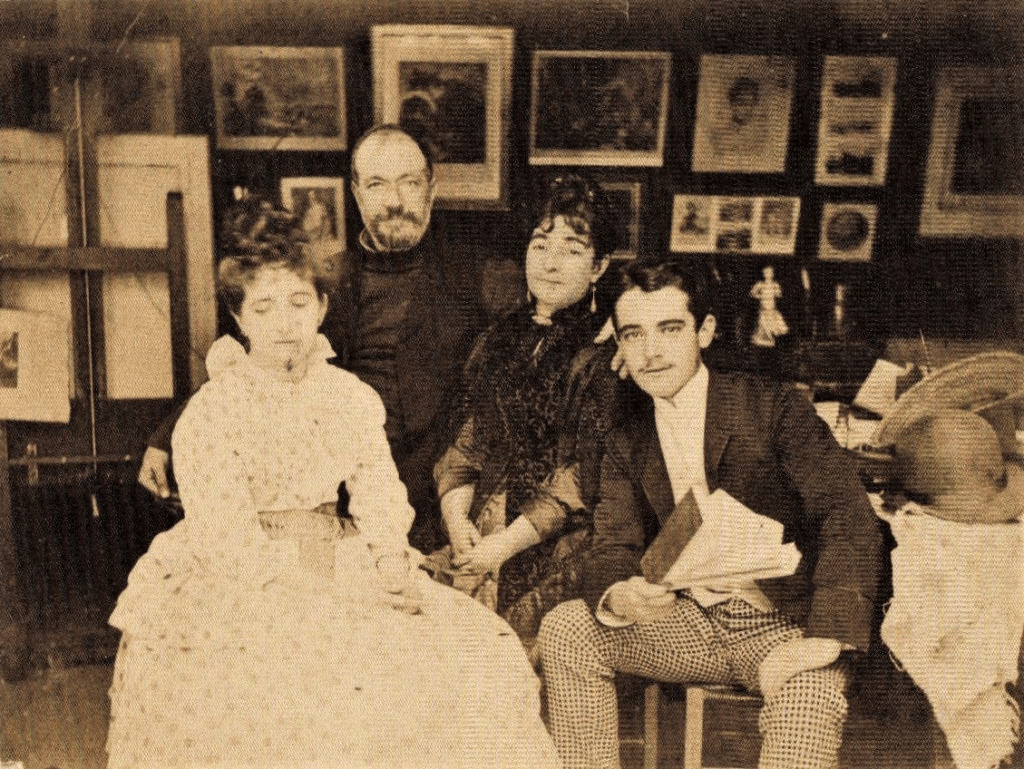
#art, Two Important French Artists: Marie and Felix Bracquemond…

(The Bracquemond family circa 1886/Image source: Impressionism)

Well, let us begin with Marie Bracquemond (1840–1916)

(Marie Bracquemond/1886/Image source: Impressionism)

Marie Bracquemond, born in Landunvez, Finisterre, France, was an Impressionist painter whose work was long overshadowed, and ignored by her male contemporaries, as was usual in the art world. She was a trained artist, however, her training was informal but good enough to be exhibited at the Paris Salon in the 1860s. She later became influenced by Impressionist painters like Monet and Degas and adopted their emphasis on light and color in her own work. Her paintings often featured domestic scenes, portraits, and outdoor settings with rich color and delicate brushwork.

Marie had to struggle against the society and her husband, Félix Bracquemond, who did not support her involvement with Impressionism. Because of these injustices her work was totally forgotten but has, as of lately, begun to receive the recognition it deserves, positioning her as a significant—if underappreciated—figure among the Impressionists.

(«Three Ladies with Unbrellas»/c.1880/Image source: Impressionism)
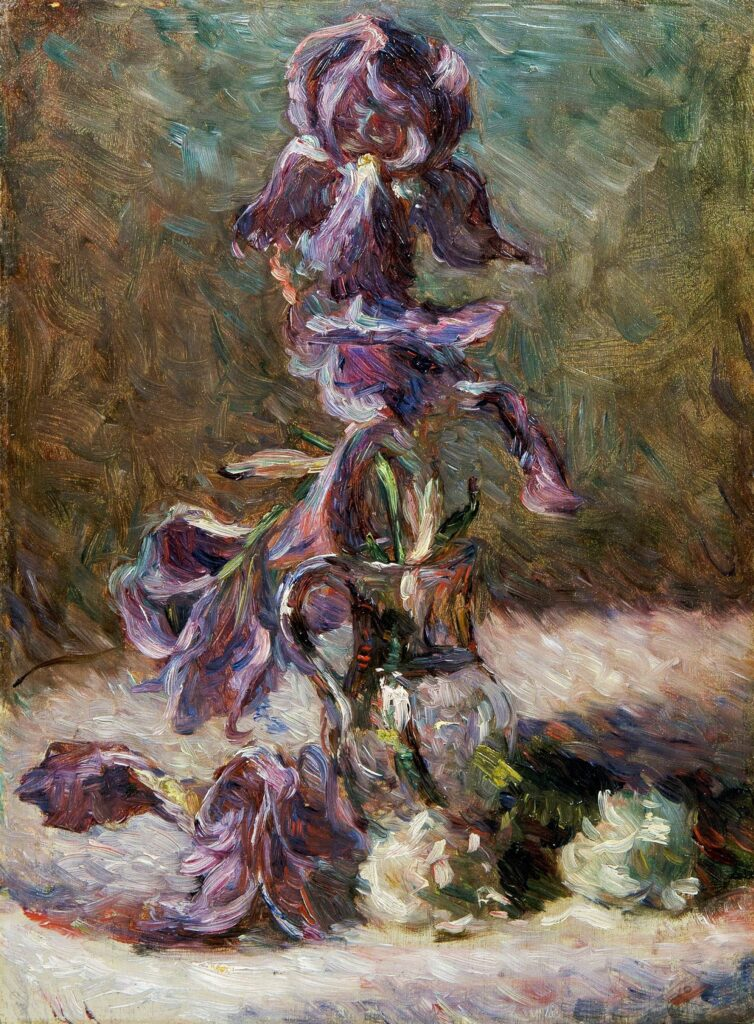
(«Iris in the Vase»/c.1886/Image source: Impressionism)
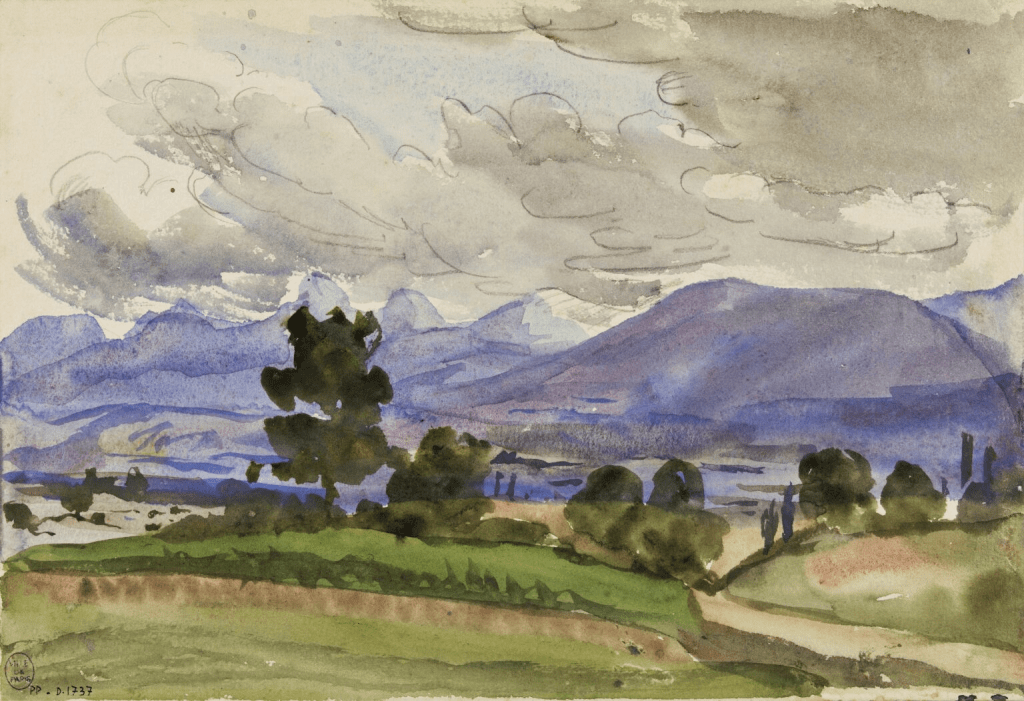
(«Landscape of Divonne»/1890/Image source: Impressionism)

Félix Bracquemond (1833–1914)

(Felix Bracquemond/1865/Image source: Wikimedia Commons/Public Domain)

Félix Bracquemond was born in Paris. He was a painter, etcher, and ceramic designer. He is best recognised for his contributions to the Etching Revival in 19th-century France and for his role in introducing Japanese art (Japonisme) into European decorative arts. He was a prolific printmaker and collaborated with many well-known artists of his time, including Manet and Degas. Félix was also artistic director at the Haviland porcelain factory, where he helped popularize Japanese motifs in French ceramics.

Though Félix was a phenomenal artist and sought fame and recognition, he did not think his wife, Marie, deserved the same so he undermined her art and artistic ambitions. But yet we must not ignore that his influence on the decorative arts and his championing of etching and Japanese aesthetics mark him as a key figure in 19th-century French art.

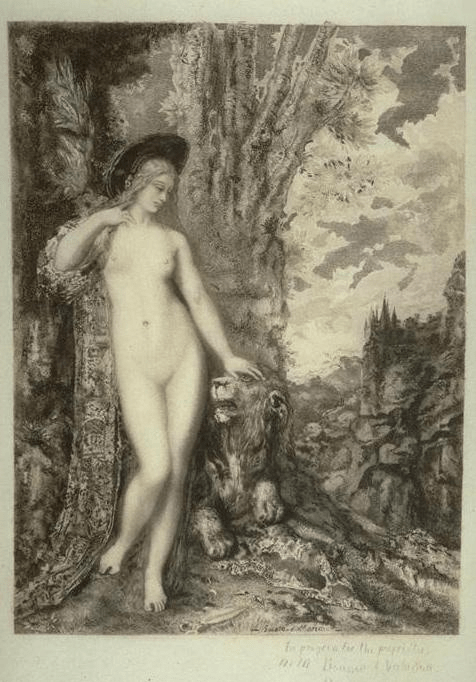
Here are some of his etchings…

(«Le lion amoureux»/1886/Image source: Wikimedia Commons/Public Domain)
(Terrace of the Villa Brancas in Sèvres, near Paris). Marie Bracquemond is seated on the right, her sister on the left/1876/Image source: Wikimedia Commons/Public Domain)
French sculptor, painter and art critic Zacharie Astruc/1835-1907/from 1865/Image source: Wikimedia Commons/Public Domain)

CHEERS

Bon dia

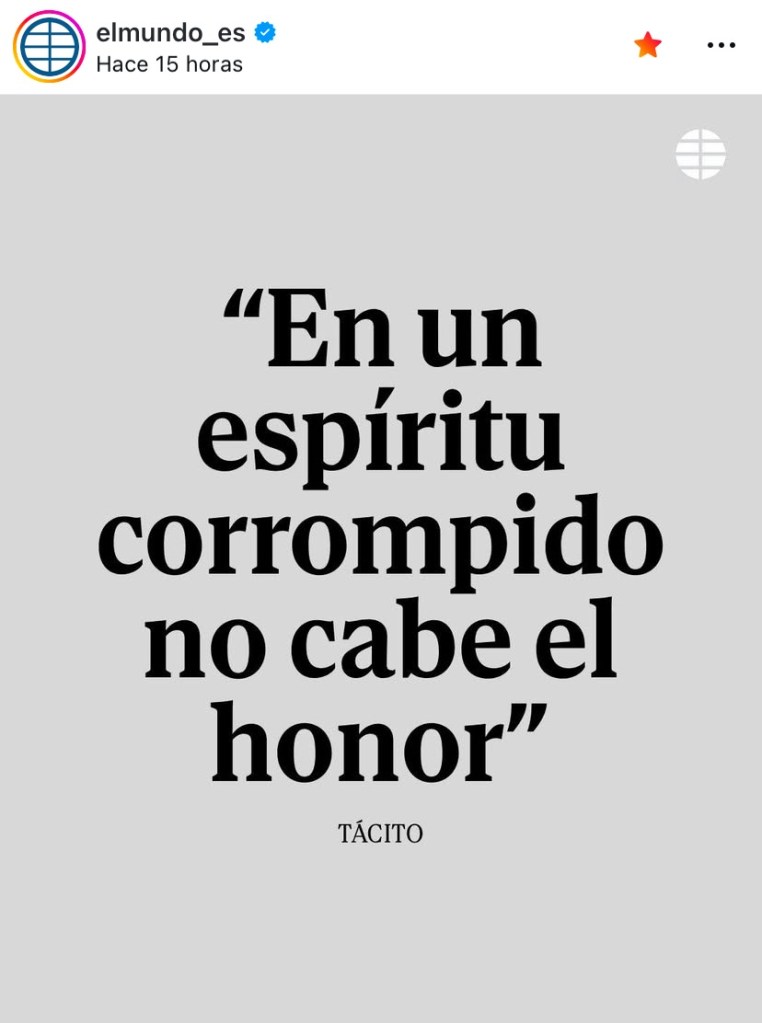
Por eso nos deshonran los políticos que nos desgobiernan…

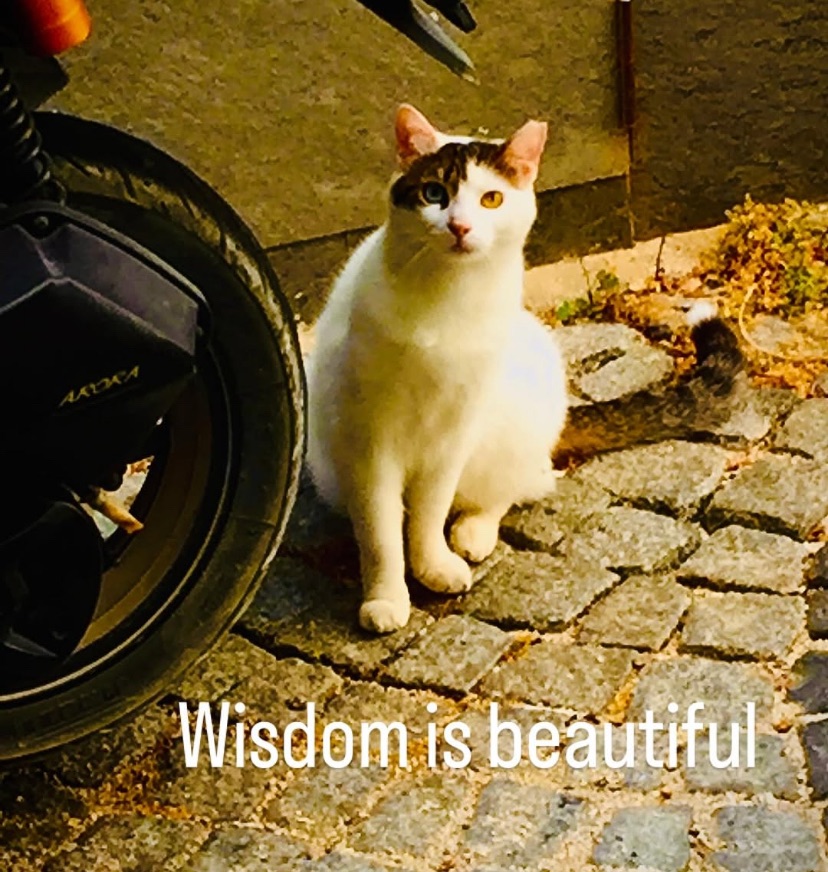
Wisdom…

(Photo by and property of Francisco Bravo Cabrera/All Rights Reserved)

Meet my cat 🐱