#art, Talking About Art, Chapter 4

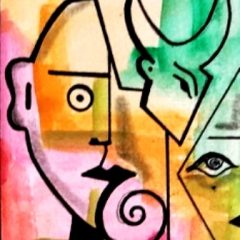
(“Pino”/detail/Francisco Bravo Cabrera/All Rights Reserved)

It seems to me that when artists are asked to speak about art they usually go into their artist «character» and begin to talk about art as something almost esoteric, or religious. It would almost seem as if they are making the artists as being the new priests of the creative world. I don’t buy it.

Sometimes art lovers, non-artists, also begin to define art as something that is beyond the means and the reach of «ordinary» folk. I have heard people say that artists are born like that, with that «gift» or «ability» with statements such as «Van Gogh had so much talent». Good grief! Is being an artist now a genetic condition? Is talent a genetic trait? As far as I know Mendel did not name it as one.

Art is nothing like that at all, in my opinion. Artists are as ordinary as anybody else. Art is a profession, and a craft, like being a plumber or a neurosurgeon. One likes art, one is inclined, (is that the «gift»?), one first gets into it in High School. Then one enrols in college and takes art courses. Finally one majors in Fine Arts and graduates from University. Then one begins a professional life as an artist with one goal in mind, to make as much money as possible.

That is all there is to art. Actually the great Renaissance masters never thought of themselves as artists. They considered themselves as skilled craftsmen. And when a client came to their studios, they would show them samples of their craft. Usually they were small portraits, as portraits were the paintings commonly commissioned from them. Then they would negotiate a price and offer different plans like the good plan, the most expensive one being that the master artist paints the entire portrait. A second option would be that the portrait is partially painted by the master and the rest by the other artists operating in the studio. And the cheapest option would be a portrait painted entirely by the studio assistants. That is how the «art world» functioned in the old days.

But believe me, no one is born with a gift for art, or for the piano or for the ballet stage. One trains, rehearses, and one practices tirelessly. One realises that practice makes perfect so one practices all day, every day. The more one works the more one develops talent. And that is another issue that is greatly misunderstood by many. No one is born with talent. I cannot stress that enough. Talent is something that is developed, like muscles. One trains, one gets stronger and the body begins to show muscle development. The same thing with artistic talent. The more you paint the better you get. The more you play the tuba the better you get. In other words, the more talent you develop.

So, as an artist, I am asked all the time about the process of art and my reply is always, more or less, the same. Art is a profession. Not everyone is an artist, and not every one can make art of the same quality. Let us say that we all have the potential, but not all have the will, the drive or the desire to be an artist. And no, your five year old who just drew a «beautiful» picture of your family that you proudly hang in the refrigerator, they are not an artist. They might want to be, some day. I mean would you say just because that same five year old built a lego structure that they are an engineer?

And please do not misunderstand. I am not saying that every artist must go the academic route and graduate from uni. An artist can train at a private academy, or at any type of school. Or they can train themselves through books, videos (nowadays videos are the new books and there are many), or with other artists. But remember, no one teaches themselves, we all learn from someone or some thing. So if you have the inclination, go for it!

+++

(Please like, comment and share)

CHEERS

#art, #video, Bodo Vespaciano’s Art Digital 2025

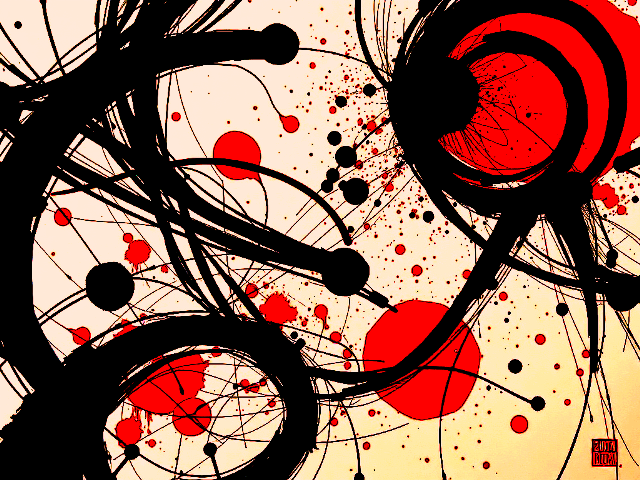
(«Blood Red Abstract Lines»/Francisco Bravo Cabrera/All Rights Reserved)

Art Digital is digital art created through many digital, computerised means but always touched by the hand of the artist.

Look for me on Instagram: @Francisco_Bravo_Cabrera and @Guloshka (artist rep)

(Please do not forget to like, comment and share)

CHEERS

#music, Great British Bands, Ch. 14: The Bee Gees

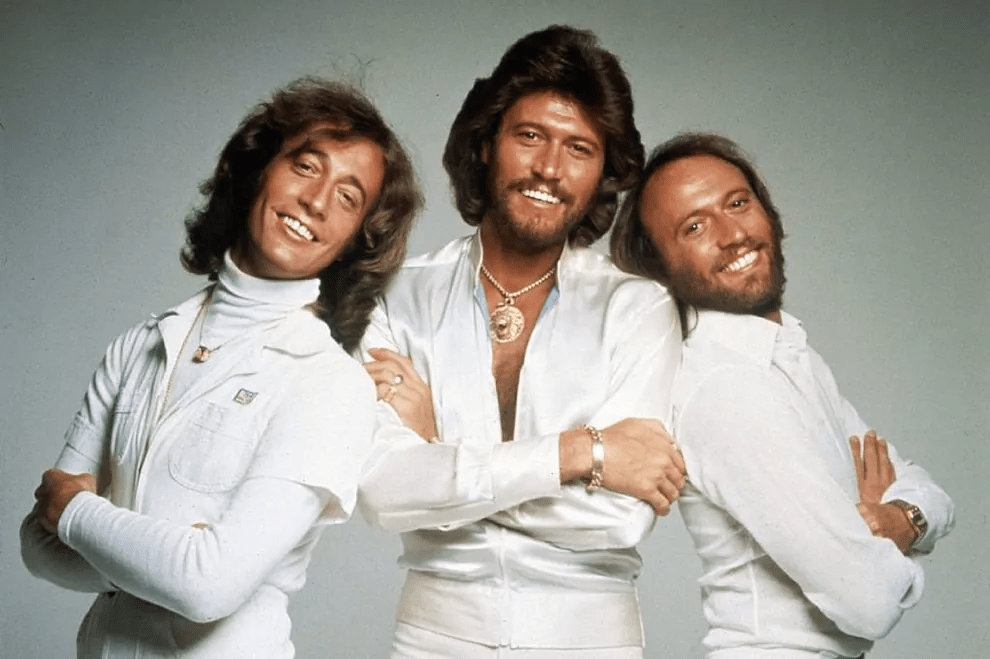
(Photo taken from El Mundo/unknown photographer)

This is one of the great British bands of all time. They went through the 60’s, 70’s, 80’s and 90’s only to crash and burn in the 2000’s. They were basically a trio and now the only surviving member is Barry Gibb…

The three Gibb brothers, Maurice, Robin and Barry formed the group in 1958. They had great songs in the early days. Songs like «Words», «To Love Somebody», «I Can’t See Nobody», «I Started a Joke», «Massachusetts», and others…

Then came Saturday Night Fever, (1977), the movie, to it’s soundtrack they contributed six songs. The soundtrack album sold over 22 million copies and catapulted the Bee Gees into history, making them one of the most successful bands in the history of pop music. And their falsetto became super famous.

Then came songs like «Night Fever», «How Deep is Your Love», «How Can You Mend a Broken Heart», «Jive Talking», «Staying Alive», «Too Much Heaven», «You Should be Dancing», and so many others. During the 70’s the Bee Gees placed themselves as the disco band.

In 2003 the band made history by winning the Grammy Legend prize. They are the first, and so far, the only band to possess one. And the band also disbanded in 2003 following the death of Maurice (1949-2003). Although Barry and Robin did decide (2009) to perform again under the name Bee Gees. Robin Gibb (1949-2012) died in London from complications of cancer.

Needless to say The Bee Gees were one of the most successful rock/pop groups in popular music history. They were together for nearly forty years and sold over 220 million records.

I hope you like this one, it is one of my faves…

CHEERS

#opinion, La semana santa en España…

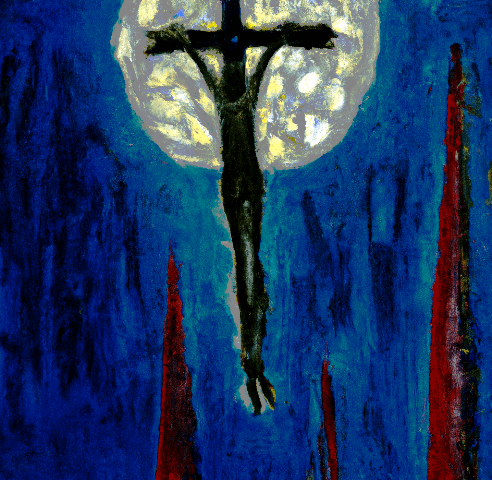
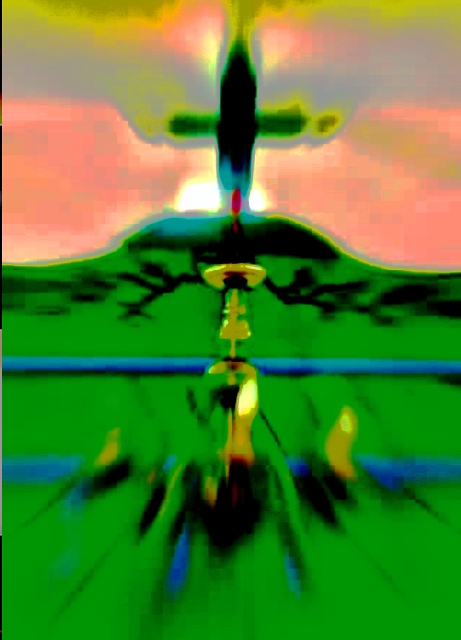
(Art Digital de Francisco Bravo Cabrera/Derechos Reservados)

La Semana Santa ha llegado y en España las cofradías todas están listas para salir en sus procesiones con sus pasos, con sus nazarenos, penitentes, etcétera, etcétera. Pero, ¿Cómo es esto? De acuerdo con los datos del CIS, en España casi el 40% de la población es, o atea, o no creyente, o agnóstica. Pero el ciento por ciento si quiere cogerse las vacaciones que acompañan a estas celebraciones. Ojo, que estas fiestas son estrictamente católicas, apostólicas y romanas. ¿No veis un chin chin de hipocresía?

Pues yo sí. Me parece que aprovecharse de las fiestas religiosas solo para no tener que ir al curro ese día, o por que crean un puente y así tener un finde más largo en una manera muy borde de actuar, si sois realmente ateos. O, ¿Sera todo ese ateísmo una postura? Veremos…

Además, ¿Por qué tanta cerradura de tiendas los domingos y otros días, supuestamente festivos? Las festividades religiosas serán para los que van a misa y no para los que quieren irse a la playa. En la mayoría de los países, bien sean de Europa, de América o de Asia, las tiendas, los restaurantes y los bares siempre están abiertos sin importar el día. ¿Por qué aquí cierran tan a menudo? Mare meua, que importa si es el día de la constitución como el de la Ascensión, ¿Acaso la gente no desayuna, no come, no tiene que ir a Mercadona para comprar un cepillo de diente en esos días?

Vamos, si somos un país cuyo número de ateos ha subido más del 25% en los últimos veinte y pico de años, ¿Para que queremos tantos días de fiesta? Los días de fiesta son un atraso, entorpecen el comercio, dañan la economía y echan a perder el ritmo del desarrollo. Y no me digáis que la gente, o sea, los obreros, tienen que descansar. Eso lo sabemos todos, y por eso en casi todos los países hay tres turnos, para que así trabajemos todos y descansemos igual.

GRACIAS

#art, La abstracción vs. la figuración – Abstract vs. Figurative Art – Primera parte: Arte abstracto – Part One: Abstract Art…

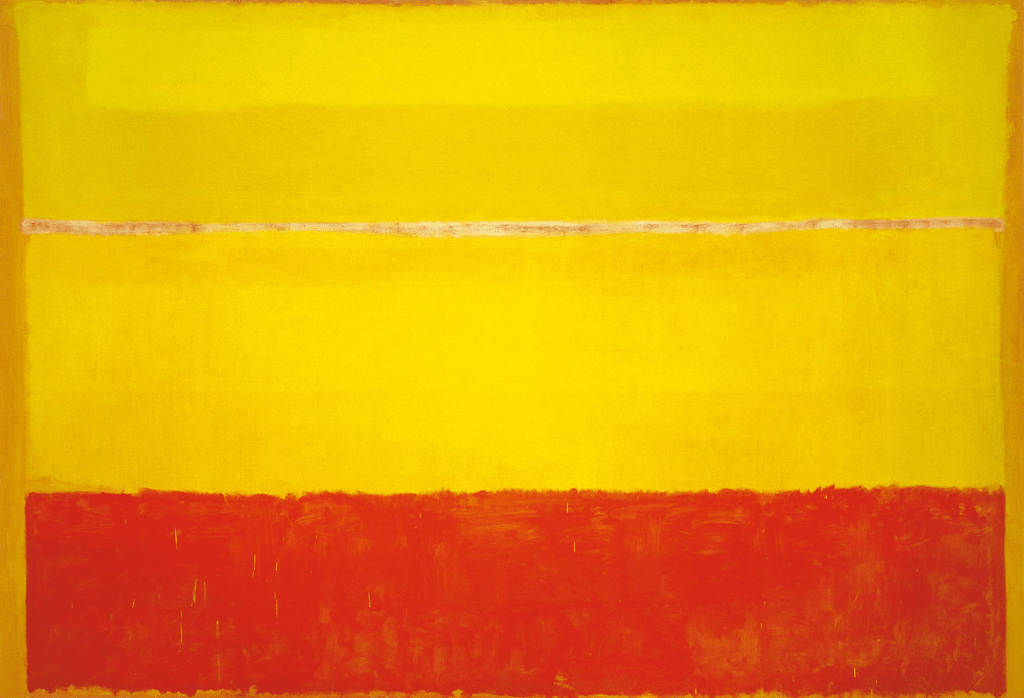
(«Untitled/Mark Rothko/1952/53/Image: Guggenheim Museum Bilbao)

No se si te place la abstracción o la rechazas. Me encontrado gente de los dos bandos. Pero la mayoría se confunde con lo que realmente es el arte abstracto. Muchos piensan que el artista simplemente manchó la tela con pintura y en un plis plas ya termino el cuadro y pa’lante, a vender se ha dicho. Pero os aseguro que no es así para el artista serio que respete su trabajo y también a la pintura… Usaré al artista Mark Rothko (1903-1970) como ejemplo. El rechazaba el titulo de expresionista-abstracto que le encajetaron los expertos (¡Madre mía los expertos!) y más bien se consideraba un artista que usaba medios abstractos para expresar la gama de emociones humanas que existen. Sus cuadros, que el llamaba campos de color, no son fáciles de hacer, y no vayáis a pensar que Rothko era un improvisado. Nada que ver, Rothko estudio arte (Parsons School of Design, New York) y busco sabiduría de muchas otras maneras también. No fue un autodidacta como dicen los expertos, (otra vez los benditos expertos) ya que nadie se enseña a uno mismo nada. El aprendizaje viene de afuera… Pero lo uso como ejemplo de arte abstracta para que no vayáis a pensar que es una forma intuitiva de pintar y que cualquier pelagatos la logra hacer. Aunque muchos…Joan Miró…lo han logrado y la han vendido… Os dejo con una sola cosa, un cuadro abstracto no puede contener nada en su composición que se asemeje o se parezca a las cosas del mundo natural. Tiene que ser como la música clásica o el jazz, no puede parecerse a nada, pero si debe haceros pensar en mucho.

+++

I don’t know if you like abstract art or reject it. I have encountered people from both sides. But most get confused about what abstract art really is. Many think that the artist simply splashed paint on the canvas, and in a flash, the painting is finished and ready to be sold. But I assure you that this is not the case for a serious artist who respects their work and also respect the art of painting… I will use the artist Mark Rothko (1903-1970) as an example. He rejected the title of abstract-expressionist that experts (good grief experts!) labelled him with, and rather saw himself as an artist who used abstract means to express the range of human emotions that exist. His paintings, which he called color fields, are not easy to make, and don’t think that Rothko was an improviser. Far from it; Rothko studied art (Parsons School of Design, New York) and sought wisdom in many other ways as well. He was not a self-taught artist as the experts say (once again, those blessed experts), since no one teaches themselves anything. Learning comes from without, not within… But I use him as an example of abstract art so you don’t think it’s an intuitive way of painting that any hack can achieve. Although many…Joan Miró…have succeeded and sold many paintings, even series that they probably put together in ten minutes… I leave you with one last thing: an abstract painting cannot contain anything in its composition that resembles, or is similar to, the things of the natural world. It has to be like classical music or jazz; it shouldn’t resemble nothing, but it should make you think of much.

+++++

(Don’t forget to like, comment and share)

GRACIAS – CHEERS

#art, Talking About Art, Chapter 4

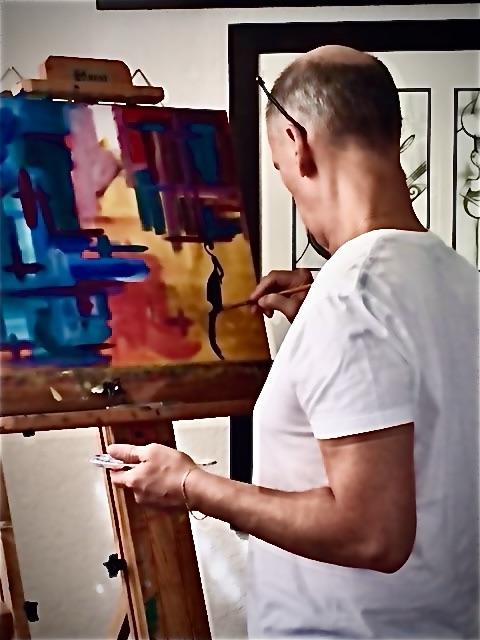
(Francisco represented by an actor)

It seems to me that when artists are asked to speak about art they usually go into their artist «character» and begin to talk about art as something almost esoteric, or religious. It would almost seem as if they are making the artists as being the new priests of the creative world. I don’t buy it.

Sometimes art lovers, non-artists, also begin to define art as something that is beyond the means and the reach of «ordinary» folk. I have heard people say that artists are born like that, with that «gift» or «ability» with statements such as «Van Gogh had so much talent». Good grief! Is being an artist now a genetic condition? Is talent a genetic trait? As far as I know Mendel did not name it as one.

Art is nothing like that at all, in my opinion. Artists are as ordinary as anybody else. Art is a profession, and a craft, like being a plumber or a neurosurgeon. One likes art, one is inclined, (is that the «gift»?), one first gets into it in High School. Then one enrols in college and takes art courses. Finally one majors in Fine Arts and graduates from University. Then one begins a professional life as an artist with one goal in mind, to make as much money as possible.

That is all there is to art. Actually the great Renaissance masters never thought of themselves as artists. They considered themselves as skilled craftsmen. And when a client came to their studios, they would show them samples of their craft. Usually they were small portraits, as portraits were the paintings commonly commissioned from them. Then they would negotiate a price and offer different plans like the good plan, the most expensive one being that the master artist paints the entire portrait. A second option would be that the portrait is partially painted by the master and the rest by the other artists operating in the studio. And the cheapest option would be a portrait painted entirely by the studio assistants. That is how the «art world» functioned in the old days.

But believe me, no one is born with a gift for art, or for the piano or for the ballet stage. One trains, rehearses, and one practices tirelessly. One realises that practice makes perfect so one practices all day, every day. The more one works the more one develops talent. And that is another issue that is greatly misunderstood by many. No one is born with talent. I cannot stress that enough. Talent is something that is developed, like muscles. One trains, one gets stronger and the body begins to show muscle development. The same thing with artistic talent. The more you paint the better you get. The more you play the tuba the better you get. In other words, the more talent you develop.

So, as an artist, I am asked all the time about the process of art and my reply is always, more or less, the same. Art is a profession. Not everyone is an artist, and not every one can make art of the same quality. Let us say that we all have the potential, but not all have the will, the drive or the desire to be an artist. And no, your five year old who just drew a «beautiful» picture of your family that you proudly hang in the refrigerator, they are not an artist. They might want to be, some day. I mean would you say just because that same five year old built a lego structure that they are an engineer?

And please do not misunderstand. I am not saying that every artist must go the academic route and graduate from uni. An artist can train at a private academy, or at any type of school. Or they can train themselves through books, videos (nowadays videos are the new books and there are many), or with other artists. But remember, no one teaches themselves, we all learn from someone or some thing. So if you have the inclination, go for it!

CHEERS

#poem, «Status and Redemption»

(Image by and property of Francisco Bravo Cabrera/All Rights Reserved)

STATUS AND REDEMPTION
(Wile listening to L’Histoire du Soldat/Stravinsky)

Where is the status you sought out to have,
sitting in classrooms, waiting on tables,
mopping up washrooms and cleaning the stables,
of a noble patrician descended from Rome
degenerate, misogynist
sick and alone?

Now you wipe off his drool and you wince with disgust,
but he does not see you as ignore you he must,
this cynical spectre of mansions and theatres,
with political influence like a fattened old realtor,
who displays all the land in hopes that a buyer
comes licking his hand, his hand, stained with faeces mucous and urine,
and all forms of filth and dead cells.

They’ve all rotting skin that will fall from their faces
as they seek to win one more day at the races.
One more day, to the good folks dismay,
who will forever be thankful when they’re all on their way
to a horrific paradise just made for their type,
filled with varmints and parasites torture and strife.
Which is what they deserve, which is what they have given
to all those who wanted to just to make a good living.

So where is the status, my charming young lady,
that you wanted to gain when you wondered if maybe,
within that golden castle you’d find your reward,
but you just found corruption and a perverted old man
who promised and promised but proffered quite nothing
but a stain on your soul and a rip in your clothes.

Status is nothing to search for in life,
seek first your redemption.
Everything else you will get in due time.

C.2025, Francisco Bravo Cabrera – 16 APR 2025 – Valencia, España

CHEERS

#poem, Flowers For Me, No.5

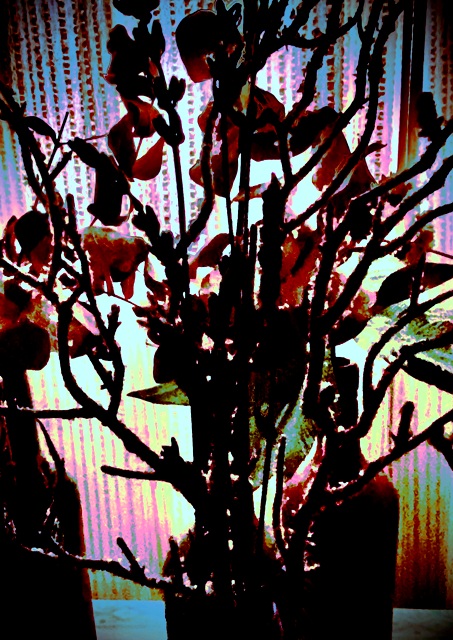
(Photo by and property of Francisco Bravo Cabrera/All Rights Reserved)

Flowers for me No.5

Woman, you’ve picked for me flowers,
the most beautiful bouquet that glowed in the sun,
that would charm any soul, any day, any hour,
and you’ve proffered such flowers to one such as me?
Why would I deserve such a treasure,
as this beautiful rose from an oneiric garden,
that glowed in the light of eternal, bright mornings,
and cried in the darkness of black. moonless night?

You know that I do not engage in such fancies
as beautiful flowers while the moon shines its light.
And I hide in the presence of ghostly blue lanterns
that frighten the ladies that walk in the night.
So if it is for me that you’ve picked such a flower,
you’ve killed it in vain while it brightened the day
of those who walk past such a garden each hour.
I do not deserve such such a precious bouquet.

C.2025, Francisco Bravo Cabrera – 15 APR 2025 – Valencia, España

#opinion, La semana santa en España…

(Art Digital de Francisco Bravo Cabrera/Derechos Reservados)

La Semana Santa ha llegado y en España las cofradías todas están listas para salir en sus procesiones con sus pasos, con sus nazarenos, penitentes, etcétera, etcétera. Pero, ¿Cómo es esto? De acuerdo con los datos del CIS, en España casi el 40% de la población es, o atea, o no creyente, o agnóstica. Pero el ciento por ciento si quiere cogerse las vacaciones que acompañan a estas celebraciones. Ojo, que estas fiestas son estrictamente católicas, apostólicas y romanas. ¿No veis un chin chin de hipocresía?

Pues yo sí. Me parece que aprovecharse de las fiestas religiosas solo para no tener que ir al curro ese día, o por que crean un puente y así tener un finde más largo en una manera muy borde de actuar, si sois realmente ateos. O, ¿Sera todo ese ateísmo una postura? Veremos…

Además, ¿Por qué tanta cerradura de tiendas los domingos y otros días, supuestamente festivos? Las festividades religiosas serán para los que van a misa y no para los que quieren irse a la playa. En la mayoría de los países, bien sean de Europa, de América o de Asia, las tiendas, los restaurantes y los bares siempre están abiertos sin importar el día. ¿Por qué aquí cierran tan a menudo? Mare meua, que importa si es el día de la constitución como el de la Ascensión, ¿Acaso la gente no desayuna, no come, no tiene que ir a Mercadona para comprar un cepillo de diente en esos días?

Vamos, si somos un país cuyo número de ateos ha subido más del 25% en los últimos veinte y pico de años, ¿Para que queremos tantos días de fiesta? Los días de fiesta son un atraso, entorpecen el comercio, dañan la economía y echan a perder el ritmo del desarrollo. Y no me digáis que la gente, o sea, los obreros, tienen que descansar. Eso lo sabemos todos, y por eso en casi todos los países hay tres turnos, para que así trabajemos todos y descansemos igual.

GRACIAS