#art, Picasso: The Final Years

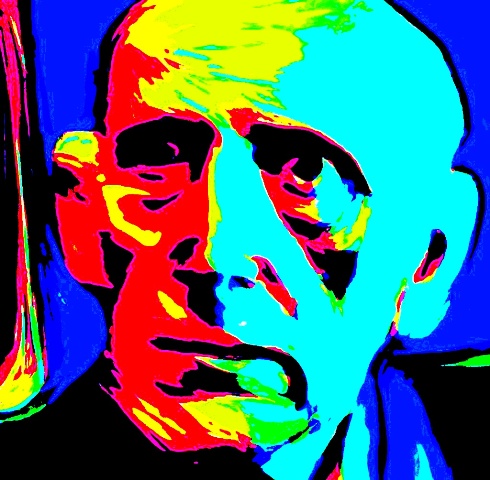
(«Pablito No. 2″/Francisco Bravo Cabrera/All Rights Reserved)

“The Picasso Style”

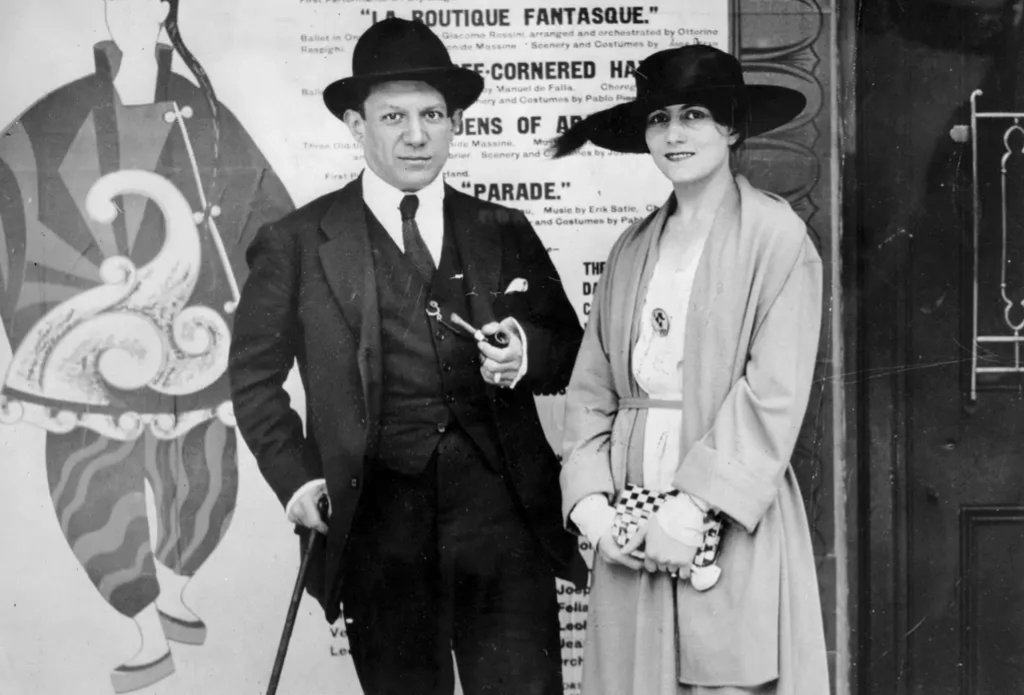
(Picasso and Olga married in 1918/Photo

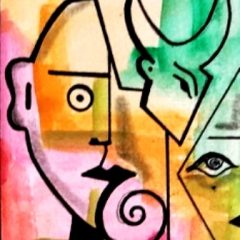
It can be said that after the neo-classicist period, which mostly coincided with his relationship and marriage to Olga Khokhlova, Picasso went into his own. Some may say that the paintings of the years, say from about 1954, after the relationship with Françoise Gilot ended, to the end of his days in 1973, are expressionistic, surreal and some even said abstract. Of course any real art historian will tell you that Picasso never painted a single abstract painting. He never said a kind thing about abstract, a form he clearly did not like. However, without a doubt there is much abstract art within his figurative canvases. But, no matter what the «experts» say, the accepted name for this period in the painter’s life is the “Picasso Style”.
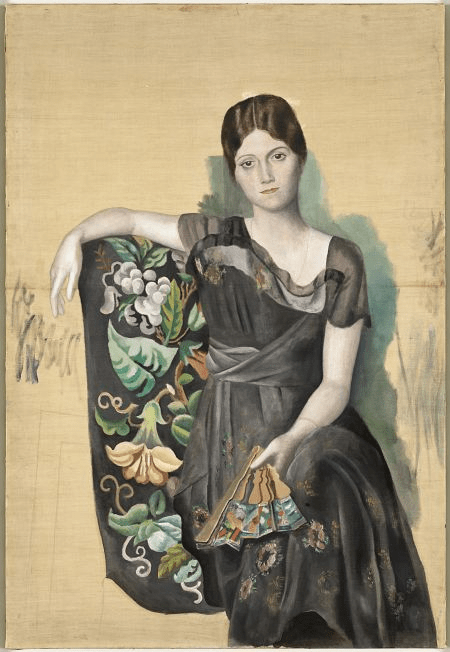
(Portrait of Olga)

Picasso met Françoise Gilot in Paris during WWII while living in the Rue de Grands Augustins. She was twenty-one years old and had already started painting by then and was very much impressed with Picasso who, by that time was already a well established painter. I am not going to go into all the ins and outs of their relationship. After all it lasted for ten years (1943-1953) and it was rather stormy, to say the least. But during that time, like he always did, he painted his partner, family and surroundings.

Although they never married they did have two children, Claude (1947) and Paloma (1949). Françoise was the only woman who actually got up and left Picasso. He was astonished and could not believe it. He even said that no woman ever left him. After all he was the man who said that women were either goddesses or door-mats. But Gilot was not a door-mat, as he had thought of her, and left him and never came back.
(Photo by unknown photographer/Public Domain)

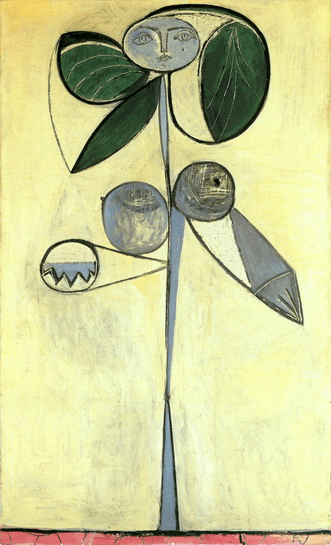
Of course Françoise was the subject of many paintings. The most famous, of her many portraits was “La Femme Fleur” of 1946. As you may know, Picasso was an autobiographical painter. He once even alluded to the fact that his diary were his paintings. He painted his wives, companions, partners, dealers, children, his surroundings, the things of his time and everything and anything connected with his life. He truly captured the spirit of the times he lived in and the people and things that existed around him. I suppose he would have been an avid Instagrammer in these days.

To help him deal with the end days, which were certainly en route, although still quite distant, Jacqueline Roque, whom he met in 1953. And in 1955, after his first wife Olga Khokhlova, whom he refused to divorce for financial reasons, passed away, he was free to marry Jacqueline. Jacqueline took excellent care of him and posed for a surprising 400 portraits, some of them not very flattering. She remained with him until the end of his days.
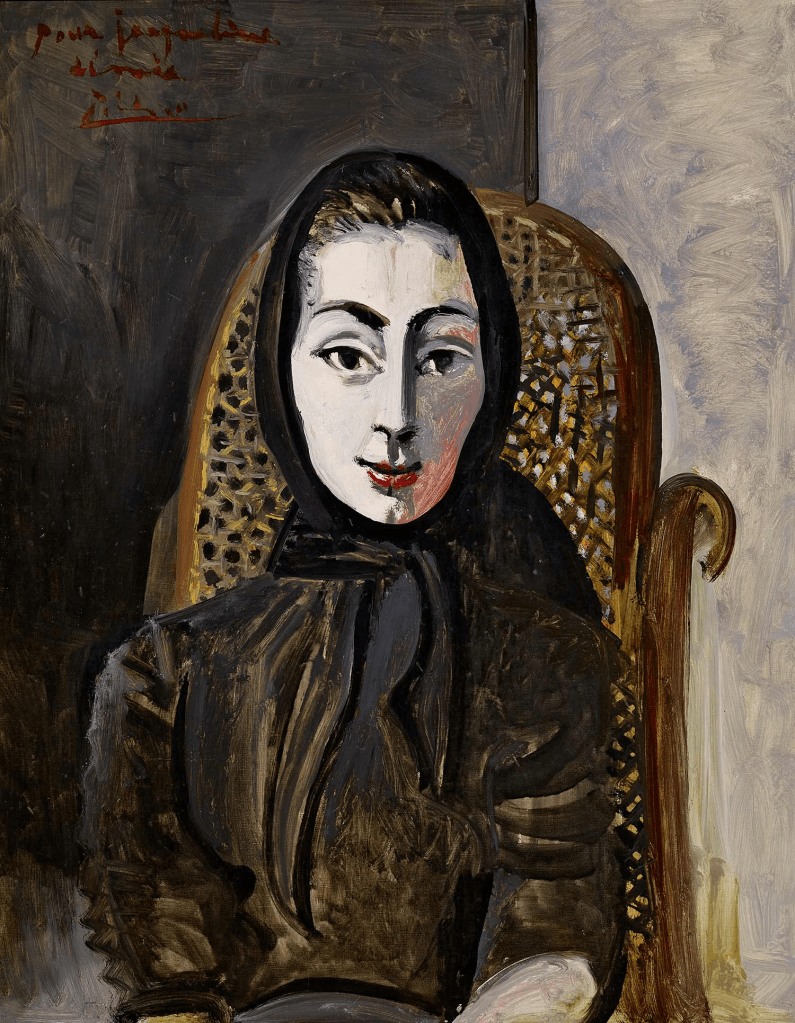
(one of the many portraits of Jacqueline/Museo Picasso de Barcelona)

Pablo Picasso died in Mougins on the 8th of April 1973 at the age of 91 years. Jacqueline was not allowed to bury him there, so she chose his last resting place to be the grounds of the Château of Vauvenargues.

Lamentably, in 1986, Jacqueline took her own life in Mougins where they had lived.

(Please do not forget to LIKE, COMMENT and SHARE)

CHEERS

Bon dia

Y mira que hay que les encanta hacerlo…

#art, Women Artists Series: Beryl Cook…

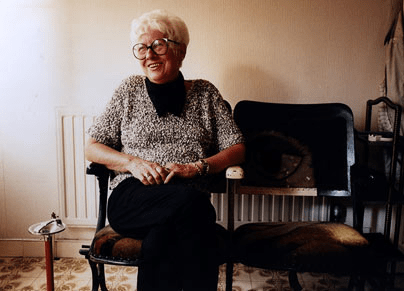
(Photo The Telegraph)

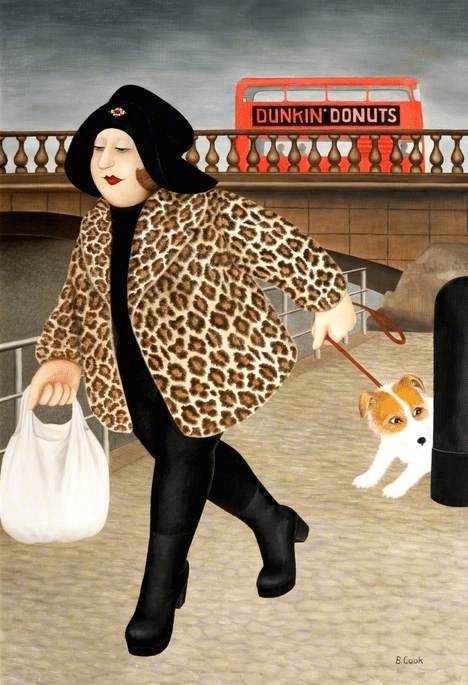
A few days ago a friend and fellow blogger on WP suggested I look into a woman artist from the United Kingdom who I did not know, and I certainly did and here she is: Beryl Cook. She was born on September 10 of 1926 in Egham, Surrey, England, and although she claimed not to have had any «formal» art training, she painted very well. Her paintings are of everyday people, sometimes a bit bizarre but almost always with a comical twist.

Although her bulky figures might remind one of Botero, (another one who claimed to be self-taught), in my opinion Cook’s work is much more interesting. She painted volume in her outlandish and extroverted characters. Beryl Cook was influenced, according to her own words, by the work of Sir Stanley Spencer and Edward Burra, both highly trained and successful British painters.

Cook moved to Plymouth in 1968 and at the Plymouth Arts Centre had her first exhibition. The success of that exhibition led to her being contracted to the Portal Gallery in London (1976) where she exhibited until her death in 2008. In 1995 she was awarded the Order of the British Empire (OBE). Channel 4 News produced, in 2005, a short film of her work and the Royal Mail used one of her paintings for a first class postage stamp.

Although I did not know much about this painter, she is certainly well known in the UK and her work has achieved a wide level of success. Can it be that because she is a woman artist she has not been taken as seriously as men in Art History? I don’t know. But her country did take her seriously. So I ask myself, why did I not hear of her in Art School? In any event, I like her work and I wanted to share it with you and find out what you think.

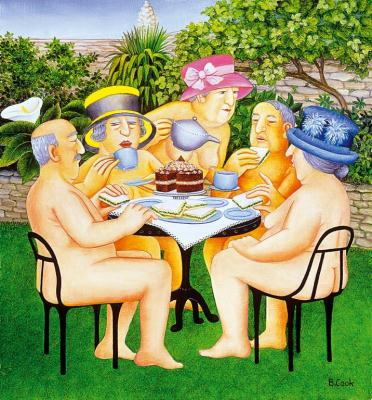
(«Tea in the Garden» berylcookprints.co.uk)
(«Hen Night» berylcookprints.co.uk)
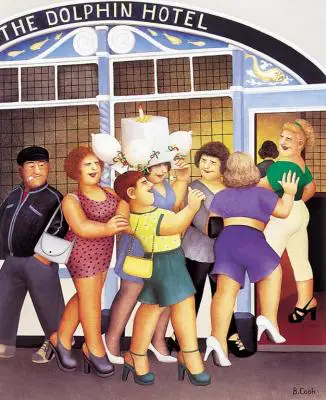
(«By the Clyde» Artuck.org)

I would highly suggest that if you are interested in art, either as an artist, student, lover of art or collector, that you look further into the work of Beryl Cook.

CHEERS – CHEERS – CHEERS

(Thank you M.)

#art, Drink to me Señor Picasso…

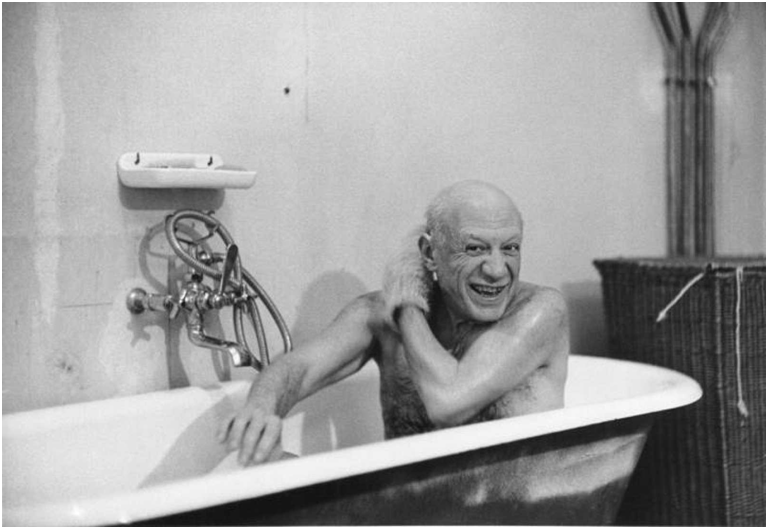
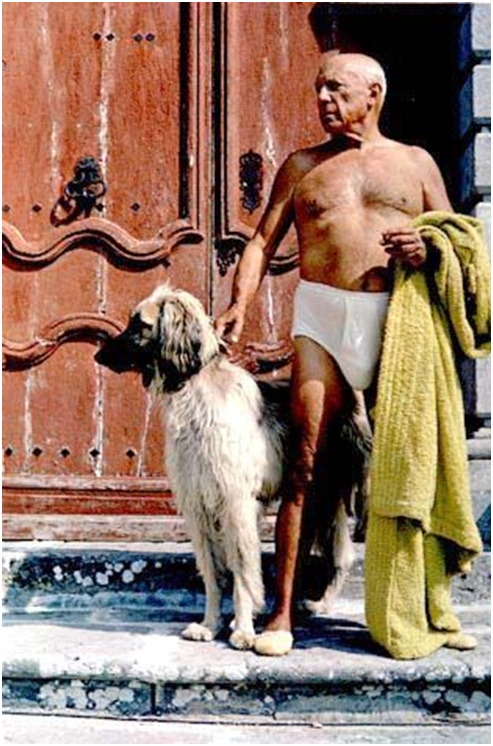
(Photo RTVE.es/Pablo Picasso bathing/08 FEB 1956/Private Collection © David Douglas Duncan 2011)

In Macca’s song, “Picasso’s Last Words” it says that the grand old painter died at three o’clock in the morning and that his last words were “Drink to me, drink to my health, you know I can’t drink anymore.” This song, recorded in Nigeria in 1973, was included in Macca’s best album (my opinion), Band on the Run.

This April marks the fiftieth anniversary of the death of Picasso and of the song. Good grief, time does fly! Picasso continues to be a major reference to art. His paintings still sell for millions of euros or dollars* and the influence that he exerted on the art world is still palpable, alive, well felt. And although we can say that Picasso was a man of the XIXth Century who conquered the XXth, his philosophy, aesthetics and artistry have seeped easily and clearly into the XXIst Century.

(Photo The New Barcelona Post)

There is no other artist in art history that has as many museums with his name and dedicated to his art. There are six, some I have visited, there is the Picasso museum in Barcelona, Madrid, Malaga, Paris, Antibes and the Kunstmuseum of Munster and a new one coming to Aix-en-provence. Picasso said once that if they gave him a museum he would fill it. He has filled six, and soon a seventh.

Frankly I am not surprised as I knew that Picasso was a very hard working artist. We don’t really know, to be exact, the amount of work he produced. And if we include his ceramics and sculptures, his book illustrations, theatre designs, ballet designs, et al, we would reach incredible numbers. Books, (oh books!), say that he created 13,500 paintings and designs, 100,000 engravings or lithographs, 34,000 illustrations for books, 300 sculptures or ceramics, but there may be more, or less…

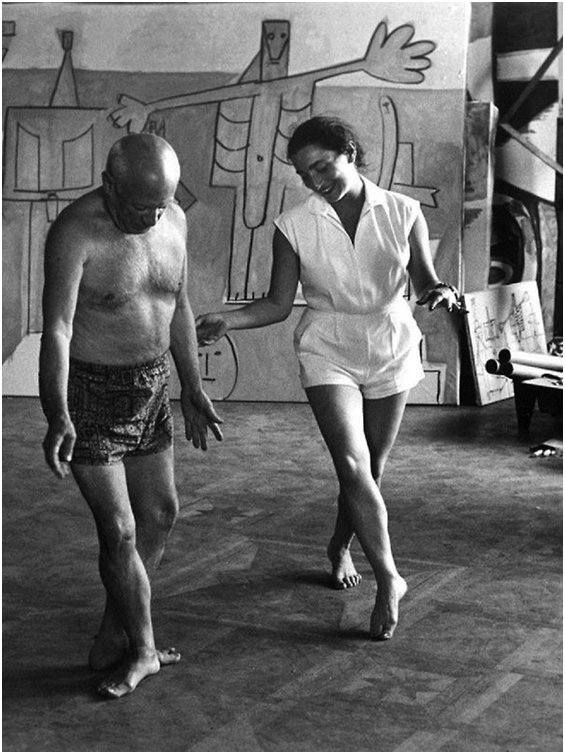
(Photo by David Douglas Duncan/1957/Pinterest)

Now, when the art world began to go in different directions, say around the time of Pollock’s Action Painting and other vanguards, Picasso was introduced to all of them but he rejected them all. He became an “outsider” and was left behind as a major player in the new emerging art world. So he re-created himself as the “buffoon.” He appeared several times on the cover of TIME and LOOK magazines, sometimes with flowers in his ears, disguised as a bullfighter or even in his underwear. He became a media sensation, showing his body at the age of seventy five.

(Photo by David Douglas Duncan/Pinterest)

I think that no matter how they tried, no one could contain the grand old master. Only death could and would hold him back. A death he had seen, accepted and painted. With that in mind it is no wonder he closed his “final curtain” with this most precise and nostalgic phrase: “Drink to me, drink to my health, you know I can’t drink anymore.” And I truly thank Paul McCartney for turning it into a great song.

CHEERS

#art, Mujeres artistas, la serie: Jenny Saville – Women Artists Series: Jenny Saville

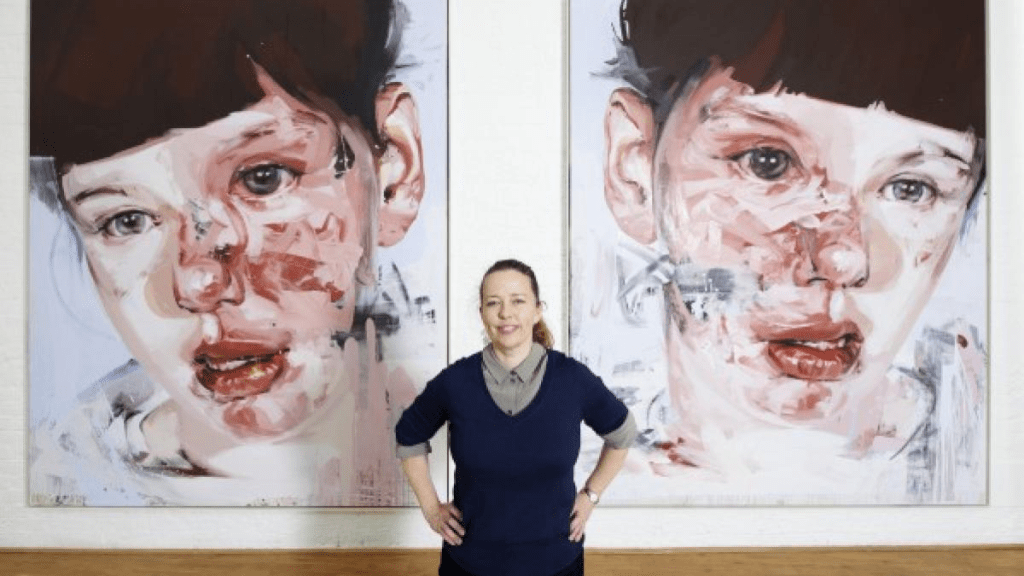
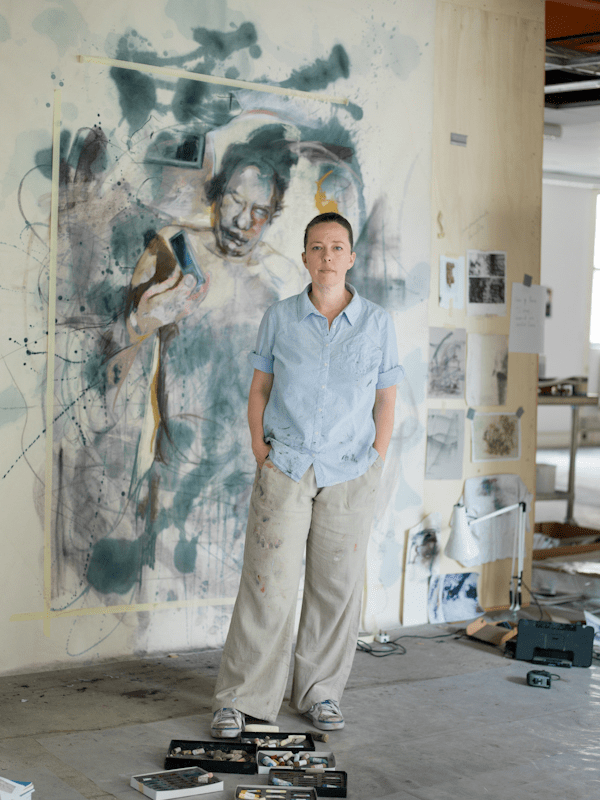
(Jenny Saville – foto/photo 20Minutos)

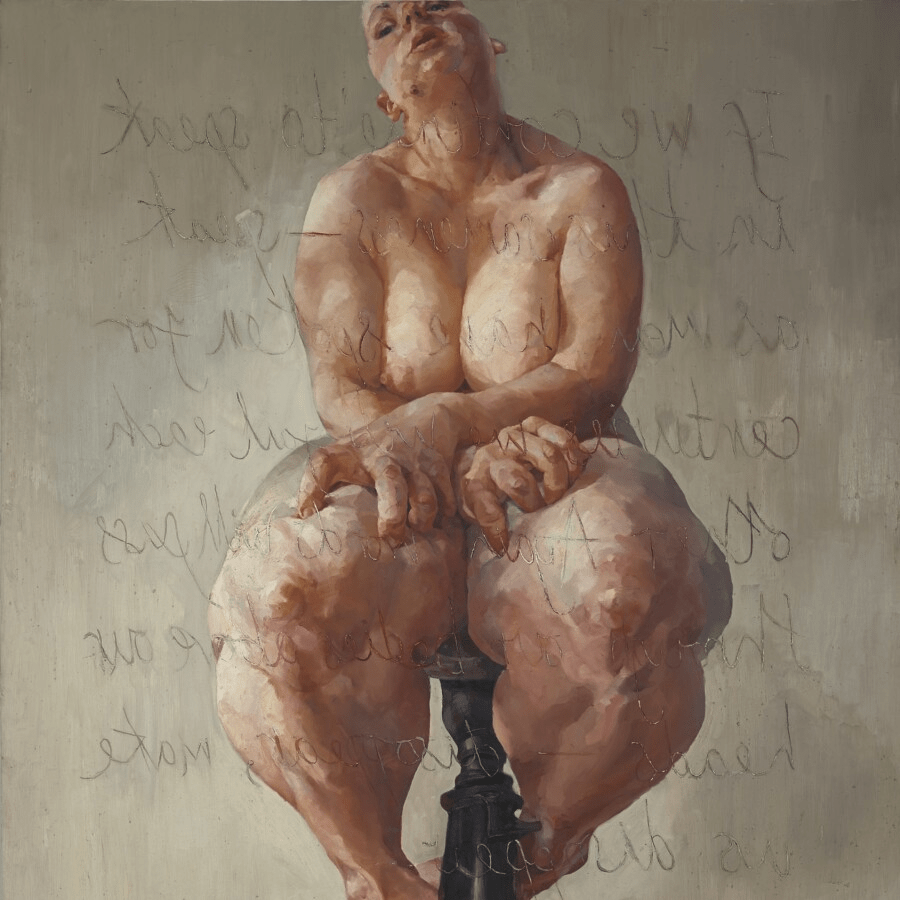
Una obra de esta artista llegó a ser la obra más cara de la historia en 2018. Fue «Propped» (de 1992) y se vendió (en subasta) por 10 millones de euros. Pero no importa, es una mujer y los hombres ganan más pues en la lista de los que mas valen están solo hombres. Algunos de estos son Jeff Koons, Damien Hirst y Banksy, artistas de los cuales no quiero ni acordarme porque uno es un empresario, el otro es un artista con poca imaginación y gusto y el tercero es un «activista» contra sistema que vive muy bien gracias al sistema. La obra de Jenny Saville si la considero arte, buena y verdadera, además de única, original, y muy bien hecha. Saville es una artista consagrada y muy bien preparada. No es una grafitera ni una a la que se le hubiera ocurrido meter un tiburón en un tanque de formol, ni tampoco hace un conejito de acero inoxidable (o de que se yo…), como el de los payasos en los cumpleaños de los críos.

+

This artist had the highest selling work by a woman artist in 2018 when her 1992 painting «Propped» sold at auction for 10 million euros. But it did not matter, male artists sell much higher and she was obscured by artists the likes of Jeff Koons, Damien Hirst and Banksy. These are «artists» which I prefer not to even think about. One is more of a business man than anything else, the other has very little imagination and taste and the third one is an «activist» against the «establishment» which has made him very, very rich. Jenny Saville is a real artist, trained and hard working. She is unique, original and well committed to her art. She is no graffiti activist or one who puts a shark in a tank of formaldehyde or one whose workers have created a bunny made of stainless steel (or whatever).

Jenny Saville nació en Cambridge, Reino Unido en 1970 y forma parte de los Young British Artists.

+

Jenny Saville was born in Cambridge, United Kingdon in 1970. She is a member of the Young British Artists.

(«Propped» 1992)

Es una artista que hay que conocer porque es joven, todavía esta trabajando y lográndose un lugar en la historia del arte.

+

This is an artist we must all come to know. She is young and working and achieving for herself a place in Art History.

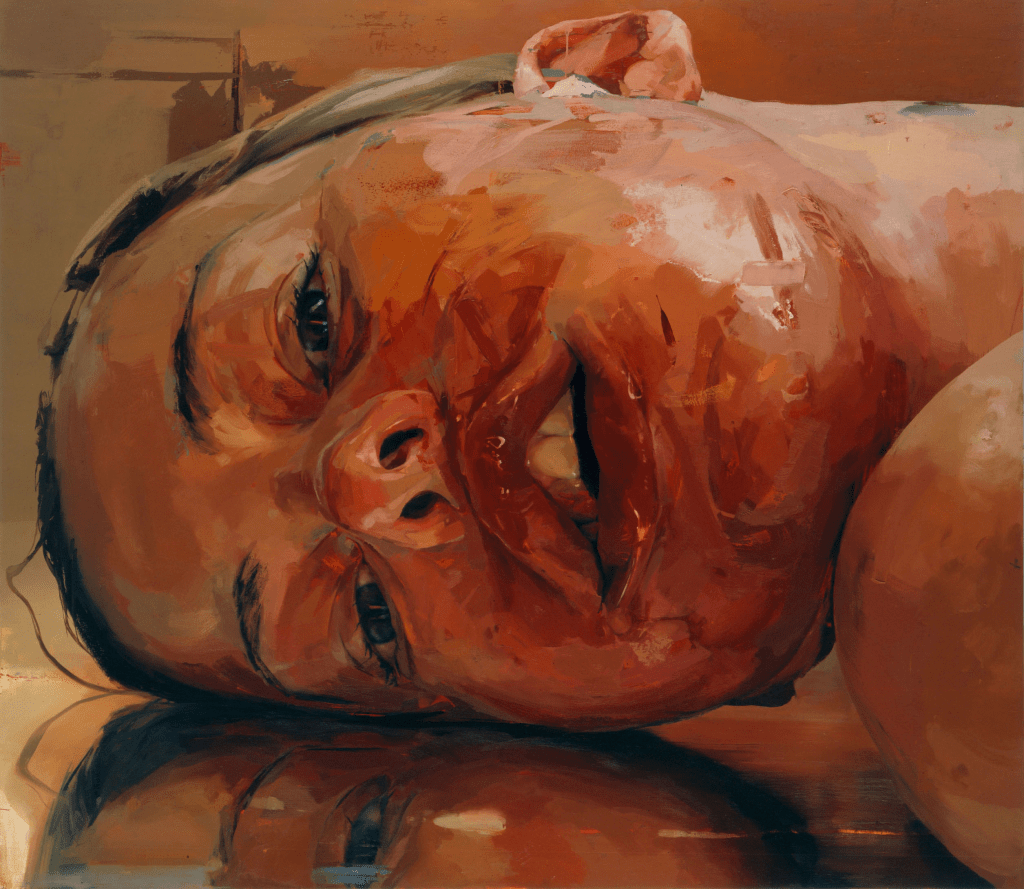
(«Reverse» 2003)
(Foto de autor desconocido/Photo by unknown author)

OMNIA CAELUM STUDIOS VALENCIA PRESENTA LA SERIE DE MUJERES ARTISTAS/ OMNIA CAELUM STUDIOS VALENCIA PRESENTS WOMEN ARTISTS SERIES

Aquí os dejo un corto vídeo de dos de mis artistas favoritas, Dorothea Tanning y Louise Bourgeois…

+++

Here I leave you with a short video about two of my favourite artists: Dorothea Tanning and Louise Bourgeois…

Gracias…

Cheers…

Artists Series: Pablo Picasso (More on the Genius of the XXth Century)

(Art Digital by Francisco Bravo Cabrera/All Rights Reserved

From Málaga to A Coruña and from there to Barcelona… From the prestigious Real Academia de Bellas Artes de San Fernando (Madrid), to Els Quatre Gats and from Barcelona to Paris… From a start at the «bateau lavoir» in Montmartre (1900) to the end at Mougins in 1973…

In a «nutshell» this was Pablo Picasso’s life. The child prodigy who grew up to be the «genius» of the 20th Century, the inventor of the collage, cubism and who opened the door to many of the art vanguards of the 20th Century was a card-carrying communist (but I won’t hold that against him), a womaniser, a…supposed…abuser and an infatigable artist who towards the end of his life decided to cannibalise most of art history…

Welcome to this post about my main and most important reference (as an artist), Pablo Ruiz Picasso. He was born in 1881 in Málaga, a small, provincial city in Andalucía, Spain. He died in a castle in southern France 91 years later. He lived life with abundance. He painted voraciously. His passion for life extended to many things including bullfighting, wine, women and clowning around. He must have had quite a unique sense of humour.

They say he was a child prodigy, but I don’t really think so. It’s hard to judge him against other children as we’ve no samples to view. But I can say that his father…who was an artist and an art professor…trained him well and taught him all he knew. So the young Pablo had a huge advantage over other children who might have also aspired to be the «genius» of art that Pablo ultimately became.

Here are some of his early works…

(«El picador amarillo»/1891/Photo My Modern Met)
(«La primera comunión»/1896/Photo My Modern Met)
(«Ciencia y caridad»/1897/Photo My Modern Met)

Although the last two show signs of knowledge, ability and technique, the first one doesn’t strike me as being the work of a child prodigy. Actually none of them do. With the training Pablo received, the coaching and the supervision of his father, it is no surprising he painted so well as a youth.

Part two coming very soon!

(2022)

CHEERS…

Two Great American Artists

This is an interesting part of Art History. I am sure you know these two, at least you know their work…

(2022)

Cheers…

(Please like the video, if you have watched it, as it helps us reach a higher position on the YouTube search engine. Thank you so much!)

#art, Great Women Painters: Iaia of Cyzicus – Ιαία της Κυζίκου

(Public Domain/Wikimedia Commons)

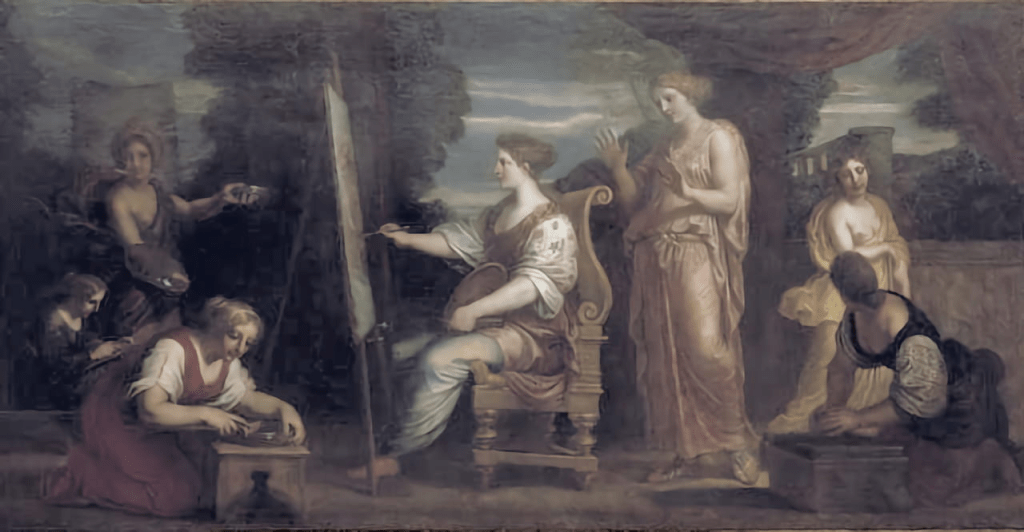
Latin historian Pliny the Elder said Iaia of Cyzicus was the first female painter to paint a self-portrait…

She was born in the Ancient Greek town of Cyzicus, now a part of Turkish Anatolia but moved to Rome to be an artist. Iaia, (Laia or Maia) painted and sculpted but only painted women. She was regarded as better than her male contemporaries and also, according to Pliny the Elder, painted faster and earned more.

Her date of birth is unknown, although it is known that she lived during the time of Marcus Terentius Varro* (116–27 B.C.) and possibly also died in 27 B.C.

Just as is the case with all the great artists of antiquity, like Apelles, there are no remaining works by Iaia. But I include her here because it is important to know that although art history has made it look like women artists are a product of the XXth Century, it is false. Women have been painting and sculpting since ancient times.

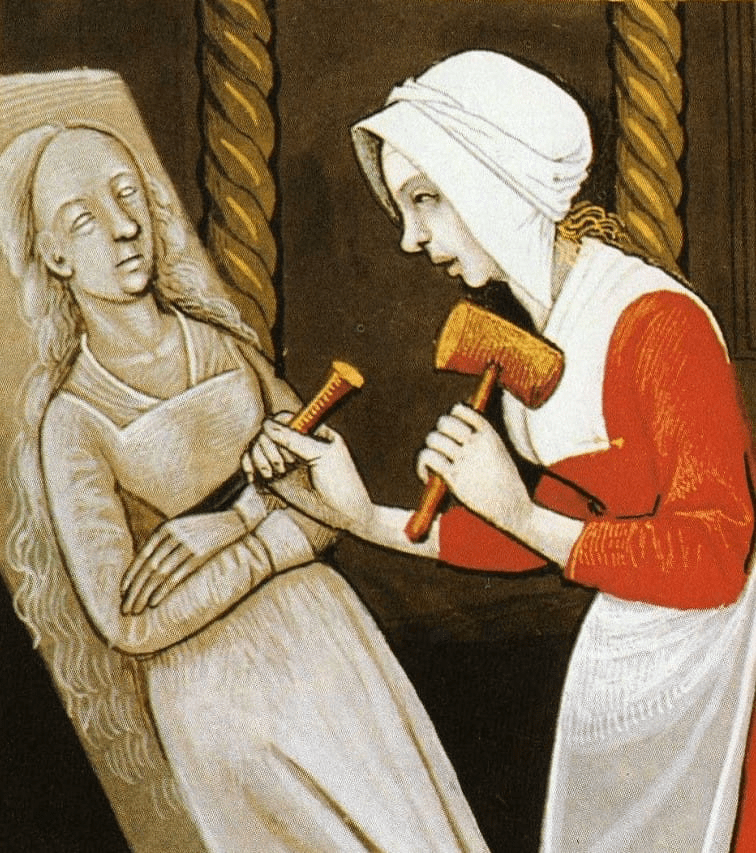
Under the name of Iaia Marcia she is one of three women artists mentioned in Boccaccio’s De mulieribus claris. Pliny the Elder also mentions Iaia in his Natural History along with four other women artists of antiquity: Timarete, Irene, Aristarete, and Olympias.

(Anonymous illustration in the French edition of Bocaccio’s De mulieribus claris of 1450)

Apparently there was more equality in Ancient Greece and Rome than what they are telling us in the official history that «they» are trying to sell us. So let’s start re-writing history…

* Marcus Terentius Varro was regarded by Plutarch as Rome’s greatest scholar and «third light of Rome».

+++

(Please do not forget to like, comment and share)

CHEERS

#art, Women Artists in Art History: Plautilla Nelli

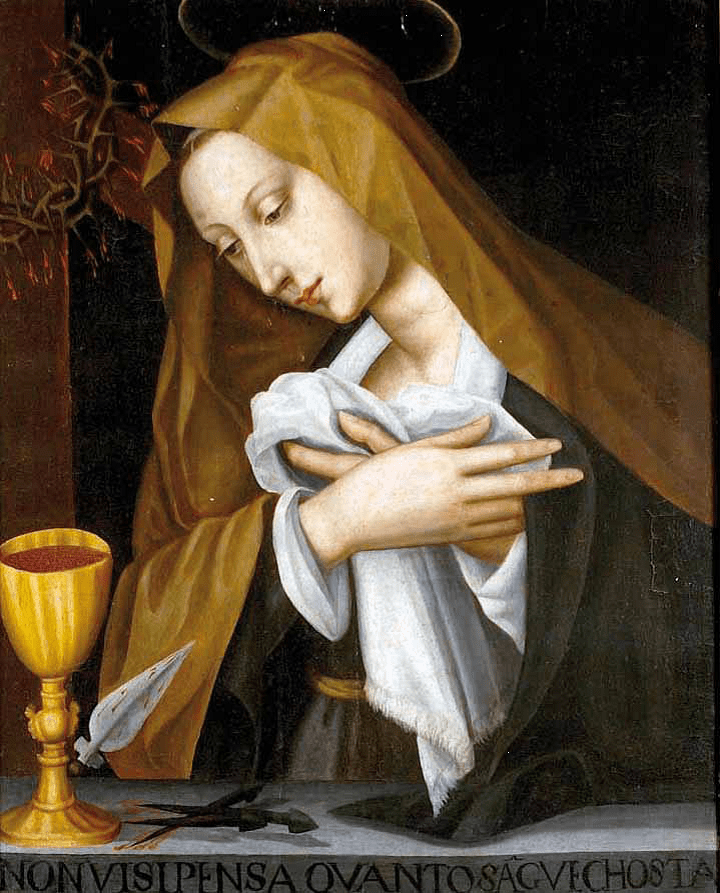
(«Dolorosa»/public domain)

Plautilla Nelli was a Dominican nun and a self-taught artist, possibly the first woman artist of Florence. She entered the convent at the age of 14 and immediately began teaching herself how to draw and paint. She was greatly influenced by the Dominican preacher Savonarola who encouraged women to paint, thus the convent becoming a huge art studio for many of the sisters.

Sister Plautilla had success selling her paintings, which she did in large scale as well as in miniature. She had many buyers, including women. She also served as professor to other nuns and many of the sisters of the convent of Saint Catherine of Sienna became her students and disciples. 

Her style was devotional and religious in nature, classic and mannerist as dictated by Savonarola. She inherited the drawings/sketches of Fray Bartolomeo and she was one of the few women included in Vasari’s «Life of the Most Excellent Painters, Sculptors and Architects».

Nelli is an important…woman…artist in Art History and should be studied. I would urge you to look further into the life and the work of this extraordinary woman. Sister Plautilla was born and died in Florence, (1524-1588).

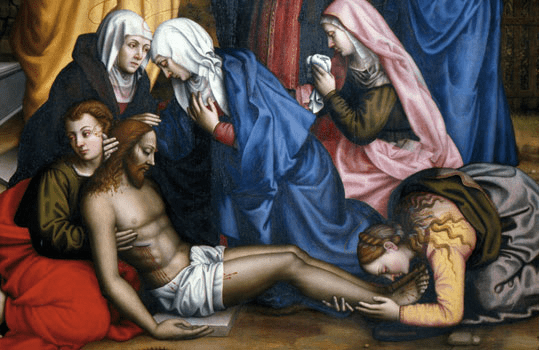
(«Lamentation»/Public Domain/commons.wikimedia.org)
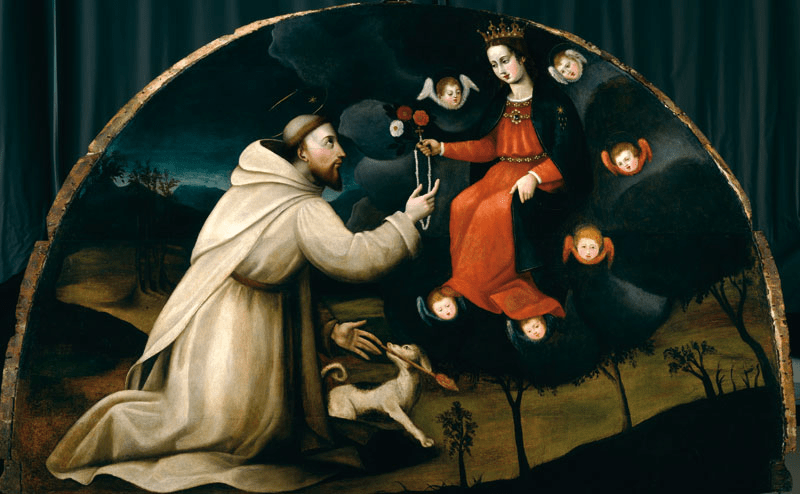
(«St. Dominic Receiving the Rosary»/Advancing Women Artists Foundation/Public Domain/commons.wikimedia.org)
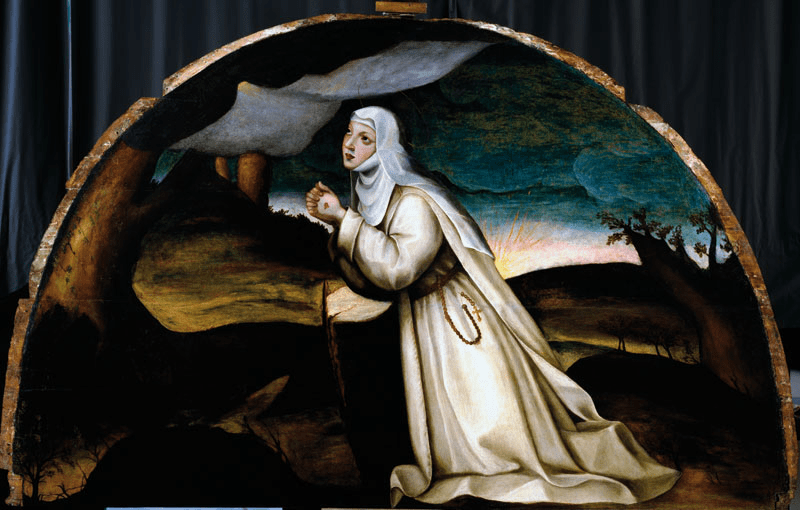
(«St. Catherine Receiving Stigmas»/Advancing Women Artists Foundation/Public Domain/commons.wikimedia.org)
(Do not forget to Like, Comment and Share)

CHEERS