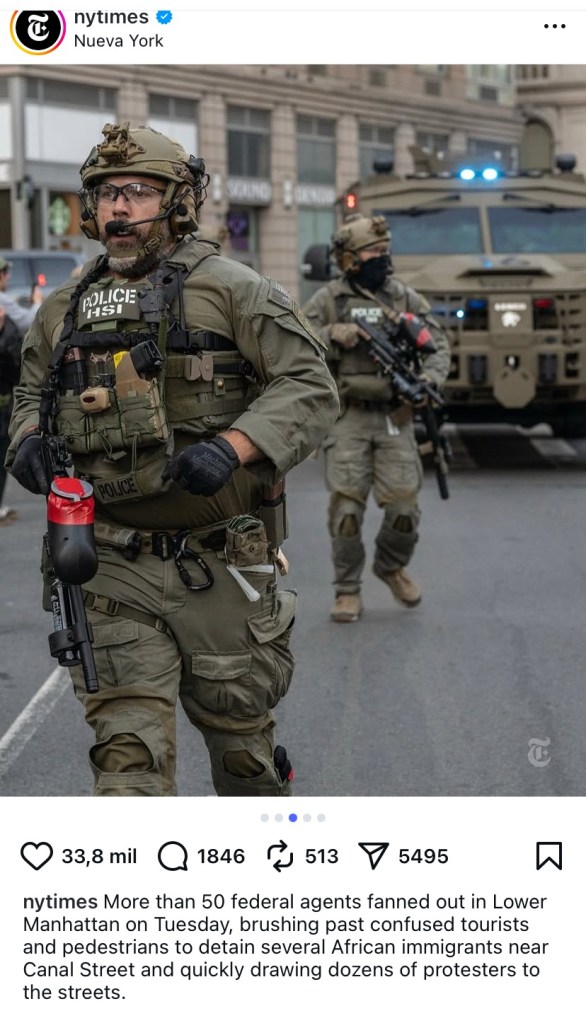
This image, which I have posted is property of The New York Times. I have shared it to display my horror and contempt for the Trump regime that has taken it upon themselves to terrorise people and to disrupt peaceful life. These “agents” should never walk the streets of any civilised city. They are not police, they are vicious thugs who do not know or understand respect for Human Rights.
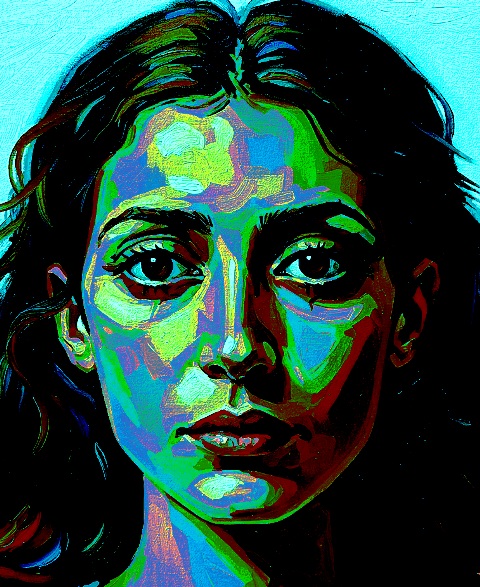
(«Alejandra P»/Francisco Bravo Cabrera/Derechos Reservados/All Rights Reserved)
Una gran poetisa y pintora, ya veréis…
Nació en Avellaneda, una ciudad de la provincia de Buenos Aires, Argentina en 1936. Estudio Filosofía y Letras en la Universidad de Buenos Aires, pero también estudio pintura con Juan Batlle Planas, pintor surrealista argentino. De 1960 al 1964 Pizarnik vivió en París y trabajó para la revista Cuadernos. Además publicó poemas y críticas en varios diarios, estudió historia de las religiones y literatura francesa en La Sorbona. Cuando regresó a Buenos Aires, Pizarnik publicó tres de sus principales volúmenes: Los trabajos y las noches, Extracción de la piedra de locura y El infierno musical, y su trabajo en prosa La condesa sangrienta.
Aunque en 1969 recibió una beca Guggenheim, y en 1971 una Fullbright, Alejandra, el 25 de septiembre de 1972, mientras pasaba un fin de semana fuera de la clínica psiquiátrica donde estaba internada, se suicidó ingiriendo cincuenta pastillas de Seconal, un barbitúrico. Fue una gran escritora que dejó un valioso legado para la literatura latinoamericana.
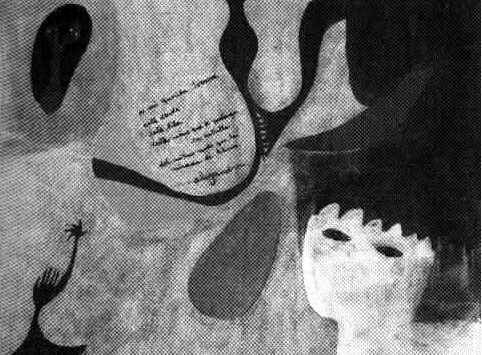
Pero, hoy y aquí, vamos a fijarnos en el trabajo visual, o sea, vamos a echarle una mirada, breve, a Alejandra como poetisa de los pinceles y los colores…
+++
A great poetess and painter, you will see…
She was born in Avellaneda, a city in the province of Buenos Aires, Argentina in 1936. She studied Philosophy and Literature at the University of Buenos Aires, but also studied painting with Juan Batlle Planas, an Argentine surrealist painter. From 1960 to 1964, Pizarnik lived in Paris and worked for the magazine Cuadernos. Additionally, she published poems and critiques in various newspapers, studied the history of religions and French literature at the Sorbonne. When she returned to Buenos Aires, Pizarnik published three of her main volumes: Los trabajos y las noches, Extracción de la piedra de locura, and El infierno musical, as well as her prose work La condesa sangrienta.
Although she received a Guggenheim Fellowship in 1969 and a Fulbright in 1971, Alejandra committed suicide by swallowing barbiturates, specifically Seconal, on September 25, 1972, while spending a weekend away from the psychiatric clinic where she was hospitalized. She was a great writer who left a valuable legacy for Latin American literature.
However, today and here, we are going to focus on the visual work, that is, we are going to take a brief look at Alejandra as a poetess of brushes and colors…
(Photo: Francisco Bravo Cabrera/All Rights Reserved)
A PLACE FOR LOVE
Some men cast nets out in the sea, where tides can shift, where winds may tease, and where boats will drift. It seems to me their nets the fish can see, and from those men the fish will flee.
I am the search. I am the seeker. I throw no nets, I know what gets trapped in nets needs not the nourishment I feed.
I seek for hearts. I seek for minds with words to feed. I seek for souls to awaken from their sleep.
I seek them in the darkened streets, where they have hungered, so I can fill their hearts, with truth through words that heal and stay. To these I sing a song of praise with this calloused voice with which I pray.
I let His Spirit be the tide, that guides my boat through currents strong, for when you’re called you will arrive, no longer lost, to fish for truth, no matter cost.
Fishermen cast nets in waters deep, and I cast words toward hearts that keep within the rhythm of their steady beats a place for hope, a place for peace, a place for love and a place to seek…
Valencia, 24 OCT 2025 – Francisco Bravo Cabrera
NOTA BENE These short verses came from the heart, inspired by the words of Jesus to his first Apostles, Peter and Andrew. Jesus said, «Follow me, and I will make you fishers of men». These words are recorded in the Gospels of St. Mark and St. Matthew. Jesus said this to them as the brothers were casting a net into the Sea of Galilee. (St. Mark 1:16-18; St. Matthew 4:18-20.
(Photo: Francisco Bravo Cabrera/All Rights Reserved)
A PLACE FOR LOVE
Some men cast nets out in the sea, where tides can shift, where winds may tease, and where boats will drift. It seems to me their nets the fish can see, and from those men the fish will flee.
I am the search. I am the seeker. I throw no nets, I know what gets trapped in nets needs not the nourishment I feed.
I seek for hearts. I seek for minds with words to feed. I seek for souls to awaken from their sleep.
I seek them in the darkened streets, where they have hungered, so I can fill their hearts, with truth through words that heal and stay. To these I sing a song of praise with this calloused voice with which I pray.
I let His Spirit be the tide, that guides my boat through currents strong, for when you’re called you will arrive, no longer lost, to fish for truth, no matter cost.
Fishermen cast nets in waters deep, and I cast words toward hearts that keep within the rhythm of their steady beats a place for hope, a place for peace, a place for love and a place to seek…
Valencia, 24 OCT 2025 – Francisco Bravo Cabrera
NOTA BENE These short verses came from the heart, inspired by the words of Jesus to his first Apostles, Peter and Andrew. Jesus said, «Follow me, and I will make you fishers of men». These words are recorded in the Gospels of St. Mark and St. Matthew. Jesus said this to them as the brothers were casting a net into the Sea of Galilee. (St. Mark 1:16-18; St. Matthew 4:18-20.
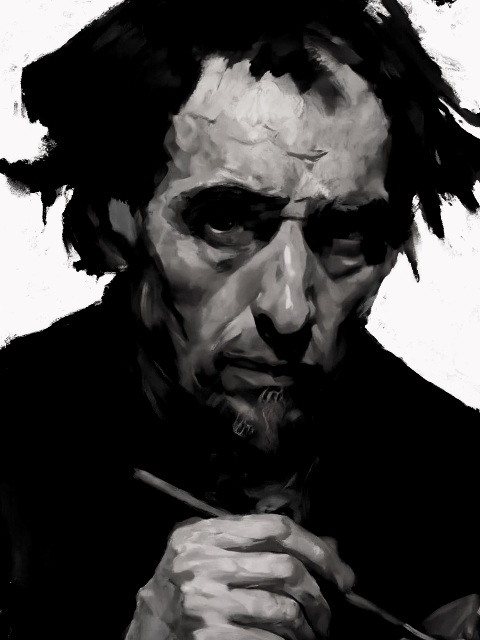
(«Lázaro»/Francisco Bravo Cabrera/Derechos Reservados/All Rights Reserved)
LÁZARO (Escrita mientras escuchaba el piano concerto No. 20 de W. A. Mozart)
¿Quién ha soñado esto? Un sueño tan etéreo, yo envuelto en un sudario, y arropado en un misterio?
Ahora me sobra el tiempo, ¿Qué tiempo? El tiempo que ayer no tuve, pero que hoy me acaricia y me besa las mejillas, con unos trocitos de hielo ardientes que no se derriten ni bajo el sol, el sol de maravillas que broncea mi piel hoy.
¿Qué cosa es el tiempo sino los pensamientos ociosos del creador, cuyo amor hoy siento?
El tiempo no lo mido con un reloj, lo atesoro en una caja fuerte.
No soy dueño de mis sueños, pero los archivo.
No soy dueño de mi vida, pero la saboreo dulcemente.
Enfrentándome a todo lo que no soy, grito ¡Soy Lázaro estoy despierto! He soñado en tu cabeza y tú me has dado este cuerpo.
Un hombre me despertó, y ahora no lo encuentro. El sueño no lo recuerdo, Quizá tu sí pues era tuyo.
Soy Lázaro ¿Eterno? Si…
Lo único que tengo es tiempo, pero el tiempo me acecha, me tortura, me horroriza, y me refugio en el regazo de una dama que cosecha flores con fragancias venenosas. Entre ellas, una que me inspira a imaginarme cosas que jamás serán..
Soy Lázaro… Si me ves por los jardines, entre flores venenosas y entre historias milagrosas, ¿Me conocerás?
Francisco Bravo Cabrera – 05 de agosto de 2025 – Esmirna, Turquía
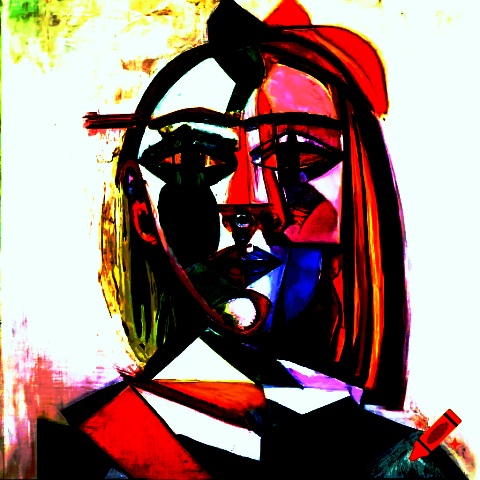
(«Bodo Medieval»/Francisco Bravo Cabrera/All Rights Reserved)
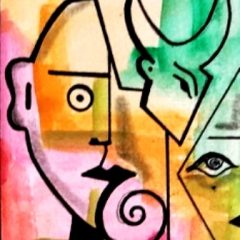
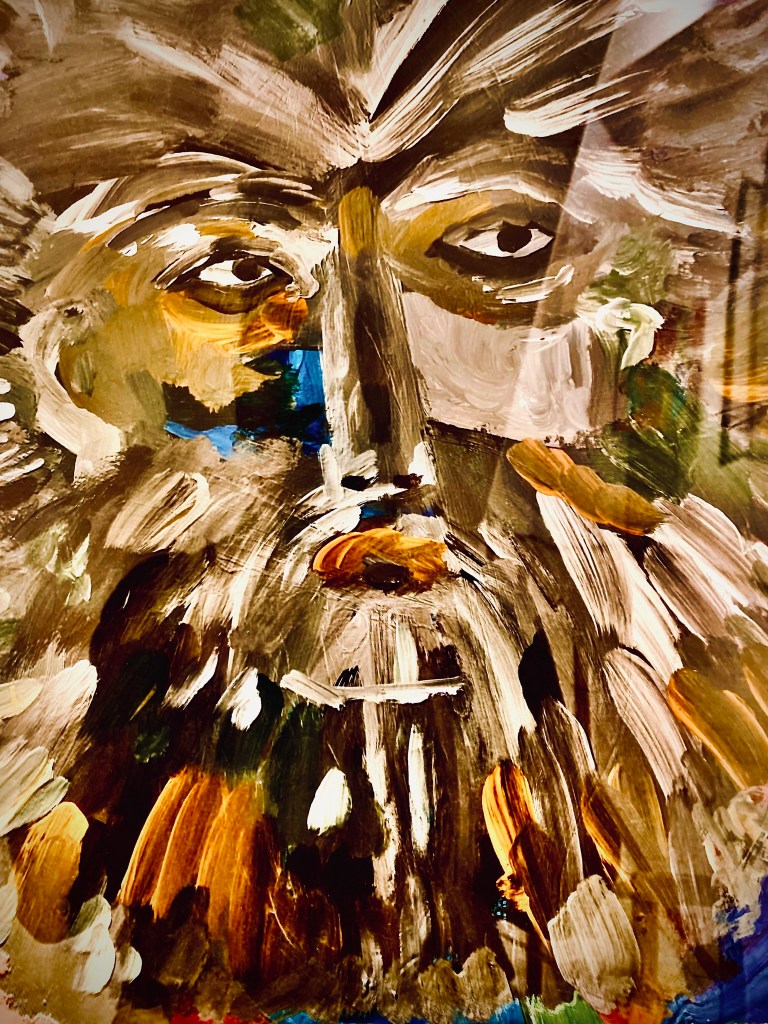
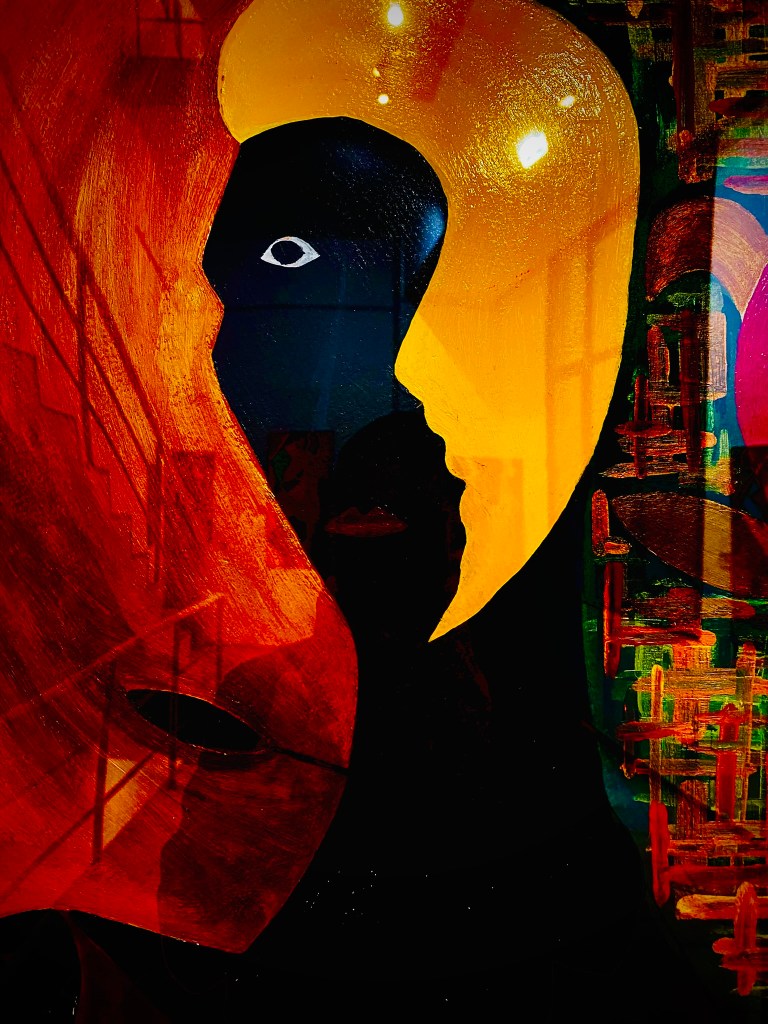
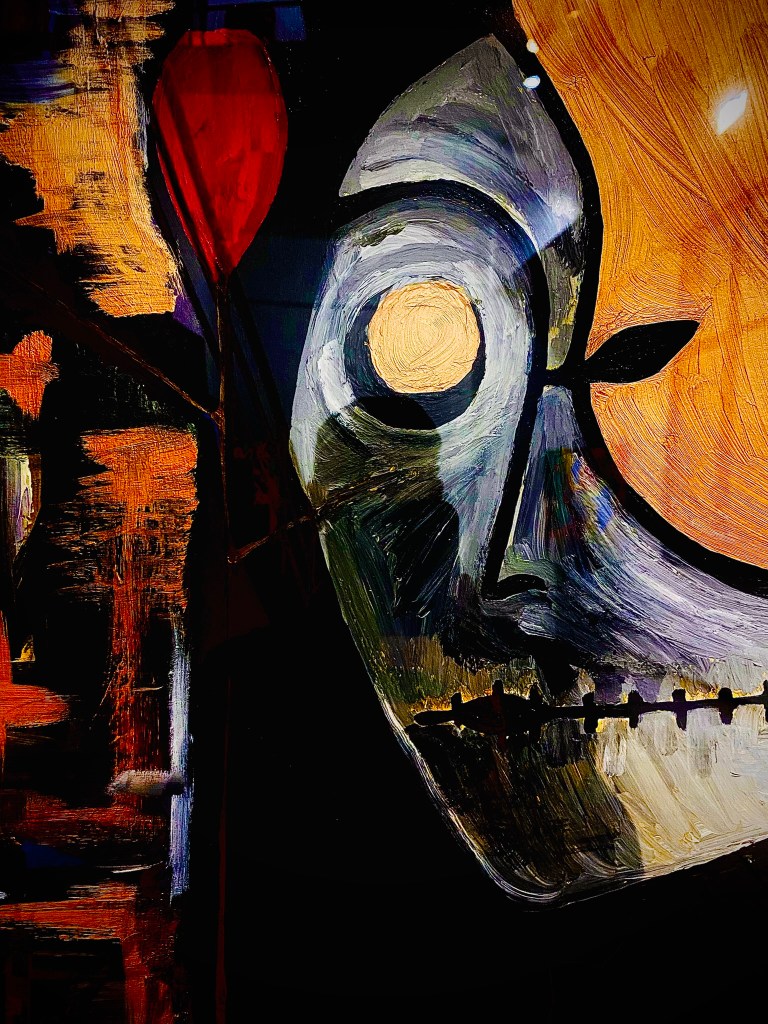
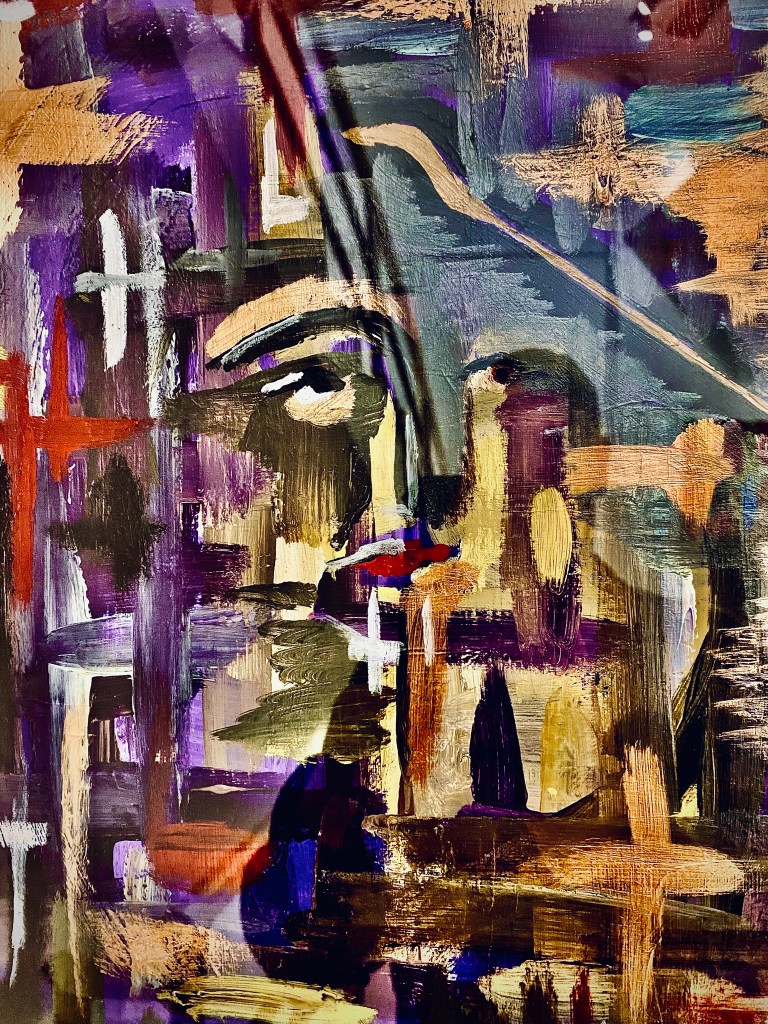
Expressionism was one of the great art vanguards of the 20th Century that has persevered and triumphed in the 21st… Expressionism began in Germany and quickly spread throughout Europe and later to America. Although my work generally falls within my special style, «Surreal-Expressionism», I think these acrylic on canvas paintings slide more towards the expressionist side.
(All Rights Reserved)(All Rights Reserved)(All Rights Reserved)(All Rights Reserved)(All Rights Reserved)(Original artworks by Francisco Bravo Cabrera/All Rights Reserved)




 JaZzArt en València