#art, Nahui Olin, artista-poeta mexicana – Nahui Olin, Mexican poet and artist

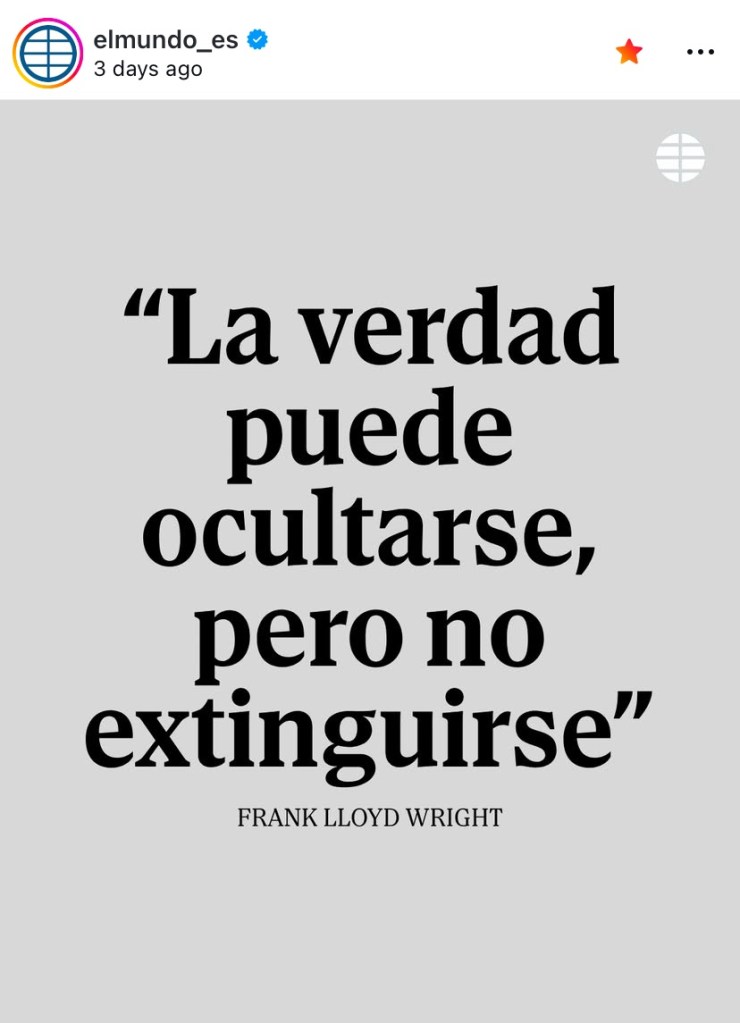
(Image source El Mundo/La pintora y poeta Carmen Mondragón, mejor conocida como ‘Nahui Olin’. INBA

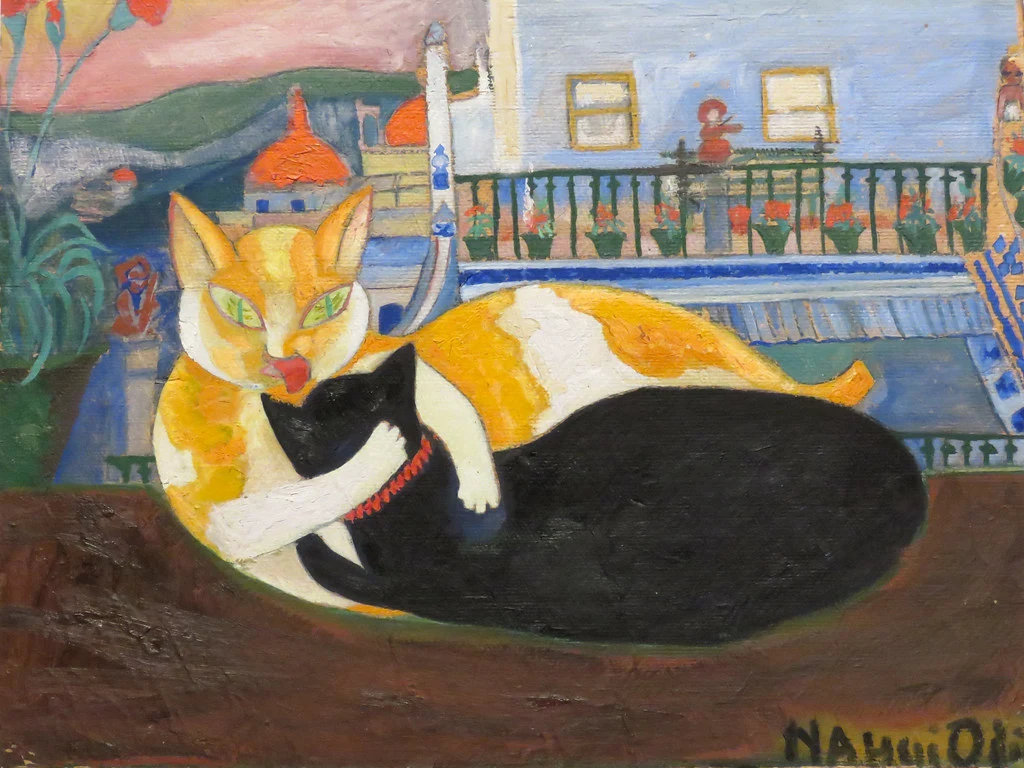
Lo primero que os dire es que no la conocía y me alegro mucho de que conocimiento de ella me haya llegado. Por supuesto que en la facultad jamás me hablaron de ella, pero Nahui Olin fue un autentico fenómeno en las artes mexicanas. Fue la mujer que liberó a las mujeres artistas…de las antiguas moralidades…de su país. Nahui Olin, fue una verdadera feminista ademas de una revolucionaria. Y lo de ella fue autentico y artistico, no como la otra que siempre mencionan, digamos, Frida Kahlo. Pues a la Kahlo la conocéis, no por ser artista, ni mucho menos por feminista, sino por el merchandising que se ha creado con su nombre y su imagen… Se llamaba María del Carmen Mondragón Valseca y nació en México el 8 de julio de 1893. Fue poeta, pintora y modelo… Quizá la influencia de la escritora inglesa Mary Wollstonecraft la acerco al feminismo y ya que se representaba a si misma en sus pinturas podemos deducir que conocía bien el movimiento feminista mexicano y anglosajón. Estos resultaron en valiosas referencias y un gran empujón a su creatividad… A sus cuatro años de edad su familia se traslado a Francia donde vivieron ocho años y allá fue donde la joven Carmen estudio artes, danza, canto, pintura y teatro… En 1922, durante su relación con el artista plástico Gerardo Murillo, conocido como Doctor Atl, ella toma el nombre de Nahui Olin, que significa cuatro movimiento o perpetuo movimiento en náhuatl. También esta fue su etapa más prolífica de su producción poética y pictórica. Se fue así apartándose de su vida acomodada y comenzó a relacionarse cada vez más con su raíces indígenas… Su obra pictórica es Naif, y muchos de sus cuadros son autorretratos y también muchos que se caracterizan por ser eróticos y en donde explora su sexualidad… Su obra poética se caracteriza por sus temas concernientes a la libertad corporal de las mujeres, cosa revolucionaria para su época…. Nahi Olin murió en su ciudad natal en 1978.

+++

The first thing I’ll tell you is that I did not know her, and I am very glad that I have come to know about her. Of course at Uni no one ever spoke to me about her, but Nahui Olin was a true phenomenon in Mexican arts. She was the woman who liberated female artists… from the old moralities… of her country. Nahui Olin was a true feminist as well as a revolutionary. What she created was authentic and artistic, unlike the other artist that is always mentioned, let’s say, Frida Kahlo. You know Kahlo, not as an artist, nor certainly as a feminist, but for the merchandising created around her name and image… Her name was María del Carmen Mondragón Valseca, and she was born in Mexico on July 8, 1893. She was a poet, painter, and model… Perhaps the influence of the English writer Mary Wollstonecraft brought her closer to feminism, and since she represented herself in her paintings, we can deduce that she was well-acquainted with both the Mexican and Anglo-Saxon feminist movements. These experiences provided valuable references and a great boost to her creativity… At the age of four, her family moved to France, where they lived for eight years, and it was there that young Carmen studied arts, dance, singing, painting, and theater… In 1922, during her relationship with the plastic artist Gerardo Murillo, known as Doctor Atl, she adopted the name Nahui Olin, which means “four movement” or “perpetual movement” in Nahuatl. This was also her most prolific stage for poetic and pictorial production. Thus, she distanced herself from her comfortable life and began to relate more with her indigenous roots… Her pictorial work is Naif, and many of her paintings are self-portraits, as well as others characterized by their eroticism, where she explores her sexuality… Her poetic work is marked by themes concerning women’s bodily freedom, which was revolutionary for her time… Nahui Olin died in her hometown in 1978.

+++++
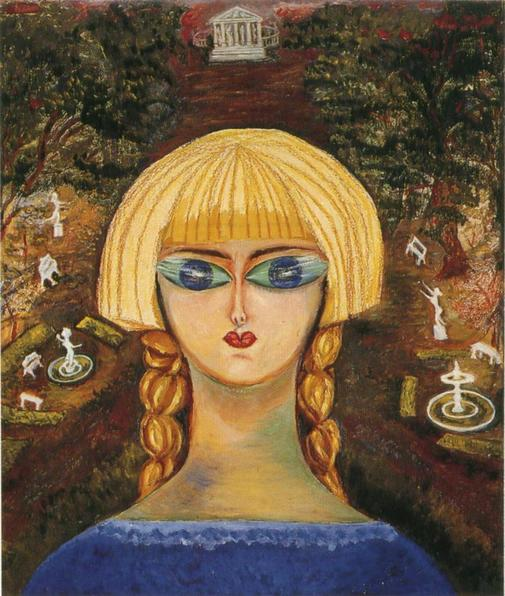
(Autorretrato)
(Dos Gatos)
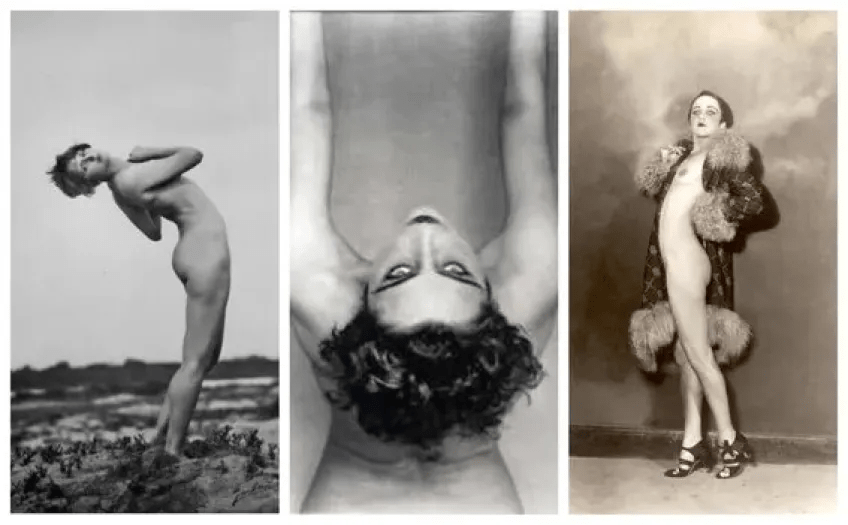
(Posados para varios fotógrafos)

GRACIAS – CHEERS

#poem, Cuando… Quan…

(De Francisco Bravo Cabrera/Drets Reservats/Derechos Reservados)

Cuando las cosas huelen mal es porque malas cosas son…

Cuando la voz ruge y suena amenazadora, agárrate y prepárate para defenderte, pues te estan amenazando…

Cuando alquilen se te acerca y te mete un empujón, estate seguro que quiere bronca contigo…

Pero cuando alguien te sirve una copa de vino… ah, eso es otra cosa… ese es un gesto maravilloso de amistad y de franqueza y de deseos de que te sientes a charlar un rato pues lo más probable es que te sirva otra…

+++

Quan les coses fan mala olor és perquè males coses són…

Quan la veu rugeix i sona amenaçadora, agafa’t i prepara’t per defensar-te, perquè t’estan amenaçant…

Quan lloguin se t’acosta i et fica una empenta, estigues segur que vol bronca amb tu…

Però quan algú et serveix una copa de vi… ah, això és una altra cosa… aquest és un gest meravellós d’amistat i de franquesa i de desitjos que et sents a xerrar una estona doncs el més probable és que te’n serveixi una altra…

Francisco Bravo Cabrera – València

Gracias – Gràcies

#art, El hombre que se robo la Mona Lisa – The Man Who Stole the Mona Lisa

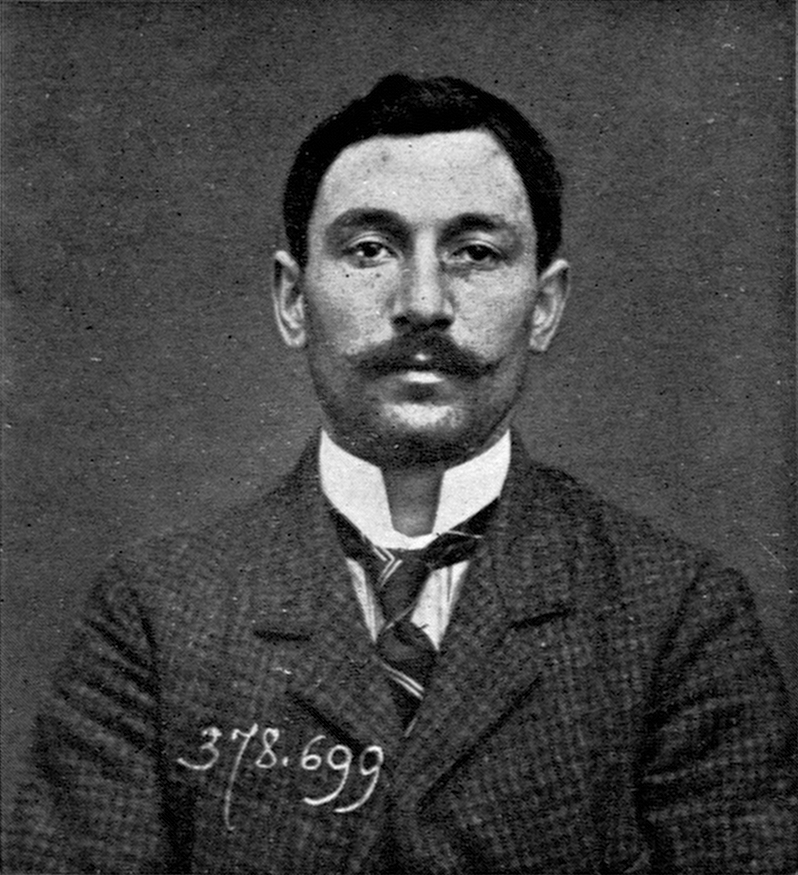
(Foto policial de Periggia/Autor desconocido/Dominio público,/Peruggia’s mugshot/Unknown author/Public Domain)

Bueno, he oído decir que Vicenzo Peruggia fue un artista. Otras fuentes dicen que era un decorador. Realmente no lo sé porque no se encuentra mucha información de este sujeto. Sin embargo, si sabemos que fue empleado en el Museo del Louvre limpiando y restaurando marcos. Nació en Dumenza, Italia, en 1881 y es famoso (o infame) por robar la Mona Lisa del Louvre en 1911.

A Peruggia lo cogieron dos años después y declaro a la policía que simplemente entró por la entrada de empleados vistiendo una bata blanca, que era la que solían usar los empleados del Louvre y que nadie se entero de su presencia dentro del museo. Fue a eso de las 07:00 horas y el museo estaba casi vacío, ya que era un lunes, el día en que el museo permanecía cerrado. Simplemente tomó la pintura de la pared, quitó el marco, cubrió la pintura (pintada en madera) con la bata, la metió debajo del brazo y se fue por donde mismo habia entrado.

La pintura fue descubierta solo porque un estudiante de bellas artes vino a hacer estudios de la Mona Lisa, a partir del original, y la encontró desaparecida. Como se puede ver, la pintura, aunque importante, no era una obra de arte muy famosa antes del robo. Después del robo todo cambia para el retrato. Se llevó a cabo una investigación e incluso se sospechó de Picasso en el robo. Durante la investigación, la pintura comenzó a hacerse muy famosa. Se escribieron canciones, se hicieron sketches para cómicos y numerosos chistes. La gente incluso acudía en masa al museo para ver el espacio vacío en la pared donde había estado colgada la pintura, aunque antes no muchos habían le habían prestado atención.

Peruggia llevó la pintura en tren a Florencia, donde la mantuvo en su apartamento. Luego contactó a un propietario de galería, Alfredo Geri, de quien esperaba una recompensa por devolver la pintura a su patria. Sin embargo, cuando la pintura que mostró a Geri fue autenticada por el director de la Galería Uffizi, Giovanni Poggi, se llamó a la policía y Peruggia fue arrestado.

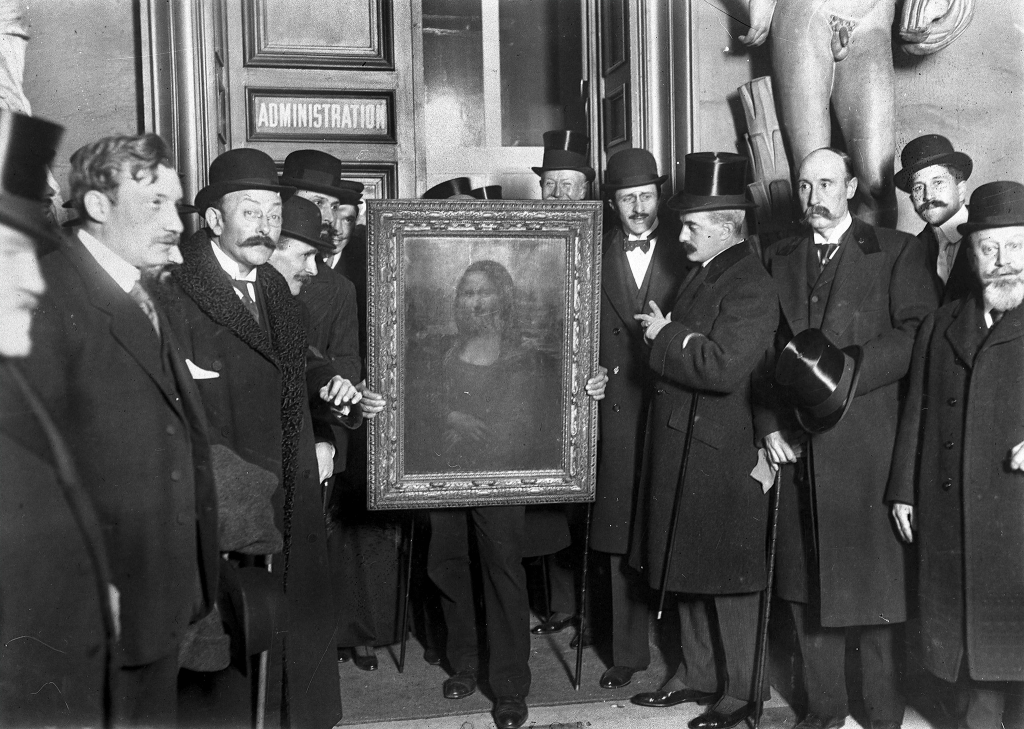
Después de que la pintura fuera «rescatada», se llevó de gira por toda Italia y se devolvió al Louvre en 1913. Esta notoriedad hizo de la Mona Lisa la pintura más famosa del mundo. Peruggia afirmó que era un patriota italiano y que estaba trayendo la pintura de regreso a donde pertenecía. Sospechaba que Napoleón la había robado durante sus múltiples saqueos de obras de arte en Italia. Pero si hubiera estudiado historia del arte, habría sabido que la pintura fue un regalo de Leonardo al rey Francisco I cuando el pintor se trasladó a Francia, cientos de años antes del nacimiento de Napoleón.

Estoy convencido de que esa es la fuente de la fama del retrato de Mona Lisa, ya que la pintura en realidad no es un retrato tan fino, quizá hasta de segunda, y definitivamente no es el mejor que Leonardo jamás haya hecho. Al menos esa es mi opinión.

Peruggia murió en París en 1925 de un ataque al corazón el día de su cumpleaños, siendo el 8 de octubre. Había luchado en la Primera Guerra Mundial en el ejército italiano y había sido prisionero de guerra, capturado y encarcelado dos años por los austrohúngaros.

+++

(El regreso de la Mona Lisa/autor desconocido/Dominio Público/Return of the Mona Lisa/Unknown author/Public Domain)

+++++

Well I have heard it say that Vicenzo Peruggia was an artist. Other sources say he was a decorator. I really do not know because not much information is found now. However, he was employed at the Louvre Museum cleaning and refurbishing frames. He was born in in Dumenza, Italy in 1881 and he is famous (or infamous) for stealing the Mona Lisa from the Louvre in 1911.

Peruggia was caught two years later and stated to the police that he simply entered through the employees entrance wearing a white smock, that Louvre employees usually wore. It was around 0700 hours and the museum was almost empty, being that it was a Monday the day the museum stayed closed. He simply took the painting off the wall, removed the frame, covered the painting (painted on wood) with the smock, tucked it under his arm and walked away.

The painting was discovered only because a painter came to paint the Mona Lisa from the original and discovered it missing. As you can see, the painting, although important, was not a very famous art work at the time before the theft. After the theft it is a different story. In any event an investigation followed and even Picasso was suspected of the theft. Even during the investigation the painting was beginning to become very famous. There were songs written, comedy sketches made and numerous jokes. People were even flocking to the museum to see the empty space on the wall where the painting (which not many had previously paid attention to before) had hung.

Peruggia took the painting, by train, to Florence where he kept the painting in his apartment. Then he contacted a gallery owner, Alfredo Geri, from whom he expected a reward for returning the painting to its homeland. However, when the painting he showed Geri was authenticated by the director of the Uffizi Gallery, Giovanni Poggi, the police were called and Peruggia was arrested.

After the painting had been «rescued» it was taken on tour all over Italy and returned to the Louvre in 1913. This notoriety made the Mona Lisa the most famous painting in the world. Peruggia claimed that he was an Italian patriot and was bringing the painting back to where it belonged. He suspected Napoleon had stolen it during his many sacks of artworks in Italy. But had he studied art history he would have known that the painting was a gift from Leonardo to King Francis I when the painter moved to France hundreds of years before the birth of Napoleon.

I am convinced that is the source of fame as the painting is not really such a fine portrait and definitely not the best one Leonardo ever made. At least that is my opinion.

Peruggia died in Paris in 1925 of a heart attack on his birthday, October 8. He had fought in WWI on the Italian army and had been a prisoner of war for two years, captured by the Austro-Hungarians.

GRACIASCHEERS

Queridos amigos – Dear Friends

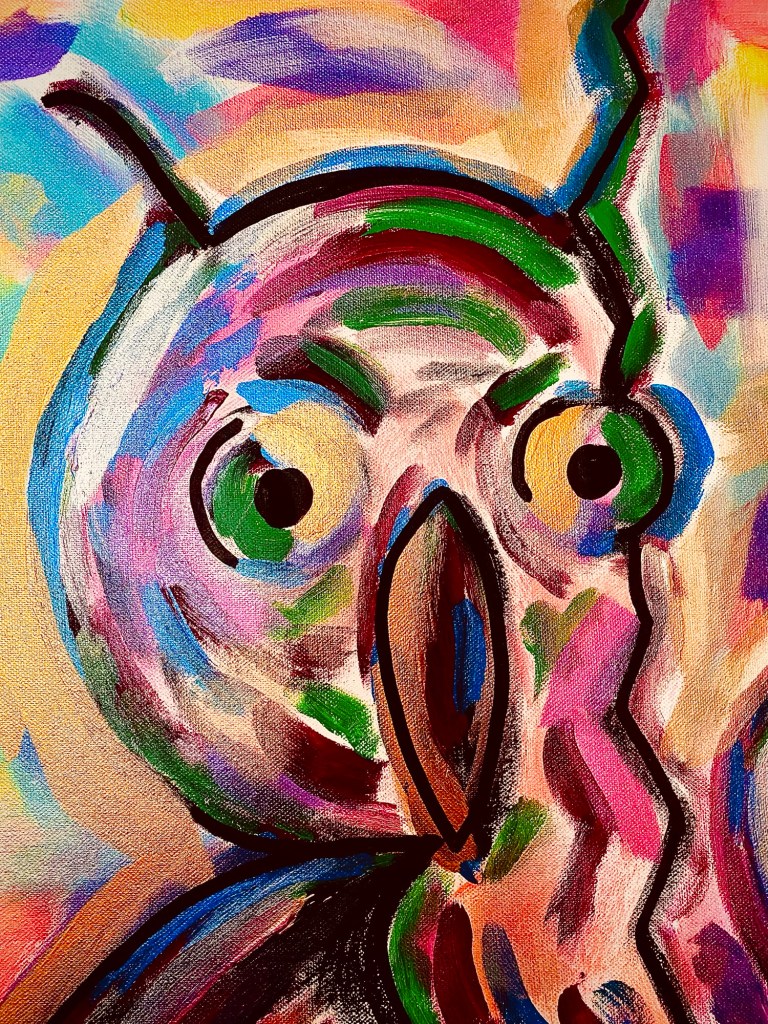
(“Bunny”/Francisco Bravo Cabrera/All Rights Reserved)

Llega la temporada de grandes cambios en Omnia Caelum Studios Valencia y por eso no vamos a estar, como de costumbre, en el blog, pero si estaremos al tanto y seguiremos publicando, aunque tendremos que re-ciclar algunas entradas, pero os prometemos que serán las más interesantes. Hasta pronto…

+++

The season of great changes is arriving at Omnia Caelum Studios Valencia, and that’s why we won’t be as present on the blog as usual. However, we will stay informed of your posts and continue publishing, although we will have to recycle some posts, but we promise they will be the most interesting ones. See you soon…

+++++

Arriva la stagione dei grandi cambiamenti in Omnia Caelum Studios Valencia e per questo non saremo, come al solito, sul blog, ma saremo attenti e continueremo a pubblicare, anche se dovremo riciclare alcuni post, ma vi promettiamo che saranno i più interessanti. A presto…

+++++++

Chegou a temporada de grandes mudanças na Omnia Caelum Studios em Valencia e por isso não estaremos, como de costume, no blog, mas estaremos atentos e continuaremos publicando, embora tenhamos que reciclar algumas postagens, prometemos que serão as mais interessantes. Até breve…

+++++++++

La saison des grands changements arrive chez Omnia Caelum Studios à Valence, et c’est pourquoi nous ne serons pas, comme d’habitude, sur le blog, mais nous resterons à l’écoute et continuerons à publier, même si nous devrons recycler certains articles, mais nous vous promettons qu’ils seront les plus intéressants. À bientôt…

+++++++++++

Gracias – Cheers – Merci – Grazie – Obrigado

Bon dia

Esto no lo creen los políticos…

#art, Alma Buscher in the Women Artists Series 2025

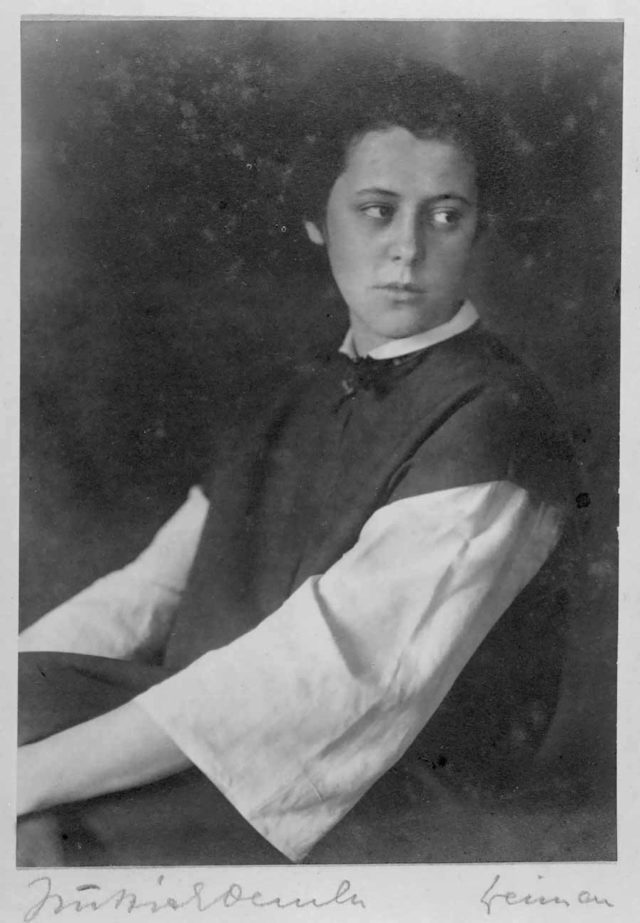
(Photo El Mundo)

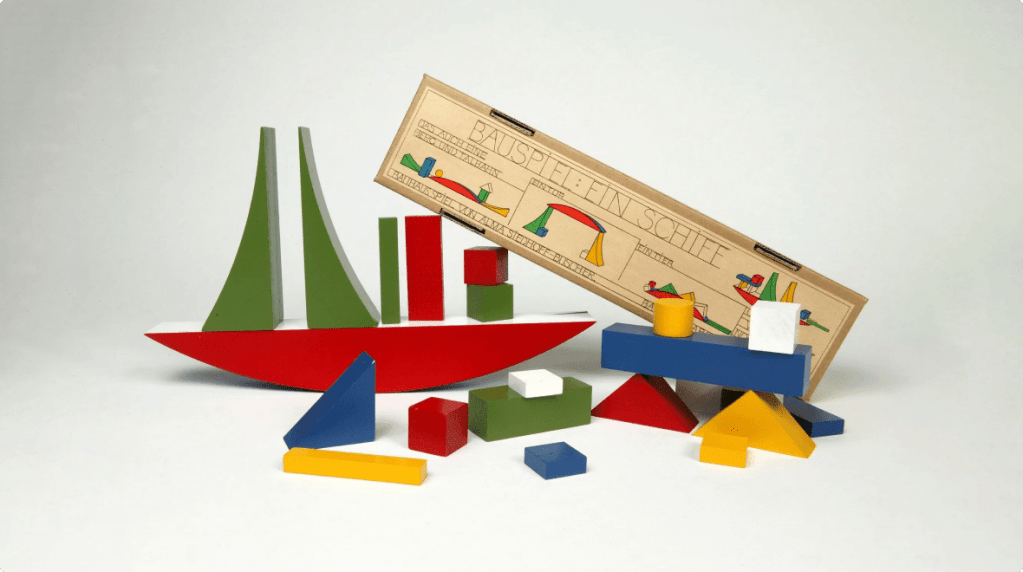
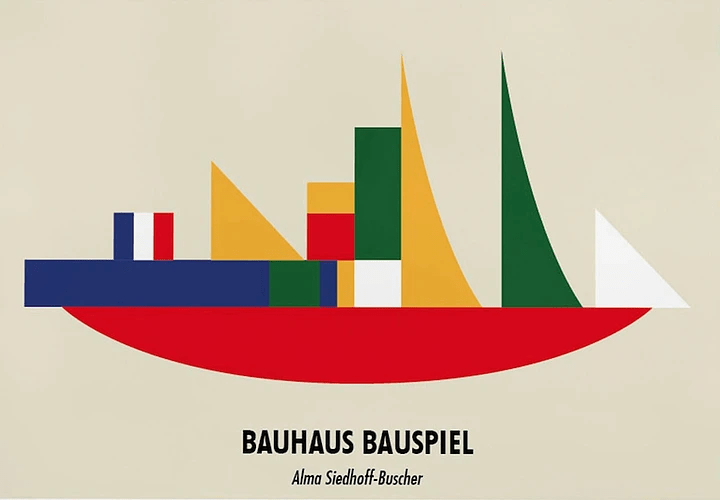
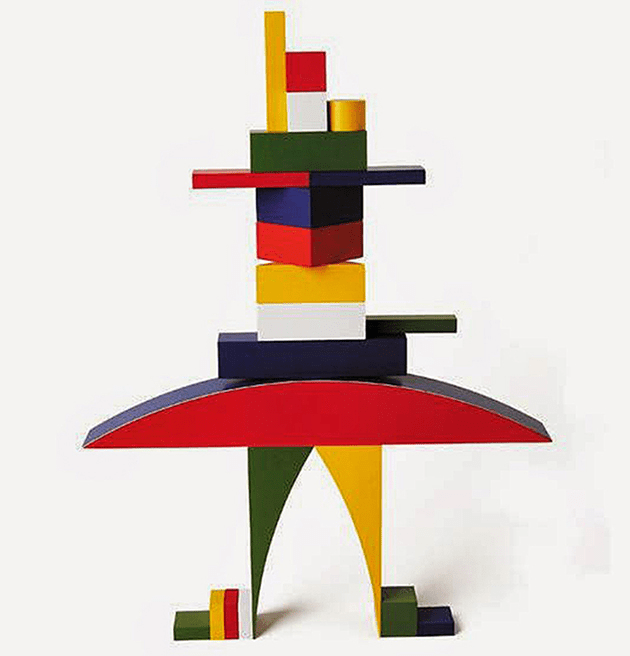
Alma Buscher was a German designer who studied and trained at the Bauhaus… She was born in Kreutzal, Germany in 1899… In 1922 she began her studies at the Bauhaus of Weimar taking Johannes Itten’s preliminary class and later classes offered by Paul Klee and Wassily Kandinsky. She was accepted to the textile workshop directed by Georg Muche, but later, in 1923 she changed to wood sculpture under the direction of Josef Hartwig. That same year she exhibited her furniture designs at the first Bauhaus exhibition. Her items were children’s furniture, theatrical puppets and marionettes and other toys.

Alma Buscher died died during a bombing raid (WWII) in Buchschlag, close to Frankfurt on the 25th of September of 1944. Short life, not enough work done but I think she showed a tremendous potential and who knows how far she could have reached had she survived the Second World War.

(Image source: Design Graduate)
(Image source: Casa Museo)
(Image source: Arquiscopio)

CHEERS

#art, ¿Talento o trabajo? – Talent or Hard Work?

(«Buddy No.2″/Francisco Bravo Cabrera/All Rights Reserved/Derechos Reservados)

De peque me acuerdo que mi abuela me decía que para ser cantante, actor, artista o bailarín habia que nacer con ese don, o sea, el talento para lograrlo. Bueno, pasaron los años y yo creyéndome eso hasta que decidí entrar en la facultad de bellas artes y me di cuenta que todos nacemos con la posibilidad de lograr cualquier cosa, lo que nos hacen falta son las ganas. El talento se desarrolla, si uno lo quiere y lo busca. Si quieres ser artista cúrratelo y lo lograrás. Eso nunca falla. Mientras más practiques, ensayes, trates y te esfuerces más talento desarrollas. El artista tiene que vindicarse con cada cuadro que haga, igual el cantante, el bailarín, el músico y el actor. El talento no se acumula, ni se tiene ahí de reserva. El talento hay que ejercitarlo continuamente, como el cuerpo con el ejercicio físico. Así que no penséis que hay que «tener» talento, hay que «desarrollar» talento. Claro, si lo queréis pues no todos nacemos para lo mismo. Y no vayáis a pensar que estas son chorradas, si no me lo crees ponme a la prueba y lo veréis. 😊

+++

When I was little, I remember my grandmother telling me that to be a singer, actor, artist, or dancer, you had to be born with that gift, or rather, the talent to achieve it. Well, years went by, and I believed that until I decided to enter the School of Fine Arts and realized that we all are born with the ability to achieve anything; what we lack are the drive and determination. Talent can be developed if one wants it and seeks it. If you want to be an artist, pursue it, and you will succeed. This never fails. The more you practice, rehearse, try, and strive, the more talent you develop. An artist must redeem themselves with every piece they create, just like a singer, dancer, musician, and actor do. Talent is not something that accumulates or is kept in reserve. Talent needs to be exercised constantly, just like the body with physical exercise. So don’t think that you have to “have” talent; you need to “develop” talent. Of course, if you want it, not everyone is born for the same things. And don’t think these are just nonsense; if you don’t believe me, put me to the test, and you’ll see. 😊

GRACIAS –CHEERS