#art, This Little…and confused…World of «Art»

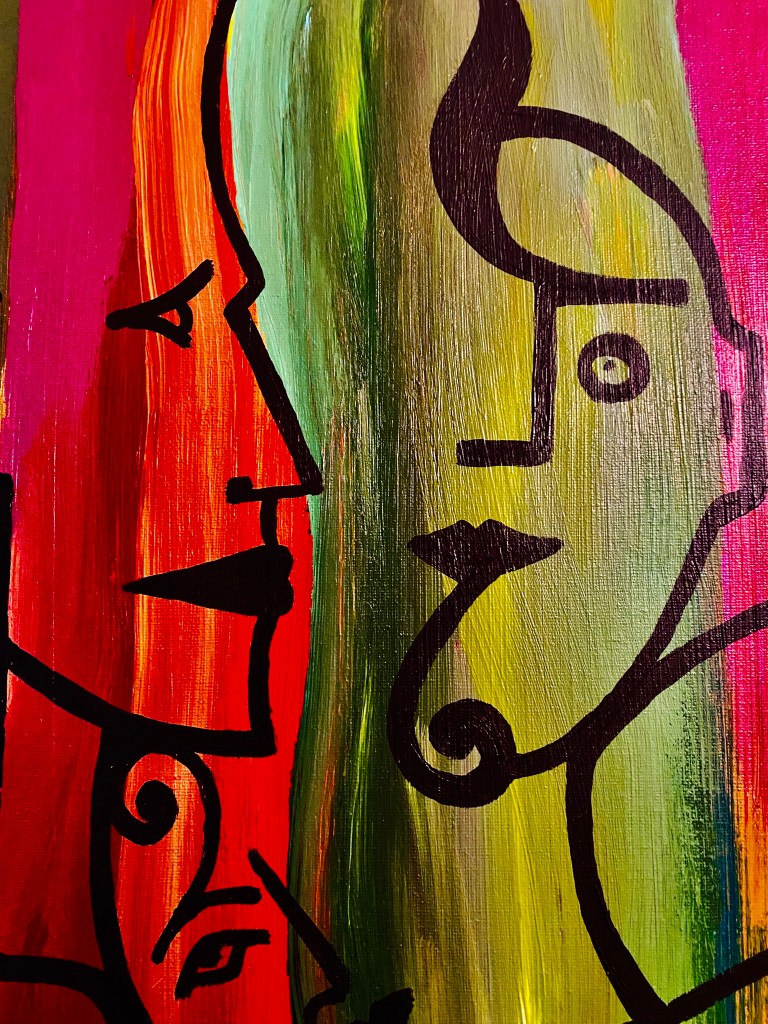
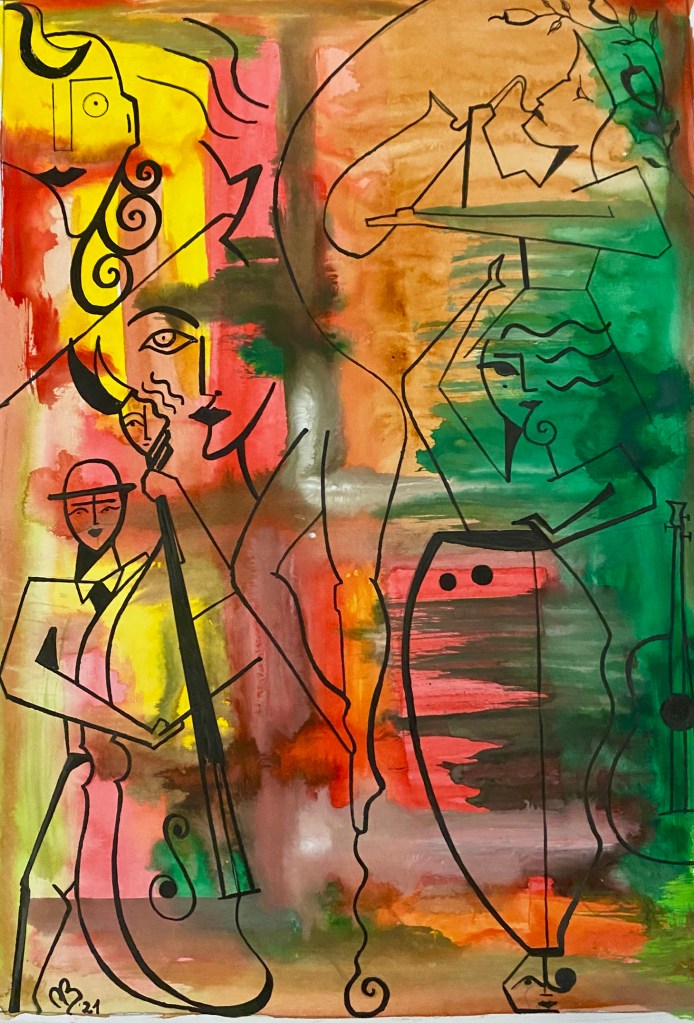
(«Portrait of Ophelia as a Magritte Painting»/Bodo Vespaciano/All Rights Reserved)

The Art World Today: Failed, Advancing, or Stagnant?

The art world is not failed, but neither static: it is going through a deep transformation, with clear stagnation at the “super-sales” level, alongside growing dynamism at more accessible tiers, driven by new generations, emerging regions, and technology. Here’s a detailed overview:


Decline at the High-End Market

  • In 2024, the global art market fell 12%, reaching around USD 57.5 billion.
  • Works above USD 10 million dropped sharply: both volume and value fell between 39–45%.
  • Resale returns are at their lowest point in 20 years: more than half sell at a loss.
  • Traditional auction houses, especially in London, face difficulties with plunging sales and profits.
  • Ultra-high-value art investments lost appeal: sales of works over USD 10 million fell 44%, and art’s share in wealthy portfolios shrank from 24% to 15% (2022–2024).

In short: the luxury tier is stagnating or declining.


Renewal at Accessible Levels

  • Total transactions actually rose 3%, driven by small works (<USD 5,000).
  • The mid-market (USD 100k–1 million) is holding strong and shows potential.
  • Affordable art segments grew in both value and number: low-cost works rose up to 7% in revenue and 13% in lots sold.
  • Online sales now make up 18–20% of the total, with many new buyers entering this way.

This shows a democratization of the market, with broader access and participation.


New Protagonists: Generations, Regions, and Formats

  • Millennials and Gen Z are reshaping the market: they dominate auctions, buy for cultural value more than investment, and prefer authenticity and transparency.
  • Diversity is accelerating: emerging artists — especially women and creators from Africa, Latin America, and Southeast Asia — are gaining visibility.
  • Geography is shifting: U.S. leads (~43%), U.K. rebounds (~18%), China collapses (~31%), while the Middle East, India, and Africa gain traction.
  • Fairs like Art Basel Paris and Liste Basel highlight focus on emerging talent.

This global recalibration suggests a more inclusive and culturally rooted future.


Technology, Innovation, and Immersive Art

  • Immersive art — interactive, multi-sensory formats — is on the rise, from Tokyo to immersive exhibitions like LOWRY 360.
  • NFTs and digital art are evolving: less speculation, more emphasis on curation, authenticity, and artistic value.
  • Digital platforms and AI are opening new paths in creation, pricing analysis, and accessibility.

Technology isn’t replacing art but expanding it.


Voices from the Art Community

On forums like Reddit, artists and gallerists stress the fatigue of the traditional market, post-COVID financial strain, and a disconnect between contemporary art and collectors:

“It’s been the worst couple of years for many artists… I showed 23 new paintings and only sold two…”
Calls for transparency and decentralization are rising: “democratize art and make it part of the community, with reasonable prices.”


Conclusion: Failed, Advancing, or Stagnant?

  • Not failed, but the elite tier is struggling.
  • Advancing in breadth: more transactions, new buyers, greater accessibility.
  • Transforming, driven by new regions, younger generations, technology, and values like inclusion and sustainability.

The art world is restructuring its center, shifting from the spectacular to the meaningful, from speculative to authentic.


These are facts, and supposedly the opinion of «experts» (good grief experts!) who offer opinions according to who knows what «expertise». Most of these so-called experts are not artists but «analysts», who, like the talking heads that want to interpret the news for us, want to tell us that what they think is the truth.

In my opinion the art world, per se, does not exist any more. It is the art business (as you can tell by the facts provided above). Artists today have an opportunity to set their own pace as successful outsiders. No one needs a gallery any more if one knows how to use the internet to advantage. Your gallery is the world wide web and your collectors come from all over the world. You set your prices, you create your trends, you develop your style and if you are successful, well, then it is your new «vanguard of the 21st Century».

And yes, digital programmes and AI are tools and if one is wise one will use them wisely and create. There is no stopping the creative process so do not be afraid of technology. Just do not get sold on fads and on those who laud and applaud mediocre and bad artists.

CHEERS

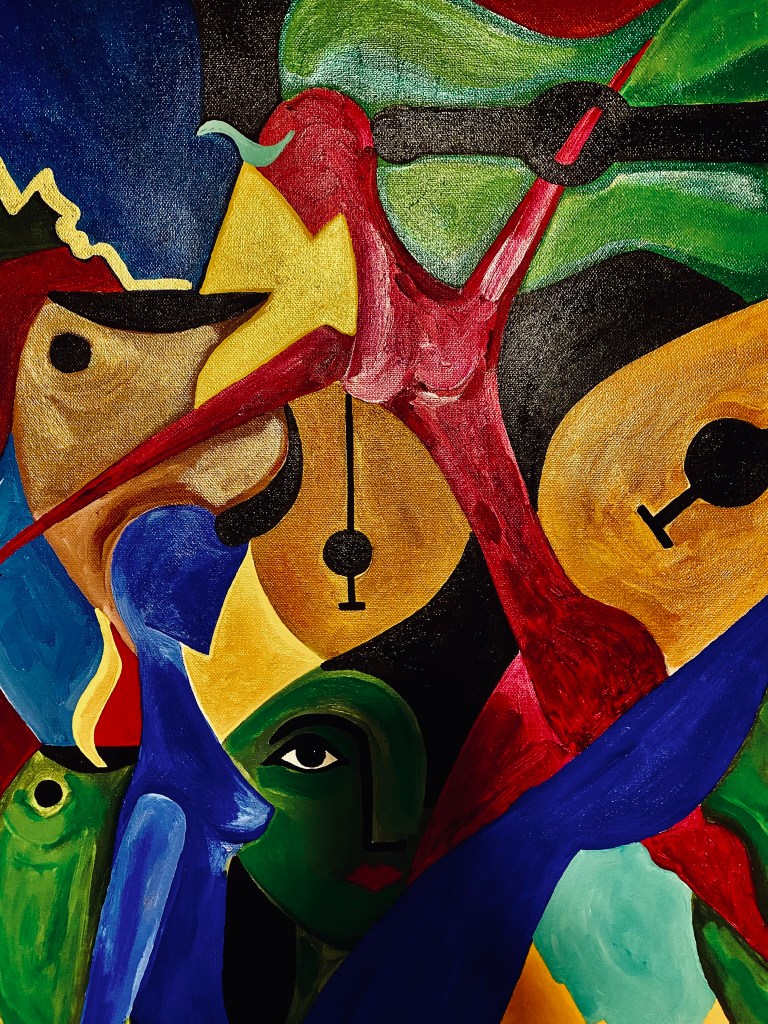
Art: Abstract Art “BLUESTER”

(Photo property of FBC, Omnia Caelum Studios València, C.2022, All Rights Reserved)

Abstract art? Really? Well…

I painted the above and then photographed it and “dealt” with it digitally to convert it into an NFT (Non-Fungible-Token). I call it the “Bluester”, because there is a blue rooster in the painting…

So, is it abstract? Being that most of the painting is created with the pure power of colour, I would say yes it is.

Abstract art is not just random colours, lines, drippings or scribbling. Abstract art contains the same problems as figurative. The most difficult aspect of abstract art is that the reference is internal, within the mind’s eye of the artist.

Abstract art has to follow the same rules as figurative. The artist must search, investigate and plan the colour, the composition and even the “style”, as there are differences…

Let me know what you think, especially if you are an abstract artist.

Cheers…

Bon dia!

Que tu mano derecha no sepa lo que está haciendo la izquierda…

Haz el bien y no mires a quien…

Open Call: Poets, Writers, Artists, and All Engaged in the Fine Arts…

(Graphic design by Francisco Bravo Cabrera/All Rights Reserved)

We at LatinosUSA (English and Spanish Editions) are extending an open invitation to all who would like to see their works published in our online magazine. LatinosUSA is part of the great network of online magazines under the MASTICADORES seal. We publish every day and would like to have you join our extensive list of collaborators from all over the world.

All interested please email me, Francisco Bravo Cabrera, Poetry Editor at:

ArribaPamplona@gmail.com

CHEERS

UN LLAMADO A POETAS Y ESCRITORES: VENID…

(Diseño gráfico de Francisco Bravo Cabrera/Derechos Reservados_

Comenzamos el año, y la temporada 2026, de la revista online LatinosUSA (English/Español) que os invita a colaborar con nosotros. Somos parte de la gran red de revistas online bajo el sello de MASTICADORES, creada por nuestro editor y jefe, Juan Ré. Llamamos a poetas, escritores y artistas que participan en cualquiera de las bellas artes para invitaros a publicar en nuestra revista. Publicamos diariamente.

Y a ti, si te interesa, únete a nuestro extenso grupo de colaboradores del mundo entero. Mándame un email y te explicaré el proceso.

Francisco Bravo Cabrera, editor de poesía: ArribaPamplona@gmail.com

GRACIAS

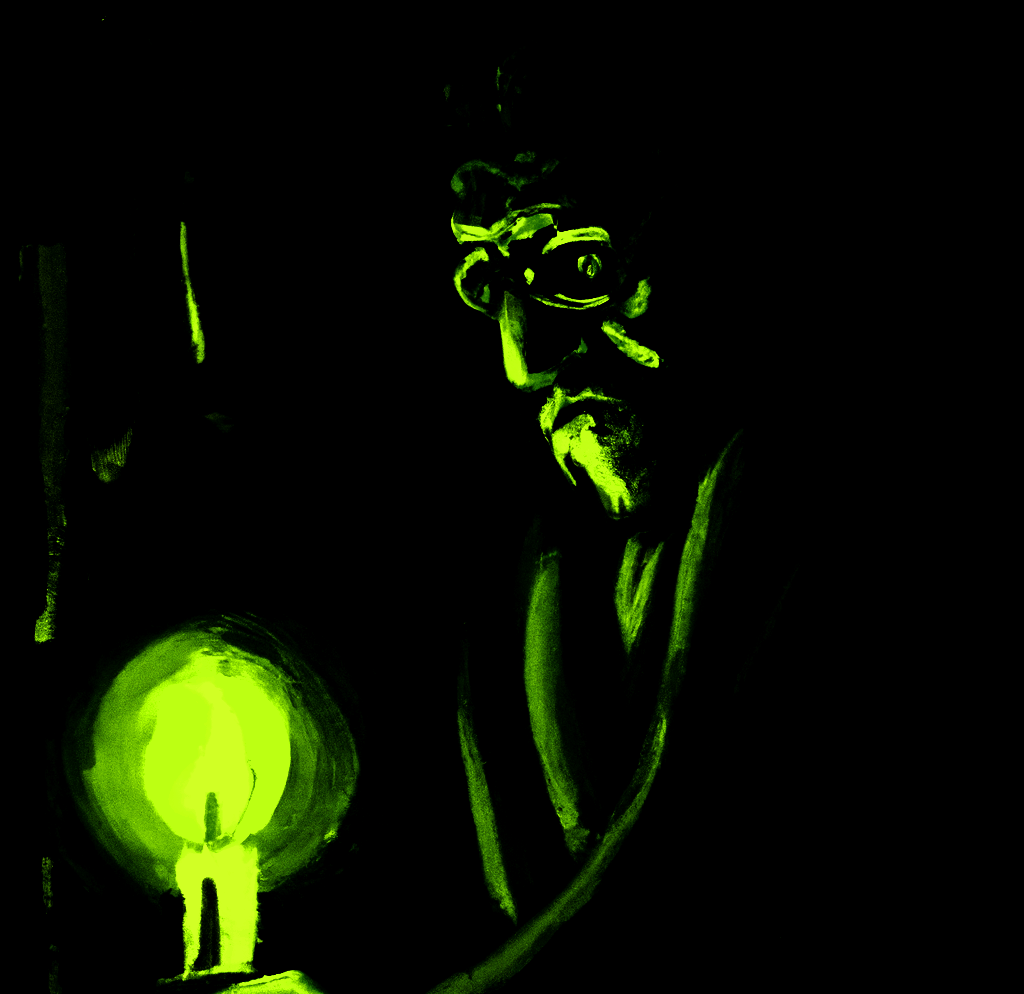
#art, A Page from Art History: Masaccio

(«Retrato de Masaccio»/Francisco Bravo Cabrera/All Rights Reserved)
MASACCIO

Today I would like to talk to you about an Early Renaissance painter from Italia that no one talks about a lot but who is important for art history and I think you should know more about him, or if you do not know anything about him, you should…

Masaccio, born Tommaso di Ser Giovanni di Simone in 1401 in San Giovanni Valdarno, in the region of Tuscany. He died in Rome in 1428…

Masaccio was a painter of the Early Renaissance who, although he had a brief career, transformed the course of Western art. He was born near Florence, and he trained in Florence. Masaccio quickly gained recognition for his innovative use of perspective, naturalism, and light. He rejected the Gothic stylization which was still common in his time. Masaccio was a pioneer of a new visual language that emphasized three-dimensional space, volumetric figures, and psychological realism.

His most important works include the Brancacci Chapel frescoes in Santa Maria del Carmine, Florence, where scenes such as The Tribute Money and The Expulsion from the Garden of Eden demonstrate his mastery of perspective, emotion, and storytelling. He also collaborated with Masolino and may have been influenced by Brunelleschi and Donatello, as he shared with these Renaissance greats an interest in proportion and classical harmony.

Masaccio’s career was tragically short as he died when he was about 26 or 27 years of age. However, his innovations surely influenced later masters such as Fra Angelico, Filippo Lippi, and especially Michelangelo. It can be safely said that Masaccio’s work marks the true beginning of Renaissance painting, bridging the medieval and the modern.

I think you will agree with my assessment of this great Italian master.


(San Giovenale Triptych/1422/Public Domain/Image source: Wikimedia Commons)
(Holy Trinity/1425/28/Public Domain/Image source: Wikimedia Commons)
(Crucifixion/1426/Public Domain/Image source: Wikimedia Commons)

CHEERS