Bon dia!

Faith saved us from the savages that we were, losing faith makes us savages again

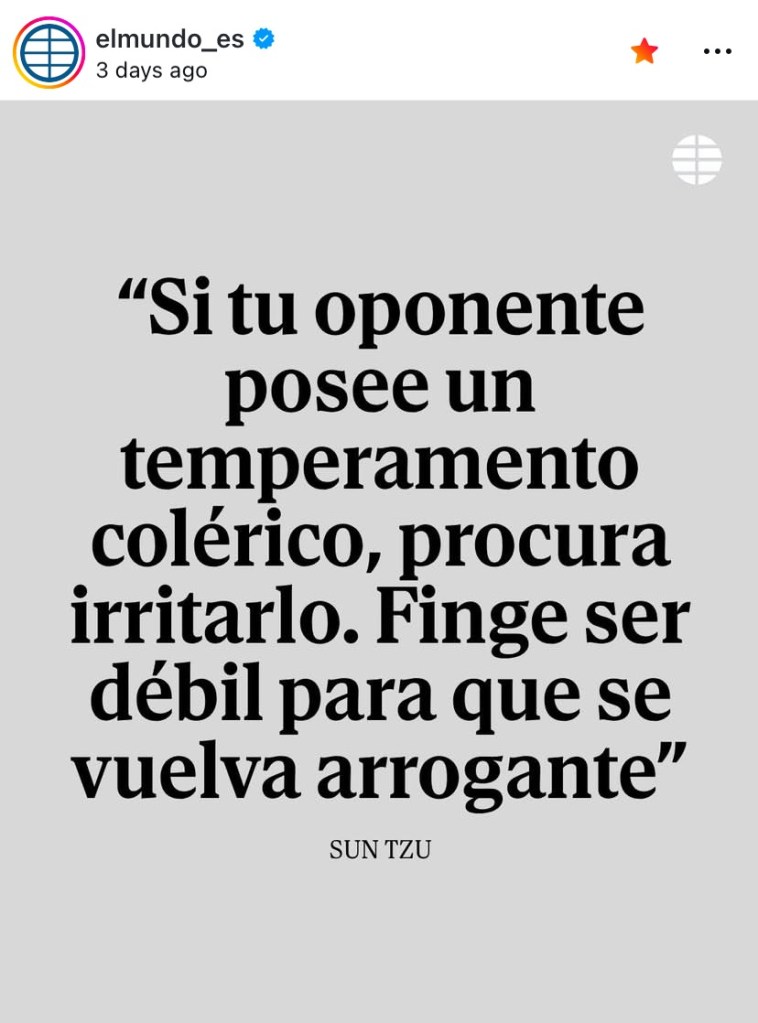
Do Gooders When the do-goodersand crusadershave excess time and energythey seek new venturesto share their zeal and vision. Sun’s Dichotomy As the …
Presenting Three Poems by Pat Alderman…
Please follow the link to the poems.
CHEERS

“We are pilgrims on this Earth and we will always walk alone no matter how many others surround us.” (FBC/Bodo Vespaciano)


ON PSALM 51
I plead for mercy,
my hands are stained with all that I’ve undone
and no river can wash them,
no silence can hide what I’ve become.
I have acted against the blessings I’ve received,
and the echo of my words does not recede,
as every step carries the weight of my bad choices,
and the sun casts shadows on what I have abandoned.
Wash me to the bone.
and cleanse me clean in the secret places where shame hides,
for that’s the place where my eyes do not linger
because upon that fire I cannot look for long.
Break me,
I think you must.
Open a gate in my soul
so that my shattered pieces can learn to sing a new song,
of marrow and of spirit,
a song the stones themselves will sing.
Don’t forget me or ignore me with your silence
or close your ears to my request,
let my heart remember joy,
let my breath now rise in praise towards you,
let my spirit wither not.
Then my voice will rise again,
no longer as a man that’s drowning,
but as one pulled from the depths,
singing of mercy,
gratefully thanking you for the life you’ve saved.
C.2025, Francisco Bravo Cabrera – 19 AUG 2025 – Izmir, Türkiye

Should conceptual «art» stand alongside movements such as Impressionism or Cubism? Does it have equal importance?
Well… Some «experts» (good grief experts!) remind us that Impressionism and Cubism changed how we see the world in paintings and that conceptual «art» changed the definition of art itself. After conceptual art, Art went from making objects to being about presenting ideas. It is a change in terms of theory, definitely not in terms of skill.
These «experts» continue by telling us that museums, galleries and universities had to adapt to conceptual «art», as well as curators, critics and audiences. They say that we all now engage differently with art and that its importance lies in influence, not in craft. I say rubbish. They…except for the public…adapted because of money. They go on and on telling us how conceptual «art» opened the door to performance, installations and other forms of socially engaged «art». They even think it influenced digital art and AI generated art. Finally they (good grief experts!) think that the art scene of today would look completely different without conceptual art’s existence.
This is something else that I entirely disagree with. Well, I really have no use for «experts». Neither do most of us. We know what we see and we like what we like and we do not need an «expert» to tell us what we should be engaging with when we wish to engage with art.
WHY I DO NOT LIKE OR ENGAGE WITH CONCEPTUAL «ART»
IN CONCLUSION
If we use the example of Duchamp’s urinal, the conceptual piece titled «Fountain» to represent conceptual «art» we can all see that it took no talent to produce, no real imagination, and that it…in truth and reality…has no message to convey nor is it important in any way. And yes, many people in the «art world» at the time, e.g. Peggy Guggenheim, thought it was genius and thought of Duchamp as the greatest artist. But I think that if you just look at the piece you realise it is a ready-made object of common usage. It’s use is to get rid of bodily waste. Perhaps Duchamp, had he not been adulated by peers and others, would have remained unknown and maybe had taken his urinal home to use it for what it was intended.
Conceptual «art» is not, by any means, in the same league as the art vanguards of the 20th Century, not even equal to the worst ones. In my opinion, it should not be included in the art curriculum. Perhaps it should be as an elective in the Theatre Department or nowhere.
CHEERS
GRACIAS – CHEERS
ON PSALM 51
I plead for mercy,
my hands are stained with all that I’ve undone
and no river can wash them,
no silence can hide what I’ve become.
I have acted against the blessings I’ve received,
and the echo of my words does not recede,
as every step carries the weight of my bad choices,
and the sun casts shadows on what I have abandoned.
Wash me to the bone.
and cleanse me clean in the secret places where shame hides,
for that’s the place where my eyes do not linger
because upon that fire I cannot look for long.
Break me,
I think you must.
Open a gate in my soul
so that my shattered pieces can learn to sing a new song,
of marrow and of spirit,
a song the stones themselves will sing.
Don’t forget me or ignore me with your silence
or close your ears to my request,
let my heart remember joy,
let my breath now rise in praise towards you,
let my spirit wither not.
Then my voice will rise again,
no longer as a man that’s drowning,
but as one pulled from the depths,
singing of mercy,
gratefully thanking you for the life you’ve saved.
C.2025, Francisco Bravo Cabrera – 19 AUG 2025 – Izmir, Türkiye
Should conceptual «art» stand alongside movements such as Impressionism or Cubism? Does it have equal importance?
Well… Some «experts» (good grief experts!) remind us that Impressionism and Cubism changed how we see the world in paintings and that conceptual «art» changed the definition of art itself. After conceptual art, Art went from making objects to being about presenting ideas. It is a change in terms of theory, definitely not in terms of skill.
These «experts» continue by telling us that museums, galleries and universities had to adapt to conceptual «art», as well as curators, critics and audiences. They say that we all now engage differently with art and that its importance lies in influence, not in craft. I say rubbish. They…except for the public…adapted because of money. They go on and on telling us how conceptual «art» opened the door to performance, installations and other forms of socially engaged «art». They even think it influenced digital art and AI generated art. Finally they (good grief experts!) think that the art scene of today would look completely different without conceptual art’s existence.
This is something else that I entirely disagree with. Well, I really have no use for «experts». Neither do most of us. We know what we see and we like what we like and we do not need an «expert» to tell us what we should be engaging with when we wish to engage with art.
WHY I DO NOT LIKE OR ENGAGE WITH CONCEPTUAL «ART»
IN CONCLUSION
If we use the example of Duchamp’s urinal, the conceptual piece titled «Fountain» to represent conceptual «art» we can all see that it took no talent to produce, no real imagination, and that it…in truth and reality…has no message to convey nor is it important in any way. And yes, many people in the «art world» at the time, e.g. Peggy Guggenheim, thought it was genius and thought of Duchamp as the greatest artist. But I think that if you just look at the piece you realise it is a ready-made object of common usage. It’s use is to get rid of bodily waste. Perhaps Duchamp, had he not been adulated by peers and others, would have remained unknown and maybe had taken his urinal home to use it for what it was intended.
Conceptual «art» is not, by any means, in the same league as the art vanguards of the 20th Century, not even equal to the worst ones. In my opinion, it should not be included in the art curriculum. Perhaps it should be as an elective in the Theatre Department or nowhere.
CHEERS

“Wisdom is the most beautiful of the virtues man can aspire to.”

 JaZzArt en València