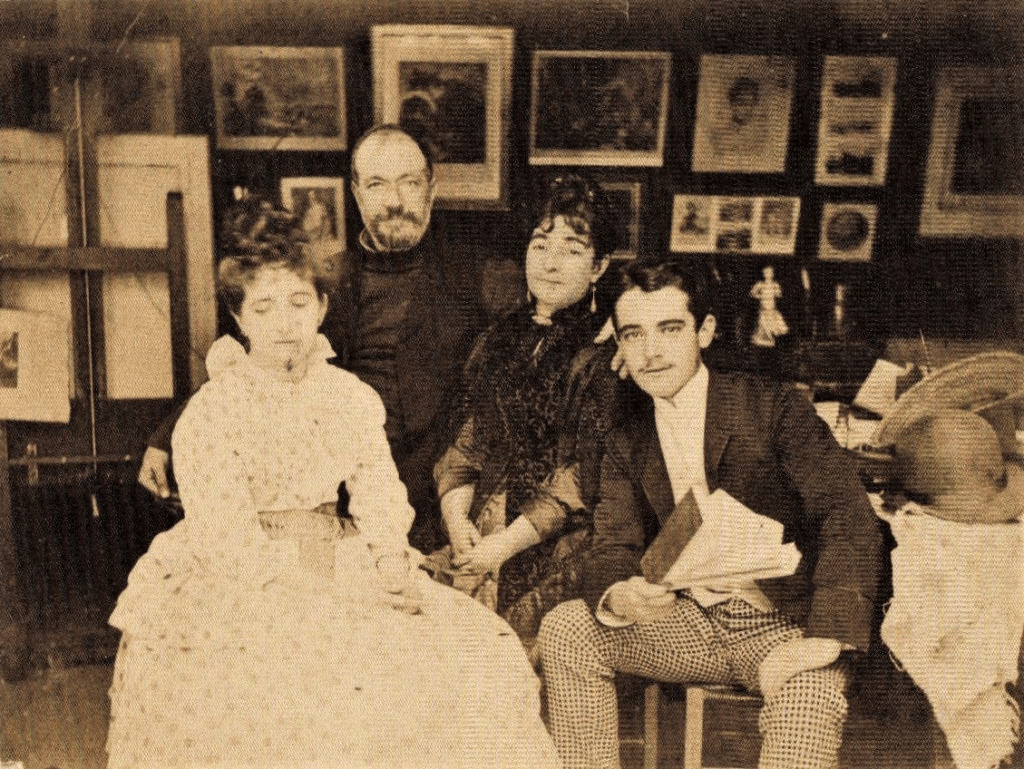
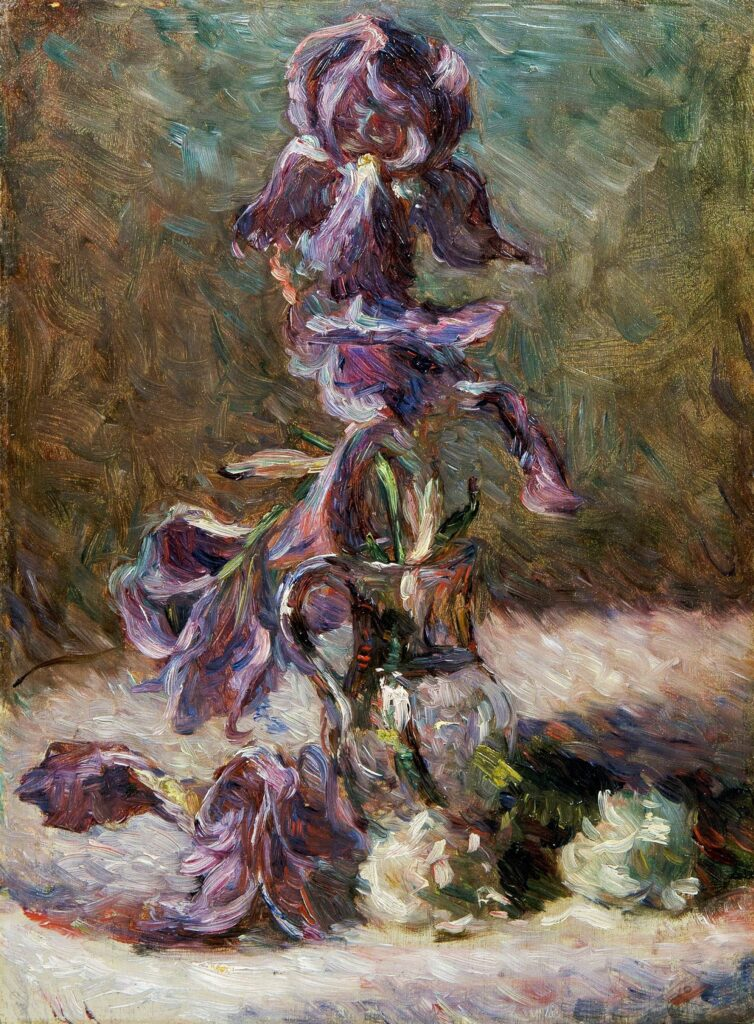
Well, let us begin with Marie Bracquemond (1840–1916)

Marie Bracquemond, born in Landunvez, Finisterre, France, was an Impressionist painter whose work was long overshadowed, and ignored by her male contemporaries, as was usual in the art world. She was a trained artist, however, her training was informal but good enough to be exhibited at the Paris Salon in the 1860s. She later became influenced by Impressionist painters like Monet and Degas and adopted their emphasis on light and color in her own work. Her paintings often featured domestic scenes, portraits, and outdoor settings with rich color and delicate brushwork.
Marie had to struggle against the society and her husband, Félix Bracquemond, who did not support her involvement with Impressionism. Because of these injustices her work was totally forgotten but has, as of lately, begun to receive the recognition it deserves, positioning her as a significant—if underappreciated—figure among the Impressionists.

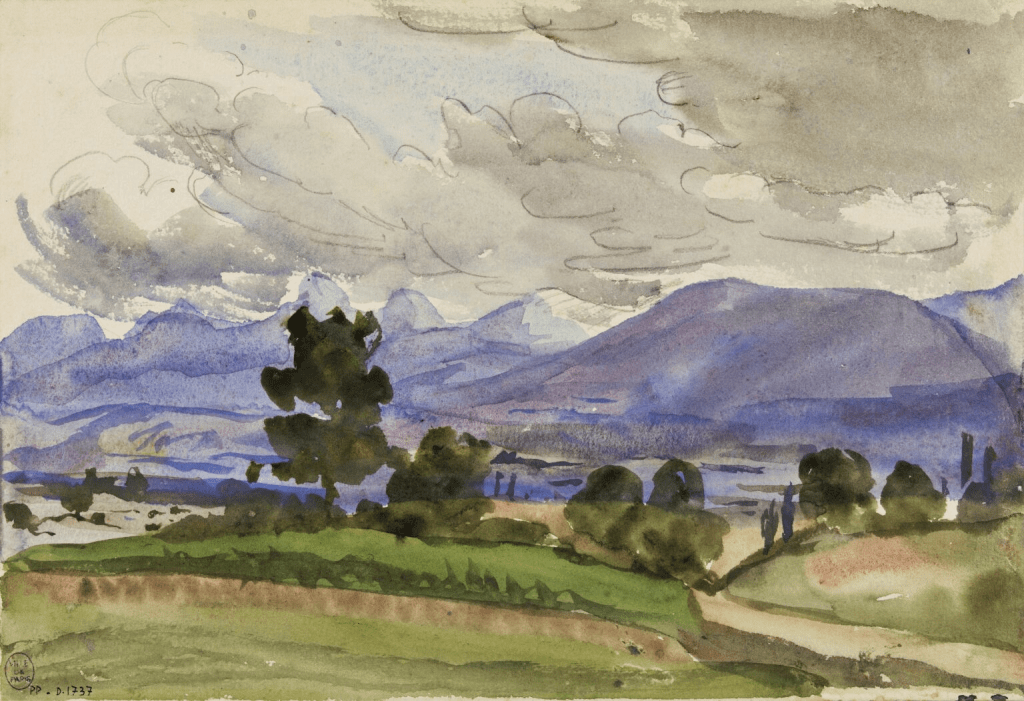
Félix Bracquemond (1833–1914)

Félix Bracquemond was born in Paris. He was a painter, etcher, and ceramic designer. He is best recognised for his contributions to the Etching Revival in 19th-century France and for his role in introducing Japanese art (Japonisme) into European decorative arts. He was a prolific printmaker and collaborated with many well-known artists of his time, including Manet and Degas. Félix was also artistic director at the Haviland porcelain factory, where he helped popularize Japanese motifs in French ceramics.
Though Félix was a phenomenal artist and sought fame and recognition, he did not think his wife, Marie, deserved the same so he undermined her art and artistic ambitions. But yet we must not ignore that his influence on the decorative arts and his championing of etching and Japanese aesthetics mark him as a key figure in 19th-century French art.
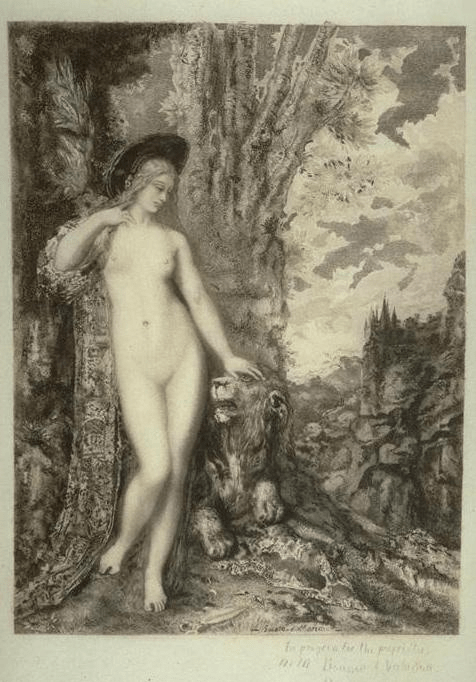
Here are some of his etchings…


CHEERS
 JaZzArt en València