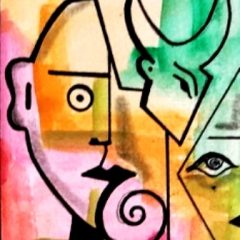
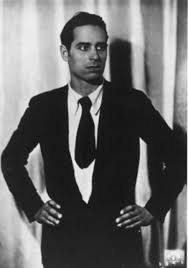
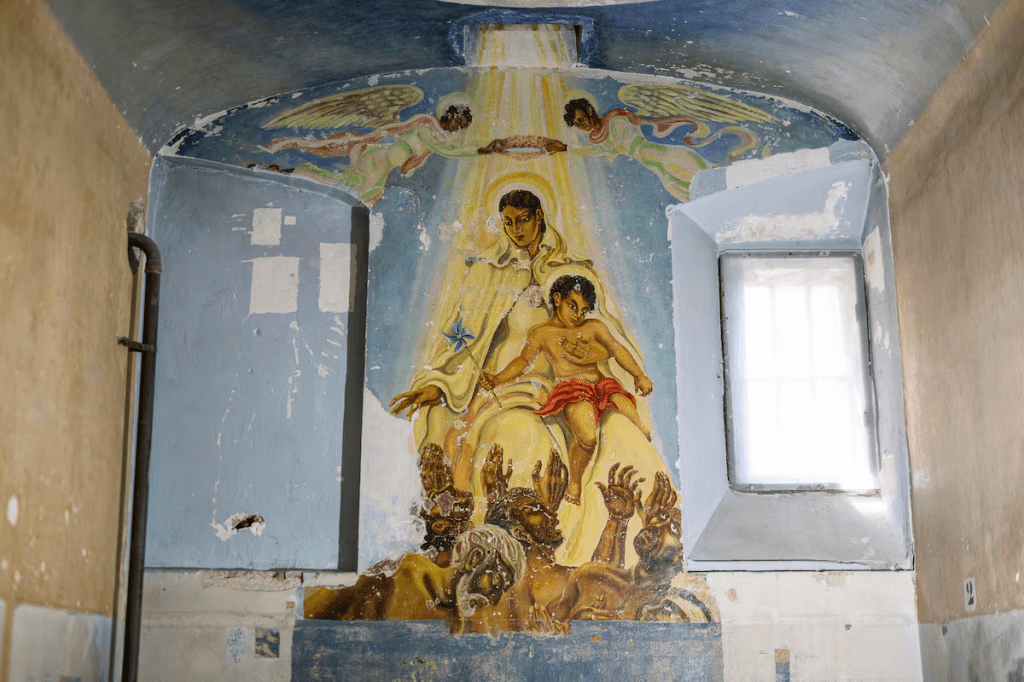
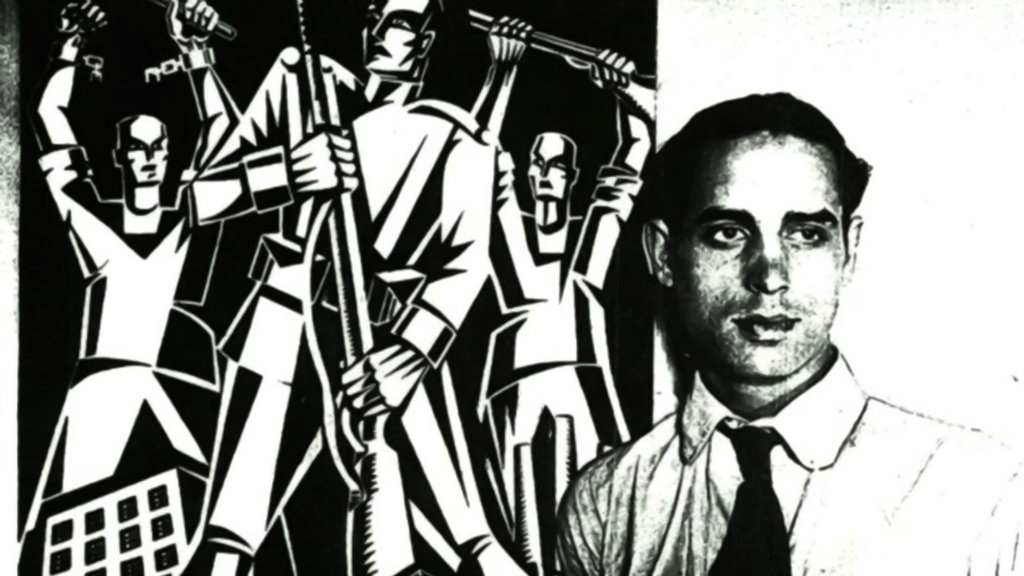
Bueno este artista y poeta gitano, que nació en Sevilla (Triana) en 1905, lo hizo, y lo fue, todo durante su corta vida. Digamos que fue sindicalista anti-franquista, pintor, cartelista. y este poeta gitano español, también fielmente representó la vanguardia artística de principios del siglo XX. Estudio Bellas Artes de noche y de dia era ayudante de pintor en la fábrica de la Cartuja. En 1925 expuso por primera vez obras cubistas… En 1927, por sus opiniones libertarias se tuvo que exiliar en París… Fue expulsado de París por manifestarse ne contra de las ejecuciones de los anarquistas Sacco y Vanzetti… Se fugo a Bélgica, pasó por Amsterdam y Vienna y estuvo dos meses en la URSS… En 1930 publicó su primer álbum Días de Ira en Berlin… Después de la dictadura de Primo de Rivera volvió a Barcelona. Colaboró en los diarios L’Opinió , La Rambla, La Batalla, L’Hora, Bolivar, Estudios y Nueva España haciendo las portadas e ilustraciones. Pero por sus tendencias que fueron muy lejos para unirse a las de los comunistas fue pronto expulsado por unirse a los grupos pro-soviéticos… Bueno, despues de dar un sin fin de giros que incluyeron exposiciones en la URSS, y despues de la guerra fue puesto en prisión por asociación ilegal. Allí pintó el fresco La Capilla Gitana. Estuvo privado de libertad hasta 1954. Murió en Barcelona en 1956.
+++
Helios Gómez, gypsy artist and poet was born in Seville (Triana) in 1905. During his short life he was an anti-Franco unionist, painter, poster artist who represented the artistic avant-garde of the early 20th century. He studied Fine Arts at night and during the day he was a painter’s assistant in the Cartuja factory. In 1925, he exhibited cubist works for the first time… In 1927, due to his libertarian opinions, he had to go into exile in Paris… He was expelled from Paris for protesting against the executions of anarchists Sacco and Vanzetti… He fled to Belgium, passed through Amsterdam and Vienna, and spent two months in the USSR… In 1930, he published his first album Días de Ira in Berlin… After the dictatorship of Primo de Rivera, he returned to Barcelona. He collaborated in the newspapers L’Opinió, La Rambla, La Batalla, L’Hora, Bolivar, Estudios, and Nueva España, creating covers and illustrations. However, due to his far-left tendencies that aligned with communists, he was soon expelled for joining pro-Soviet groups… Well, after a countless number of twists that included exhibitions in the USSR, and after the war (SPanish Civil War), he was imprisoned for illegal association. There he painted the fresco La Capilla Gitana. He was deprived of freedom until 1954. He died in Barcelona in 1956.
+++++

Para mi fue un artista consecuente con sus ideas y supo, como artista que era, expresarse y educar. El que puede hablar es el que debe hacerlo, no importa lo que cueste. Siempre que se opone uno a una dictadura uno esta ejerciendo la labor del hombre libre que no admite ataduras de ningún tipo. Creo excepcional la vida y la obra de este pintor y poeta sevillano y creo que se debe conocer pues a mi nunca me hablaron de Helio Gómez y por eso lo haré yo…
+++++++
For me, he was an artist consistent with his ideas and knew, as an artist, how to express himself and educate. Those who can speak are the ones who must do so, regardless of the cost. Whenever one opposes a dictatorship, one is exercising the role of a free man who does not accept any kind of shackles. I find the life and work of this Sevillian painter and poet exceptional, and I believe it should be known because no one ever told me about Helio Gómez, and that is why I will tell you…
GRACIAS – CHEERS
 JaZzArt en València